
Falstaff Winery - 3 Stars
Meroi Davino is a family-run Buttrio estate in Friuli Colli Orientali DOC, rooted in hillside vineyards, Ponca soils and a cellar style built around controlled small-wood aging. Founded in 1920, the estate works across Friulian whites and structured reds, with Paolo Meroi associated with the current generation and Vinous scores giving the wines an external critical signal.

Pearl is the En Primeur Club membership app, where members save venues, book tables and use the concierge.

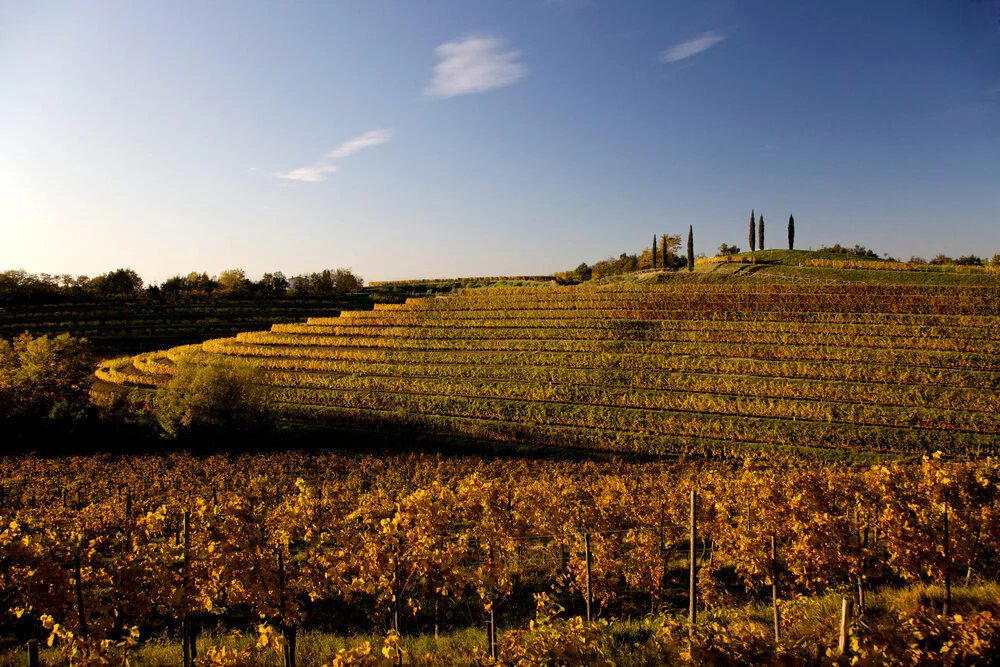
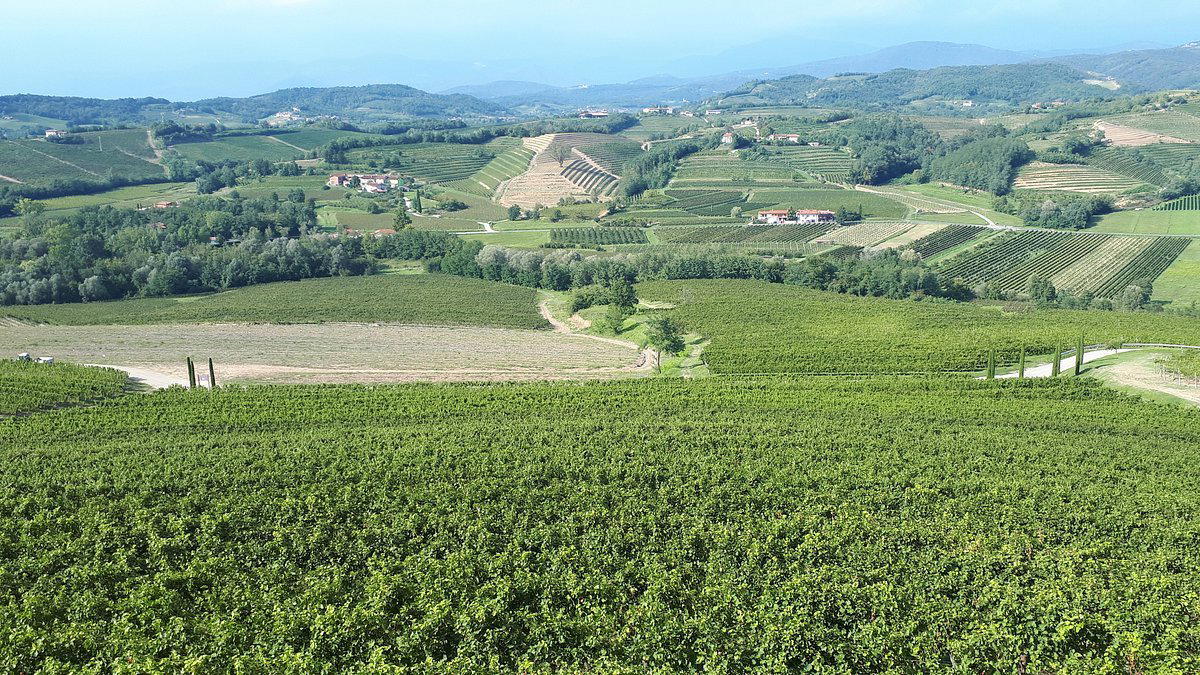
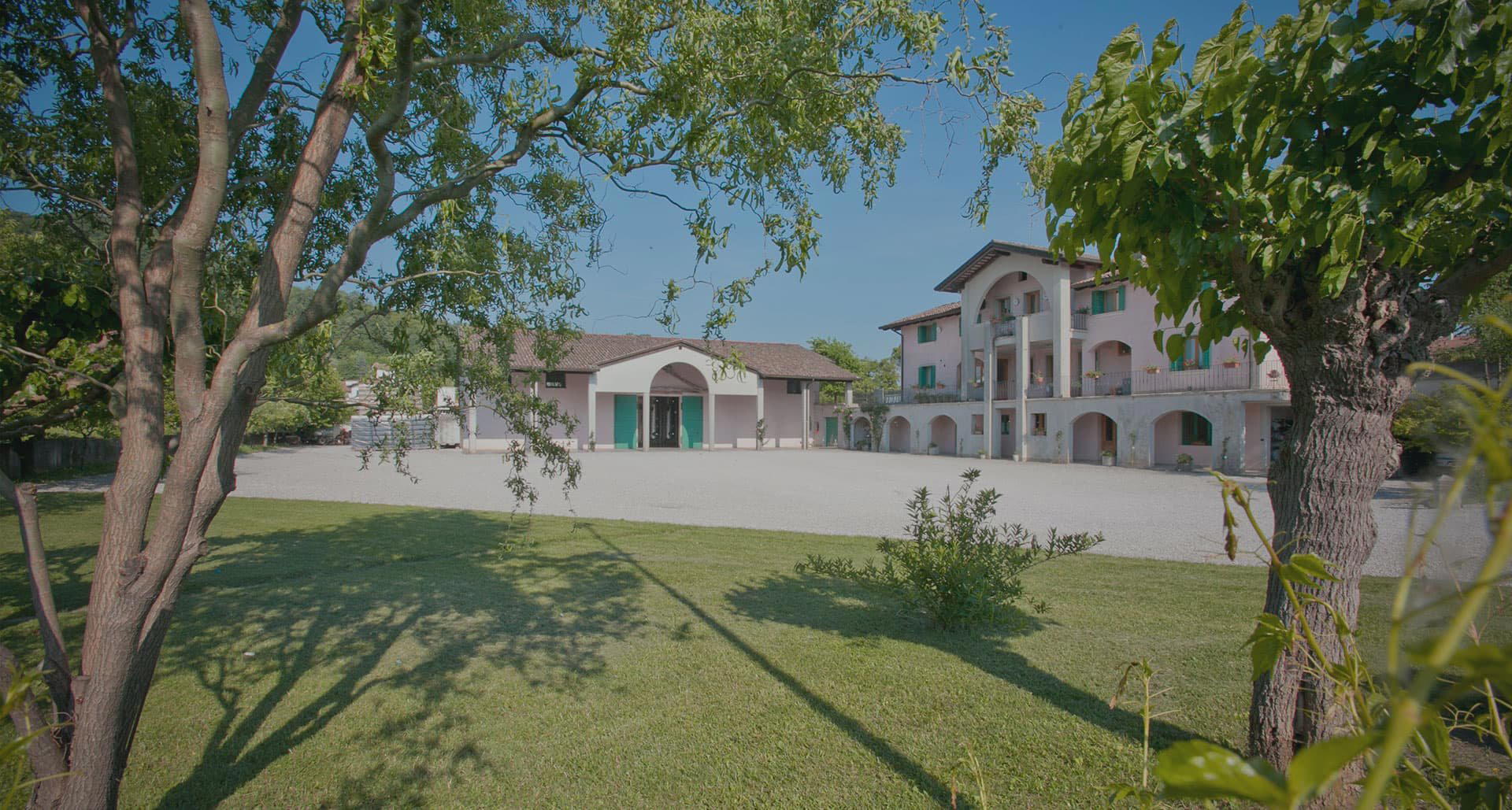
Buttrio’s wine country does not announce itself with grand theatre. The appeal is quieter: vineyard slopes, agricultural buildings, cellar rhythm and the particular Friulian confidence that comes from working both native and international grapes without forcing a single regional story. In that setting, Meroi Davino belongs to the Colli Orientali del Friuli tradition where soil, exposure and cellar restraint matter more than spectacle.
Ponca soils and Adriatic air shape the house style
Friuli’s eastern hills have long rewarded growers who understand contrast. The area sits between Adriatic influence and hill-country ventilation, a combination that can support ripeness without losing line. Around Buttrio, calcareous marl and the region’s marl-and-sandstone Ponca soils give producers a structural language: whites with freshness and depth, reds with mineral tension rather than simple weight.
Meroi Davino’s estate identity fits that pattern closely. The family works 20 hectares and traces its founding to 1920, a timescale that matters in a region where vineyard inheritance and cellar habits often carry as much authority as fashion. The varietal range is broad but coherent: Sauvignon Blanc, Chardonnay, Pinot Grigio and Ribolla Gialla on the white side; Merlot and Refosco anchoring the reds. That mix is Friuli in miniature, local grapes sharing ground with varieties that the region has made convincingly its own.
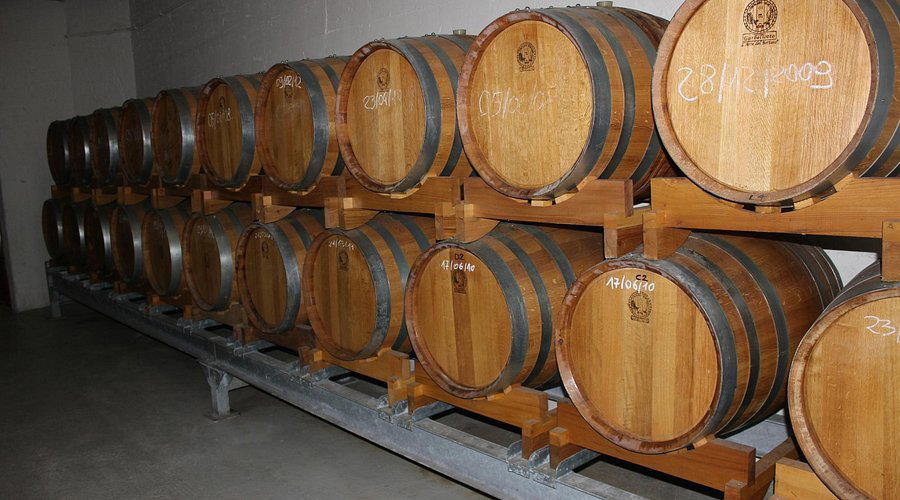
The cellar approach points toward texture rather than excess. Small wooden barrels are part of the estate vocabulary, with examples including Nèstri Bianco aged 11 months in used barrique, Nestri Rosso aged 18 months in used barrique, and Pinot Grigio and Sauvignon Bianco each seeing 8 months in new and used barrique. In a region where oak can either clarify structure or blur it, the relevant question is balance. Here the evidence suggests a producer using wood as a frame for site and variety, not as the headline.
The wines read as Friuli rather than as a single-grape exercise
The stronger way to understand this estate is not through one bottle but through the portfolio. Nèstri Bianco, Nestri Rosso, Pinot Grigio, Sauvignon Bianco and Ribolla Gialla show a house that is working across categories while staying inside the Friuli Colli Orientali DOC grammar. The point is not breadth for its own sake. In northeastern Italy, serious producers often make their case through a set of wines that show how the same hills translate differently through white aromatics, skin-sensitive varieties, Bordeaux-linked reds and local grapes such as Refosco and Ribolla Gialla.
There are useful external markers. Pinot Grigio Friuli Colli Orientali DOC 2024 received 92 points from Vinous, Sauvignon Bianco Friuli Colli Orientali DOC 2024 received 90 points from Vinous, and Nestri Rosso 2020 has also been noted at 92 points from Vinous. Those scores are not decoration; they help position the estate inside the premium Friulian conversation, especially for varieties that can be undervalued when treated as commodity wines.
Pricing also tells part of the story. Examples in the core range have been listed around €22, with a broader quality-first band reaching roughly €32. That places the wines in a useful middle ground: above casual supermarket Friuli, below trophy allocation pricing, and squarely aimed at drinkers who care about soil, cellar decisions and regional fidelity. For travelers building a Buttrio wine itinerary, this is the kind of producer that explains why Colli Orientali remains one of Italy’s more compelling regions for whites that carry structure as well as aroma.
How to place it in a Buttrio wine itinerary
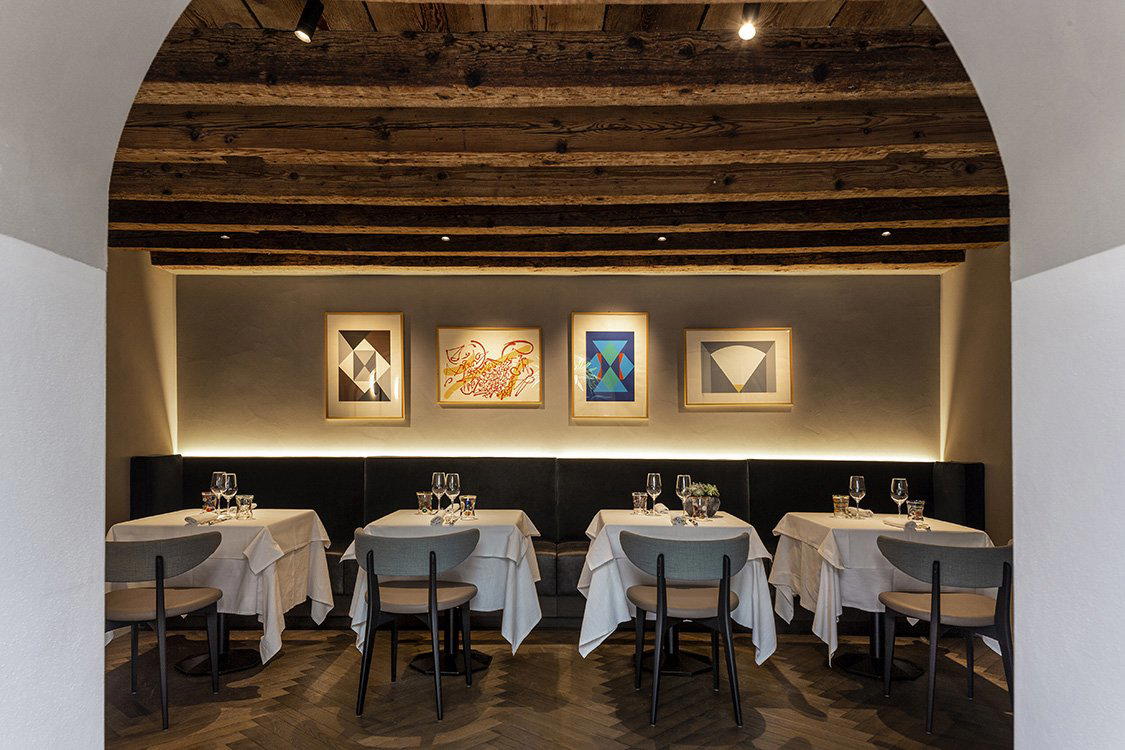
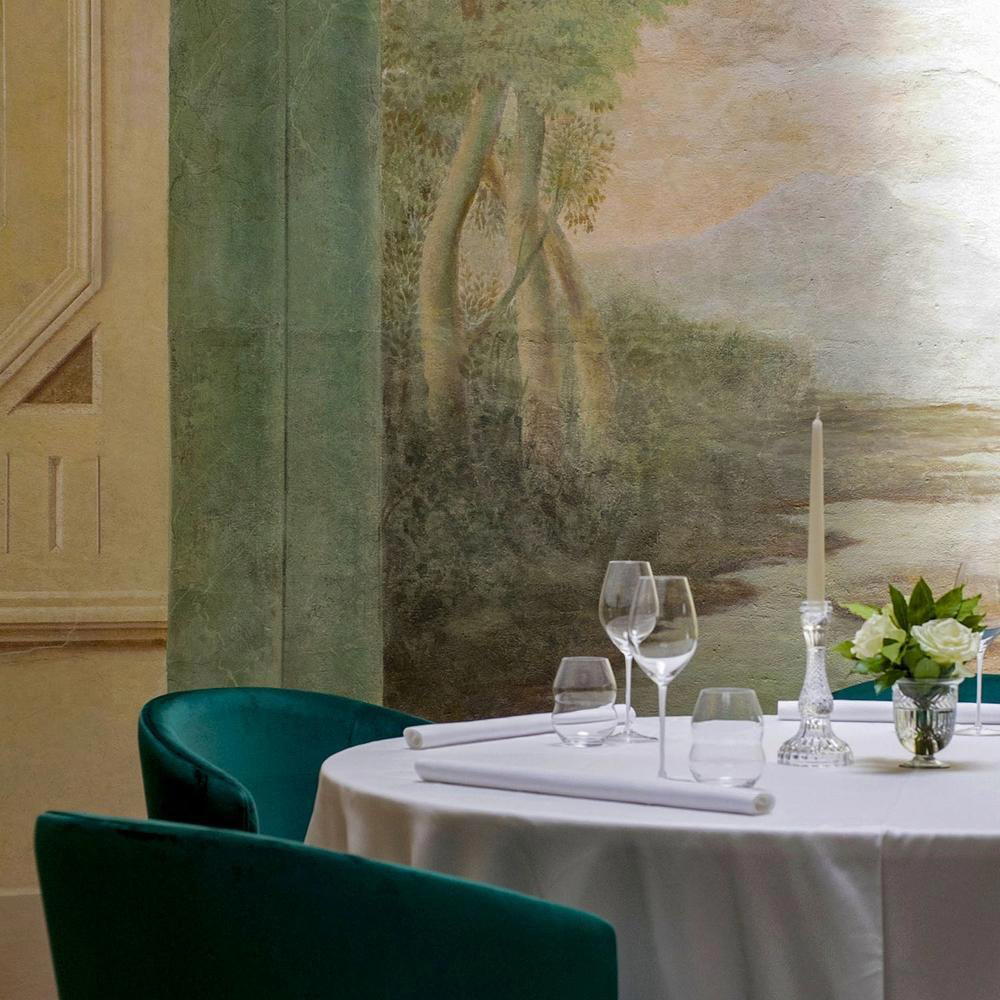
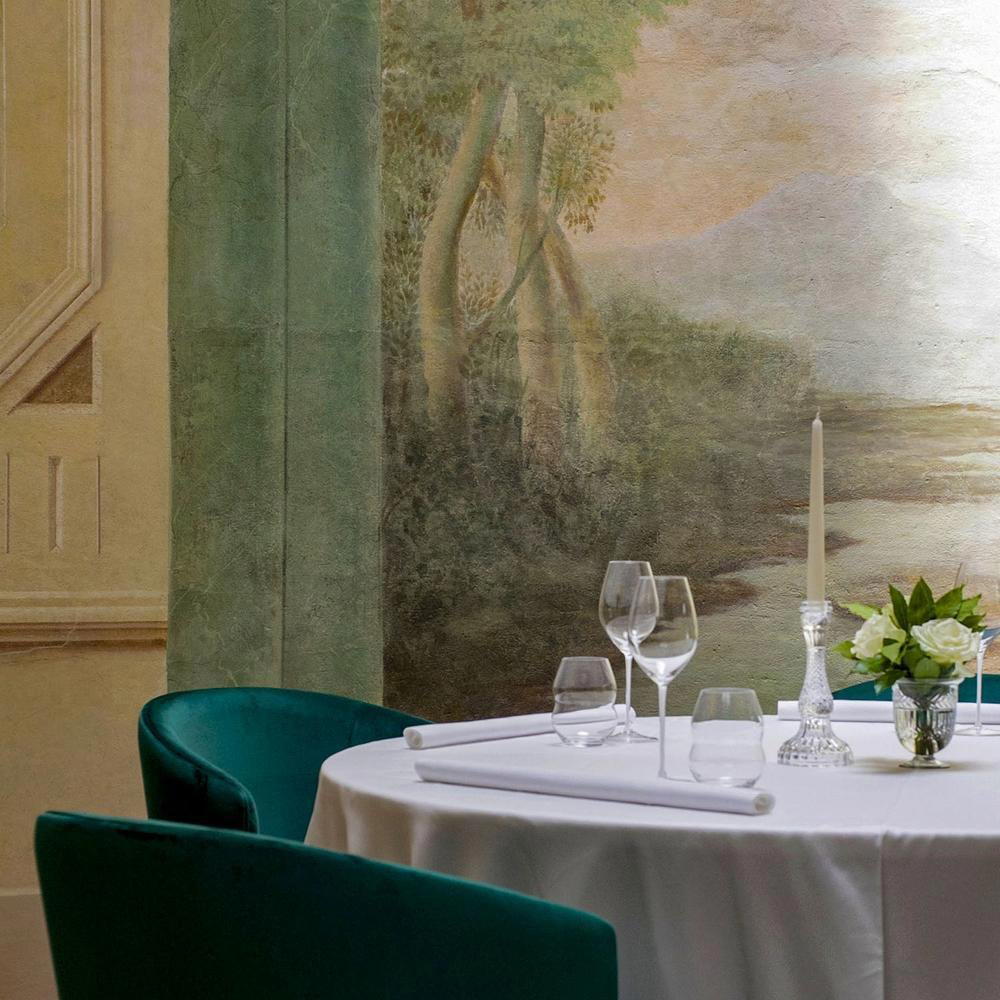
The experience is appointment-led and small in scale, so the estate suits travelers who prefer a focused cellar visit over a high-volume tasting-room circuit. The atmosphere is described by the estate’s own positioning more than by hospitality theatrics: family-run, rural, quiet and grounded in wine education. Dress is casual, the mood is traditional, and the point of going is to understand how Buttrio’s hills translate through a family cellar rather than to chase restaurant-style service.
Paolo Meroi is associated with the current generation, but the more useful editorial frame is continuity. A family estate founded in 1920, working 20 hectares and maintaining a small-production identity, belongs to a Friulian model where stewardship and craft sit close together. The production philosophy is conventional rather than certification-led, and the clearest sustainability signal is land continuity: a compact estate treating vineyard holdings as patrimony, not as anonymous supply.
Buttrio rewards a wine-focused plan rather than a single stop. Readers mapping the area can place Meroi Davino alongside the wider local winery scene through Our full Buttrio wineries guide, while nearby estate pages such as Azienda Agricola Miani, Castello di Buttrio, Conte D'Attimis Maniago, Croatto Piero and Marina Danieli Estate help show how concentrated this small town’s wine identity is. For broader trip planning, keep the category guides separate: Our full Buttrio restaurants guide, Our full Buttrio hotels guide, Our full Buttrio bars guide and Our full Buttrio experiences guide.
For readers extending the cellar map beyond Friuli, EP Club also indexes producers across Italy and wider Europe, including 3GP SRL in Treviso, 47 Anno Domini in Trebaseleghe, A Mano Wine in Noci, »der Steiner« Hans Steiner in Podersdorf am See and & Handwein in Mannheim. Meroi Davino’s role in that broader map is specific: a Buttrio estate where Friulian terroir, family continuity and measured barrique work form the argument.
Recognition history
Dated appearances from independent guides and award organizations, with the underlying list record or original source where available.
Falstaff Winery - 3 Stars
Falstaff
Continue exploring
More in Buttrio
Wineries in Buttrio
All wineries in Buttrio →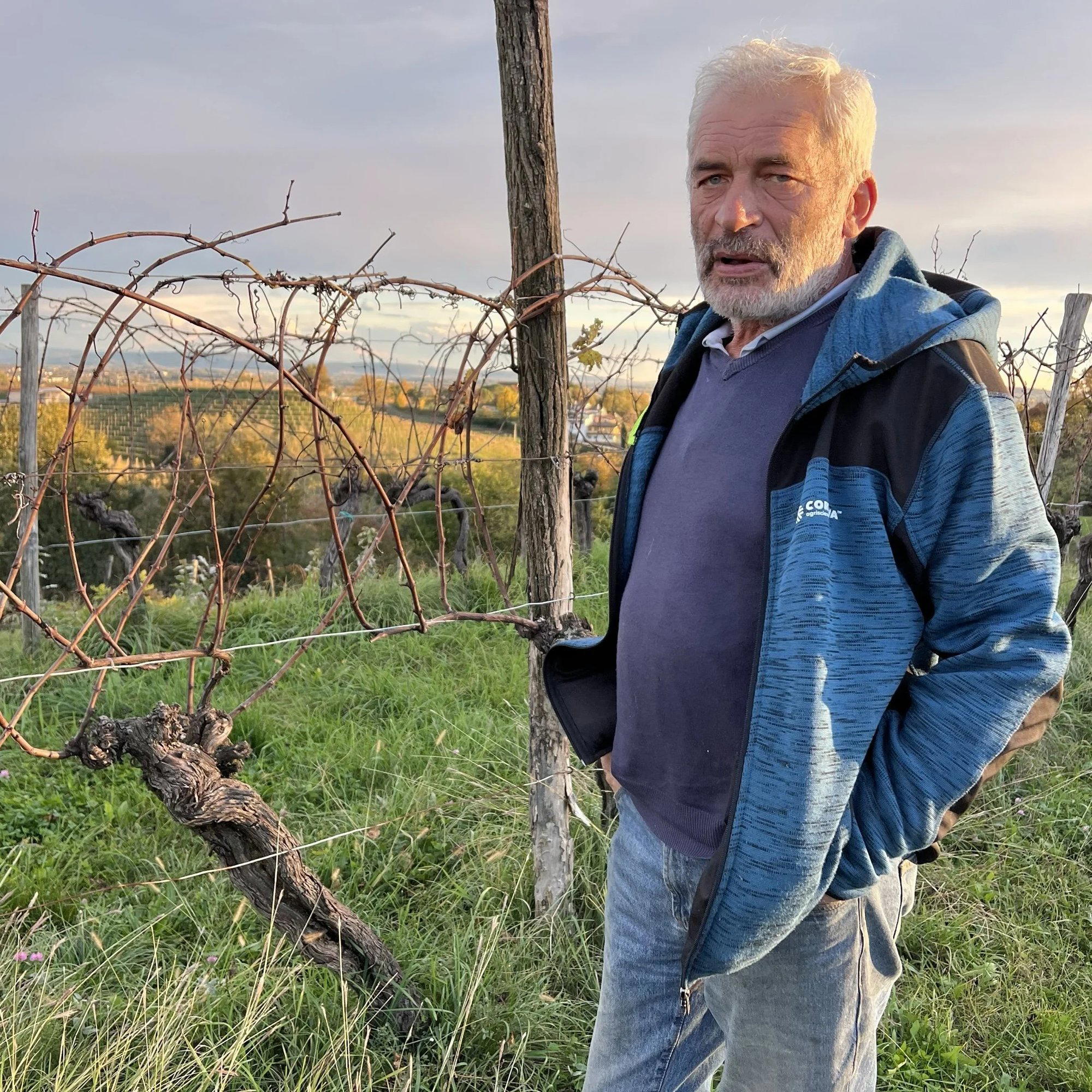
Bars in Buttrio
Browse all →
Details
- Quiet
- Rustic
- Cozy
- Classic
- Solo Exploration
- Wine Education
- Special Occasion
- Group Outing
- Vineyard Tour
- Historic Building
- Private Tasting
- Vineyard
- Sauvignon Blanc
- Chardonnay
- Pinot Grigio
- Ribolla Gialla
- Merlot
- Refosco
- Still White
- Still Red
- Private Tasting
- Estate Tasting
Family-run winery atmosphere with a traditional, quality-focused cellar style; the estate emphasizes small-wood aging, low yields, and a close connection to the hills of Buttrio and Rosazzo.