Château La Reyne

Falstaff Winery - Listed
Château La Reyne is a family-run organic Cahors estate in Puy-L’Évêque, built around Malbec, limestone-influenced terraces, and a working-winery style rather than polished tasting-room theatre. Its strongest case is terroir expression: 48 hectares, organic certification since 2023, and the Vent d’Ange cuvée from old-vine Malbec on the third terraces of the Lot.

Pearl is the En Primeur Club membership app — saves, bookings, and concierge access live there. Same editors, same standards.
- Address
- Puy-l’Évêque, Occitanie, Frankreich
- Directions
- Get directions

Approaching a Cahors estate like this, the point is not spectacle. The interest is in the working grammar of the place: vineyard, cellar, and Malbec shaped by place rather than by hospitality design. Château La Reyne belongs to a grounded strand of wine tourism, where the visit reads as a study of Cahors character, not as a staged lifestyle experience. Its value is in that restraint: the estate does not need to be translated into a glossy format to make sense. It is more rewarding when read through the practical details of wine growing and cellar work, where the identity of the appellation feels close to the surface.
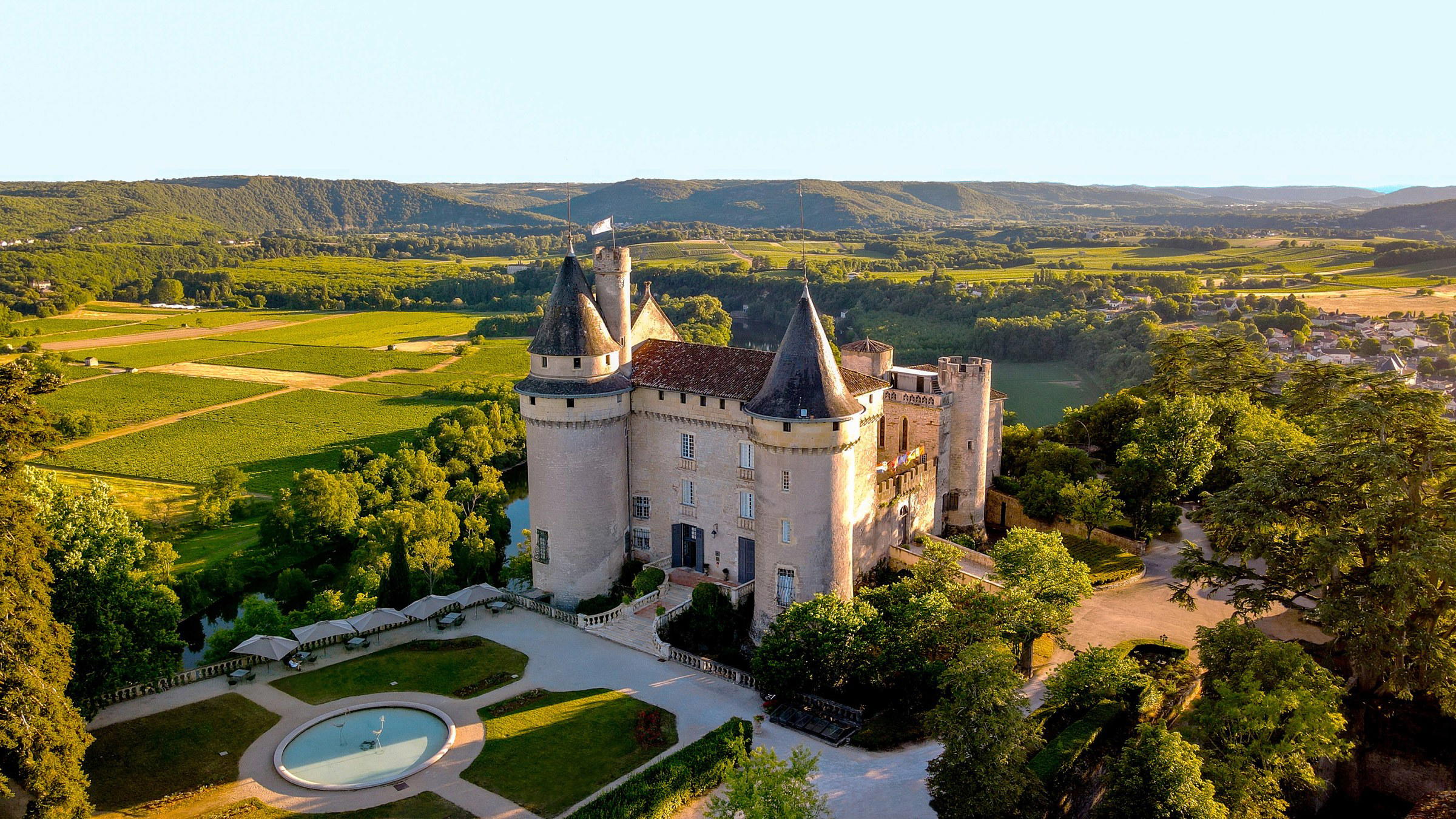
The appeal is direct: Château La Reyne is a family-run organic Cahors estate in Puy-L’Évêque with a traditional, working-winery feel. Tastings and visits take place around the cellar and vineyard, keeping the focus on terroir-driven Malbec and the atmosphere of an active estate. That framework gives the visit a clear purpose. Rather than separating the wine from its surroundings, it keeps the tasting connected to the landscape, the cellar context, and the family-estate character that defines the experience.
Malbec, cellar, and vineyard rather than spectacle
Château La Reyne is best understood through its setting and rhythm. The experience is built around the vineyard and cellar rather than a high-design tasting room, which makes it a better fit for visitors who want to connect Cahors Malbec with the place where it is made. The point is not simply to sample wine in isolation, but to place it back into the environment that gives it meaning. For Cahors, where Malbec is central to the region’s identity, that connection between glass, cellar, and vineyard is especially important.
The tone is low-key. Rather than relying on theatrical presentation, the estate’s appeal is the directness of a working winery: vines, cellar context, and a clear focus on Malbec as the central expression of the visit. This kind of visit asks for a slightly different pace from a more polished tasting format. It rewards attention to atmosphere and process, to the way the estate presents itself as a place of production before it presents itself as a destination.
For visitors interested in Cahors, that grounded format is the main reason to come. The estate’s identity is tied to its family-run organic profile and a traditional atmosphere that keeps attention on terroir rather than luxury staging. In practical terms, this means the visit is strongest when approached as a way to understand a working wine estate from within. The cellar and vineyard are not decorative backdrops; they are the core of the experience, and they keep the emphasis on the wine’s origin.
A family estate in Puy-L'Évêque
Château La Reyne’s profile is concise but useful: it is a family-run organic Cahors estate in Puy-L’Évêque, with tastings and visits centered on the cellar and vineyard. That makes it a natural stop for travelers who want a direct encounter with local Malbec culture. The family-run aspect is part of the appeal because it reinforces the sense of a specific estate rather than an interchangeable tasting address. The organic profile adds another layer to that identity, keeping the conversation close to land, farming, and the character of the vineyard.
The wider travel frame matters too. Puy-L’Évêque is not best approached as a place for rapid, anonymous tasting-room turnover; its appeal is slower and tied to its wine setting. Château La Reyne fits that pace, offering an authentic, low-key working-winery atmosphere rather than a polished hospitality set piece. In that context, the estate feels aligned with the place around it. It is a stop that makes most sense when the day is allowed to breathe, with the wine visit forming part of a broader encounter with the Cahors landscape rather than a quick transaction.
Visitors comparing options in Puy-L’Évêque should think of Château La Reyne as a wine-estate visit rather than as a restaurant or bar substitute. Other local dining and stay options can shape the rest of the day, but the reason to come here is the cellar-and-vineyard context around Cahors Malbec. That distinction helps set expectations correctly. This is not primarily about being entertained; it is about spending time in the setting where the wine is made and letting that setting clarify what is in the glass.
Who this visit suits
This is a stronger choice for visitors who want Cahors explained through a vineyard and cellar setting than for those seeking a choreographed luxury tasting. The atmosphere is traditional, family-run, and working-winery in feel, with the emphasis on terroir-driven Malbec rather than design theatrics. It will suit travelers who are comfortable with a quieter, more practical kind of wine tourism, where authenticity comes from the estate’s everyday context. The visit is likely to feel most satisfying to those who see the cellar and vineyard not as extras, but as essential parts of understanding the wine.
The price level is listed as $$, which fits the estate’s low-key positioning. For travelers building time in Puy-L’Évêque, Château La Reyne works well as a focused wine stop: come for organic Cahors, a cellar-and-vineyard setting, and a quiet sense of place. Its appeal lies in coherence rather than scale. The family-run, organic, working-winery profile, the focus on Malbec, and the unforced atmosphere all point in the same direction: a visit that keeps Cahors close to its roots and lets the estate’s setting do much of the explaining.
Recognition history
Dated appearances from independent guides and award organizations, with the underlying list record or original source where available.
Falstaff Winery - Listed
Falstaff
Continue exploring
More in Puy-L’Évêque
Wineries in Puy-L’Évêque
Browse all →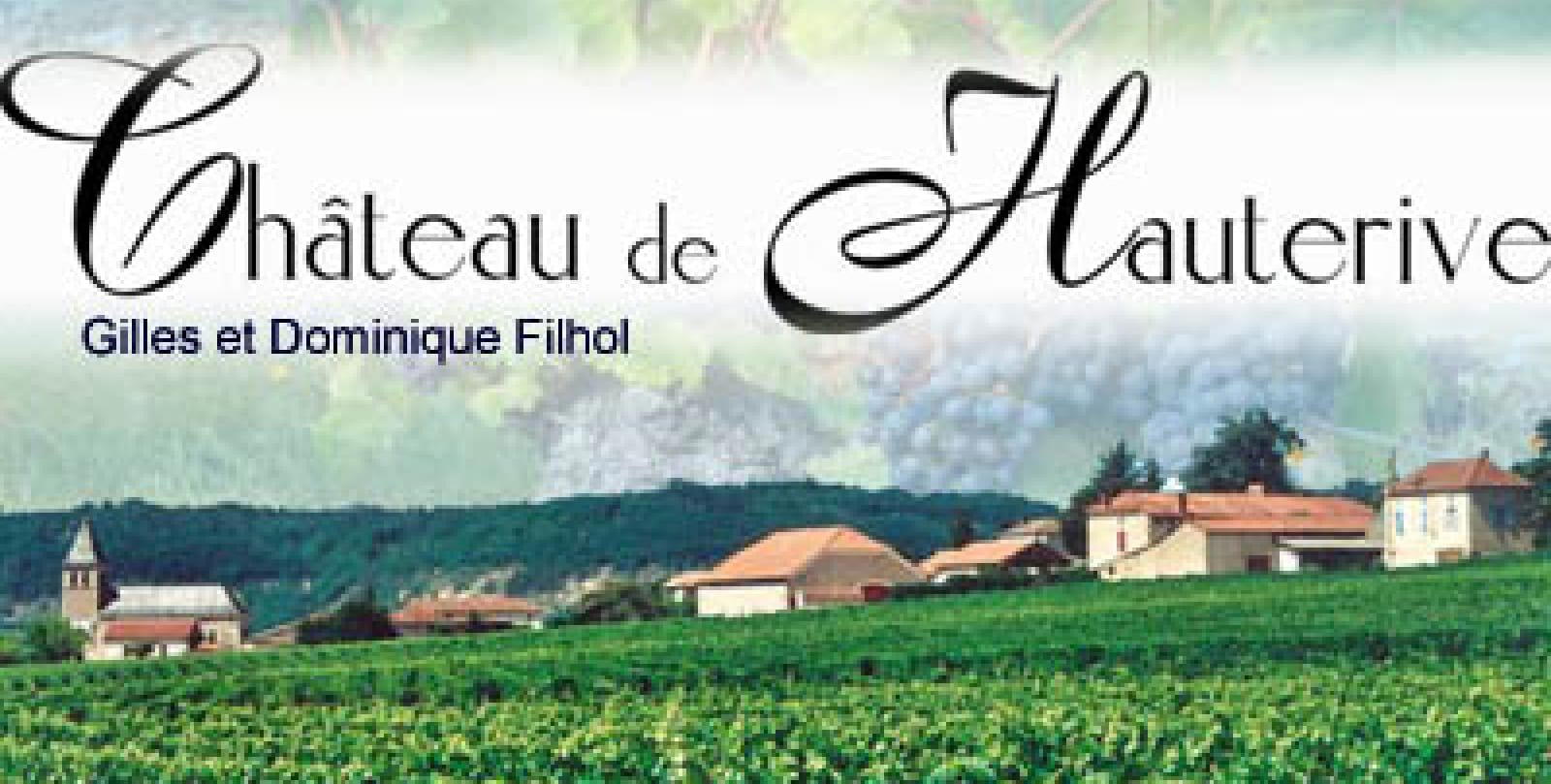
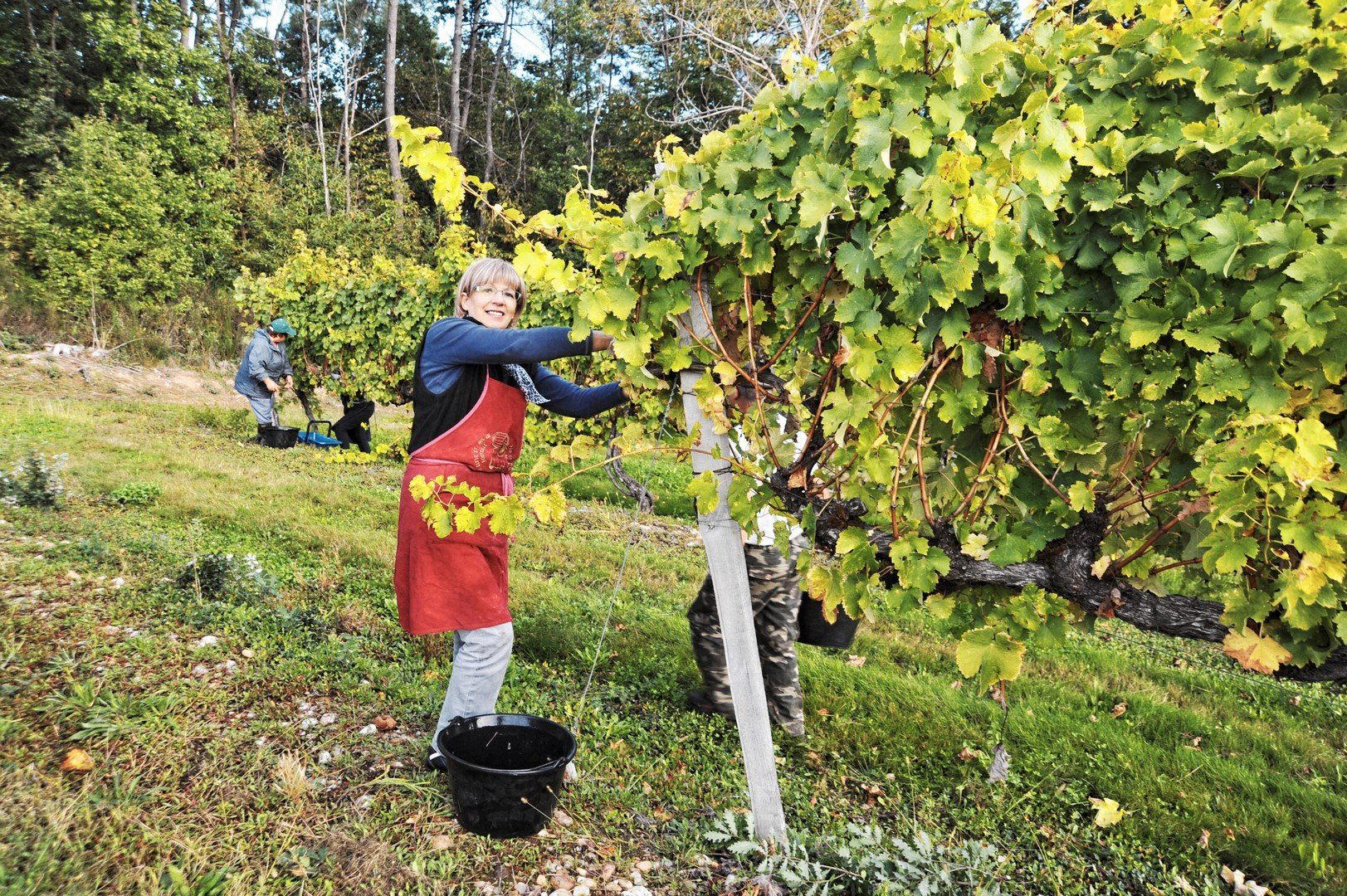
Bars in Puy-L’Évêque
Browse all →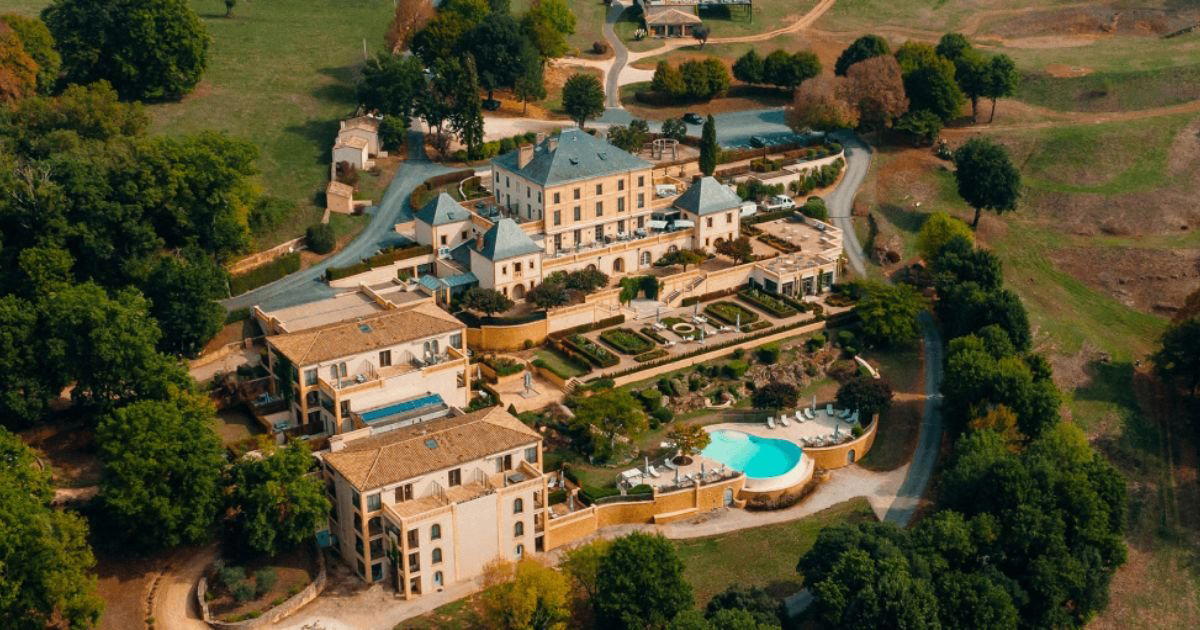
Restaurants in Puy-L’Évêque
Browse all →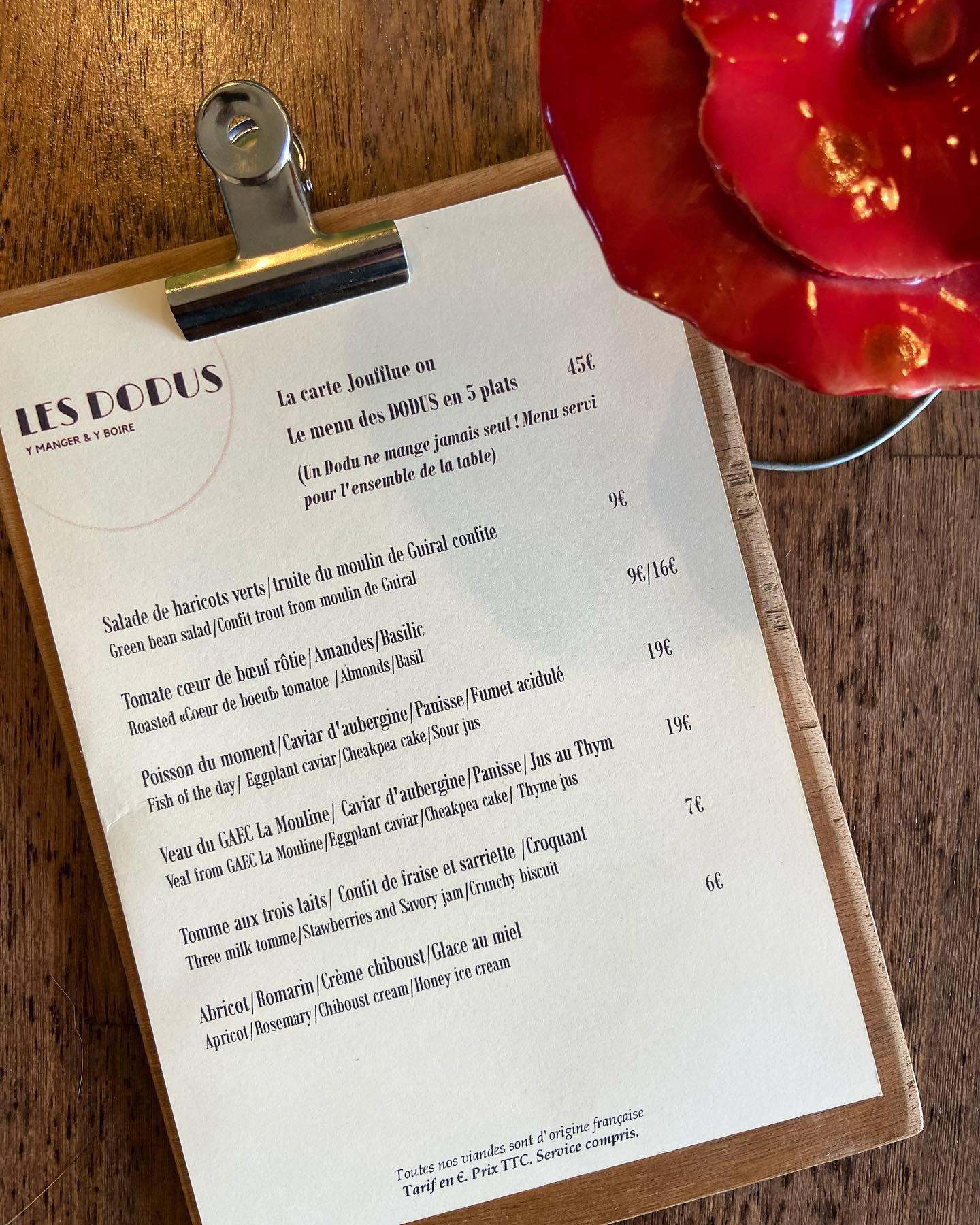
Details
- Rustic
- Scenic
- Classic
- Intimate
- Group Outing
- Solo Exploration
- Wine Education
- Special Occasion
- Romantic Getaway
- Cave Tasting
- Barrel Room
- Vineyard Tour
- Estate Grounds
- Historic Building
- Organic
- Vineyard
- Malbec
- Still Red
- Bar Tasting
- Cellar Tasting
- Vineyard Walk
- French
- English
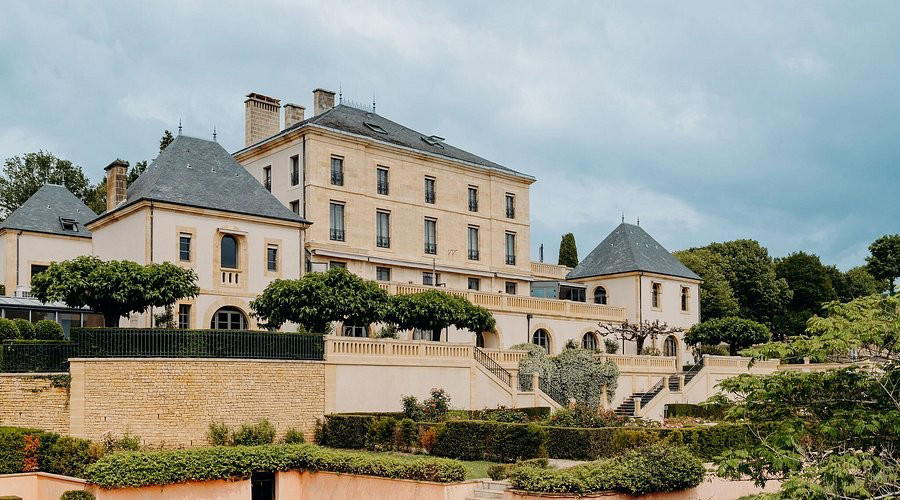
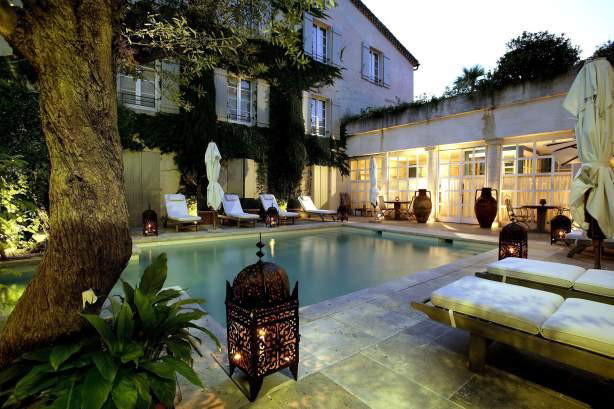
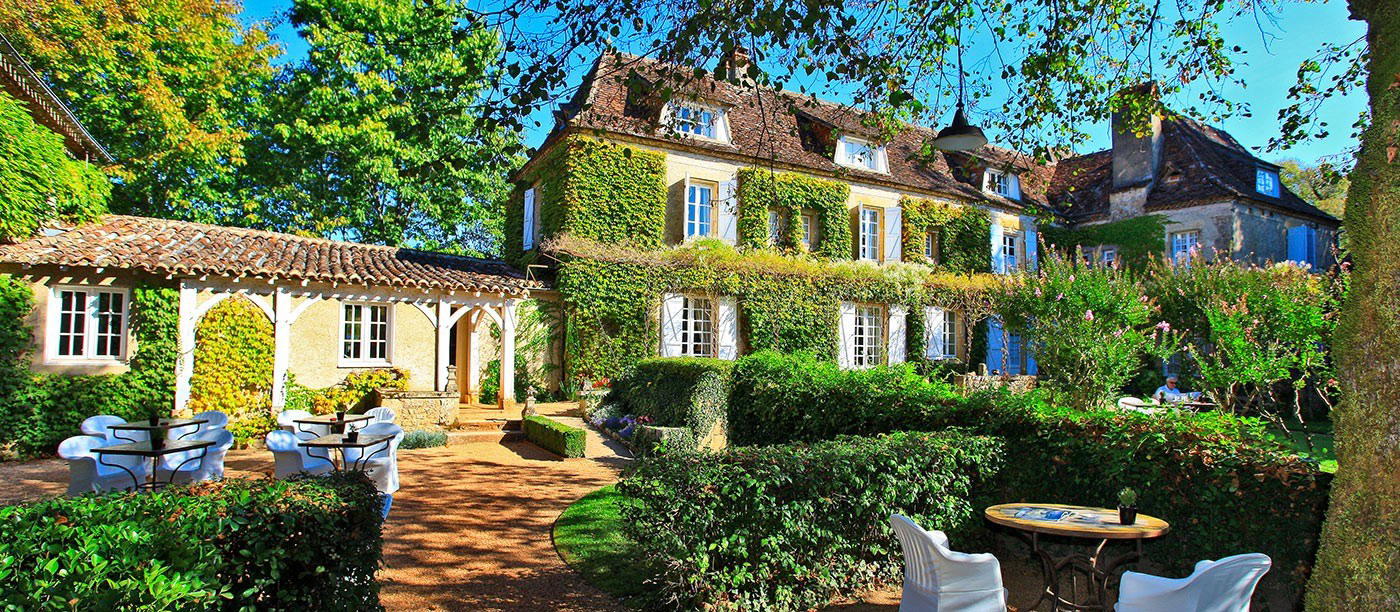
Family-run organic Cahors estate with a traditional, working-winery feel; tastings and visits take place around the cellar and vineyard, offering an authentic, low-key atmosphere focused on terroir-driven Malbec rather than design theatrics.