
Falstaff Winery - 3 Stars
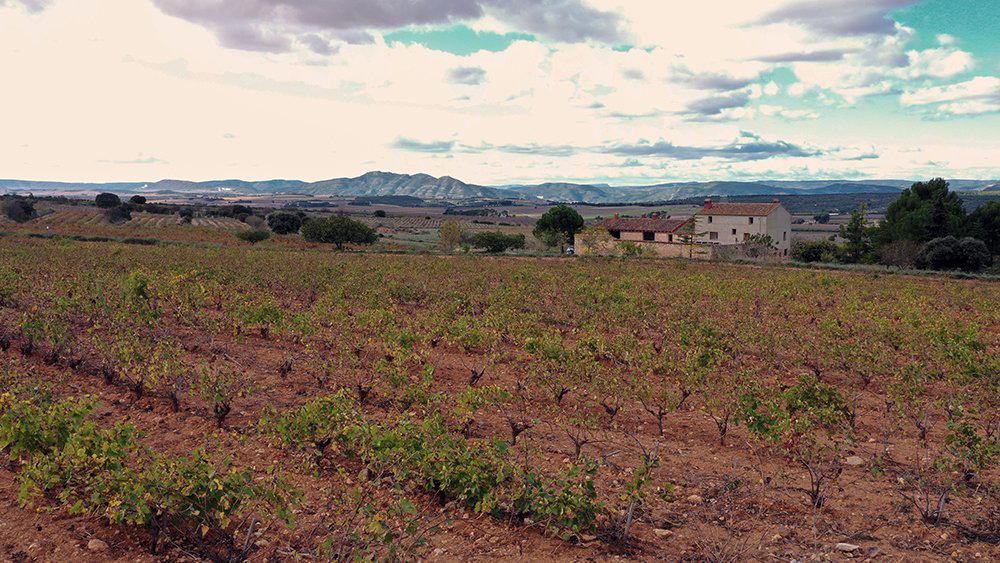
Bodegas Atalaya gives Almansa a clear, bottle-led argument: high-altitude, dry-country reds built around Garnacha Tintorera and Monastrell rather than international polish. Its Laya bottling is the useful reference point, combining dense dark-fruited character, short French oak ageing, and the regional freshness that altitude and calcareous soils can preserve in a warm inland zone.

Pearl is the En Primeur Club membership app — saves, bookings, and concierge access live there. Same editors, same standards.
- Address
- N-330, 97, 02640 Almansa, Albacete, Spain
- Phone
- +34 968 43 50 22
- Website
- bodegasatalaya.es
- Directions
- Get directions
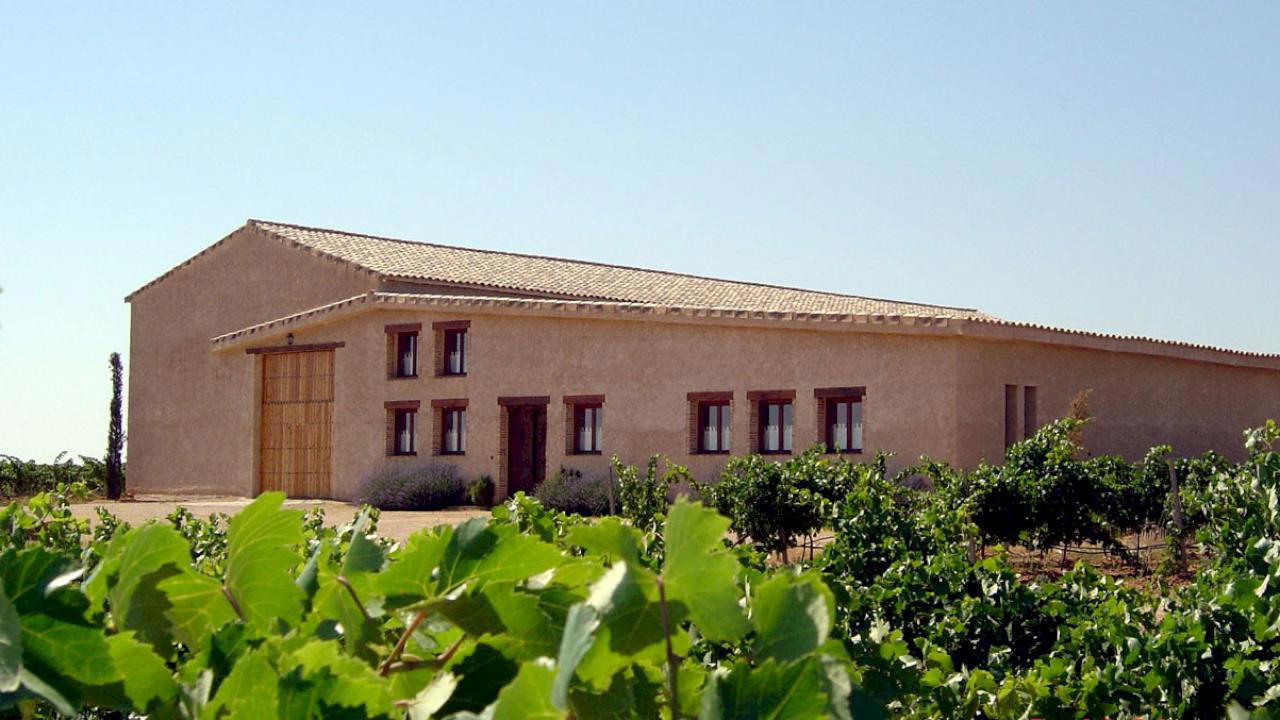
Bodegas Atalaya in Almansa is best understood through its red wines: expressive, dense yet balanced, with a style that emphasizes dark fruits, spice, and savory richness. The appeal is classic and rustic rather than showy, with the feel of a hidden-gem address for readers looking at Almansa through a wine-first lens. It is not a venue that needs to be explained through spectacle or elaborate framing; the central attraction is the way the wines communicate a strong, grounded sense of Spanish red-wine character.
The picture is deliberately focused. Bodegas Atalaya is associated with high-altitude Almansa vineyards and a modern but terroir-driven Spanish red wine style. Rather than building the story around visitor amenities, ownership details, exact blends, or production statistics, the most reliable way to frame the venue is through what is confirmed: concentrated red wines shaped by place and balance. That narrower frame is also the more useful one, because it keeps attention on the qualities that define the listing without suggesting details that are not established.
High-altitude Almansa, translated through dense but balanced reds
Almansa provides the essential context for Bodegas Atalaya. The profile points to high-altitude vineyards and red wines that carry depth without losing balance. That combination is central to the producer’s identity: dark-fruited, spiced, savory wines that feel substantial but not simply heavy. The altitude reference matters editorially because it helps explain why density and balance are presented together, rather than as competing ideas. The wines are described with weight and concentration, yet the emphasis remains on structure, proportion, and a sense of place.
The useful takeaway is stylistic rather than technical. Bodegas Atalaya should be read as a producer of expressive Spanish reds with a modern, terroir-driven character. In practical terms, that means the venue is best understood through broad sensory markers: dark fruit, spice, savory richness, density, and balance, rather than through a checklist of cellar data.
For readers deciding whether this belongs on an Almansa wine itinerary, the strongest confirmed signals are the price category and the mood. The venue is listed at $, and its character is classic, rustic, and hidden-gem leaning. That makes it a grounded reference point for Almansa red wine rather than a luxury-positioned or spectacle-driven listing. It suits an itinerary where the interest is not in chasing grandeur, but in locating a producer whose identity feels direct, regionally rooted, and centered on the bottle.
A wine-focused producer in a region where value can still carry identity
Bodegas Atalaya’s identity is concentrated around red wines with dark fruit, spice, and savory richness. The style is dense yet balanced, which is the key distinction: the wines are presented as expressive and generous, while remaining tied to high-altitude Almansa vineyards. That balance gives the listing its value as a regional reference point. It suggests a producer whose wines can feel full and characterful without being reduced to size alone, and whose appeal rests on the combination of ripeness, savoriness, and restraint.
Any dining plans should be checked separately with current local sources or considered alongside other dining in Almansa generically. The available information supports a wine-led reading of the venue, not a restaurant-led one, so food expectations should be handled with care. For planning, that means treating Bodegas Atalaya as part of a broader Almansa wine conversation and arranging meals independently unless current, specific information confirms otherwise.
The venue therefore should not be framed around trophies or critical ratings. Its strongest supported hook is simpler: a classic, rustic Almansa producer known for a modern, terroir-driven red wine style at a $ price level. That is enough to give the page a clear position without overstating its credentials.
For comparison, keep the focus local and specific: Bodegas Atalaya is the relevant named reference point here, while other Almansa dining or wine options can be considered generically depending on the trip. It is most useful as an anchor for understanding one expression of Almansa reds: concentrated, savory, dark-fruited, and rustic in mood, but not without polish. Comparisons should therefore stay within that same wine-first frame rather than drifting into unsupported claims about facilities, rankings, or broader hospitality offerings.
How to read the experience: terroir first, visitor theatre second
Bodegas Atalaya is best approached through the confirmed wine style rather than through assumptions about tours, tastings, architecture, hospitality rituals, or service format. The reliable editorial frame is terroir first: high-altitude Almansa vineyards producing expressive red wines with density, balance, dark fruit, spice, and savory depth. That approach keeps expectations grounded and also makes the venue easier to understand. The experience, as far as the confirmed information allows, is not defined by performance or elaborate visitor theatre, but by the character of the wines themselves.
That restraint is useful. With limited operational detail, the page should not overpromise. What can be said confidently is that Bodegas Atalaya represents a classic, rustic, hidden-gem expression of Almansa red wine, modern in polish but grounded in place. For readers who value a concise, wine-centered recommendation, that is the essential point: this is a $ Almansa producer whose confirmed identity rests on expressive, concentrated reds that aim for savory depth and balance rather than flash.
Recognition history
Dated appearances from independent guides and award organizations, with the underlying list record or original source where available.
Falstaff Winery - 3 Stars
Falstaff
Continue exploring
More in Almansa
Wineries in Almansa
Browse all →
Details
- Classic
- Rustic
- Group Outing
- Celebration
- Special Occasion
- Wine Education
- Sustainable
- Vineyard
- Garnacha Tintorera
- Monastrell
- Still Red
Produces expressive, dense yet balanced red wines from high-altitude Almansa vineyards, emphasizing dark fruits, spice, and savory richness, reflecting a modern but terroir-driven Spanish red wine style.