
Michelin Plate
Our verdict
Yu Chuan occupies a century-old mansion in Nanjing's 1913 Art District, serving Jiangsu and Zhejiang regional cuisine within rooms that preserve original Republican-era architectural details. The setting pairs heritage interiors with local-sourced cooking, anchoring the restaurant in both the cultural quarter and the Jiangzhe culinary tradition that defines the region.

Pearl is the En Primeur Club membership app, where members save venues, book tables and use the concierge.
Approach Yu Chuan through the stone-paved lanes of the 1913 Art District, and the first signal is the facade itself: a Republican-era mansion that dates back more than a century, with brick arches, latticed windows, and carved timber eaves that survived Nanjing's turbulent twentieth century. The building sits among galleries and boutiques that have colonised the former government precinct, but its shell remains one of the few structures to retain original bones. Step inside and the dining rooms unfold through courtyards and high-ceilinged halls, many still clad in terrazzo and exposed beam work. This is not heritage as theme, it is the structure itself, repurposed for dining but left largely unmodernised where it counts.
The kitchen works within the Jiangzhe canon, the regional shorthand for dishes that draw from Jiangsu and Zhejiang provinces and rely on precise seasoning, low-intervention technique, and seasonal produce. Nanjing sits at the confluence of rivers and canals, and ingredient sourcing here follows water: freshwater fish, river shrimp, lotus root, wild greens, and early-spring bamboo all arrive from suppliers within the Yangtze basin. The menu shifts with harvest cycles, and the kitchen does not mask ingredients with heavy sauces or aggressive wok heat. Instead, expect steaming, braising, and light stir-frying that lets the inherent sweetness or mineral edge of each component register clearly. This is the same ingredient-forward logic that underpins Du Shi Li De Xiang Cun and Chi Man, both of which work the Jiangzhe repertoire at comparable price points within Nanjing's middle-tier dining segment.
The Jiangzhe Format and What It Demands
Jiangzhe cooking requires precision in timing and temperature, not aggressive intervention. River fish are typically steamed whole and dressed with scallion oil and soy; shrimp are blanched just long enough to turn opaque, then chilled and served with vinegar dipping sauce; lotus root is slow-braised until tender but not mushy, often sweetened lightly with rock sugar and osmanthus. The technique avoids charring, deep-frying, or heavy spicing, which means there is little room to hide inferior ingredients. At Yu Chuan, sourcing priorities align with this low-interference approach: vegetables come from farms along the Yangtze delta, fish from local freshwater suppliers, and poultry from free-range producers within Jiangsu. The kitchen does not advertise organic certification or boutique farm partnerships, but the ingredient quality is legible on the plate, particularly in dishes where the raw material is the main event.
The format here is à la carte, not tasting menu, which gives flexibility but also requires familiarity with the repertoire. If you arrive without prior knowledge of Jiangzhe cooking, consider starting with a whole steamed fish, a cold river-shrimp appetiser, and a vegetable stir-fry, the three together cover the technical range and sourcing priorities. Portion sizes are generous by contemporary Chinese fine-dining standards, and the kitchen does not plate in individual portions; dishes arrive family-style and are meant to be shared. This communal format is typical of Jiangzhe restaurants and contrasts with the plated, multi-course progression that defines places like FONG SENSE, which operates closer to Western fine-dining structure.
The 1913 Art District Context
Yu Chuan's location within the 1913 Art District places it inside Nanjing's most concentrated heritage-commercial precinct, a cluster of early-twentieth-century buildings that have been converted into mixed-use cultural space. The district sits on Hongwu North Road in Xuanwu, a ten-minute walk from the Presidential Palace and fifteen minutes by car from Nanjing South Railway Station. Most visitors arrive by taxi or ride-share; street parking is limited and the district itself is pedestrian-oriented. The surrounding area includes galleries, teahouses, and boutiques, and foot traffic peaks in the evening when the courtyards are lit and the restaurants fill. This is one of the few parts of central Nanjing where Republican-era architecture has been preserved at scale, and the district functions as both tourist attraction and working dining quarter.
Within the 1913 precinct, Yu Chuan competes with Fang Po, which serves small plates and snacks in a similarly heritage setting but at a lower price tier, and Dai Yuet Heen, a Cantonese kitchen that operates at higher price and formality levels. Yu Chuan sits in the middle of this spectrum: more refined than Fang Po, less formal than Dai Yuet Heen, and more ingredient-focused than either. The building itself is one of the district's most architecturally intact structures, and the interior preserves details, carved screens, tiled floors, original woodwork, that many other venues in the precinct have stripped out or covered over.
For those exploring Nanjing's dining landscape more broadly, our full Nanjing restaurants guide maps the city's tiers and traditions, while our full Nanjing hotels guide covers accommodation options within walking distance of the 1913 district. If you are planning a longer itinerary across the region, consider cross-referencing with venues like 1913 in Hangzhou, which operates in a similar heritage-commercial precinct and shares the same era-specific design vocabulary.
Yu Chuan delivers Jiangzhe cooking in a building that carries genuine historical weight, and the two elements reinforce each other. The sourcing priorities and technique align with regional tradition, the setting adds architectural credibility, and the location within the 1913 Art District ensures strong foot traffic and easy access from central Nanjing. This is a venue where the ingredient quality and heritage interiors do the work, without need for performative presentation or conceptual overlay.
Frequently asked questions
Is Yu Chuan (Xuanwu) a family-friendly restaurant?
The restaurant occupies a century-old mansion in the 1913 Art District at 129 Hongwu North Road, a heritage-commercial precinct that draws multigenerational traffic. Jiangzhe cooking formats, steamed whole river fish, mild seasoning, accommodate a range of palates.
What's the overall feel of Yu Chuan (Xuanwu)?
Yu Chuan operates inside a century-old mansion within Nanjing's 1913 Art District, a cluster of early-twentieth-century buildings converted to dining and retail. The Jiangzhe repertoire, precision steaming, whole river fish, pairs with the heritage architecture. The district attracts visitors seeking period atmosphere alongside regional cooking, though interior details and table count are not published.
What kind of recognition has Yu Chuan (Xuanwu) received?
Yu Chuan (Xuanwu) has received recognition including: This century-old mansion, decorated....
What's the address for Yu Chuan (Xuanwu)?
Yu Chuan (Xuanwu) is located at 1913 Art District, 129 Hongwu North Road, Xuanwu, Nanjing, Jiangsu, CHN, Nanjing.
How It Stacks Up
Comparable venues by cuisine and price in the same metro.
| Venue | Cuisine | Price | Awards |
|---|---|---|---|
| Yu Chuan (Xuanwu)This venue (the venue you are viewing) | Modern Sichuan in a historic mansion | Not listed | Michelin Plate |
| Lavandula | French-Jiangnan Fine Dining | Not listed | Not listed |
| Dai Yuet Heen | Modern Cantonese Fine Dining | $100–150 | 1 Michelin Star |
| Hou Pin Xiao Yuan | Huaiyang Cuisine | Not listed | Michelin Bib Gourmand |
| Xiao Pan Ji Ya Xie Fen Si Tang | Nanjing Duck Blood Vermicelli Soup | $1–10 | Michelin Bib Gourmand |
| L'Arôme in the sky | Contemporary French Sky Dining | Not listed | Michelin Plate |
Recognition history
Dated appearances from independent guides and award organizations, with the underlying list record or original source where available.
Michelin Plate
Michelin
Continue exploring
More in Nanjing
Details
- Elegant
- Classic
- Cozy
- Date Night
- Business Dinner
- Group Dining
- Special Occasion
- Historic Building
- Design Destination
- Standalone
- A La Carte
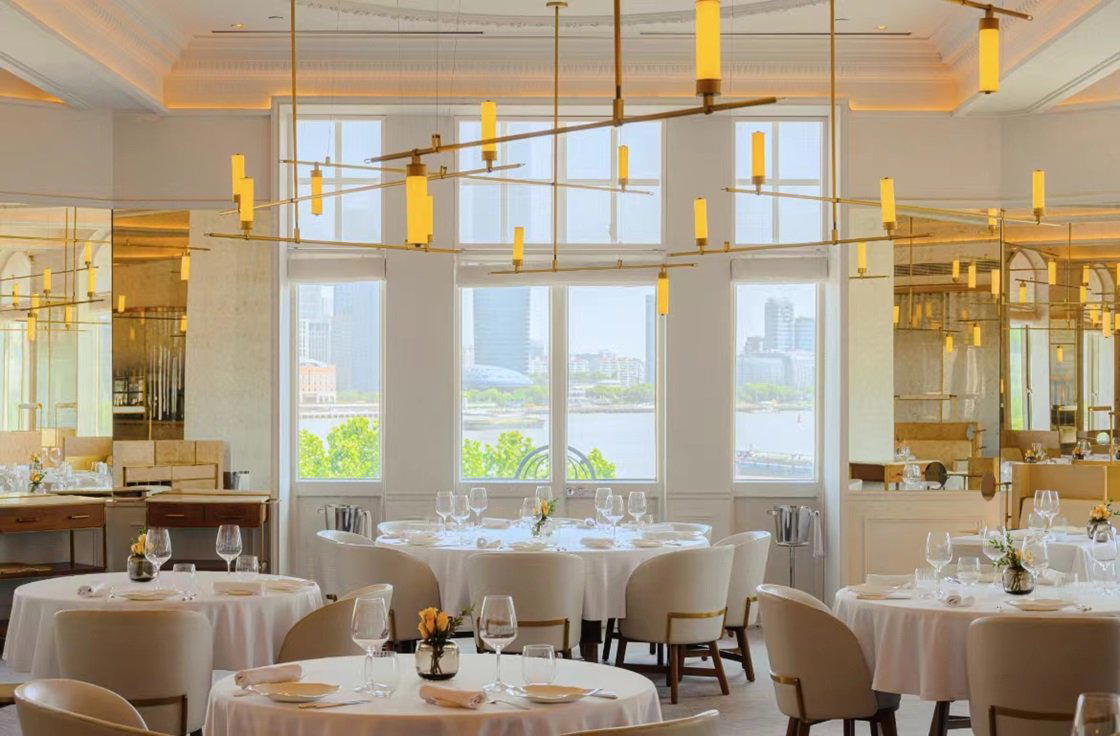
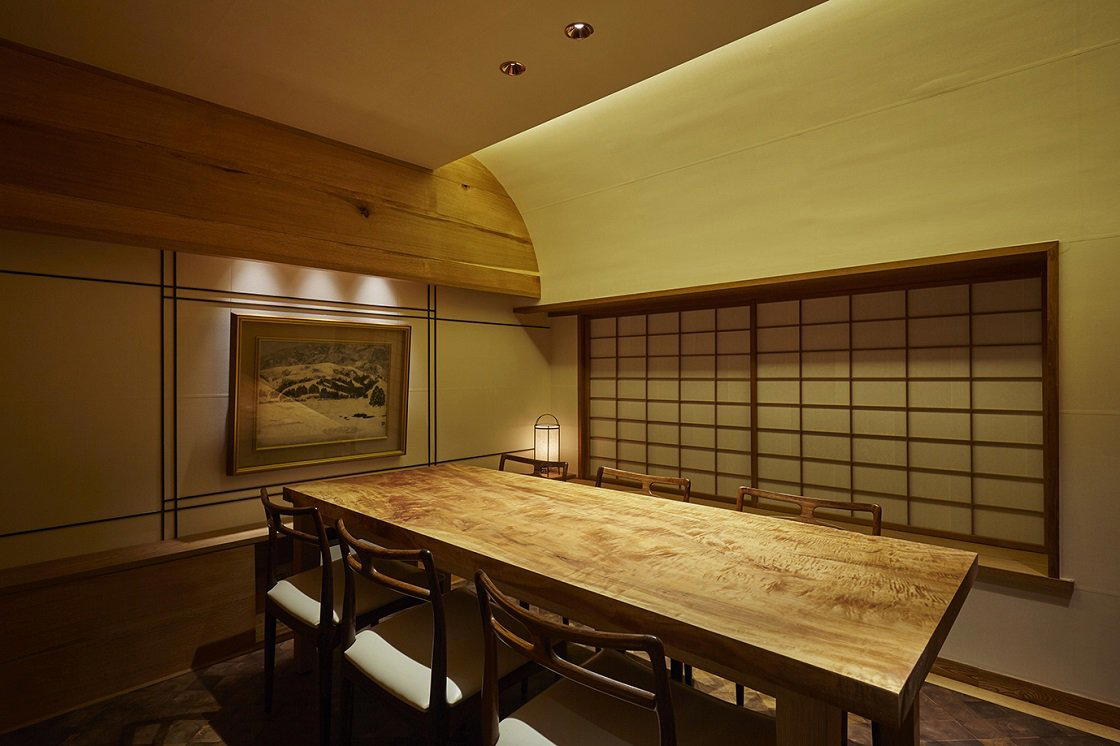
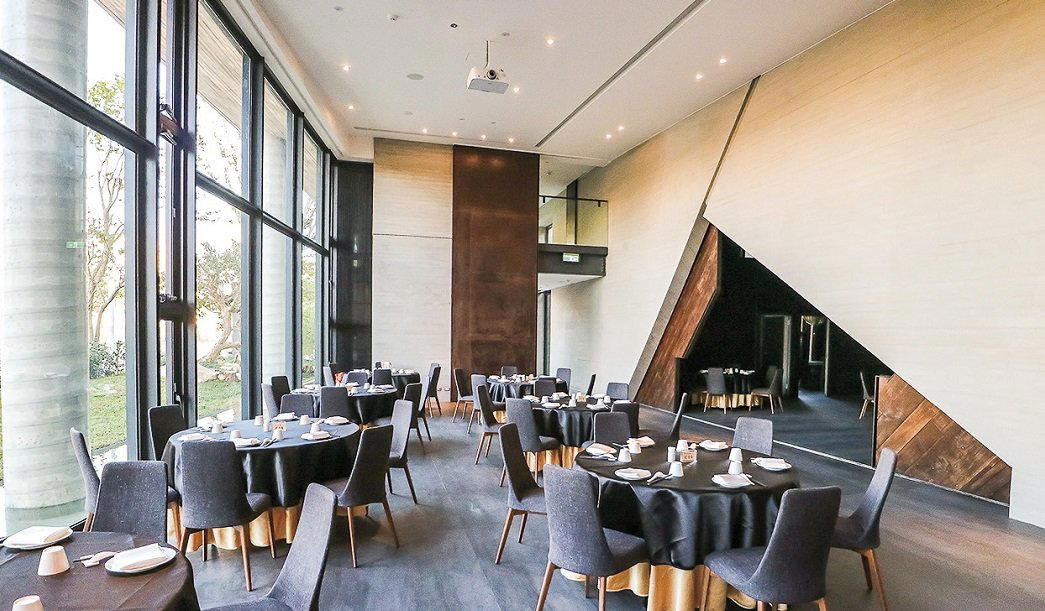
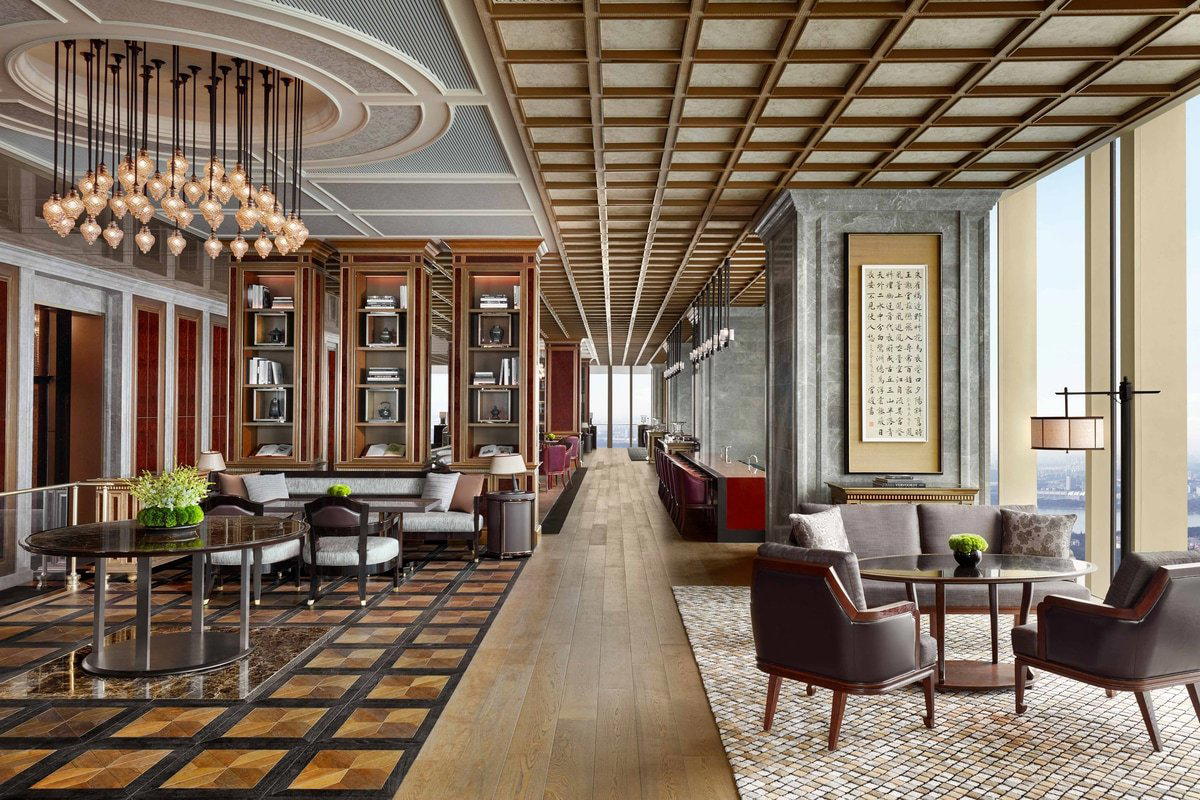
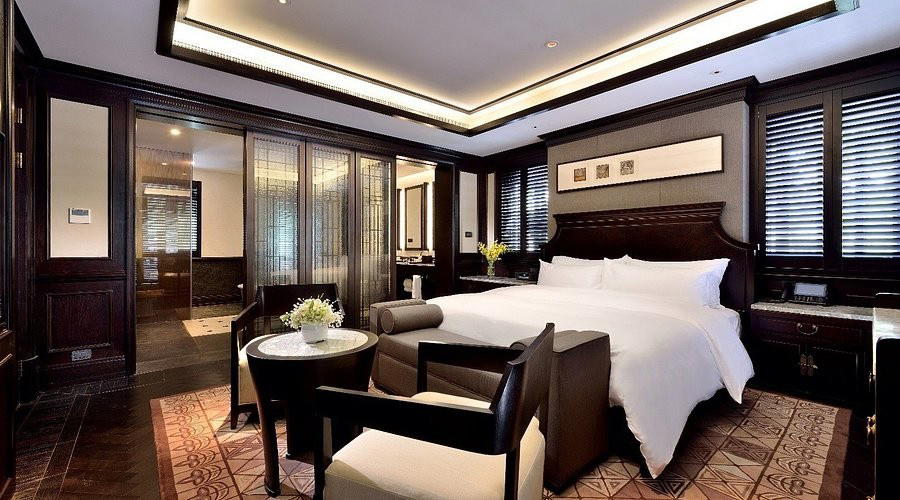
Set in a century‑old Western‑style mansion with wainscoting, coffered ceilings and vintage 1950s chairs, the dining room feels elegant yet cozy, blending historic architecture with a refined, quietly upscale atmosphere that suits unhurried meals.