
Michelin Plate
Our verdict
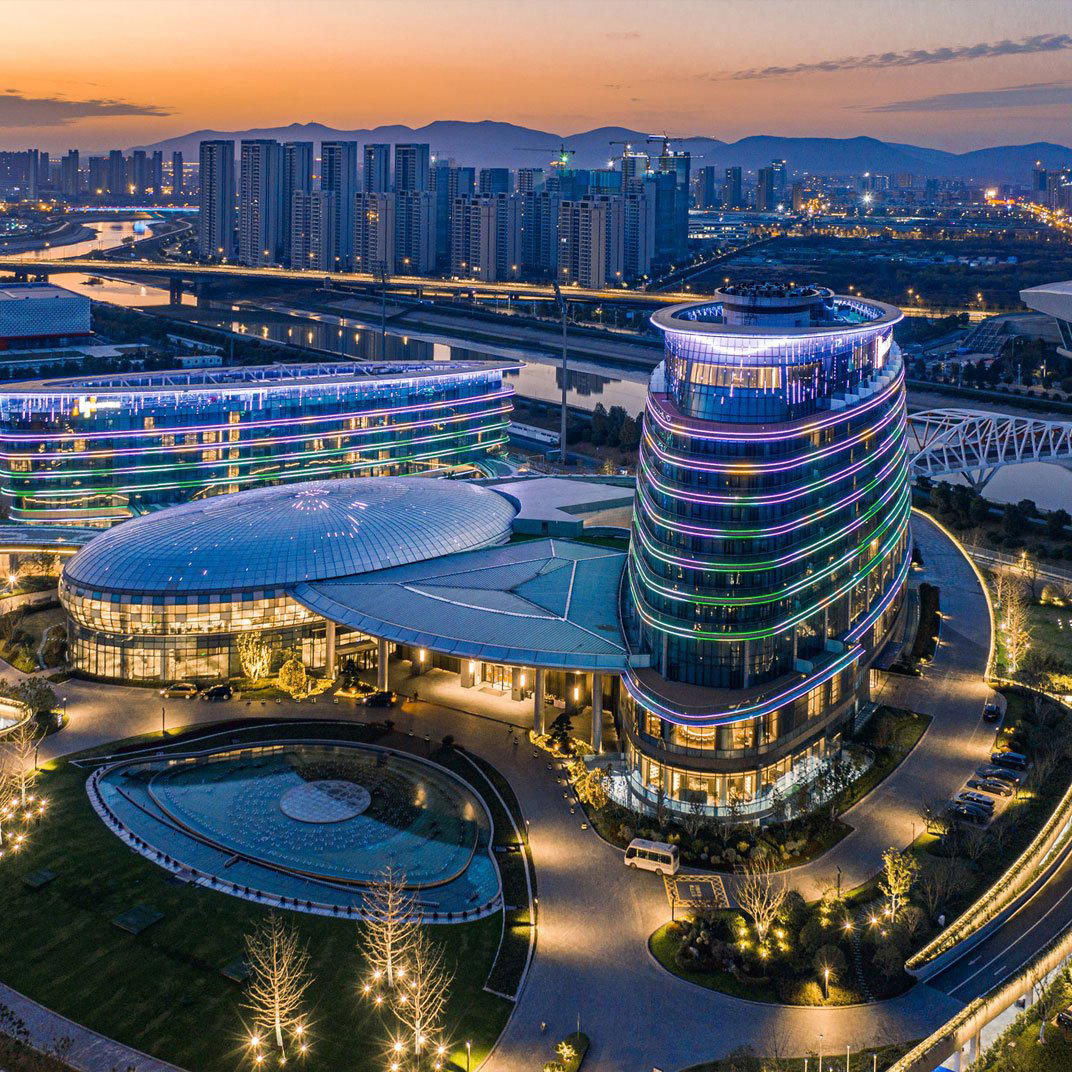
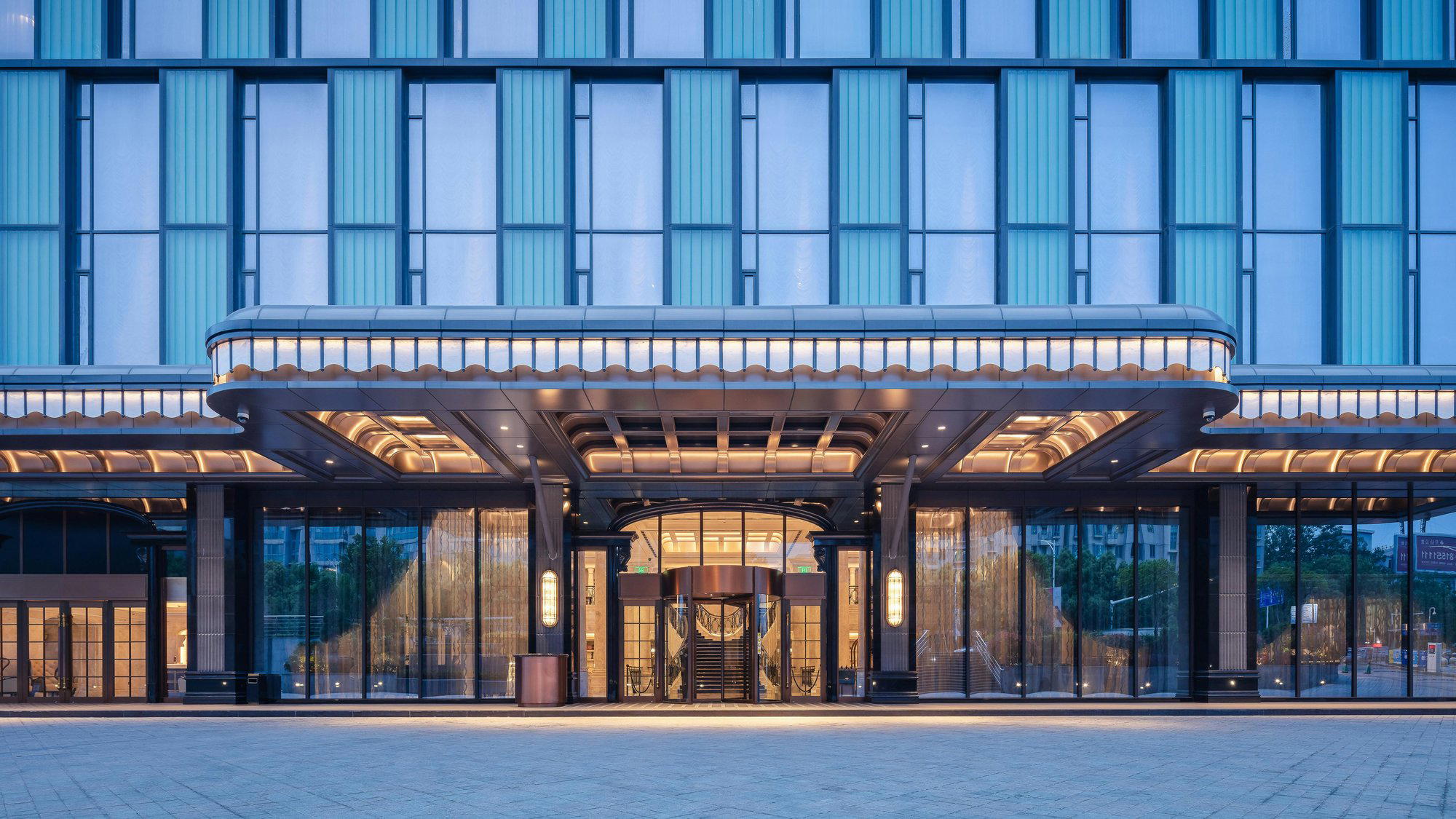
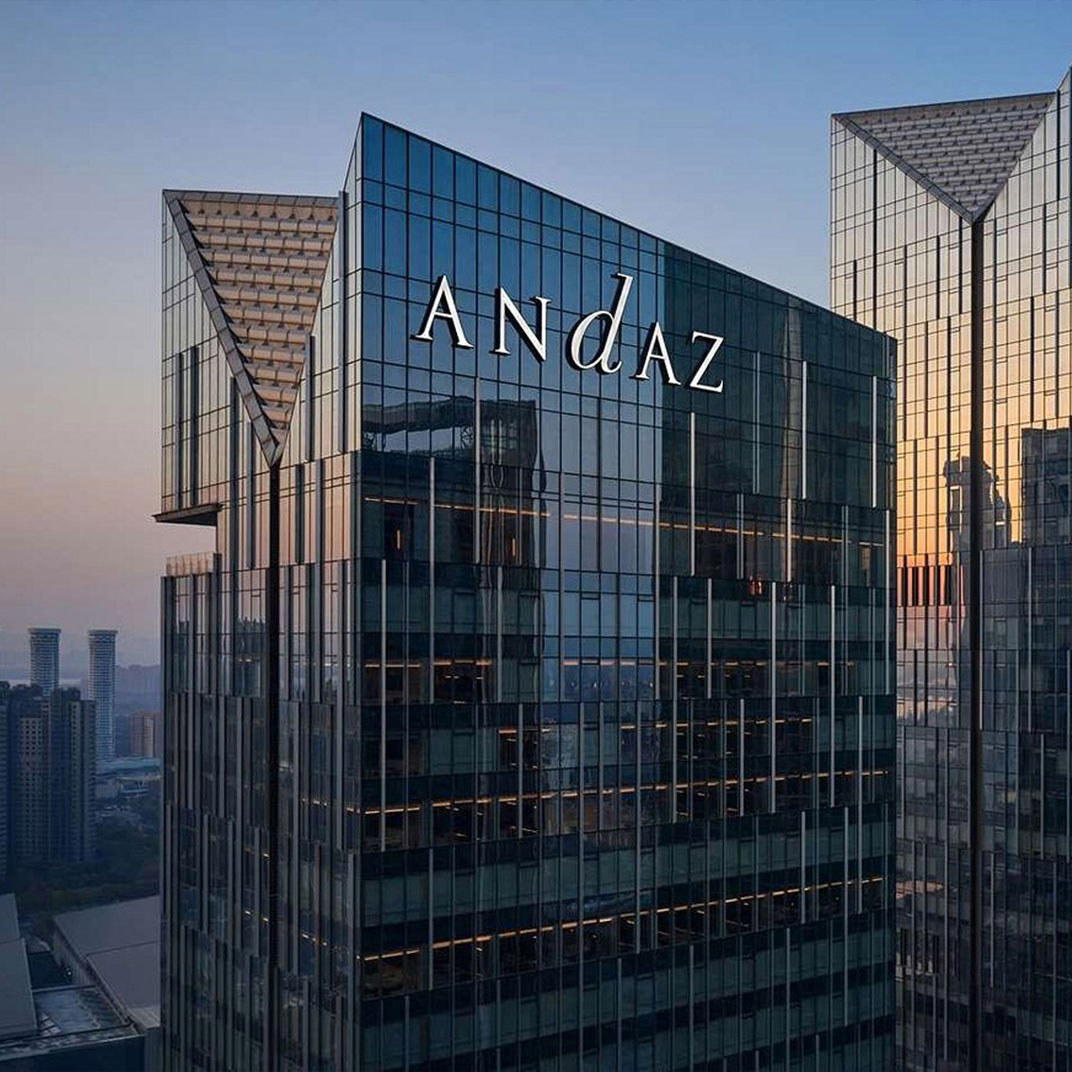
Man Ho brings hotel-tower dining to Jiangning, where Nanjing’s restaurant scene splits between old Jiangsu kitchens, Jiangzhe rooms and higher-floor hotel formats built for formal meals. Its value is less about street-level discovery than controlled setting: a polished room above the Marriott Nanjing South Hotel, suited to business dining, family occasions and travellers comparing the city’s regional Chinese spectrum.

Pearl is the En Primeur Club membership app, where members save venues, book tables and use the concierge.
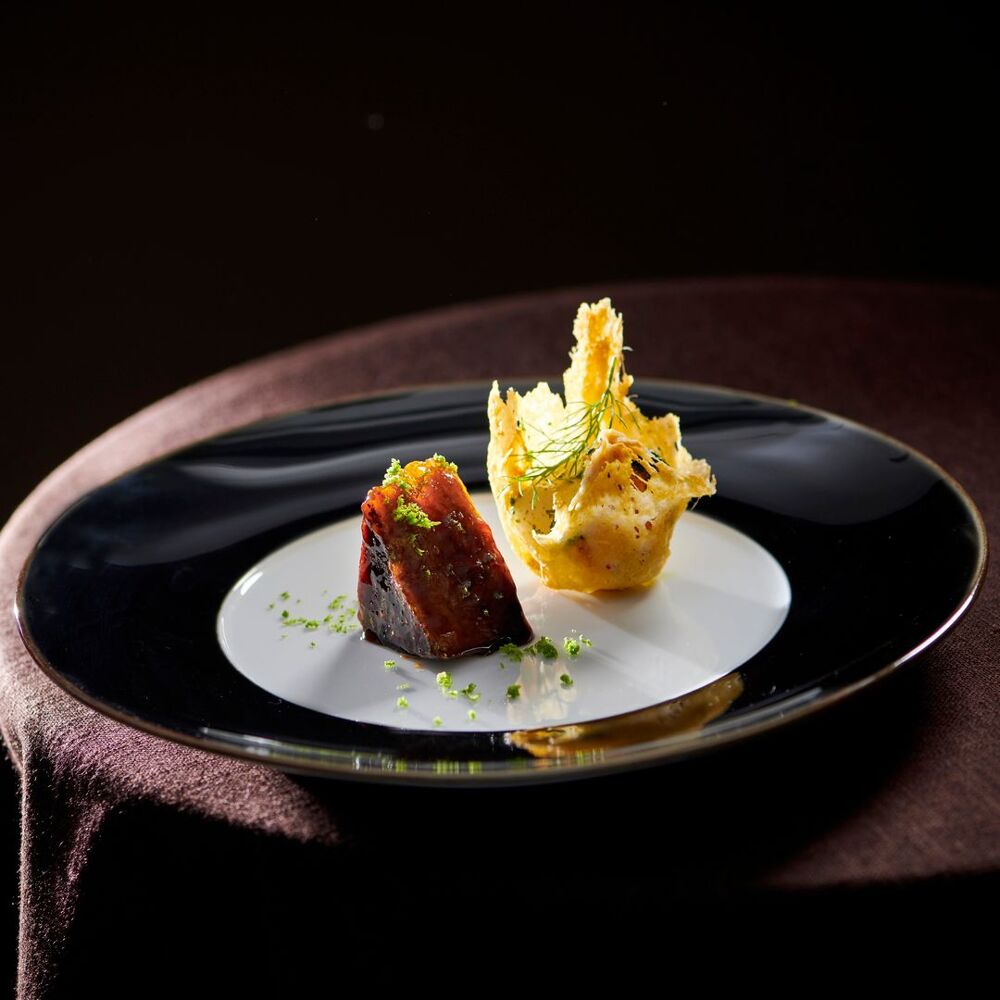
The menu
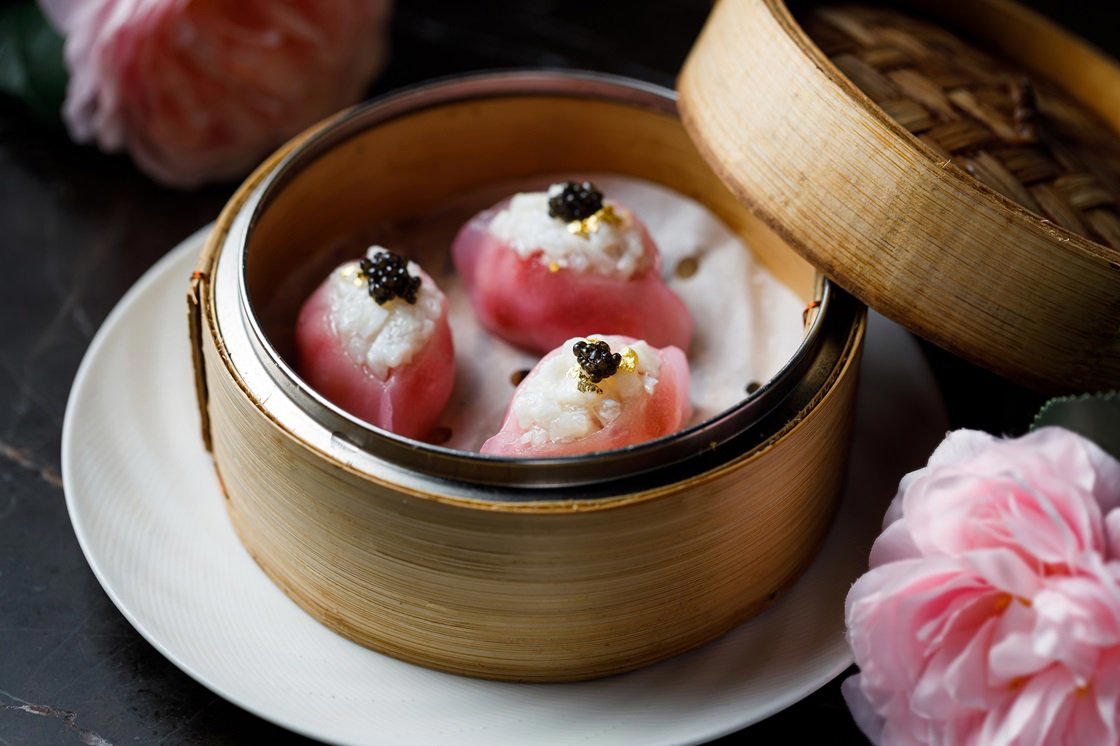
What to order
- Braised pigeon stuffed with bird’s nest with black truffle sauce
- Crab roe dishes
- Fish maw with crab roe and rice
The approach begins with formality. Man Ho sits in Nanjing, lifting the meal away from the city’s street-level rhythm into a more composed dining register: quieter arrival, broader composure and a room built for meals needing polish. In Nanjing, that matters. The city’s dining energy ranges from older local habits to more contemporary destination rooms, with everyday places setting one pace and formal dining setting another. A composed room changes the brief: less improvisation, more ceremony, and a setting for guests who want a meal with predictable service architecture.
Nanjing’s serious restaurants divide along useful lines. Some rooms prize regional technique, seasonal restraint and local memory; others broaden the frame into a more contemporary conversation; more formal restaurants bring another logic, where sourcing, occasion-readiness and service polish carry as much weight as the dish. Man Ho belongs to that latter conversation. The point is not novelty, but whether a polished room handles ingredients with enough discipline to justify the setting.
A hotel room judged by sourcing discipline
Ingredient sourcing is where this category earns its keep or becomes interchangeable. In Nanjing, freshness is not abstract: seasonal produce, careful textures and measured seasoning carry cultural memory. Local diners know the difference between a kitchen that treats regional ingredients as decoration and one that understands why timing and restraint matter. A polished setting raises expectations because the room asks for trust before the first order.
That makes Man Ho more useful as a lens on Nanjing’s upper-tier formal dining than as a standalone trophy address. Its position in Nanjing places it in a category built for hosted meals, client dinners and occasions where the table must work for mixed generations. In that format, sourcing must serve clarity: ingredients should read cleanly, vegetables should not be buried under sauce, and regional references need enough precision to satisfy diners who know Nanjing without excluding visitors arriving for a more planned meal.
The comparison set in Nanjing is broad. Lantchen Reserve, Guang Ying Ju • Lao Zheng Xing and Li Ji Qing Zhen Guan all help show different ways the city can express local dining culture. At the other end of the spectrum, Yuan Space & Feast and Jiangnan Wok · Yun point toward more composed destination dining. Against that spread, a formal restaurant competes not only on flavour, but on reliability, setting and the ability to turn local ingredient culture into a composed dining occasion.
Where it fits in Nanjing's regional dining map
For travellers building a Nanjing dining plan, Man Ho makes sense after the city’s regional grammar is understood. Start with Nanjing’s own dining range rather than treating formal restaurants as interchangeable. Other Nanjing dining rooms help map the local and regional axis, while more polished venues give useful comparison for the service-forward lane. For smaller-format eating, the city’s casual and price-sensitive places point toward another kind of Nanjing intelligence: quick, local and rooted in repetition.
That range is why a formal restaurant should not be read as a replacement for the city’s older food culture. It is a different tool. Nanjing rewards visitors who separate occasion dining from everyday eating, and understand that sourcing can express itself in several registers: regional produce in a local room, carefully handled ingredients in a formal restaurant, seasonal vegetables in a contemporary kitchen, or small snacks built around speed and routine. Man Ho’s advantage is situational. It fits when the meal needs a calm room, accessible planning and a format appropriate for hosts, visiting executives or families.
The wider China comparison is instructive. Formal dining in major cities often follows local identity rather than a single national template. A restaurant in Chengdu belongs to a different rhythm and expectation from one in Shanghai, Fuzhou, Hangzhou, Xiamen or Beijing. Those differences sharpen the point: place shapes expectations around a formal table, and Man Ho is best read through Nanjing rather than through a generic national category.
Use it for the right meal, not for every meal
The sensible read is clear: Man Ho is for diners who want a controlled formal setting in Nanjing, not travellers chasing the oldest local counter or the cheapest expression of the city’s food culture. Its Nanjing location suits guests based in the city or planning a more composed meal. The formal setting also gives it a role many street-level restaurants cannot play as comfortably: a composed occasion where privacy, pacing and a service-led room matter.
That does not make it the only Nanjing meal to plan. The better itinerary uses contrast. Pair a formal dining room with other Nanjing restaurants, small eats and a lower-key local address, and the city’s food culture starts to make sense. For broader planning, Our full Nanjing restaurants guide gives the restaurant map, while Our full Nanjing hotels guide, Our full Nanjing bars guide, Our full Nanjing wineries guide and Our full Nanjing experiences guide help place dinner inside the rest of the trip.
International detours sharpen the point. A focused drinking room or a compact specialist counter works through narrow format discipline; Man Ho works through the opposite model, a formal room where the test is breadth, sourcing judgment and composure. Choose it when those qualities matter more than spontaneity.
Frequently asked questions
Is Man Ho child-friendly?
As a formal restaurant in Nanjing, Man Ho suits planned family meals better than a late-night counter room. The setting points to a practical, composed meal in the city.
What's the overall feel of Man Ho?
Expect a controlled dining room rather than a street-side local spot. Its Nanjing setting gives it a composed, service-led feel that fits business dinners and planned family meals.
What's Man Ho known for in terms of accolades?
Man Ho is recognised by the Michelin Guide with a MICHELIN Plate distinction.
What part of town is Man Ho in?
Nanjing.
How hard is it to get a table at Man Ho?
The formal setting suggests advance planning is sensible, especially for dinner or larger groups. It reads as a reservation-first room rather than a walk-in counter.
What is Man Ho known for?
Man Ho is known as a formal dining room in Nanjing. Its main draw is the composed setting rather than a casual neighborhood format.
Can Man Ho adjust for dietary needs?
A formal restaurant in Nanjing is the kind of venue that may be able to handle standard dietary requests if they are raised ahead of time. Guests should contact the restaurant directly before visiting.
Comparable Spots, Quickly
Comparable venues by cuisine and price in the same metro.
| Venue | Cuisine | Price | Awards | Notes |
|---|---|---|---|---|
| Man HoThis venue (the venue you are viewing) | Modern Huaiyang and Cantonese Fine Dining | $50–100 | Michelin Plate | Not listed |
| Lantchen Reserve | Huaiyang Cuisine | $20–30 | Michelin Bib Gourmand | Huaiyang |
| Yuan Space & Feast | Refined Huaiyang Cuisine | Not listed | Michelin Plate · Black Pearl 1 Diamond | Jiangzhe |
| Jiangnan Wok · Yun | Contemporary Huaiyang | Not listed | 1 Michelin Star | Huaiyang |
| Guang Ying Ju • Lao Zheng Xing | Classical Huaiyang Cuisine | $30–50 | Michelin Bib Gourmand | Jiangsu Cuisine |
| Li Ji Qing Zhen Guan | Traditional Halal Beef Dumplings | $1–10 | Michelin Bib Gourmand | Dim Sum |
Recognition history
Dated appearances from independent guides and award organizations, with the underlying list record or original source where available.
Michelin Plate
Michelin
Continue exploring
More in Nanjing
Details
- Elegant
- Sophisticated
- Modern
- Romantic
- Intimate
- Business Dinner
- Date Night
- Special Occasion
- Group Dining
- Private Event
- Hotel Restaurant
- Private Dining
- Design Destination
- Panoramic View
- Extensive Wine List
- Skyline
- A La Carte
- Set Menu
- Family Style
- Wine
- Tea
- Vegetarian Friendly
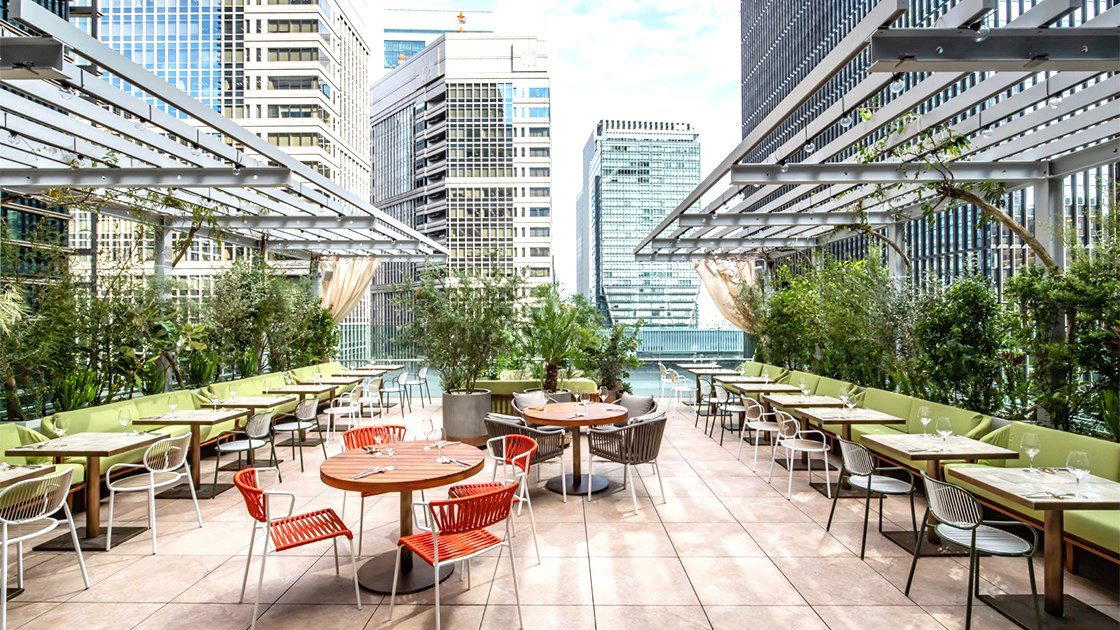
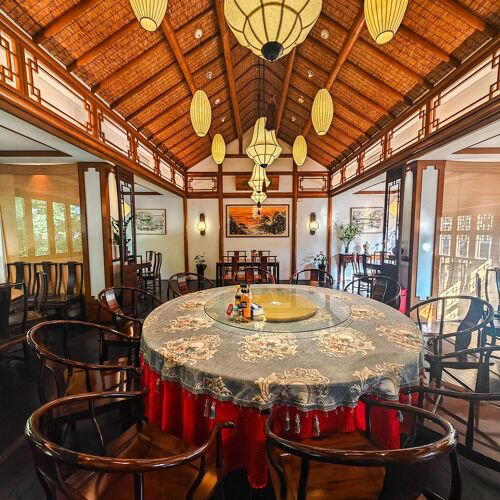
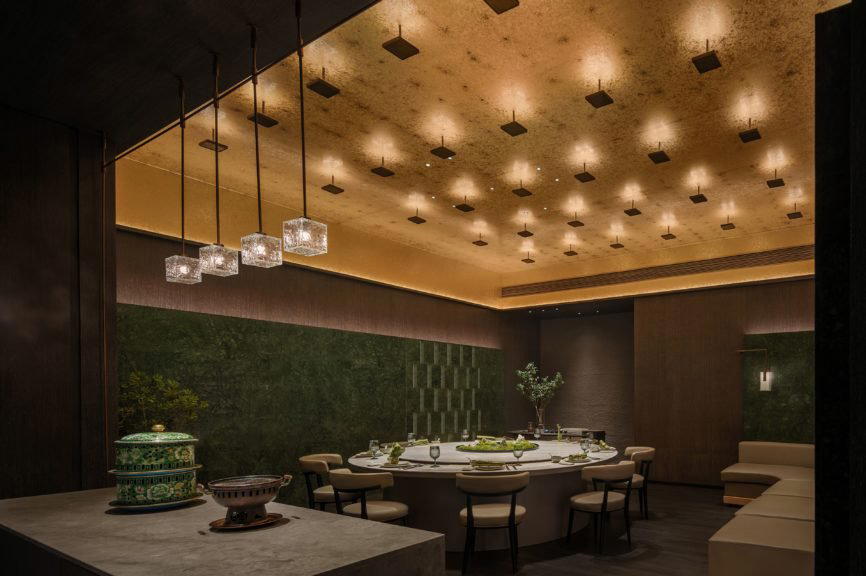
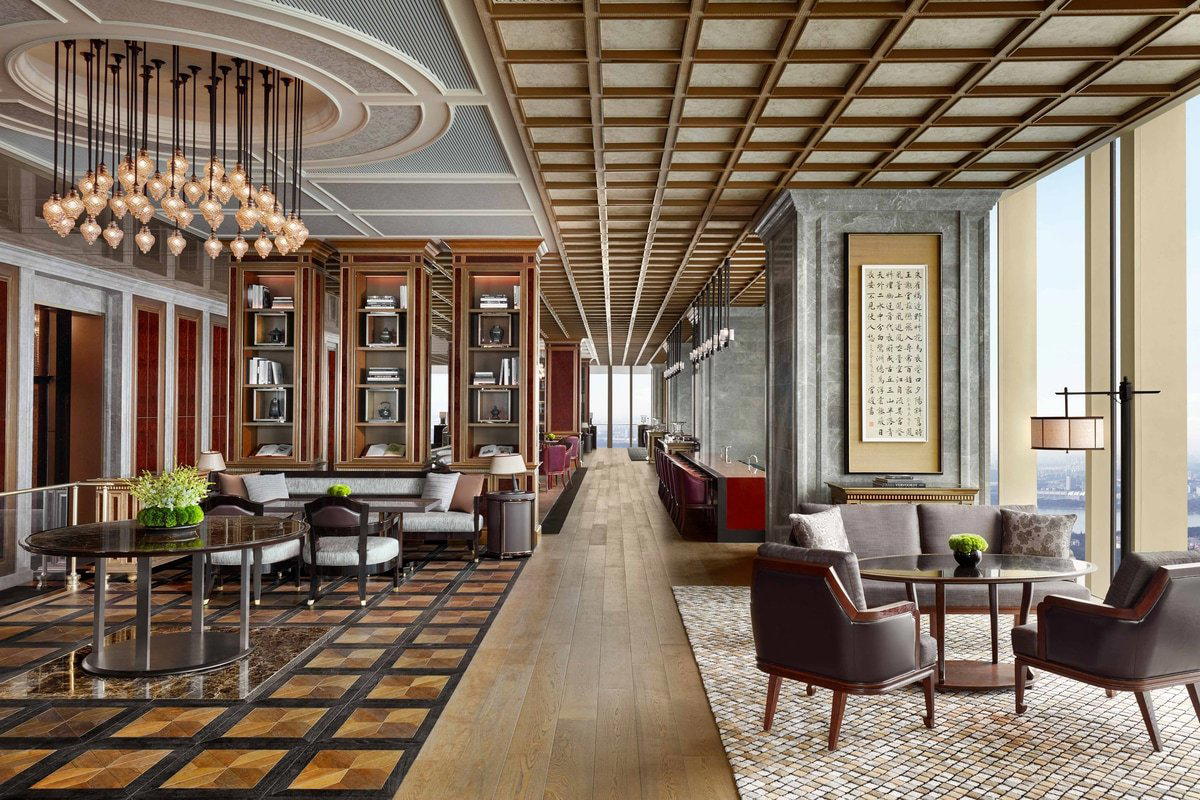
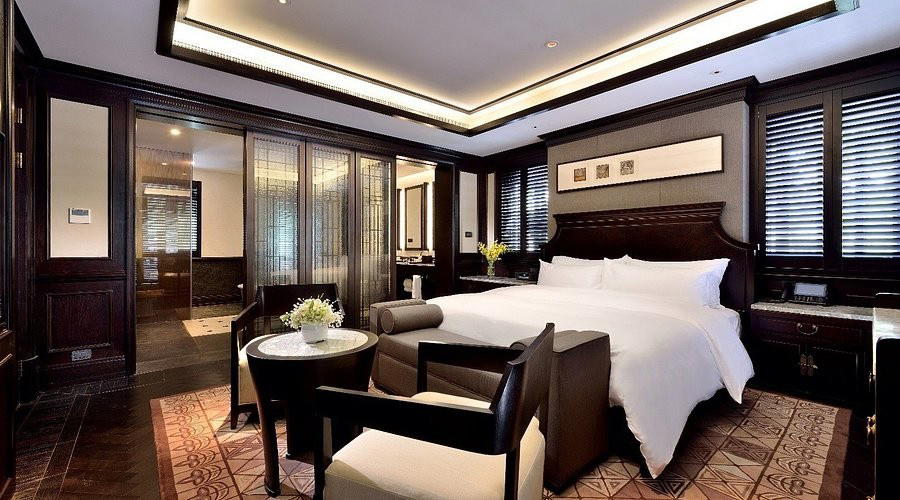
Located on the 27th floor of a modern Marriott hotel, the restaurant offers a refined, softly lit dining room with a sophisticated hotel-restaurant feel, skyline views, and discreet service that creates a calm, upscale atmosphere suited to business and special-occasion dining.