Our verdict
Water & Wine sits in the rural village of Drzewce in central Poland, a setting that positions it within a growing Polish pattern of destination dining away from major urban centres. The name signals a dual focus on produce and the glass, placing it alongside a cohort of Polish restaurants that treat ingredient provenance and wine pairing as the core editorial argument of their menus.

Pearl is the En Primeur Club membership app, where members save venues, book tables and use the concierge.
The menu
What to order
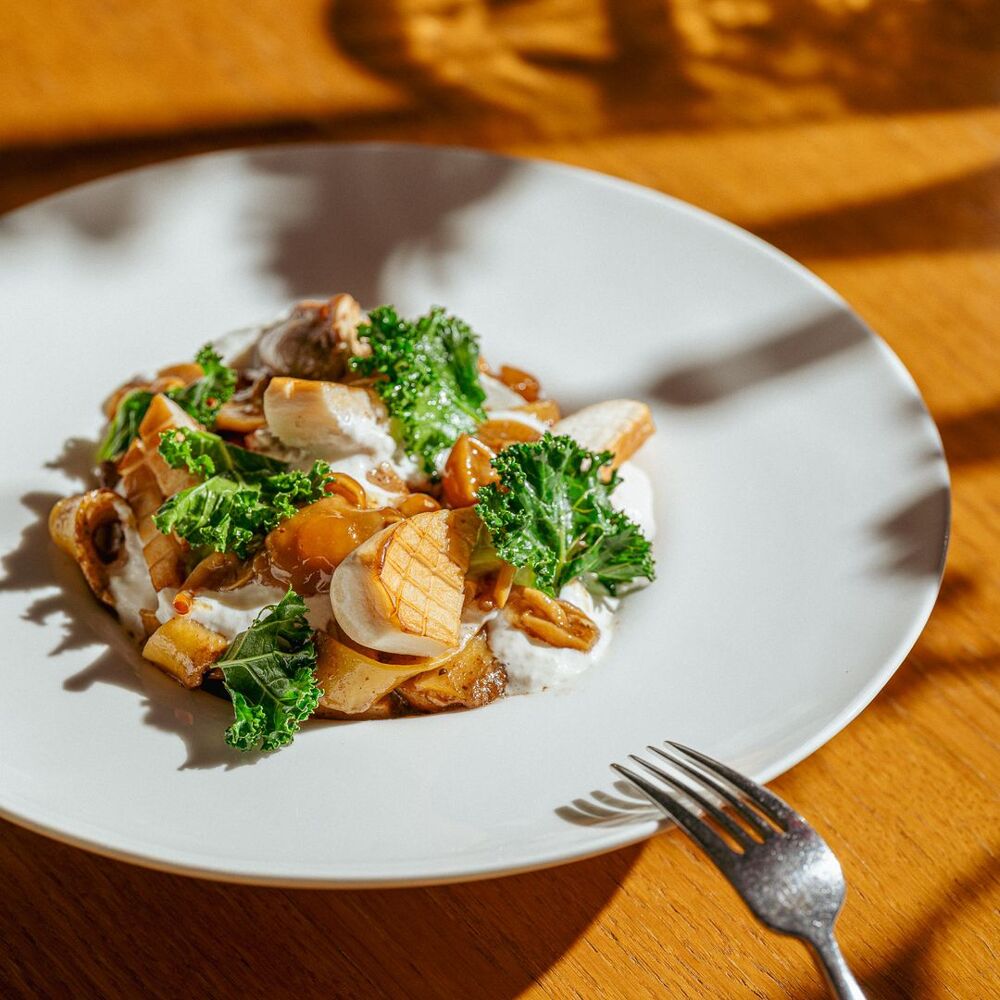
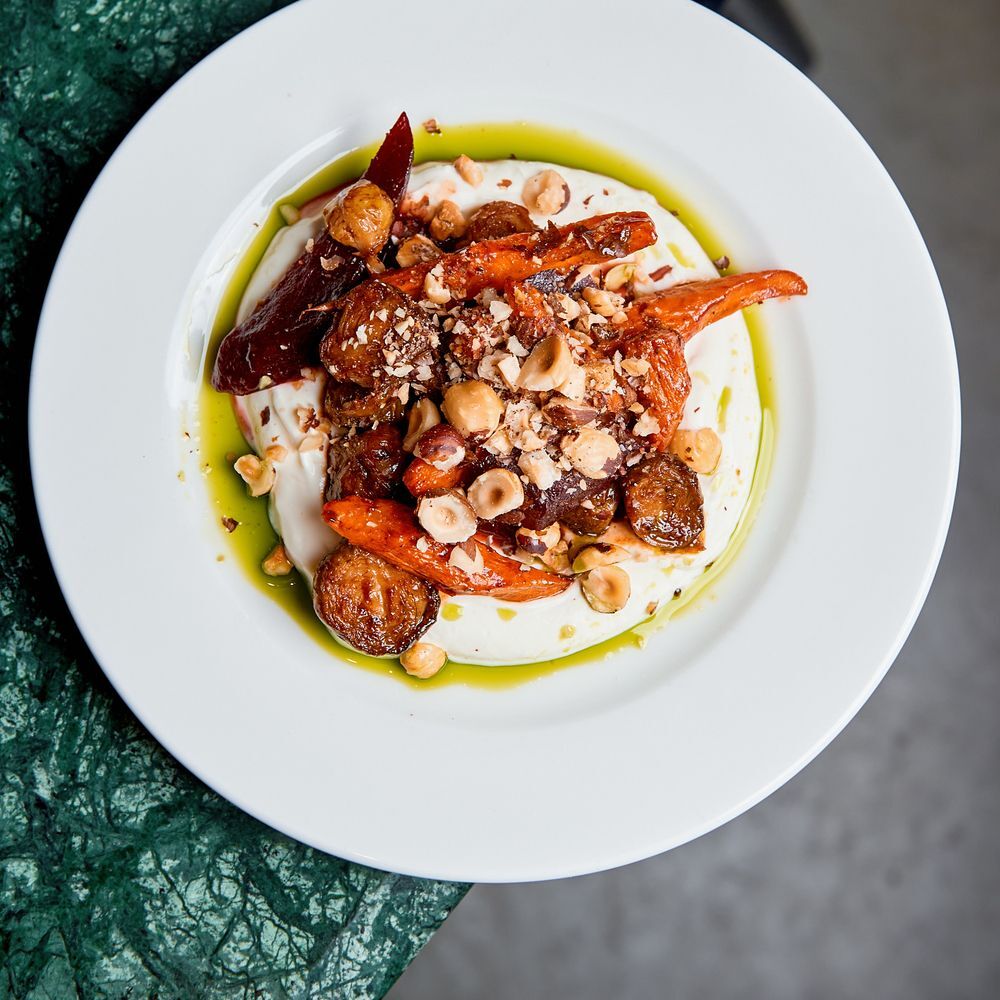
- Chef Marek Flisiński's flavourful dishes with intricate pairings
Arriving at the Edge of the Polish Countryside
Rural Poland does not announce its dining destinations the way Warsaw or Kraków do. There are no queues visible from the street, no illuminated signs competing for attention. Villages like Drzewce, located in the Lubelskie region of central Poland, offer a different kind of approach: fields, quiet roads, and the occasional farmhouse that turns out to be something worth driving toward. Water & Wine, addressed at Drzewce 35, sits within this category of destination, a place that asks something of its guests before they arrive, and rewards the effort of getting there with a context that urban restaurants cannot replicate.
That physical remove is part of the editorial argument that Poland's countryside dining scene has been building for years. Across the country, from the foothills near Giewont in Kościelisko to the converted spaces of Cudne Manowce in Olsztyn, a strand of Polish hospitality has decided that provenance begins with location, that the land around a restaurant is not decoration but context. Water & Wine's placement in Drzewce aligns it with that tradition.
The Provenance Argument: Where the Food Comes From
The pairing of water and wine in a restaurant's name is not arbitrary. It signals a kitchen that treats its raw materials as the story, not the technique applied to them. In Poland's most interesting mid-tier and upper-tier dining rooms, the sourcing question has moved from background detail to centrepiece. Restaurants in this mode tend to work with regional producers, to let seasonal availability dictate the menu, and to present those choices to guests as an act of transparency rather than marketing. This is the same logic visible at Muga in Poznań, where local sourcing shapes both the plate and the wine list, and at Kwestia Czasu in Białystok, where ingredient seasonality drives the menu's rhythm.
The Lubelskie region around Drzewce is agriculturally productive terrain. Central-eastern Poland supplies a significant share of the country's grain, vegetables, and livestock, and a kitchen operating in this location has direct access to that supply chain in a way that a city restaurant does not. Whether or not Water & Wine formalises those relationships into named-farm credits on the menu, the geographic positioning itself is a form of sourcing argument. To eat this far from the distribution centres of Warsaw or Kraków is to eat closer to where Polish food actually begins.
This connects to a broader shift in how Polish diners, and international visitors to Poland, have begun to think about regional cuisine. The country's food culture spent decades being processed through the lens of urban modernisation, with restaurants racing to demonstrate European technique at the expense of local character. The correction has been gradual but visible: chefs trained abroad who returned to work with Polish producers, wine lists that pair domestic natural wines alongside French and Italian imports, and menus that let a regional root vegetable carry a dish rather than apologise for it. For a point of reference on how far Polish fine dining has travelled in the opposite direction, Bottiglieria 1881 in Kraków demonstrates what happens when international technique meets a serious commitment to place.
Where Water & Wine Sits in the Polish Dining Conversation
Poland's dining scene in 2024 is not a monolith. The country's largest cities each have distinct characters: Warsaw's hub.praga occupies a post-industrial neighbourhood register; Gdańsk has developed a coastal sophistication visible at venues like Arco by Paco Pérez and Hashi Sushi; Katowice's Art Katowice and Rzeszów's Włoska Restauracja Bellanuna serve regional capitals finding their dining confidence. Against all of that, a rural destination restaurant in Lubelskie is making a different kind of claim, not about sophistication or scene, but about the value of removing yourself from it.
The name Water & Wine gestures at simplicity. In European dining shorthand, that pairing references the convivial table rather than the ambitious kitchen, the French bistro tradition, the Italian trattoria, the Polish karczma updated for contemporary taste. Comparison venues in the Polish mid-range suggest that the €€ to €€€ tier is where much of the country's most interesting cooking is happening right now: places like Górnik in Krakow and Kuchnia Manhattan in Gorzów Wielkopolski operate in registers that prioritise cooking quality over ceremony. Water & Wine, in rural Lubelskie, likely positions itself within that honest-cooking tier rather than at the formal end of the spectrum, though specific pricing and format details are not publicly available at the time of writing.
Planning a Visit
Drzewce is located in the Lubelskie Voivodeship, accessible from Lublin, which sits approximately 20 kilometres to the east along regional roads. Lublin itself is reachable by train from Warsaw in under two hours on intercity services. The practical reality of visiting a rural Polish address at Drzewce 35 is that a car or private transfer is the most reliable option for the final approach, particularly for evening visits when local bus schedules thin out. Given the venue's rural setting, advance communication before arrival is advisable; no website or published phone number is currently listed in public directories, which suggests either a deliberately low-profile operation or a booking process that runs through personal referral or local networks. Visitors planning a broader trip through central Poland might note that our full Drzewce restaurants guide covers additional options in the area.
For travellers calibrating expectations: rural destination dining in Poland typically involves a more relaxed tempo than city restaurants. Meals run longer, the gap between courses reflects cooking rather than service pressure, and the surrounding quiet becomes part of the experience. Those who have spent time at destination restaurants in comparable European rural contexts, whether in rural France or provincial Italy, will recognise the rhythm. The wine component of the name suggests a list with some editorial care; in Poland's current wine culture, that could mean a selection spanning domestic producers from the Lower Silesian wine region alongside more established European appellations. For context on what ambitious wine programming looks like at the other end of the scale, Le Bernardin in New York or Atomix represent the level at which beverage and food become fully integrated editorial statements. Water & Wine operates in a different register entirely, but the aspiration embedded in its name belongs to the same broader conversation.
Frequently asked questions
Can I bring kids to Water & Wine?
The venue's rural setting at Drzewce 35 in Lubelskie suggests a relaxed, unhurried pace rather than a high-volume urban format. That kind of environment typically accommodates families more comfortably than city-centre fine dining. check the venue's official channels to confirm seating arrangements before visiting with young children.
What's the vibe at Water & Wine?
Water & Wine sits in open Polish countryside outside Lublin, which sets the tone before you arrive. The name itself signals a kitchen oriented around raw materials, water and wine as framing devices for produce-led cooking rather than culinary spectacle. Expect a setting closer to an agrarian table than an urban restaurant room.
Is Water & Wine worth the drive from Lublin for a special occasion dinner?
Lublin sits approximately 20 kilometres east of Drzewce along regional roads, making Water & Wine a deliberate rather than incidental destination. Restaurants that operate outside urban centres in rural Lubelskie typically draw guests who are specifically seeking a slower, place-rooted experience rather than convenience. If that framing matches your occasion, the journey is part of the meal's logic.
What do people recommend at Water & Wine?
Given the restaurant's provenance-focused positioning, the strongest draws are likely to be seasonal and regionally sourced ingredients from the Lubelskie area.
At-a-Glance Comparison
| Venue | Cuisine | Price | Awards | Notes |
|---|---|---|---|---|
| Water & WineThis venue (the venue you are viewing) | Contemporary Polish Fine Dining | $150–200 | Not listed | Not listed |
| Giewont | Modern French-Polish Fine Dining | Not listed | 1 Michelin Star · La Liste Top Restaurants | Modern Cuisine |
| Rozbrat 20 | Modern Polish Fine Dining | $100–150 | 1 Michelin Star · Star Wine List | Modern European, Modern Cuisine |
| alewino | Seasonal Polish Wine Bistro | $30–50 | Michelin Plate · Star Wine List | Modern Polish, Traditional Cuisine |
| Bez Gwiazdek | Modern Polish Regional | $200–300 | Michelin Plate · Star Wine List | Modern Polish, Modern Cuisine |
| Butchery & Wine | Modern Steakhouse | $50–100 | Michelin Plate · Star Wine List | Bistro, Meats and Grills |
Water & Wine
Featured Guides
Continue exploring
More in Drzewce

Water & Wine
The wine
- Wine program
- Deep wine list
- Sommelier-led
- Natural wine
Details
- Elegant
- Intimate
- Sophisticated
- Special Occasion
- Celebration
- Open Kitchen
- Private Dining
- Standalone
- Sommelier Led
- Natural Wine
- Local Sourcing
- Natural Wine
- Tasting Menu
- Set Menu
- Wine Pairings
- Water Pairings
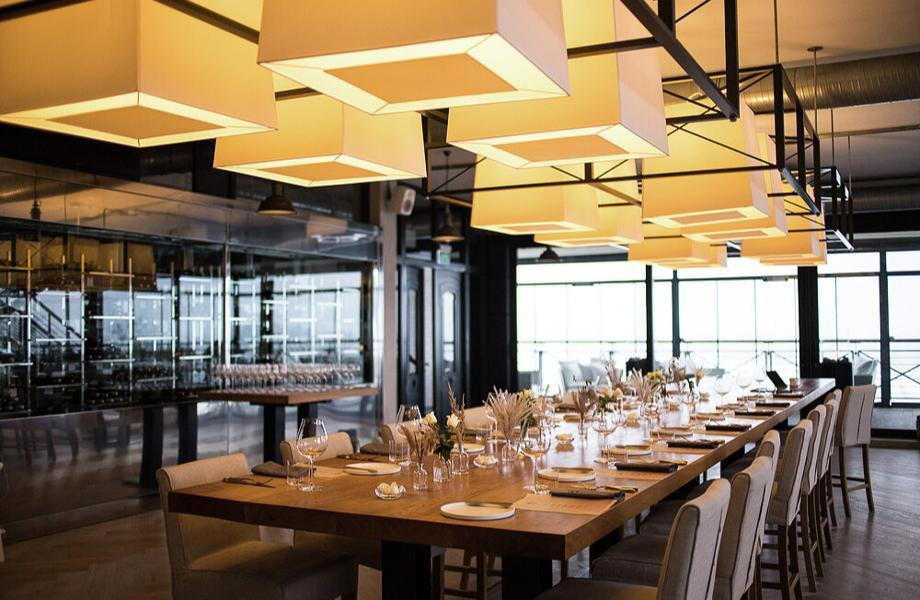
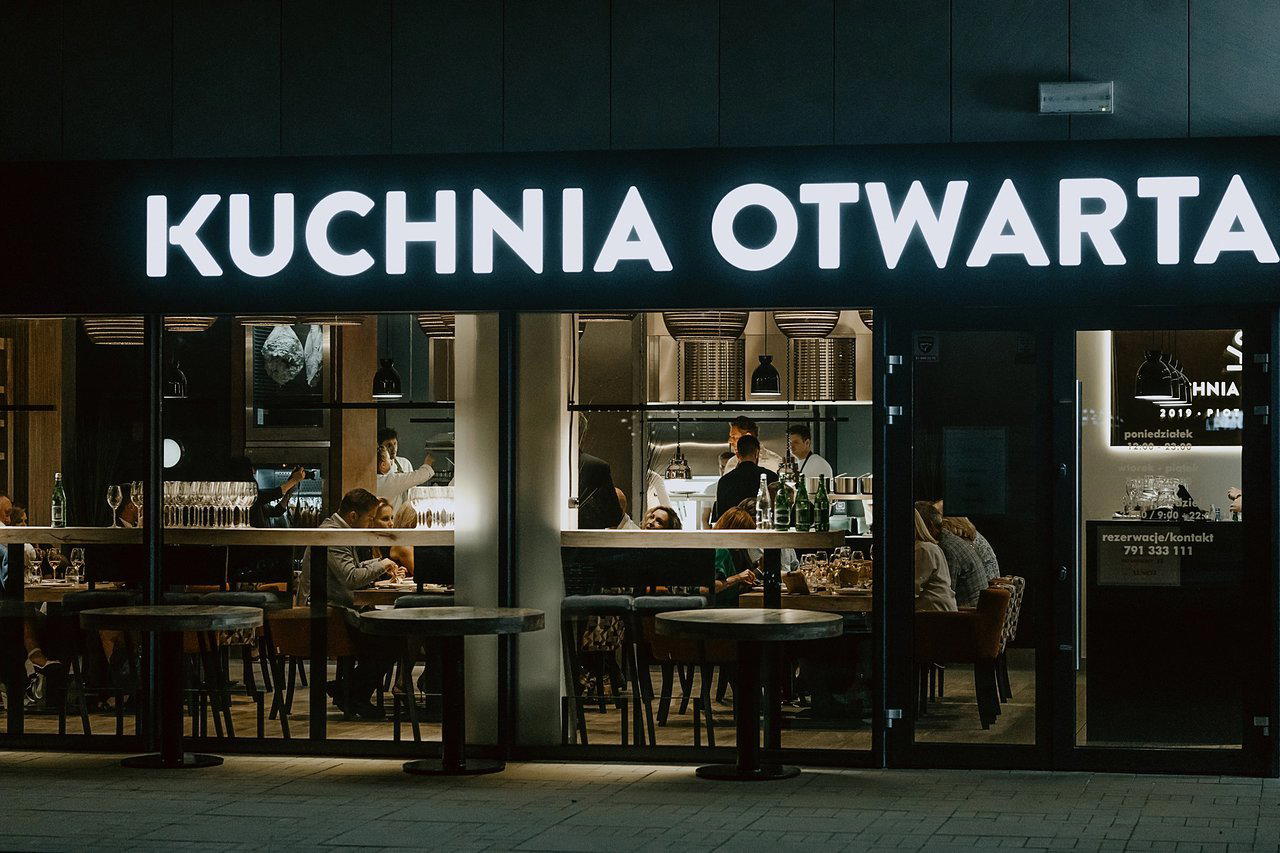
Industrial yet refined setting within a water bottling facility, maintaining an exclusive and intimate atmosphere with carefully natural lighting and minimalist design befitting the avant-garde culinary concept.