Our verdict
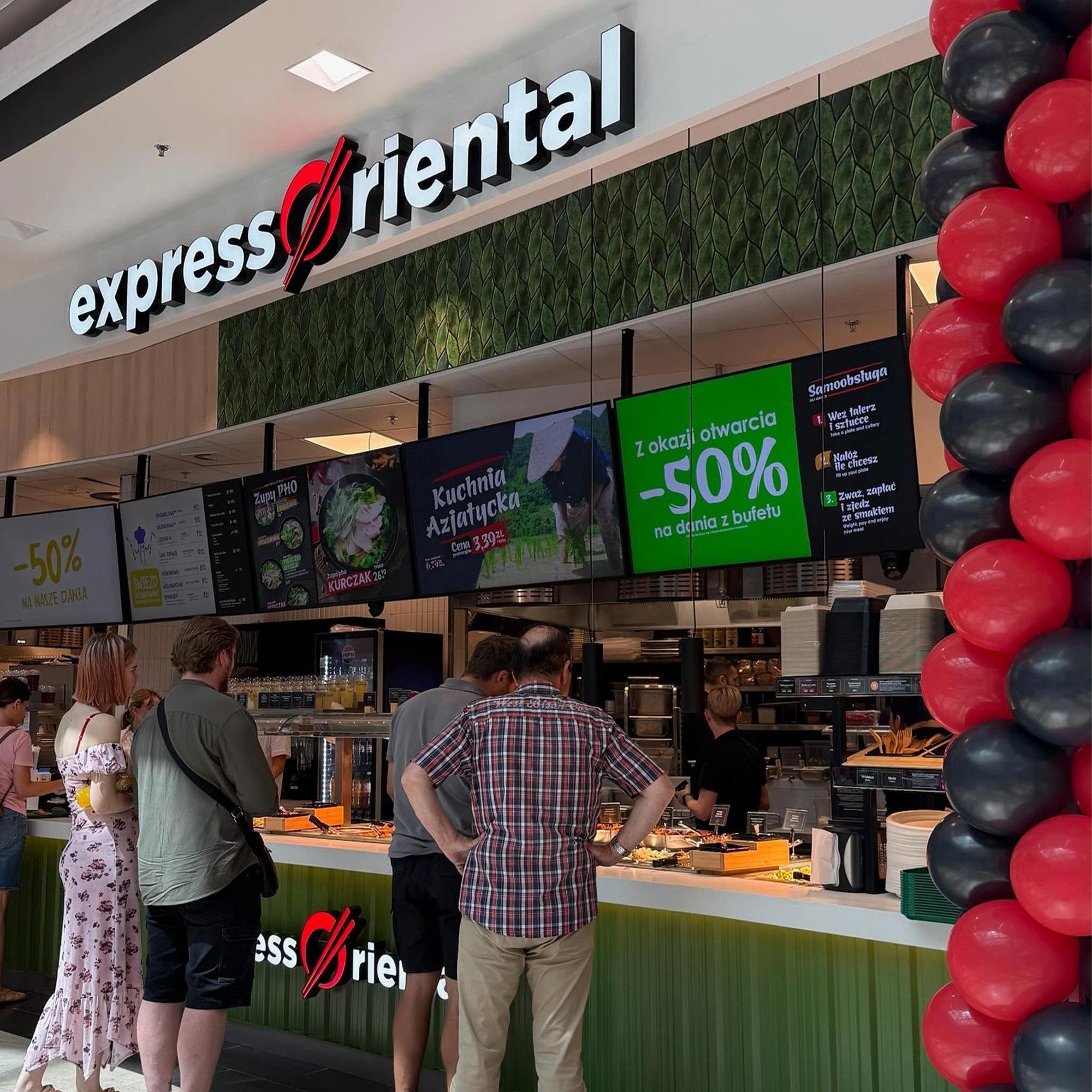
Express Oriental - Felicity sits on aleja Wincentego Witosa in Lublin's southern districts, bringing Asian-inflected cooking to a city whose restaurant scene has historically leaned Polish-traditional. For Lublin diners looking beyond the Old Town's familiar circuit, it represents a different orientation in the city's slowly diversifying food offer. See how it fits into the broader picture in our full Lublin dining coverage.

Pearl is the En Primeur Club membership app, where members save venues, book tables and use the concierge.
Where Lublin Meets the East
Aleja Wincentego Witosa is not the address that Lublin's food press tends to cover first. The city's editorial attention clusters around the Old Town, Krakowskie Przedmieście, and the streets that feed into Plac Litewski. The stretch further south, where Express Oriental - Felicity sits at number 32, belongs to a more residential and commercial register: wide pavements, functional architecture, the everyday city rather than the curated one. That positioning is itself an editorial signal. Restaurants that survive at addresses like this do so on neighbourhood repeat business, not on the foot traffic that tourist-facing venues depend on. The audience arriving here is largely local, and locals are harder to impress on a sustained basis than visitors passing through.
Asian restaurants in mid-sized Polish cities occupy a particular niche in the country's dining evolution. Poland's major culinary investment over the past decade has gone into fine-dining Polish and Modern European formats: venues like Bottiglieria 1881 Restaurant in Kraków, Muga in Poznań, or Arco by Paco Pérez in Gdańsk have pulled the country's reputation upward in European fine-dining terms. But that investment has been geographically concentrated, and the Asian mid-market has developed more quietly and more diffusely, filling demand in cities and districts that the headline venues do not reach. In Lublin specifically, the gap between traditional Polish comfort cooking and anything approaching a wider pan-Asian offer is still meaningful.
The Sourcing Question in Asian Cooking Outside Major Hubs
The most instructive lens for understanding any Asian-cuisine operation outside Warsaw, Kraków, or the Tri-City is ingredient sourcing. Pan-Asian cooking, whether it draws from Chinese, Vietnamese, Japanese, or Thai traditions, depends on a supply chain that Polish provincial cities have not historically supported at any depth. Fermented pastes, fresh aromatics such as lemongrass and galangal, specialist soy and fish sauce varieties, and fresh or frozen fish of adequate quality all require either specialist importers or proximity to distribution nodes that can handle the volume. A restaurant operating on an accessible price point in a residential district of Lublin is making sourcing trade-offs that a venue in Warsaw's Wola district, with its established Asian wholesale infrastructure, does not have to make.
This matters because it determines what any such kitchen can credibly do. The Polish market for Asian cooking has matured enough that diners in cities like Lublin have a baseline reference point: they have eaten Thai in Warsaw, Vietnamese in Kraków, or Japanese elsewhere in Europe, and they carry those comparisons into any neighbourhood Asian restaurant. The venues that sustain themselves in this environment tend to focus on dishes where the sourcing constraints are least visible, where bold seasoning, aromatics, and technique can carry more weight than the provenance of a single central ingredient. Across Poland's mid-market Asian restaurants, the more durable kitchens are those that have identified a tighter repertoire and executed it with consistency rather than chasing the full breadth of a pan-Asian menu.
For reference points in how specialist kitchens outside major hubs approach their category, Nare Sushi in Skórzewo offers one model from within Poland, while international touchstones like Le Bernardin in New York City and Lazy Bear in San Francisco demonstrate what rigorous sourcing commitment looks like when it becomes structurally central to a kitchen's identity rather than incidental to it.
Lublin's Dining Scene: The Wider Context
Lublin sits at an interesting juncture in Polish regional dining. It is the largest city in eastern Poland, with a university population that creates demand for affordable, varied eating, and a growing professional class that is beginning to support slightly more considered formats. The Old Town draws visitors to its Jewish heritage sites and castle, which has sustained a cluster of traditional Polish and heritage-themed restaurants in that quarter. The city's more progressive restaurant activity has so far been modest compared with Wrocław, Poznań, or Gdańsk, cities that have seen sharper clustering of wine-led and modern-format restaurants over the same period.
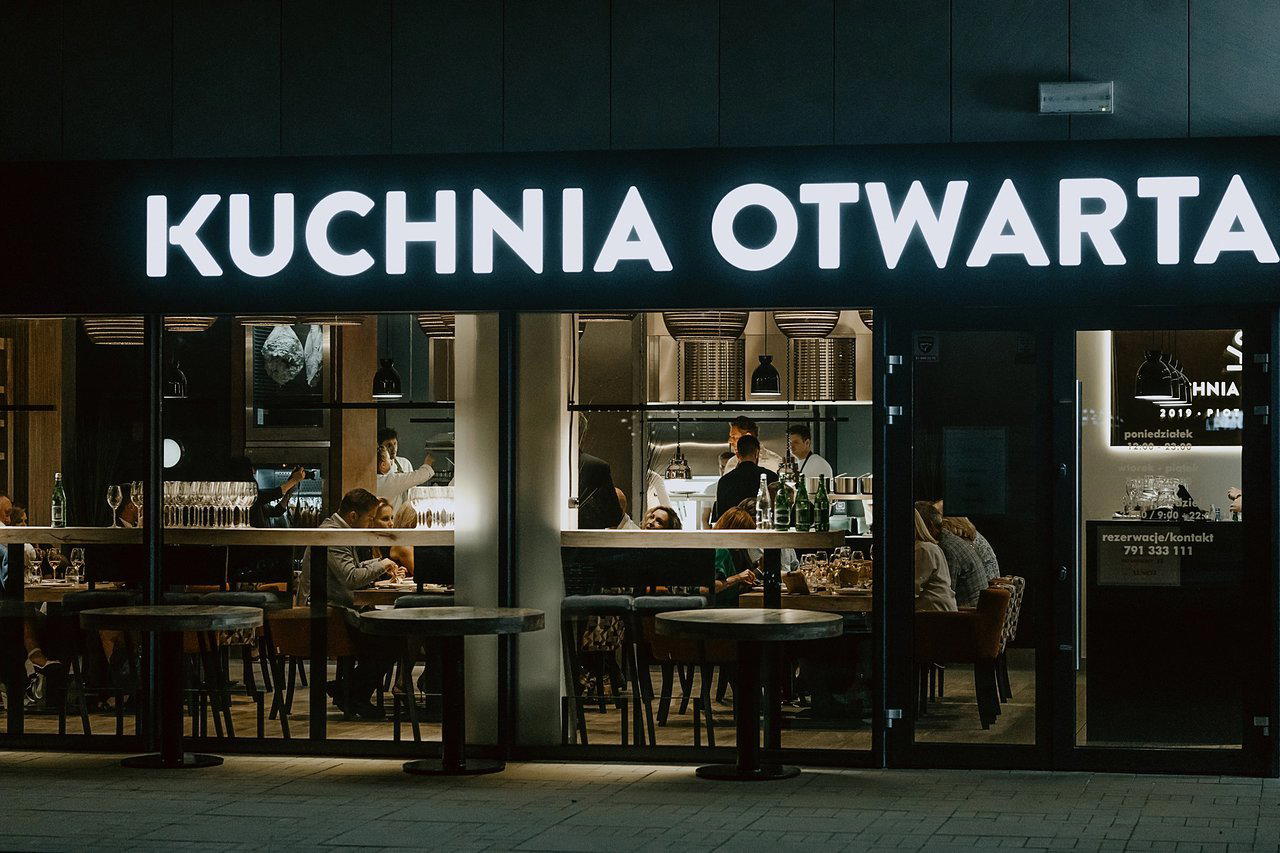
Venues like Kuchnia Otwarta represent the more experimental end of Lublin's current dining offer. Express Oriental - Felicity operates in a different register entirely, filling a more accessible, everyday tier that the city's population uses with regularity. Both functions matter to a city's food culture: the aspirational and the habitual are not in competition, they serve different occasions and different budgets. The full picture of what Lublin's restaurant scene currently looks like, across price points and formats, is mapped in our full Lublin restaurants guide.
Elsewhere in Poland, the contrasts are sharp. OK Wine Bar in Wrocław, Concordia Taste Poznań in Poznan, and Kaktusy Kato Koncept Kulinarny in Katowice each illustrate how regional cities beyond the capital are building distinct food identities. Lublin is at an earlier stage of that same process, and its Asian offer reflects that: broad in ambition, still building in infrastructure.
Planning Your Visit
Express Oriental - Felicity is located at aleja Wincentego Witosa 32 in Lublin's southern district, accessible from the city centre by bus along the main arterial route. The address is primarily a neighbourhood restaurant rather than a destination dining venue, which shapes both the booking dynamic and the atmosphere: expect a more casual, quick-service orientation than the sit-down restaurant formats that define Lublin's Old Town dining. No awards, formal ratings, or press recognition appear on the venue's public record, which places it in the large category of Polish regional restaurants operating outside the tracked fine-dining circuit.
For visitors building a broader Poland itinerary, the contrast between what Lublin's accessible-tier restaurants offer and what venues in other cities have achieved is instructive. hub.praga in Warsaw, Bar Przystań in Sopot, Luneta & Lorneta Bistro Club in Ciekocinko, Drukarnia Smaku Cristina in Zakopane, Ariel in Krakow, La Cucina Ristorante in Gdansk, and Giewont in Kościelisko each offer their own regional perspective on where Polish dining is heading, and together they sketch a country whose food culture is more geographically diverse than its top-line awards tally might suggest.
Frequently asked questions
Can I bring kids to Express Oriental - Felicity?
Nothing in the venue's available details rules out family visits. The address on aleja Wincentego Witosa 32 places it in a residential southern district of Lublin rather than a bar-heavy nightlife zone, which typically makes for a more relaxed family setting.
What is the atmosphere like at Express Oriental - Felicity?
Express Oriental - Felicity sits on aleja Wincentego Witosa in Lublin's southern district, away from the busier Old Town circuit. That positioning tends to produce a neighbourhood-facing dynamic: more regulars, less tourist footfall.
Is Express Oriental - Felicity a good option for a quick lunch near Lublin's southern districts?
The address at aleja Wincentego Witosa 32 puts the restaurant in Lublin's southern residential zone, making it a practical stop for workers and residents in that part of the city rather than a destination solely serving the Old Town tourist trail. Lublin's university population across the wider city also sustains a consistent demand for affordable, fast Asian-format meals.
What's the must-try dish at Express Oriental - Felicity?
For any Asian-cuisine operation in a regional Polish city like Lublin, the dishes that tend to hold up best are those built around pantry staples rather than highly perishable imports, so noodle and rice-based preparations are a reasonable starting point. Ask staff what comes out of the kitchen most consistently.
Where is Express Oriental - Felicity in Lublin?
Express Oriental - Felicity is located at aleja Wincentego Witosa 32, 20-315 Lublin, Poland, Lublin.
Comparable Spots, Quickly
| Venue | Cuisine | Price | Awards | Notes |
|---|---|---|---|---|
| Express Oriental - FelicityThis venue (the venue you are viewing) | Asian Fusion | $10–20 | Not listed | Not listed |
| Giewont | Modern French-Polish Fine Dining | Not listed | 1 Michelin Star · La Liste Top Restaurants | Modern Cuisine |
| Rozbrat 20 | Modern Polish Fine Dining | $100–150 | 1 Michelin Star · Star Wine List | Modern European, Modern Cuisine |
| alewino | Seasonal Polish Wine Bistro | $30–50 | Michelin Plate · Star Wine List | Modern Polish, Traditional Cuisine |
| Bez Gwiazdek | Modern Polish Regional | $200–300 | Michelin Plate · Star Wine List | Modern Polish, Modern Cuisine |
| Butchery & Wine | Modern Steakhouse | $50–100 | Michelin Plate · Star Wine List | Bistro, Meats and Grills |
Continue exploring
More in Lublin
Details
- Lively
- Family
- Casual Hangout
- A La Carte
Current opening hours
- Monday
- 9 AM–9 PM
- Tuesday
- 9 AM–9 PM
- Wednesday
- 9 AM–9 PM
- Thursday
- 9 AM–9 PM
- Friday
- 9 AM–9 PM
- Saturday
- 9 AM–9 PM
- Sunday
- Closed
Hours can change for holidays and private events. Hours as of .
lively dining experience