The Ruby (location hidden)
Our verdict
The Ruby (location hidden) fits San Francisco’s appetite for dining formats that make privacy, pacing, and ritual part of the meal. With no public-facing menu, chef, awards, price range, or booking structure listed, its appeal sits less in conventional restaurant signals and more in the city’s long-running taste for small, controlled rooms where the act of finding the table shapes the evening.

Pearl is the En Primeur Club membership app — saves, bookings, and concierge access live there. Same editors, same standards.

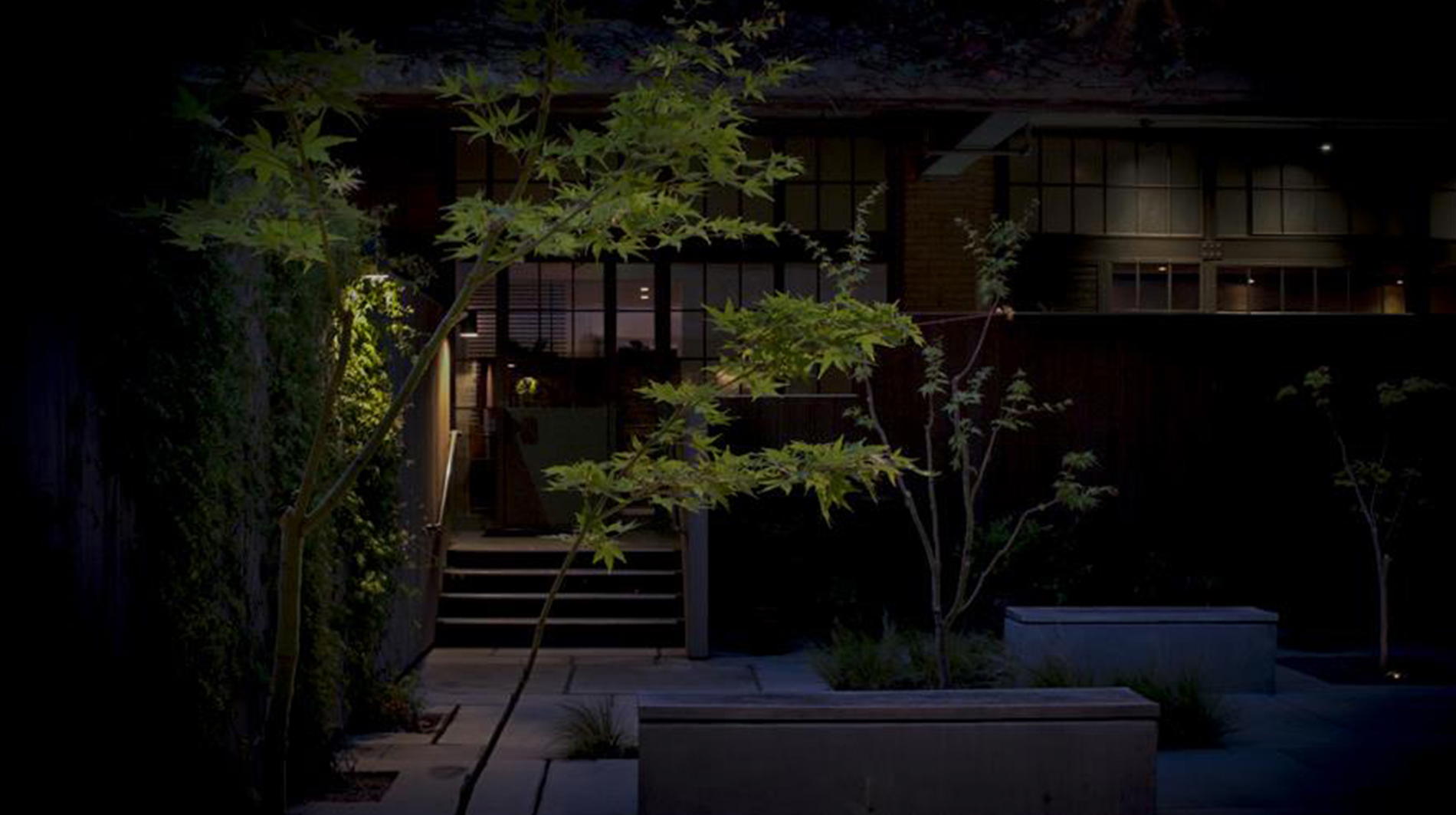
A location-hidden venue changes the meal before a plate reaches the table. The approach becomes part of the ritual: fewer public clues, less casual foot traffic, and a stronger sense that the evening has been designed around intention rather than impulse. In San Francisco, where restaurants, pop-ups, and more planned dining formats have long overlapped, that secrecy reads less like theater than a familiar local code.
The Ruby (location hidden) belongs to that side of the city’s dining culture. It is listed in San Francisco, a city where serious eating has never been limited to white-tablecloth rooms. The area’s restaurant identity has been shaped by casual counters, bakeries, tasting menus, bar dining, and independent projects operating near one another. A hidden-location format fits that density: it asks diners to treat the meal as a planned appointment, not a spontaneous drop-in.
A meal shaped by access, pacing, and restraint
Hidden-location dining works when the ritual is clear. The access, timing, and pace matter as much as any public-facing category, because the diner gives up some usual forms of control. There may be fewer public cues about what to order, how long to linger, or how formal the night will feel. That tradeoff is the point: the meal becomes a contained event rather than another stop on a crowded restaurant crawl.
That format also changes expectations around hospitality. In a conventional restaurant, the guest reads the room quickly: menu, price tier, service rhythm, bar energy, table spacing. In a location-hidden format, those signals may arrive later. The sequencing, communication, and group pace carry more weight. Diners who enjoy clear public menus and visible service categories may find the format less comfortable; diners who like a slower reveal will understand the appeal.
San Francisco has a long tolerance for this kind of culinary ambiguity. The city’s restaurant culture has supported ambitious independent rooms alongside casual counters and neighborhood institutions, and those categories often blur. For a wider view of the city’s dining range, see Our full San Francisco restaurants guide, with nearby editorial context also useful across Our full San Francisco bars guide, Our full San Francisco hotels guide, Our full San Francisco wineries guide, and Our full San Francisco experiences guide.
Where it fits in San Francisco's private-dining appetite
The Ruby (location hidden) is better understood through format than through a named cuisine or public personality. That matters because San Francisco diners often use different criteria for these rooms. Recognition can help, but so can scarcity, word of mouth, and the sense that a meal has been composed for a limited audience. The decision is less about chasing a famous dish and more about choosing a controlled evening with fewer public-facing guarantees.
That makes it a poor fit for diners who need every detail settled in advance, especially families trying to plan around children, fixed budgets, or exact timing. It is a stronger fit for adults who are comfortable with a dining ritual built around discretion and trust. In a city where dinner can mean anything from a quick casual stop to a neighborhood table, a polished city dining room, or a community-minded food space, this hidden format occupies a narrower lane.
The useful comparison is not with named local peers, but with a wider habit of treating format as part of cuisine. EP Club’s broader restaurant coverage follows that thread across other dining rooms, bars, counters, and destination meals without needing to reduce The Ruby (location hidden) to a single category. The common question is not whether a venue is louder, grander, or more decorated. It is whether the format tells the diner how to behave, how to listen, and how to give the meal enough room to work.
Frequently asked questions
Does The Ruby (location hidden) work for a family meal?
It can, if the group is comfortable with a more planned dining format in San Francisco. The hidden-location setup suits families that value preparation and discretion over casual drop-in dining.
How would you describe the vibe at The Ruby (location hidden)?
The Ruby reads as deliberate rather than casual, with the location-hidden format doing much of the work. In San Francisco, that kind of venue puts access and timing at the center of the experience.
Where is The Ruby (location hidden) located?
The Ruby (location hidden) is located in San Francisco.
Do I need a reservation for The Ruby (location hidden)?
Advance planning makes sense for a hidden-location venue in San Francisco. The setup signals a place built around intention rather than ordinary walk-in discovery.
What makes The Ruby (location hidden) worth seeking out?
The appeal is the format: a hidden-location venue in San Francisco, where the experience begins before the first course. For diners who value access, pacing, and a setting removed from ordinary street-level discovery, that structure is the point.
How It Compares
Comparable venues nearby, for context on price, style, and recognition.
| Venue | Cuisine | Price | Notes |
|---|---|---|---|
| The Ruby (location hidden)This venue — the venue you are viewing | Dining | Not listed | Not listed |
| Rise Over Run | New American with Mediterranean influences | $30–50 | Tenderloin |
| Spiazzo | Authentic Italian Pizza & Pasta | $20–30 | West of Twin Peaks |
| Le Charm | French Bistro | Not listed | SoMa |
| Hà Nam Ninh | Vietnamese Noodle Shop | Not listed | Tenderloin |
| Calzone's Pizza Cucina | Italian Pizza and Calzones | Not listed | North Beach |
Continue exploring
More in San Francisco
Restaurants in San Francisco
All restaurants in San Francisco →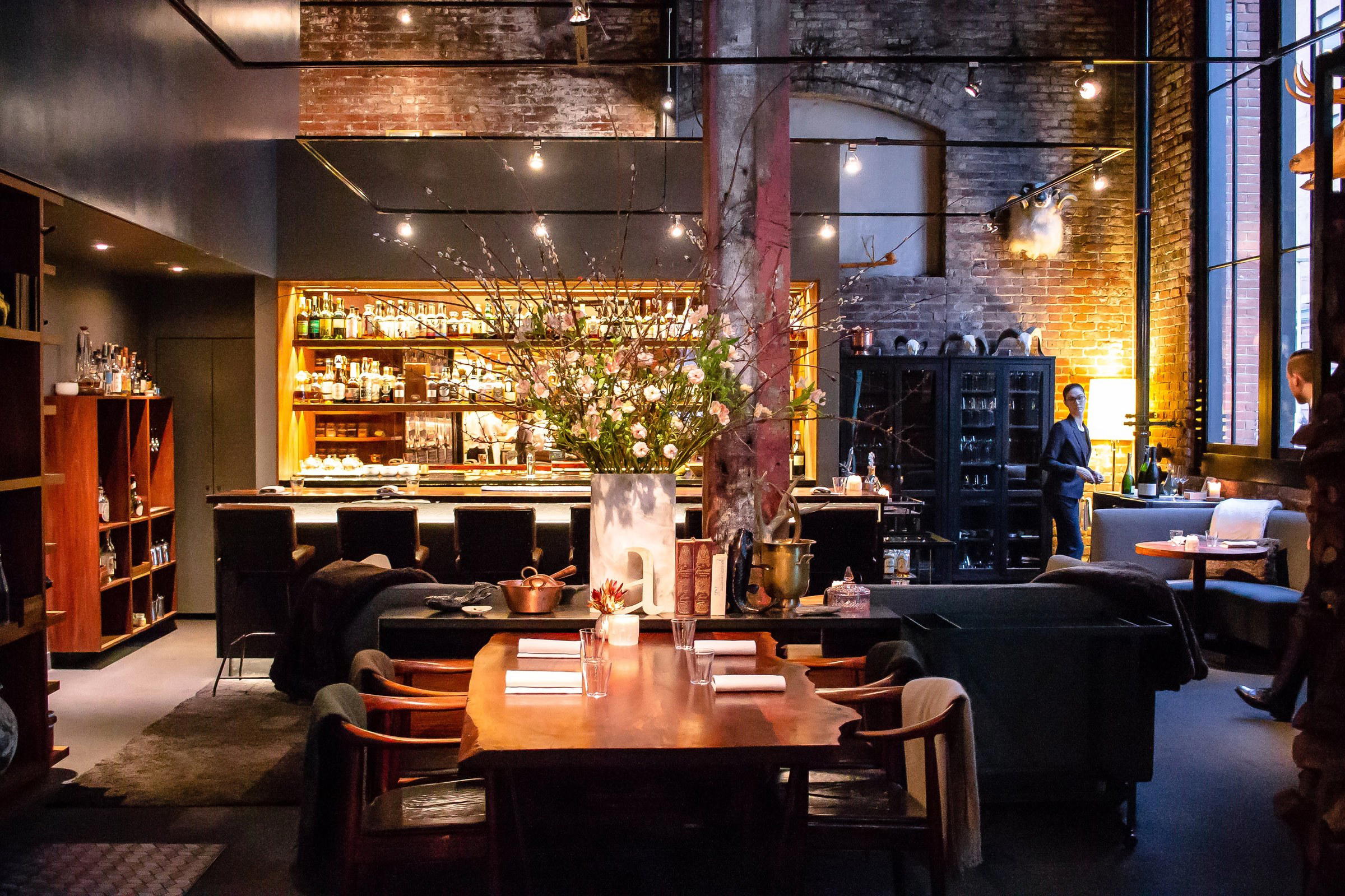
Bars in San Francisco
All bars in San Francisco →
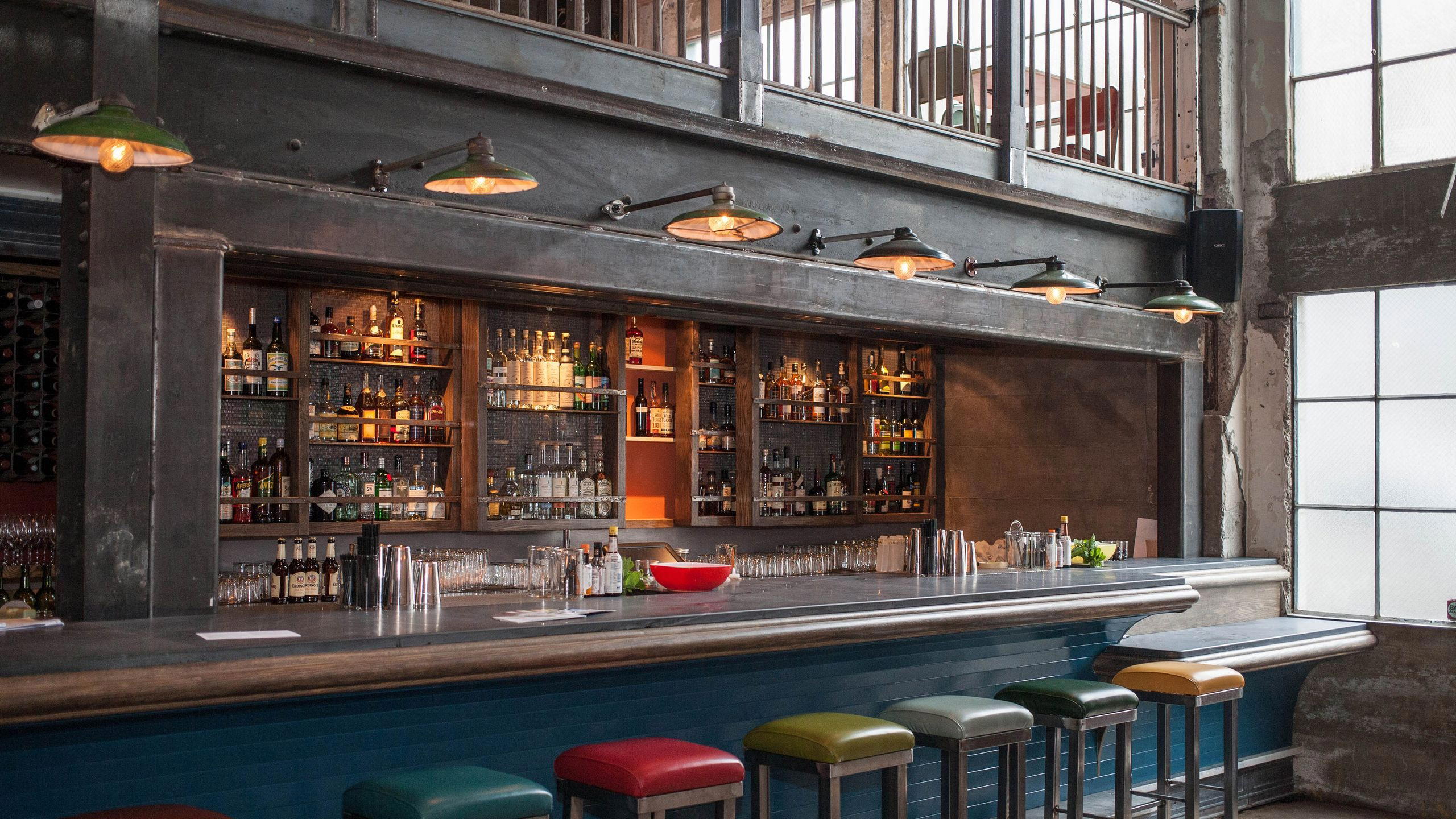
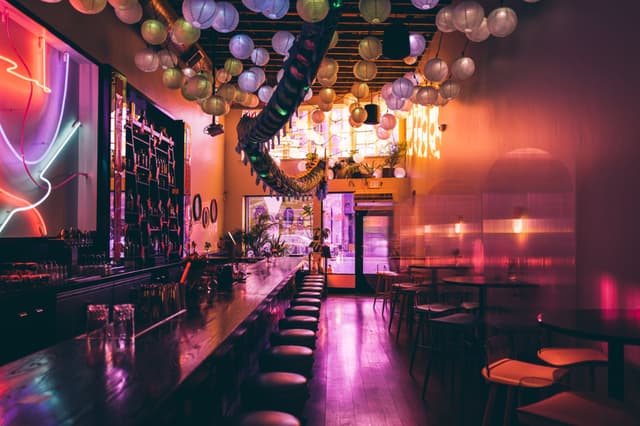
Hotels in San Francisco
All hotels in San Francisco →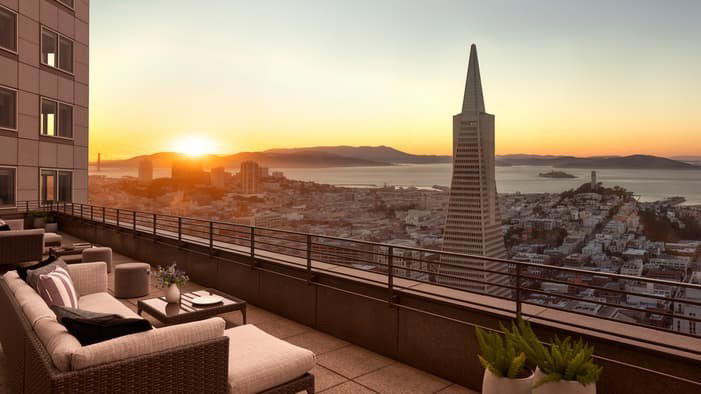

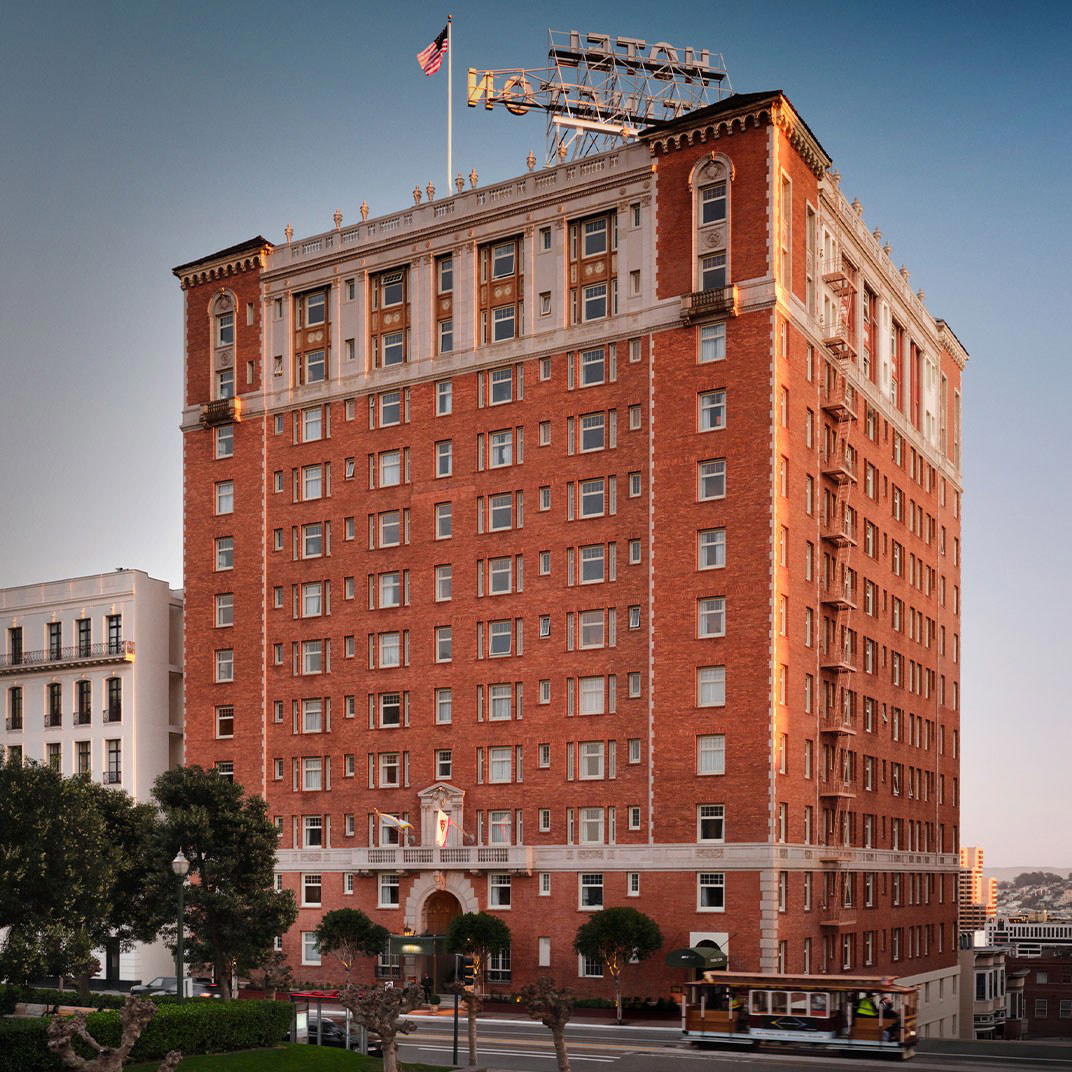
Wineries in San Francisco
All wineries in San Francisco →
Details
- Private Event
- Standalone
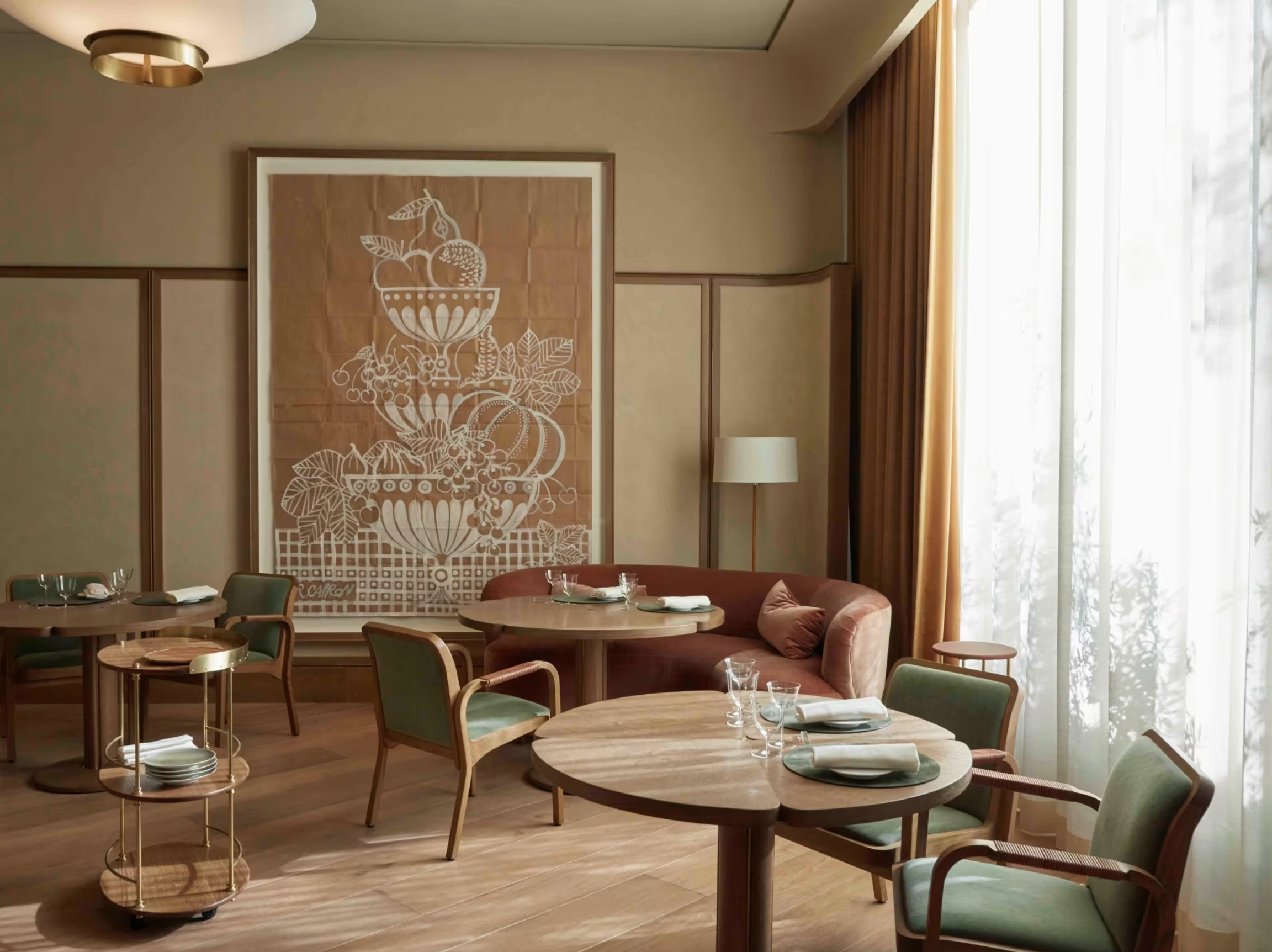
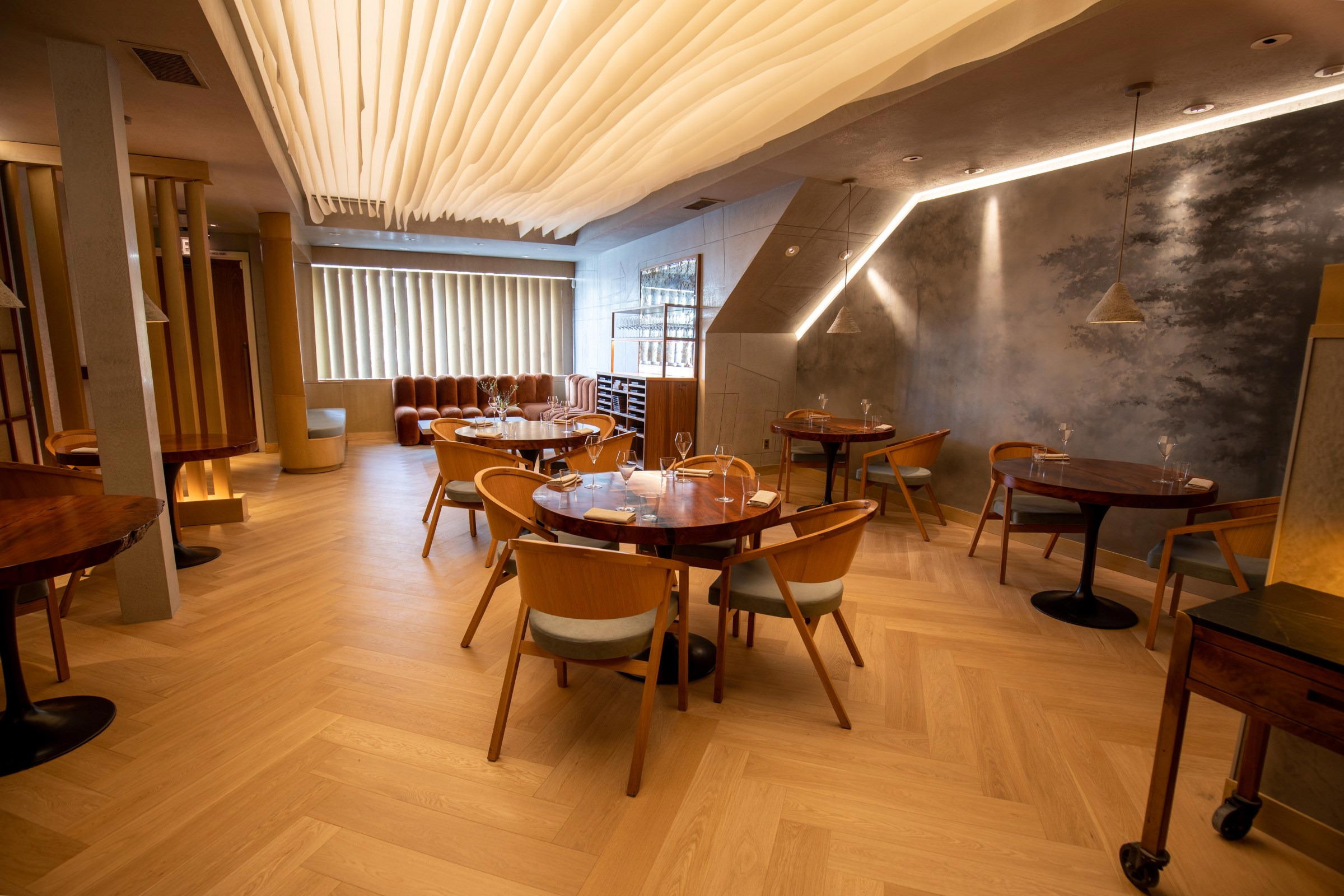
Small, controlled, and discreet, with an emphasis on privacy and pacing rather than a conventional public-facing restaurant atmosphere.