The Mercury Diner
Our verdict
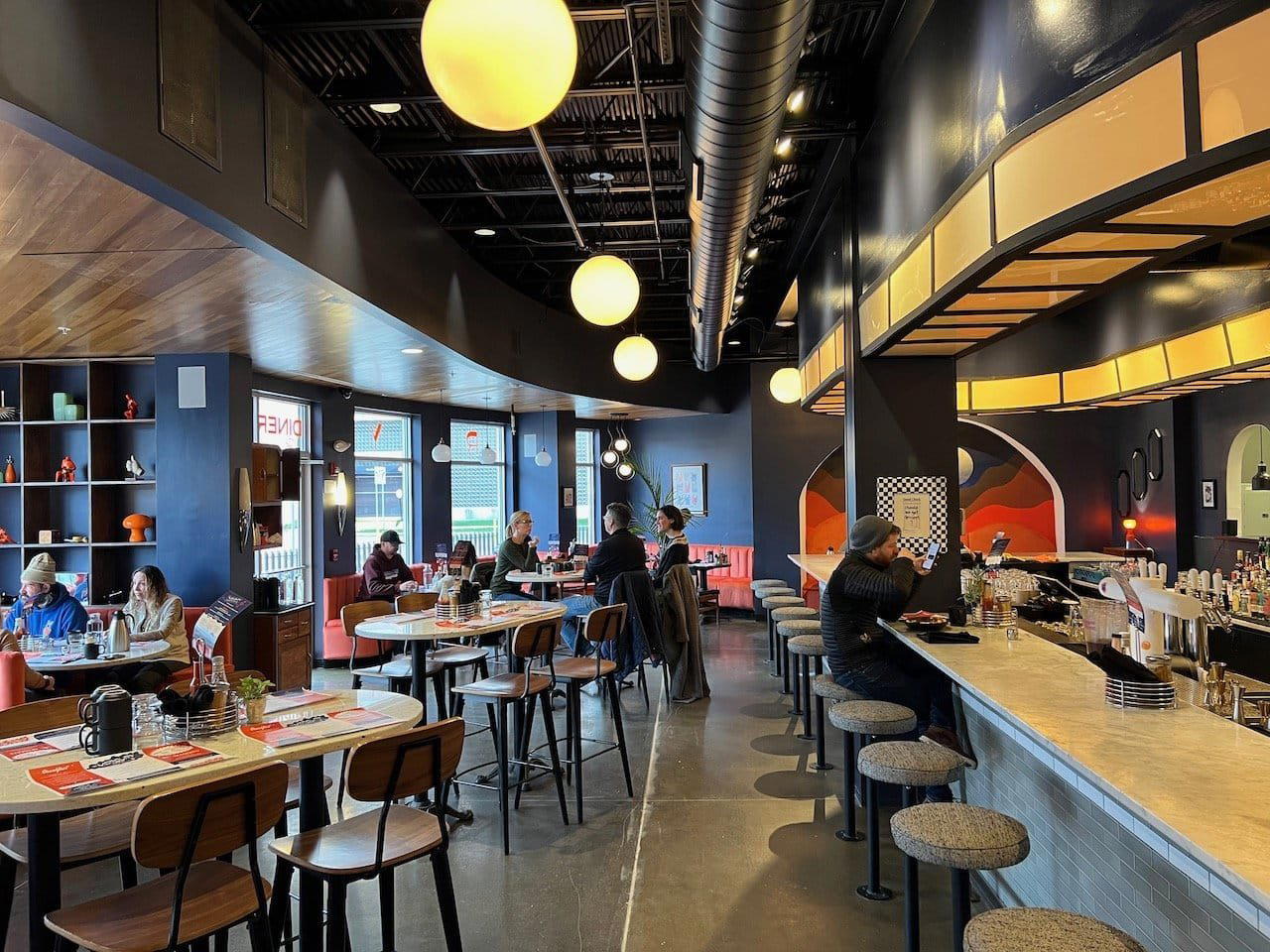
A fixture on Parsons Avenue in Columbus's South Side, The Mercury Diner occupies a stretch of the city where neighbourhood regulars and newer arrivals share the same counter. The diner format here follows a familiar American ritual — drop in, order simply, eat without ceremony — and does so in a part of Columbus that is changing faster than most of its residents expected.

Pearl is the En Primeur Club membership app — saves, bookings, and concierge access live there. Same editors, same standards.
The menu
What to order
- Big Ol' Pancake
- The Big Bang
- Spaceballs
Parsons Avenue and the Diner as Neighbourhood Anchor
South Columbus's Parsons Avenue corridor has been shifting for the better part of a decade, with independent food businesses serving as both symptom and cause of that change. Diners occupy a particular role in that dynamic. They are rarely the establishments that catalyse gentrification, but they tend to be the ones that survive it — because the format, at its core, is built around accessibility, speed, and the kind of democratic hospitality that holds a neighbourhood together across economic cycles. The Mercury Diner, at 621 Parsons Ave, sits inside that tradition.
The American diner is one of the few dining formats that actively resists ritual hierarchy. There is no tasting menu pacing, no sommelier, no dress expectation. The ritual is almost its own inverse: arrive, sit, read the laminated card or chalkboard, order without consultation, eat while the place hums around you. That informality is its own discipline. Getting a diner right requires a specific kind of consistency that is harder to maintain than it appears from the outside, and the neighbourhoods that have a reliable one tend to know it.
Columbus has enough of this kind of institution to draw meaningful comparisons. Agni and Alqueria represent the city's more format-driven, chef-led end of the dining spectrum. Agave & Rye Grandview and [['plas] sit in different registers altogether. The Mercury Diner occupies its own distinct tier: the kind of place that is not in competition with any of those rooms, because it is solving a different problem for a different moment in the day.
The Diner Ritual: How This Format Actually Works
Understanding what a diner is supposed to do requires stepping back from the fine-dining framework that dominates most food writing. The pacing of a diner meal is front-loaded: you decide fast, the food arrives fast, and the check arrives when you want it. The interaction between diner and server is functional but often warm — there is a social shorthand to American counter service that regular customers understand without thinking about it. The ritual is not in the ceremony of the meal but in the repetition of the visit.
This is what makes a diner's relationship with its neighbourhood fundamentally different from that of a destination restaurant. Destination dining, think Lazy Bear in San Francisco, Alinea in Chicago, or The French Laundry in Napa, is built around singular, infrequent visits. Those rooms succeed by being memorable in a concentrated burst. A diner succeeds by being reliable across hundreds of ordinary mornings and afternoons. The metrics are entirely different: not the height of the experience, but the floor.
At the national level, restaurants like Le Bernardin in New York City, Providence in Los Angeles, and Blue Hill at Stone Barns in Tarrytown represent one end of American dining ambition. The Mercury Diner represents something closer to the other: the everyday table, the short-order counter, the meal that does not require planning. Both ends of that spectrum matter, and both are worth taking seriously as subjects.
South Side Columbus and the Format in Context
Parsons Avenue is not a dining destination in the way that Short North or the Brewery District draw out-of-towners for a night. It functions more as a working neighbourhood corridor, which means the food businesses that succeed there tend to do so on repeat visits rather than on novelty. That structural reality gives institutions like The Mercury Diner a particular durability, and a particular pressure. The room cannot rely on tourist traffic or special-occasion bookings to sustain its numbers. It has to be good enough, and consistent enough, that people come back the following week.
This is also the context in which to understand the diner's position relative to Columbus's broader restaurant scene. 2110 and the other more formally structured Columbus restaurants operate inside a different set of expectations and, accordingly, a different peer group. For visitors trying to read Columbus through its food, the diner tier provides a ground-level register that more produced rooms cannot replicate. It is a different kind of evidence about a city.
For a broader view of how The Mercury Diner fits within Columbus's dining options, the full Columbus restaurants guide maps the city's scene across formats, neighbourhoods, and price points.
Where This Sits in a Wider American Dining Conversation
American diner culture has been periodically declared dead and periodically revived, and the truth is more mundane: it never really went anywhere. The format has been absorbed, reinterpreted, and occasionally refined by chef-driven projects, several of which now carry Michelin recognition, but the original model persists in cities across the country because it serves a function that no amount of conceptual reinvention actually replaces.
Restaurants like Addison in San Diego, The Inn at Little Washington, Atomix in New York City, and Emeril's in New Orleans represent the American fine-dining continuum at its most deliberate and produced. Single Thread Farm in Healdsburg and 8 1/2 Otto e Mezzo Bombana in Hong Kong extend that conversation internationally. The Mercury Diner is not in dialogue with any of those rooms. Its peer group is the short-order counter, the neighbourhood breakfast spot, the place that serves eggs at 7am without fanfare, and within that frame, the question of consistency and community anchoring matters more than creative ambition.
Know Before You Go
Address: 621 Parsons Ave, Columbus, OH 43206
Neighbourhood: South Side, Columbus
Format: American diner
Phone: Not listed
Website: Not listed
Reservations: Diner format; walk-ins are the standard approach
Dress code: None
Price range: Not listed
Hours: Confirm locally before visiting
Frequently asked questions
What's the address for The Mercury Diner?
The Mercury Diner is located at 621 Parsons Ave, Columbus, OH 43206, Columbus.
Is The Mercury Diner on Parsons Ave part of a local Columbus chain or independently owned?
No ownership group or chain affiliation is documented for The Mercury Diner. Its single address at 621 Parsons Ave in Columbus points to an independent operation rather than a multi-location brand. Independent diners on developing corridors like Parsons Avenue are typically owner-operated, which shapes everything from sourcing decisions to the consistency of the counter experience.
What's the must-try dish at The Mercury Diner?
Diners in this South Columbus corridor typically anchor their menus around short-order staples: eggs plates, griddle items, and daily specials that shift by season. Ask the counter staff what's moving that morning — that's the most reliable signal in any diner format.
Can I walk in to The Mercury Diner?
Reservation policies are not documented for The Mercury Diner. The diner format at a Parsons Avenue address like this one is historically walk-in by nature — counter seating and booth turnover are the rhythm that keeps these rooms running. Arriving early during weekend morning hours is the standard move at South Columbus spots with limited seating.
What's the standout thing about The Mercury Diner?
The Mercury Diner functions as a neighbourhood fixture on Parsons Avenue, a corridor in South Columbus that has been building independent food infrastructure for the better part of a decade. Its address at 621 Parsons Ave places it in a stretch that serves locals rather than destination diners from Short North or the Brewery District. That local-first orientation is the defining quality — this is a room built around regulars, not rotating visitors.
Is The Mercury Diner good for vegetarians?
No menu data is confirmed for The Mercury Diner at 621 Parsons Ave. American diners classically cover egg-based dishes, grilled cheese, and griddle sides that accommodate vegetarians without dedicated sections. For specific dietary questions, contacting the diner directly before visiting is the practical approach.
Nearby-ish Comparables
Comparable venues nearby, for context on price, style, and recognition.
| Venue | Cuisine | Price | Awards | Notes |
|---|---|---|---|---|
| The Mercury DinerThis venue — the venue you are viewing | Cosmic American Diner | $10–20 | Not listed | Not listed |
| ClusterTruck - Columbus | Street Food Delivery | $10–20 | Not listed | Discovery District |
| 2110 | American with European and Asian influences | $20–30 | Not listed | University View |
| Rusty Bucket - Clintonville | American Tavern Comfort Food | $20–30 | Not listed | Clintonville |
| Hudson 29 Kitchen + Drink | Modern American | Not listed | Not listed | Olentangy West |
| Ray Ray's Hog Pit Clintonville | American Barbecue | $20–30 | Diners, Drive-Ins and Dives Featured Restaurant | Clintonville |
Continue exploring
More in Columbus
Restaurants in Columbus
All restaurants in Columbus →
Bars in Columbus
All bars in Columbus →
Details
- Trendy
- Cozy
- Brunch
- Casual Hangout
- Family
- Open Kitchen
- Craft Cocktails
- A La Carte
Current opening hours
- Monday
- 8 AM–3 PM
- Tuesday
- 8 AM–3 PM
- Wednesday
- 8 AM–3 PM
- Thursday
- 8 AM–3 PM
- Friday
- 8 AM–3 PM
- Saturday
- 8 AM–3 PM
- Sunday
- 8 AM–3 PM
Hours can change for holidays and private events. Last verified .
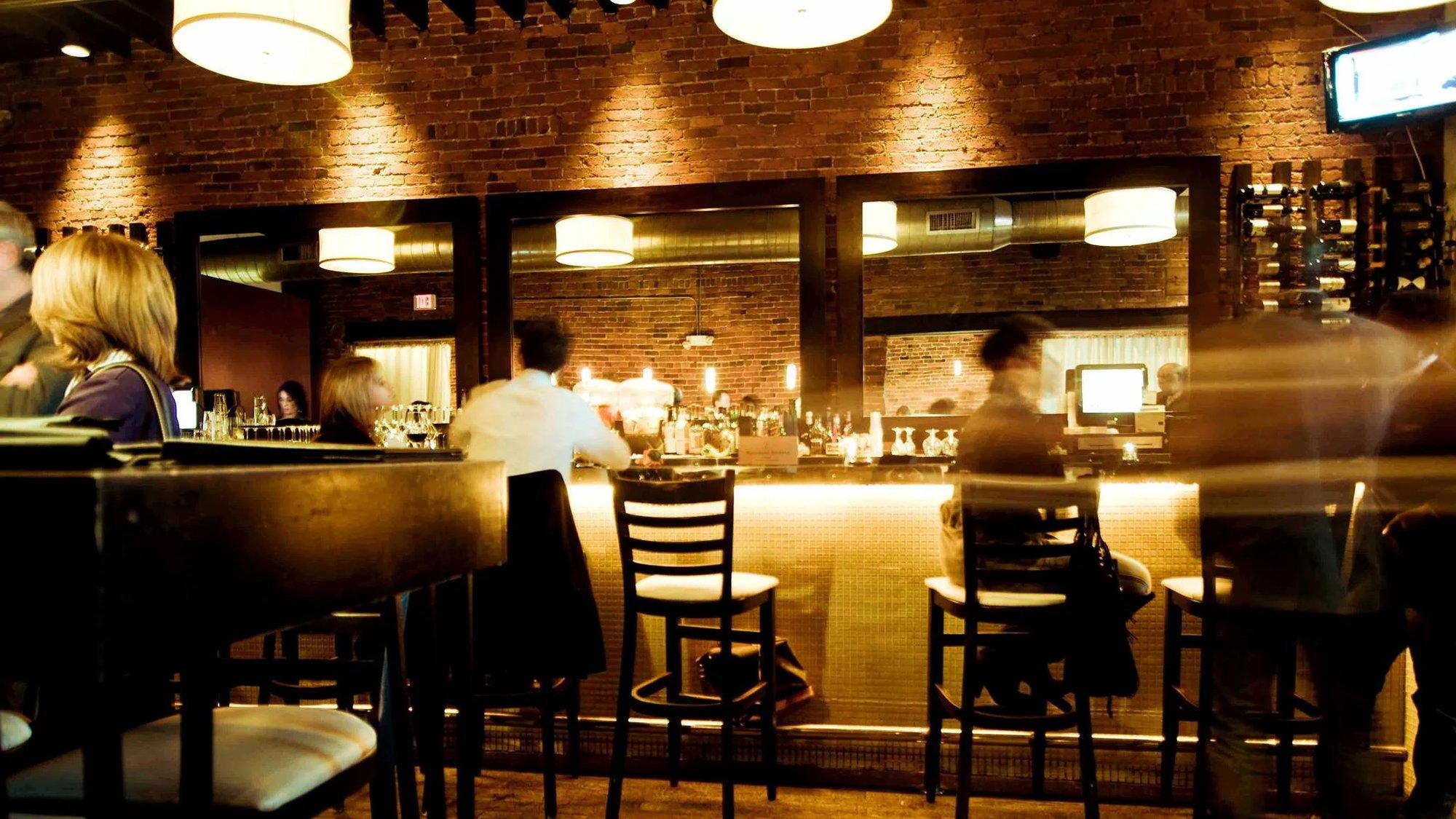
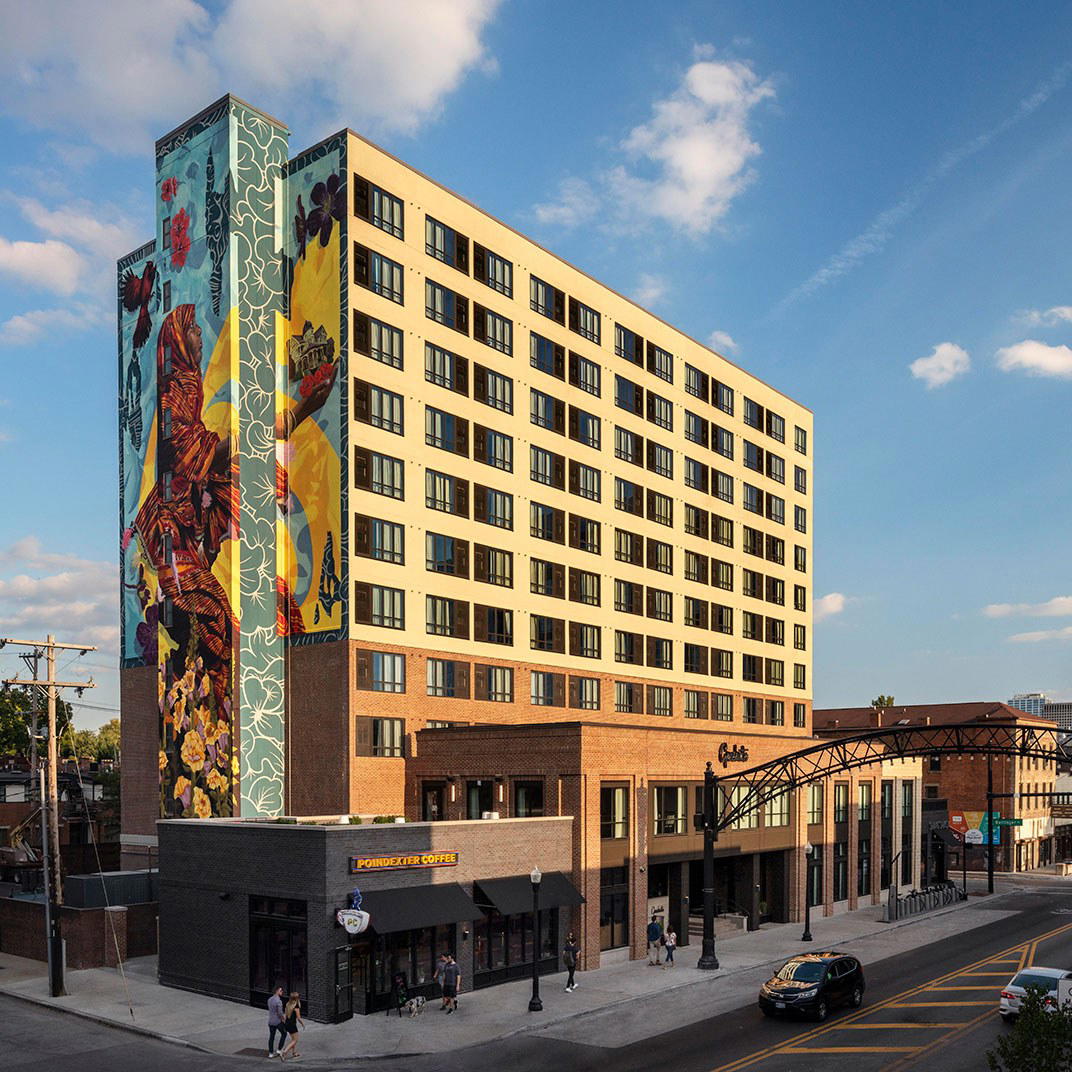
Funky, hipster-casual atmosphere with cosmic decor including a giant moon wall painting and modern twists on classic diner vibes.