The Commodore


Wine Spectator Award of Excellence · Wine Enthusiast Best Wine Restaurants
Our verdict
The Commodore brings Hartland into the national wine-restaurant conversation, with Wine Enthusiast naming it to its 2025 Best Wine Restaurants list for the Midwest. Read it less as a standalone trophy address and more as a signal that Lake Country dining is being judged on sourcing, cellar intent, and regional seriousness rather than resort-town scenery alone.

Pearl is the En Primeur Club membership app, where members save venues, book tables and use the concierge.
The menu
What to order
- Oysters Rockefeller
- Waldorf salad
- Crab Louie
- Beef Wellington for two
Approaching Hartland, the setting feels local rather than like a big-city restaurant district: low buildings, familiar routines, and a dining rhythm shaped by families, regulars, weekend traffic, and nearby expectations. In that context, The Commodore matters because it extends the local conversation beyond the most familiar patterns of small-city dining. Its inclusion in Wine Enthusiast’s 2025 Best Wine Restaurants list for the Midwest gives the room a national marker; more important, it shows Hartland can now be read as part of a broader wine-restaurant conversation rather than only as a local stop.
Hartland's table is being judged by what it pours and how it presents itself
Restaurant identity is not decorative in Wisconsin. It separates places that treat the region as atmosphere from those that understand the habits of gathering around a meal. Stronger Hartland restaurants can translate that inheritance without turning every dinner into nostalgia. The Commodore sits in that conversation, where wine recognition is useful evidence of a format built around the relationship between the bottle list, the meal, and the room.
Wine Enthusiast’s Midwest category is a meaningful trust signal because the region is broad and uneven: larger cities dominate attention, while Wisconsin’s strongest dining often splits between familiar hospitality and more contemporary dining rooms. A Hartland restaurant in that field shows the local scene being read through a wider lens. The comparison is not only other Hartland dining rooms, but whether a smaller community can support a restaurant where wine is part of the argument rather than an afterthought.
That shift matters for travelers. In smaller American dining markets, the gap between ambition and execution often appears first in how a restaurant frames its sense of place. Menus and service may gesture toward occasion, but the room convinces only when the food and beverage choices move together. The Commodore’s national wine-restaurant recognition suggests an identity built on more than scenery or occasion dining: a Hartland restaurant with a wine program noticed beyond the county line.
Why wine recognition changes the way to read the room
Wine-led restaurants differ from restaurants that simply carry long lists. The better ones shape meals around pacing, texture, acidity, richness, and what guests will drink with the food. In Wisconsin, that matters because local dining often favors comfort, abundance, and familiar richness. A serious wine context can sharpen that style, making the meal feel more deliberate rather than merely heavier.
The Commodore’s award context places it in a narrower lane than the average special-occasion restaurant. It is not being framed here through chef biography or one defining dish; neither is needed to understand its significance. The better reading is category-based. Hartland has a compact restaurant field, and a wine-driven address gives visitors an alternative to treating a larger nearby city as the default answer for a more considered dinner. For travelers mapping food stops, supplies the wider local frame, while planning pages for Hartland hotels, Hartland bars, Hartland wineries, and Hartland experiences place dinner inside a fuller Hartland itinerary.
The practical editorial stance is simple: treat The Commodore as a wine-conscious Hartland dinner, not a generic neighborhood stop. Arrive with room for the beverage program to shape the meal, and judge the experience by how well it connects local appetite to the wine focus. In a city this size, national recognition can distort expectations if read as spectacle. Read correctly, it signals restraint: a restaurant trying to make the wine list, the meal, and the room speak the same regional language.
How it fits a wider American restaurant conversation
The broader American restaurant map is moving away from the old divide between coastal seriousness and inland comfort. Smaller markets are increasingly judged by how clearly restaurants give beverage programs authority and make a local meal feel current without sanding away its place. That logic connects different dining formats across the country, from beverage-focused rooms to compact neighborhood counters, casual restaurants, and regionally grounded kitchens.
Hartland’s version is quieter and more Midwestern. It does not need the density, tourist pressure, or mythology that define larger dining markets. It needs consistency: a room that serves locals, satisfies travelers, and justifies wine attention through food rather than labels alone. That is why the connection between the meal and the bottle remains central to the wider conversation. A wine restaurant in Wisconsin earns its place when the kitchen respects regional appetite but leaves enough room for the bottle to matter.
For readers building a broader dining map, the useful comparison is format, not sameness. Casual regional specificity, special-occasion dining, city neighborhood eating, and destination-minded dining rooms all answer different versions of the same question: how does a restaurant make place feel intentional? The Commodore belongs in that conversation because it shows how a smaller market can make wine feel like infrastructure rather than ornament.
Frequently asked questions
Does The Commodore work for a family meal?
It can, especially for families comfortable with a restaurant that appears in Wine Enthusiast's 2025 Best Wine Restaurants list. The Hartland setting keeps it grounded in a local dining context rather than a purely formal special-occasion frame.
What is the atmosphere like at The Commodore?
The atmosphere reads as wine-led, because Wine Enthusiast included The Commodore in its 2025 Best Wine Restaurants list. In Hartland, that signals a dining room where the bottle list is central to how the restaurant is understood.
What part of town is The Commodore in?
Hartland.
Can I walk in to The Commodore?
The public recognition places The Commodore in Hartland, but it does not establish a booking policy. Same-day seating would therefore depend on the restaurant's service flow and demand that night. Check the venue's official channels for the latest details.
What is The Commodore known for?
The Commodore is known for being included in Wine Enthusiast's 2025 Best Wine Restaurants list. That recognition places the Hartland restaurant in a wine-focused category rather than a generic neighborhood dining one.
How It Stacks Up
Comparable venues by cuisine and price in the same metro.
| Venue | Cuisine | Price | Awards |
|---|---|---|---|
| The CommodoreThis venue (the venue you are viewing) | Classic American Fine Dining | $50–100 | Wine Spectator Award of Excellence · Wine Enthusiast Best Wine Restaurants |
Recognition history
Dated appearances from independent guides and award organizations, with the underlying list record or original source where available.
Wine Spectator Award of Excellence
Wine Spectator
Wine Enthusiast Best Wine Restaurants
Wine Enthusiast
Continue exploring
More in Hartland
Restaurants in Hartland
All restaurants in Hartland →
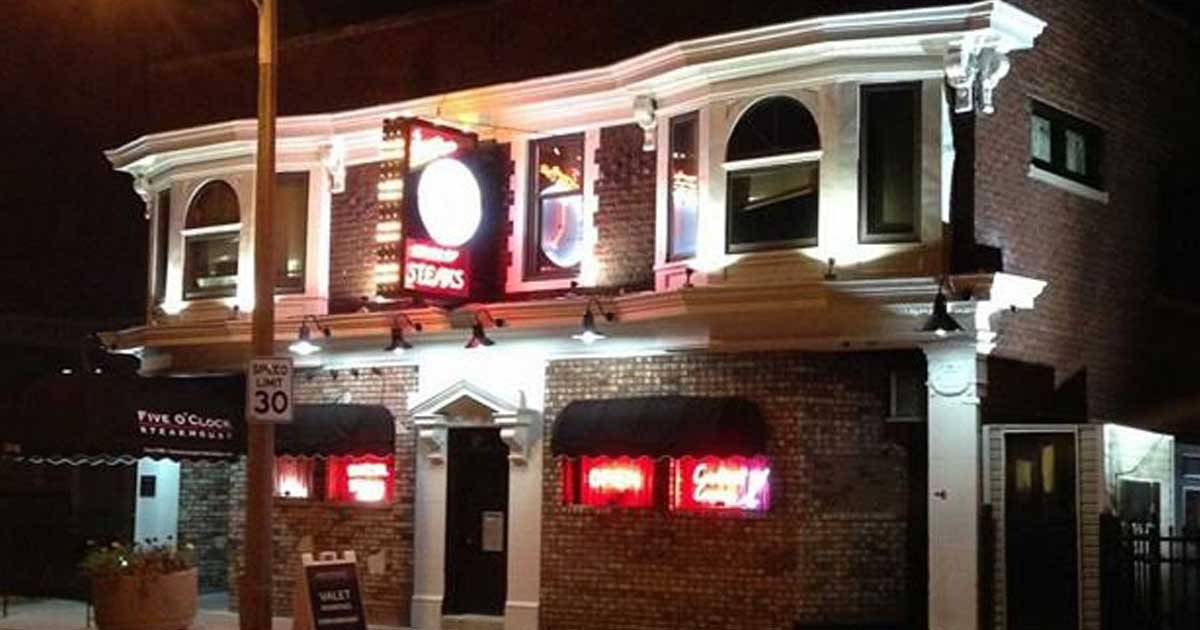
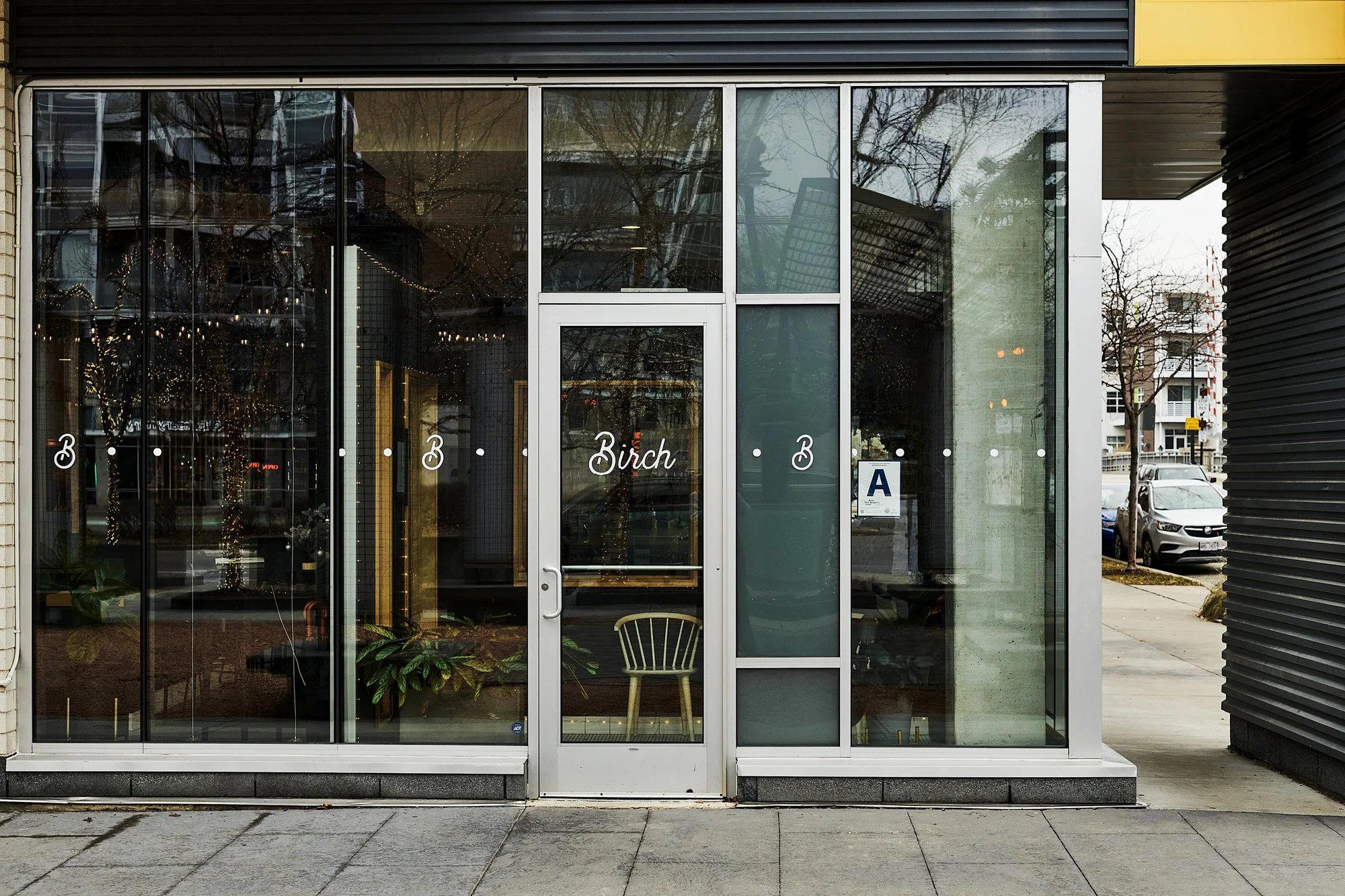
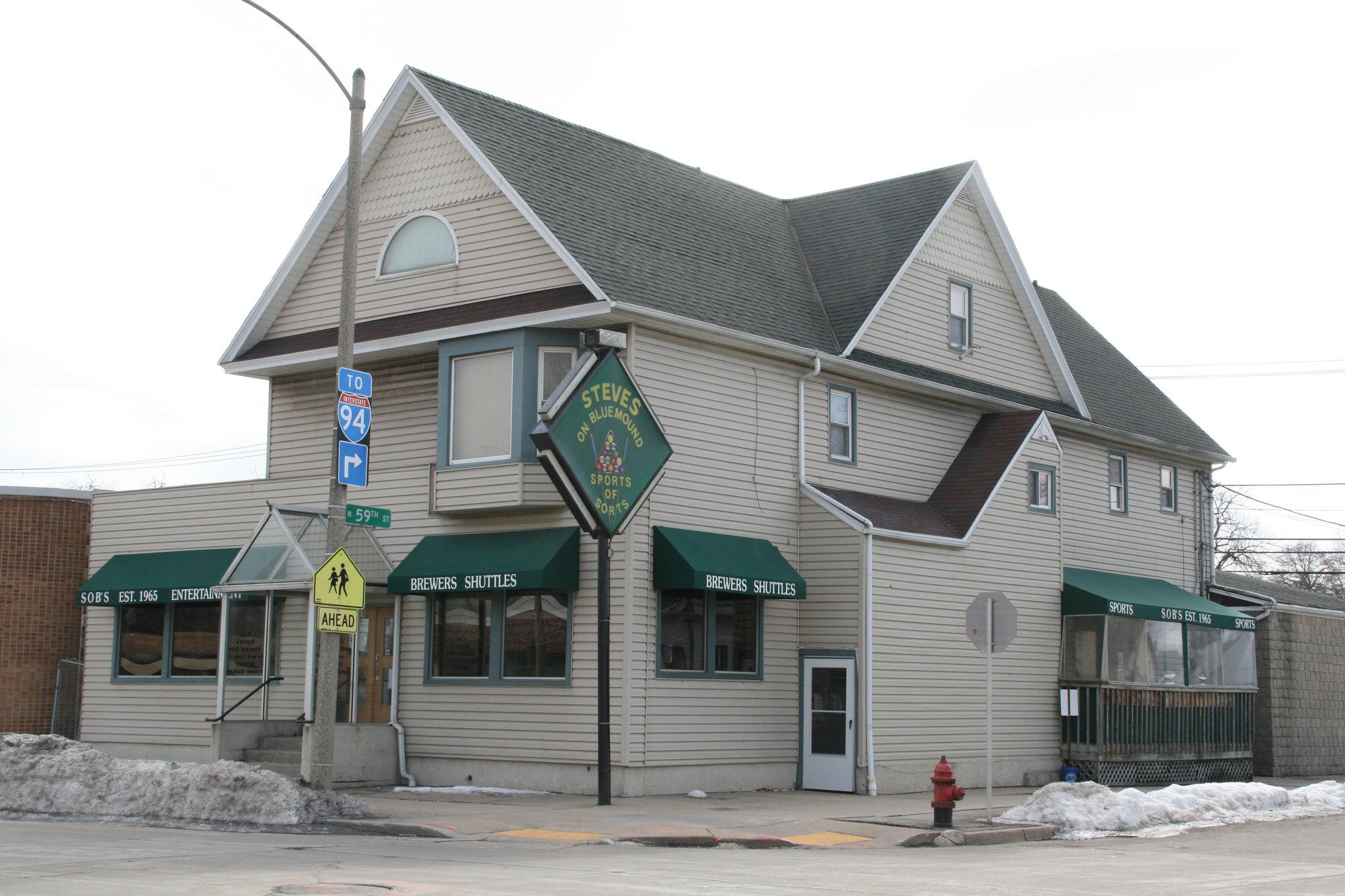
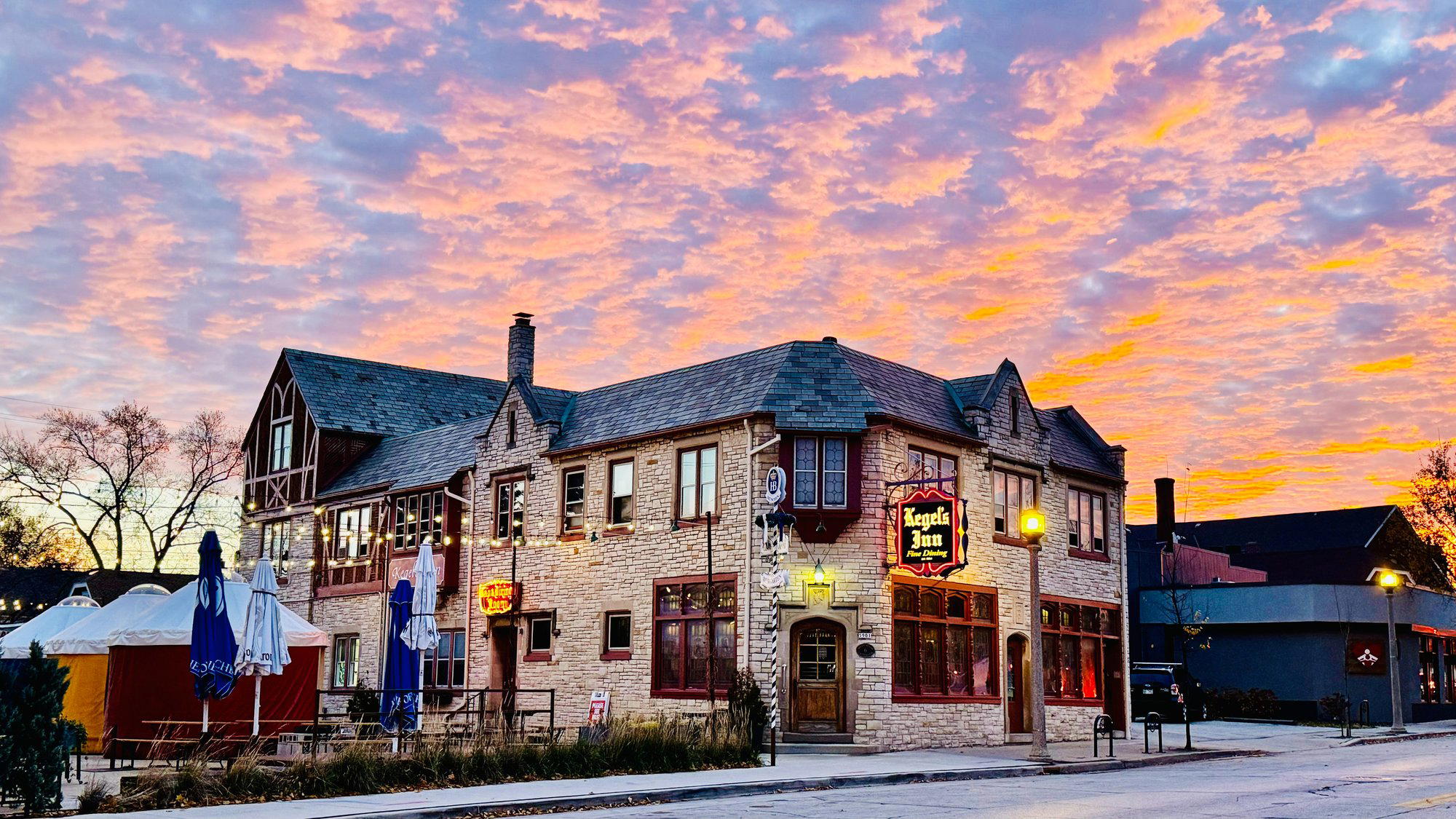
The Commodore
The wine
The Commodore holds the Wine Spectator Award of Excellence, which Wine Spectator gives to lists of usually 90 or more selections.
- Wine Spectator
- Wine Spectator Award of Excellence
- Extensive wine list
- Craft cocktails
- Beer program
Details
- Classic
- Elegant
- Romantic
- Sophisticated
- Intimate
- Date Night
- Business Dinner
- Group Dining
- Celebration
- Special Occasion
- Private Event
- Waterfront
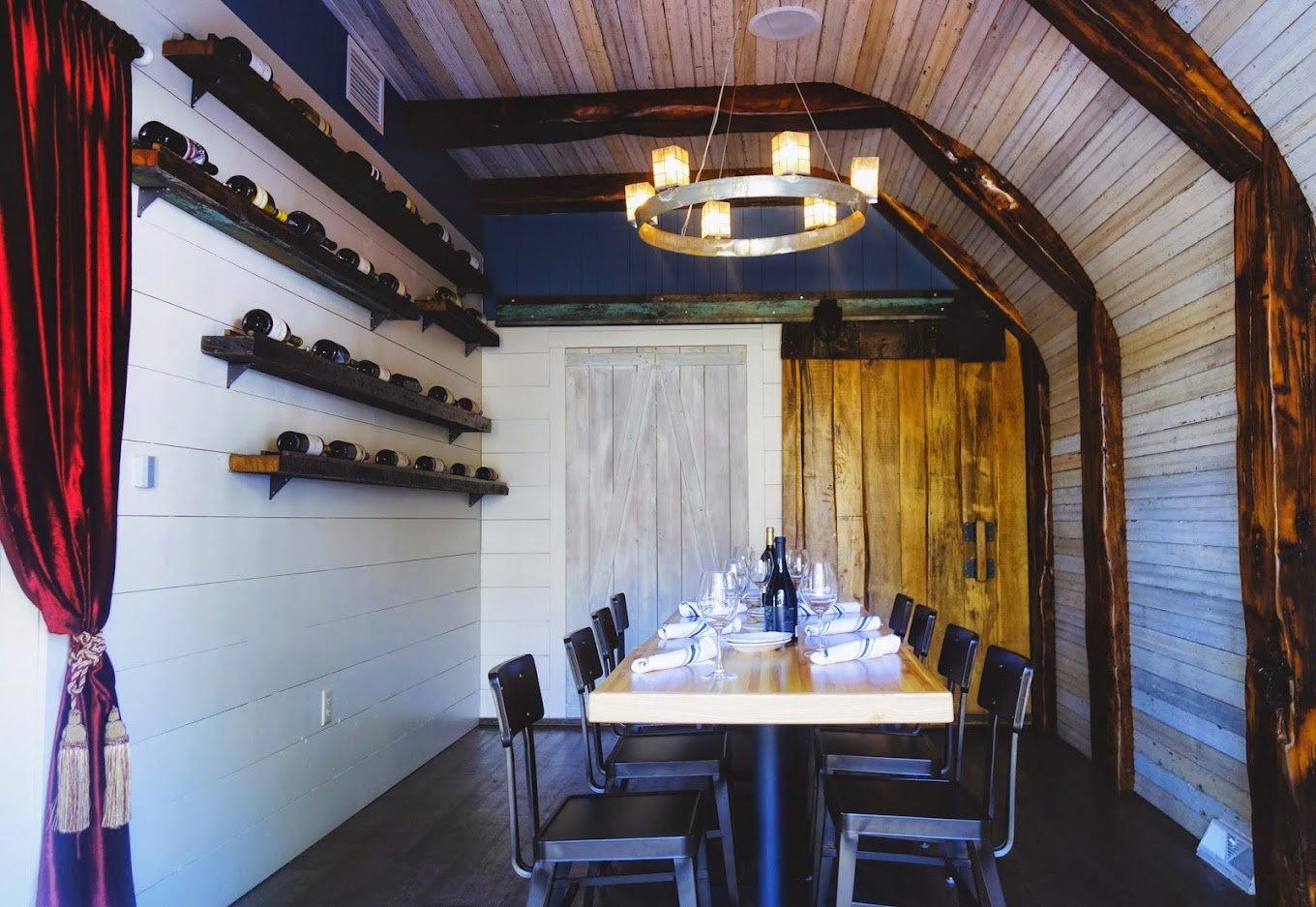
- Private Dining
- Design Destination
- Standalone
- Extensive Wine List
- Craft Cocktails
- Beer Program
- Waterfront
- A La Carte
- Prix Fixe
- Wine
- Cocktails
- Beer
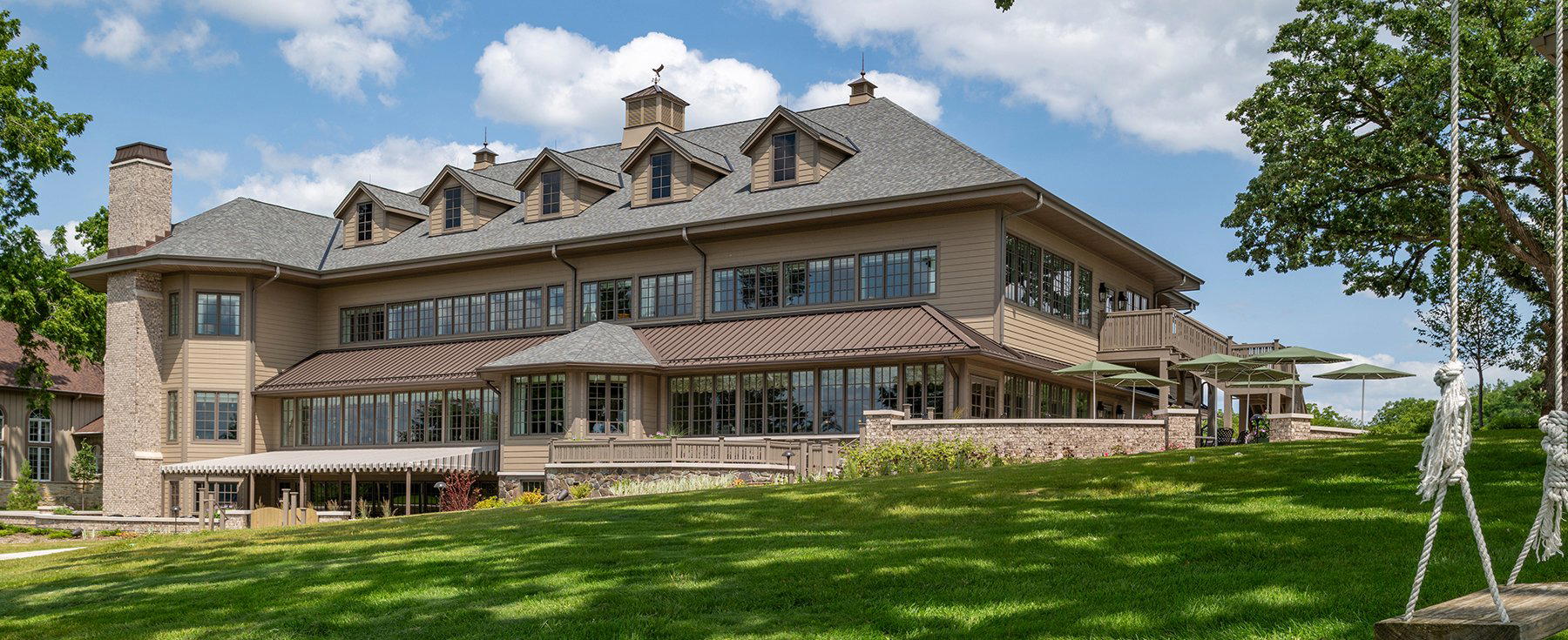
Refined and nostalgic, with a polished fine-dining feel, lake views, and a romantic, contemporary take on classic Americana.