
Tabelog 100 #33
Our verdict
A 20-seat counter in Nankoku where Indian curry sits inside Kochi’s produce-first dining culture rather than the usual urban ethnic-restaurant circuit. Tabelog selected Takokuseki Shokudo Sabi to Susu for its Asian cuisine / Ethnic cuisine WEST 100 list in 2022, 2023, and 2024, a useful signal for travelers looking beyond Kochi City’s familiar seafood route.

Pearl is the En Primeur Club membership app, where members save venues, book tables and use the concierge.
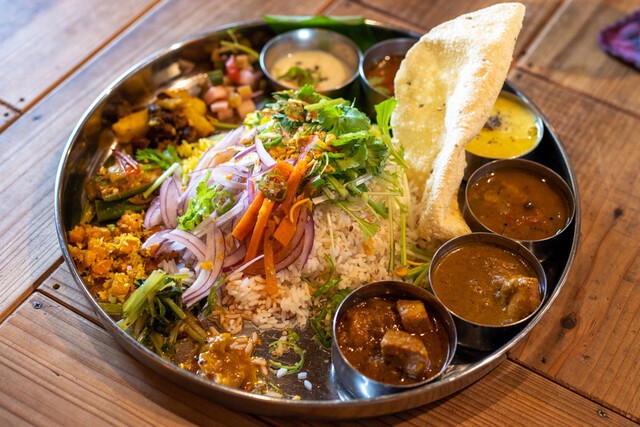
The menu
What to order
- South Indian-style curry
- Indian curry
- Spice-forward multiethnic curries
Approach in Nankoku and the first cue is scale, not spectacle: a regional restaurant setting and a rhythm closer to a local lunch room than a destination dining room. That matters for Indian curry in Kochi. Away from the denser restaurant circuits of Osaka, Kyoto, and Tokyo, the category depends on sourcing discipline, balance, and spice used as structure, not decoration.
Takokuseki Shokudo Sabi to Susu belongs to a smaller regional tier: modest in profile, focused in category, and selected for Tabelog’s Hyakumeiten in 2024. Nankoku has not become an Indian-curry capital. The sharper point is that Kochi’s regional dining culture gives a specialist curry meal a local context, and this format makes it readable without big-city tasting-menu theatrics.
Indian curry in a prefecture that takes produce seriously
Kochi’s food reputation is often flattened into katsuo, citrus, and market cooking, but its climate also makes vegetables central to the table. In an Indian-curry context, that shifts the conversation from heaviness to balance: grain, spice, acidity, texture, and how heat is carried through the meal. The restaurant is listed for Indian and Indian curry, putting it in a different lane from generic curry counters or volume-driven quick lunch rooms.
That distinction matters for travelers planning a Kochi itinerary. A meal here reads less like a detour from local eating than another expression of the region’s broader appetite for focused, ingredient-aware cooking. Kochi ingredients are not transformed automatically by the label “ethnic cuisine”; the category still needs a kitchen with discipline. The 2024 Tabelog Hyakumeiten selection gives the claim weight, especially because the list covers a broad field of notable restaurants.
Nankoku sharpens the appeal. The city is often treated as transit territory between Kochi Airport, Kochi City, and the coast, but smaller regional restaurants reveal eating patterns larger guide itineraries miss. For another local comparison, Kaida Ya sits in Nankoku at a different price tier, underlining how compact the city’s serious dining map is. Readers building a wider route should also use Our full Nankoku restaurants guide, rather than treating the area as a pass-through.
A focused format for solo diners and small groups
The room’s exact seating and operating details should be confirmed close to the visit, but the appeal is easy to understand. The restaurant is best read as a local specialist rather than a general-purpose destination dining room. In Japan, that kind of focused format has its own grammar: limited sprawl, directness, and a natural fit for diners who want a clear category rather than a long formal meal. Here, the regional setting and specialist listing create an accessible pairing without making the meal feel anonymous.
The practical editorial takeaway is clear. This is not the place to imagine as a sprawling celebration meal, nor does it need to be. It is strongest as a focused lunch or casual meal built around curry and a regional address that rewards travelers who leave the central-city checklist. The public-facing information further defines it: Indian and Indian curry in Nankoku, with recognition that makes it more than a routine convenience stop.
Planning details should be checked close to the visit, especially because smaller regional restaurants can change hours, payment handling, and seating arrangements without much notice. That is common in regional Japan, but it shapes how visitors should read the restaurant: a recognized specialist, not a luxury machine with international hotel habits. The Nankoku setting reinforces the point.
Where it fits in a wider Japan dining route
Japan’s serious curry conversation has moved beyond the old split between European-style curry rice and South Asian restaurants. Regional kitchens can use spice in ways that reflect local appetite, and that is this Nankoku restaurant’s strongest case. Its Tabelog score of 3.73 and 2024 Hyakumeiten selection place it in a credible national conversation, but the more interesting reading is regional: a Kochi restaurant listed for Indian curry rather than a generic import category.
For travelers comparing across Japan, the useful question is not whether this resembles a Tokyo curry address. It is whether a Kochi route benefits from a meal that breaks the expected seafood-and-izakaya sequence. On that measure, Takokuseki Shokudo Sabi to Susu earns attention because it gives Nankoku a specific culinary reason to pause. It also fits a broader Japan itinerary that moves between categories rather than chasing one genre, from curry specialists in other regions to Kyoto dining rooms, Osaka cafes, Kumamoto restaurants, and other city counters with their own local context.
The same logic applies outside curry. A serious eating trip through Japan is stronger when it places small regional restaurants beside city restaurants and category specialists. Other dining rooms across Japan show how category focus can carry a meal without a grand room, but the more useful comparison here is closer to Kochi: Nankoku’s compact dining map rewards travelers who look beyond the obvious central-city route.
For visitors staying in or passing through Nankoku, the planning frame should be wider than one lunch. The city works as a base only if its dining, hotels, bars, wineries, and activities are mapped together; otherwise, it becomes a logistical footnote. Use Our full Nankoku hotels guide, Our full Nankoku bars guide, Our full Nankoku wineries guide, and Our full Nankoku experiences guide to decide whether to anchor a night nearby or fold the meal into a Kochi-area day. For readers extending the lens beyond Kochi, the lesson is the same: Japanese dining categories travel, adapt, and gain or lose context depending on where they are eaten.
Frequently asked questions
Would Takokuseki Shokudo Sabi to Susu be comfortable with kids?
The public ground truth does not provide a specific children policy. The price range is JPY 2,000 - JPY 2,999, which keeps it in a practical bracket for a casual meal. Check the venue's official channels for the latest details.
Is Takokuseki Shokudo Sabi to Susu formal or casual?
It reads as casual rather than formal dining. The available listing places it in Nankoku and categorizes it as Indian and Indian curry, with a listed Tabelog score of 3.73. Check the venue’s current guidance directly for dress, seating, and payment details.
What's the pricing like at Takokuseki Shokudo Sabi to Susu?
Pricing at Takokuseki Shokudo Sabi to Susu is listed as JPY 2,000 - JPY 2,999.
What is Takokuseki Shokudo Sabi to Susu known for?
Takokuseki Shokudo Sabi to Susu is known as a Nankoku restaurant listed for Indian and Indian curry, with Tabelog Hyakumeiten recognition in 2024.
At-a-Glance Comparison
Comparable venues by cuisine and price in the same metro.
| Venue | Cuisine | Price | Awards | Notes |
|---|---|---|---|---|
| Takokuseki Shokudo Sabi to SusuThis venue (the venue you are viewing) | South Indian–inspired multiethnic curry house & cafe | $20–30 | Tabelog 100 #33 | Not listed |
| Kaida Ya | Traditional Unagi (eel) Restaurant | $20–30 | Tabelog 100 #39 | Nankoku |
| Amuritano-niwa | Contemporary Japanese-Italian Fusion Cafe | $10–20 | Not listed | Ishigaki City |
| Taco Rice Cafe Kijimuna | Okinawan Taco Rice | $10–20 | Not listed | American Village |
| Kitchen | Modern Seasonal Fusion | Not listed | Not listed | Niseko Hirafu |
| Gotoken Restaurant Yukikawatei | Traditional Japanese-Western Yoshoku | $20–30 | Not listed | Motomachi |
Recognition history
Dated appearances from independent guides and award organizations, with the underlying list record or original source where available.
Tabelog 100 #33 · No. 33
Tabelog · Tabelog 100 - Asian cuisine / Ethnic cuisine - WEST - 2024
Continue exploring
More in Nankoku
Restaurants in Nankoku
All restaurants in Nankoku →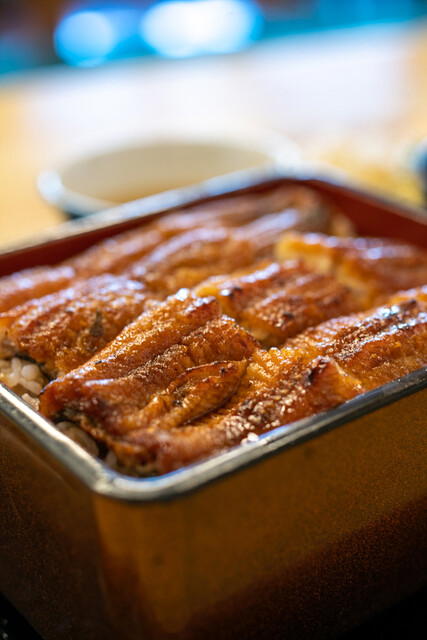
Hotels in Nankoku
Browse all →
Details
- Cozy
- Bohemian
- Trendy
- Casual Hangout
- Solo
- Family
- Group Dining
- After Work
- Design Destination
- Standalone
- A La Carte
- Vegetarian Friendly
Current opening hours
- Monday
- Closed
- Tuesday
- Closed
- Wednesday
- 11:30 AM–3 PM
- Thursday
- 11:30 AM–3 PM
- Friday
- 11:30 AM–3 PM
- Saturday
- 11:30 AM–3 PM
- Sunday
- Closed
Hours can change for holidays and private events. Last verified .
Described as a pleasant, creative space with a relaxed cafe-like feel, non-smoking environment, and a ‘deep Asia’ aesthetic, combining warm, cozy curry house comfort with eclectic decor and curated food-related objects.