Our verdict
Aria Nova occupies a quiet address on Rue Fred Scamaroni in the medieval citadel of Bonifacio, where Corsica's southern tip produces some of the island's most concentrated ingredients. The restaurant sits within a dining scene shaped by strong local sourcing traditions and a compact roster of serious kitchens. For context on the full range of options in the area, see our Bonifacio restaurants guide.

Pearl is the En Primeur Club membership app, where members save venues, book tables and use the concierge.
The menu
What to order
- Eggplant à la bonifacienne
- Lobster pasta
Stone, Sea Air, and the Sourcing Logic of Bonifacio's Southern Table
Approach Bonifacio from the haute ville and the light changes before the food does. The citadel's limestone alleys trap the afternoon heat, release it slowly after dark, and carry a salt edge from the Strait of Bonifacio that sits on the back of the throat. It is a setting that has always informed what ends up on the plate, not through romance, but through proximity. The town perches at Corsica's southernmost point, within reach of both the island's pastoral interior and the extraordinarily productive waters between Corsica and Sardinia. Aria Nova, at 4 Rue Fred Scamaroni, sits inside that geography.
Bonifacio's restaurant scene is smaller and more concentrated than the island's tourism numbers might suggest. A handful of serious kitchens operate in the haute ville and the marina district, ranging from the Italian-inflected ambition of Finestra by Italo Bassi at the top of the price bracket to the Corsican directness of Da Passano at a more accessible tier. Aria Nova occupies a position within that group, on a street that runs through the old town's quieter residential grid rather than the tourist-facing perimeter.
What the Ingredient Map Tells You
Corsican cooking at its most coherent is an exercise in geographic argument. The island produces charcuterie from free-ranging pigs fed on chestnuts and acorns in the maquis-covered interior, sheep and goat cheeses that carry the herbal intensity of that same scrubland, and seafood from waters cold enough to produce firm, clean-flavoured fish. The strait between Corsica and Sardinia is among the most consistently productive in the western Mediterranean, and Bonifacio kitchens have direct access to landings that larger resort towns to the north do not. A restaurant in this location that chooses to source intelligently is working with material that would draw attention in far larger cities.
France's relationship with terroir-driven cooking is long and well-documented. The country's most serious regional tables, from Bras in Laguiole to Auberge de l'Ill in Illhaeusern, have built their identities around the specific conditions of their locations rather than abstract notions of luxury. Corsica occupies a distinct position in that tradition: technically French, but carrying Genoese, North African, and Sardinian culinary threads that sit outside the mainland's codified regional canon. A kitchen in Bonifacio that reads those threads clearly is doing something that has no direct equivalent on the continent. References like Flocons de Sel in Megève or Les Prés d'Eugénie in Eugénie-les-Bains illustrate how France's most rooted kitchens use geography as both constraint and creative engine. The logic transfers directly to the island.
The Corsican Sourcing Tradition and What It Demands of a Kitchen
Working with Corsican product is not direct. The island's AOC and IGP-protected items, including the Prisuttu, Lonzu, and Coppa from the interior, and the Brocciu cheese that appears across savory and sweet preparations, follow seasonal availability and artisanal production rhythms that don't always align with a menu's ambitions. Brocciu, the whey cheese with AOC status, is a winter and spring product; a kitchen that lists it in high summer is either importing off-island or working from frozen stock. These are the kind of sourcing details that separate restaurants using Corsican identity as decoration from those actually building around the ingredient calendar.
The same logic applies to fish. The Mediterranean's smaller, slower-growing species, the rouget, daurade, and the pageot that appear regularly on Bonifacio menus, have genuine seasonal variation in fat content and texture. A kitchen that tracks those shifts builds menus that read differently in June than in September. The sourcing decisions made at this level are invisible to most diners but register clearly in the plate's coherence.
For a broader frame of reference on how France's most serious kitchens handle regional product, the approaches at Troisgros in Ouches, Mirazur in Menton, and Georges Blanc in Vonnas all demonstrate that the most durable restaurant identities in France are built on what grows or swims nearby, not on imported frameworks. Corsica offers the same foundation, with the added complexity of a food culture that absorbed influences from several directions before France consolidated its hold on the island in the eighteenth century.
Placing Aria Nova in Bonifacio's Current Picture
The haute ville dining scene in Bonifacio is seasonal in the way that most Mediterranean island towns are: compressed into the months between late spring and early autumn, with a smaller, more local-facing operation outside that window. Visitors arriving in July and August will find the full range of kitchens operating; those travelling in May or October will encounter a quieter version of the town with fewer options but often more attentive service and shorter booking lead times. The street address on Rue Fred Scamaroni places Aria Nova in the old town proper, away from the marina's higher-traffic concentration of restaurants that skew toward tourist volume over kitchen discipline.
Finestra by Italo Bassi sits at the top of the local bracket with a four-symbol price point. D'Amore by Italo Bassi operates at €€€, as does L'A Cheda. Da Passano represents the €€ tier. Understanding where Aria Nova sits within that spread is useful context for planning a multi-night stay in Bonifacio, where the sensible approach is to treat the town's small cluster of serious kitchens as a curated circuit rather than choosing one and stopping there. Our full Bonifacio restaurants guide maps that circuit in detail.
For readers calibrating expectations against the broader French fine dining frame, the gap between Bonifacio's most serious tables and the country's multi-starred flagships, from Alléno Paris au Pavillon Ledoyen to Paul Bocuse's Auberge du Pont de Collonges, is real and not worth obscuring. What Bonifacio offers instead is a sourcing proximity and a specific geographic identity that those larger institutions cannot replicate. The seafood arriving in a Bonifacio kitchen on a Tuesday morning in September has a provenance and a freshness that is simply not available to a Paris kitchen at any price point. That is the trade-off, and for a certain kind of traveller it reads as an advantage, not a consolation.
For those drawing international comparisons on how destination restaurants use coastal geography, Le Bernardin in New York City and Lazy Bear in San Francisco both demonstrate how a clear sourcing commitment can define a kitchen's identity across very different scales and formats. The principle is transferable to a small Corsican table, even if the execution and the ambition operate in different registers.
Planning Your Visit
Bonifacio is most easily reached via Figari Sud-Corse Airport (FSC), approximately 21 kilometres north of the town centre, which receives seasonal flights from several European cities between spring and early autumn. Outside peak season, connections thin considerably and Bastia or Ajaccio become the practical entry points, adding road travel time across the island's mountain spine. For Aria Nova specifically, the address at 4 Rue Fred Scamaroni is within the haute ville on foot, though parking in the old town is limited and the approach on narrow medieval streets is leading managed without a vehicle. Given the compressed nature of Bonifacio's serious dining scene and the town's overall capacity constraints in July and August, advance planning is advisable for the high season window.
Frequently asked questions
Can I bring kids to Aria Nova?
Aria Nova sits at 4 Rue Fred Scamaroni in Bonifacio's haute ville, where the atmosphere across mid-range and above restaurants skews toward adults. The limestone alleys and evening pacing of the old town are better suited to older children who can hold a table for a full meal. Families with young children tend to find the marina-level options more accommodating.
What's the overall feel of Aria Nova?
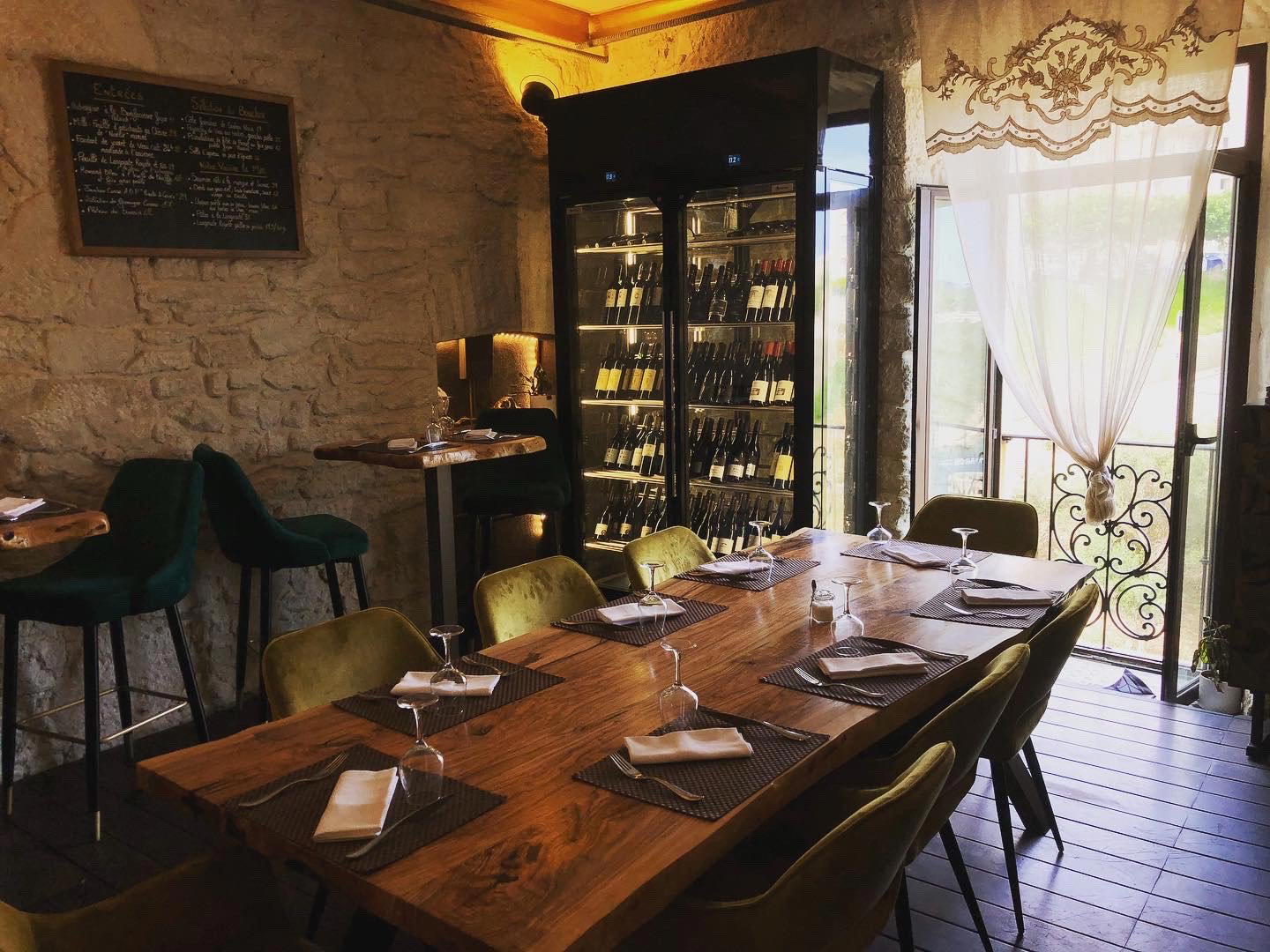
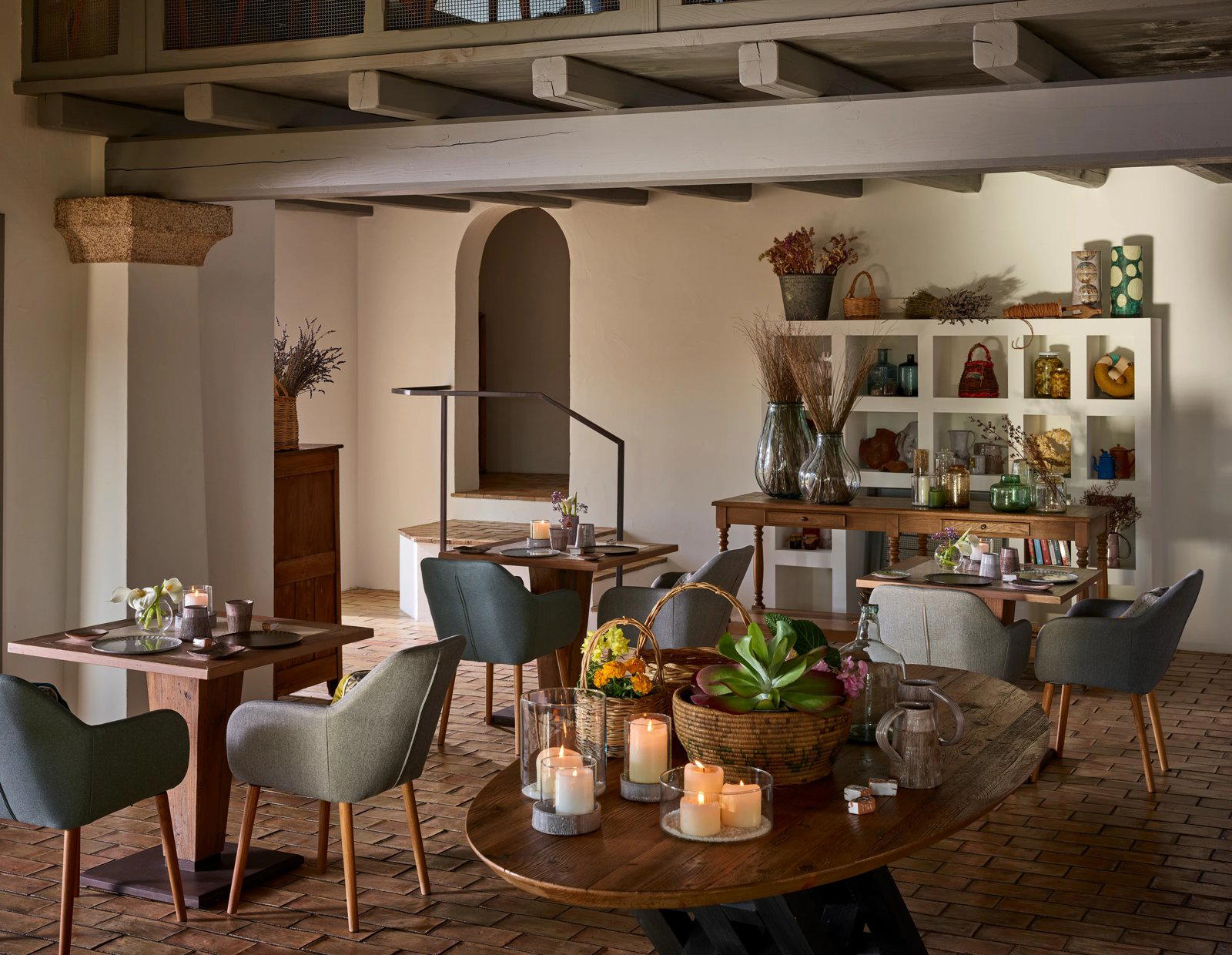
Bonifacio's serious kitchens in the haute ville operate closer to a focused neighbourhood restaurant than a formal tasting-menu room. At Aria Nova's address on Rue Fred Scamaroni, expect the compact, stone-walled setting typical of the citadel quarter rather than the open terraces of the marina below. The tone is closer to knowing restraint than theatrical service.
Is Aria Nova open year-round or only during the summer season?
Bonifacio's old town dining operates on a compressed seasonal calendar, with the active period running roughly from late spring through early autumn. Like most haute ville restaurants in the town, Aria Nova is positioned within a scene that builds around the summer influx and quiets considerably outside it. Confirming current opening months directly with the restaurant before travelling outside peak season is advisable.
What dish is Aria Nova famous for?
Kitchens at this position in Bonifacio's sourcing geography typically anchor their menus around the Strait's fish catch and Corsican AOC charcuterie such as Prisuttu and Lonzu. Those two pillars define the local culinary logic more reliably than any individual recipe.
What part of town is Aria Nova in?
Aria Nova is located at 4 Rue Fred Scamaroni, 20169 Bonifacio, France, Bonifacio.
Do I need a reservation for Aria Nova?
In July and August, Bonifacio's haute ville restaurants operate near capacity most evenings, and the town receives the bulk of its annual visitor volume across those eight weeks. Booking ahead is the practical default for the high season. Outside that window, from late spring and into early autumn, the pressure eases, though the old town's overall cover count remains limited.
What's the defining dish or idea at Aria Nova?
The governing idea in coherent Corsican cooking is the intersection of the strait and the maquis: fish from the waters south of Bonifacio combined with charcuterie and aromatics from the island's interior. Aria Nova's position in the haute ville places it directly inside that sourcing logic. The kitchen's argument, if it is making one, is geographic before it is technical.
Comparable Venues
Comparable venues nearby, for context on price, style, and recognition.
| Venue | Cuisine | Price | Awards | Notes |
|---|---|---|---|---|
| Aria NovaThis venue (the venue you are viewing) | Modern Corsican Fine Dining | $50–100 | Not listed | Not listed |
| L'An Faim | Modern Corsican-French Bistro | $50–100 | Michelin Plate | Citadella |
| La Loggia | Corsican Mediterranean Pasta | $20–30 | Not listed | citadel |
| Ciccio | Traditional Corsican Bistro | $20–30 | Not listed | Citadel |
| L'A Cheda | Corsican Gastronomic Fine Dining | Not listed | Michelin Plate | Cavallo Morto |
| D'Amore by Italo Bassi | Italian Riviera Fine Dining | $150–200 | Michelin Plate | Bonifacio marina |
Continue exploring
More in Bonifacio
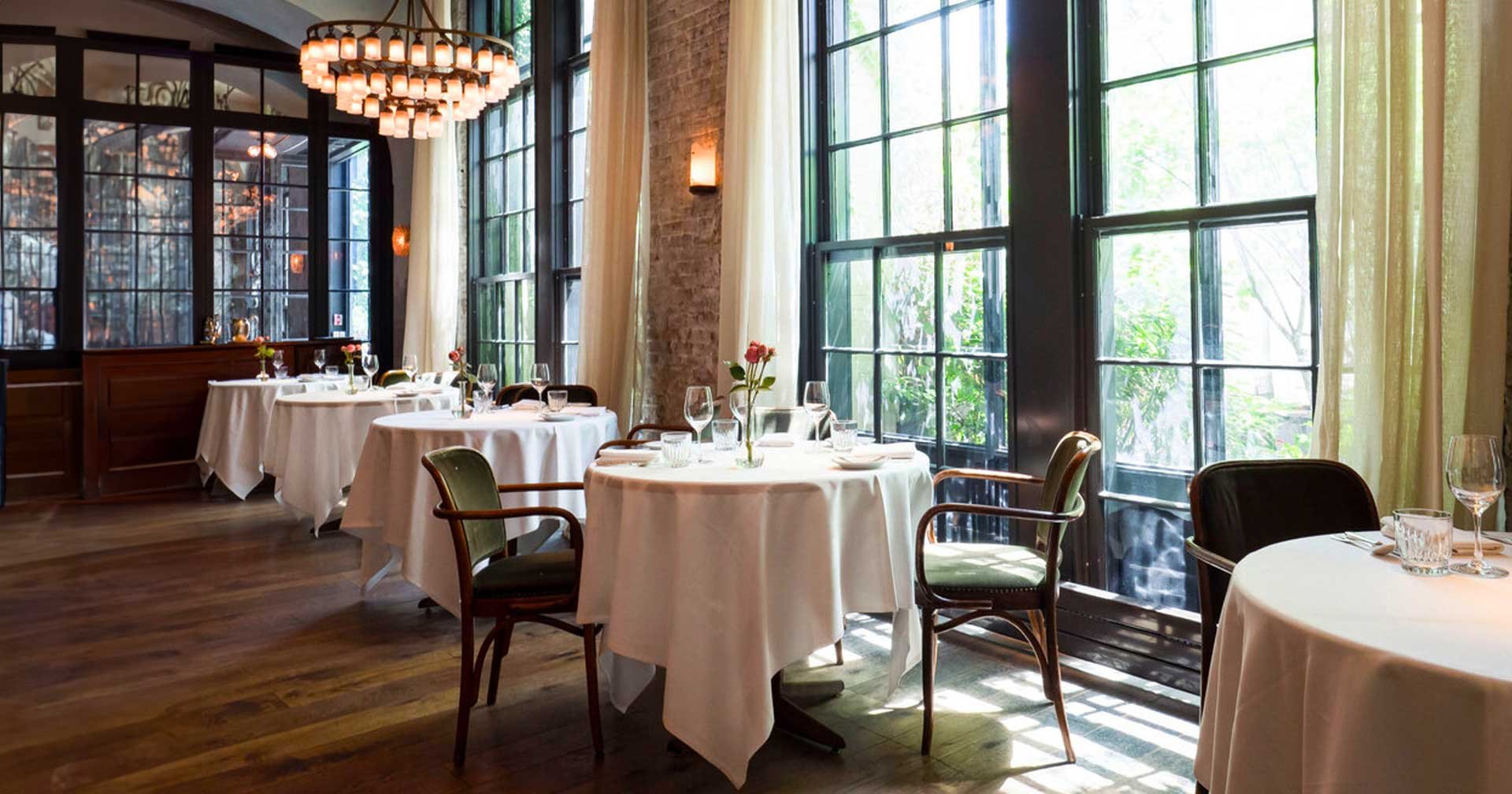
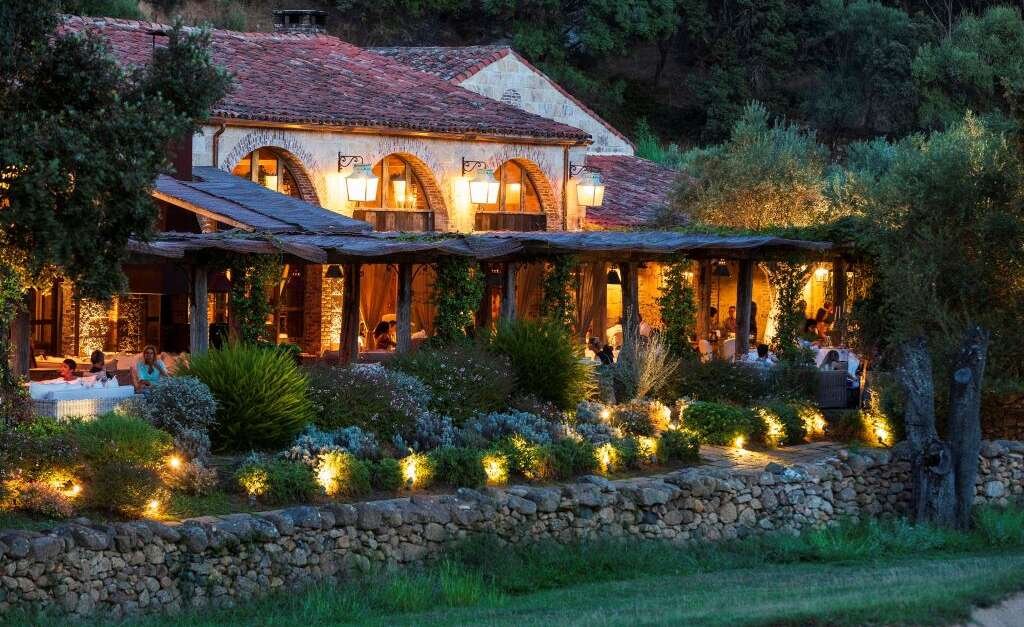
Restaurants in Bonifacio
All restaurants in Bonifacio →
Bars in Bonifacio
All bars in Bonifacio →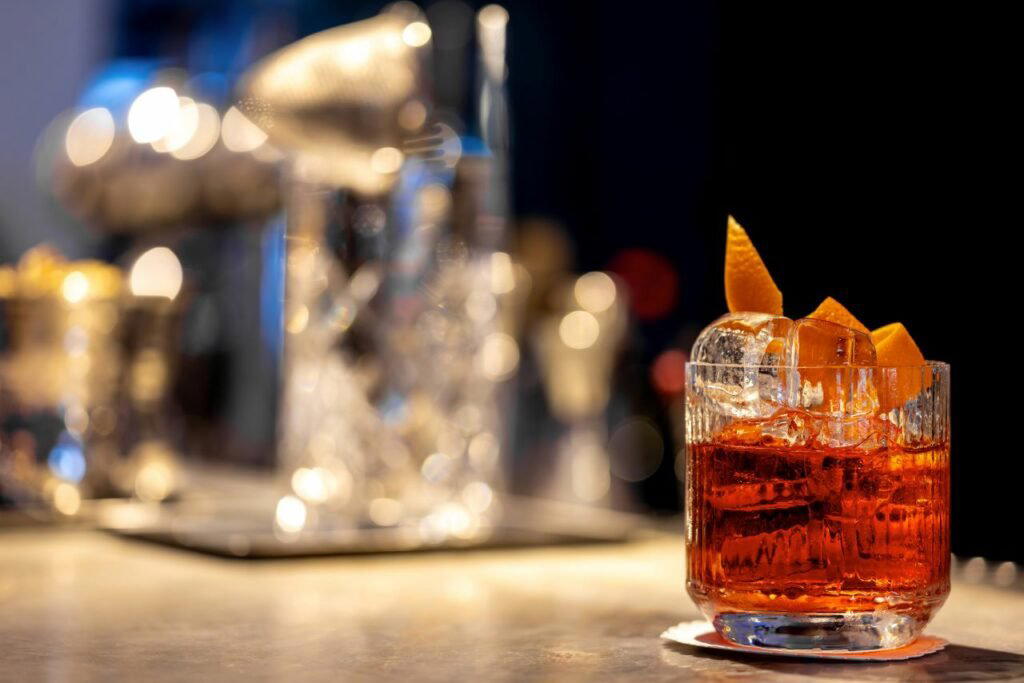

Details
- Modern
- Rustic
- Cozy
- Intimate
- Elegant
- Date Night
- Special Occasion
- Terrace
- Local Sourcing
- Street Scene
- A La Carte
- Vegetarian Friendly
- Vegan Options
- Gluten Free Options
Current opening hours
- Monday
- 12–2 PM, 6:30–10 PM
- Tuesday
- 12–2 PM, 6:30–10 PM
- Wednesday
- 12–2 PM, 6:30–10 PM
- Thursday
- 12–2 PM, 6:30–10 PM
- Friday
- 12–2 PM, 6:30–10 PM
- Saturday
- 6:30–10 PM
- Sunday
- 6:30–10 PM
Hours can change for holidays and private events. Hours as of .
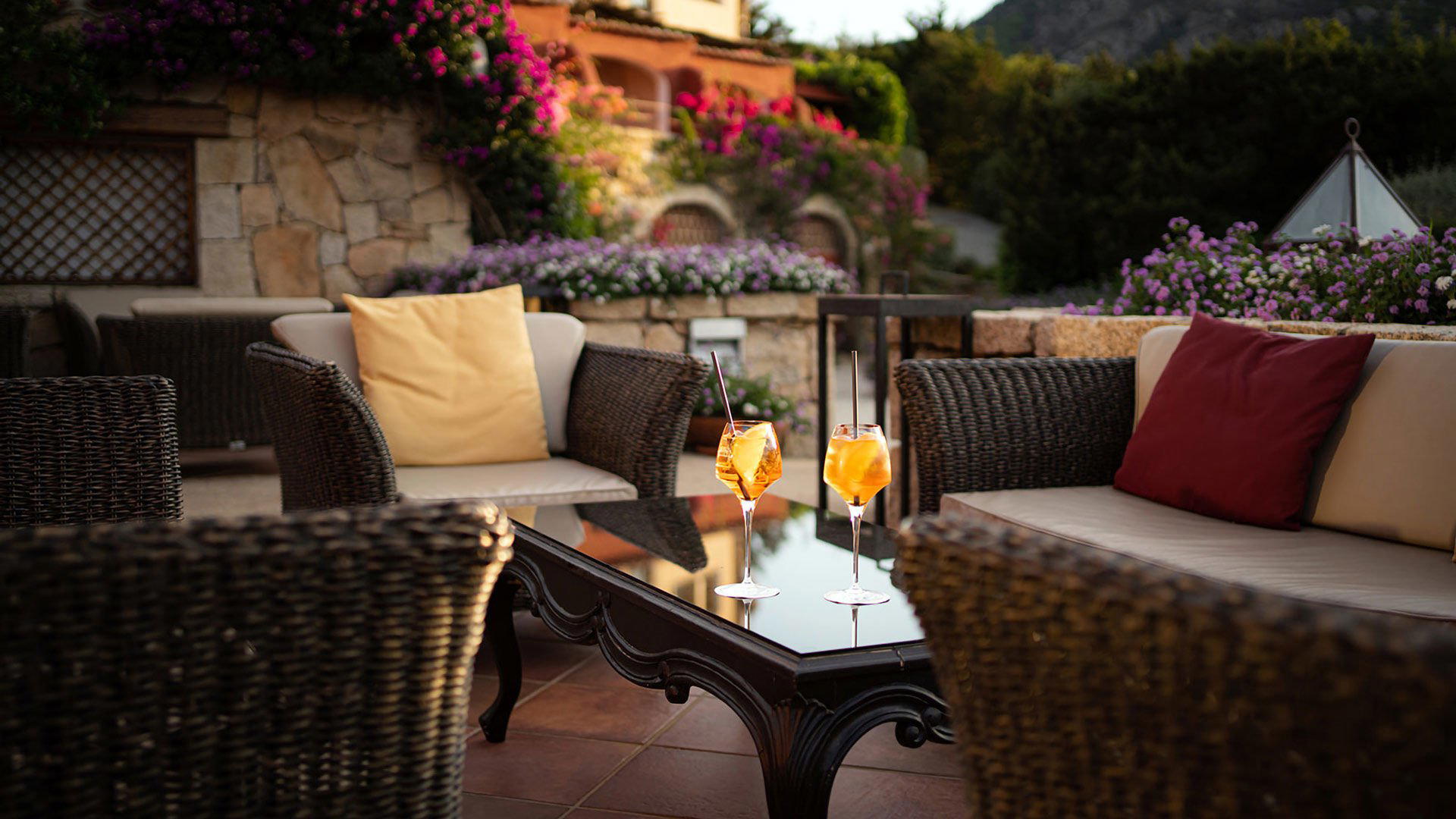
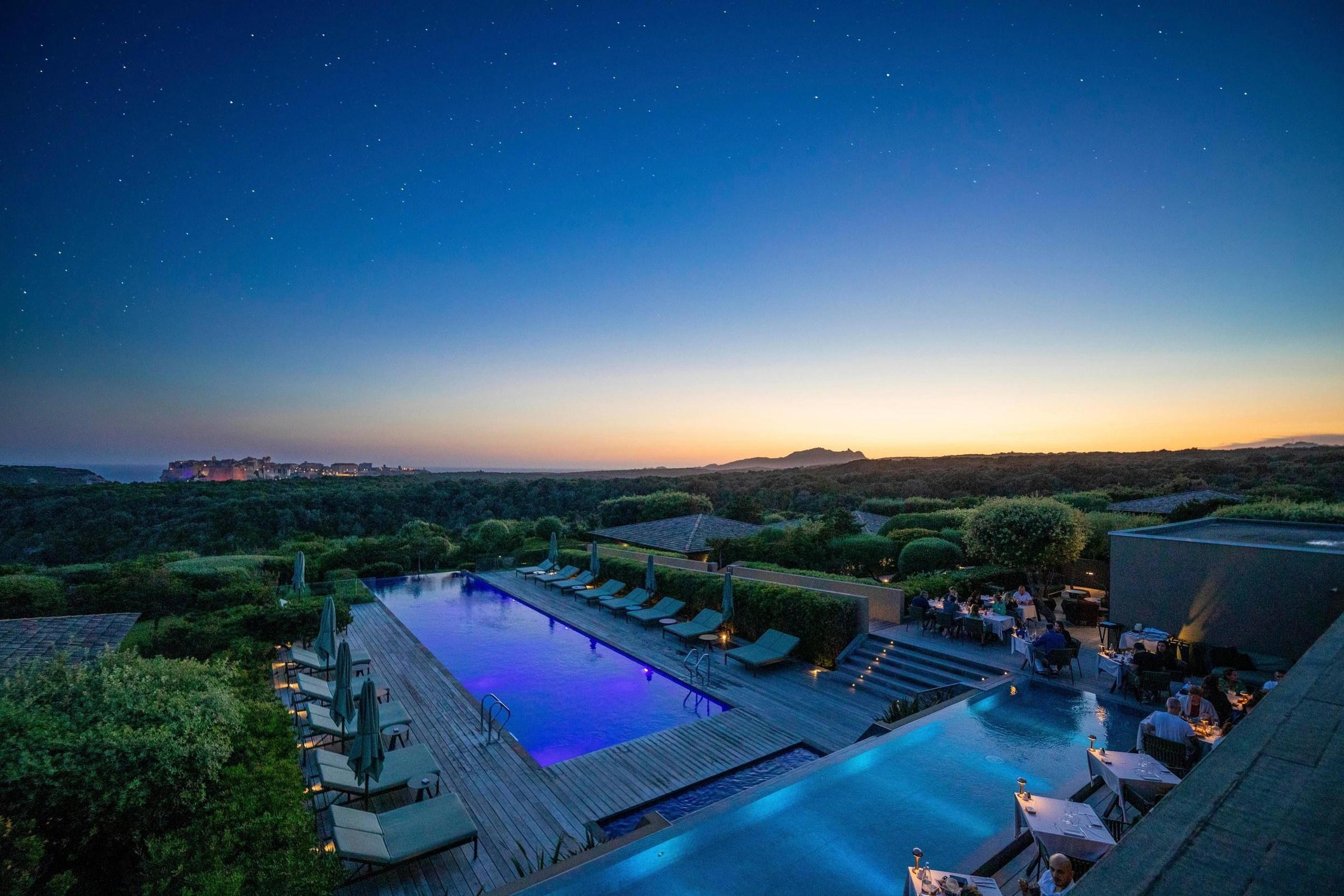
Intimate and cozy atmosphere with subtle background music, well-suited for romantic dinners, complemented by dramatic cliff views.