Michelin Plate · Macarfi 6.9 Food Rating
Our verdict
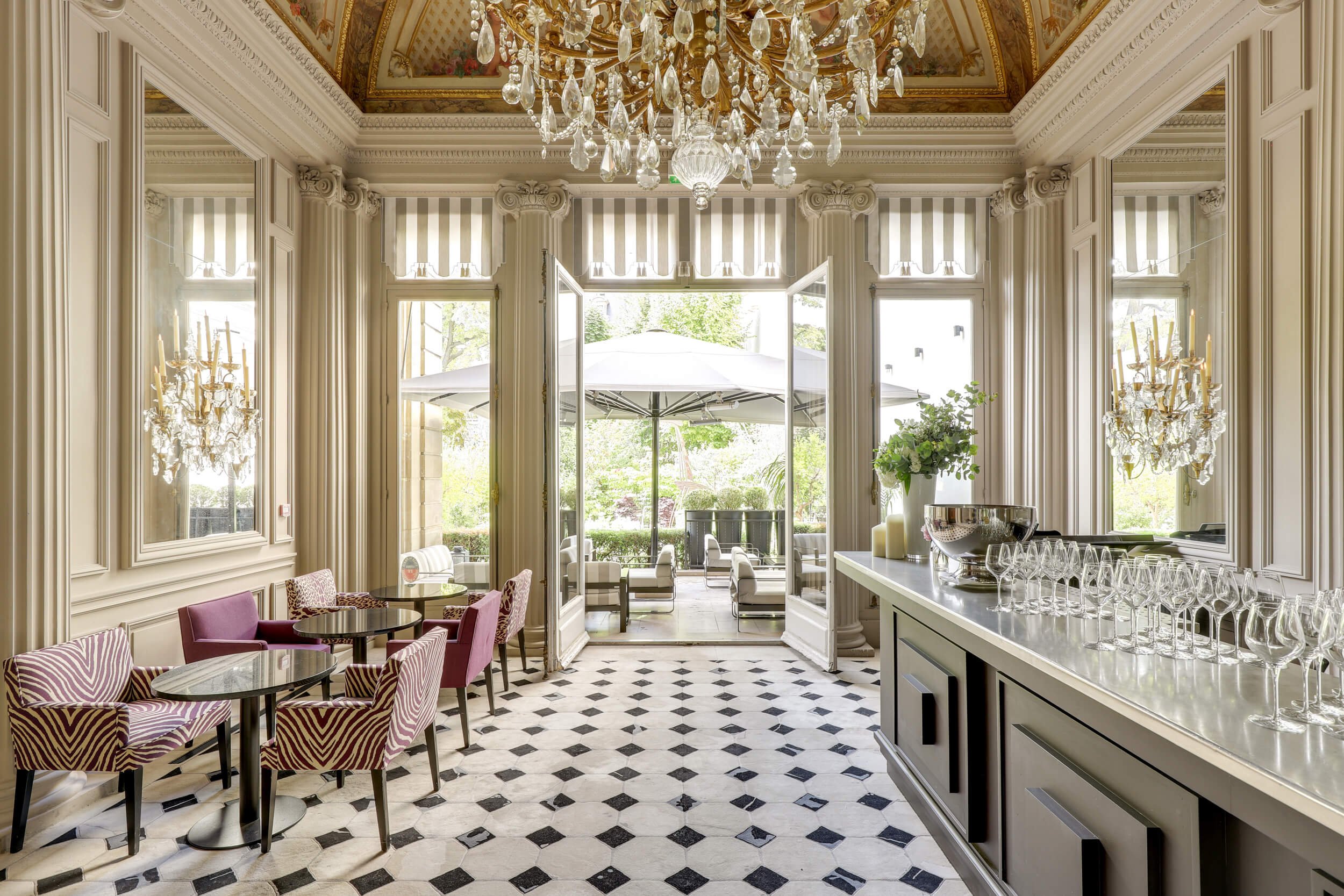
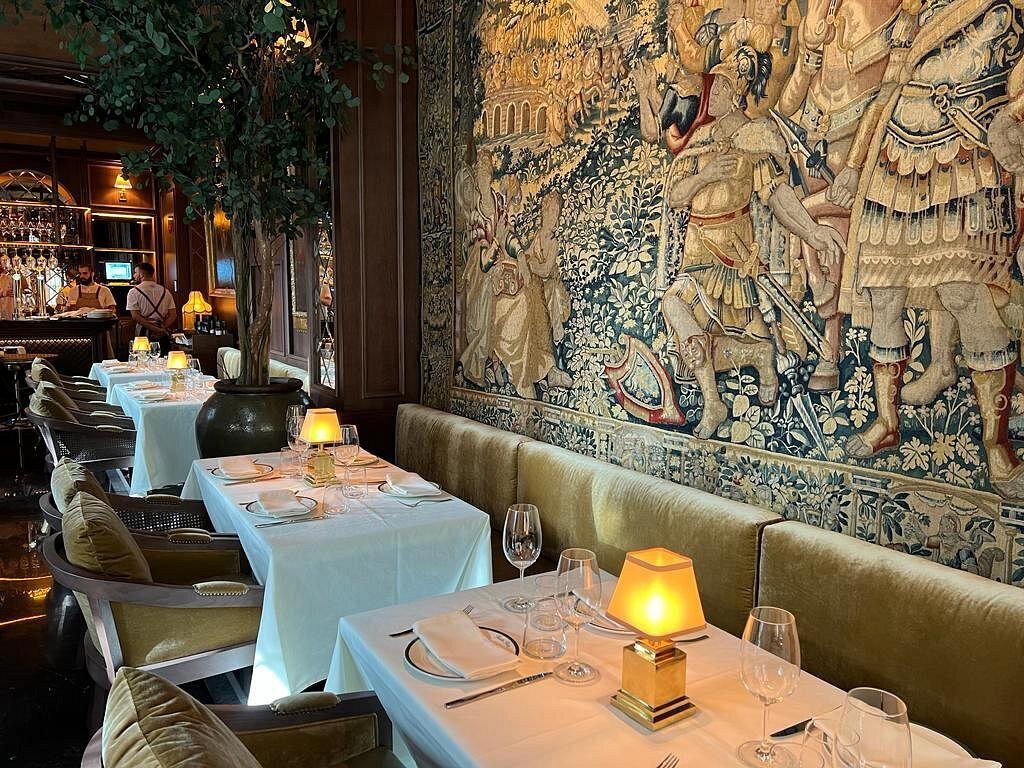
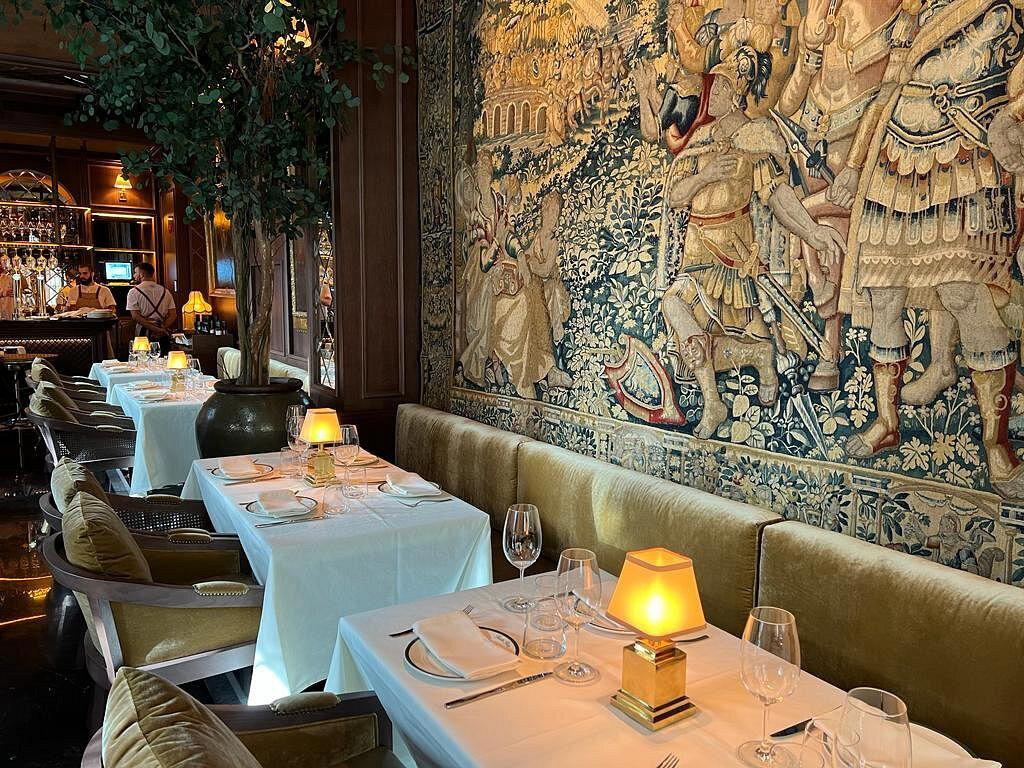
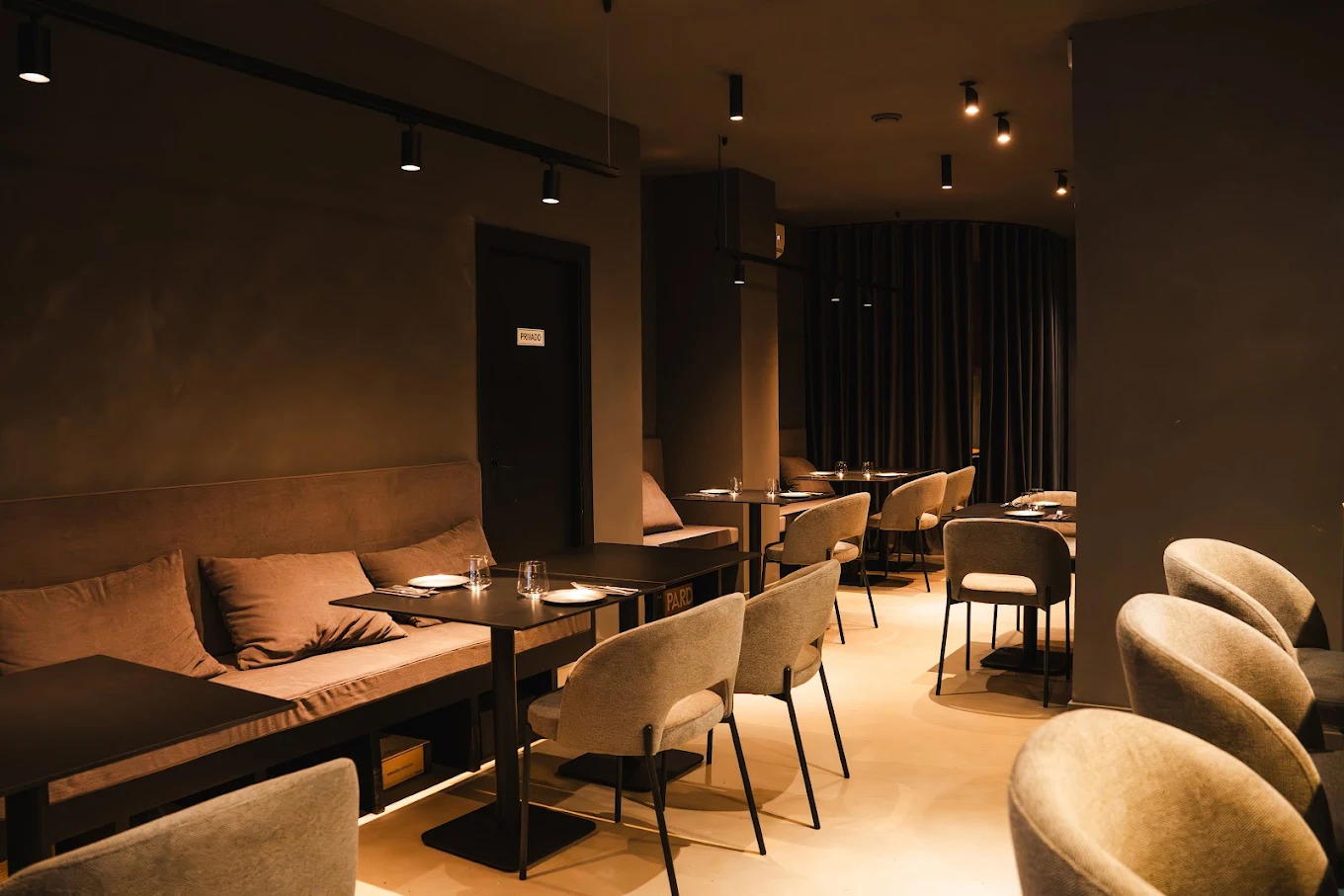
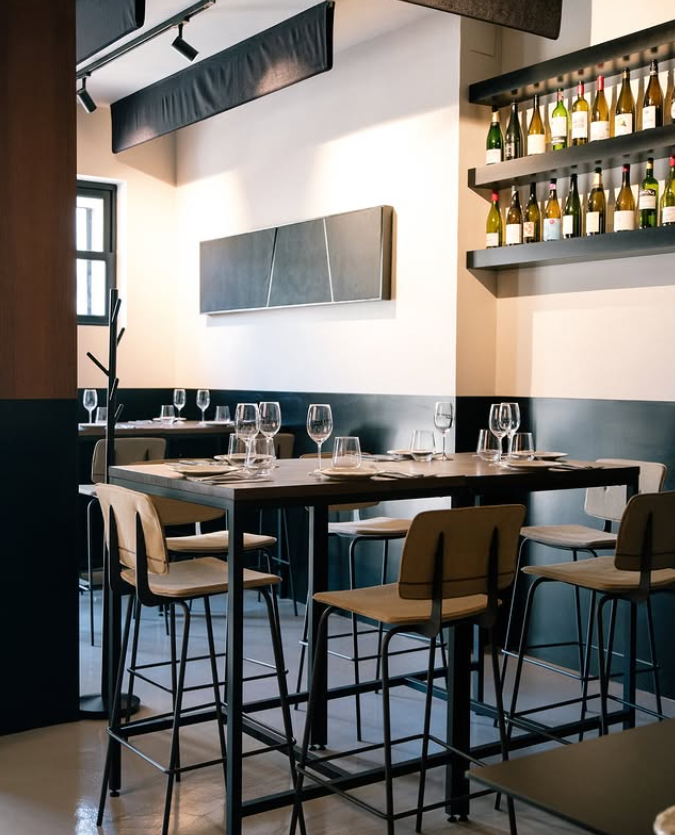
One of València's earliest advocates for Japanese cuisine, Shinkai Tastem has reinvented its dining room and menu around a contemporary take on traditional forms. Holding Michelin Plate recognition in both 2024 and 2025, the El Pla del Real address builds its offer around maki, sashimi, temaki, tempura, and Wagyu sourced directly from Japan, with a tasting menu available on 24-hour advance notice.

Pearl is the En Primeur Club membership app — saves, bookings, and concierge access live there. Same editors, same standards.
- Address
- Carrer d'Ernest Ferrer, 14, El Pla del Real, 46021 València, Valencia, Spain
- Phone
- +34 963 69 68 51
- Hours
- Mon–Tue ClosedWed–Sun 2–4:30 PM, 9–11:30 PM
- Website
- shinkaitastem.com
- Directions
- Get directions
Where Japanese Craft Meets a City Still Learning to Look East
El Pla del Real is not the neighbourhood you associate with late-night theatre or counter-side performance. The district sits north of the old city, residential in texture, and defined more by the proximity to the Turia gardens and the Museo de Bellas Artes than by restaurant density. That contrast is part of what gives Carrer d'Ernest Ferrer, 14 its particular character. When a dining room commits to the discipline of Japanese live preparation in this kind of setting, the stakes read differently than they would in a city-centre cluster of competing venues. There is no foot traffic to fall back on. The room earns its audience through the cooking alone.
Japanese cuisine in Spanish cities has followed a recognisable arc over the past two decades. Early entrants established category credibility with relatively broad menus, leaning on the novelty of the format. The more recent generation has moved toward specialisation: omakase counters with a single fish supplier, ramen shops with six-month queues, izakaya-inflected hybrid menus drawing on local product. Shinkai Tastem occupies an instructive position in that timeline. It is documented in the awards record as one of the trailblazers for Japanese cuisine in València, and it has since undergone a visible reinvention, updating both the dining space and the cooking to reflect a more contemporary perspective on the same culinary foundations. That kind of deliberate repositioning is worth noting in a category where many venues simply age in place.
The Format: Counter Logic and Live Execution
The editorial angle that makes most sense for Shinkai Tastem is not the tasting menu or the à la carte list in isolation. It is the relationship between live preparation and the guest's field of view. Japanese cuisine at this register is built around the performance of craft: the knife work on a sashimi cut, the temperature management on a tempura batter, the assembly logic of a maki roll made to order rather than from a display case. These are not decorative flourishes.
The menu structure reinforces this. The range covers maki, temaki, sashimi, tempura, and Wagyu beef sourced directly from Japan, which is a deliberate signal about supply chain integrity rather than a marketing claim. In the Japanese dining context, direct sourcing of Wagyu means the venue is working with a specific regional classification system, a grading standard, and a cold-chain process that Spanish domestic beef supply cannot replicate. Guests who understand that system will read the menu accordingly. Those who don't will simply notice that the beef eats differently from anything on a standard European menu.
Tasting menu runs parallel to the à la carte format but requires booking at least 24 hours in advance. This advance-notice model is standard practice for high-preparation menus in Japanese-influenced dining anywhere from Tokyo to London, and it signals that the kitchen is not running a pre-prepped version of the same dishes. For those planning a visit, this is the practical detail that matters most: the à la carte format is available on the day, but the tasting menu requires that forward commitment. At the €€ price tier, the tasting menu represents among the more accessible entry points to this format in the city.
Where Shinkai Tastem Sits in València's Restaurant Scene
València's dining reputation is built primarily on its own culinary tradition. The city that gave the world paella in its original form, that produces rice in the Albufera, and that has developed a generation of creative Spanish chefs, including Ricard Camarena at the €€€€ tier and El Poblet with its two Michelin stars, has not historically been the city where visitors arrive seeking Japanese food. That has been changing. Nozomi Sushi Bar and Kaido Sushi Bar represent the more recent wave of Japanese-aligned dining in the city, with Kaido operating at a counter format and higher price point.
The broader Spanish context for serious Japanese dining currently runs through cities like Madrid, where cross-cultural formats have proliferated, and Barcelona, which has absorbed Japanese influences at every price tier. In València, the category is smaller and the competition set is tighter. That creates a different dynamic for a venue like Shinkai Tastem: it is not competing against twenty sushi counters for the same guest. It is, in part, defining what Japanese dining at this level means in the city. Restaurants that work in that position, as category definers in a smaller market rather than format competitors in a saturated one, tend to attract guests who have made a specific choice rather than one of convenience.
For reference on what sustained Japanese craft at the counter level can produce at the highest tier, Myojaku in Tokyo and Azabu Kadowaki in Tokyo represent the benchmark against which serious practitioners anywhere measure their sourcing and technique. The gap between a Tokyo omakase counter and a mid-tier Spanish city's Japanese offering is real and expected. What matters here is whether the core disciplines, knife work, temperature control, sourcing standards, hold up within the category's local context. The Michelin Plate in 2024 and again in 2025 suggests they do.
Planning a Visit
Shinkai Tastem is located at Carrer d'Ernest Ferrer, 14 in El Pla del Real, València, postal code 46021. The neighbourhood is walkable from the Turia park and accessible by metro, with the Facultats stop on Line 5 placing the address within a short walk. The €€ price positioning means the à la carte menu is viable for a dinner that does not require significant advance planning. The tasting menu, however, requires a minimum of 24 hours' notice when booking, so anyone prioritising that format should factor that into their timeline. Hours and booking contact are best confirmed directly with the venue before visiting.
For visitors building a broader València dining itinerary, Fierro offers a creative tasting menu at the €€€ tier, while Quique Dacosta in Dénia is a viable day trip for three-Michelin-star Spanish cooking within range of the city. The [full València restaurants guide]() covers the wider dining picture, and the [hotels](), [bars](), [wineries](), and experiences guides are available for planning the rest of a trip. Among Spain's reference-point creative restaurants, Aponiente in El Puerto de Santa María, Arzak in San Sebastián, DiverXO in Madrid, El Celler de Can Roca in Girona, and Azurmendi in Larrabetzu represent the calibre of cooking available across the country for those building a multi-city itinerary.
Frequently asked questions
What price level is Shinkai Tastem?
Pricing at Shinkai Tastem is listed as €€.
What awards or recognition does Shinkai Tastem have?
Shinkai Tastem has received recognition including: This restaurant, one of the trailblazers for Japanese cuisine in the city, has embarked on a new path by reinventing both its dining space and its cuisine, with the latter continuing to showcase the essence of Japanese cooking but from a mo….
What do people recommend at Shinkai Tastem?
The format that draws the most attention is the range built around maki, temaki, sashimi, and tempura alongside Wagyu beef imported directly from Japan — a sourcing commitment that puts Shinkai Tastem in different territory from most Japanese restaurants operating in Spain. The tasting menu requires at least 24 hours advance booking and represents the most structured way to move through the kitchen's output. The Michelin Plate recognition in both 2024 and 2025 points to consistent execution rather than a single standout dish.
What type of food is Shinkai Tastem known for?
A Credentials Check
A quick snapshot of similar venues for side-by-side context.
| Venue | Cuisine | Price | Awards | Notes |
|---|---|---|---|---|
| Shinkai TastemThis venue — the venue you are viewing | Modern Japanese Sushi and Tasting | Not listed | Michelin Plate · Macarfi 6.9 Food Rating | Not listed |
| Ricard Camarena | Modern Vegetable-Focused Mediterranean Fine Dining | $200–300 | 2 Michelin Stars · World's 50 Best #96 | Modern Spanish, Creative |
| Riff | Modern Mediterranean Fine Dining | $100–150 | 1 Michelin Star · Macarfi 7.8 Food Rating | Mediterranean, Creative |
| Llisa Negra | Modern Spanish Grill & Wood-Fired Paella | $150–200 | Michelin Plate · Macarfi 7.2 Food Rating | Spanish, Farm to table |
| Saiti | Modern Mediterranean | $50–100 | Michelin Plate · Guía Repsol 2 Soles | Contemporary Spanish, Modern Cuisine |
| Toshi | Japanese-Mediterranean Fusion Omakase | $100–150 | Michelin Plate · Macarfi 7.2 Food Rating | Chinese, Mediterranean Cuisine |
Recognition history
Dated appearances from independent guides and award organizations, with the underlying list record or original source where available.
Michelin Plate
Michelin
Macarfi 6.9 Food Rating
Macarfi
Full recognition history (4 entries)
Michelin Plate
Michelin
Michelin Plate
Michelin