
Michelin Plate
Our verdict
Positioned against the walls of the fifteenth-century Rumeli Hisarı fortress on the Bosphorus, this Michelin Plate–recognised seafood address operates at the intersection of Istanbul's meyhane tradition and a more disciplined approach to the catch.100 reviews signals consistent delivery at a ₺₺₺ price point that sits a tier below the city's modern-Turkish fine-dining circuit.

Pearl is the En Primeur Club membership app — saves, bookings, and concierge access live there. Same editors, same standards.
- Address
- Rumeli Hisarı, Yahya Kemal Cd. No:1, 34470 Sarıyer/İstanbul, Türkiye
- Phone
- +90 212 263 29 97
- Hours
- Daily 11 AM–12 AM
- Website
- iskelerumelihisari.com
- Directions
- Get directions
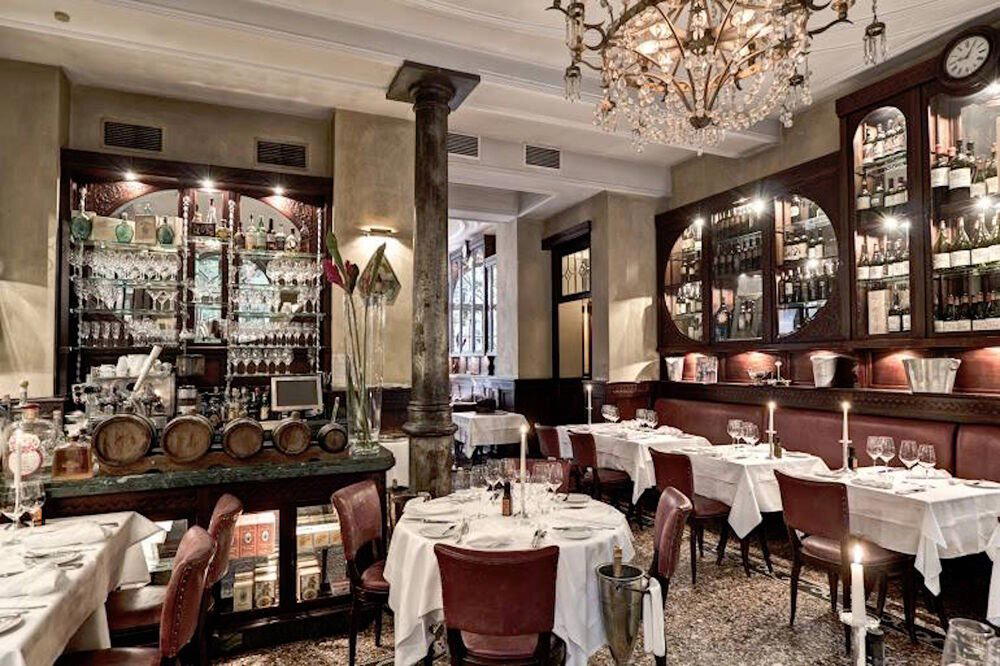
The menu
What to order
- İskele Special seafood stew
- Fresh sea bass
- Fried calamari
- Stuffed mussels
- Bluefish
Where the Fortress Meets the Strait
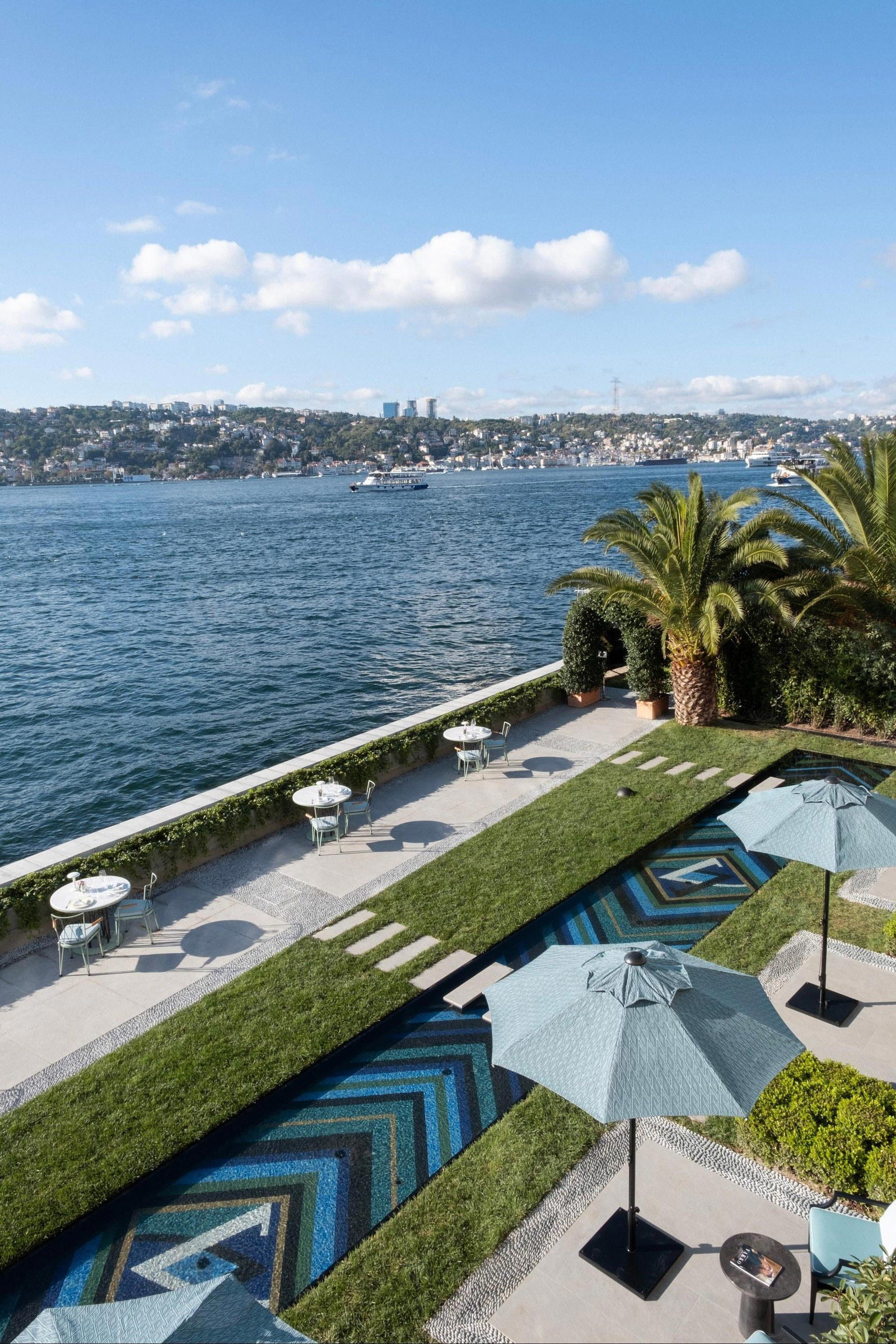
The approach to Rumelihisarı İskele sets expectations before you've seen a menu. Yahya Kemal Caddesi runs along the European shore of the Bosphorus at one of its narrowest points, and the fifteenth-century towers of Rumeli Hisarı — the fortress Mehmed II erected in under a year to control passage to Constantinople — rise directly above the restaurant's address. Few dining rooms in Istanbul carry that kind of architectural weight as a backdrop. The water traffic here is constant: tankers, ferries, and the occasional naval vessel threading through a channel that has been a strategic corridor for six centuries. The setting is not decorative context; it frames the logic of the whole operation. You eat fish this close to where it was caught because that proximity has always mattered in Istanbul's seafood culture.
Istanbul Seafood and the Full-Use Tradition
Istanbul's relationship with Bosphorus seafood predates the restaurant industry by centuries. The city's meyhane tradition, the long-table, raki-and-meze format that remains the dominant grammar of communal fish dining in Turkey, has always treated the catch as something to be used completely rather than reduced to a fillet. Cold meze of cured roe, warm preparations of liver, heads returned to stock, small whole fish grilled without ceremony: these are the markers of a kitchen that respects what the sea provides rather than processing it into something more legible to international tastes.
This philosophy is relevant context for understanding where Rumelihisarı İskele sits in Istanbul's seafood scene. The restaurant holds a Michelin Plate in both 2024 and 2025, a recognition that places it inside the city's documented dining tier without the starred elevation of the modern-Turkish fine-dining circuit. Venues like Turk Fatih Tutak, Mikla, and Neolokal operate at ₺₺₺₺ with tasting-menu formats oriented toward contemporary technique. Rumelihisarı İskele sits at ₺₺₺, occupying a position where the expectation is technical competence and quality sourcing within a more direct, ingredient-led format, closer in spirit to the serious fish taverna than to the progression-oriented tasting menu.
For comparable approaches to seafood at similar price points in Istanbul, AQUA, AZUR, Balıkçı Kahraman, and Calipso Fish offer relevant reference points along the Bosphorus and across the city's fish-restaurant spectrum. Eleos Yeşilköy extends that comparison further toward the western suburbs.
What the Michelin Plate Signals
Michelin's Plate designation, awarded in both 2024 and 2025, indicates that inspectors found cooking of sufficient quality to merit documentation, without the additional layer of technique or creativity that drives star promotion. For seafood restaurants operating in a traditional mode, this is a coherent landing point. The award validates sourcing and execution rather than conceptual ambition, which aligns with a format where the fish itself, not the preparation, is meant to be the dominant impression.
For a Bosphorus-side address with significant tourist visibility, the fortress draws visitors regardless of the restaurant, maintaining that rating implies the operation is not simply coasting on location.
The Nose-to-Tail Logic Applied to Seafood
The whole-fish philosophy in serious seafood cooking is not an affectation. It reflects the economic reality of quality sourcing: when you are paying for line-caught or day-boat fish at the premium Istanbul market price, wastage is not viable, and each part of the animal carries different flavour potential. Roe becomes tarama or cured as a standalone. Collars and cheeks, often the sweetest flesh on a large fish, are treated as distinct preparations rather than trimmed away. Stock from frames and heads underpins sauces and broths rather than being discarded after a single use.
In the broader Turkish seafood tradition, this logic is embedded in the meze structure: the spread of small cold dishes that precede the main fish course typically draws on preserved, pickled, or processed parts of the catch that wouldn't appear on a fillet-focused European-style fish menu. Lakerda, salt-cured bonito, is the canonical example: a preparation that requires the whole fish, extended time, and specific technique, and produces something with a flavour depth that simple grilling cannot approach. Grilled whole fish, ordered by weight from the day's selection, remains the anchor of this style of eating, connecting the table directly to the morning's catch rather than to a standardised portion cut.
This context matters for how you approach the meal. At ₺₺₺, you're eating in a register where the kitchen is expected to source well and execute the full range of the catch, not to create a signature brand identity through distinctive plating or conceptual elaboration. The Michelin recognition confirms that standard is being met.
Getting There and When to Go
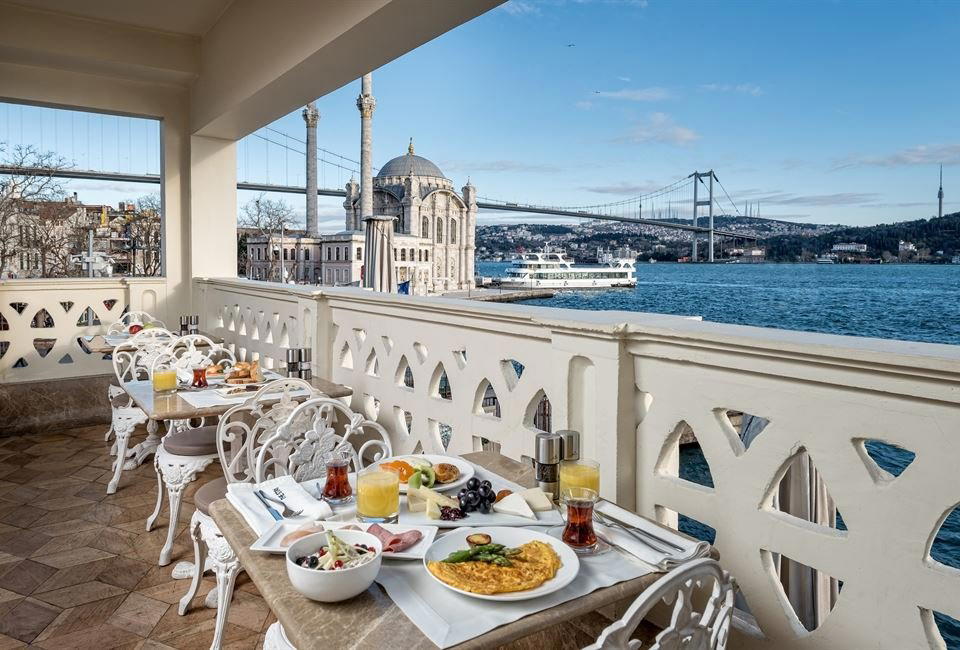
Rumelihisarı İskele sits at Yahya Kemal Caddesi No:1 in Sarıyer, on the European Bosphorus shore. The Rumeli Hisarı bus stop on the 22 and 22RE routes from Kabataş provides direct access from the central European side; the journey takes around thirty to forty minutes depending on traffic. The location is also reachable by Bosphorus ferry from Eminönü, alighting at Bebek or Emirgan and continuing by taxi or bus. Summer weekends bring higher pedestrian traffic to the fortress site, which increases demand at nearby restaurants; a booking in advance is sensible for Friday or Saturday evenings between June and September. The Bosphorus-side terrace, if available, positions diners directly above the water with the fortress walls in peripheral view, this is the setting that most justifies the journey from central Istanbul.
For a broader picture of where this restaurant sits within Istanbul's dining scene, see [our full Istanbul restaurants guide](). For planning around accommodation, [our full Istanbul hotels guide]() covers the full range of options. Drinks programming across the city is mapped in [our full Istanbul bars guide](), while producers and wine programming appear in [our full Istanbul wineries guide](). Cultural and experiential programming is catalogued in our full Istanbul experiences guide.
For comparable seafood-focused cooking elsewhere in Turkey, Kitchen By Osman Sezener in Bodrum, Narımor in Izmir, Ahãma in Göcek, 7 Mehmet in Antalya, Agora Pansiyon in Milas, and Aravan Evi in Ürgüp map the range of serious regional cooking across the country. For Mediterranean comparisons beyond Turkey, Gambero Rosso in Marina di Gioiosa Ionica and Alici Restaurant on the Amalfi Coast offer useful reference points for how coastal Italian kitchens handle the same whole-catch logic.
What to Order
Q: at Rumelihisarı İskele?
The Michelin Plate recognition is anchored in the seafood programme, so the cold meze selection and the whole fish of the day represent the core of what the kitchen is assessed on. In Istanbul's fish restaurants, the meze spread functions as a declaration of sourcing quality and technique: lakerda, smoked fish preparations, and roe-based dishes tell you whether the kitchen is working with the full catch or editing it down to the most commercially convenient parts. Follow what's fresh that day rather than a fixed list, in a Bosphorus-side kitchen operating in this tradition, the seasonal catch drives the menu more than any permanent signature. The grilled whole fish, ordered by weight, remains the reliable anchor of the meal and the direct expression of what the whole-fish philosophy means in practice.
Style and Standing
A quick peer check to anchor this venue’s price and recognition.
| Venue | Cuisine | Price | Awards | Notes |
|---|---|---|---|---|
| Rumelihisarı İskeleThis venue — the venue you are viewing | Traditional Turkish Seafood | $50–100 | Michelin Plate | Not listed |
| Turk Fatih Tutak | Modern Turkish Fine Dining | $200–300 | 2 Michelin Stars · World's 50 Best #66 | Modern Turkish, ₺₺₺₺ |
| Mikla | New Anatolian Kitchen | $100–150 | 1 Michelin Star · World's 50 Best #44 | Modern Turkish, Mediterranean Cuisine, ₺₺₺₺ |
| Neolokal | Modern Turkish Fine Dining | $200–300 | 1 Michelin Star · World's 50 Best #100 | Modern Turkish, Turkish, ₺₺₺₺ |
| Arkestra | Modern European with Global Influences | $100–150 | 1 Michelin Star · Gault & Millau Türkiye 3 Toques | Fusion, ₺₺₺₺ |
| Nicole | Contemporary Turkish Fine Dining | $150–200 | 1 Michelin Star · Gault & Millau Türkiye 3 Toques | Modern Turkish, Modern Cuisine, ₺₺₺₺ |
Recognition history
Dated appearances from independent guides and award organizations, with the underlying list record or original source where available.
Michelin Plate
Michelin
Full recognition history (2 entries)
Michelin Plate
Michelin
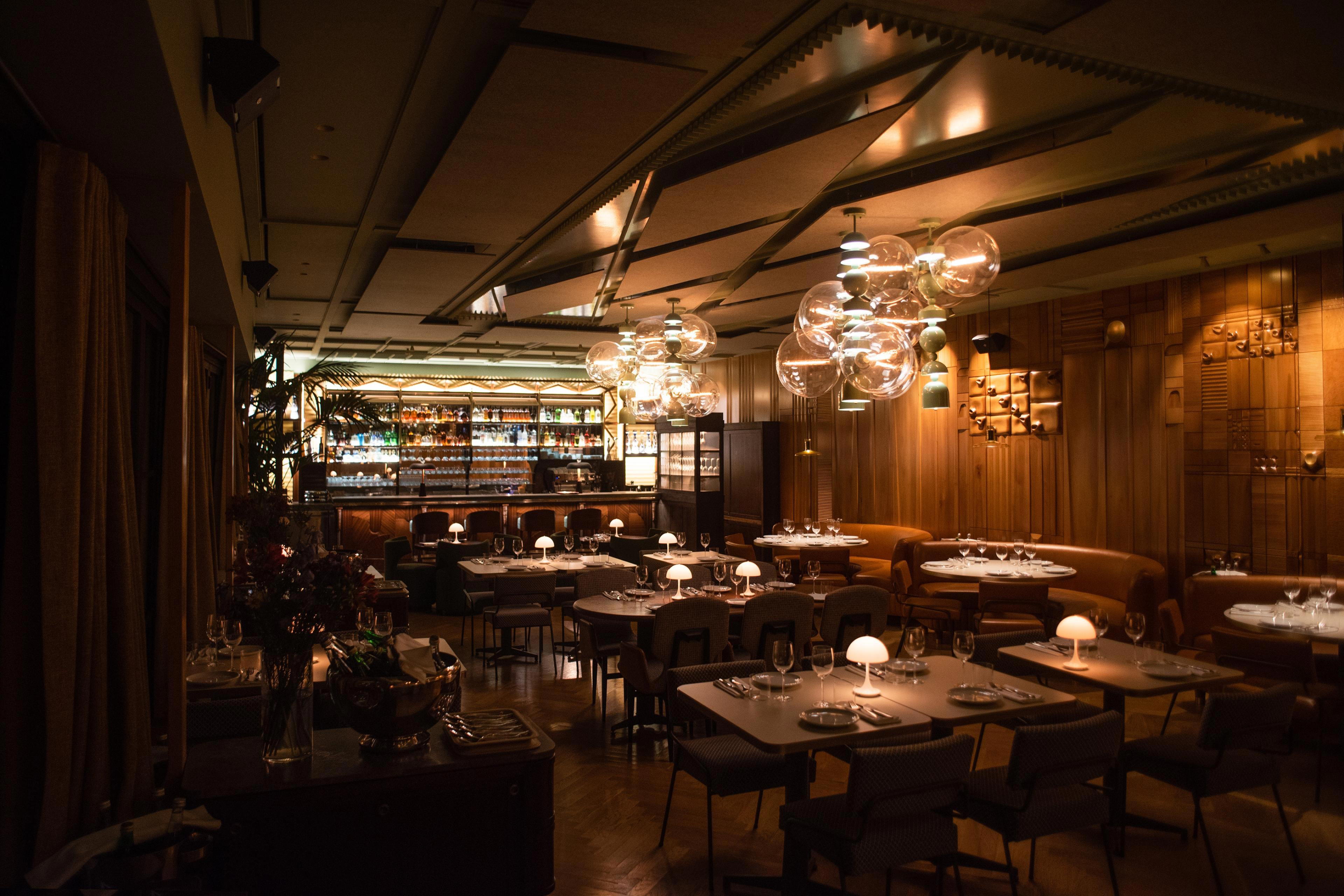
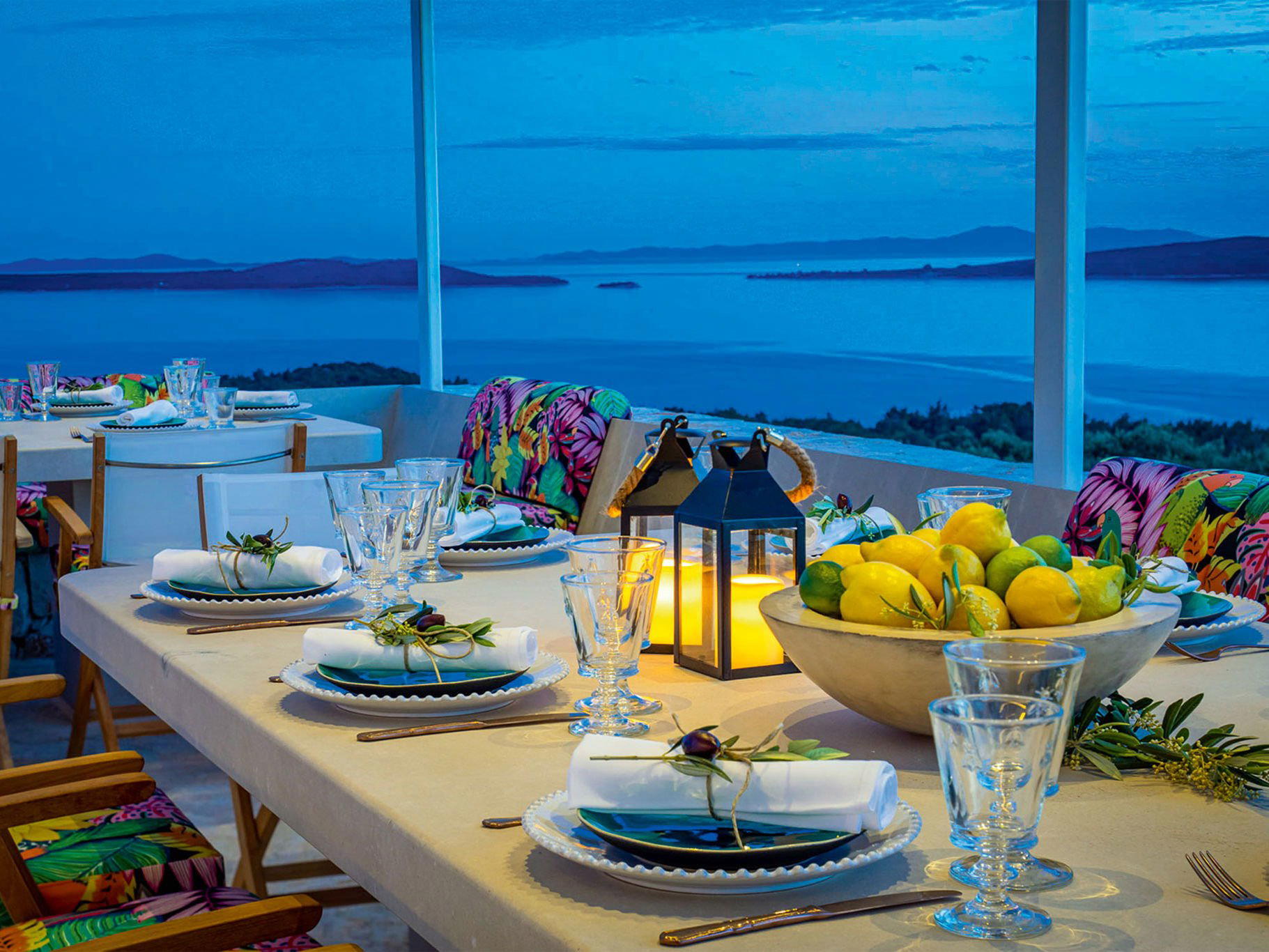
Rumelihisarı İskele
The wine
- Wine program
- Curated wine list
- Extensive wine list
- Beer program
Details
- Romantic
- Scenic
- Elegant
- Classic
- Date Night
- Business Dinner
- Special Occasion
- Celebration
- Waterfront
- Panoramic View
- Terrace
- Historic Building
- Extensive Wine List
- Beer Program
- Sustainable Seafood
- Local Sourcing
- Waterfront
- A La Carte
- Turkish Wine
- Raki
- Pescatarian Friendly
Current opening hours
- Monday
- 11 AM–12 AM
- Tuesday
- 11 AM–12 AM
- Wednesday
- 11 AM–12 AM
- Thursday
- 11 AM–12 AM
- Friday
- 11 AM–12 AM
- Saturday
- 11 AM–12 AM
- Sunday
- 11 AM–12 AM
Hours can change for holidays and private events. Last verified .
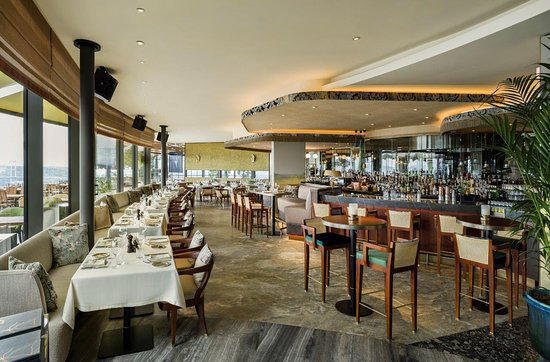
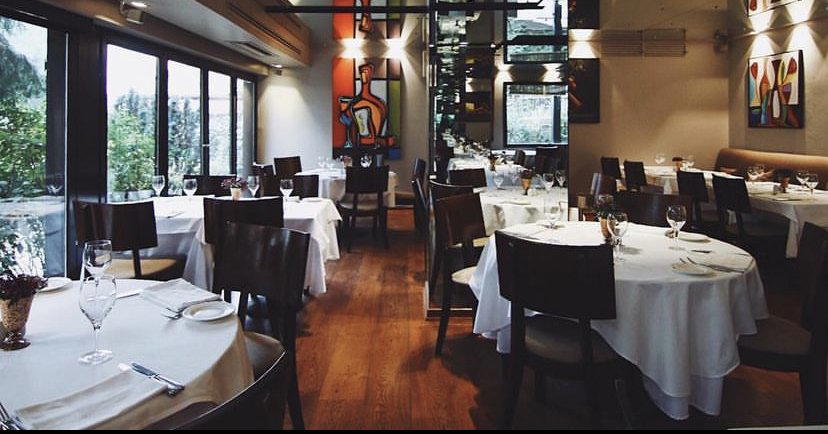
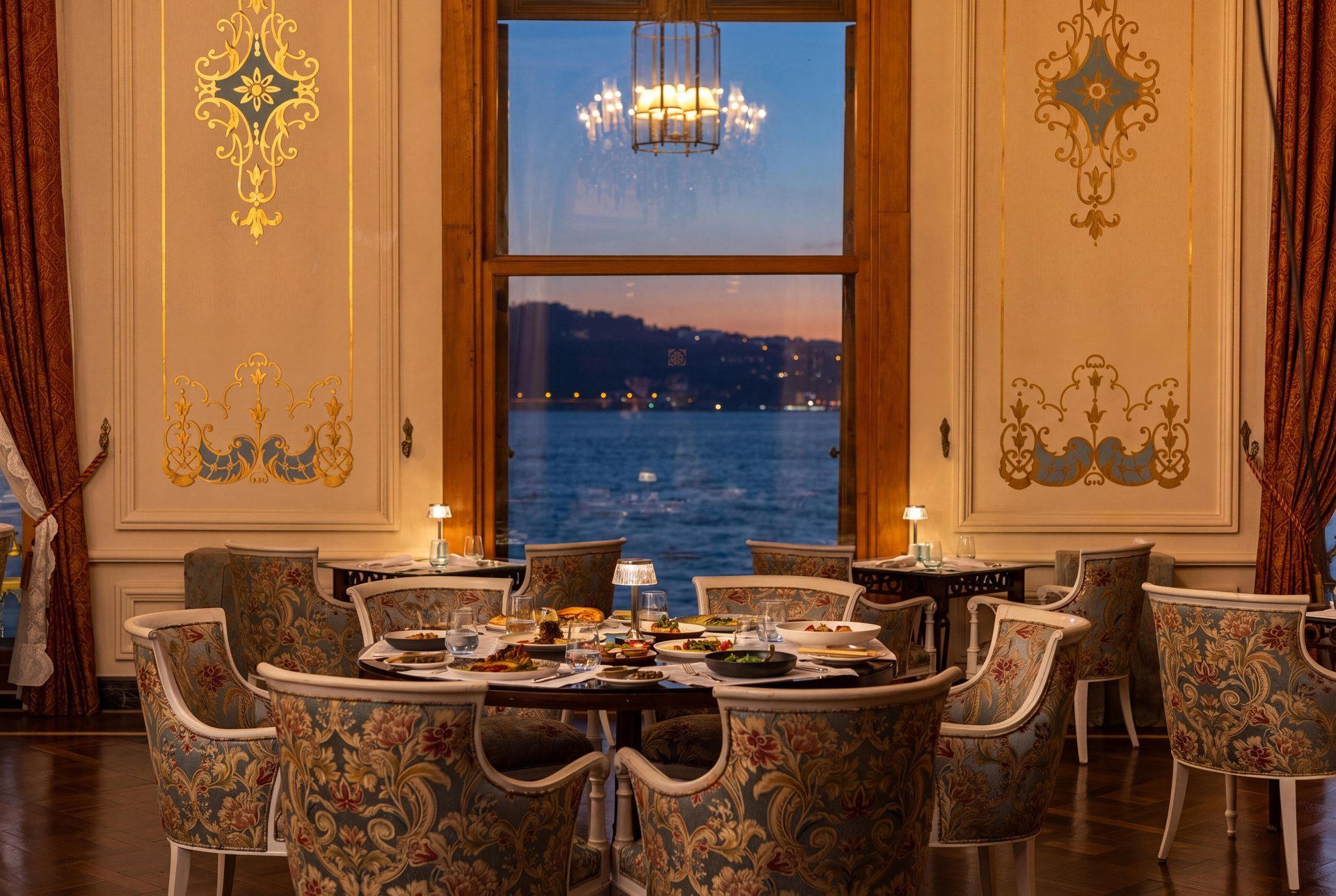
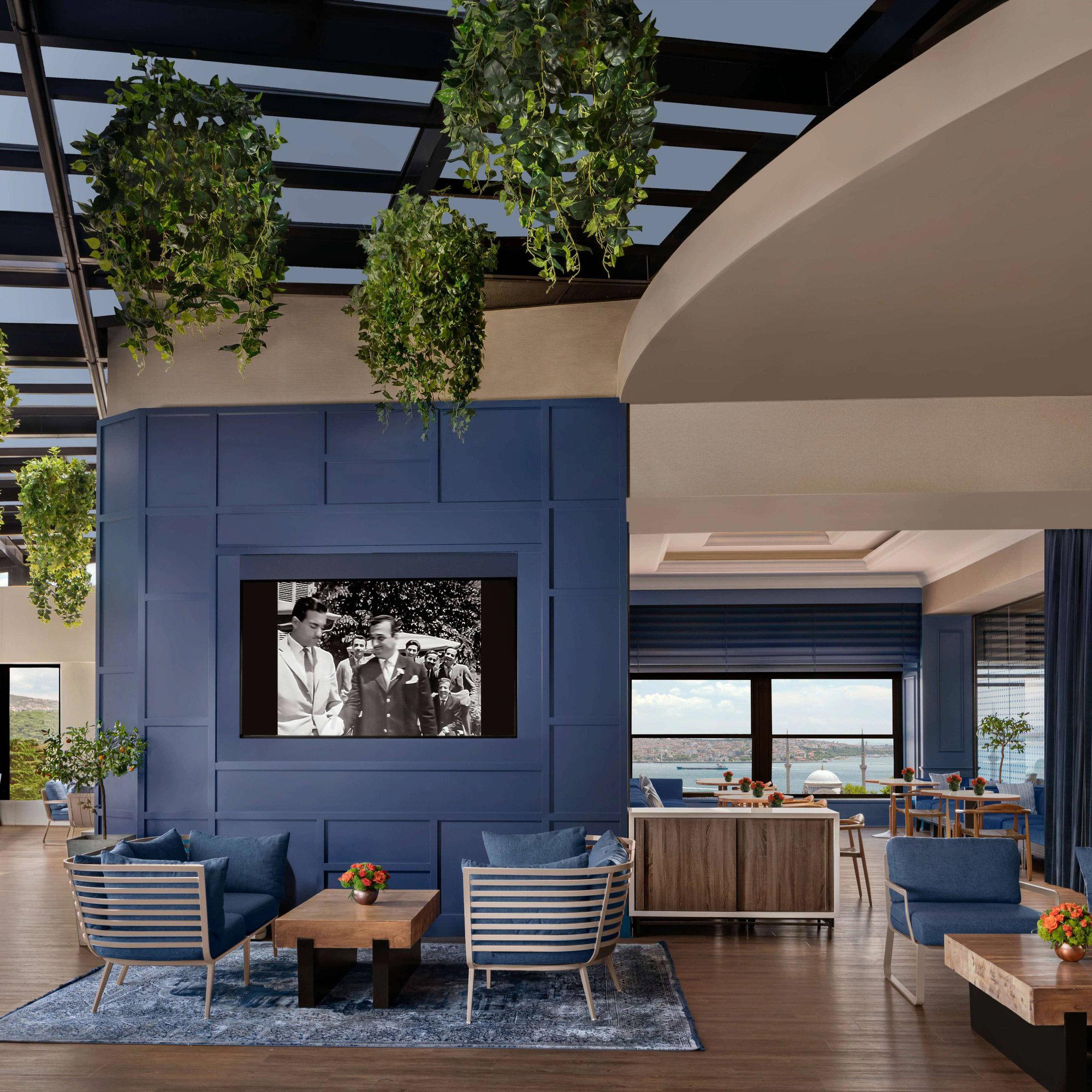
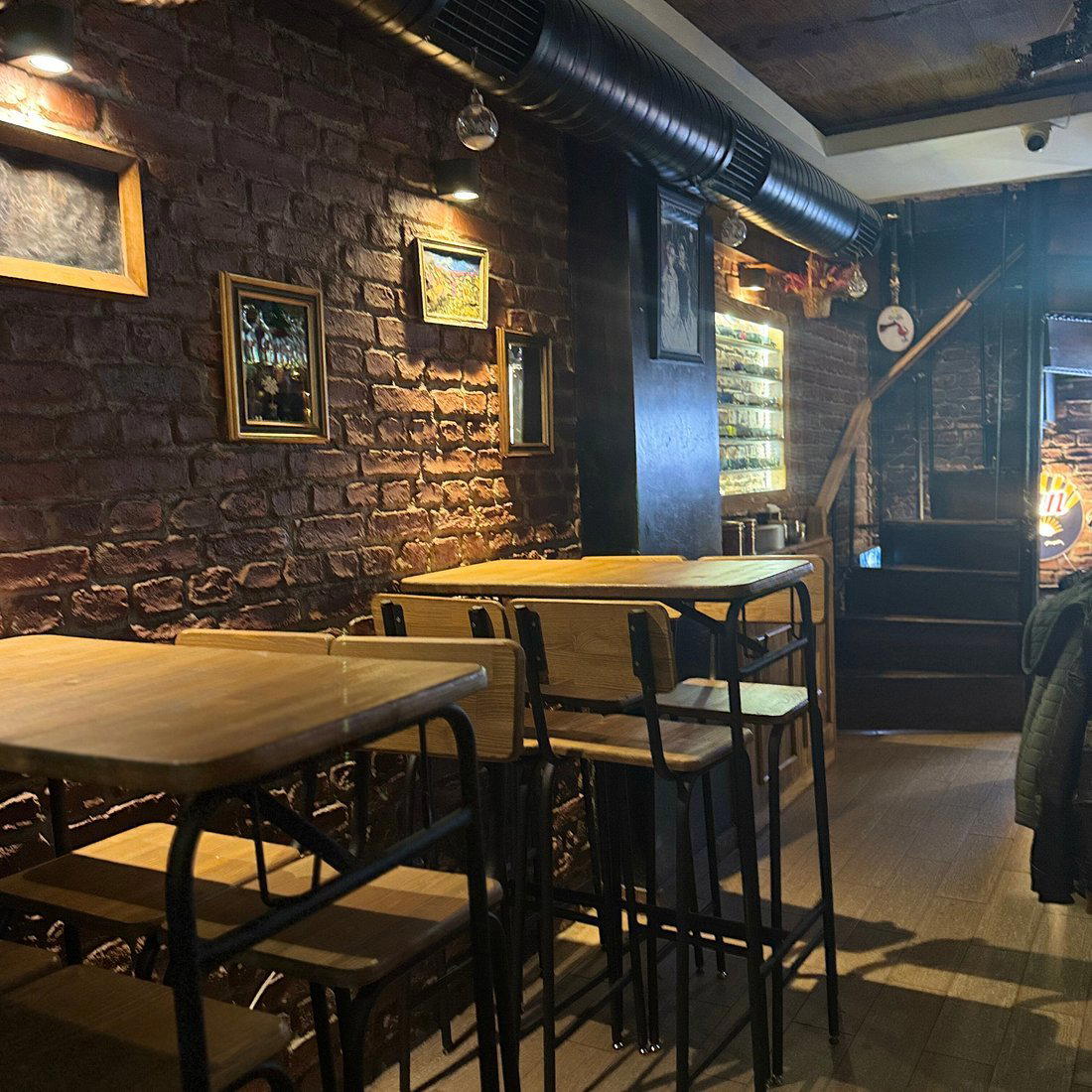
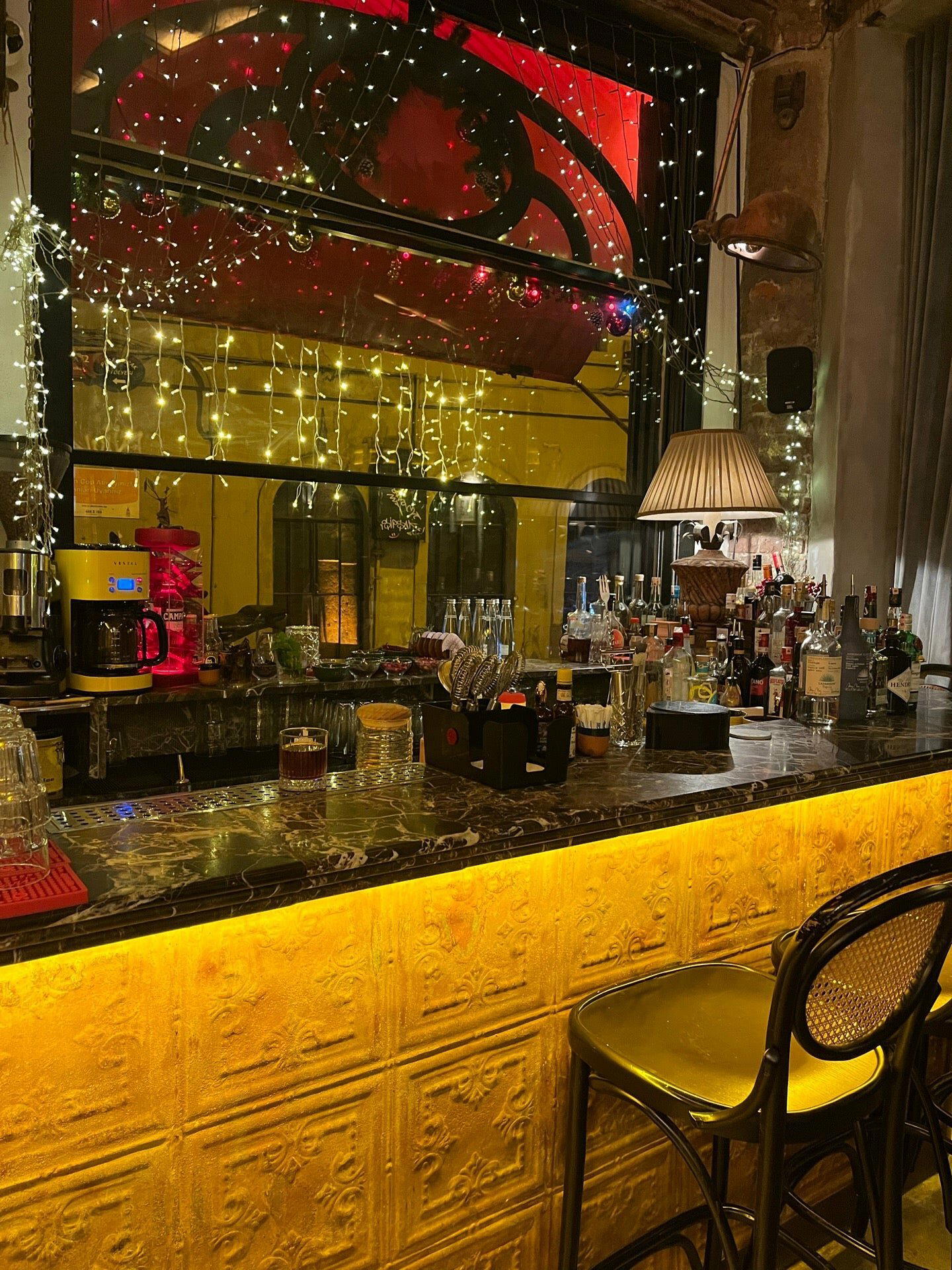
Refined yet relaxed atmosphere with floor-to-ceiling windows opening to the Bosphorus; bright natural lighting during day, intimate evening ambiance with water reflections; sophisticated but not stuffy.