Royal India
Our verdict
Royal India occupies a corner of San Diego's downtown dining corridor where the subcontinental kitchen meets the produce rhythms of Southern California. The address on Market Street places it within reach of the Gaslamp Quarter's broader restaurant scene, making it a practical anchor for exploring Indian cuisine in a city more associated with Pacific Rim and Californian cooking. For visitors building a San Diego itinerary around serious eating, it sits outside the usual fine-dining circuit and offers a different register entirely.

Pearl is the En Primeur Club membership app — saves, bookings, and concierge access live there. Same editors, same standards.
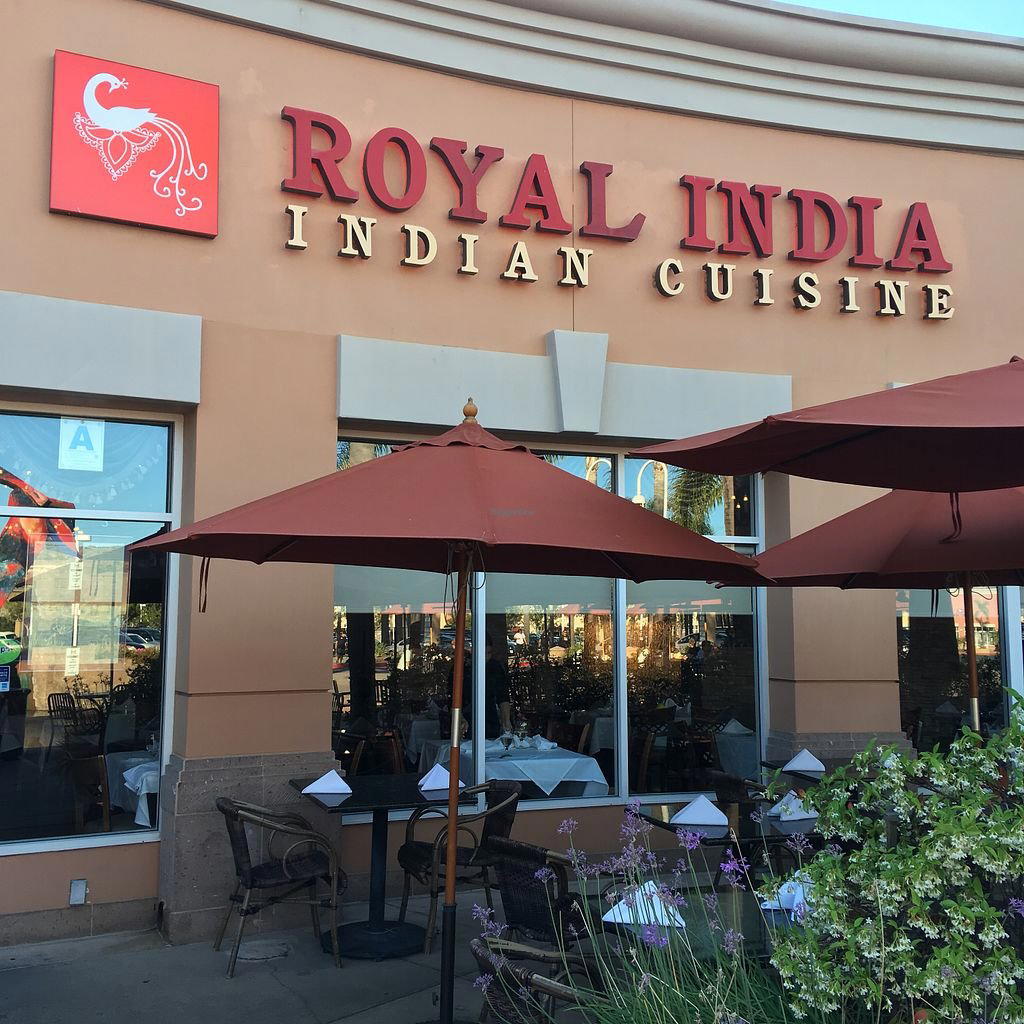
Where the Subcontinental Kitchen Meets Southern California
San Diego's dining identity has long been shaped by its proximity to the Pacific and the Mexican border, with the result that cuisines from the Indian subcontinent occupy a quieter corner of the city's restaurant conversation. That relative scarcity is worth understanding before you arrive. In a market where the loudest acclaim goes to places like Addison for its French contemporary tasting menus, or Soichi for its omakase counter, Indian cooking exists largely outside the critical spotlight. Which means that restaurants serving it operate with less external pressure toward trend-chasing, and often with a stronger connection to the actual cooking traditions they claim to represent.
Royal India sits at 329 Market Street, in the stretch of downtown San Diego that connects the Gaslamp Quarter to the waterfront. The address puts it inside a dense corridor of restaurants serving the city's weeknight and weekend crowds, where diners move between the kind of broad American menu at 1450 El Prado and nostalgia-driven formats like the 94th Aero Squadron. Indian cuisine in this context functions as a counterpoint: spice-forward, aromatic, and structurally unlike almost anything else in the immediate vicinity.
The Technique Question: Imported Methods, Local Produce
The more interesting editorial frame for Indian restaurants in coastal California is the relationship between classical subcontinental technique and the exceptional raw material available on the West Coast. Indian cooking traditions, at their most disciplined, are defined by layered spice work, long braises, tandoor heat, and dal preparation that takes hours rather than minutes. These are methods developed on the other side of the world, in kitchens shaped by entirely different agricultural contexts. California, meanwhile, produces some of the most consistent and varied vegetables, legumes, and proteins available anywhere in the United States.
The intersection of those two facts is where Indian restaurants in Southern California have the most to offer, when they choose to engage with it seriously. The farm-to-table conversation that drives so much of the critical attention toward places like Blue Hill at Stone Barns in Tarrytown or Single Thread Farm in Healdsburg rarely extends to Indian kitchens in the same explicit way, but the underlying logic applies: high-quality local produce run through a technically demanding spice-forward method produces results that neither tradition achieves alone. San Diego's proximity to farms in the Imperial Valley and the broader Southern California agricultural belt means the raw material is there for any kitchen willing to source it.
The Downtown Context
Gaslamp Quarter and its surrounding blocks are not where San Diego's most adventurous or critical dining happens. That tends to cluster in neighborhoods like Hillcrest, North Park, and Little Italy. Downtown addresses like Market Street serve a different function: accessibility, volume, and a broader demographic of hotel guests, convention attendees, and visitors making dining decisions without deep local knowledge. That context shapes what the restaurant needs to do and how it prices against its immediate neighbors rather than against the city's fine-dining tier.
For visitors building a San Diego itinerary from outside, the distinction matters. The restaurants that draw the longest critical queues in the city, from Soichi's compact Japanese counter to the ambitious French-Californian program at Addison, require advance planning and specific neighborhoods. A Market Street Indian restaurant serves a different need, and should be evaluated on those terms rather than against the critical tier.
Nationally, the reference points for Indian cooking at a high technical level are expanding. The conversation around South Asian fine dining in American cities has grown considerably in the past decade, with restaurants in New York, Chicago, and San Francisco beginning to receive the kind of sustained critical attention long reserved for French, Japanese, and contemporary American formats. At the level where technique and sourcing converge most visibly, the comparison set shifts toward places like Atomix in New York City, which applies a similar philosophy of classical Asian method meeting American produce to Korean cuisine. The template is the same; the cuisine is different.
Where Royal India Sits in the San Diego Dining Picture
San Diego's broader restaurant scene is well documented, with the most comprehensive overview available in our full San Diego restaurants guide. Within that picture, Indian cuisine occupies a niche that sits well outside the formats driving most of the city's national coverage. That is not a criticism. The American cities where Indian restaurants have moved most visibly into the critical conversation, New York and San Francisco foremost among them, did so gradually and in response to sustained chef investment in the format. San Diego is earlier in that arc.
For the visitor who has spent time at technically demanding restaurants elsewhere, whether at Le Bernardin in New York City, The French Laundry in Napa, or Providence in Los Angeles, Royal India registers as a different kind of proposition. It is not competing on the same axes. It competes on comfort, familiarity with a specific tradition, and the direct satisfaction of a cuisine that rewards attention to spice balance and bread technique in ways that European fine dining simply does not.
The same applies to any comparison with places like Alinea in Chicago or Emeril's in New Orleans: these are different registers, different ambitions, and different reader decisions. Choosing Indian in downtown San Diego is choosing a specific cuisine in a specific location, not a fine-dining tier.
Planning a Visit
Know Before You Go
- Address: 329 Market St, San Diego, CA 92101
- Neighbourhood: Downtown / Gaslamp Quarter adjacent
- Phone:
How hard is it to get a table at Royal India?
Royal India operates in downtown San Diego's Gaslamp corridor, a high-traffic dining zone where competition for tables concentrates on Friday and Saturday evenings. Walk-in availability is more realistic here than at the city's award-circuit restaurants, where demand often runs weeks ahead. If you are visiting during a convention period, which downtown San Diego experiences frequently due to the Convention Center a few blocks away, calling ahead on any night of the week is sensible. The location itself generates consistent foot traffic.
What sets Royal India apart from other Indian restaurants in San Diego?
Indian restaurants at this downtown address occupy a practical position in a city where the cuisine remains underrepresented relative to markets like Los Angeles or the Bay Area. Royal India's Market Street location places it in an accessible corridor for visitors, while the North Indian kitchen format gives it a distinct profile against the Pacific Rim and Californian-Mediterranean restaurants that dominate the immediate neighbourhood. For context on how Indian cooking fits within San Diego's broader dining scene, our full San Diego restaurants guide maps the wider picture.
Is Royal India a good choice for a group dinner in San Diego?
Downtown Indian restaurants in the Gaslamp corridor typically suit group dining well, given that the cuisine is structured for sharing and the format rarely requires the kind of prix-fixe commitment that complicates group bookings at tasting-menu venues like Addison. For groups larger than six, direct contact with the restaurant to confirm table configuration is worth the extra step, particularly on weekend evenings when the entire Market Street block operates near capacity. The shared-plate structure of a North Indian meal, with bread, rice, and multiple curries arriving together, is well suited to the social dynamics of a group around one table.
How It Stacks Up
Comparable venues nearby, for context on price, style, and recognition.
| Venue | Cuisine | Price | Notes |
|---|---|---|---|
| Royal IndiaThis venue — the venue you are viewing | Authentic North Indian | $20–30 | Not listed |
| King and Queen Cantina | Modern Mexican Fusion with Asian Influences | Not listed | Downtown |
| The Crack Shack - Little Italy | SoCal Fried Chicken | $20–30 | Downtown |
| Gelato Vero Caffe | Authentic Italian Gelato & Cafe | $1–10 | Uptown |
| World Famous | California Coastal Seafood | $30–50 | Pacific Beach |
| Aladdin Mediterranean Cafe | Lebanese Mediterranean | $20–30 | Clairemont Mesa |
Continue exploring
More in San Diego
Restaurants in San Diego
All restaurants in San Diego →
Bars in San Diego
All bars in San Diego →
Details
- Elegant
- Warm
- Classic
- Group Dining
- Family
- Celebration
- Business Dinner
- Private Dining
- A La Carte
- Buffet
- Vegetarian Friendly
- Vegan Options
Current opening hours
- Monday
- 4:30–9:30 PM
- Tuesday
- 4:30–9:30 PM
- Wednesday
- 4:30–9:30 PM
- Thursday
- 11 AM–2:30 PM, 4:30–9:30 PM
- Friday
- 11 AM–2:30 PM, 4:30–10 PM
- Saturday
- 11 AM–2:30 PM, 4:30–10 PM
- Sunday
- 11 AM–2:30 PM, 4:30–9:30 PM
Hours can change for holidays and private events. Last verified .
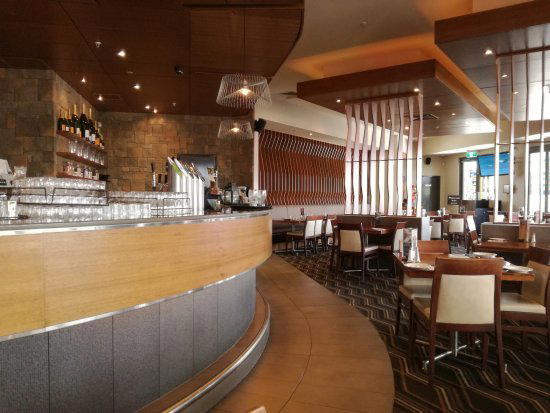
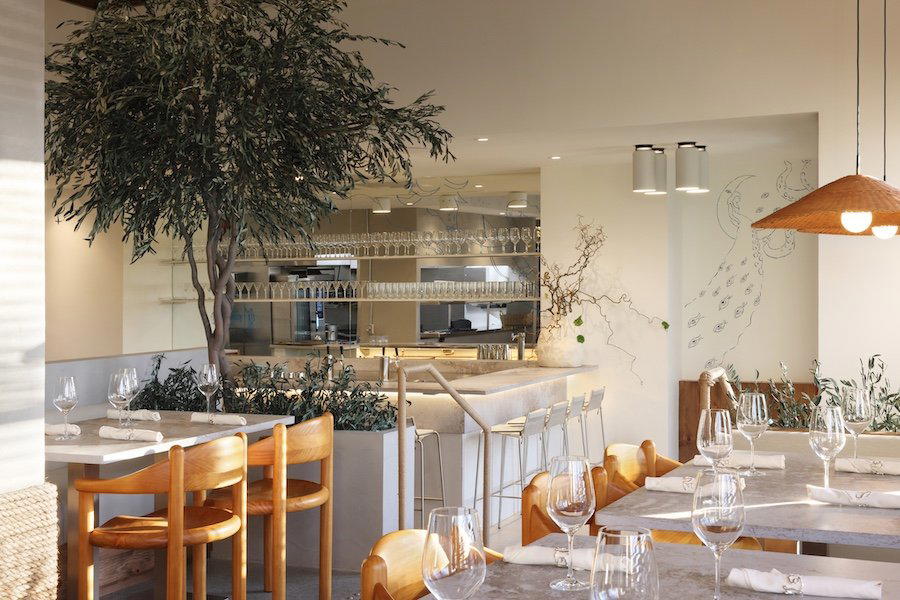
Warm and welcoming with beautiful decor, white tablecloths, and festive lighting for events.