

Macarfi 7.7 Food Rating
Our verdict
Restaurante Barrera occupies a quiet stretch of Chamberí, one of Madrid's most residential barrios, where Chef Anna Barrera runs a neighbourhood-rooted Spanish kitchen that has earned consecutive Opinionated About Dining Casual in Europe rankings in 2024 and 2025. The format reads as everyday dining done with discipline, the kind of address that draws regulars rather than tourists, and earns sustained critical attention precisely for that reason.

Pearl is the En Primeur Club membership app, where members save venues, book tables and use the concierge.
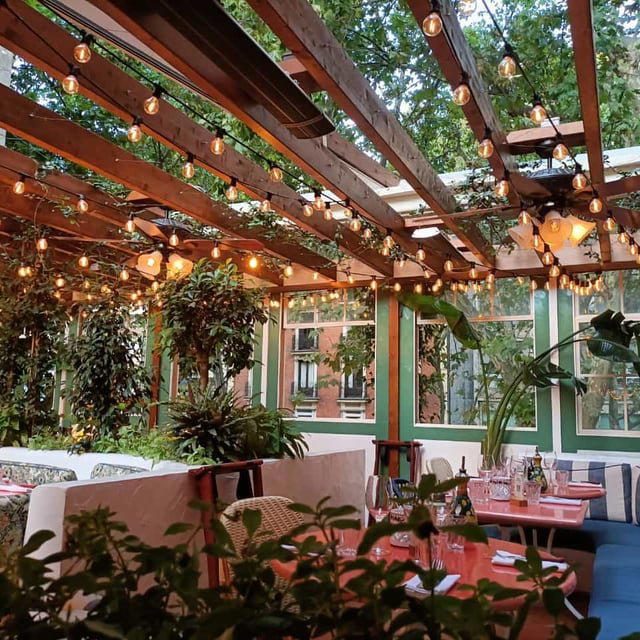
The menu
What to order
- Homemade meatballs
- Rack of goat
- Pickled fish
Chamberí's Dining Identity: Where Neighbourhood Permanence Beats Destination Theatre
Madrid's most-discussed restaurant table in any given season tends to sit in one of three postcodes: the tasting-menu corridor around Castellana, the creative cluster near Chueca, or the high-production rooms that have made the city a fixture on international award circuits. Chamberí belongs to a different register entirely. The barrio runs on long lunches, multi-generational regulars, and restaurants that measure success in decades rather than seasons. Calle de Alonso Cano, where Restaurante Barrera operates, fits that pattern, a residential street with the unhurried pace of a neighbourhood that does not need to audition for visitors.
That context matters when reading what Restaurante Barrera is. The room does not announce itself like the city's progressive flagships, places such as Desencaja or the destination-format addresses that pull diners specifically for the spectacle. What it offers instead is the kind of disciplined, unglamorous Spanish cooking that Chamberí has always done well, now refined enough to attract the attention of critics who track casual dining across an entire continent.
Two Consecutive OAD Rankings: What the Recognition Actually Signals
Opinionated About Dining's Casual in Europe list is a peer-surveyed ranking, meaning the votes come from other serious eaters rather than from a formal inspectorate. Appearing at #349 in 2024 and then rising to #336 in 2025 is meaningful for two reasons. First, it confirms that Restaurante Barrera is not a one-cycle anomaly; the kitchen is consistent enough to hold and improve a position year-on-year. Second, it places the restaurant in a competitive set that includes some of the most closely watched casual addresses across Spain, France, Italy, and beyond, a much larger peer group than any single-city list.
The OAD Casual designation is also worth unpacking. It does not signal simplicity in a dismissive sense. In practice, the highest-ranked addresses on that list tend to do Spanish, French, or Italian regional cooking with rigour and without concession to trend. The recognition positions Restaurante Barrera alongside that tradition rather than against it. For comparison, Madrid's most prominent restaurants in the destination tier, the four-figure tasting menus and the names that appear on global 50 Best-adjacent lists, operate in an entirely different category.
Spain's broader restaurant culture provides useful context here. The country's leading end, venues like Arzak in San Sebastián, El Celler de Can Roca in Girona, Disfrutar in Barcelona, Quique Dacosta in Dénia, Azurmendi in Larrabetzu, and Aponiente in El Puerto de Santa María, has spent thirty years building a reputation for technique-led cooking that draws international attention. Below that tier, what sustains Spain's dining identity day to day is something quieter: small rooms, market-driven Spanish menus, and kitchens that do not require a reservation made weeks in advance. Restaurante Barrera operates in that second register, and does so with enough consistency to register on a serious European critical survey.
The Chamberí Address: What the Location Means for the Experience
Chamberí is one of Madrid's oldest intact barrios, and its restaurant culture reflects that. The neighbourhood runs on a different clock to the more tourist-facing parts of the city: lunch service on a weekday carries more weight here than a Saturday night reservation, and the ratio of local to visitor tends to stay high. For a diner coming from outside the city, that has practical consequences. You are more likely to find yourself at a table surrounded by people who eat here regularly, which changes the atmosphere and, often, the quality of service.
Calle de Alonso Cano sits in the upper stretch of Chamberí, closer to the wide boulevards near Nuevos Ministerios than to the tapas concentration further south around Alonso Martínez. It is a functional, lived-in street rather than a destination corridor, which means the restaurant holds its position based on the kitchen rather than foot traffic.
For visitors building a Madrid itinerary around Spanish cooking across different formats, the city offers significant range. Botín Restaurante represents the historical end of that spectrum; Casa Revuelta is the city's benchmark for traditional tapas; Cuenllas and El Fogón de Trifón sit in adjacent neighbourhood-dining categories. Restaurante Barrera fills a specific position within that range: a modern, critically tracked Spanish kitchen in a residential barrio format, without the production overhead of the city's tasting-menu rooms.
Spanish cooking has also travelled internationally in interesting ways recently. The expansion of Spanish kitchens into new markets, from ZURRIOLA in Tokyo to Arco by Paco Pérez in Gdańsk, reflects an increasing appetite for Spanish culinary identity outside the Peninsula. Chamberí restaurants like Barrera represent the domestic baseline that makes those exports legible: the reference point for what Spanish neighbourhood cooking actually looks and tastes like at a serious level.
Planning Your Visit
The kitchen is closed on Sundays. Hours vary by day, so the most useful approach is to treat lunch service as the primary option: Wednesday through Saturday offer midday sittings, and Tuesday through Saturday extend into evening. The Friday and Saturday evening services run to 10 pm. Bear in mind that Madrid lunch culture runs later than most northern European cities, a 2 pm start is standard, not early.
| Detail | Restaurante Barrera | Casual Peer Range (Madrid) |
|---|---|---|
| Format | Neighbourhood Spanish | Varies: tapas to market-lunch |
| Recognition | OAD Casual Europe #336 (2025) | Varies: unranked to OAD-listed |
| Typically 4.0–4.5 range | ||
| Sunday Service | Closed | Mixed, check individually |
| Price Range | Not disclosed | €20–€60 per head typical |
For a broader picture of where Restaurante Barrera fits in the city's wider hospitality offer, see our full Madrid restaurants guide. For accommodation context in the Chamberí and wider Madrid area, consult our full Madrid hotels guide. Complementary resources include our full Madrid bars guide, our full Madrid wineries guide, and our full Madrid experiences guide.
Frequently asked questions
What time does Restaurante Barrera open and close?
Hours at Restaurante Barrera: Hours: Monday 1:30–4:30 pm Tuesday 1–10 pm Wednesday 12–10 pm Thursday 12–10 pm Friday 1:30–10 pm Saturday 12–10 pm Sunday Closed.
What awards or recognition does Restaurante Barrera have?
Restaurante Barrera has received recognition including: Opinionated About Dining Casual in Europe Ranked #336 (2025); Opinionated About Dining Casual in Europe Ranked #349 (2024).
What's the signature dish at Restaurante Barrera?
What the record does confirm is a Spanish cuisine focus under chef Anna Barrera, with the kitchen earning back-to-back placements on Opinionated About Dining's Casual in Europe list in 2024 and 2025, a peer-voted ranking where the votes come from serious eaters, not PR submissions. For current menu specifics, visiting during the Wednesday-to-Saturday lunch service is the most practical way to get an accurate picture.
Where do I go for Restaurante Barrera?
Restaurante Barrera is located at C. de Alonso Cano, 25, Chamberí, 28010 Madrid, Spain, Madrid.
Cuisine Context
A quick peer list to put this venue’s basics in context.
| Venue | Cuisine | Price | Awards | Notes |
|---|---|---|---|---|
| Restaurante BarreraThis venue (the venue you are viewing) | Traditional Castilian | $50–100 | Macarfi 7.7 Food Rating | Not listed |
| DiverXO | Avant-Garde Spanish Tasting Menu | $300–500 | 3 Michelin Stars · World's 50 Best #4 | Progressive - Asian, Creative |
| Deessa | Modern Valencian Fine Dining | $150–200 | 2 Michelin Stars · La Liste Top Restaurants | Modern Spanish, Creative |
| Smoked Room | Modern Japanese Fire Omakase | $200–300 | 2 Michelin Stars · La Liste Top Restaurants | Progressive Asador, Contemporary |
| Coque | Modern Spanish Fine Dining | $300–500 | 2 Michelin Stars · La Liste Top Restaurants | Spanish, Creative |
| Paco Roncero | Avant-Garde Spanish Fine Dining | $150–200 | 2 Michelin Stars · La Liste Top Restaurants | Creative |
Recognition history
Dated appearances from independent guides and award organizations, with the underlying list record or original source where available.
Macarfi 7.7 Food Rating
Macarfi
Opinionated About Dining Casual in Europe Recommended
Opinionated About Dining
Full recognition history (4 entries)
Opinionated About Dining Casual in Europe Ranked #336
Opinionated About Dining
Opinionated About Dining Casual in Europe Ranked #349
Opinionated About Dining
Continue exploring
More in Madrid
Restaurants in Madrid
All restaurants in Madrid →
Bars in Madrid
All bars in Madrid →

Details
- Classic
- Cozy
- Family
- Business Dinner
- Historic Building
- Extensive Wine List
- A La Carte
Current opening hours
- Monday
- 1:30–4:30 PM
- Tuesday
- 1–10 PM
- Wednesday
- 12–10 PM
- Thursday
- 12–10 PM
- Friday
- 1:30–10 PM
- Saturday
- 12–10 PM
- Sunday
- Closed
Hours can change for holidays and private events. Hours as of .
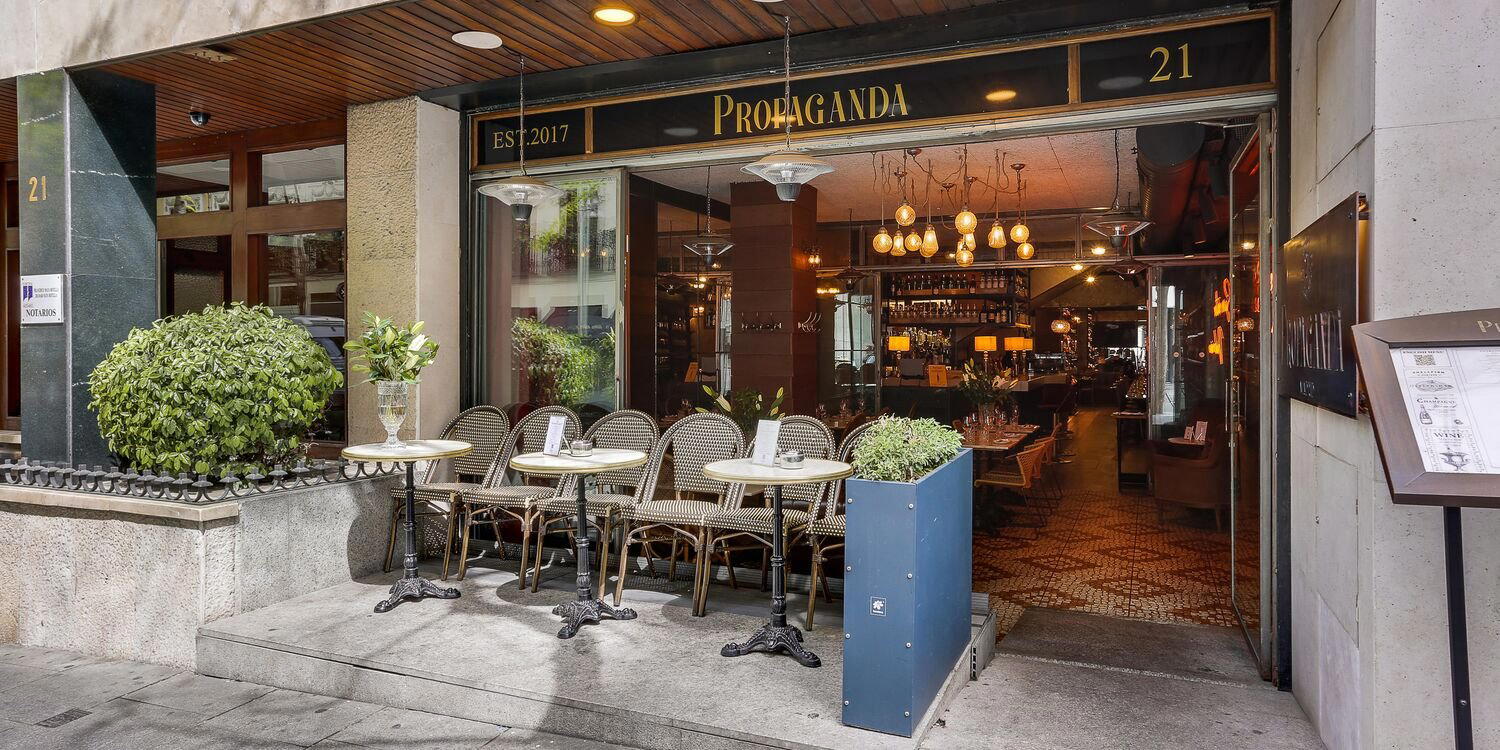
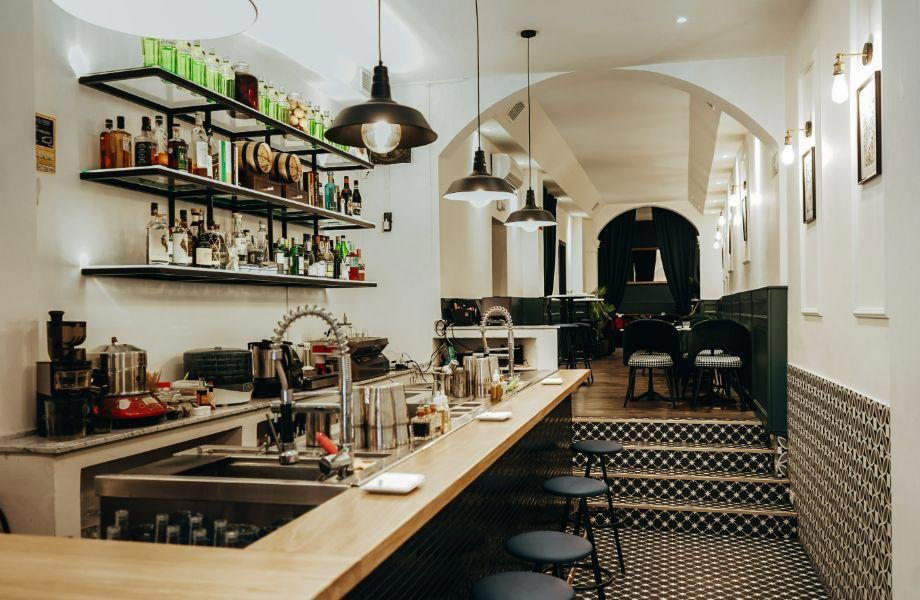
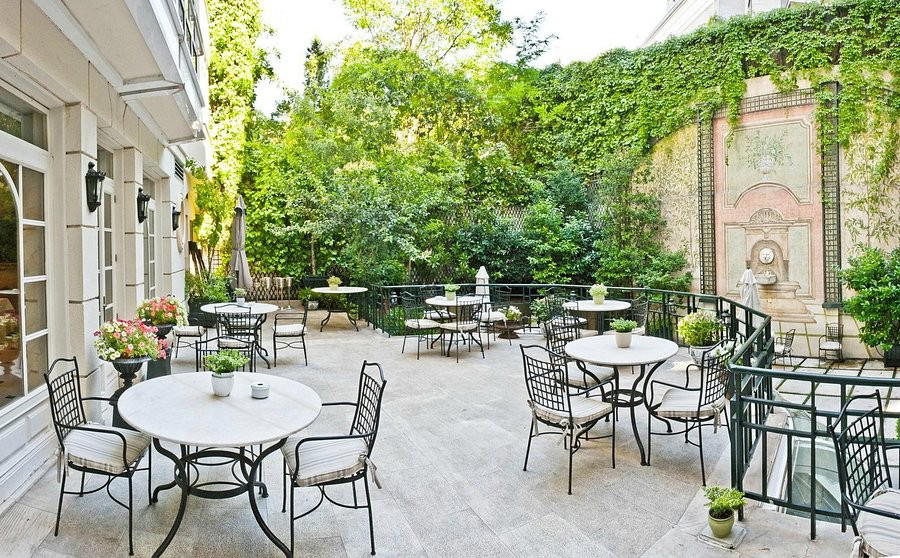
Warm, welcoming, and authentic with traditional details and contemporary touches, well-suited for relaxed family or friend gatherings.