
Michelin Plate
Our verdict
Ramiro Cocina belongs to Mérida’s contemporary Yucatecan conversation, where local sourcing and regional technique matter more than imported luxury cues. Its Paseo de Montejo address places it in a corridor where visitors often compare polished hotel dining, tasting-menu rooms, and smaller kitchens working closer to market logic.

Pearl is the En Primeur Club membership app, where members save venues, book tables and use the concierge.
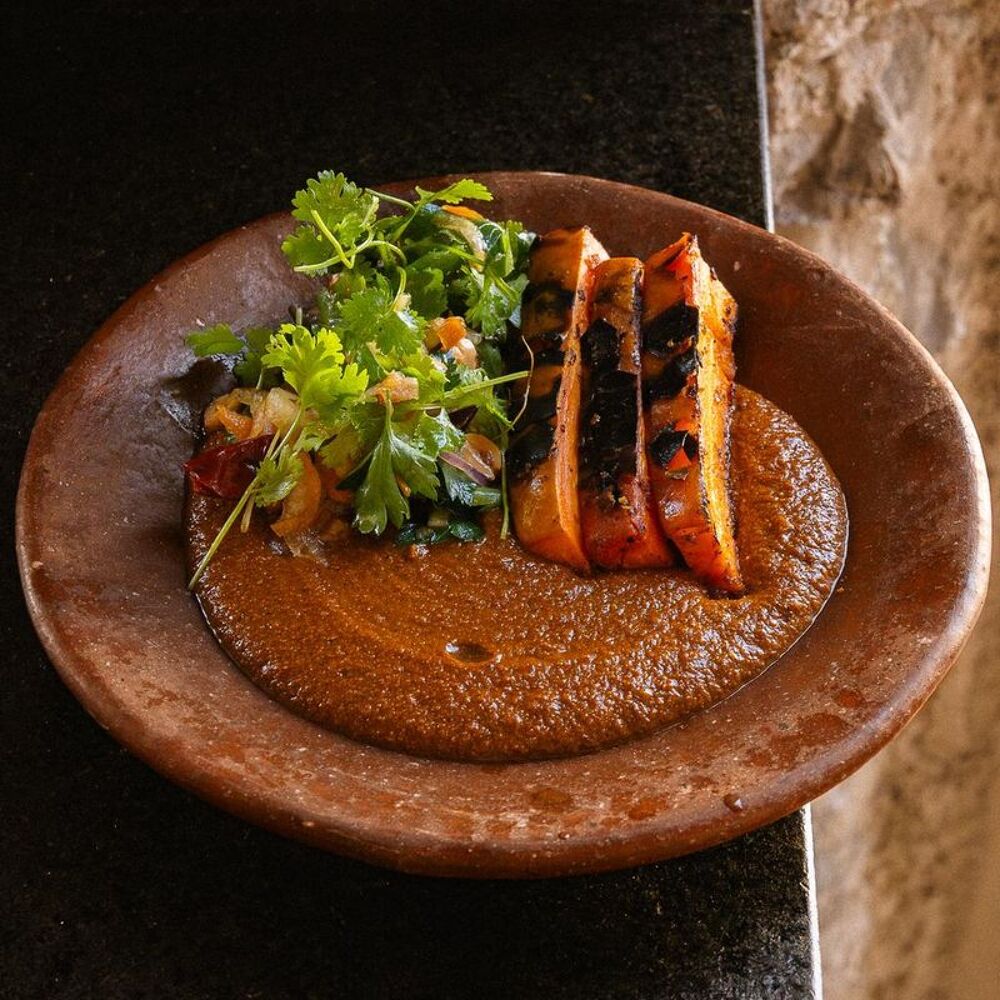
The menu
What to order
- Lechón tacos
- Corn ribs
- Tacos de berenjena
- Quesabirria
- Moles con molote
- Cochinita pibil
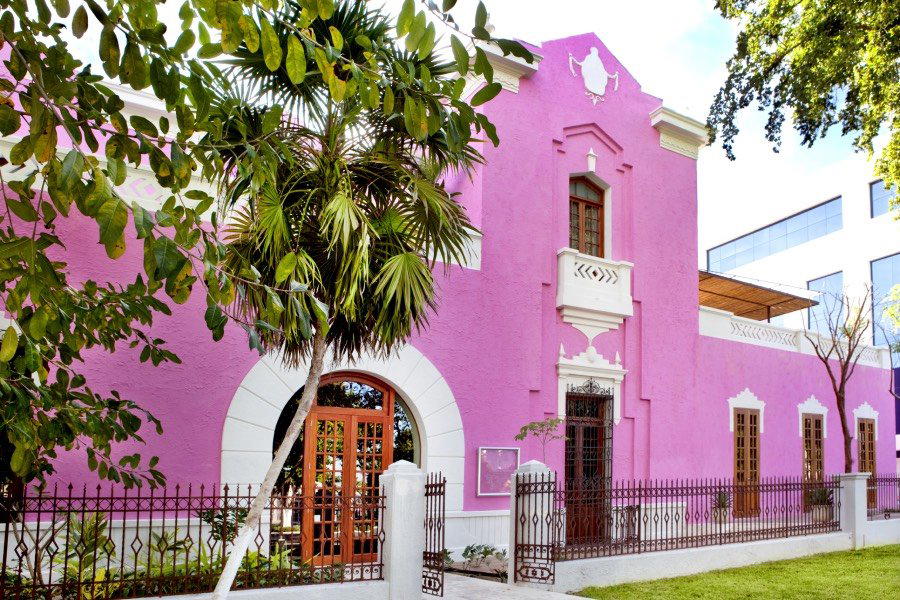
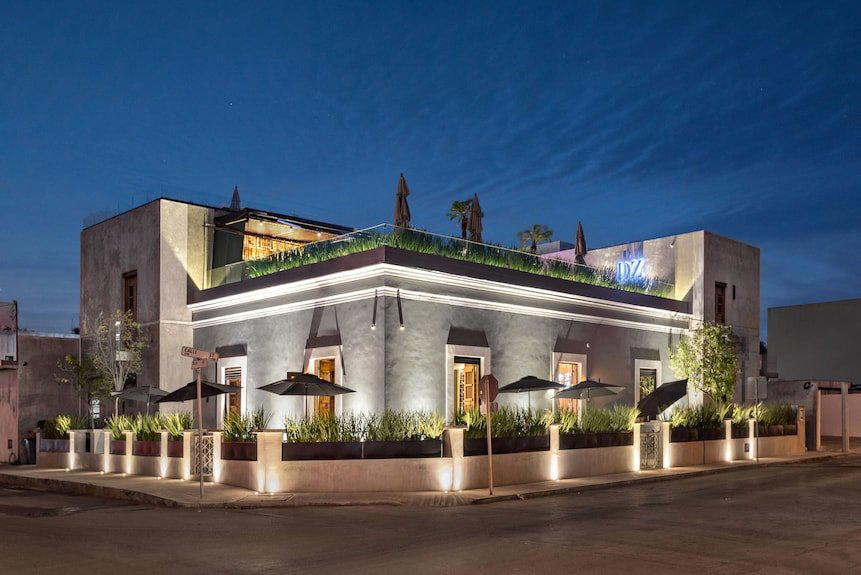
Approaching Ramiro Cocina in Mérida, the first cue is not spectacle but scale: a restaurant whose appeal is best read through the city around it rather than through a single dramatic headline. That contrast matters. Mérida’s restaurant culture is often described through heritage, hospitality, and polished visitor experiences, but the more interesting movement is happening in dining rooms that treat local context as the main argument rather than as a decorative theme.
The city’s food culture gives that argument weight. Local routines, long-standing hospitality, and a strong sense of place form a grammar that does not need heavy reinvention to feel current. The question for a contemporary Mérida restaurant is how much to edit: leave familiar structures intact, translate them into a cleaner restaurant format, or push them toward a more composed dining experience. Ramiro Cocina sits in the middle of that debate, closer to city dining rooted in place than to the ceremonial end of fine dining.
Yucatán's pantry, read through a smaller Mérida room
Mérida rewards restaurants that understand supply and setting as culture. The city’s dining scene is shaped by local habits, visitor expectations, and practical access, but also by the expectations of a place now watched closely by travelers. In that setting, sourcing language is not just a branding line. It determines whether a meal feels grounded in its surroundings or merely styled with regional references.
That distinction separates much of the city’s current dining field. Huniik has helped frame one side of Mérida’s contemporary restaurant conversation, while other local dining rooms point toward different balances of tradition, polish, and modern presentation. Against that range, Ramiro Cocina reads as a smaller, more direct expression of the same broader shift: local identity treated as an active restaurant language rather than a museum label.
The useful comparison is not between luxury and informality, but between levels of intervention. Some Mérida rooms pursue a composed, course-by-course narrative; others lean on atmosphere and architectural setting. Ramiro Cocina’s appeal sits in the category where proportion, clarity, and a sense of place carry the experience. For travelers eating across the city, that category can be more revealing than a longer format because it shows how a Mérida restaurant can hold attention without the pressure of ceremony.
Mérida gives the meal its urban context
Mérida is not a neutral backdrop. The city concentrates visitor-facing hospitality, restored spaces, independent restaurants, and local routines in a way that makes every meal part of a larger urban read. Eating here often means moving between architecture, tourism, and everyday city life in the same evening. A smaller restaurant has to compete with larger rooms that sell setting as much as food.
That is why restraint can be a strength. Mérida already has terraces, courtyards, and destination dining rooms for travelers who want an architectural night out. The more useful meal may be the one that lowers the volume and lets the city’s own restaurant culture do the work. In that sense, Ramiro Cocina belongs to the same city map as other Mérida dining spaces, but it serves a different reader decision: less about lodging-adjacent polish, more about whether the restaurant can hold attention without a large hospitality frame around it.
For a wider read on the city, the surrounding circuit matters. Other Mérida dining rooms show how varied the city’s contemporary restaurant language has become, while Our full Mérida restaurants guide places these rooms in a broader itinerary. Travelers building a full stay should also cross-reference Our full Mérida hotels guide, Our full Mérida bars guide, Our full Mérida wineries guide, and Our full Mérida experiences guide; Mérida works better when meals, drinking, lodging, and daytime cultural planning are treated as one schedule rather than separate lists.
Where it fits in a Mexico dining itinerary
Mexico’s premium dining map can pull travelers toward coastal rooms, resort kitchens, and capital-city formats, but Mérida asks for a different pace. The value is not only in ambitious restaurants; it is in seeing how a city dining culture with deep domestic roots adapts to a growing international audience. That is the lens through which Ramiro Cocina makes sense: not only as a booking to collect, but as a city-specific meal that helps explain why Mérida has become such an important food stop.
Readers mapping a broader Mexico trip will find useful contrasts outside Mérida. Resort, capital, and coastal expectations can all shift a meal’s priorities, and comparing those formats with Mérida helps clarify what makes this city distinctive. Context changes how food reads, and Mérida’s context is unusually specific: its dining rooms often carry both local memory and the pressure of new attention.
The editorial case for Ramiro Cocina is therefore practical and cultural at once. It suits travelers who want a Mérida meal anchored in local context, not a generic luxury template. Its MICHELIN Plate recognition gives it a documented place in the city’s dining conversation, while the more meaningful reason to go is the way it participates in Mérida’s broader restaurant momentum.
Frequently asked questions
Is Ramiro Cocina suitable for children?
Ramiro Cocina is in Mérida, so it works as a city meal rather than a destination defined by a remote setting. For children, the key factor is the room itself and the timing of the visit, since no house policy is listed in the public record. Check the venue's official channels for the latest details.
What's the overall feel of Ramiro Cocina?
Ramiro Cocina reads as a Mérida restaurant with a polished city feel rather than a purely casual stop. The best way to frame it is as part of the city’s contemporary dining conversation, with the exact mood best confirmed through the venue’s own current channels.
Does Ramiro Cocina have a Michelin star or similar recognition?
Ramiro Cocina is recognized by the MICHELIN Guide with a MICHELIN Plate.
Where is Ramiro Cocina in Mérida?
Mérida.
Do I need a reservation for Ramiro Cocina?
No reservation policy is listed in the public record, so the safest approach is to treat it as a restaurant worth planning for, especially when dining in Mérida. Check the venue's official channels for the latest details.
What has Ramiro Cocina built its reputation on?
The public record confirms its Mérida location and MICHELIN Plate recognition. Beyond that, no chef name, cuisine type, founding year, price point, or ranking is provided here, so its positioning should rest on place, setting, and documented guide recognition rather than unsupported specifics. Check the venue's official channels for the latest details.
Is Ramiro Cocina allergy-friendly?
No allergy policy or kitchen protocol is listed in the public record, so a cautious guest should confirm directly before dining. The concrete anchors here are the Mérida location, the restaurant name itself, and its MICHELIN Plate recognition. Check the venue's official channels for the latest details.
Comparable Spots, Quickly
Comparable venues by cuisine and price in the same metro.
| Venue | Cuisine | Price | Awards | Notes |
|---|---|---|---|---|
| Ramiro CocinaThis venue (the venue you are viewing) | Modern, masa-driven Mexican with vegetable-forward plates | $10–20 | Michelin Plate | Not listed |
| Rosas & Xocolate Restaurant | Contemporary Mexican Fusion | Not listed | Not listed | Not listed |
| Huniik | Modern Yucatán Cuisine | $150–200 | 1 Michelin Star · World's 50 Best #32 | Mexican Yucatecan |
Recognition history
Dated appearances from independent guides and award organizations, with the underlying list record or original source where available.
Michelin Plate
Michelin
Continue exploring
More in Mérida
Restaurants in Mérida
All restaurants in Mérida →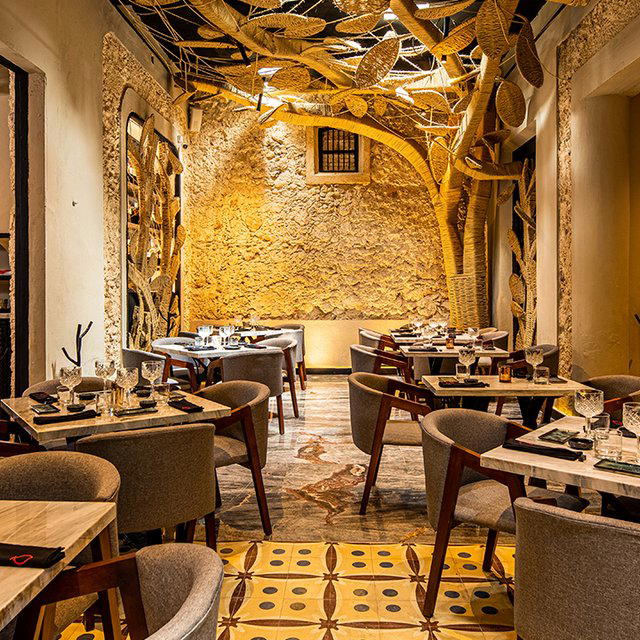
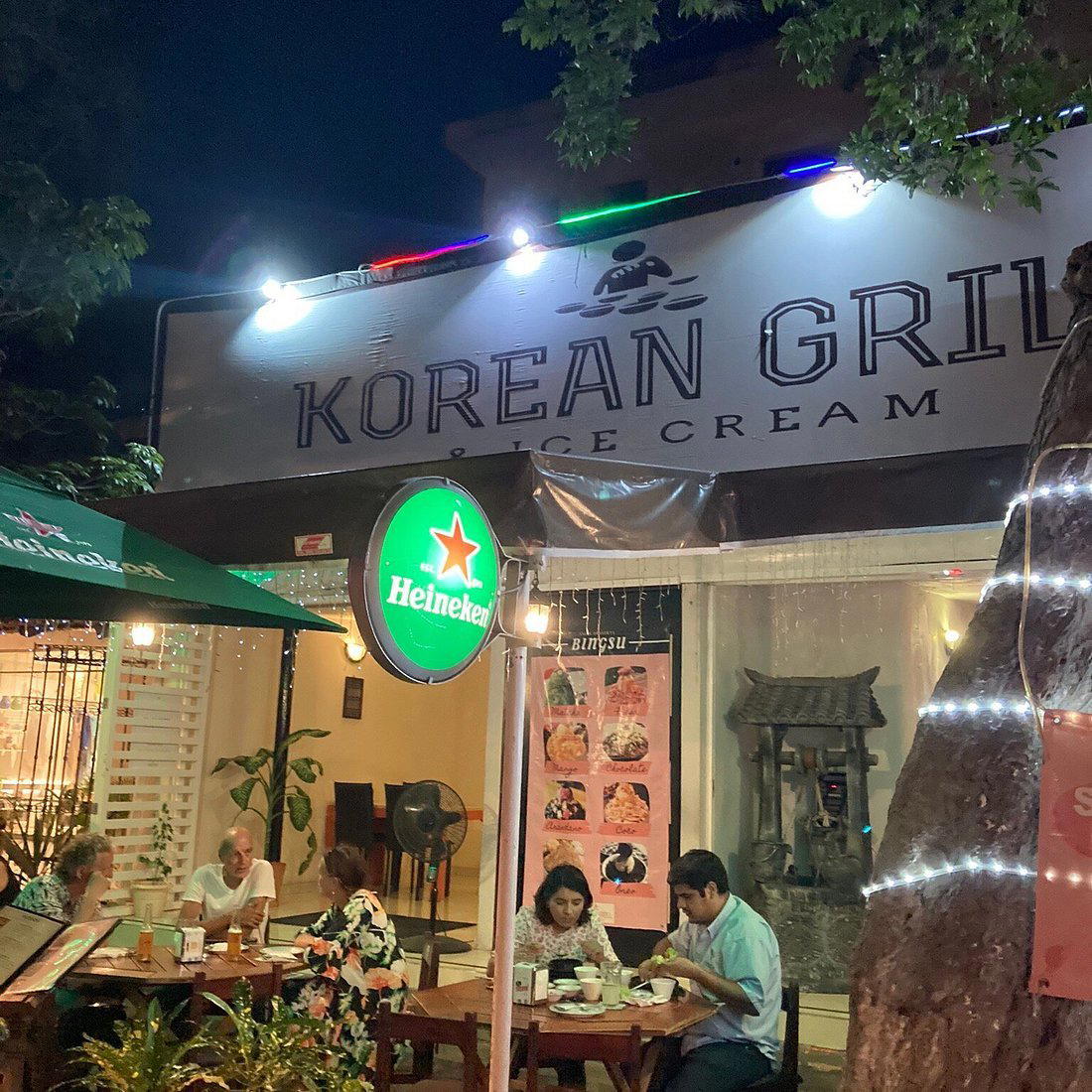
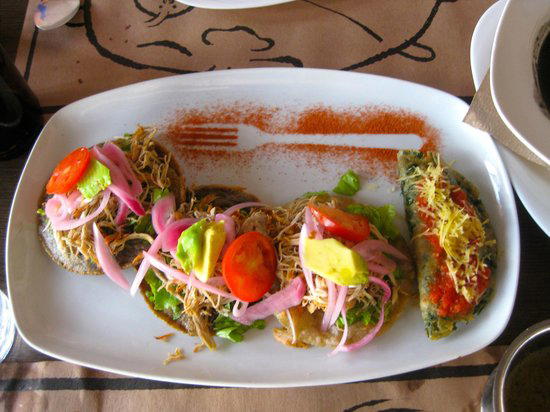
Bars in Mérida
All bars in Mérida →
Details
- Cozy
- Casual
- Lively
- Date Night
- Casual Hangout
- Special Occasion
- Group Dining
- Solo
- Standalone
- Design Destination
- Craft Cocktails
- Local Sourcing
- A La Carte
- Tasting Menu
- Small Plates
- Mezcal Cocktails
- Seasonal Aguas Frescas
- Mexican Wine
- Vegetarian Friendly
- Vegan Options
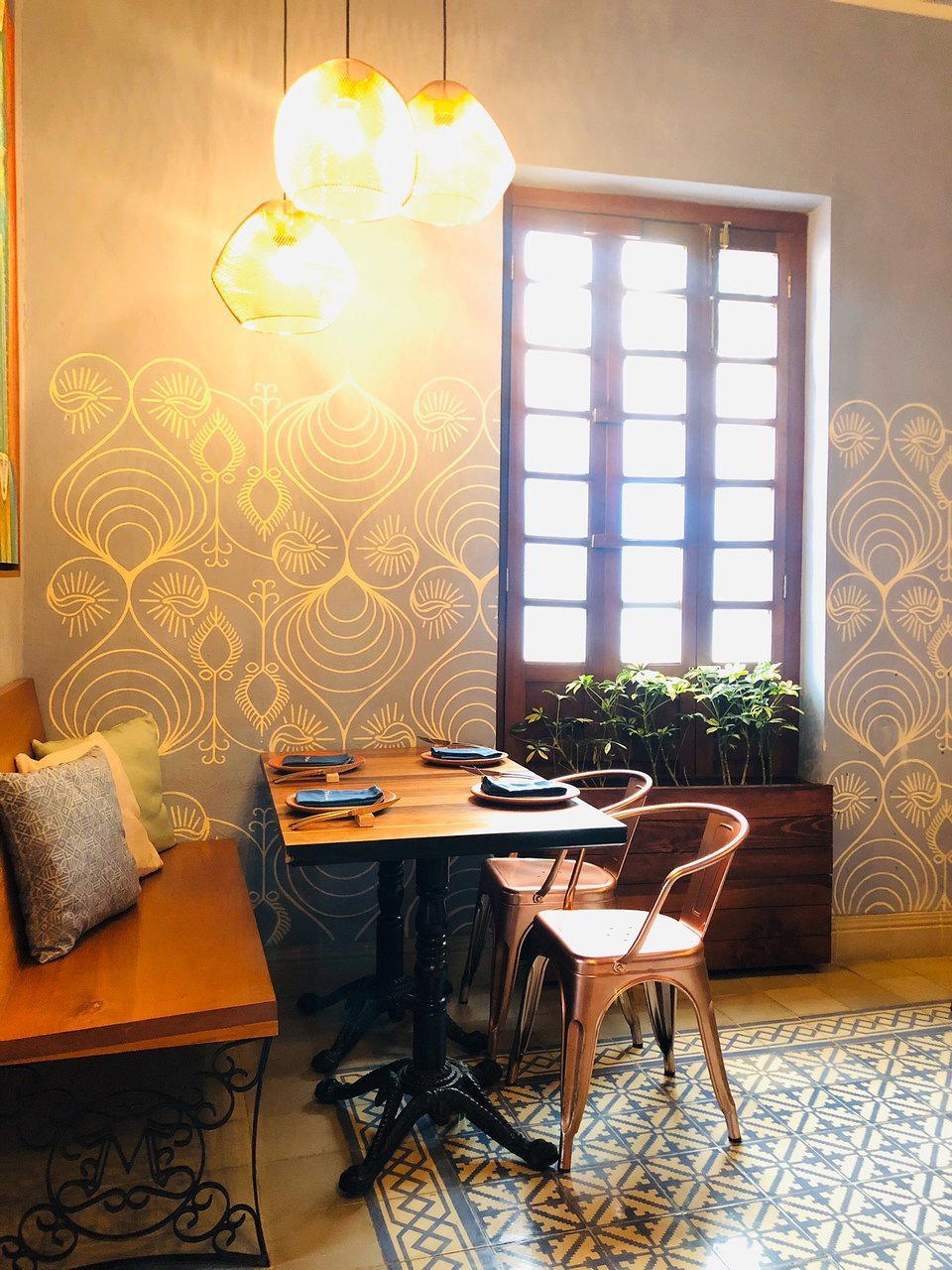
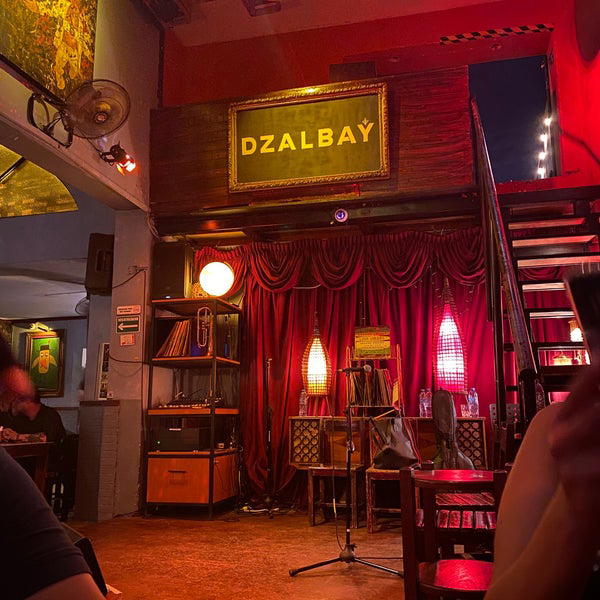
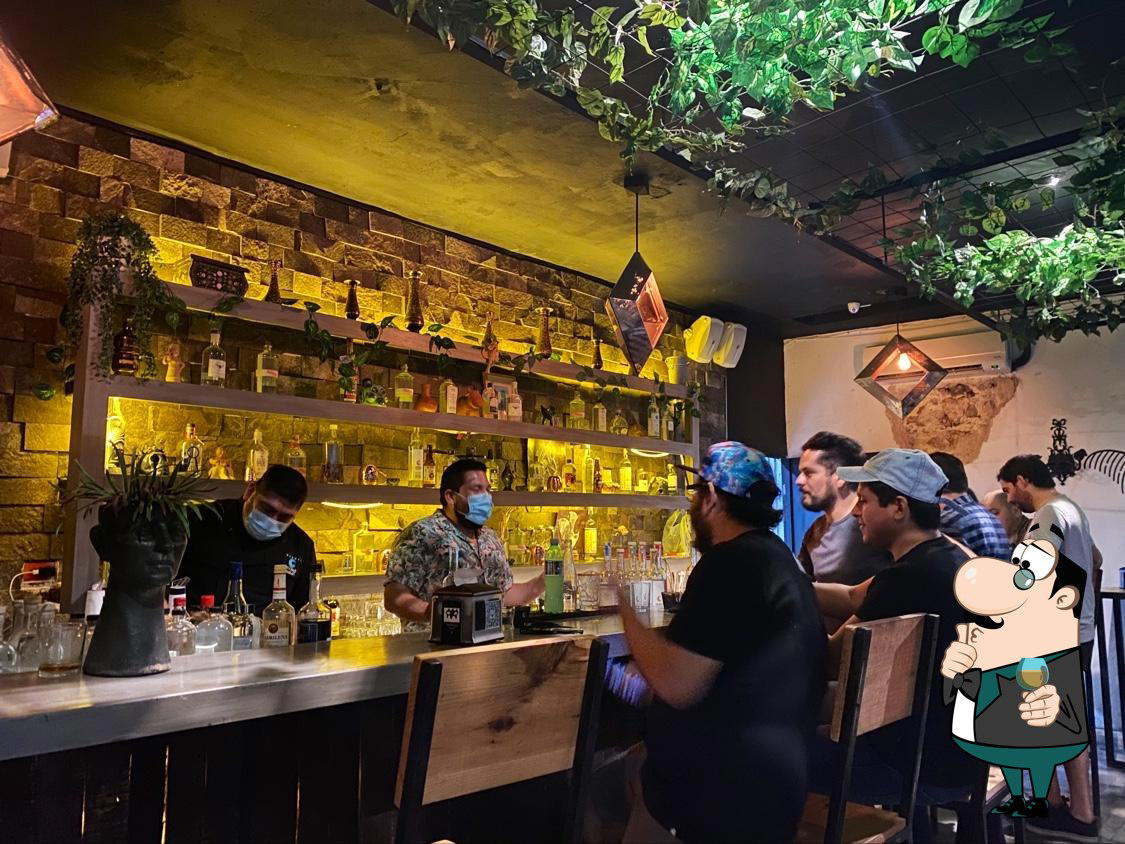
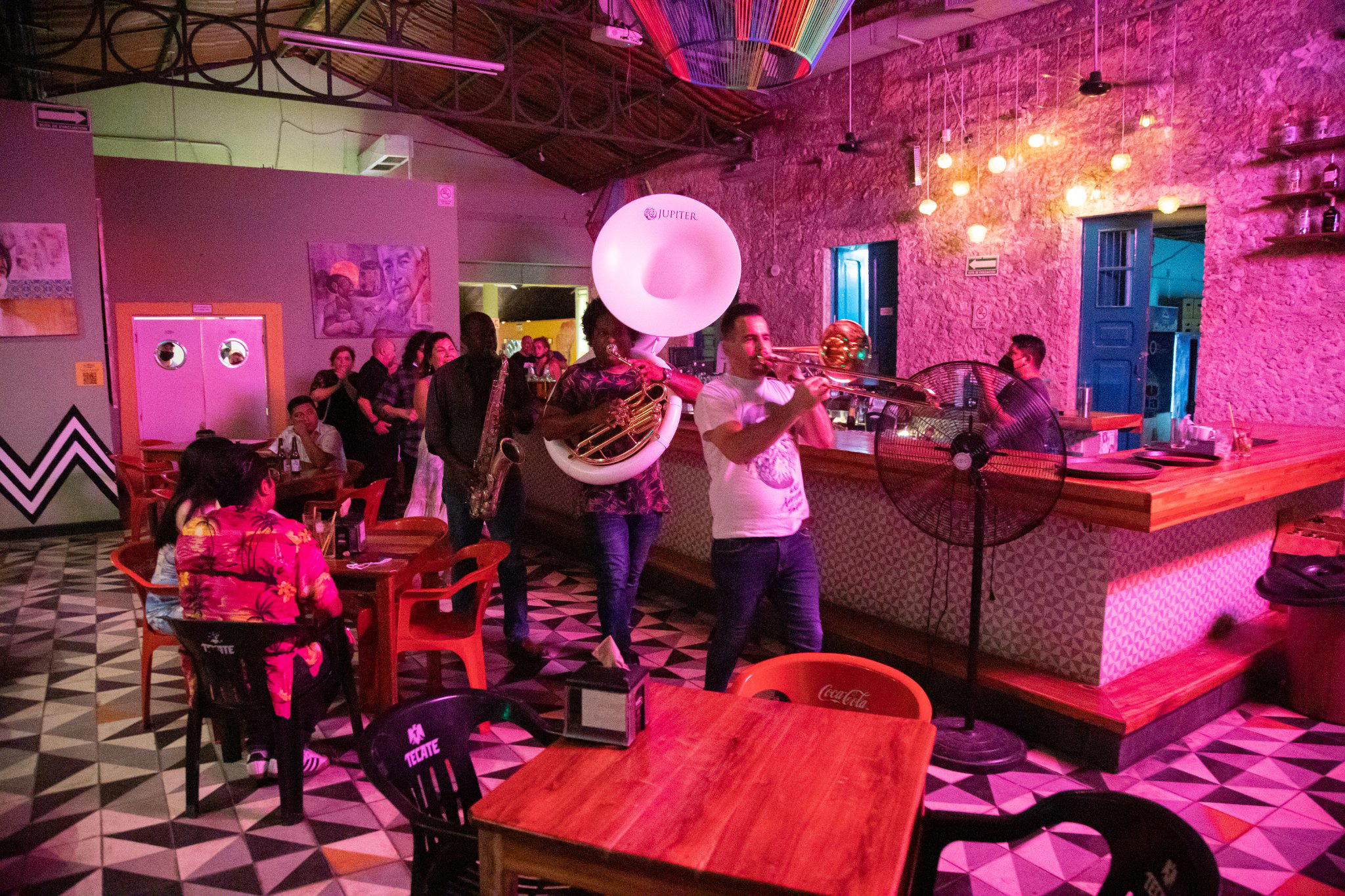
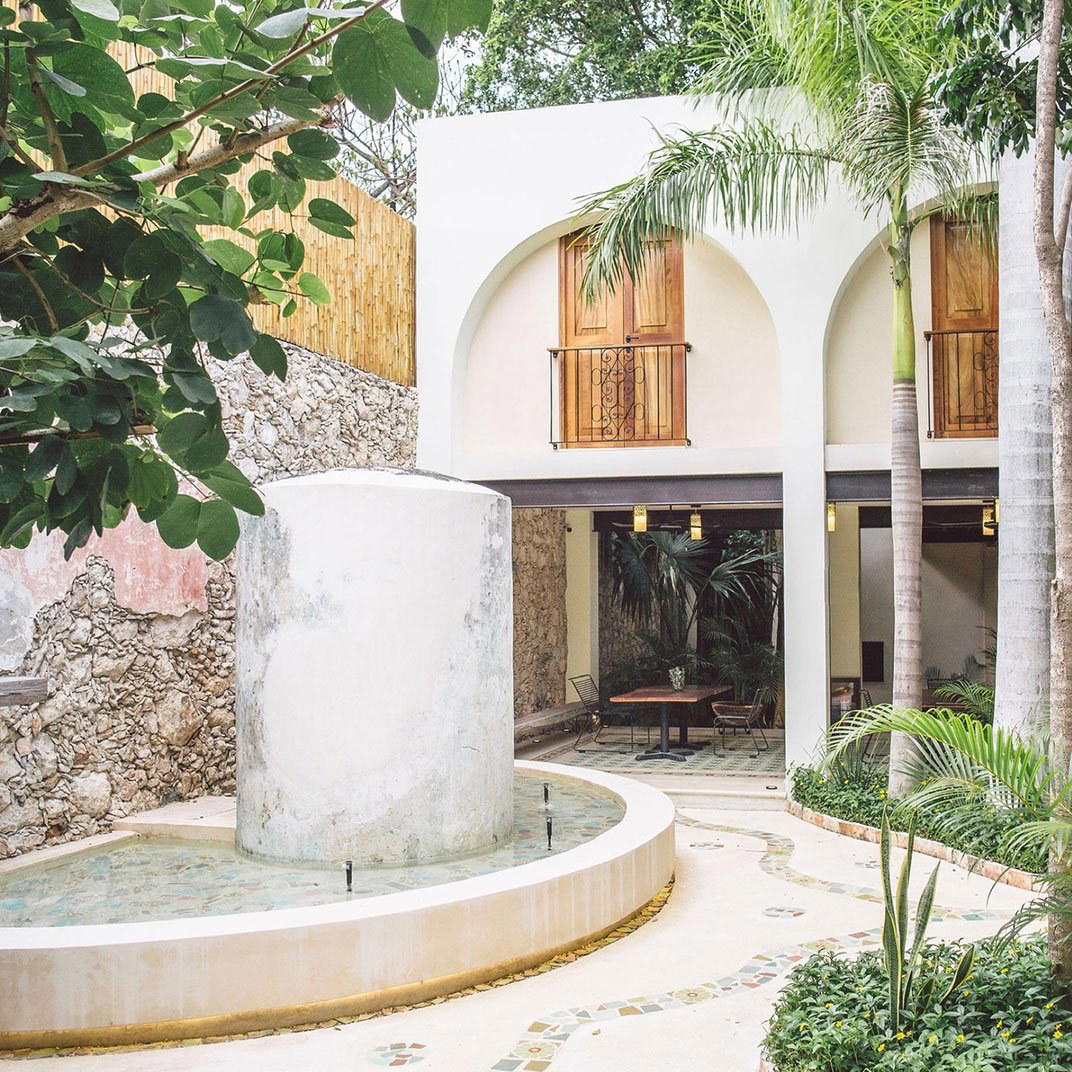
Casual and friendly yet detail-oriented, with a cozy, small-space feel in a Centro building on Paseo de Montejo; reviews describe it as a hidden-gem spot where fine-dining-level cooking is served in a relaxed, intimate atmosphere rather than a formal setting.