
Michelin Plate
Our verdict
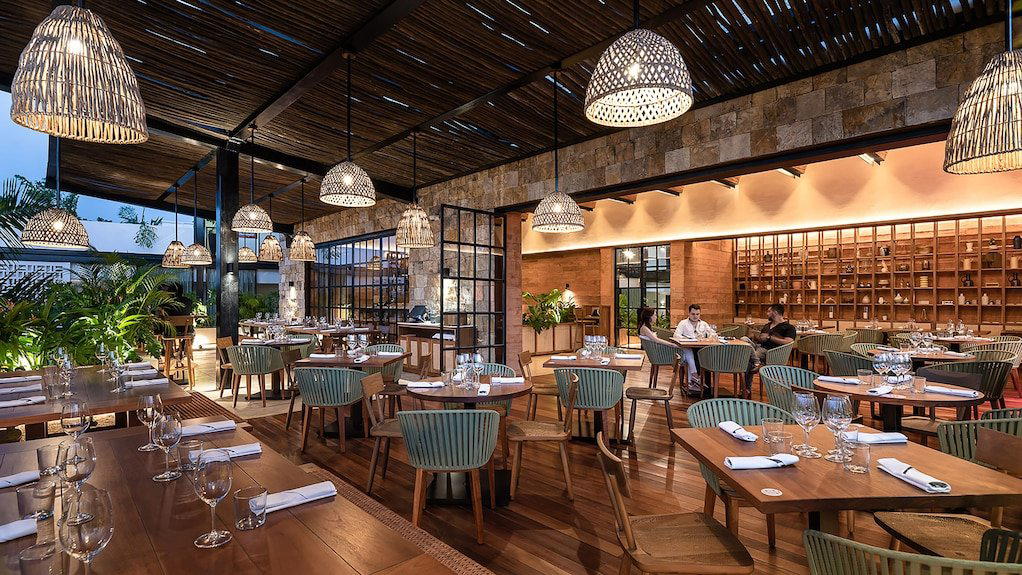
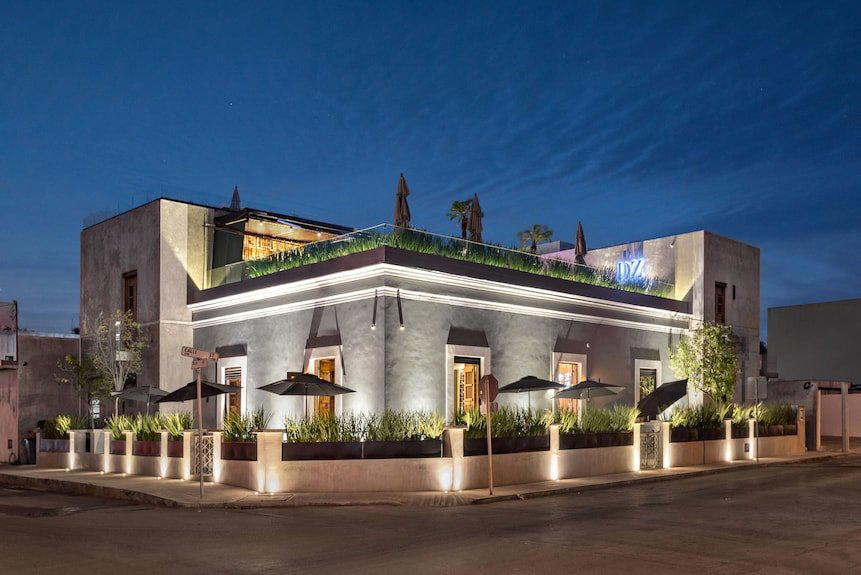
Mimado belongs to Mérida’s north-side dining circuit, where contemporary rooms and ingredient-led cooking speak to a city expanding beyond the Centro corridor. The appeal is less about spectacle than about how a polished, cool-toned space can frame regional produce, coastal proximity, and the newer habits of Temozón Norte dining.

Pearl is the En Primeur Club membership app, where members save venues, book tables and use the concierge.
The menu
What to order
- Chilaquiles
- Pancakes
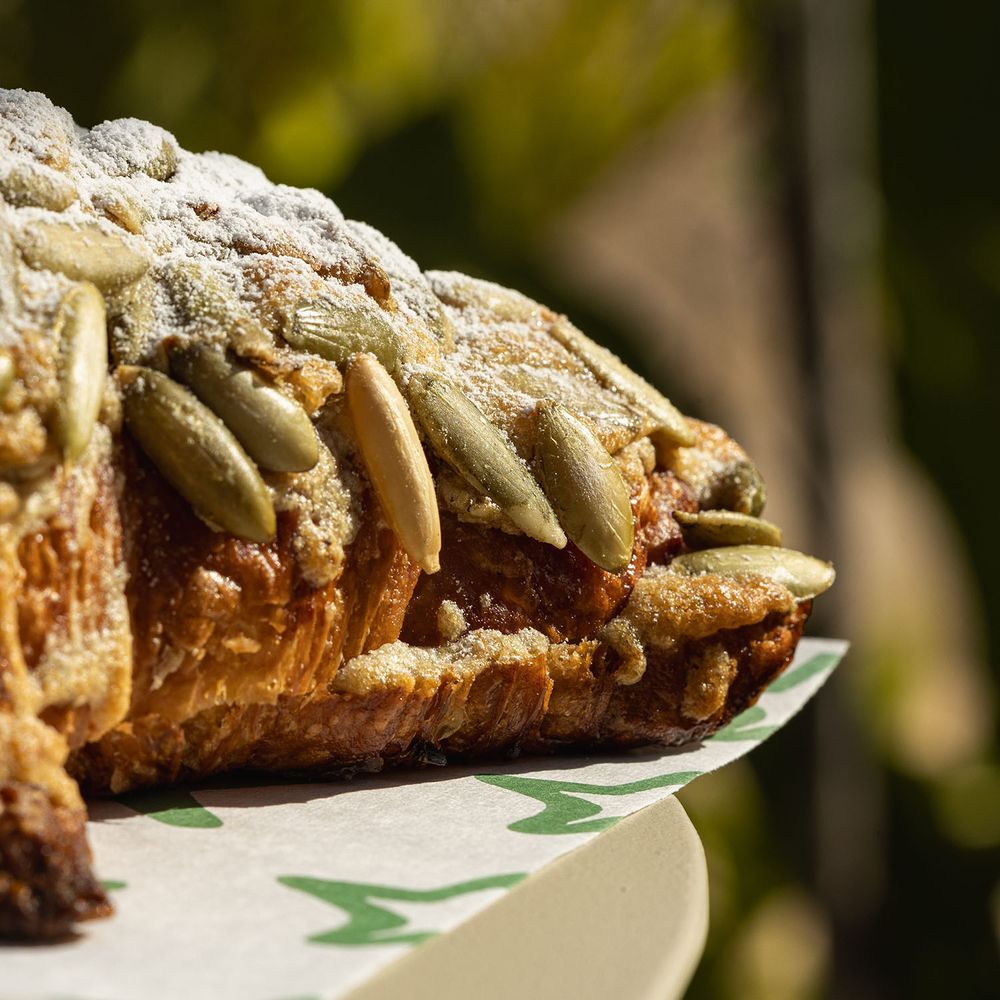
- Pumpkin-seed croissant
- House-baked pastries
Mérida feels different depending on how a traveler moves through it. The city can be read through older rooms, newer dining rooms, neighborhood habits, and evening plans that are not limited to a quick stop between plazas. Mimado fits into that Mérida conversation as a restaurant to consider when the itinerary is meant to show more than one version of the city’s dining life.
The ingredient question matters in Yucatán because the region is not a neutral pantry. Sour orange, habanero, recados, local pork traditions, Gulf seafood, corn, squash, and tropical fruit give the peninsula a vocabulary that can be either repeated faithfully or interpreted in newer restaurant formats.
North Mérida's contemporary dining shift
For years, serious eating in Mérida was often framed through older quarters: tiled floors, old houses, long lunches, and traditional dishes with deep regional roots. The city has changed. Mérida now carries several kinds of restaurant energy at once, with established regional cooking sitting alongside newer rooms and different evening formats. Mimado belongs to Mérida’s restaurant map rather than to a single postcard version of the city.
That context affects how to approach the meal. Historic restaurants often trade on architecture and inherited atmosphere; newer dining rooms have to make their case through the experience as a whole. In that competitive set, Mimado is best treated as part of Mérida’s current dining spread, not as a substitute for every traditional Yucatecan meal. The distinction is useful for travelers who have already planned regional cooking elsewhere and want to see another side of the city.
The comparison also clarifies what not to expect. Mérida’s restaurant range now runs from regional specialists to ambitious dining rooms and casual local institutions. Other dining rooms in the city may point closer to a tradition-led understanding of the peninsula, while additional contemporary addresses occupy their own lanes in the city’s current dining spread. Mimado’s lane should be read within Mérida itself, where different restaurant identities can sit side by side.
Ingredient sourcing as the real signal
Yucatán rewards restaurants that understand proximity. The coast is close enough to shape seafood expectations; inland markets and small producers keep regional vegetables, herbs, citrus, and chiles in daily circulation; and the peninsula’s cooking is built around preparations that often depend on seasoning pastes and acidity rather than imported luxury cues. For a Mérida restaurant, the broader signal is not simply luxury or formality, but whether the meal feels connected to the city around it.
For Mimado, the useful editorial frame is that tension between a Mérida address and the expectations of a present-day dining room. The city has plenty of places where the point is abundance, smoke, masa, and family-style familiarity. Other rooms work in a more current register. Without inventing menu details, Mimado can be understood through that broader question: how a restaurant in Mérida positions itself within a city whose dining culture is expanding in several directions at once.
Within Mérida, ingredient-led cooking also carries a climate logic. Heavy sauces and long menus can feel misplaced in the heat; acidity, spice, herbs, and seafood often make more sense across the region. The newer wave of dining is not inventing freshness, it is repackaging an old Yucatecan instinct for different kinds of evenings. Mimado belongs in that itinerary conversation for diners who want their restaurant choices to reflect more than one side of Mérida.
Comparison venues sharpen the point. Merci - Homemade food, Taquerías Kisín, Nectar, LU|ME, and Kuuk all illustrate how broad Mérida’s dining field has become, from casual local formats to more ambitious contemporary cooking. Mimado should be read inside that citywide spread rather than against resort restaurants or Mexico City fine dining. Its value is contextual: it helps explain how Mérida is building several restaurant identities at once.
How to place Mimado in a Mérida itinerary
The sensible strategy is to use Mimado as a contrast meal. Pair it with a more traditional Yucatecan address elsewhere in Mérida, then the difference becomes instructive rather than repetitive. Travelers planning a wider food route can use Our full Mérida restaurants guide for the restaurant map, then layer in Our full Mérida hotels guide, Our full Mérida bars guide, Our full Mérida wineries guide, and Our full Mérida experiences guide to understand how the city works after dark, beyond dinner alone.
For readers building a broader Mexico itinerary, the contrast extends outside Yucatán. Coastal, resort, Baja, and central Mexico dining all appear in different registers, with ingredient identity shifting as each place changes its cultural reference point. That wider context is useful, but Mimado is best understood first through Mérida itself: as one restaurant within a city where regional memory and newer dining formats increasingly overlap.
The editorial call is clear: Mimado is useful for travelers who want to read present-day Mérida, not only historic Mérida. Go for the Mérida dining context and for the way the restaurant fits into a city whose food scene is broader than any single category. If the trip has room for only one traditional Yucatecan meal, choose tradition first. If the itinerary already covers that base, Mimado gives the city’s newer appetite a sharper outline.
Frequently asked questions
Is Mimado a family-friendly restaurant?
The provided venue details do not specify family services or dedicated child-friendly features. Check directly with the restaurant for the latest practical details.
What should I expect atmosphere-wise at Mimado?
The provided record places Mimado in Mérida. For current details on the room, service style, and dress expectations, check the venue's official channels before booking.
Is Mimado award-winning?
Mimado is recognized by the MICHELIN Guide with a MICHELIN Plate distinction.
How do I find Mimado?
Mimado is located in Mérida.
How far ahead should I plan for Mimado?
No booking window is listed, so a sensible plan is to arrange ahead of time and confirm directly with the restaurant.
What's the signature at Mimado?
No named signature dish is specified in the provided record. The clearest identifier is the restaurant itself: Mimado in Mérida. Check the venue's official channels for the latest details.
A Quick Peer Check
Nearby venues at a similar price tier for orientation.
| Venue | Cuisine | Price | Awards |
|---|---|---|---|
| MimadoThis venue (the venue you are viewing) | Modern Mexican Brunch & All-Day Breakfast | $20–30 | Michelin Plate |
| Merci - Homemade food | French-Mexican Fusion Bistro | $10–20 | Not listed |
| Taquerías Kisín | Modern Mexican Taquería | $10–20 | Michelin Bib Gourmand |
| Nectar | Modern Yucatecan Fine Dining | Not listed | Michelin Plate |
| LU|ME | Yucatecan Mexican | Not listed | Michelin Plate |
| Kuuk | Modern Yucatecan Fine Dining | $50–100 | Star Wine List · Wine Spectator Best of Award of Excellence |
Recognition history
Dated appearances from independent guides and award organizations, with the underlying list record or original source where available.
Michelin Plate
Michelin
Continue exploring
More in Mérida
Restaurants in Mérida
All restaurants in Mérida →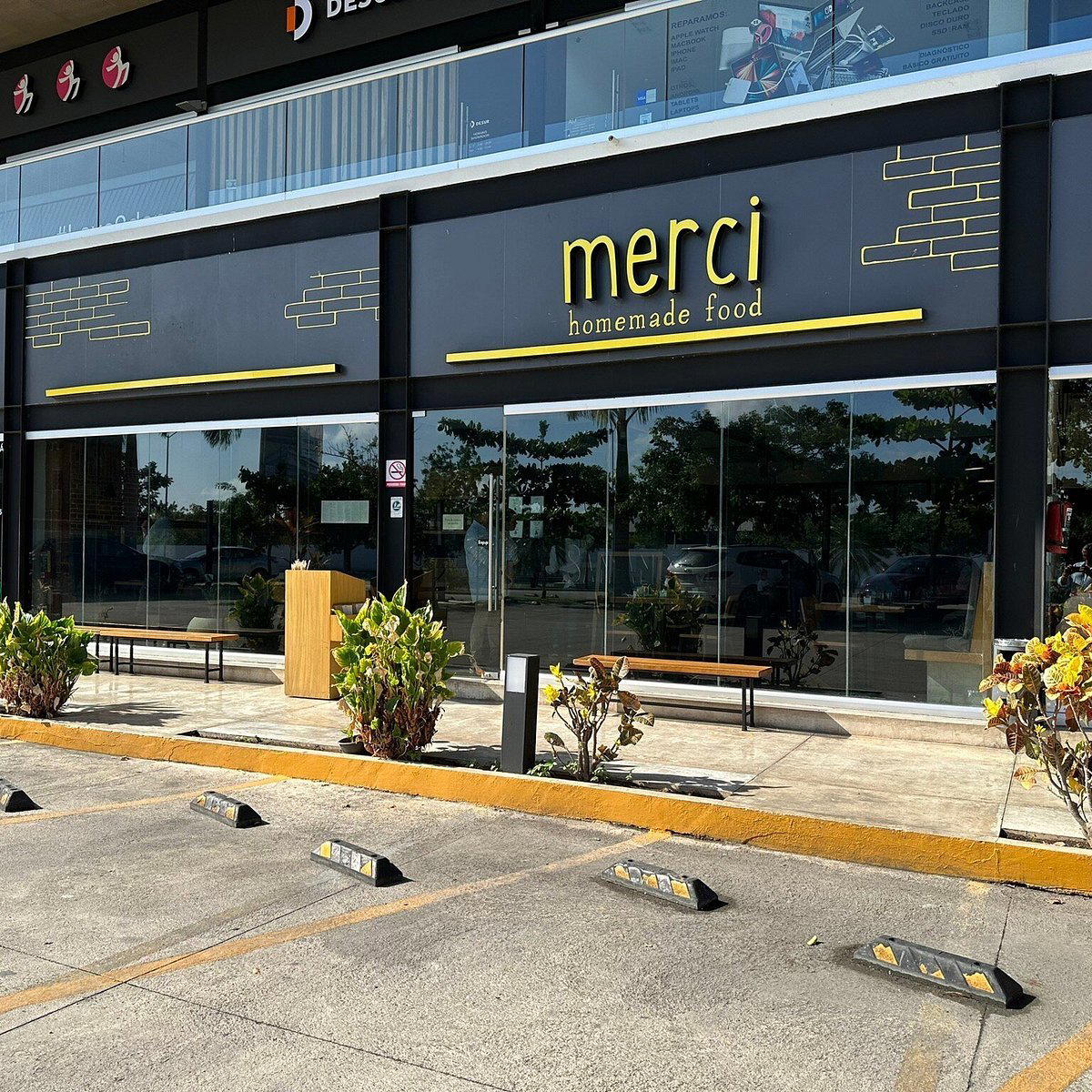
Bars in Mérida
All bars in Mérida →

Details
- Modern
- Cozy
- Trendy
- Brunch
- Date Night
- Casual Hangout
- Family
- Celebration
- Standalone
- Design Destination
- A La Carte
- Coffee
- Juice
- Soft Drinks
- Vegetarian Friendly
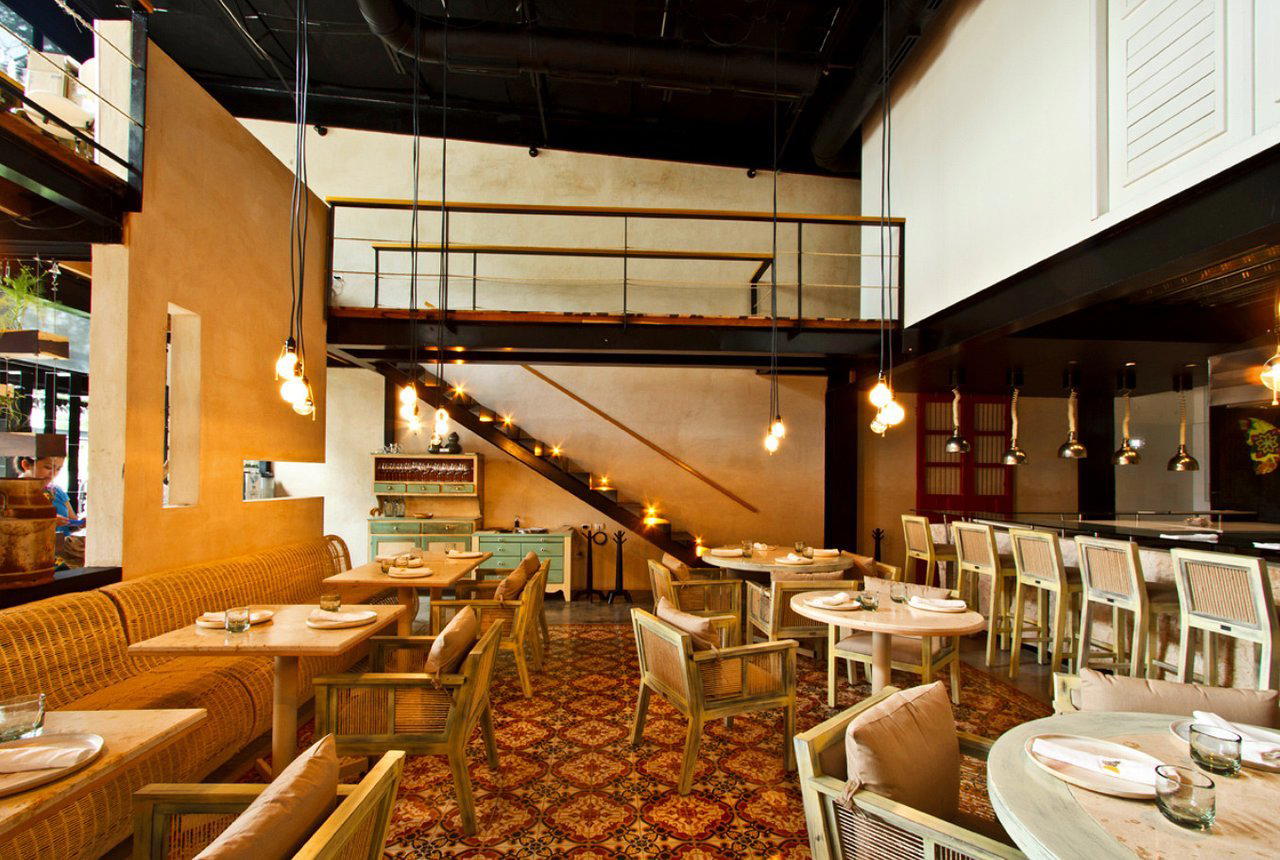
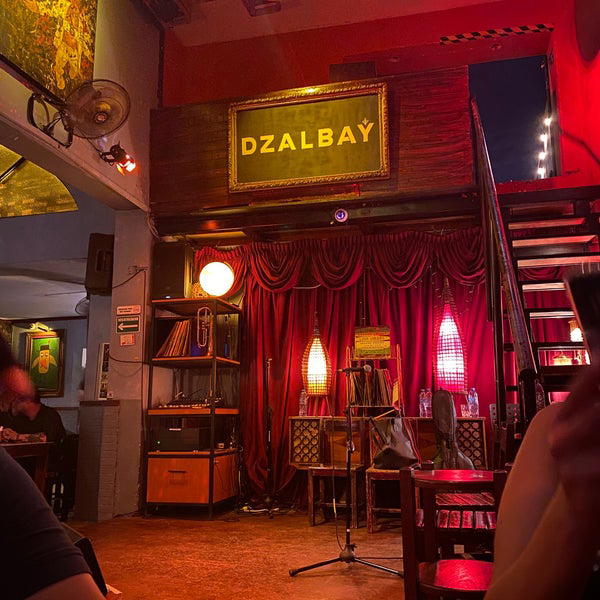
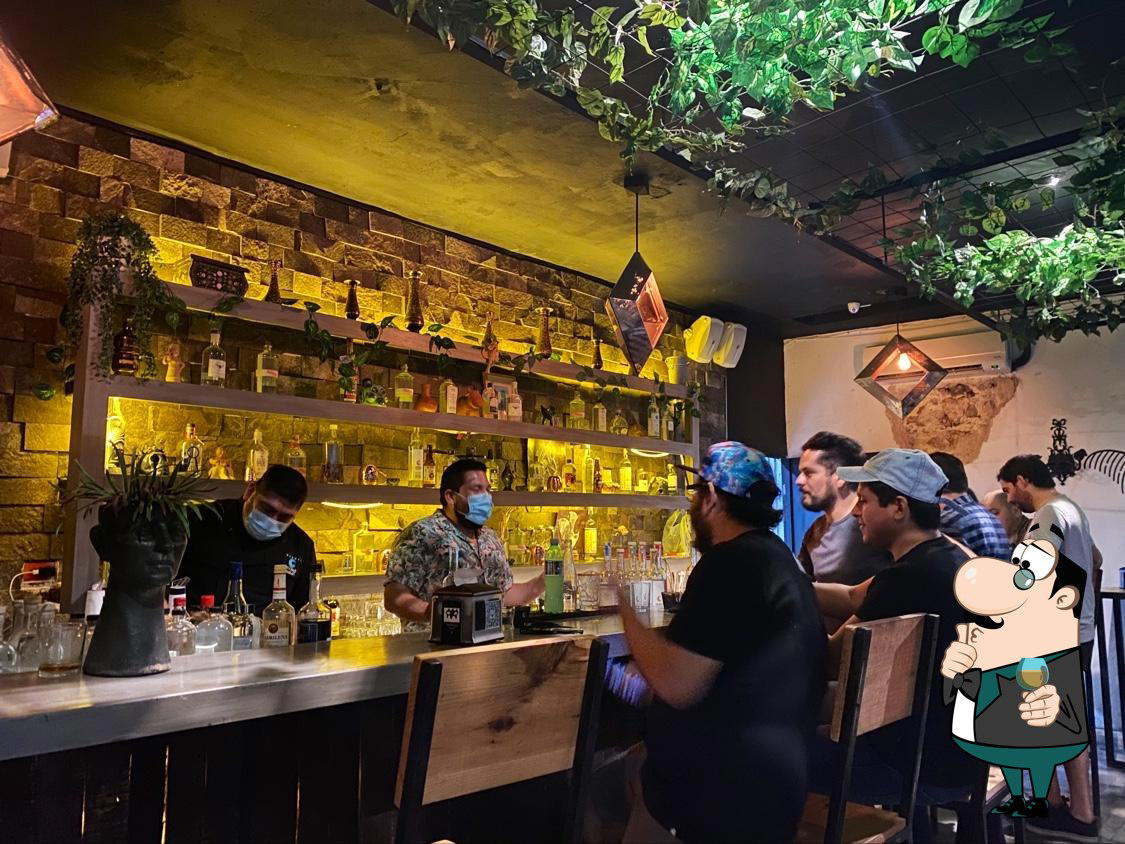
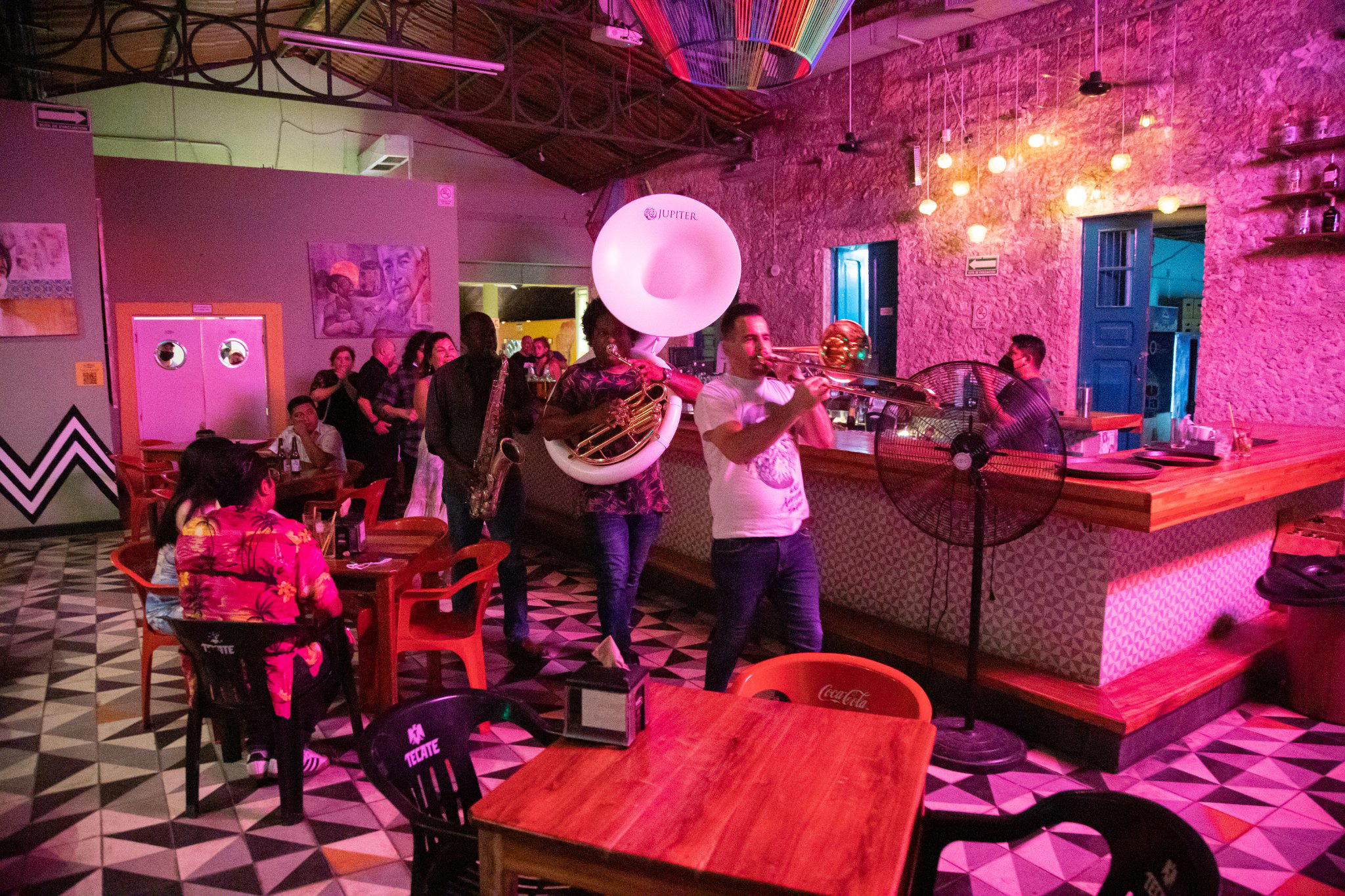
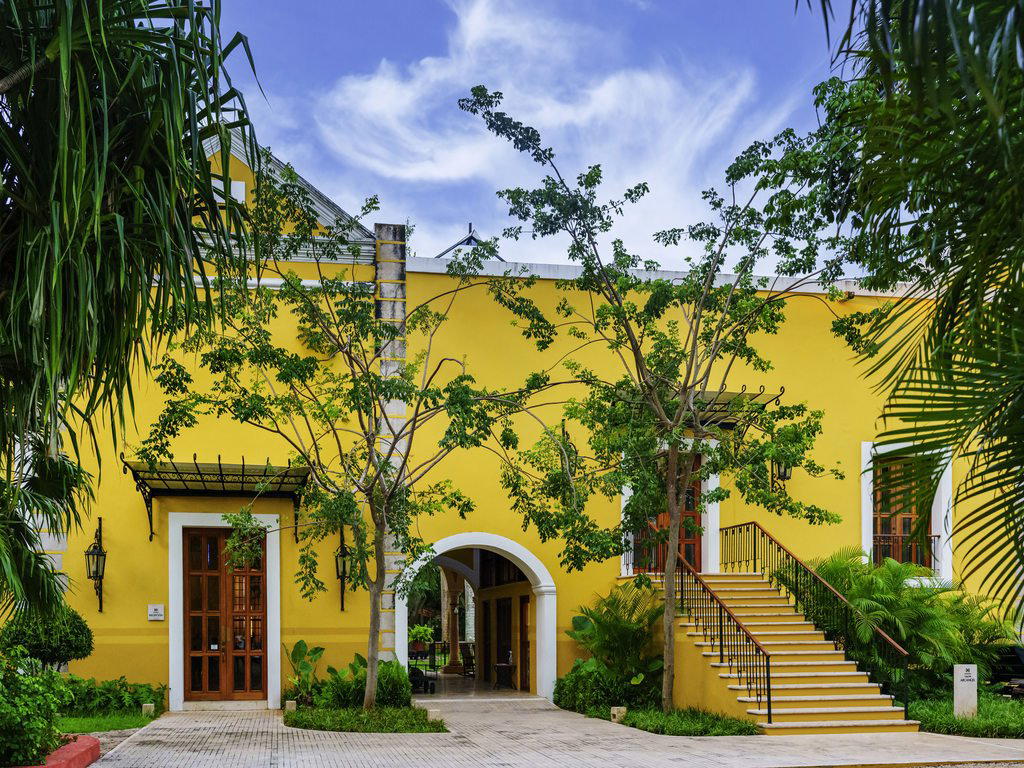
The atmosphere is modern and relaxed with a bright, daytime feel; guests describe a cozy yet stylish room that suits lingering brunches, with friendly service and a casual, neighborhood energy rather than formal dining.