Ramen Alley
Our verdict
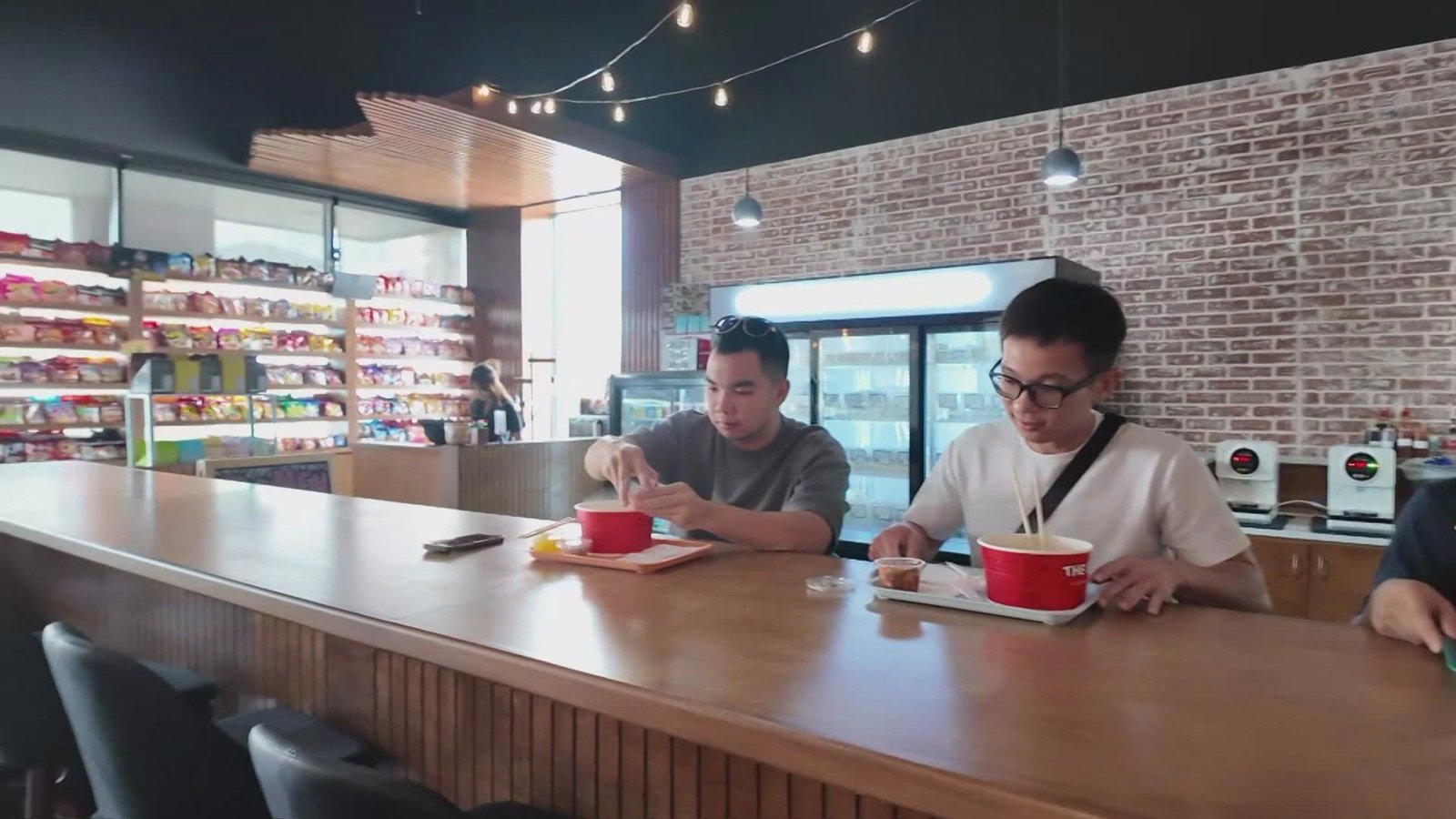
Among Houston's growing pool of ramen-focused shops, Ramen Alley brings a Korean-inflected sensibility to a bowl format the city has embraced with genuine enthusiasm. The kitchen draws on the Korean tradition of accompaniment — small, considered sides that reframe the ramen as part of a wider table rather than a single-dish affair. For a city as culinarily restless as Houston, that framing matters.

Pearl is the En Primeur Club membership app — saves, bookings, and concierge access live there. Same editors, same standards.
The menu
What to order
- Shin Ramen Fiery Beef
- DIY Ramen Bowl
Where the Bowl Is Only the Beginning
Houston's ramen scene has matured past the point where a single bowl of well-made noodle soup is enough to distinguish a shop. The city's dining culture — shaped by one of the most diverse urban populations in the United States — has raised expectations across every price tier, and the ramen category is no exception. In that context, Ramen Alley positions itself not as a ramen shop that happens to serve sides, but as a place where the logic of accompaniment, drawn from Korean dining tradition, structures the entire experience.
That distinction is more meaningful than it first sounds. In Korean table culture, banchan, the rotating array of small dishes served alongside a main, carries philosophical weight. The sides are not afterthoughts. They provide contrast, punctuation, and balance. Bringing that framework to ramen shifts how a diner reads the table: the bowl becomes one voice in a conversation rather than the only thing worth attending to. Among Houston's ramen offerings, that approach places Ramen Alley in a different register from the tonkotsu-focused shops that have defined the American ramen boom over the past decade.
The Korean Ramen Tradition in American Cities
Korean-style ramen has a distinct lineage from its Japanese counterpart. Ramyeon, the Korean iteration, developed partly through the country's post-war instant noodle culture and has since branched into a range of refined, restaurant-quality formats. The broths tend to run spicier and more aggressively seasoned than Japanese versions; the accompaniments are structured and generous rather than incidental. In cities with established Korean-American communities, this tradition has found a confident restaurant expression. In Houston, where Korean dining has historically clustered in specific corridors before spreading citywide, the Korean-style ramen shop represents a relatively recent development in a dining ecosystem that moves fast.
Houston's broader Asian dining culture is well-documented in food media. The city's Bellaire corridor and surrounding areas have produced some of the most serious Chinese, Vietnamese, and Korean cooking in the American South, and the cross-pollination between those communities has created a dining public that reads nuance. A Korean-inflected ramen shop here is not operating in a vacuum, it sits inside a food culture that can tell the difference between surface-level fusion and a kitchen working from genuine culinary logic.
Reading the Accompaniment Table
The banchan framework is worth examining as an editorial principle before applying it to Ramen Alley specifically. A well-constructed banchan spread does several things simultaneously: it provides textural contrast to whatever main it accompanies, it introduces fermented or pickled elements that aid digestion and palate reset, and it signals the kitchen's range without requiring elaborate plating. At a ramen shop, that range matters particularly because the bowl itself, however carefully made, is a single flavor profile sustained over a meal. Sides that introduce acid, crunch, and heat in rotating measure change the rhythm of eating in ways that matter to the experience.
Korean ramen shops that take this tradition seriously will typically offer kimchi in at least one form, some version of seasoned vegetables, and often a fried or braised element. The quality of those sides is a reliable indicator of how seriously a kitchen is thinking about the table as a whole. Houston diners who have eaten at Korean-style ramen counters in Los Angeles or New York will arrive with a reference point; those encountering the format for the first time will find that the accompaniment spread changes the logic of how to order.
Houston's Ramen Tier and Where This Fits
The Houston ramen market currently spans a wide range of formats and price points, from fast-casual operations serving customizable bowls to sit-down shops with more considered presentations. The relevant comparisons are Korean-American ramen formats, not the Japanese tonkotsu houses that set the template for American ramen culture over the 2010s.
For context on how Houston handles other national cuisine traditions at the upper end of the market, the city's dining scene includes venues across a wide price and ambition range: Musaafer approaches Indian cuisine at a $$$$ price point with tasting-menu format, while March applies similar ambition to Venetian cooking. BCN Taste & Tradition anchors the Spanish end, and Tatemó has made masa-focused Mexican cooking a serious editorial subject in its own right. Le Jardinier Houston rounds out the fine-dining tier with French-influenced vegetable-forward cooking. Ramen Alley sits in a different price register from all of these, but the same cultural expectation applies: Houston diners know what a well-executed cuisine looks like, and they notice when a kitchen is working from principle rather than convenience.
For a wider view of how this city handles dining across formats and price points, the full Houston restaurants guide provides the necessary map. Nationally, the Korean fine-dining conversation has been most visibly shaped by venues like Atomix in New York City, whose tasting-menu format has drawn attention to Korean culinary traditions at a level of formality that filters down into how diners read Korean-influenced cooking at every tier. The ramen shop format operates at a different register, but awareness of that broader conversation matters for understanding what a Korean-inflected kitchen is working against and working with.
What the Format Asks of You as a Diner
Eating well at a Korean-style ramen shop is partly a matter of sequencing. The banchan elements are designed to be worked into the meal rather than consumed as a separate course before the bowl arrives. Experienced diners will use the kimchi to cut through a rich broth, the pickled vegetables to reset between sips, and the dry or fried elements for textural punctuation. Ordering more than you think you need is the usual move; the format is built for sharing and for return visits where you work through the full accompaniment range over multiple meals.
That logic also makes Korean ramen shops more family-friendly than many of their Japanese counterparts, where the bar-counter format and single-bowl focus can feel less accommodating to groups eating at different rhythms. The table spread invites participation from everyone seated, including children who may not want the full bowl but will find plenty to eat across the banchan options.
Know Before You Go
- Cuisine: Korean-style ramen with accompaniment-focused format
- City: Houston, Texas
- Address: Confirm current location via venue channels
Frequently asked questions
Is Ramen Alley okay with children?
The Korean ramen format works reasonably well for families. The banchan spread gives younger diners options beyond a single bowl, and the casual, counter-style atmosphere of Korean ramen shops in Houston means there is no pressure around pacing or formality. Spice levels in Korean-style broths can run hot, so it is worth checking which bowls are mild before ordering for young children.
How would you describe the vibe at Ramen Alley?
Korean ramen shops in American cities tend to operate as fast-moving neighborhood canteens rather than sit-down dining destinations, and Ramen Alley fits that general template in Houston. Expect a no-frills room where the focus is on the bowl and the accompanying banchan rather than the décor. The pace is quick and the atmosphere skews casual.
How does Korean-style ramen at Ramen Alley differ from the Japanese ramen formats common in Houston?
Korean-style ramen, rooted in the ramyeon tradition, emphasizes spiced and often fermentation-forward broths alongside a spread of banchan accompaniments that Japanese ramen formats do not typically include. Houston's ramen scene covers a wide range, from tonkotsu-focused Japanese shops to customizable fast-casual operations, but the Korean format at Ramen Alley positions the table spread as part of the meal rather than the bowl alone. That structural difference makes the eating experience at a Korean ramen shop notably distinct from a single-bowl Japanese counter.
What should I order at Ramen Alley?
At a Korean-inflected ramen shop, the ordering logic starts with the broth style, which in the ramyeon tradition often means spiced, fermented-leaning bases rather than the cleaner Japanese tonkotsu or shoyu profiles found elsewhere in Houston. Work through the banchan table alongside the bowl rather than treating the sides as an afterthought. If the menu lists a kimchi-based broth option, that is the format-defining choice.
Do they take walk-ins at Ramen Alley?
Casual ramen shops in Houston generally operate on a walk-in basis, and Korean-style ramen shops specifically tend not to run reservation systems. Demand can spike at lunch and early dinner, particularly in active Houston dining corridors, so arriving slightly outside peak hours reduces wait time. No reservation or booking policy is documented for Ramen Alley specifically.
Just the Basics
| Venue | Cuisine | Price | Awards | Notes |
|---|---|---|---|---|
| Ramen AlleyThis venue — the venue you are viewing | Korean Self-Serve Ramen | $10–20 | Not listed | Not listed |
| Musaafer | Modern Indian Fine Dining | $100–150 | 1 Michelin Star | Indian |
| March | Modern Mediterranean Tasting | $200–300 | 1 Michelin Star · Star Wine List | Venetian |
| Nancy's Hustle | Modern American Bistro | $50–100 | Michelin Bib Gourmand | New American, Contemporary |
| Theodore Rex | Modern American Small Plates | $50–100 | Michelin Bib Gourmand · Resy Best of the Hit List | New American, Contemporary |
| Hidden Omakase | Modern Japanese Omakase | $150–200 | Michelin Plate | Sushi |
Continue exploring
More in Houston
Restaurants in Houston
All restaurants in Houston →
Bars in Houston
All bars in Houston →
Details
- Trendy
- Lively
- Modern
- Casual Hangout
- Open Kitchen
- A La Carte
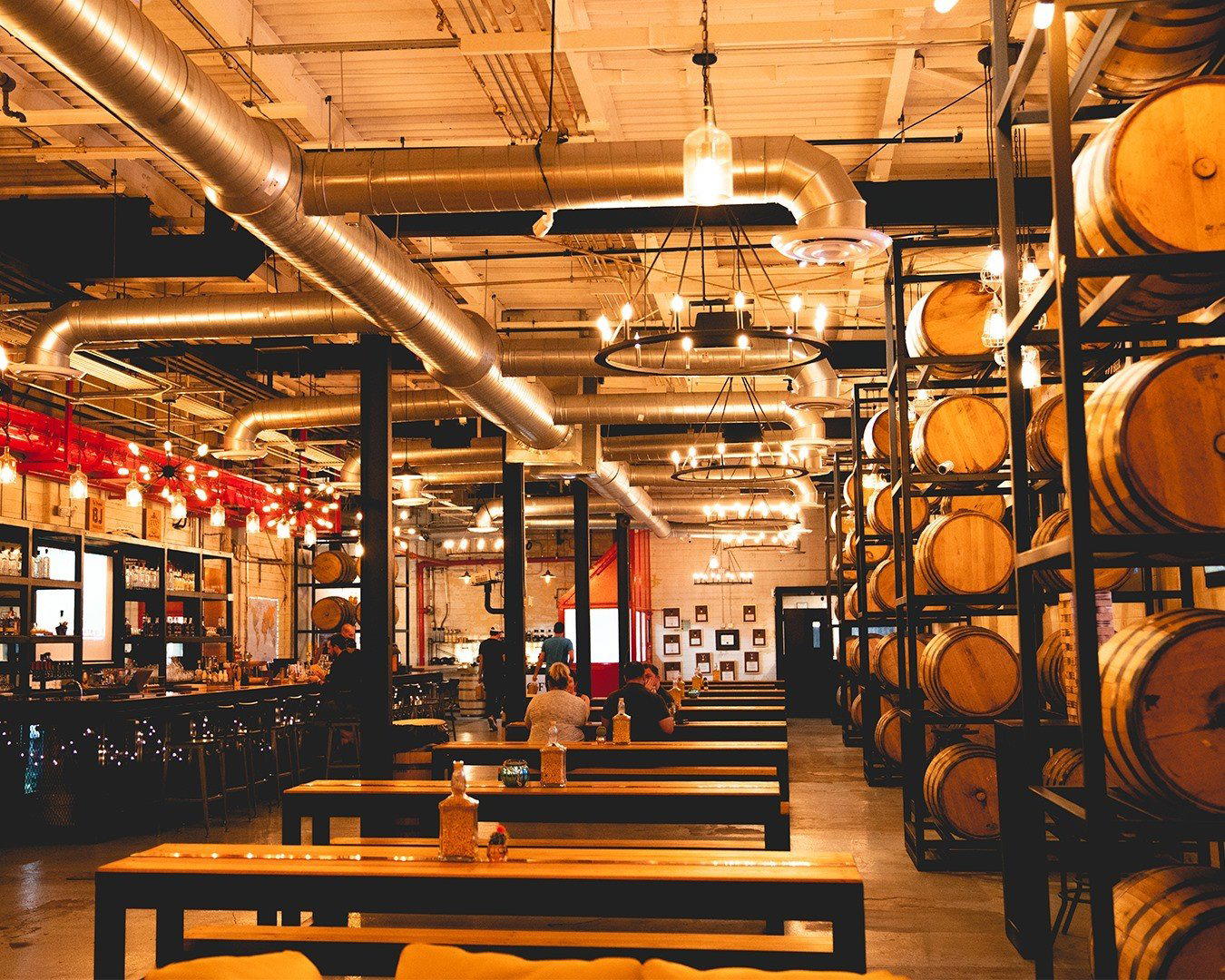
Lively and Instagram-friendly with K-pop posters, bold colors, and seating resembling outdoor Korean market stalls.