Our verdict
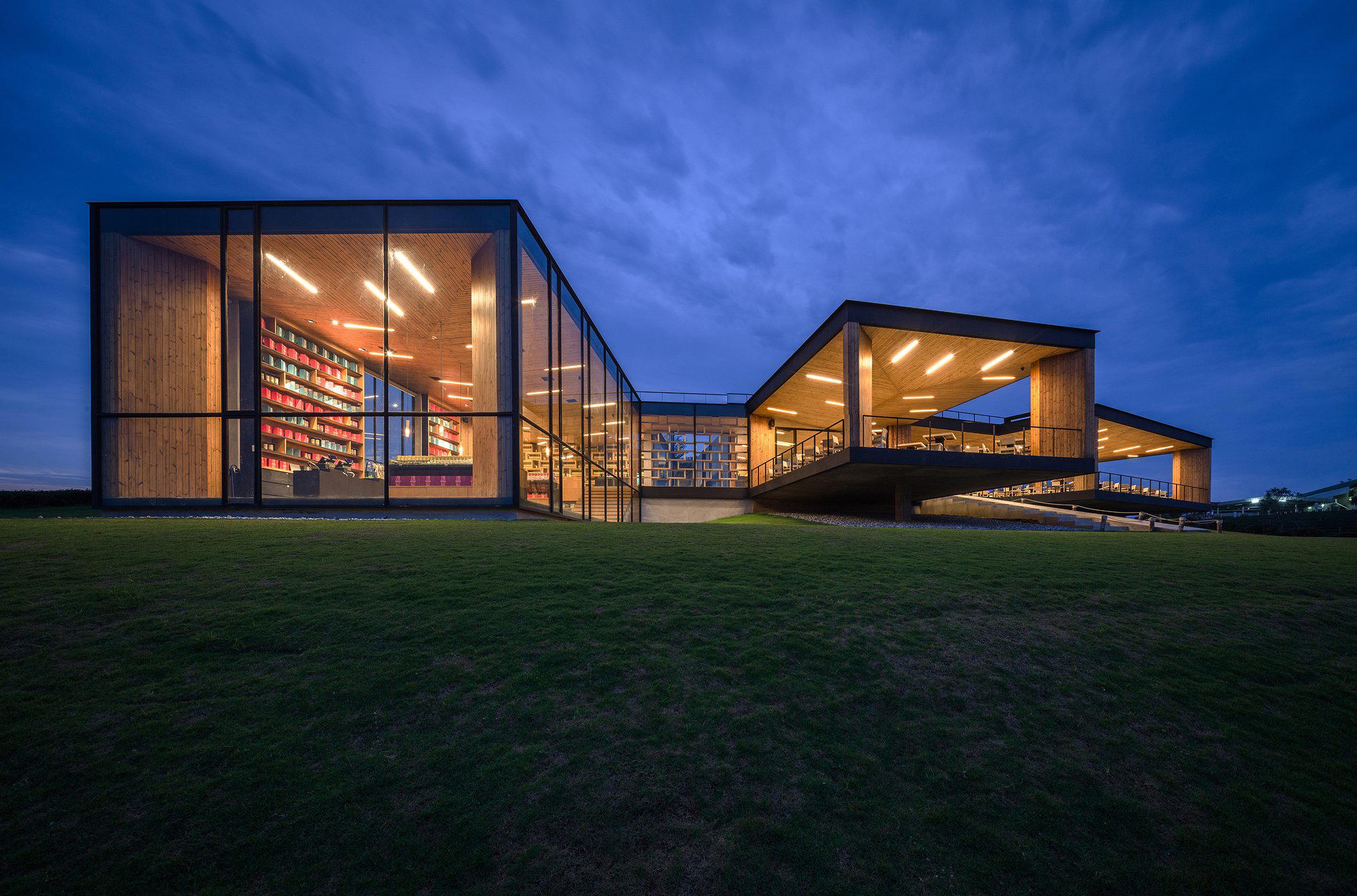
Plantation Cafe serves International & Malaysian dishes at Sabah Hotel in Sandakan, with garden views, open kitchen service, and casual pacing across breakfast, lunch, and dinner.

Pearl is the En Primeur Club membership app, where members save venues, book tables and use the concierge.
The menu
What to order
- BBQ lamb
- Curry laksa
- Cantonese noodles
Where the Road to Ranau Meets a Plantation Town's Appetite
Along Jalan Ranau-Sandakan, the road that threads inland from Sabah's east coast, the built environment shifts from port-town density to something more open. Plantation Cafe sits at this transition, at address 296 on a route that historically served the agricultural hinterland supplying Sandakan's trading economy. That context is not incidental. Borneo's east coast has long drawn its food culture from two directions: the maritime abundance of the Sulu Sea and the land-based produce of its interior plantations and smallholdings. Cafes along this corridor tend to reflect both, with menus shaped by what arrives fresh from nearby cultivation rather than from centralised distribution chains.
Sandakan's Ingredient Geography and Why It Matters
Sandakan occupies a position in Malaysian food culture that separates it from the more discussed dining cities of the peninsula. Dewakan in Kuala Lumpur has built a formal argument for indigenous Malaysian ingredients on fine-dining terms. Sandakan does not operate in that register, but the underlying logic is similar: proximity to raw material determines what gets cooked. The town's fishing community supplies seafood drawn from the Celebes Sea, which feeds establishments like Sim Sim Seafood Restaurant with catches that travel from boat to kitchen within hours. Inland, the oil palm and rubber belt gives way to smallholdings growing vegetables, tropical fruit, and the herbs that form the base of Sabahan home cooking.
Cafes positioned along the Ranau corridor occupy a specific niche within this geography. They serve the workers, drivers, and travellers moving between the coast and the highland interior, which means their kitchens have historically sourced from both directions. Produce from the Ranau highlands, where cooler temperatures support a different crop range than the coastal lowlands, has been part of Sandakan's food supply for generations. A cafe at this address is, structurally, a waypoint in an ingredient supply chain rather than a destination restaurant operating outside of it.
Sabahan Cafe Culture in Context
The cafe format in Sabah functions differently from its peninsular equivalent. In George Town or Ipoh, the classic kopitiam is a fixed cultural artefact, studied and documented, with Auntie Gaik Lean's Old School Eatery in George Town representing one end of the spectrum where Peranakan tradition is preserved with deliberate care. In Sabah, the cafe format is more fluid. It absorbs influences from the indigenous communities of the interior, the Chinese traders who built Sandakan's commercial district, and the Filipino and Indonesian populations who have shaped the town's demographic character across generations.
The result is a cafe culture where the menu is less genre-defined and more opportunistic in the leading sense: ingredients available locally determine what gets cooked that week. This is a different kind of curation from the tasting menus at restaurants like Le Bernardin in New York City, but the underlying discipline of working with what is genuinely in season and genuinely local is not philosophically distant. The scale and format are entirely different; the sourcing logic has the same integrity.
Sandakan's broader food scene spans this spectrum. Da De Bah Kut Teh in Borneo represents the Chinese-Malaysian tradition transplanted to Sabahan soil, while the town's seafood restaurants anchor the maritime end. Cafes along the Ranau road sit between these poles, drawing from inland agricultural supply while remaining connected to the coastal distribution networks that run through Sandakan's port.
The Physical Setting Along Jalan Ranau-Sandakan
The road itself frames the experience of arriving at places like Plantation Cafe before any food is ordered. Jalan Ranau-Sandakan is a working route, not a tourist corridor. The surrounding area reflects Sandakan's industrial and agricultural economy rather than its colonial heritage district near the waterfront. This positioning means the clientele skews local and functional: regulars with established orders, travellers breaking a journey, workers from nearby operations. The atmosphere that results from this is less curated than a destination restaurant and more contingent on who happens to be there on a given day.
For travellers coming from Sandakan's town centre or arriving from the Kinabatangan wetlands to the south, this stretch of the Ranau road represents a transition zone worth paying attention to. The cafe density here reflects decades of serving a mixed-use corridor rather than any recent hospitality development. Venues in this location have survived on repeat local custom, which is generally a more reliable indicator of consistent cooking than critical recognition alone.
Planning a Visit: What to Expect and How to Approach It
Sandakan is a four-to-five hour drive from Kota Kinabalu along the Trans-Borneo Highway, or accessible by short flight from KK or Kuala Lumpur. Travellers combining Sandakan with a Kinabatangan river wildlife itinerary typically pass through the Ranau road area on arrival or departure, making stops along this corridor a natural extension of that journey rather than a separate detour.
For context on the broader Sandakan dining scene before visiting, our full Sandakan restaurants guide maps the town's food options across neighbourhood and category. Elsewhere in Malaysia, travellers comparing regional cafe culture might reference Kopi Ping Cafe in Tuaran, which operates in a similar Sabahan corridor-cafe format north of Kota Kinabalu, or look at the hawker traditions documented in Air Itam Asam Laksa, Chong Char Koay Teow, and 888 Hokkien Mee in Penang for a sense of how ingredient-led street-level cooking operates across the country's different regional registers.
Frequently asked questions
Would Plantation Cafe be comfortable with kids?
The cafe's position along Jalan Ranau-Sandakan, a working inland highway route rather than a dense urban strip, suggests a relaxed, low-pressure environment typical of Sabahan roadside stops. That format generally accommodates families without issue.
How would you describe the vibe at Plantation Cafe?
Plantation Cafe sits on Jalan Ranau-Sandakan, the road threading inland from Sandakan's port-town core toward Ranau, and the setting shapes the atmosphere before anything else. Expect the unhurried cadence of a Sabahan cafe stop rather than the curated aesthetics of a peninsular kopitiam revival. It reads as a working-route establishment, the kind of place locals on the Sandakan-to-Ranau corridor use as a genuine pause point.
Is Plantation Cafe a good stop on a road trip between Sandakan and Ranau?
Plantation Cafe's address at 296 Jalan Ranau-Sandakan places it directly on the main inland highway connecting Sandakan to Ranau, making it a logical pause on that route rather than a detour. The drive between the two towns runs through working Sabahan terrain, and stopping points with sit-down service are spaced out along the corridor. For travellers on the Trans-Borneo Highway leg through Sabah's east, it represents a practical and locally grounded option.
What's the must-try dish at Plantation Cafe?
Sandakan's broader ingredient geography draws on Sabahan coastal and inland produce, and cafes along the Jalan Ranau corridor often reflect that local supply chain. Checking with the cafe directly or asking staff on arrival will give you the most current picture of what's worth ordering.
A Quick Peer Check
Comparable venues nearby, for context on price, style, and recognition.
| Venue | Cuisine | Price | Awards | Notes |
|---|---|---|---|---|
| Plantation CafeThis venue (the venue you are viewing) | International & Malaysian | Not listed | Not listed | Not listed |
| Sim Sim Seafood Restaurant | Fresh Malaysian Seafood | $10–20 | Not listed | Sim-Sim Water Village |
| Restoran Soo Kee | Traditional Cantonese BBQ | $10–20 | Not listed | Ampang |
| Sisters Crispy Popiah | Crispy Malaysian Popiah | $1–10 | Not listed | Mid Valley Megamall |
| Woong Kee Beancurd and Tong Sui Po | Traditional Chinese Tong Sui / Beancurd Desserts | $1–10 | Not listed | Penang |
| Au Jardin | Modern European with Local Accents | $200–300 | 1 Michelin Star · World's 50 Best #39 | George Town |
Continue exploring
More in Sandakan
Restaurants in Sandakan
All restaurants in Sandakan →
Hotels in Sandakan
Browse all →
Details
- Cozy
- Scenic
- Family
- Casual Hangout
- Group Dining
- Open Kitchen
- Garden
- A La Carte
- Buffet
- Halal
Current opening hours
- Monday
- 6:30 AM–10:30 PM
- Tuesday
- 6:30 AM–10:30 PM
- Wednesday
- 6:30 AM–10:30 PM
- Thursday
- 6:30 AM–10:30 PM
- Friday
- 6:30 AM–10:30 PM
- Saturday
- 6:30 AM–10:30 PM
- Sunday
- 6:30 AM–10:30 PM
Hours can change for holidays and private events. Hours as of .
Air-conditioned indoor seating or pleasant outdoor terrace by the pool with cool breezes and greenery oasis feel.