Ono Steaks and Shrimp Shack
Our verdict
A cash-and-carry shack on Waimanalo Beach's quieter residential edge, Ono Steaks and Shrimp Shack operates in the tradition of Hawaii's plate lunch and shrimp truck culture, straightforward cooking built around proximity to the island's agricultural and coastal supply chain. It sits in a part of Oahu that most visitors skip entirely, which shapes both the crowd and the character of what lands on your plate.

Pearl is the En Primeur Club membership app, where members save venues, book tables and use the concierge.
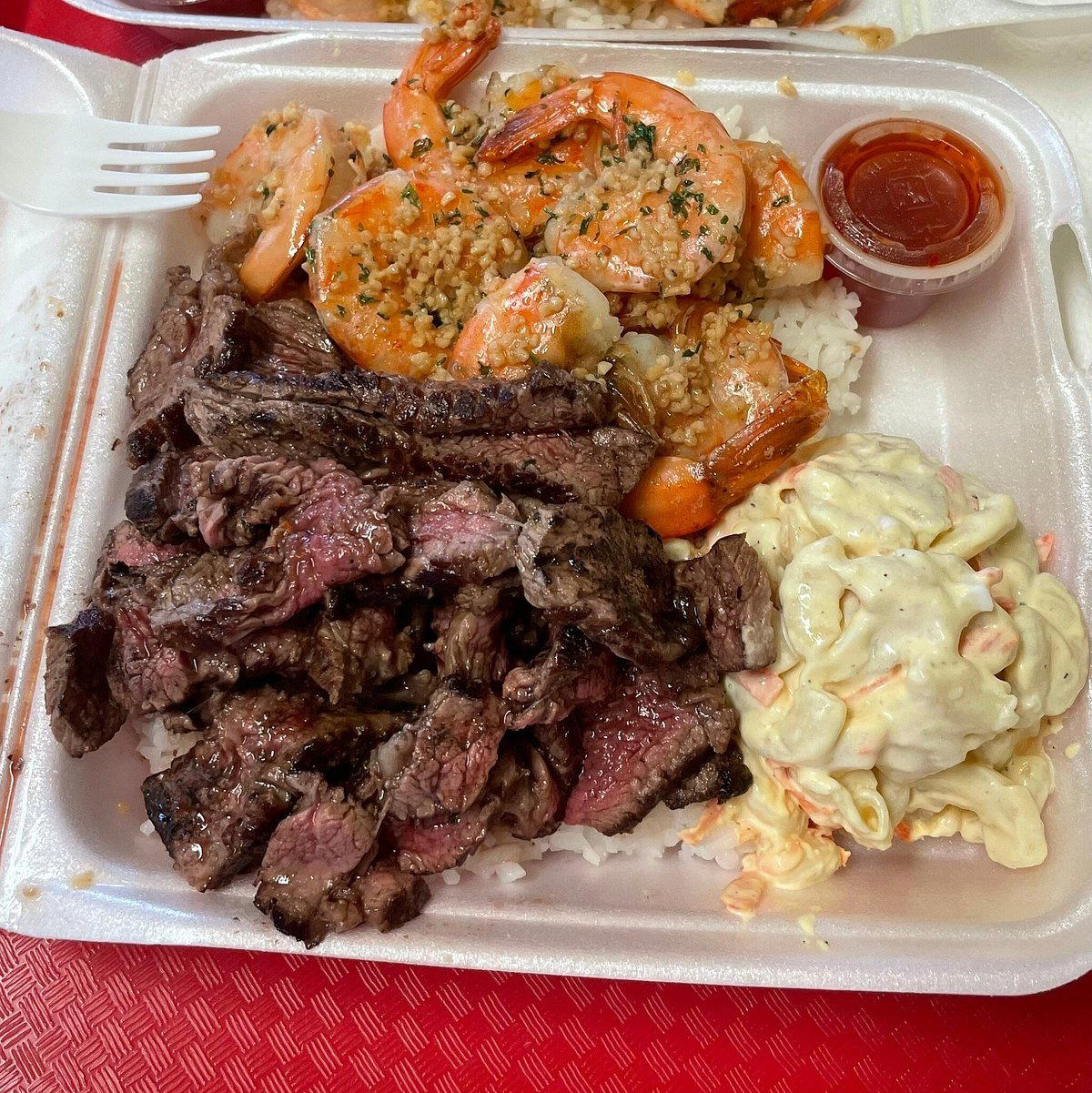
The menu
What to order
- Garlic shrimp
- Fish tacos
- Steak plates
Where the Windward Coast Feeds Itself
Waimanalo sits on Oahu's windward side, past the Koolau Range and away from the tourist infrastructure that defines Honolulu and Waikiki. The town has the highest concentration of Native Hawaiian residents on Oahu, and its agricultural land, some of the most productive on the island, supplies taro, sweet corn, and produce to markets across the state. Eating here, at a place like Ono Steaks and Shrimp Shack on Wailea Street, puts you inside a food culture that predates resort dining by several generations. The address alone signals the register: a residential street, not a commercial strip.
Hawaii's shrimp and plate lunch tradition has become well-documented through the North Shore's shrimp trucks, but the windward side operates on a lower-key frequency. There are no queues photographed for travel features, no social media pilgrimages coordinated around a signature dish. What exists instead is a functioning local food economy where proximity to ingredients, Gulf shrimp aquaculture, nearby ranch-sourced beef, locally grown produce, shapes the menu more than any tasting committee would.
The Sourcing Logic Behind Shrimp Shack Culture
The name positions the kitchen clearly: steaks and shrimp, the two proteins that anchor Hawaii's working-lunch tradition. In this part of Oahu, shrimp operations have long benefited from the island's aquaculture infrastructure, which developed partly in response to the state's geographic isolation and the cost of importing fresh seafood. When a shrimp shack draws from that supply chain rather than from mainland distributors, the product reaches the plate at a freshness level that changes the cooking calculus. You do not need elaborate technique when the base ingredient is sound.
Beef in Hawaii occupies a similarly grounded story. The Parker Ranch on the Big Island is among the largest cattle ranches in the United States, and Hawaiian beef has a supply chain that feeds into plate lunch culture across the islands. A steakhouse operating at this price point and format, counter service, cash-forward, no reservations, sits in a different category from the fine-dining operations that source premium beef for tasting menus. Compare this to the farm-to-table sourcing frameworks at places like Blue Hill at Stone Barns in Tarrytown or Single Thread Farm in Healdsburg, where the sourcing story is part of the premium pricing justification. Here, the sourcing logic is embedded in the food's character rather than its marketing.
This matters because it describes a broader pattern in American regional cooking: the places where ingredient proximity produces quality as a byproduct of geography, not as a deliberate positioning exercise. Oyster Oyster in Washington, D.C. and Smyth in Chicago make sourcing an explicit editorial statement on their menus. Waimanalo's shack-format operations make no such statement, they simply cook what grows and swims nearby.
The Format and What It Signals
Counter-service shrimp and steak operations in Hawaii follow a format developed over decades: you order at a window or counter, food arrives on a plate or in a container, and you eat at a picnic table or in your car with the windows down. The format is not a concession to informality, it is the tradition. It positions this kind of meal in the same cultural register as a New Orleans po'boy shop or a San Francisco Mission taqueria: serious food in an unselfconscious setting.
The contrast with the upper tier of American dining is instructive. Le Bernardin in New York City, The French Laundry in Napa, and Atomix in New York City operate in formats where the room, the service structure, and the price point are all part of the experience design. A shrimp shack operates on the opposite logic: strip everything back to the protein, the rice, and the sauce, and let the sourcing carry the meal. Neither format is superior, they answer different questions about what dining is for.
For visitors driving the windward coast between Kailua and Makapuu, Waimanalo represents the stretch where the landscape opens up and the commercial density drops away. Eating at a local shack here is less a detour than an argument for a different pace of engagement with the island. Ai Love Nalo is the other operation in the area worth knowing, and between the two, the neighborhood's food character comes into focus. For a broader orientation to what Waimanalo Beach offers, our full Waimanalo Beach restaurants guide maps the options across formats and price points.
Placing Ono in the Wider Hawaii Food Conversation
Hawaii's food culture is frequently reduced to its luxury tier, resort restaurants, celebrity chef outposts, and the Honolulu fine-dining scene that occasionally intersects with the kind of recognition earned by operations like Providence in Los Angeles or Addison in San Diego. The windward side's counter-service operations represent something different: a food tradition that is not aspirational in the conventional sense, but is deeply specific to place.
The shrimp and steak format, served in a residential neighborhood on Oahu's quieter coast, reflects a Hawaii that exists parallel to the resort economy. The ingredients are local not because of a sourcing philosophy articulated on a menu, but because local is simply closer and cheaper and better. That logic produces food that lands differently than anything designed for a tourist audience. It also means the clientele is predominantly local, which shapes the cooking in ways that menus aimed at visitors simply cannot replicate.
For travelers who have spent time at high-concept sourcing-driven operations, Lazy Bear in San Francisco, ITAMAE in Miami, or Atelier Moessmer Norbert Niederkofler in Brunico, a windward-side shrimp shack offers a useful recalibration. The sourcing is no less serious; the presentation is simply honest about what it is.
Planning Your Visit
Waimanalo is roughly 25 miles from Honolulu via the H-3 or the Pali Highway, and the drive through the Ko'olau passes is itself worth accounting for in your timing. Ono Steaks and Shrimp Shack is at 41-037 Wailea Street, a residential address that confirms this is not a tourist-facing operation. Go mid-morning or early afternoon to avoid any post-beach rush from Waimanalo Beach Park, which sits just down the road. Portions in this format tend to be large, so arrive with appetite rather than plans to graze.
Frequently asked questions
Is Ono Steaks and Shrimp Shack okay with children?
Counter-service shrimp and steak operations like this one in Waimanalo Beach are typically casual by format, you order, collect your plate, and eat without a formal table-service structure. That setup works straightforwardly for families with children. The address on Wailea St in Waimanalo puts it in a low-key, residential-adjacent area rather than a high-traffic tourist zone.
What kind of setting is Ono Steaks and Shrimp Shack?
This is a working shrimp shack on Oahu's windward side, operating in the counter-service format that defines this category across Hawaii. The experience is defined by the order window, paper plates or trays, and outdoor or minimal seating rather than a dining room with tablecloths. Waimanalo Beach itself is roughly 25 miles from Honolulu, so the setting is genuinely local rather than resort-adjacent.
Is Ono Steaks and Shrimp Shack worth the drive from Honolulu to Waimanalo?
The drive from Honolulu to Waimanalo Beach covers roughly 25 miles through the Ko'olau Range, either via the H-3 or the Pali Highway. Ono Steaks and Shrimp Shack sits on Wailea St in Waimanalo, a town that operates outside the resort and tourist-infrastructure corridor entirely. For those specifically seeking the windward Oahu shrimp shack format in its local context rather than a tourist-facing approximation, the distance is the point.
What should I eat at Ono Steaks and Shrimp Shack?
The name signals the kitchen's two anchors: steaks and shrimp, which are the proteins that frame Hawaii's working-lunch plate tradition. Shrimp preparations in this genre typically run to garlic butter, spicy, and lemon pepper variations, while steak options tend toward simple, high-heat preparations suited to counter service.
In Context: Similar Options
| Venue | Cuisine | Price | Awards | Notes |
|---|---|---|---|---|
| Ono Steaks and Shrimp ShackThis venue (the venue you are viewing) | Hawaiian Plate Lunches & Seafood | $10–20 | Not listed | Not listed |
| Le Bernardin | French Seafood Fine Dining | $300–500 | 3 Michelin Stars · World's 50 Best #13 | French, Seafood |
| Lazy Bear | Modern American Tasting Menu | Not listed | 2 Michelin Stars · World's 50 Best #25 | Progressive American, Contemporary |
| Atomix | Modern Korean Tasting Menu | $300–500 | 2 Michelin Stars · World's 50 Best #7 | Modern Korean, Korean |
| Per Se | French Fine Dining Tasting Menu | $300–500 | 3 Michelin Stars · World's 50 Best #40 | French, Contemporary |
| Masa | Traditional Japanese Omakase | $500+ | 2 Michelin Stars · World's 50 Best #27 | Sushi, Japanese |
Continue exploring
More in Waimanalo Beach
Restaurants in Waimanalo Beach
All restaurants in Waimanalo Beach →
Bars in Waimanalo Beach
Browse all →
Details
- Rustic
- Cozy
- Lively
- Casual Hangout
- Family
- Standalone
- A La Carte
- Vegetarian Friendly
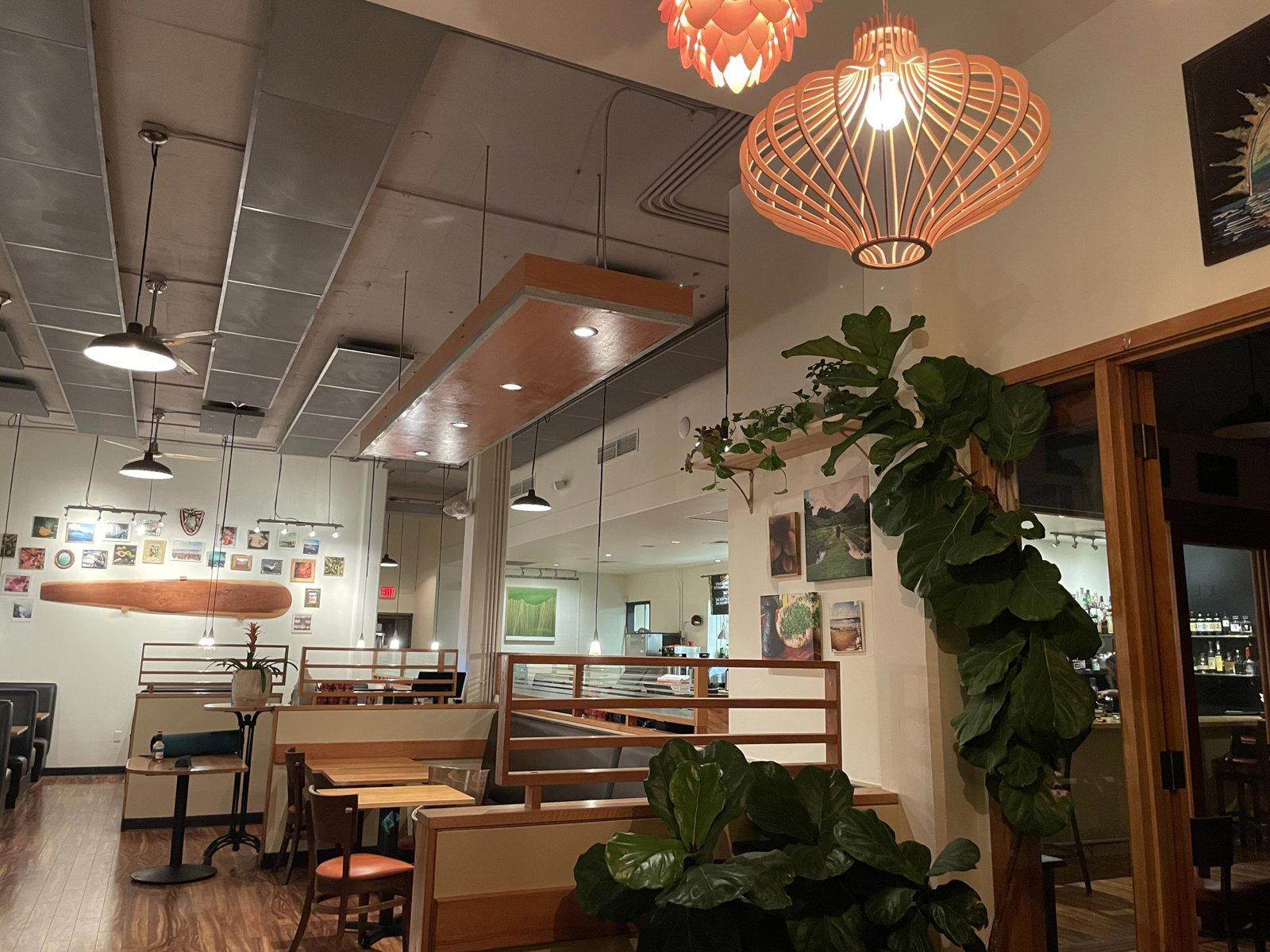
Casual beachy atmosphere with comfy indoor booths and outdoor seating options.