Northgate González Market
Our verdict
Northgate González Market on Main Street in Barrio Logan is one of San Diego's most established Mexican grocery and market destinations, drawing shoppers from across the city for its depth of regional Mexican products, prepared foods, and specialty imports. The market operates within a broader network of Southern California locations that have defined Latino grocery retail in the region for decades. For visitors exploring San Diego's food culture beyond restaurant menus, it anchors a neighbourhood worth making time for.

Pearl is the En Primeur Club membership app, where members save venues, book tables and use the concierge.
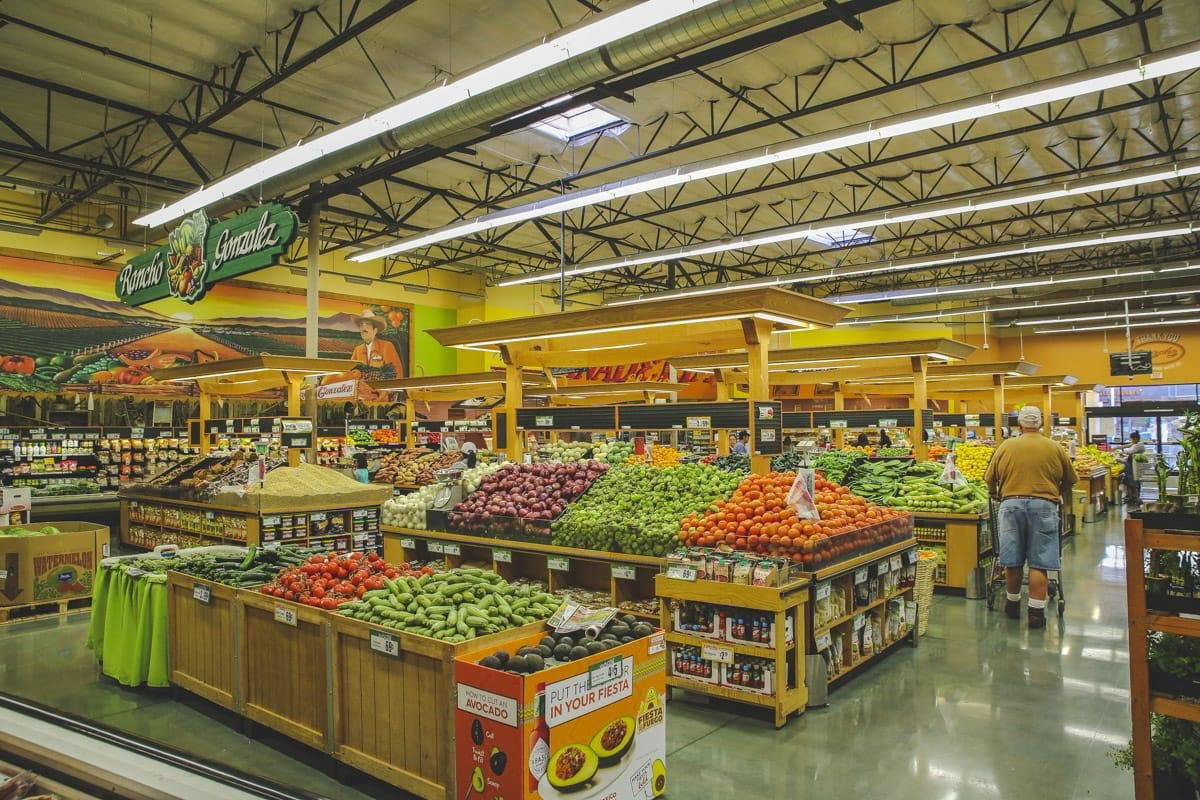
Barrio Logan and the Grammar of the Mexican Mercado
San Diego sits closer to the Mexican border than any other major American city, and that proximity shapes the food culture in ways that go well past taco shop density. In Barrio Logan, the neighbourhood stretching south from downtown along the waterfront, the grocery store is not a convenience stop but a social and culinary institution. Northgate González Market at 1950 Main Street occupies that role with a weight that most standalone restaurants never achieve. The approach to the building tells you what kind of place this is: signage in Spanish and English, produce stacked in volume, and a foot traffic pattern that has nothing to do with the tourist circuits operating a few miles north.
This is a different tier of food destination from the white-tablecloth end of San Diego dining, where venues like Addison or the omakase precision of Soichi compete in a rarefied national conversation. The market operates in a register where the measure of quality is sourcing range, price accessibility, and community trust built over years of consistent supply. Northgate González, as a chain founded in the 1980s by Mexican immigrant entrepreneurs and now operating across Southern California, has that trust in concentrated form in the Barrio Logan location.
The Cellar Logic Applied to a Market Floor
The editorial angle that applies most cleanly to a market of this type is the one usually reserved for wine programs: depth of curation, breadth of sourcing, and the ability to surface products that generalist retailers do not carry. Applied to a Mexican mercado, that translates to the range of dried chiles (anchos, mulatos, chipotles, and regional varieties less common in mainstream grocery), the selection of Mexican cheeses including Oaxacan quesillo and Cotija aged to varying degrees, and the imported pantry staples that define home cooking in Jalisco, Oaxaca, Veracruz, and Michoacán.
Where a high-end wine program at a place like Frasca Food & Wine in Boulder uses its Italian-regional depth to serve a specific culinary argument, Northgate González's product range makes a parallel argument about Mexican regional cooking: that it is not a monolith, that the ingredient differences between a Yucatecan achiote paste and a Sonoran oregano-heavy rub are as meaningful as the difference between a Barolo and a Brunello. A market that stocks both is doing more culinary education than it gets credit for.
The butcher counter and carnicería section extend that logic into protein. Cuts like arrachera (skirt steak marinated for carne asada), cabeza, and lengua are stocked as routine inventory, not as specialty items requiring advance order. For home cooks reconstructing dishes from specific Mexican regions, that availability matters in ways that price-per-pound alone does not capture.
Prepared Foods and the Torta Counter as Cultural Document
Markets at this tier in Southern California have increasingly developed prepared food programs that function as informal restaurants inside the retail footprint. The tortillería producing fresh tortillas on-site, the bakery turning out pan dulce in the morning, and the taqueria or torta counter represent a layered food operation that no single-concept restaurant replicates. For visitors oriented toward the kind of ingredient-forward, technique-precise dining that venues like Blue Hill at Stone Barns in Tarrytown or Single Thread Farm in Healdsburg represent, the mercado prepared food section offers a different but equally serious encounter with food culture: one where the technique is invisible because it has been practiced for generations, and the sourcing is precise because the customer base demands it.
The breakfast and lunch hours tend to carry the highest traffic, when the prepared food cases are freshest and the tortillería output is at peak. Arriving between 8am and noon on a weekend positions visitors to see the market operating at full register, with the bakery and hot food sections both running.
Barrio Logan in San Diego's Broader Food Map
San Diego's food geography has shifted considerably over the past decade. The downtown core and Little Italy corridor have absorbed most of the press coverage, with venues like 1450 El Prado and 777 G St drawing attention to the civic dining scene. But Barrio Logan has maintained a distinct identity as a Mexican-American cultural district, anchored by Chicano Park murals under the Coronado Bridge and a food culture that predates the current restaurant moment by decades. Northgate González at Main Street sits within that longer history.
The neighbourhood has also drawn some of the city's more adventurous newer restaurants and bars, making a half-day in Barrio Logan a realistic proposition for visitors who want density of experience. The market serves as both a destination and a provisioning stop for those cooking, and as a food education platform for those who approach markets the way serious wine travelers approach small producers: as primary sources.
For context on the breadth of San Diego's dining and food culture, the full San Diego restaurants guide covers the spectrum from Addison's tasting menus to neighbourhood-level institutions like this one. The contrast between the format and register of a place like 94th Aero Squadron and the mercado model illustrates how wide San Diego's food culture actually runs.
At a national level, the mercado format sits within a broader conversation about what counts as serious food destination. The same rigor applied to evaluating a sommelier's cellar at Le Bernardin in New York City or the sourcing discipline at Providence in Los Angeles applies, in a different register, to a market that stocks forty SKUs of dried chile and mills its own masa. The credential is different; the seriousness is not. Places like Smyth in Chicago, Lazy Bear in San Francisco, and Atomix in New York City spend considerable effort sourcing the kinds of ingredients that a well-run ethnic market stocks as standard inventory. That inversion is worth sitting with.
Planning Your Visit
The Main Street location in Barrio Logan is accessible by car from downtown San Diego in under ten minutes, and the neighbourhood is walkable once you arrive. The market operates on a standard grocery schedule with extended hours, making it one of the more flexible food stops in a day that might also include restaurants operating on fixed reservation windows. No booking is required or possible. Visitors cross-referencing the prepared food quality against other formats in the city should allow time to move through both the retail floor and the prepared food section; a single pass through the market typically takes thirty to forty-five minutes for a purposeful shopper, longer if the bakery or butcher counter warrants attention. For travelers building a fuller San Diego itinerary, venues like The French Laundry in Napa, Emeril's in New Orleans, The Inn at Little Washington, and Atelier Moessmer Norbert Niederkofler in Brunico represent the tasting-menu end of a spectrum that a market like Northgate González anchors at the other end, with equal conviction.
Frequently asked questions
at Northgate González Market?
Do I need a reservation for Northgate González Market?
What is Northgate González Market known for?
Is Northgate González Market allergy-friendly?
How does Northgate González Market compare to other Mexican grocery options in San Diego?
Recognition, Side-by-Side
A quick peer reference to anchor this venue in its category.
| Venue | Cuisine | Price | Awards | Notes |
|---|---|---|---|---|
| Northgate González MarketThis venue (the venue you are viewing) | Mexican Market Taqueria | $10–20 | Not listed | Not listed |
| Addison | Modern California Fusion Fine Dining | $300–500 | 3 Michelin Stars · World's 50 Best #31 | French, Contemporary |
| Callie | Modern Mediterranean | $50–100 | Michelin Bib Gourmand · Wine Spectator Best of Award of Excellence | Greek, Mediterranean Cuisine, Californian-Mediterranean |
| Trust | Modern American Wood-Fired Small Plates | $30–50 | Michelin Plate | New American, American |
| Sushi Tadokoro | Traditional Edomae-Style Omakase | $50–100 | Michelin Plate | Sushi, Japanese |
| Soichi | Modern Japanese Omakase | $150–200 | 1 Michelin Star | Japanese |
Continue exploring
More in San Diego
Restaurants in San Diego
All restaurants in San Diego →
Bars in San Diego
All bars in San Diego →

Details
- Casual Hangout
- Family
- Local Sourcing
- A La Carte
Current opening hours
- Monday
- 7 AM–10 PM
- Tuesday
- 7 AM–10 PM
- Wednesday
- 7 AM–10 PM
- Thursday
- 7 AM–10 PM
- Friday
- 7 AM–10 PM
- Saturday
- 7 AM–10 PM
- Sunday
- 7 AM–10 PM
Hours can change for holidays and private events. Hours as of .
Bright and colorful market atmosphere with playful signage and bustling energy from shoppers.