MR CHOW
Our verdict
MR CHOW at 3570 Las Vegas Blvd S occupies a tier of Strip dining where the room does as much work as the kitchen. The restaurant's Beijing-style Chinese format, long established across New York, Beverly Hills, and London, arrives on the Las Vegas Strip with the same theatrical dining-room energy that has defined the brand for decades. Reserve in advance; walk-ins on busy nights are a gamble on the Strip's most competitive corridor.
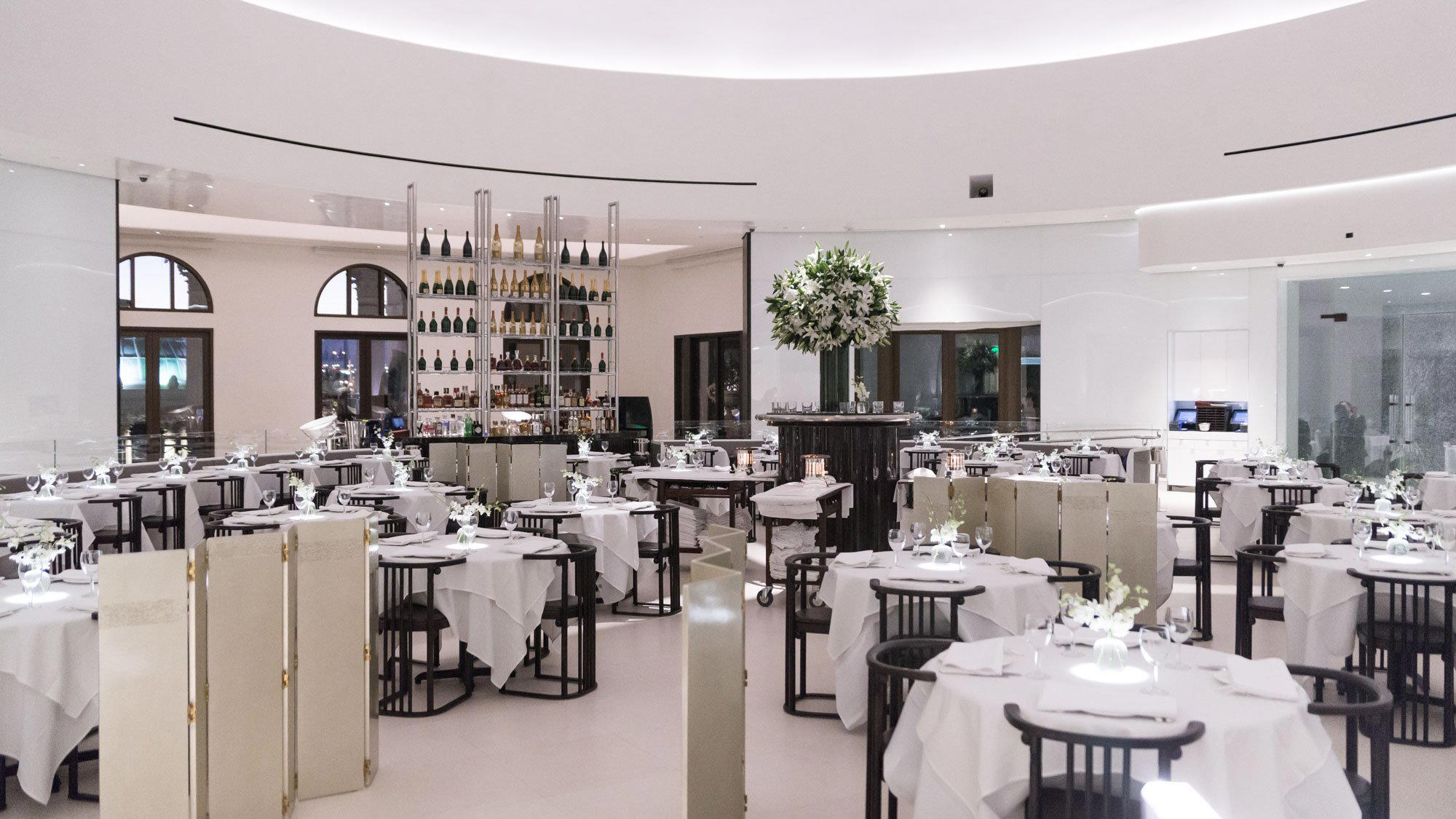
The menu
What to order
- Peking Duck
- Mr. Chow Noodles
A Room Built for Performance
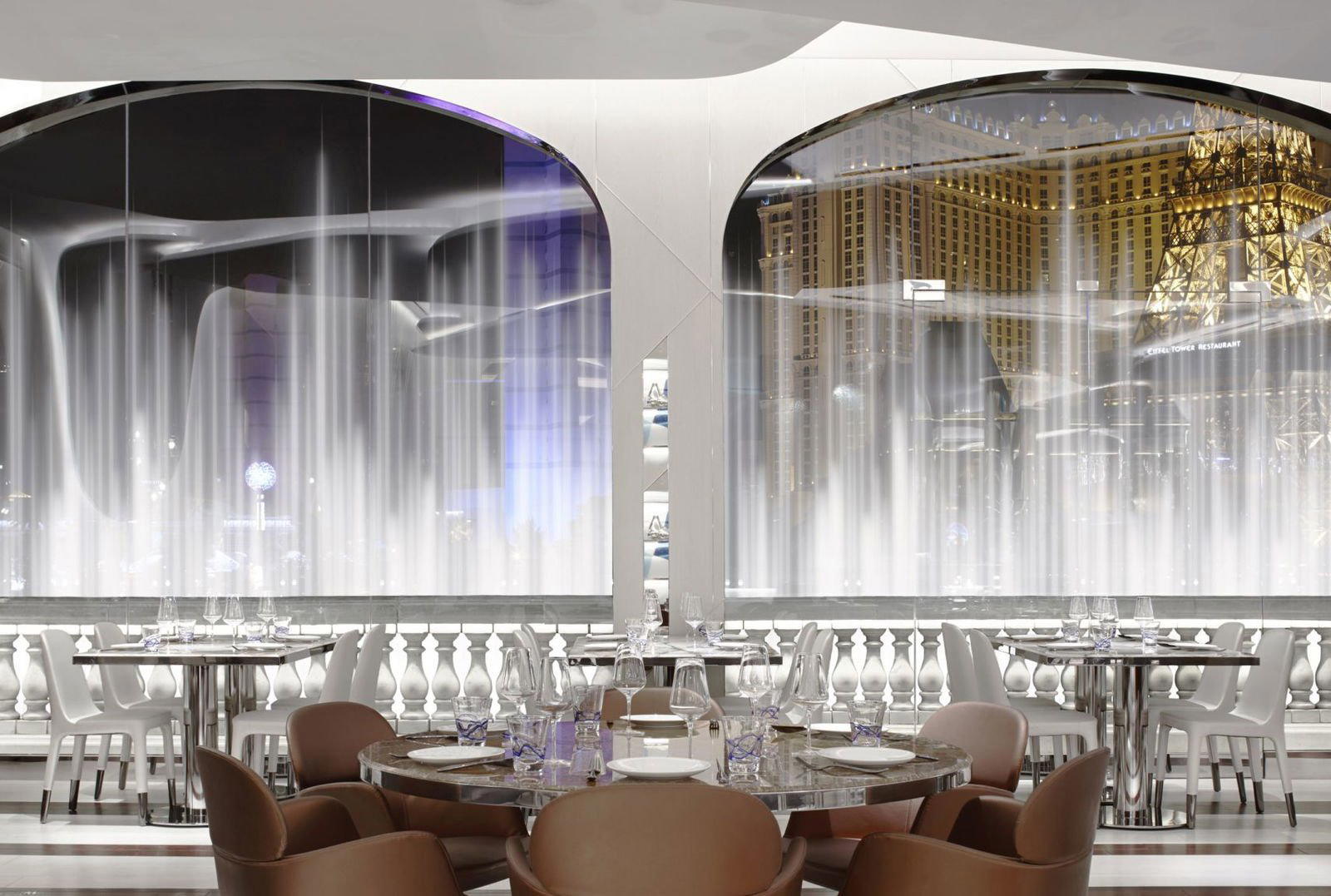
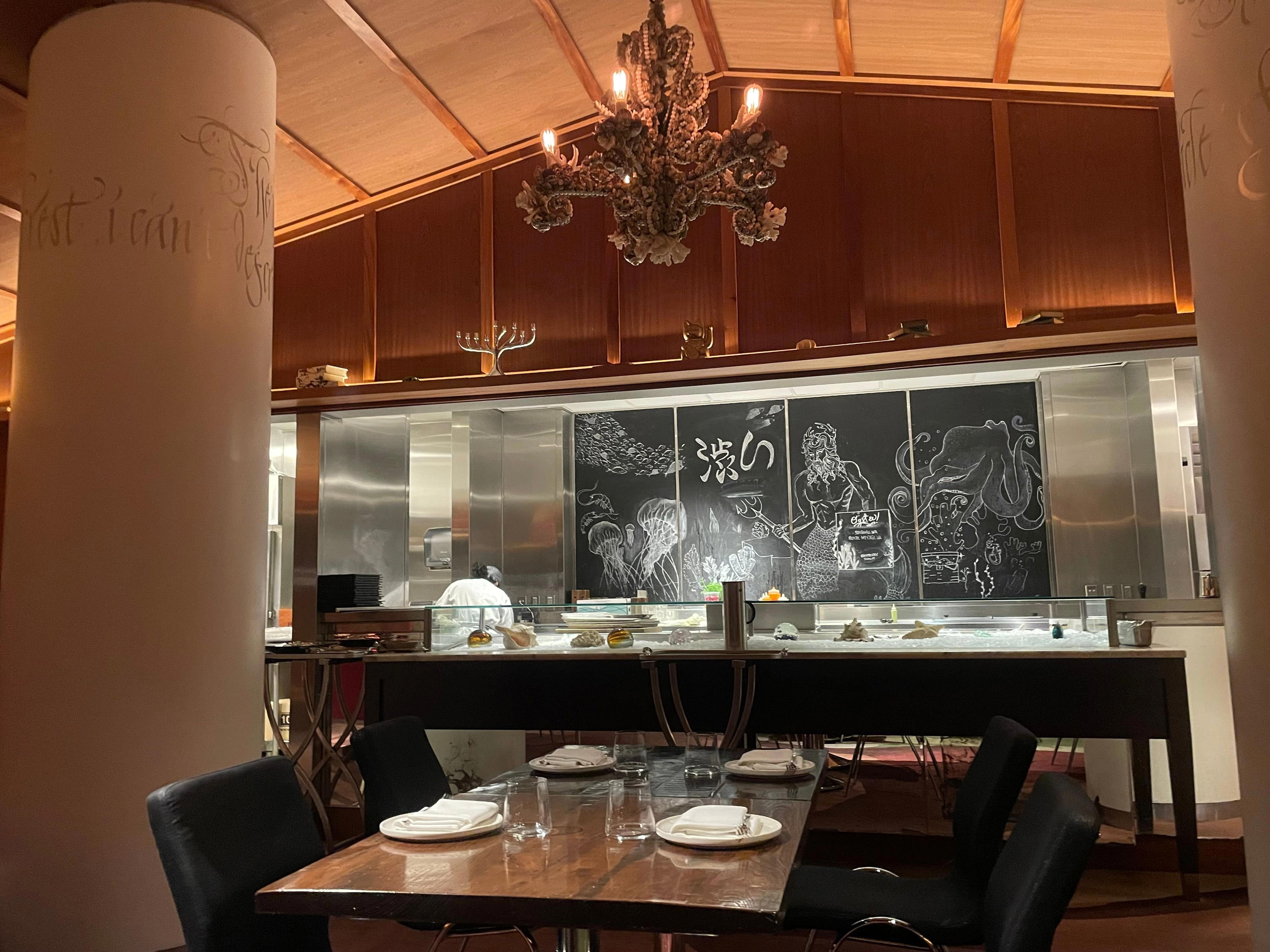
On the Las Vegas Strip, atmosphere is a structural ingredient rather than a finishing touch. The dining rooms that endure on this corridor, from the upper floors of Alizé to the Venetian's imported French bistro format at Bouchon at The Venetian, share a common trait: they give guests a reason to look up from the plate. MR CHOW, positioned at 3570 Las Vegas Blvd S within Caesars Palace's retail and hospitality complex, operates in that same register. The room announces itself through a design language the brand has refined across its flagship locations in New York, Beverly Hills, Miami, and London: lacquered surfaces, clean lines, and a front-of-house choreography that keeps the energy moving across the floor well into the late evening.
Las Vegas dining at this address level sits between two distinct performance modes. Properties like Craft + Community orient themselves toward approachable hospitality and community energy, while the Strip's more formal rooms, including the upper-tier options catalogued in our full Paradise restaurants guide, pitch to guests who want the evening to feel like an event from the moment the door opens. MR CHOW lands in the latter category without the tasting-menu rigidity that defines comparable experiences at, say, The French Laundry in Napa or Smyth in Chicago. The format here is à la carte and social, which means the room's energy is crowd-generated rather than kitchen-controlled.
The Beijing Format on the Strip
Chinese fine dining in the United States has historically occupied an awkward position in the critical conversation. Michelin and the James Beard Foundation have been slower to recognize Chinese kitchens than French or Japanese ones, even as restaurants like Atomix in New York City have demonstrated that East Asian culinary traditions can command the full attention of the awards establishment when framed in a particular way. MR CHOW entered the American market in the 1970s with a Beijing-inflected menu and a dining-room model that deliberately positioned Chinese cuisine as worthy of the same setting and service investment as French or Italian fine dining of that era. That positioning is now decades old, but the underlying argument still carries weight on a Strip where Chinese restaurants have rarely occupied the flagship tier.
The kitchen's output centers on the dishes that have traveled with the brand across its international locations: hand-pulled noodles prepared tableside, Peking duck served in the theatrical format that remains a reference point for the dish in Western fine-dining contexts, and a selection of wok-prepared proteins and vegetables that follow the Beijing palatial tradition rather than the Cantonese or Sichuan registers that dominate many American Chinese menus. For Strip diners whose primary reference points for the cuisine are Cantonese banquet halls or regional American-Chinese formats, the menu represents a distinct culinary position rather than a familiar one.
Front-of-House as the Defining System
The editorial angle on MR CHOW that critics and regular guests return to most consistently is the room's service dynamic. In a market where front-of-house consistency is notoriously difficult, Strip properties cycle staff at high rates, and the guest mix skews heavily toward first-timers who require more orientation, MR CHOW's model leans on a structured tableside service format that distributes the theatrical work across the floor team rather than concentrating it at the kitchen pass. The noodle-pulling demonstration is the most visible expression of this, but the broader approach treats the server as a performer in a coordinated production rather than a transactional intermediary.
This contrasts sharply with the chef-as-protagonist model that defines the tasting-menu tier at restaurants like Providence in Los Angeles, Addison in San Diego, or Blue Hill at Stone Barns in Tarrytown, where the kitchen narrative is the primary guest-facing story. At MR CHOW, the floor holds the narrative. The sommelier team operates within the same performance logic: wine service is presented as part of the evening's arc rather than a technical sidebar, which suits an à la carte room where guests are constructing their own meal pacing.
For context on how this approach compares to other service-forward dining formats worth following, the collaborative team models at Le Bernardin in New York City, Lazy Bear in San Francisco, and Single Thread Farm in Healdsburg each represent different resolutions to the same design problem: how do kitchen, floor, and wine service operate as a single system rather than parallel tracks. MR CHOW's answer is distinctly showroom-oriented, which on the Las Vegas Strip is a coherent and well-tested strategy.
The restaurant's nearest comparators on the Strip are not other Chinese restaurants but other brand-extension dining rooms from operators with multi-city footprints. The dynamics here parallel the situation at addresses like 3131 Las Vegas Blvd S and 3355 S Las Vegas Blvd, where established names have deployed their brand to a market that rewards recognition. The Las Vegas outpost of MR CHOW functions as an expression of a mature, globally tested concept rather than a local original, which affects how a first-time guest should frame expectations: the kitchen and room have been calibrated across decades of operation at other locations, and the Strip version inherits that institutional knowledge.
Guests with serious interest in Chinese culinary traditions across different regional formats might also benefit from tracking how comparable high-end Chinese dining rooms in New York and Los Angeles have evolved their menus in recent years, as the Beijing palatial tradition that MR CHOW represents is one specific thread in a much wider conversation about Chinese fine dining in the West. For international comparison, the craft-focused precision visible at Atelier Moessmer Norbert Niederkofler in Brunico illustrates how differently a kitchen can resolve the relationship between tradition and contemporary technique, even when both operate at similar price points.
Planning Your Visit
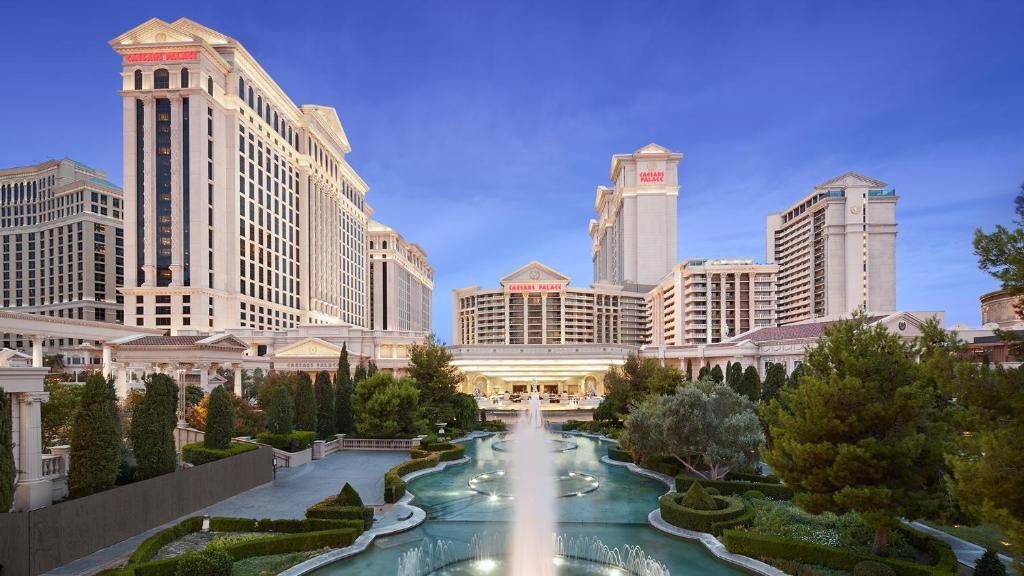
MR CHOW occupies the Caesars Palace complex at 3570 Las Vegas Blvd S, placing it within walking distance of the central Strip's hotel cluster and easily accessible by taxi or rideshare from any major property. Weekend evenings on the Strip's flagship corridor are high-demand across all price tiers; reservations made several days to a week in advance are the practical minimum for Friday and Saturday nights. The room's energy peaks in the later dining window, typically from 8pm onward, when the à la carte format allows the floor to operate at full performance pace. Guests preferring a quieter experience should target early seatings on weeknights, when the room runs at lower capacity and tableside service has more room to breathe. Contact the restaurant directly through Caesars Palace's reservation system for current availability; specific hours and booking windows should be confirmed at time of planning, as Strip properties adjust seasonally. Also worth noting for the wider neighborhood: visitors exploring the surrounding corridor should cross-reference Emeril's in New Orleans and The Inn at Little Washington in Washington for a sense of how comparable brand-anchored dining rooms have handled the tension between heritage and market expectations in different American cities.
Frequently asked questions
Is MR CHOW better for a quiet night or a lively one?
MR CHOW at 3570 Las Vegas Blvd S runs loud by design. The dining room operates as performance space as much as restaurant, with table-side service rituals and a crowd that skews celebratory. Those seeking a contemplative dinner would be better served by the Strip's smaller chef-counter formats.
Where is MR CHOW located?
MR CHOW is located at 3570 Las Vegas Blvd S, Las Vegas, NV 89109, Paradise.
How does MR CHOW Las Vegas compare to other MR CHOW locations worldwide?
MR CHOW originated in London in 1968 and has since expanded to New York, Beverly Hills, Miami, and Las Vegas, making the Paradise address one of the newer entries in a multi-decade, multi-city operation. The Las Vegas outpost at Caesars Palace places it inside one of the Strip's highest-traffic hotel complexes, which shapes the crowd and energy relative to the quieter residential neighbourhoods surrounding the brand's other addresses. The core Beijing-format menu and tableside service system remain consistent across locations.
What do regulars order at MR CHOW?
The menu follows a Beijing-rooted format that the MR CHOW brand has maintained across its multi-city locations since the original London opening in 1968. Regulars at the Las Vegas address tend to anchor orders around the house noodle preparations and Peking duck, both staples of the broader MR CHOW repertoire. Specific menu availability at the Paradise location should be confirmed directly with the venue.
Can I walk in to MR CHOW?
Walk-in availability at MR CHOW Las Vegas depends on the night and season. Given its position inside the Caesars Palace complex on the central Strip, demand on weekends and during major events runs high. Advance reservations are the more reliable approach, particularly for groups.
What do critics highlight about MR CHOW?
The consistent editorial angle across coverage of MR CHOW properties is the front-of-house system: tableside service rituals, choreographed noodle-pulling, and a room dynamic that treats service as part of the experience rather than infrastructure. The Las Vegas location at Caesars Palace inherits that reputation from the brand's decades-long presence in New York, Beverly Hills, and London.
Can MR CHOW adjust for dietary needs?
Chinese fine dining kitchens in the MR CHOW format typically accommodate dietary requests, but specific allergen protocols and menu substitutions at the Paradise location should be discussed directly with the restaurant when booking. The Beijing-style menu structure, built around shared plates, gives the kitchen reasonable flexibility with order composition.
Pricing, Compared
A short peer table to compare basics side-by-side.
| Venue | Cuisine | Price | Awards |
|---|---|---|---|
| MR CHOWThis venue (the venue you are viewing) | Authentic Beijing Cuisine | Not listed | Not listed |
| Craft + Community | Craft Beer Gastropub | Not listed | Not listed |
| Red Square Restaurant & Vodka Lounge | Russian-Themed American | Not listed | Not listed |
| Bouchon at The Venetian | French Bistro | $50–100 | Michelin Plate · Star Wine List |
| Della's Kitchen | Farmhouse American Comfort | Not listed | Not listed |
| Fashion Show Las Vegas | Classic Steakhouse | Not listed | Not listed |
Continue exploring
More in Las Vegas
Restaurants in Las Vegas
All restaurants in Las Vegas →
Bars in Las Vegas
All bars in Las Vegas →
Details
- Elegant
- Sophisticated
- Well Known
- Modern
- Special Occasion
- Date Night
- Group Dining
- Celebration
- Open Kitchen
- Design Destination
- Hotel Restaurant
- Craft Cocktails
- A La Carte
- Prix Fixe
- Family Style
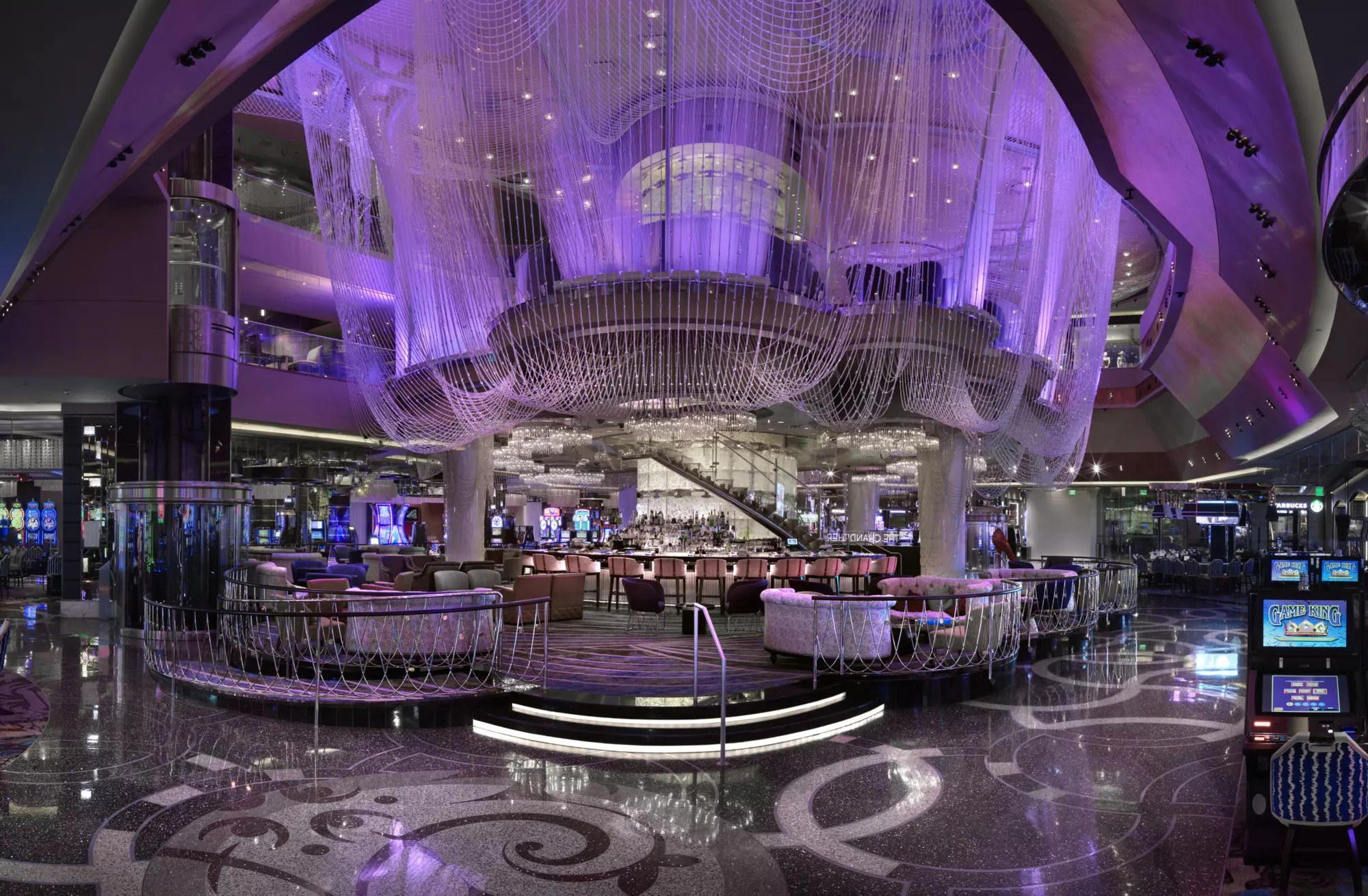
Dramatic and classy with high ceilings, mesmerizing kinetic chandelier, elegant modern decor, and polished service.