Morchella




Michelin Bib Gourmand · The Good Food Guide GFG Good · National Restaurant Awards Top 100 #59
Our verdict
A converted former bank on Rosebery Avenue, Morchella brings Mediterranean sharing plates and a considered natural wine list to Clerkenwell. The kitchen, helmed by Daniel Fletcher, earns its Michelin Bib Gourmand recognition through generous, well-executed cooking at a price point that holds firm against the neighbourhood's rising tide. The adjacent wine bar, with its classic, coastal, and funky categories, makes this a two-room operation worth planning around.

Pearl is the En Primeur Club membership app, where members save venues, book tables and use the concierge.
The menu
What to order
- Salt cod churros
- Mussel pil pil
- Pork jowl
- Spanakopita
A Clerkenwell Conversion and What It Tells You About London's Mid-Market Mediterranean Moment
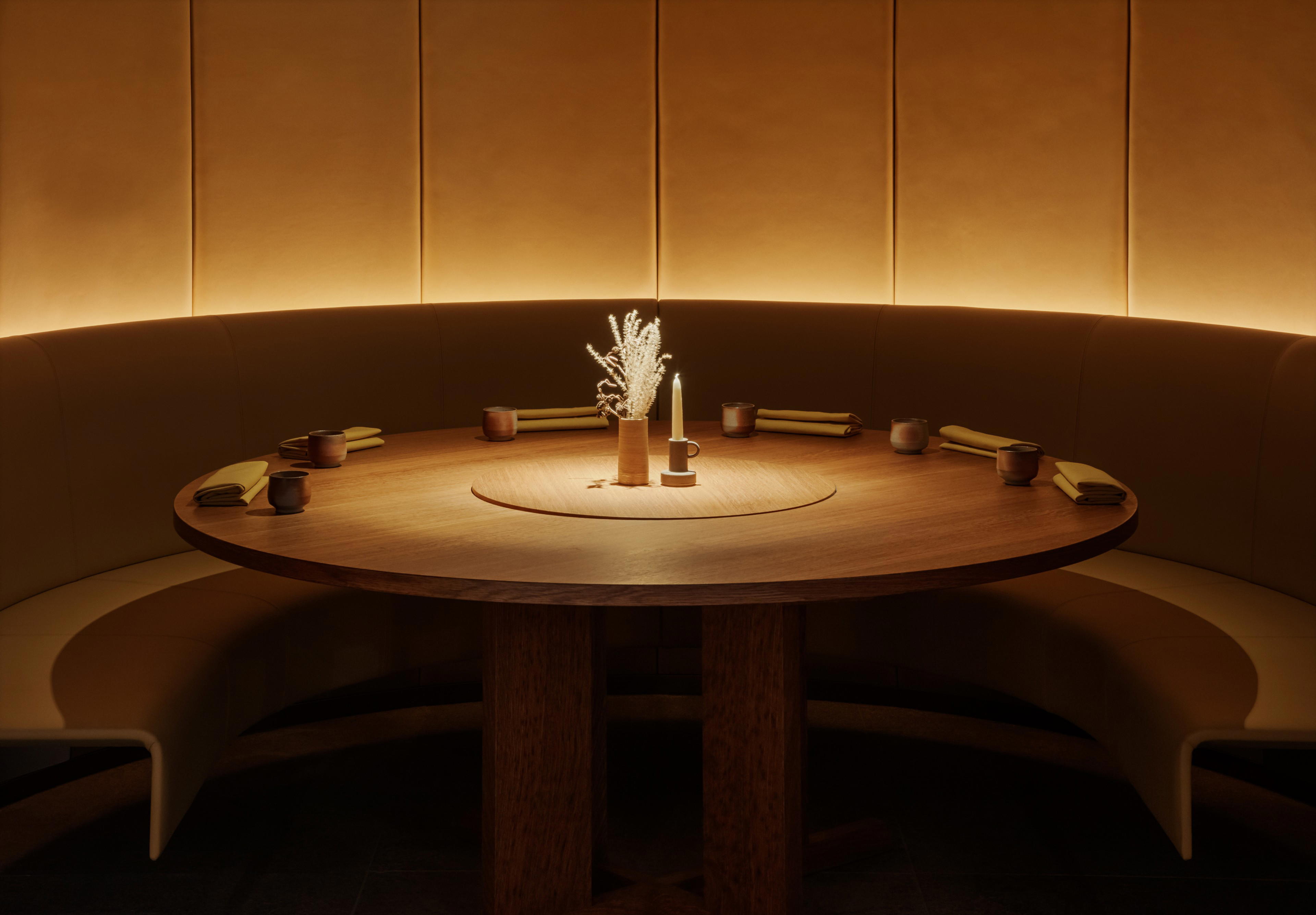
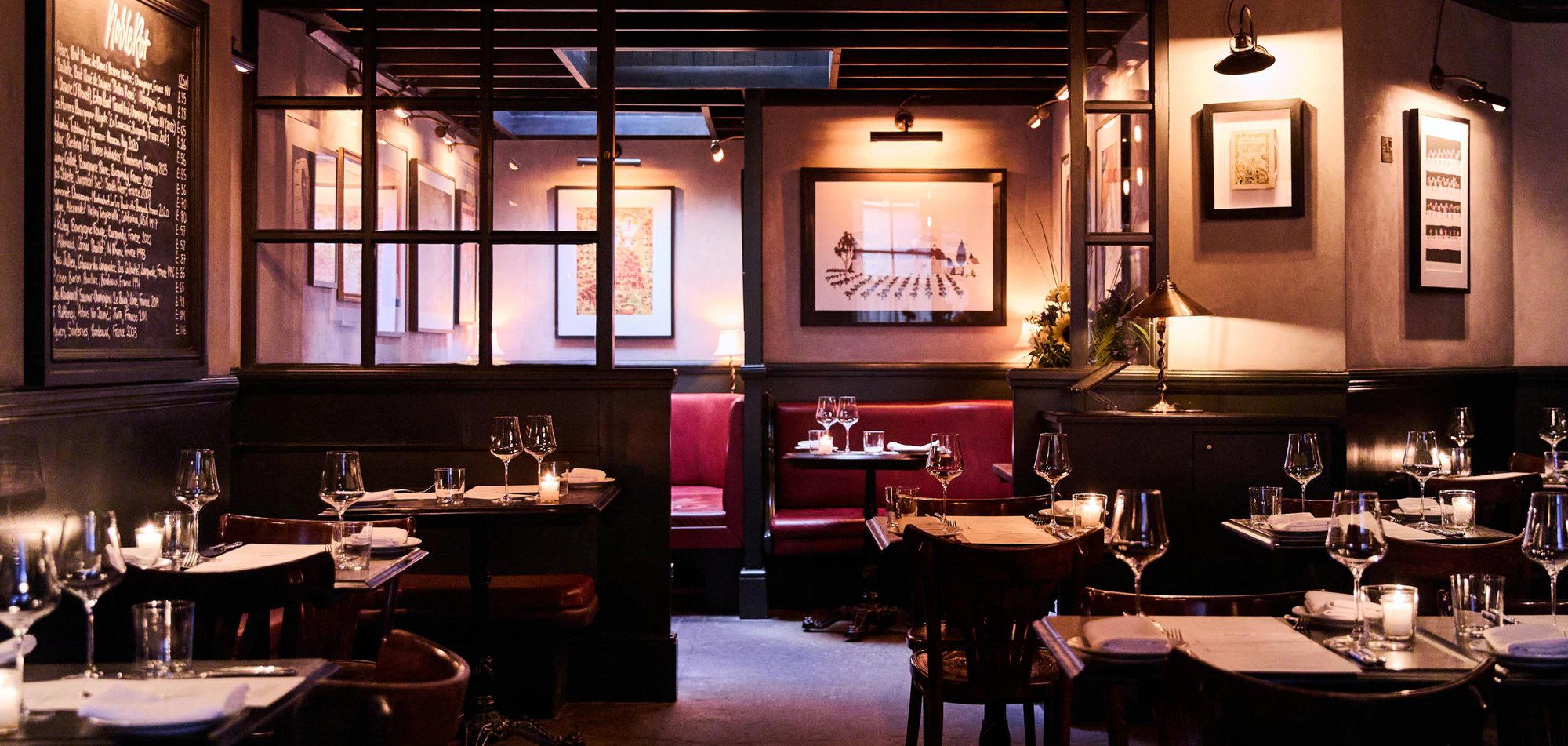
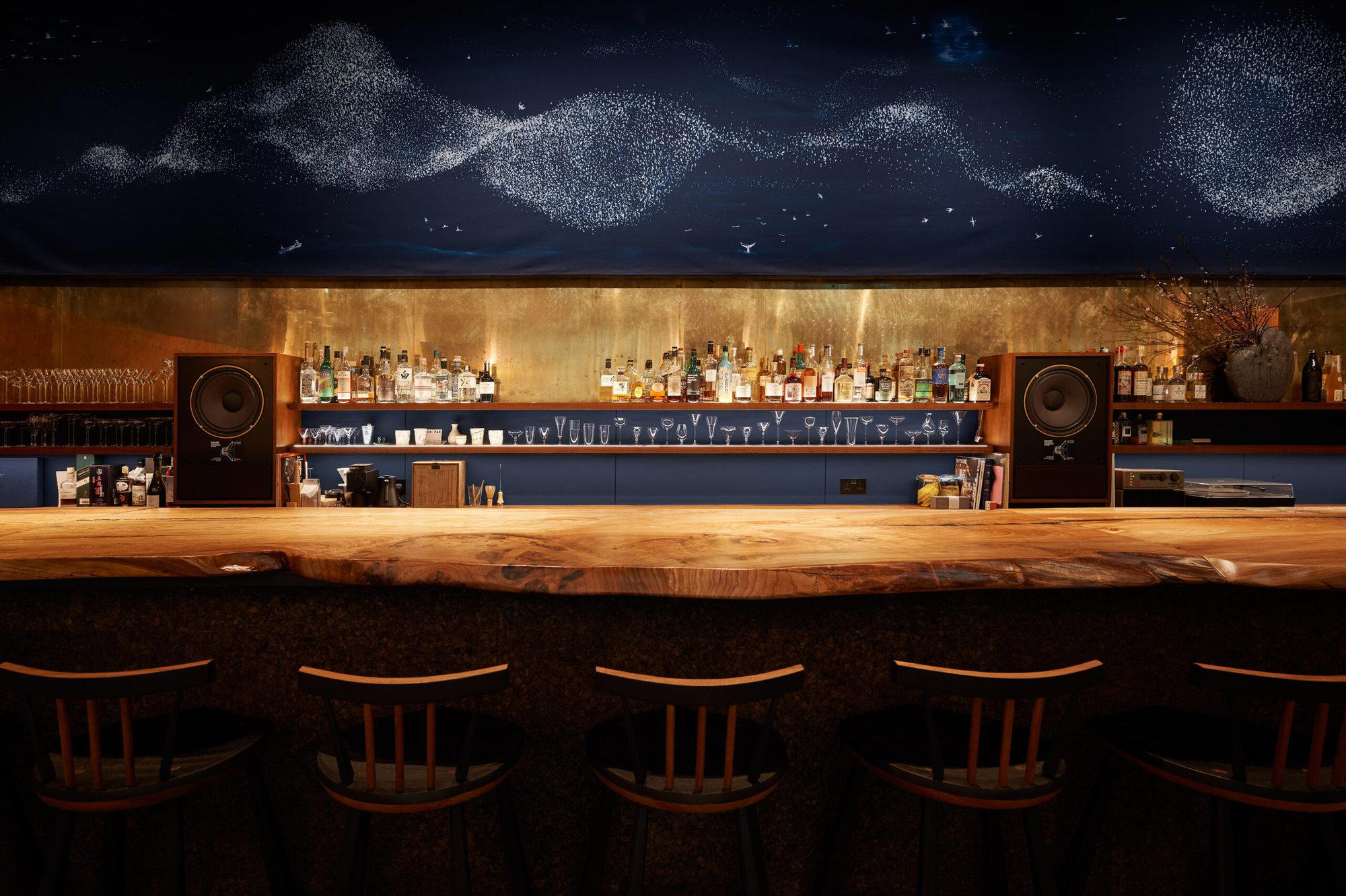
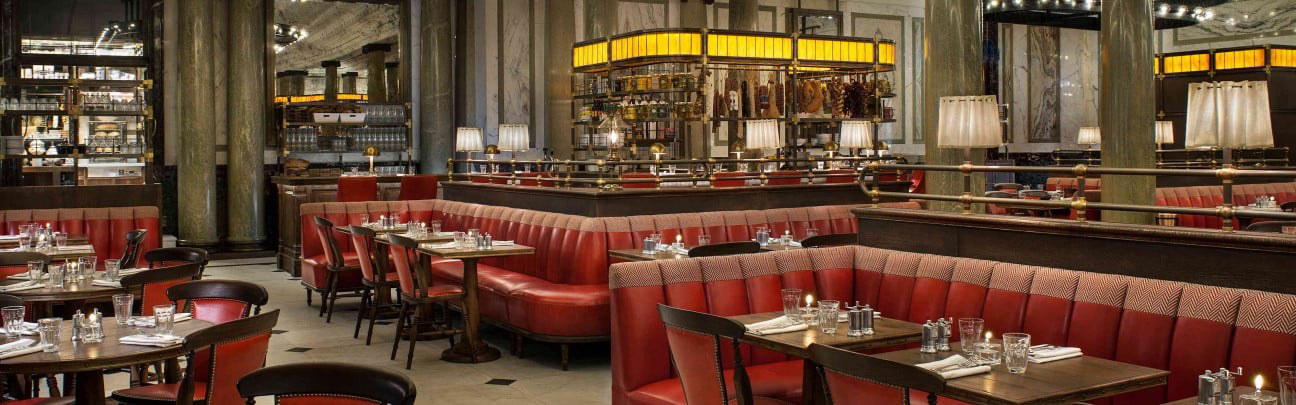
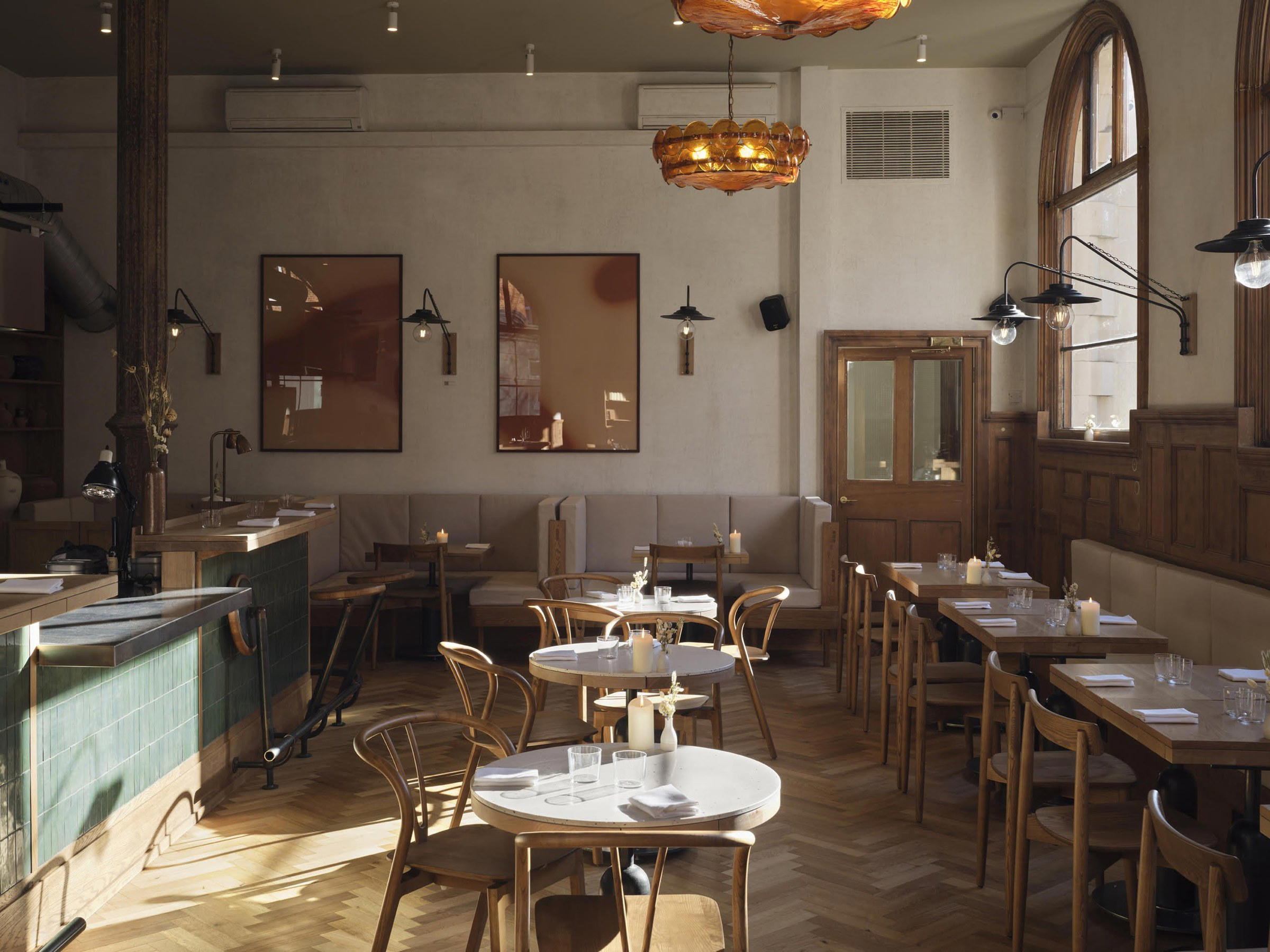
When Ben Marks and Matt Emerson opened Morchella in a former bank on Rosebery Avenue, they were making a bet on Clerkenwell's appetite for something more expansive than their first venture. Their debut, Perilla in Newington Green, had built a reputation on a compact, precise format. Morchella, by contrast, leaned into scale: oak panelling, parquet flooring, arched wood-framed windows, and a room large enough to seat a crowd without crowding the concept. The move from bijou to grand is one that London's most capable operators tend to make carefully, because scale amplifies every weakness. Here, it largely works.
Morchella now holds a Michelin Bib Gourmand for 2024 and 2025, placing it in the tier of London restaurants that deliver cooking above their price bracket rather than merely at it. The restaurant also appears in the Opinionated About Dining Casual Europe list for 2025, a guide that tracks the kind of serious-but-unstuffy operations that rarely make headlines but keep critics returning.
How the Menu Is Built, and What That Architecture Signals
Mediterranean sharing menus have become shorthand for a particular kind of casual ambition in London: accessible enough to feel relaxed, technically considered enough to justify the bill. Morchella's menu fits that broad category, but its architecture is more deliberate than most. The kitchen operates with a Mediterranean slant designed explicitly for sharing, which means the dishes are sized and sequenced to encourage the table to move through snacks, pasta, meat, and dessert as a collective exercise rather than a series of individual choices.
That structure has a practical implication: the menu rewards groups of three or four who can cover more ground. A solo diner or a pair working through the card will have to make harder choices. The spaghetti alle vongole, flagged repeatedly in editorial coverage as the dish that disrupts sharing instincts, is a useful indicator of how the kitchen calibrates richness. Pasta at this price point, in this format, often functions as the menu's structural centre of gravity, and Morchella appears to treat it that way.
The snack tier anchors the opening: spanakopita in thin filo pastry represents a category of Mediterranean small plates that London has absorbed from multiple directions, from Levantine-leaning kitchens like Bala Baya and Oren to more classically French-leaning operations like Bellanger. What distinguishes Morchella's approach is the move toward richer, slower-cooked proteins in the main course tier, pork jowl with crackling and quince compôte signals a kitchen comfortable with longer preparation times and textural contrast, not just quick-fire vegetable cookery.
The dessert tier, where the black fig and fig-leaf choux bun has drawn specific attention, suggests a pastry section that takes its cue from the savouriness of the rest of the menu rather than defaulting to sweetness. Fig-leaf infusion is a technique that has moved through fine dining kitchens over the past decade; its presence here, at a Bib Gourmand level, indicates a kitchen tracking contemporary technique without making technique the point.
The Wine Bar as a Structural Choice, Not an Afterthought
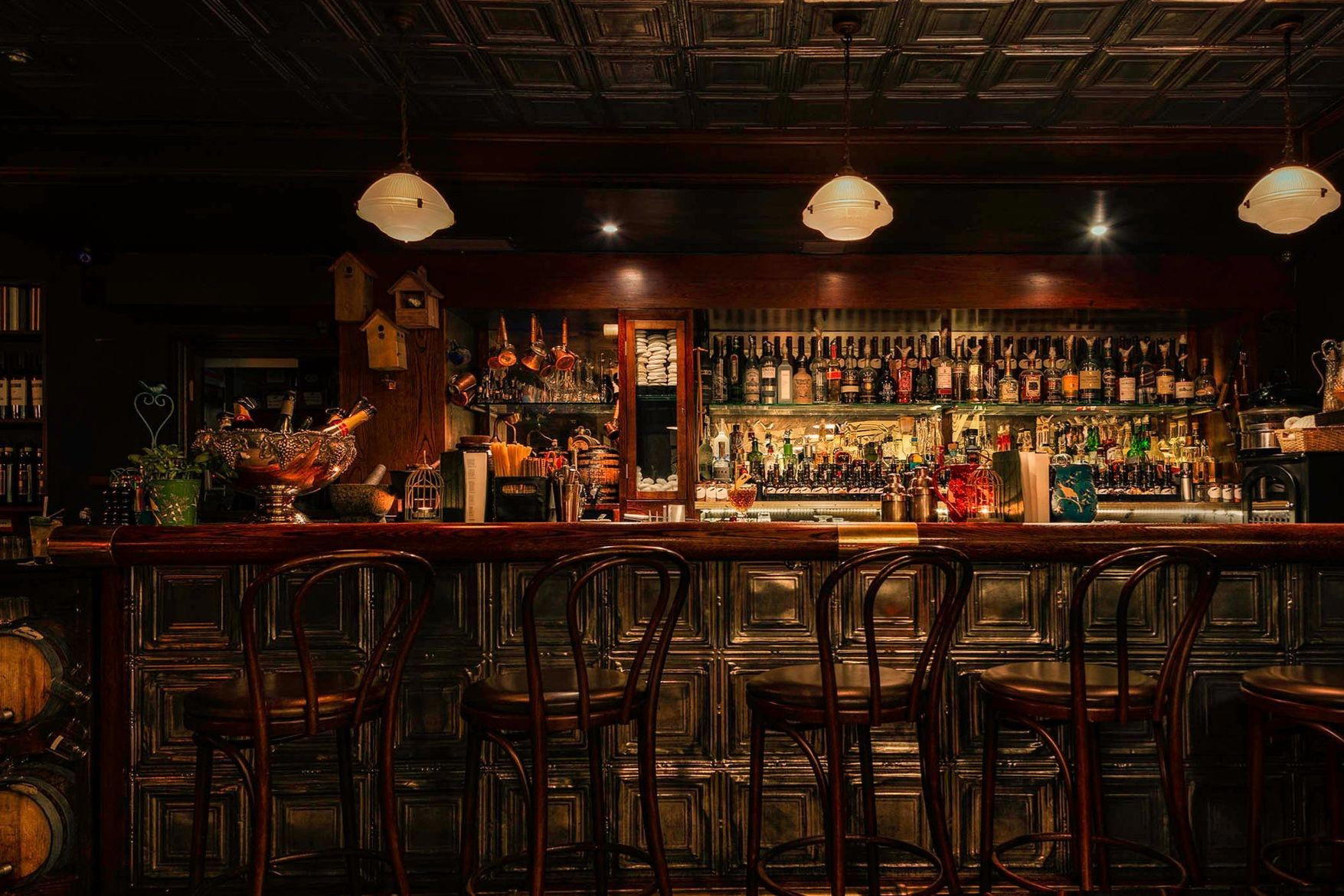
Adjacent wine bar is worth treating as a distinct room rather than an overflow space. Its list, categorised as Classic, Coastal, or Funky, is predominantly organic, biodynamic, and European, a curation that reflects the broader London shift toward natural and low-intervention wine that has reshaped the mid-market drinks offer over the past five years. The categorisation system is editorial rather than technical: it signals texture and style to a drinker who may not navigate by appellation, which is a useful accessibility choice at a price point where wine literacy varies.
That the operators have integrated the wine bar directly into the Morchella proposition, rather than running it as a separate brand, matters for how you plan a visit. Arriving early for a glass at the bar before moving to a table is a more functional approach here than at most comparable London operations, where bar seating and dining room are disconnected experiences. For a read on how London's wine bar scene sits relative to the dining room model, Peckham Cellars offers a useful comparison point: a wine-forward operation where the list does significant editorial work alongside the food.
Clerkenwell's Mid-Market Context
Rosebery Avenue sits at the southern edge of Clerkenwell, close enough to Exmouth Market to draw from its established foot traffic, and far enough from the City to maintain a neighbourhood rather than corporate atmosphere. Clerkenwell has long operated as one of London's more interesting mid-market dining zones: it has the density of EC1's creative and media workforce, which generates lunchtime demand and after-work trade, without the expense-account ceiling that skews menus in the Square Mile. That context explains why a great-value lunch menu makes structural sense for Morchella, it converts daytime visitors who might otherwise walk to one of the market stalls on Exmouth into seated covers.
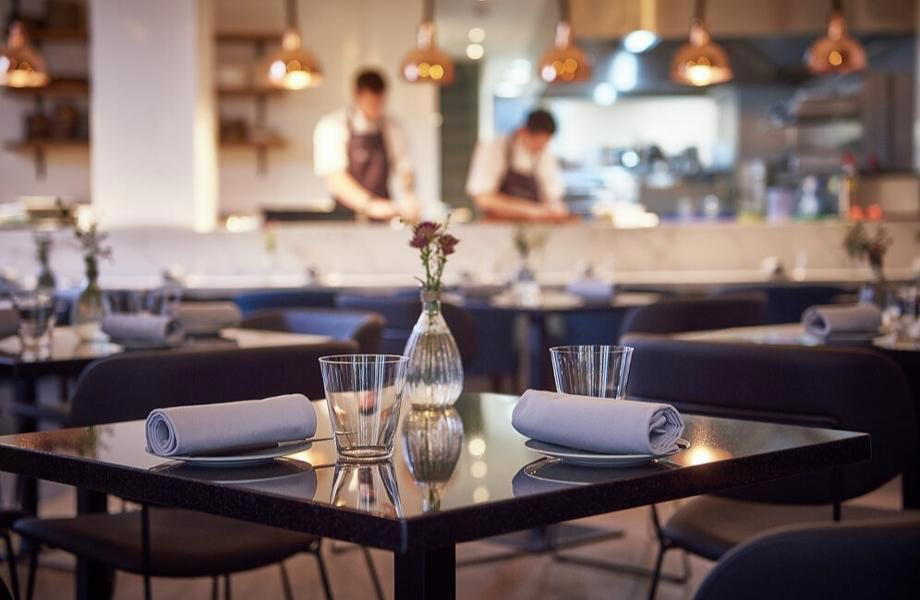
The acoustics issue noted in editorial coverage, hard surfaces, open kitchen, noise when the room fills, is a known trade-off in converted industrial or institutional spaces. Former banks are particularly unforgiving because they were built for reverence, not conversation. Morchella's solution appears to be atmosphere over intimacy: the soundtrack is deliberate, the staff relaxed, and the room pitched at a volume that suits groups rather than quiet dinners for two. If the latter is what you are after, this is worth factoring into your planning.
Where Morchella Sits in the London Hierarchy
London's Bib Gourmand tier has expanded significantly over the past decade, and it now encompasses a wide range of formats, from tightly structured tasting menus to precisely the kind of casual, generous sharing-plate operation that Morchella represents. The distinction between a Bib Gourmand and a starred restaurant is not simply one of ambition, it reflects a different calibration of value and formality. At the starred end of London's spectrum, operations like The Twenty Two occupy a different register entirely, where the service architecture and price point signal a separate occasion category.
That is a competitive space: London's Mediterranean mid-market includes operations drawing from Levantine, Aegean, Italian, and Iberian traditions simultaneously. The Bib Gourmand and OAD Casual listing together suggest Morchella has consolidated a position in that group rather than simply occupying it. For wider context on how Mediterranean cooking reads across different European settings, La Brezza in Ascona and Arnaud Donckele and Maxime Frédéric at Louis Vuitton in Saint-Tropez sit at the premium end of the same broad tradition.
For readers planning a wider London itinerary, the EP Club guides to London restaurants, London hotels, London bars, London wineries, and London experiences cover the broader territory. If you are building a UK dining itinerary beyond the capital, The Fat Duck in Bray, L'Enclume in Cartmel, Moor Hall in Aughton, Gidleigh Park in Chagford, Hand and Flowers in Marlow, and Le Manoir aux Quat' Saisons in Great Milton represent the country's higher-formal tier for comparison.
Know Before You Go
- Address: 86 Rosebery Avenue, London EC1R 4QY
- Price range: ££, mid-range; the lunch set menu offers the strongest value-to-quality ratio
- Chef: Daniel Fletcher
- Cuisine: Mediterranean, sharing format
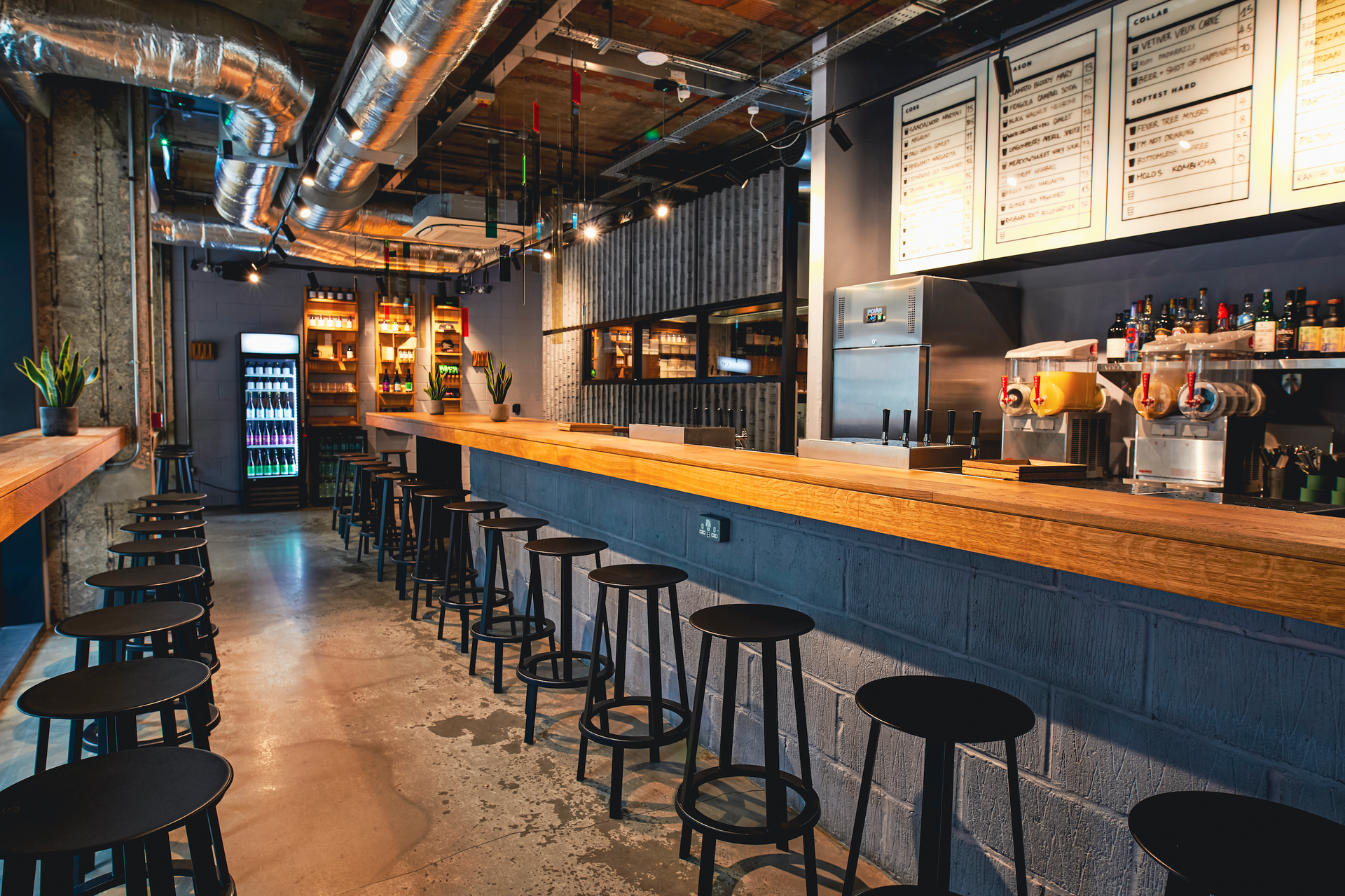
- Wine bar: Adjacent, predominantly organic and biodynamic, categorised as Classic, Coastal, or Funky
- Awards: Michelin Bib Gourmand 2024 and 2025; Opinionated About Dining Casual Europe 2025
- Noise level: The open kitchen and hard surfaces generate significant ambient noise when the room is full, plan accordingly for group bookings
- Format note: Sharing plates suit three or more diners; counter seating in the kitchen area is noted as uncomfortable in published reviews
What People Recommend at Morchella
Editorial coverage consistently flags three dishes: the spaghetti alle vongole, which has a reputation for disrupting the sharing format because diners are reluctant to divide it; the slow-cooked pork jowl with crackling and quince compôte, which represents the kitchen's confidence with longer-preparation meat cookery; and the black fig and fig-leaf choux bun at dessert, where fig-leaf infusion adds a grassy, slightly bitter counterpoint to the richness of the choux. The spanakopita in thin filo pastry is the opening snack that has drawn most attention, offering a high-technique entry point at an accessible price. On the drinks side, the wine bar's Funky category is the one most worth asking staff about, as it tends to carry the list's most interesting low-intervention producers.
Frequently asked questions
Who is the chef or culinary lead at Morchella?
The chef associated with Morchella is Daniel Fletcher.
Where exactly is Morchella?
Morchella is located at 86 Rosebery Ave, London EC1R 4QY, United Kingdom, London.
What do people recommend at Morchella?
Editorial coverage consistently singles out the spaghetti alle vongole as the dish most likely to test the sharing format, diners are reportedly reluctant to pass it around. The spinach and feta spanakopita in delicate filo and the slow-cooked pork jowl with crispy crackling and quince compôte also draw consistent praise. For dessert, the black fig and fig-leaf choux bun has become a recurring recommendation across reviews. Morchella holds a Michelin Bib Gourmand for 2024 and 2025, which reflects the kitchen's ability to deliver technically considered cooking at a mid-market price point (££).
How would you describe the cuisine at Morchella?
What's the pricing like at Morchella?
Pricing at Morchella is listed as ££.
Recognition Snapshot
A small set of peers for context, based on recorded venue fields.
| Venue | Cuisine | Price | Awards | Notes |
|---|---|---|---|---|
| MorchellaThis venue (the venue you are viewing) | Modern Mediterranean | $50–100 | Michelin Bib Gourmand · The Good Food Guide GFG Good | Not listed |
| The Ledbury | Modern British Fine Dining | $300–500 | 3 Michelin Stars · World's 50 Best #42 | Modern European, Modern Cuisine |
| Sketch, The Lecture Room and Library | Modern French Fine Dining | $200–300 | 3 Michelin Stars · World's 50 Best #18 | Modern French |
| CORE by Clare Smyth | Modern British Fine Dining | $150–200 | 3 Michelin Stars · World's 50 Best #97 | Modern British |
| Restaurant Gordon Ramsay | French Fine Dining | $200–300 | 3 Michelin Stars · World's 50 Best #13 | Contemporary European, French |
| Dinner by Heston Blumenthal | Historic British Fine Dining | $200–300 | 2 Michelin Stars · World's 50 Best #45 | Modern British, Traditional British |
Recognition history
Dated appearances from independent guides and award organizations, with the underlying list record or original source where available.
Michelin Bib Gourmand
Michelin
Opinionated About Dining Casual in Europe Recommended
Opinionated About Dining
National Restaurant Awards Top 100 #59
National Restaurant Awards
The Good Food Guide GFG Good
The Good Food Guide
Full recognition history (7 entries)
Michelin Bib Gourmand
Michelin
Opinionated About Dining Casual in Europe
Opinionated About Dining
Michelin Bib Gourmand
Michelin