Our verdict
Luzzi sits within Lisbon's growing Portuguese-influenced fusion scene, where the city's Atlantic larder meets broader European and international technique. The room draws on the kind of unhurried energy that defines the better neighbourhood restaurants in the older quarters. It occupies a distinct position from the tasting-menu formality of the capital's Michelin tier, offering a more direct, ingredient-led approach to the table.

Pearl is the En Primeur Club membership app — saves, bookings, and concierge access live there. Same editors, same standards.
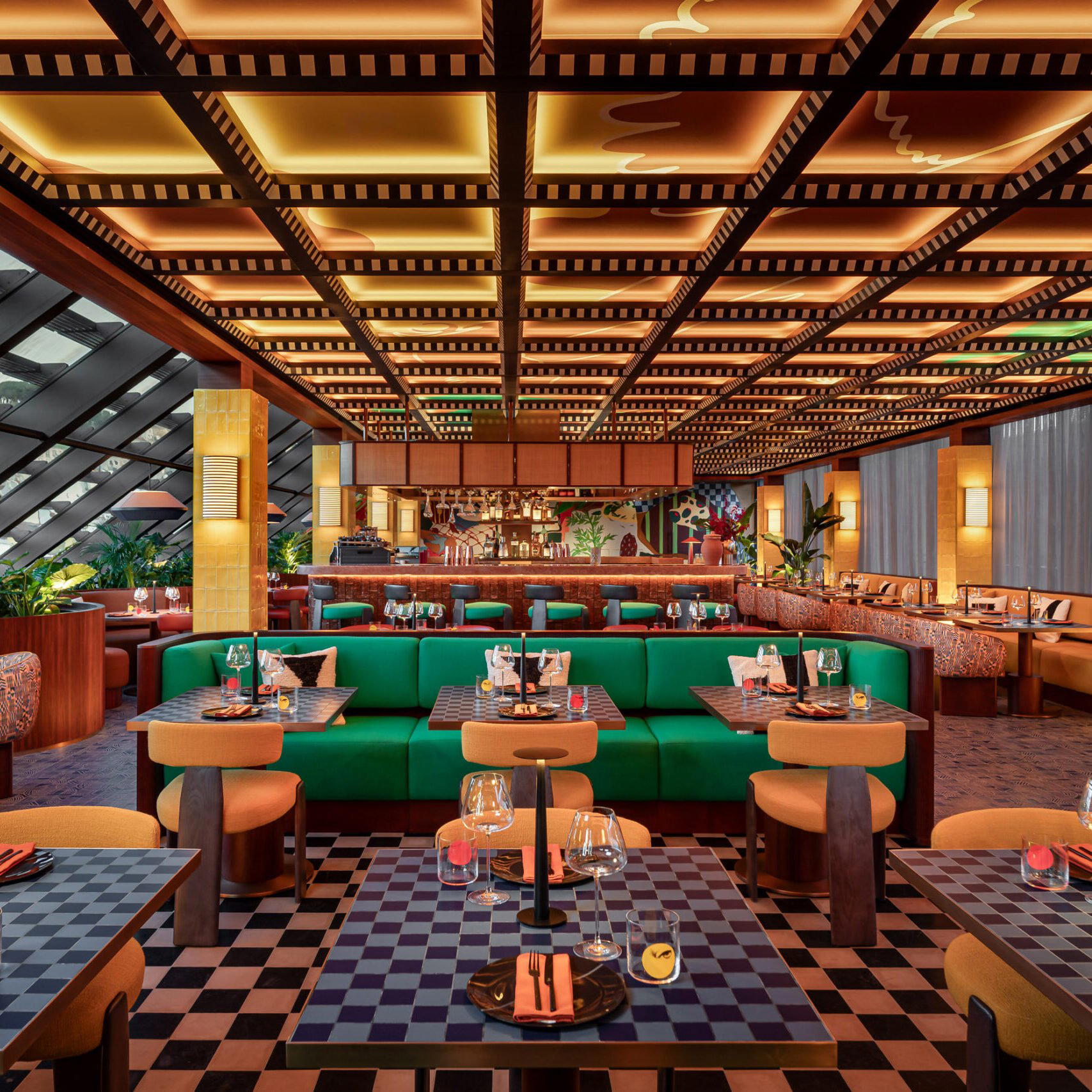
The menu
What to order
- Atum de Cabo Verde
- Shrimp dumplings in tucupi broth
- Lula de Macau com salada de ervas
- Pato à Augusta (duck rice)
- Sweet potato gnocchi with brown crab and scallop
- Moqueca de camarão com marisco
Where the Room Sets the Terms
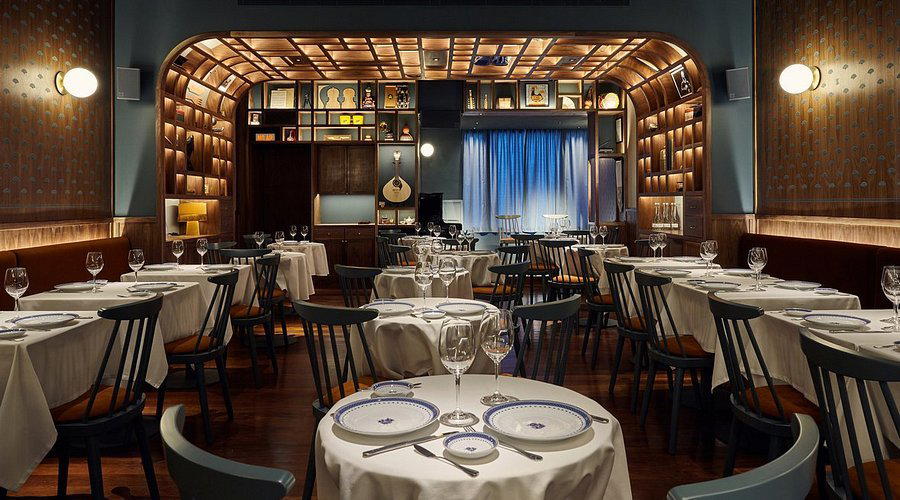
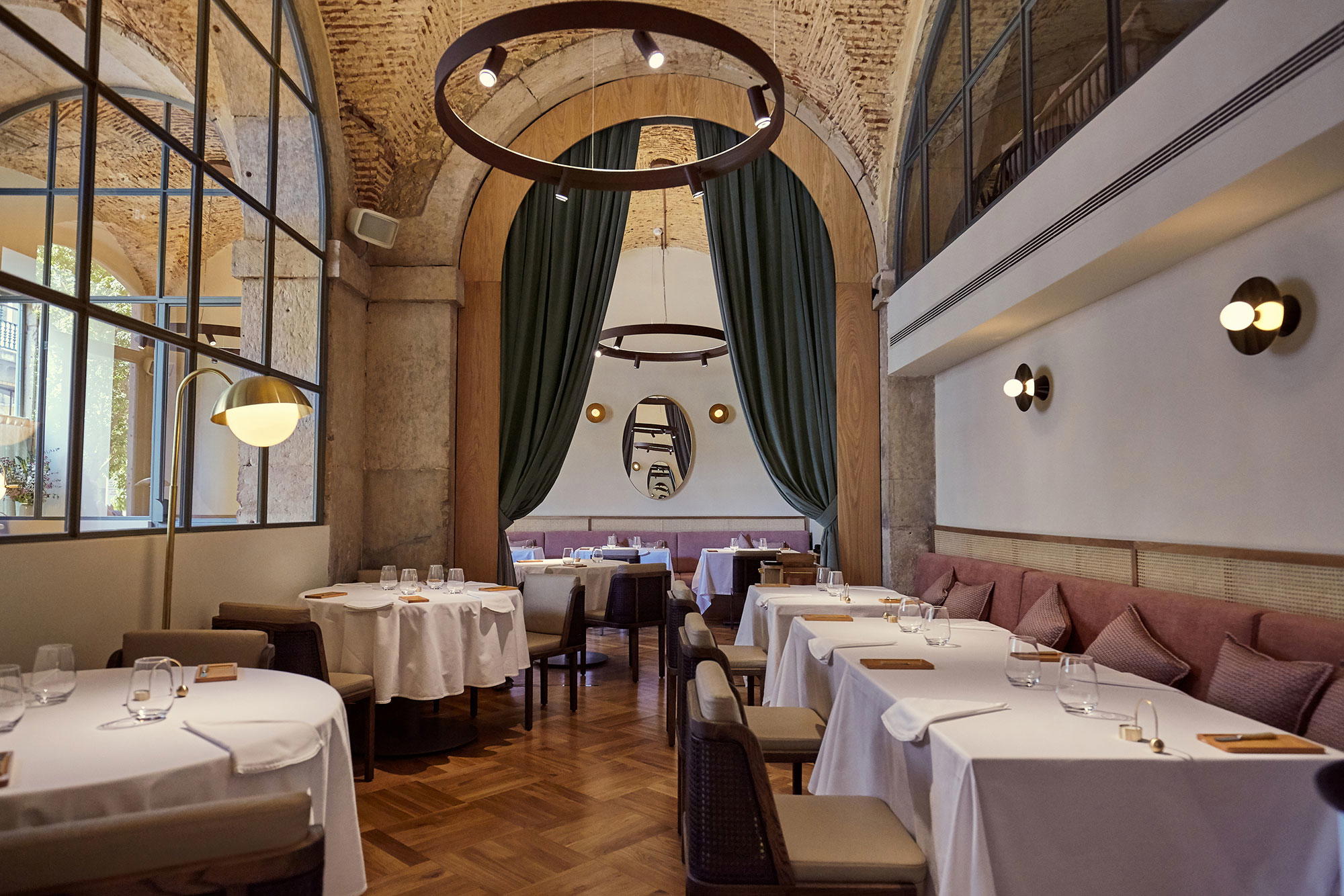
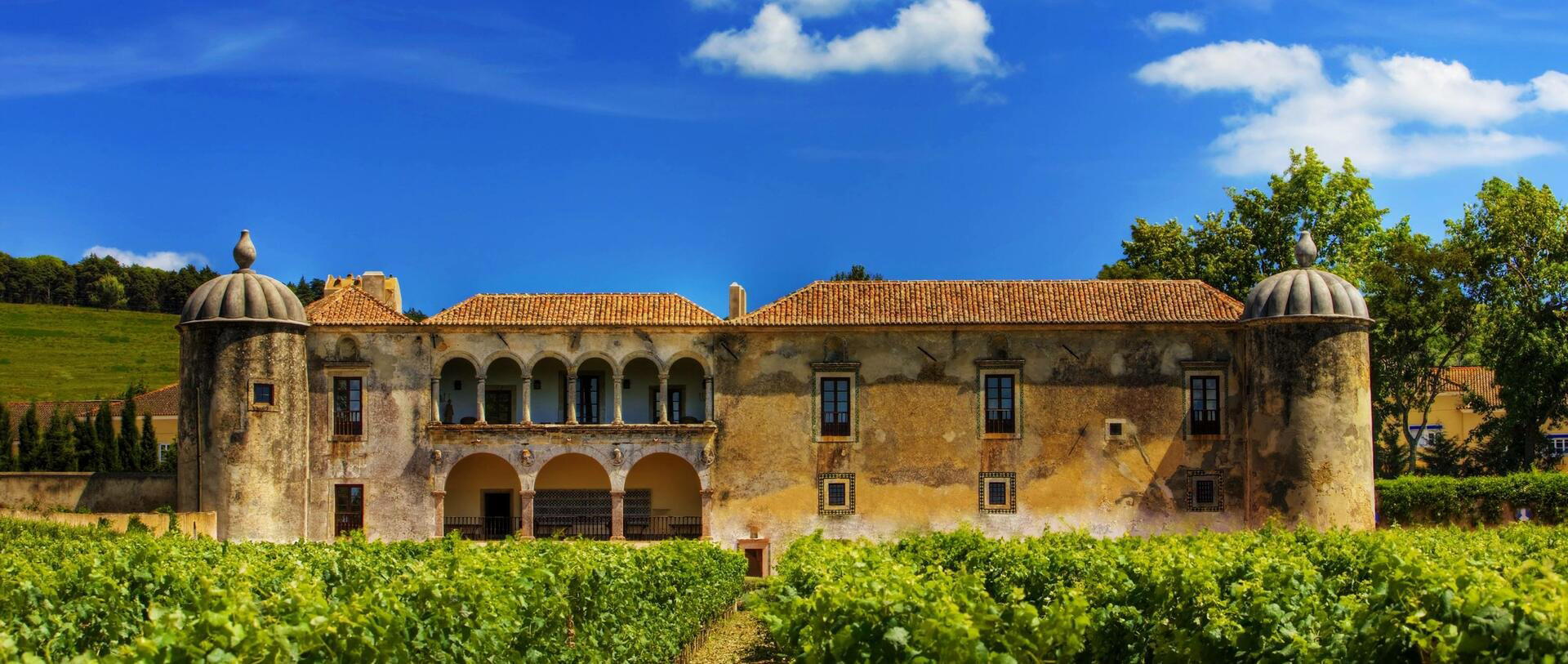
Lisbon's older quarters operate on a different register from the polished dining rooms around Parque Eduardo VII or the waterfront. The streets narrow, the light shifts, and the restaurants that survive in these neighbourhoods tend to earn their place through consistency rather than concept. Luzzi belongs to that category of room where the atmosphere is set by the building and the clientele as much as by any designed intervention: stone walls that hold the cool of the evening, the low percussion of conversation in Portuguese and a half-dozen other languages, the smell of olive oil and char that has settled into the fabric of the place over years of service.
That atmospheric specificity matters in a city where the dining scene has fractured along clear lines. At one end sit the tasting-menu houses — Belcanto, CURA, and Eleven among them — operating at €€€€ and demanding advance planning, structured service, and a full evening commitment. At the other end sits the tascas, where the menu is chalked on a board and changes with the catch and the season. Luzzi occupies the middle ground: Portuguese-influenced and fusion-leaning, with enough technical intent to differentiate it from a neighbourhood taberna, but without the formality that prices out a spontaneous dinner.
The Fusion Frame in Portuguese Cooking
The term "fusion" carries baggage in serious food circles, and for good reason. Applied lazily, it describes a menu that cannot commit to any single tradition. Applied with discipline, it describes something more interesting: a kitchen that uses the logic of one culinary tradition to illuminate ingredients or techniques from another. In Portugal, that second version has genuine historical grounding. The country's centuries of maritime trade left a permanent mark on its cooking, from the adoption of chilli and tomato, both post-Columbian imports, to the piri-piri traditions carried back from Mozambique and Angola. What contemporary kitchens describe as Portuguese-fusion is often less a departure from tradition than a continuation of it.
Lisbon's current generation of fusion-leaning restaurants sits within that longer arc. 2Monkeys and 50 Seconds from Martin Berasategui represent different points on the spectrum, one more playful and wine-bar adjacent, the other anchored by the formal credentials of the Basque fine dining world. Luzzi reads as something between: rooted enough in Portuguese product and palate to feel local, open enough in technique and reference to draw a broad room.
Sensory Architecture of an Evening
The experience of eating in a room like this one is built from accumulation rather than single moments. Lisbon's characteristic evening light, golden and slow to fade well into autumn, filters through older windows at a particular angle in the earlier seatings, giving the room a warmth that no lighting designer fully replicates. By the second seating, the temperature of the room has shifted; it is louder, more compressed, the tables closer together in effect if not in fact because the noise has closed the distance between them.
Portuguese-influenced kitchens in this tier tend to work from a shared larder: bacalhau in its many treatments, pork from the Alentejo, clams opened with white wine and coriander, the small oily fish that define the Atlantic coast from Setúbal to Peniche. The fusion framing means those materials may arrive with a different acid structure, a spice register from further afield, or a plating language borrowed from somewhere else entirely. The better versions of this approach use the foreign reference to sharpen the local ingredient rather than obscure it, the same instinct that drives the kitchens at Vila Joya in Albufeira or Antiqvvm in Porto at the higher end of Portuguese fine dining.
Lisbon in the Wider Portuguese Dining Map
Understanding where Luzzi sits requires some sense of the national picture. Portugal's two-star and above restaurants are distributed across the country in a way that reflects geography as much as gastronomy: Casa de Chá da Boa Nova in Leça da Palmeira and The Yeatman in Vila Nova de Gaia anchor Porto's fine dining identity, while Ocean in Porches and Il Gallo d'Oro in Funchal represent the Algarve and Madeira respectively. Lisbon absorbs the largest share of international visitors and has developed the most varied mid-tier dining scene as a result, more fusion, more international reference points, more range in format and price.
That variety is partly a function of the city's position as a European short-break destination. The visitor base is broad and increasingly food-literate, and the restaurants that have emerged to serve it range from chef-driven tasting menus to sharply edited neighbourhood rooms.
Planning Your Visit
Lisbon's mid-tier restaurant scene operates without the extended advance booking windows of the Michelin-starred rooms, but the better neighbourhood restaurants fill quickly in the peak months, roughly April through October, with July and August bringing the highest footfall from international visitors. An earlier or later seating on a weeknight typically offers the smoothest entry point. For those building a wider Lisbon itinerary around food and drink, our full Lisbon restaurants guide maps the scene across price tiers and neighbourhoods, and the Lisbon hotels guide, bars guide, wineries guide, and experiences guide cover the broader itinerary. For international context on how Lisbon's ambitious restaurants compare to global peers, the dining rooms at Le Bernardin in New York City and Emeril's in New Orleans offer a useful reference frame for what high-craft cooking at different price points can mean in practice.
Frequently asked questions
How does Luzzi's fusion approach differ from other contemporary Portuguese restaurants in Lisbon?
Where many Lisbon restaurants brand themselves as contemporary Portuguese while staying close to bacalhau and piri-piri conventions, Luzzi works within a stated fusion frame — meaning outside culinary references are treated as structural rather than decorative. This puts it in a smaller peer group within the city, distinct from both the tourist-facing traditional rooms and the tasting-menu establishments that hold Portugal's Michelin attention.
What dish is Luzzi famous for?
Luzzi's kitchen operates within a Portuguese-influenced fusion framework, which means the menu draws on domestic produce and technique while introducing outside references. No single signature dish has been documented in public record, so the most reliable approach is to ask the floor staff which preparations are running well on the night you visit — a practice that tends to yield better results in Lisbon's neighbourhood rooms than any printed recommendation.
What's the best way to book Luzzi?
Luzzi does not currently list a booking phone number or website in public directories. For Lisbon's better neighbourhood restaurants operating at this tier, walk-ins during the week are often viable, but Friday and Saturday evenings fill early. Arriving before 7:30 pm or after 9:30 pm gives you the clearest shot at a table without a prior reservation.
What is Luzzi known for?
Luzzi is identified as a Portuguese-influenced fusion restaurant in Lisbon, placing it within a city that has increasingly moved beyond strictly traditional tabernas toward kitchens willing to work across culinary borders. That positioning distinguishes it from the conventional petiscos format while keeping Portuguese produce and cooking logic at the centre of the plate.
Continue exploring
More in Lisbon
Restaurants in Lisbon
All restaurants in Lisbon →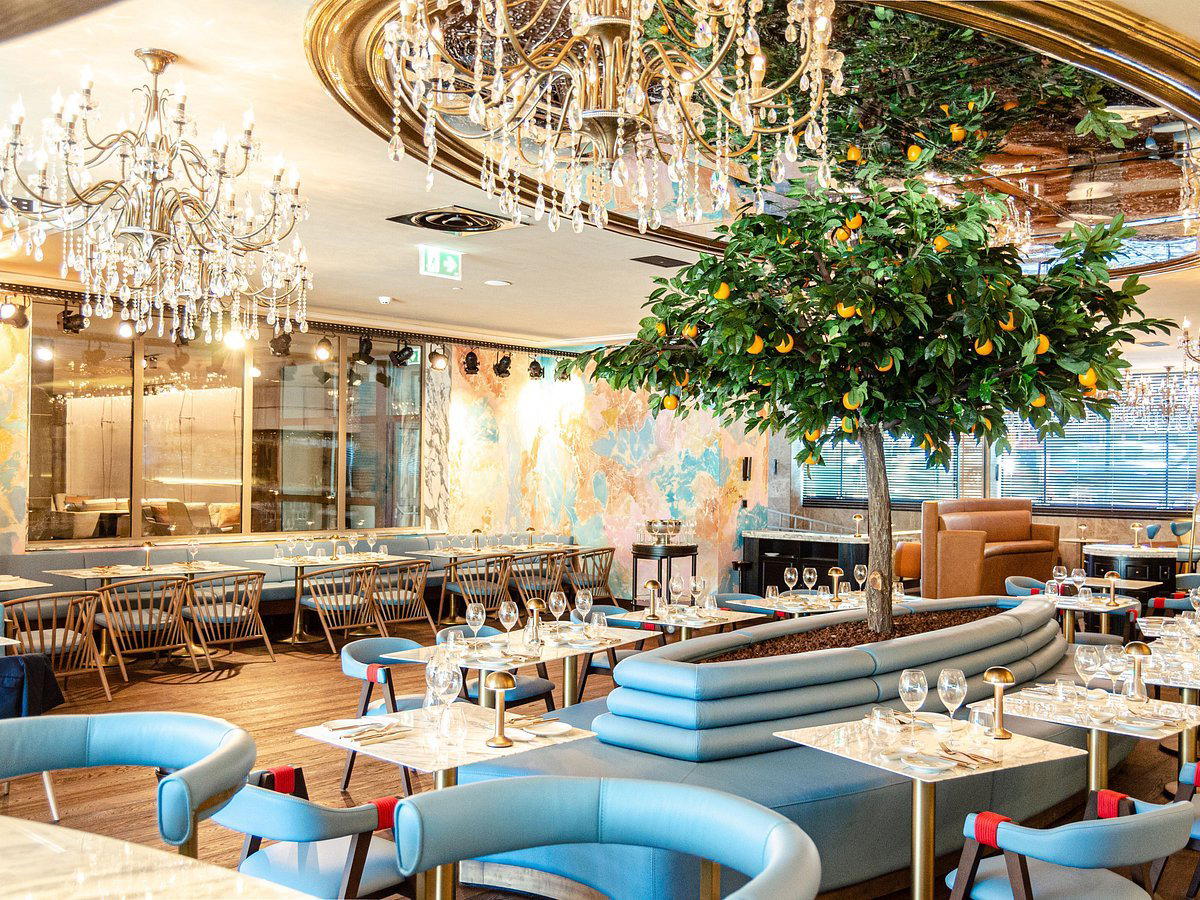
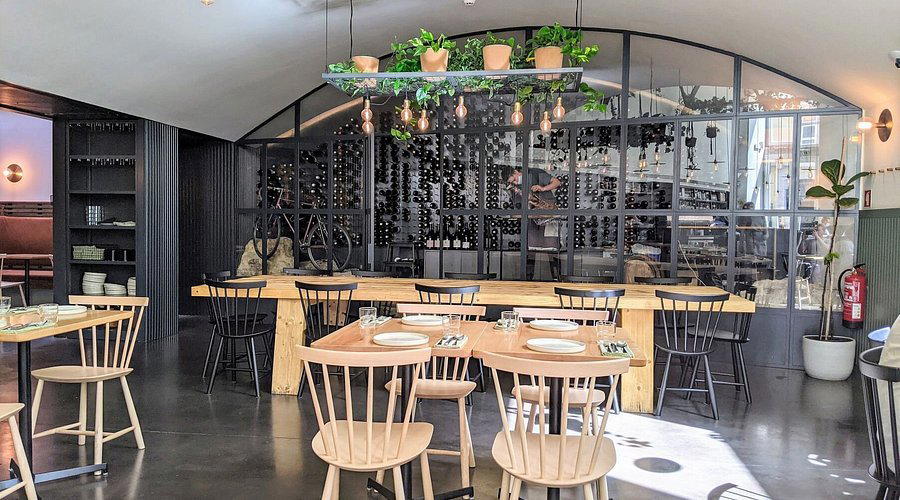
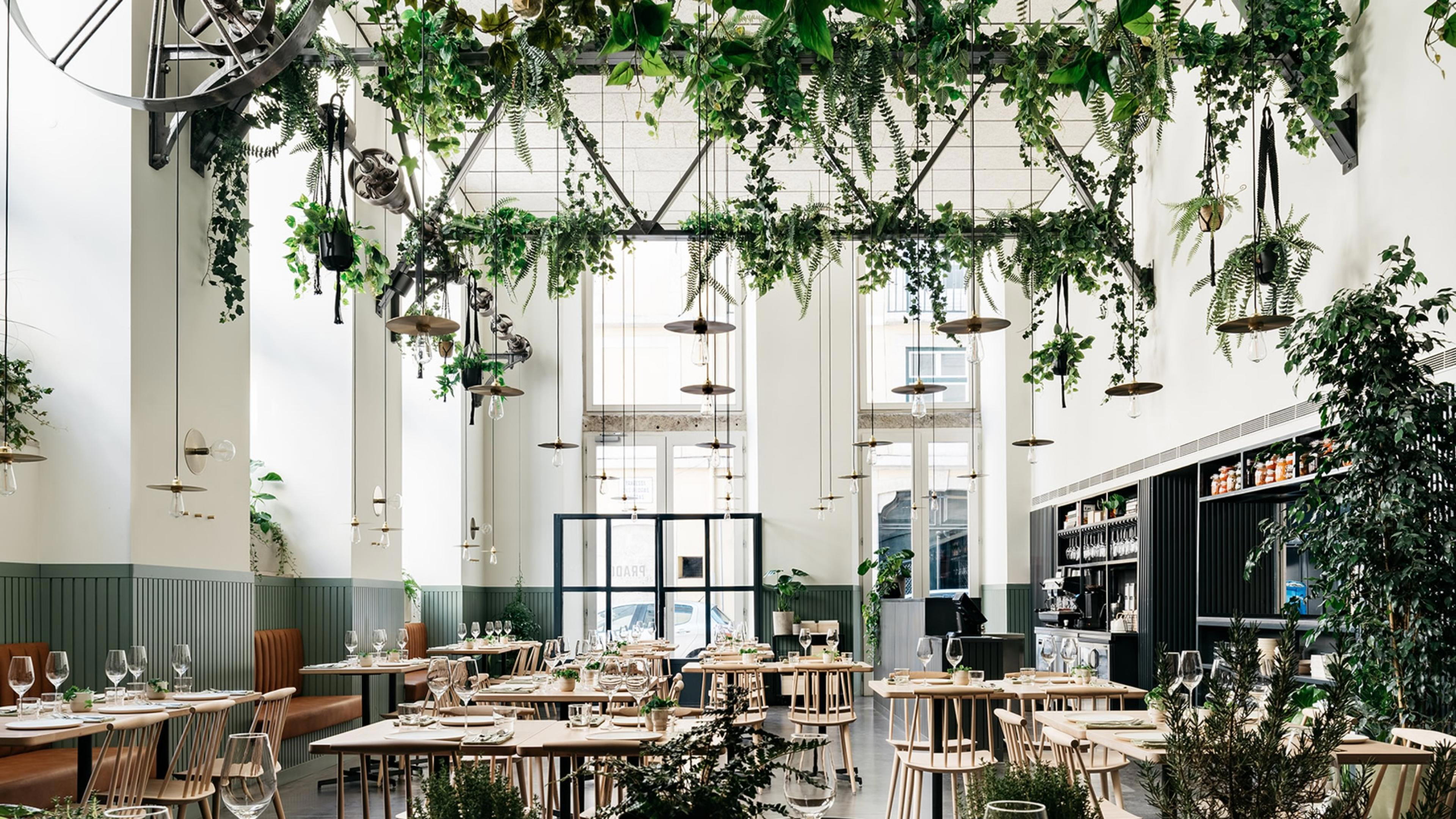
Bars in Lisbon
All bars in Lisbon →
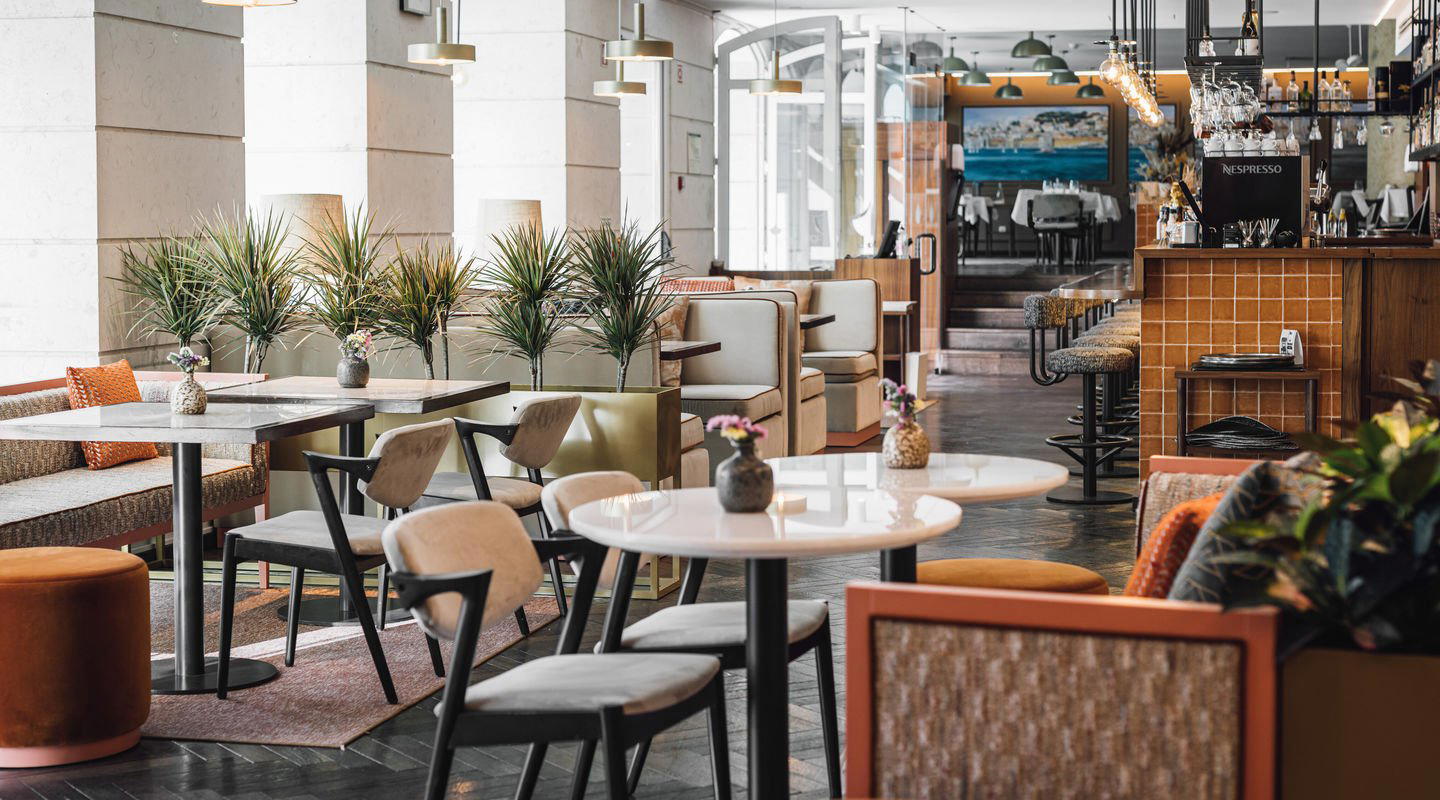
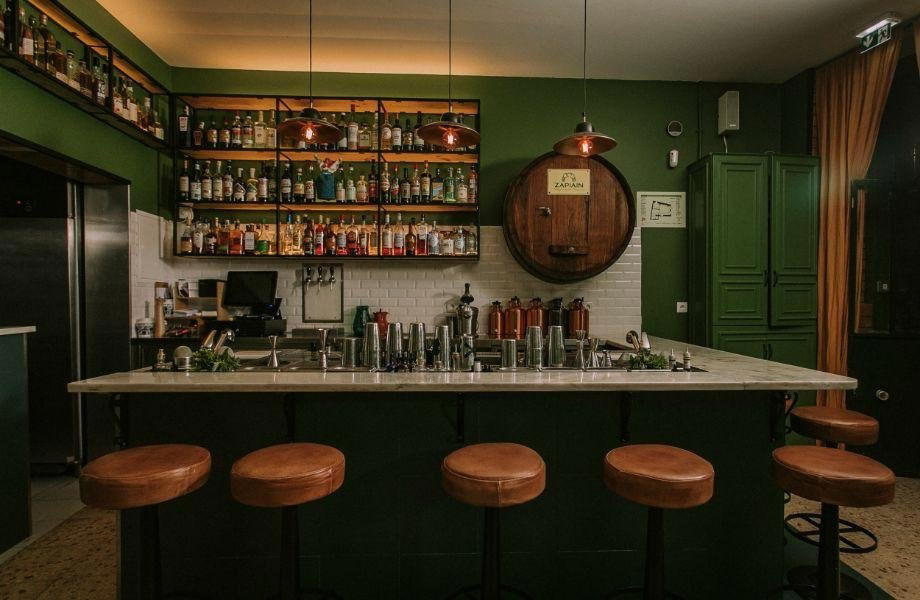
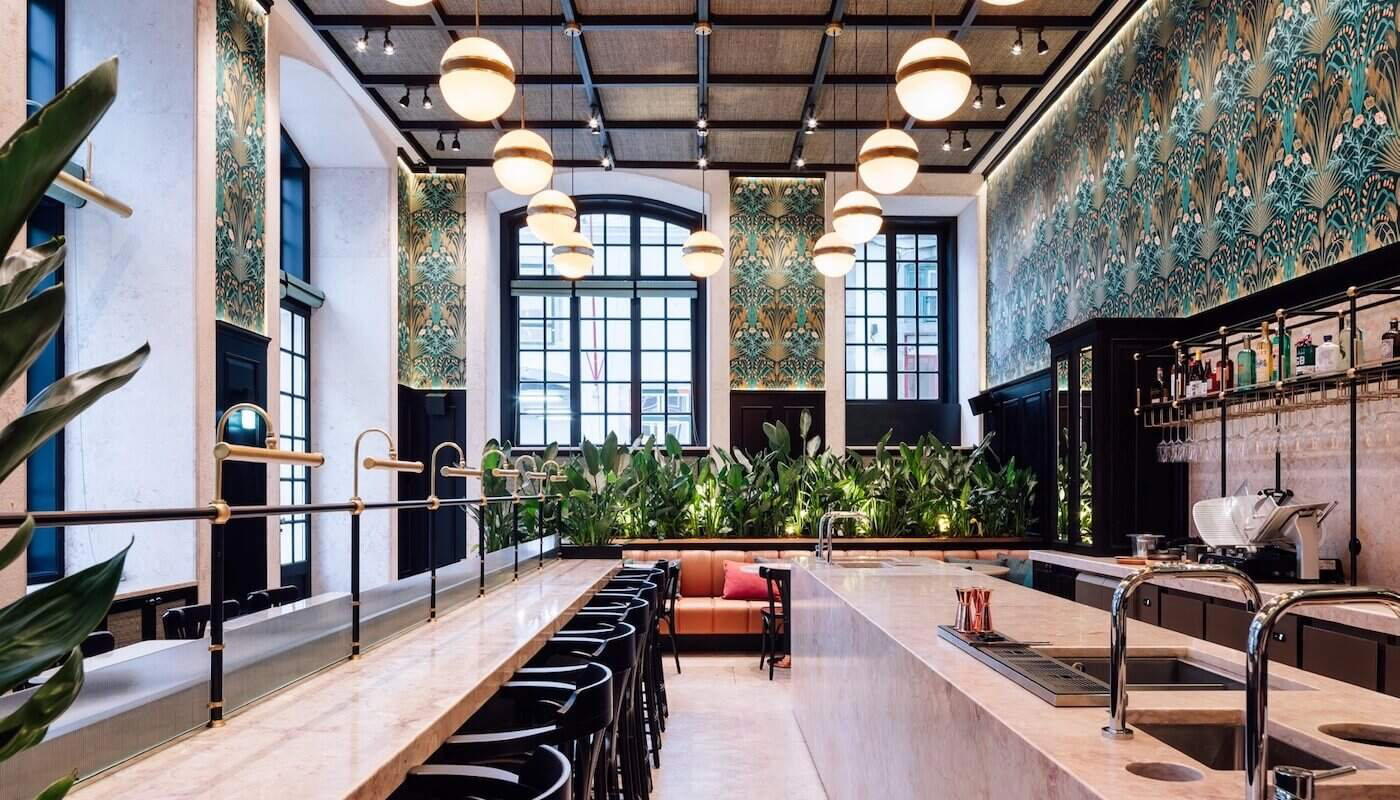
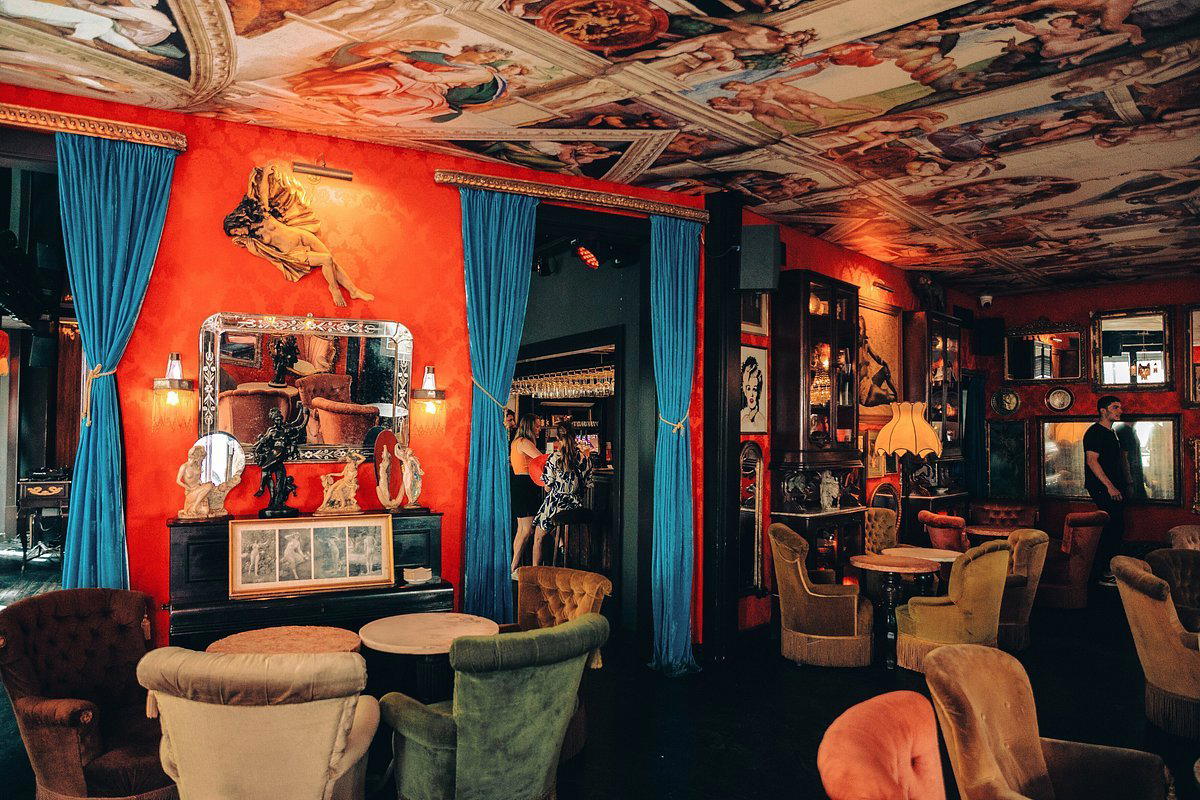
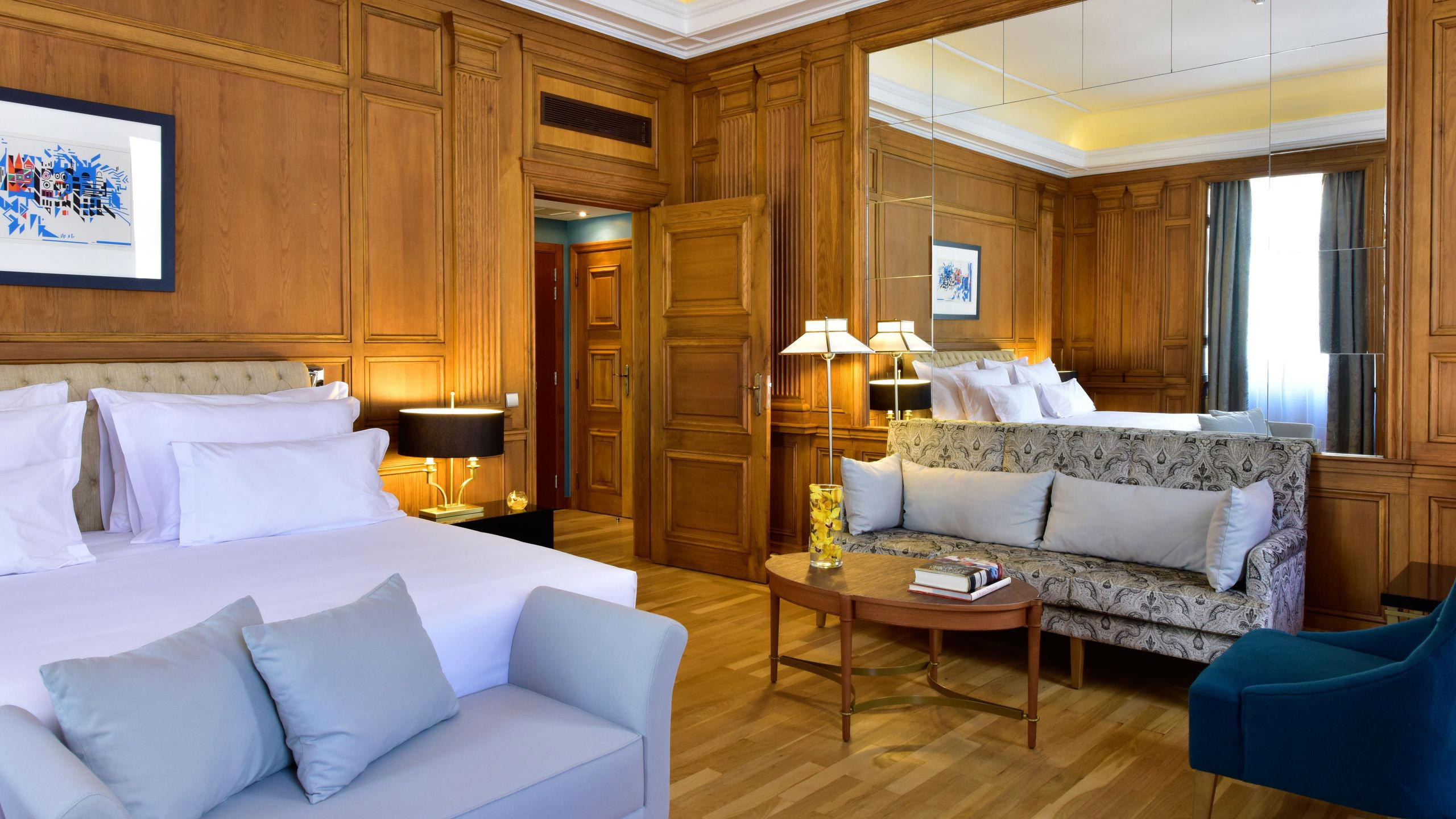
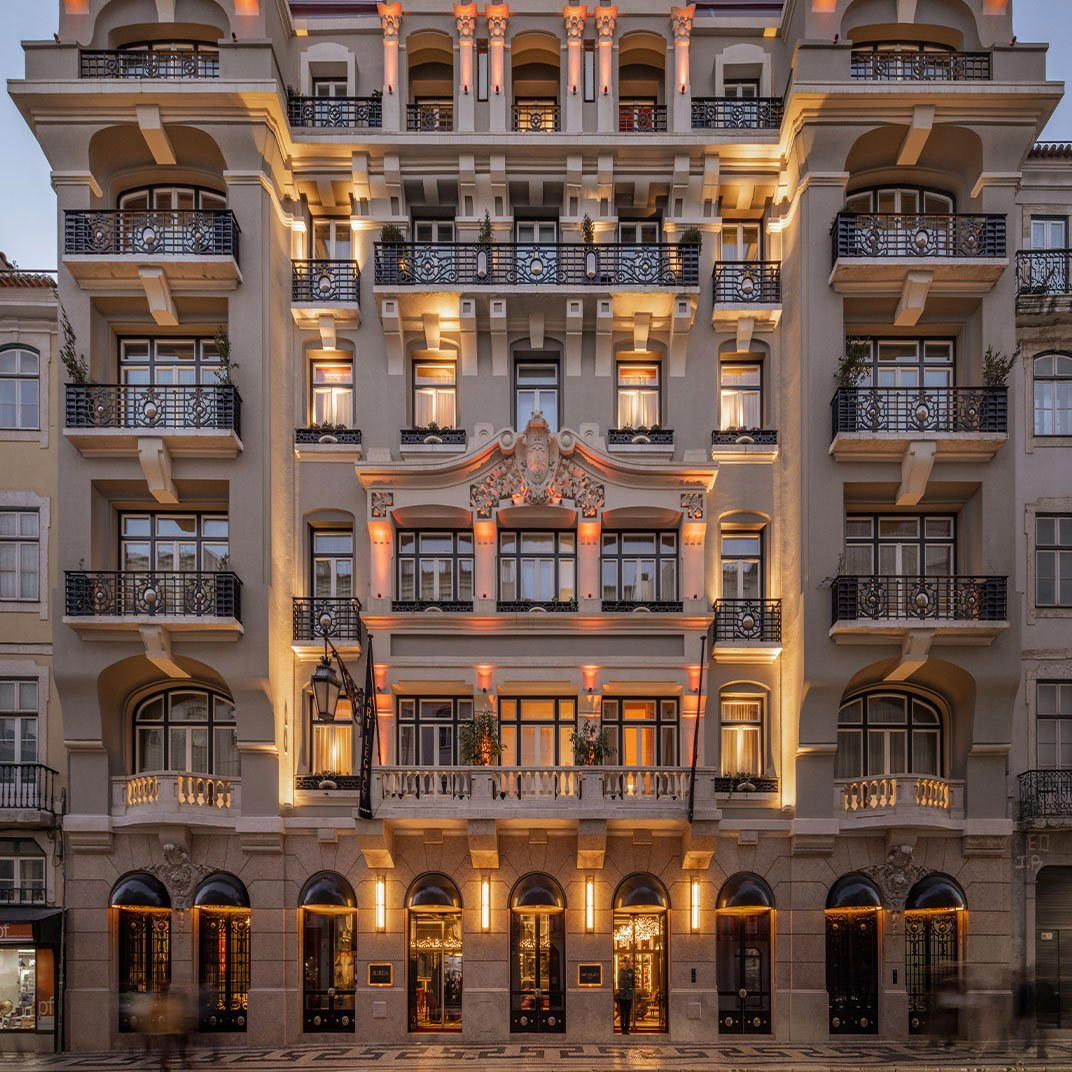
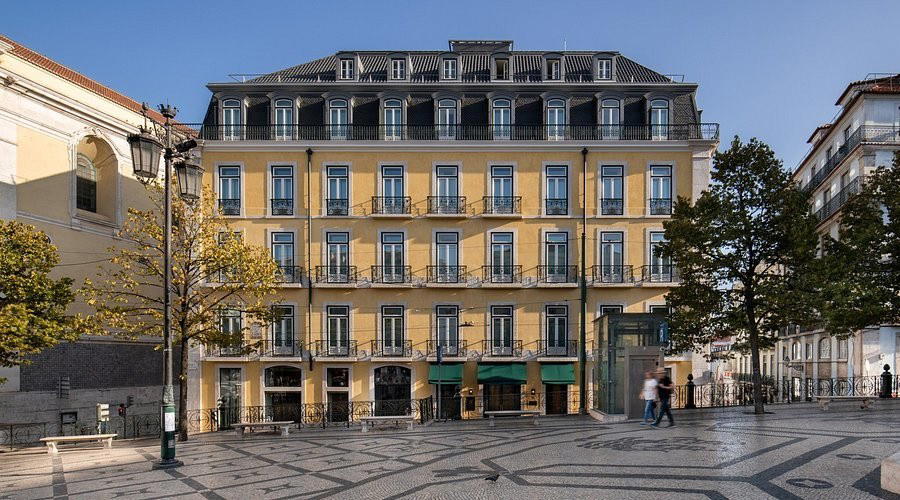
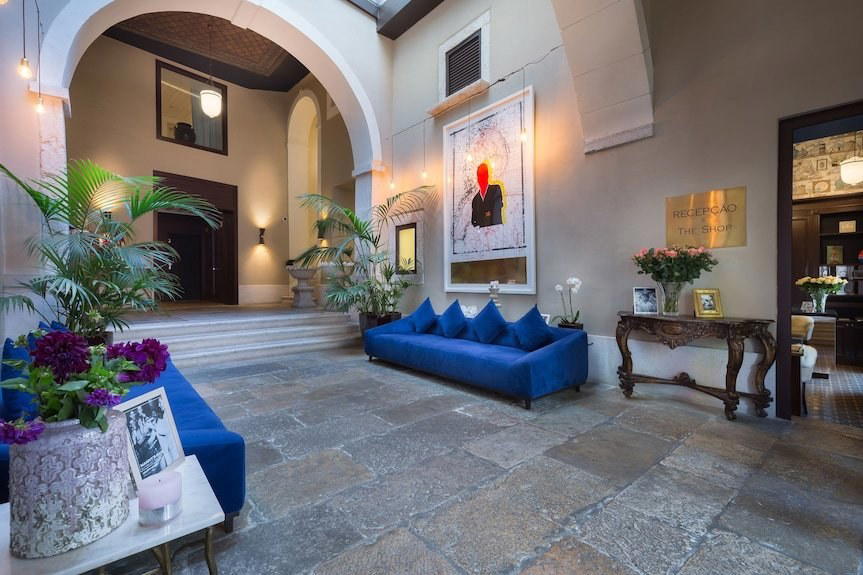
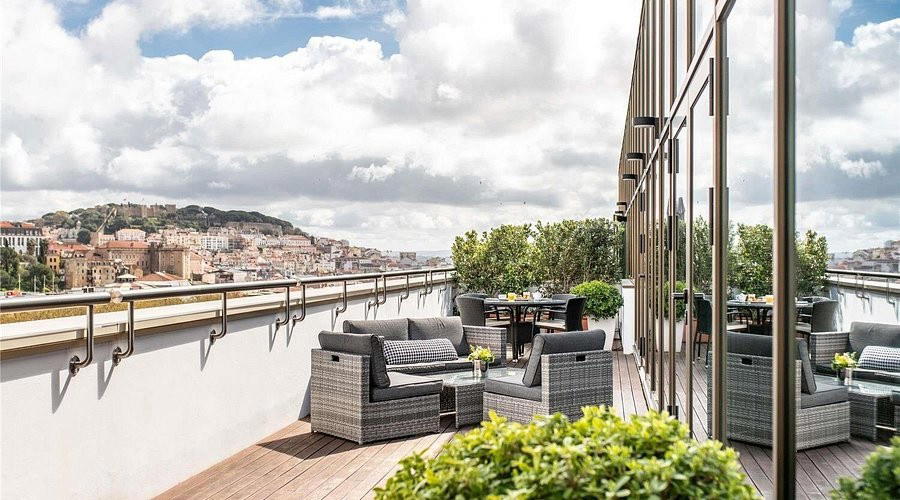

Luzzi Restaurant & Terrace
The wine
- Wine program
- Curated wine list
- Craft cocktails
Details
- Lively
- Modern
- Trendy
- Sophisticated
- Energetic
- Scenic
- Intimate
- Date Night
- Group Dining
- Celebration
- After Work
- Brunch
- Special Occasion
- Casual Hangout
- Rooftop
- Live Music
- Terrace
- Panoramic View
- Design Destination
- Hotel Restaurant
- Craft Cocktails
- Local Sourcing
- Skyline
- Street Scene
- A La Carte
- Small Plates
- Cocktails
- Wine
Current opening hours
- Monday
- Closed
- Tuesday
- 5 pm–12 am
- Wednesday
- 5 pm–12 am
- Thursday
- 5 pm–12 am
- Friday
- 5 pm–12 am
- Saturday
- 5 pm–12 am
- Sunday
- 12:30–6 pm
Hours can change for holidays and private events. Last verified .