L'Isoletta

Among Saint-Tropez's Riviera dining options, L'Isoletta occupies a quieter register than the port-facing terraces that dominate the season. Under chef Nicola Chiappi, the kitchen has earned recognition for its expression of local terroir, drawing on Côte d'Azur produce and the wine traditions of Provence to anchor a menu that reads as place-specific rather than resort-generic.
Pearl is the En Primeur Club membership app — saves, bookings, and concierge access live there. Same editors, same standards.
- Address
- Rte des Carles, 83990 Saint-Tropez, France
- Phone
- +33 4 94 55 82 55
- Website
- bastide-saint-tropez.com
- Directions
- Get directions
 Saves & bookings on Pearl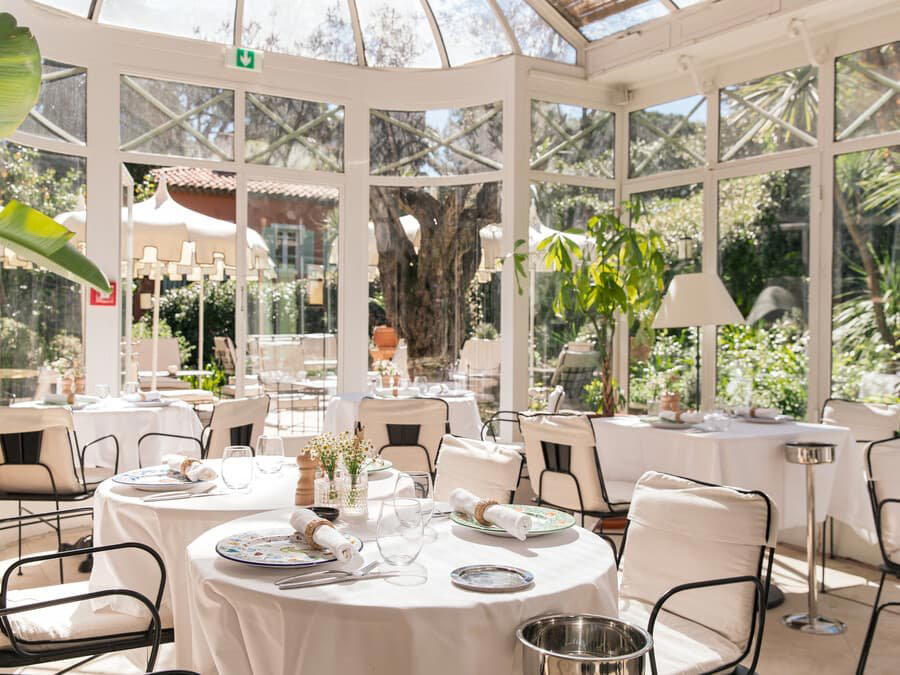
Where the Riviera Pulls Back from the Port
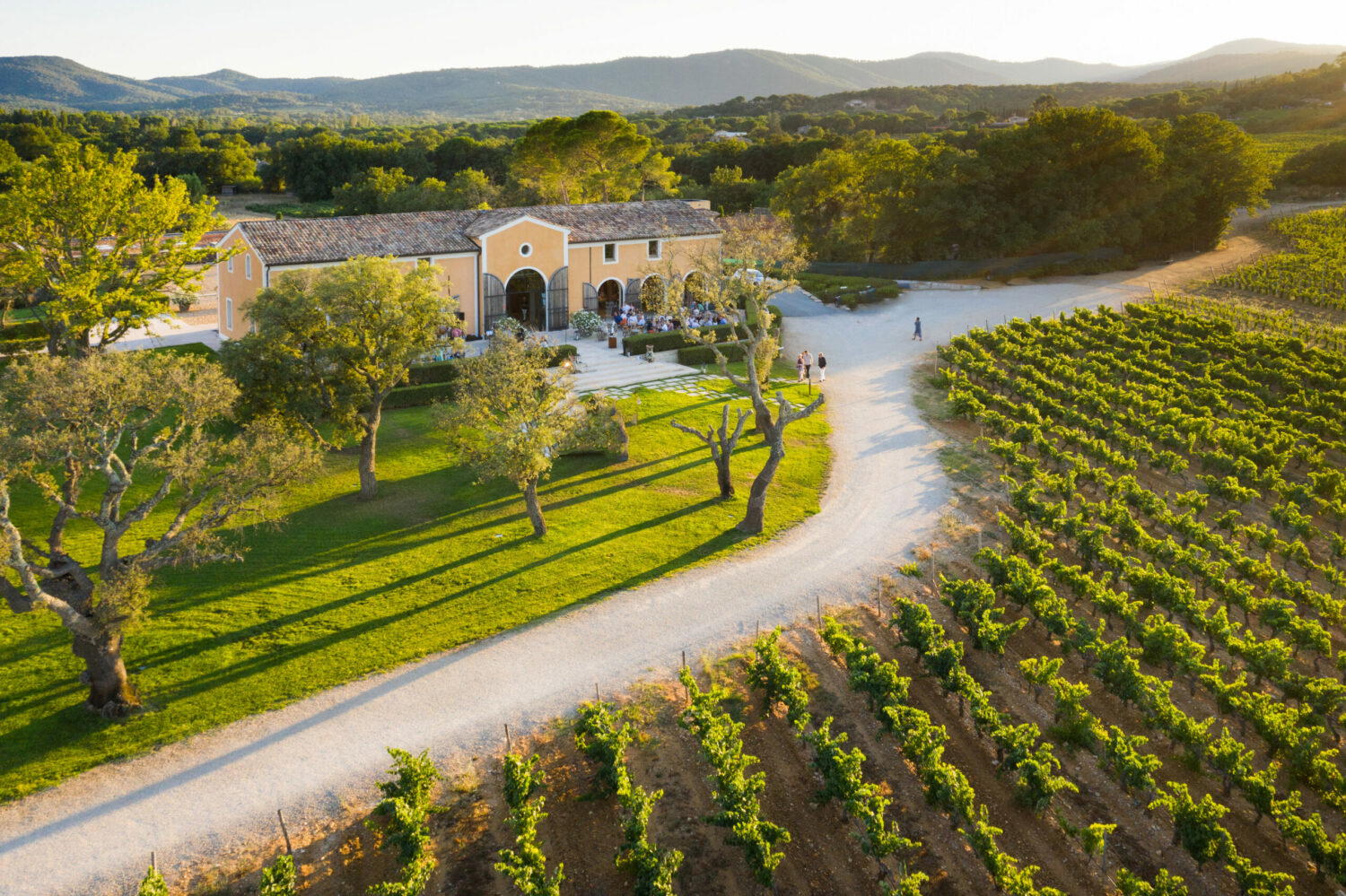
Saint-Tropez dining has a centre of gravity problem. Most of the town's serious restaurants cluster near the Vieux-Port or behind the Place des Lices, pulling guests into the seasonal scrum of the high summer months. The address on Route des Carles represents a deliberate withdrawal from that logic, a restaurant positioned away from the pedestrian theatre of the old town, where the Provençal countryside begins to reassert itself over the Mediterranean spectacle. That geographical choice shapes the experience before a single dish arrives. The light arrives differently here, the ambient noise drops, and the frame of reference shifts from see-and-be-seen to something closer to the agricultural South of France that existed before the yachts.
On the Côte d'Azur, that positioning is rarer than it should be. The region's wine and produce traditions, the rosé vineyards of Les Baux and Bandol, the olive groves between Grasse and Draguignan, the fishing ports supplying rouget and sea bass to kitchens from Nice to Cassis, are genuine and deep. But the resort economy tends to flatten them into decorative backdrop. Restaurants that treat Provençal terroir as the organisational principle rather than the aesthetic garnish operate in a smaller comparable set, and L'Isoletta's recognition places it explicitly within that cohort.
Terroir as Methodology, Not Marketing
The French concept of terroir, imported into restaurant culture from the wine world, describes the idea that a place's geology, climate, and agricultural tradition express themselves legibly in what is grown and produced there. For a kitchen to earn a terroir distinction, that expression needs to be traceable on the plate, not just local sourcing as a marketing line, but cooking that makes the origin matter to the outcome. On the Riviera, that means working with the aromatic intensity of Provence: thyme, rosemary, and fennel grown in the garrigue; olive oil from the coastal hinterland; tomatoes that ripen in heat rather than in transit.
Chef Nicola Chiappi operates within this framework. The kitchen's Riviera French orientation positions it between the classical Niçoise tradition, stockfish, pissaladière, socca, the slow-cooked daube, and the lighter Mediterranean register that has come to define contemporary Côte d'Azur cooking. This is territory that Mirazur in Menton has mapped at one technically ambitious end, and that institutions like Auberge de l'Ill in Illhaeusern and Bras in Laguiole have interpreted through deeply regional French lenses elsewhere in the country. Within Saint-Tropez specifically, the terroir-led approach contrasts with the creative ambition of La Vague d'Or at Cheval Blanc, a three-Michelin-star operation that represents the upper bracket of the town's dining, and with the Mediterranean-focused one-star work at Arnaud Donckele and Maxime Frédéric at Louis Vuitton.
The Wine Argument for Provence
Any restaurant making a serious terroir claim in this part of France must answer the wine question carefully. Provence's wine identity is dominated by rosé, roughly 89 percent of the appellation's production, but the category has matured significantly over the past decade. The pale, mineral-driven rosés of Côtes de Provence Sainte-Victoire and the more structured expressions from Bandol now sit alongside the pale-and-insipid holiday wine that once defined the genre. A kitchen genuinely oriented toward local terroir should be working with this evolution, pairing the region's aromatic herb-driven dishes against Bandol rosé with enough structure to hold them, or reaching toward the small-volume Provence reds, Mourvèdre-dominant Bandols that age as seriously as mid-weight Rhône wines, for heavier preparations.
The broader French tradition of wine service at this level draws on a culture that runs from the cellar-centric focus of Burgundy houses like those represented by Flocons de Sel in Megève to the seafood-and-white-wine discipline practised at Le Bernardin in New York City. On the Riviera, the regional answer is almost always to anchor the list in Provençal producers first and supplement with broader southern French appellations, Languedoc, the Southern Rhône, the Corsican wines that share the Mediterranean climate profile, before reaching north toward Burgundy and Bordeaux for guests who require them. The terroir award framing strongly implies a regional emphasis rather than an international showcase cellar.
For guests arriving from the port or from the larger Riviera context, it is worth noting that the broader Saint-Tropez dining scene spans a considerable price range.
Riviera Context and the French Terroir Tradition
The restaurants that have defined the French terroir conversation most durably, Troisgros in Ouches for its Loire-region sourcing, Alléno Paris at Pavillon Ledoyen for its extraction-based saucing that concentrates local character, have in common a refusal to let ingredient provenance become decorative. The Riviera version of that argument is harder to make in a resort town, where the seasonal audience changes every week and consistency of purpose can erode under commercial pressure. A restaurant on the quieter edge of Saint-Tropez, earning a terroir distinction rather than a volume-driven reputation, is making a particular kind of bet: that there is an audience in this market for cooking that requires some knowledge of the region to fully appreciate.
For guests planning a broader Riviera itinerary, the parallel at the coastal end of the French Mediterranean is Monte-Carlo Beach in Roquebrune-Cap-Martin, which operates within a similarly sea-anchored, place-specific register. The difference is scale and setting; the underlying logic of cooking to a specific geography rather than to a generic luxury register is shared.
Planning a Visit
L'Isoletta sits on Route des Carles outside the central Saint-Tropez grid, making it more naturally reached by car or taxi than on foot from the port. For visitors using Saint-Tropez as a base, the full scope of the town's dining, accommodation, and nightlife options is mapped across EP Club's guides: the Saint-Tropez restaurants guide, hotels guide, bars guide, wineries guide, and experiences guide provide broader context for planning across categories.
A Tight Comparison
Comparable venues nearby, for context on price, style, and recognition.
| Venue | Cuisine | Price | Notes |
|---|---|---|---|
| L'IsolettaThis venue — the venue you are viewing | Saint-Tropez, Italian Trattoria | $$$$ | Not listed |
| Les Viviers du Pilon | Not listed | $$$$ | Quartier du Pilon, Mediterranean Seafood & Shellfish |
| Sénéquier | Not listed | $$$$ | Port, Classic French Riviera Brasserie & Patisserie |
| Le Patio | Saint-Tropez village, Refined Italian | $$$$ | Not listed |
| Le Bistro de la Bastide | Not listed | $$$$ | Bastide quarter, Italian Mediterranean Bistro |
| Chez Madeleine | Old Town, Fresh Seafood & Oyster Bar | $$ | Not listed |
Recognition history
Dated appearances from independent guides and award organizations, with the underlying list record or original source where available.
Relais Chateaux Award
Relais Chateaux
Relais Chateaux Award
Relais Chateaux
Continue exploring
More in Saint-Tropez
Restaurants in Saint-Tropez
Browse all →
Bars in Saint-Tropez
Browse all →
Hotels in Saint-Tropez
Browse all →

At a Glance
- Elegant
- Romantic
- Intimate
- Sophisticated
- Date Night
- Special Occasion
- Garden
- Hotel Restaurant
- Extensive Wine List
- Local Sourcing
- Garden
Current opening hours
- Monday
- 12–2:30 PM, 7:30–10:30 PM
- Tuesday
- 12–2:30 PM, 7:30–10:30 PM
- Wednesday
- 12–2:30 PM, 7:30–10:30 PM
- Thursday
- 12–2:30 PM, 7:30–10:30 PM
- Friday
- 12–2:30 PM, 7:30–10:30 PM
- Saturday
- 12–2:30 PM, 7:30–10:30 PM
- Sunday
- 12–2:30 PM, 7:30–10:30 PM
Hours can change for holidays and private events. Last verified .
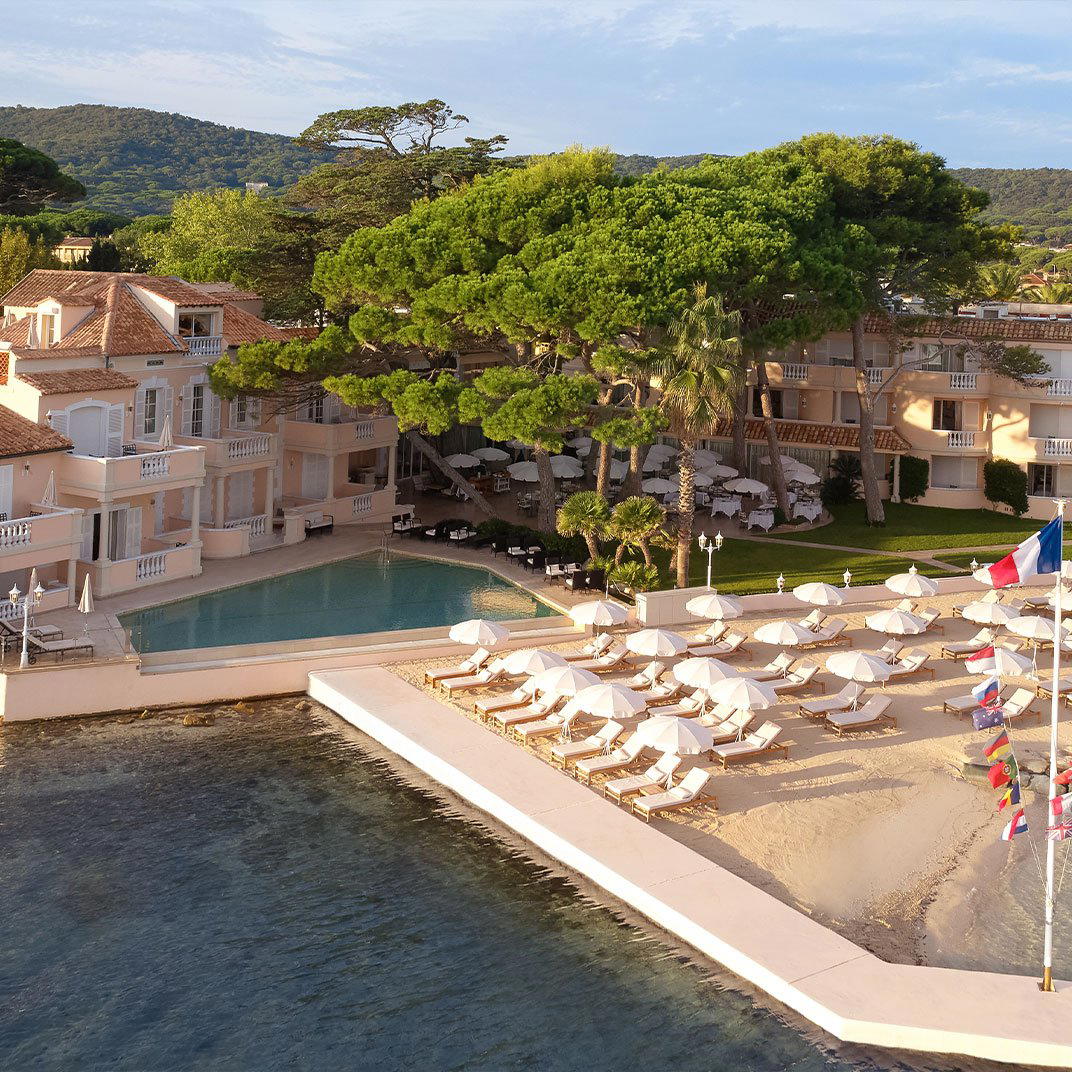
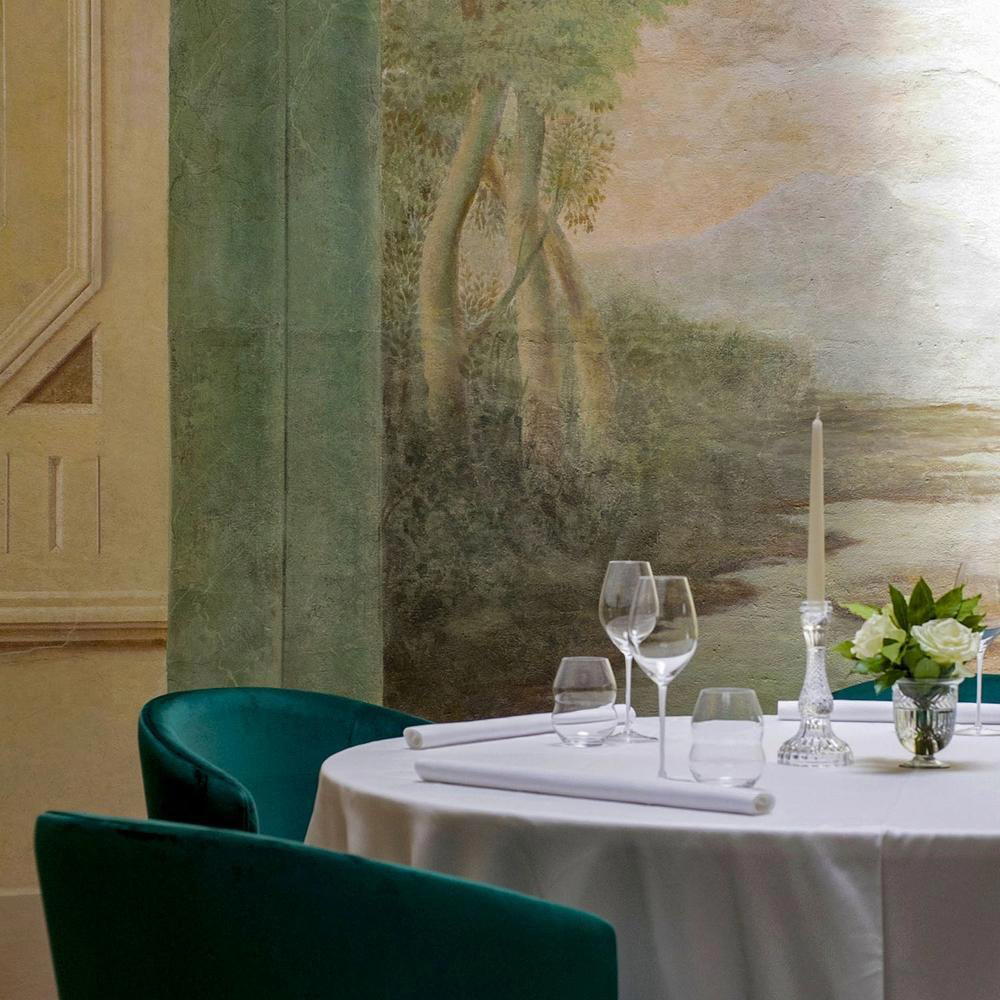
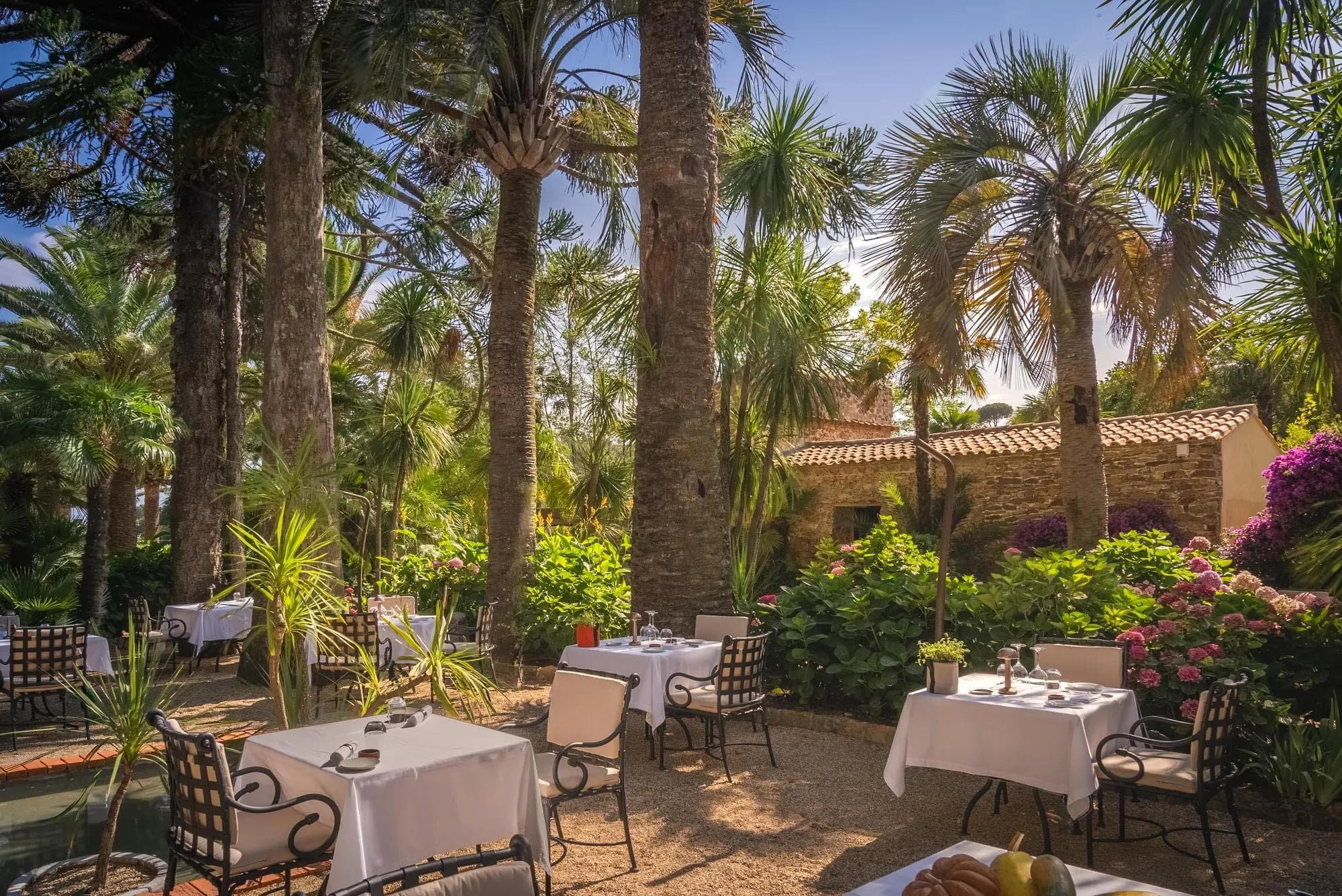
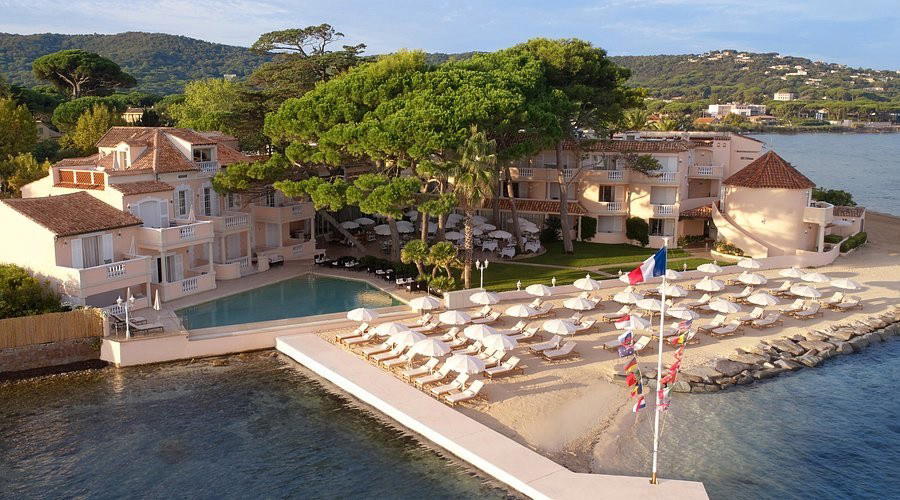
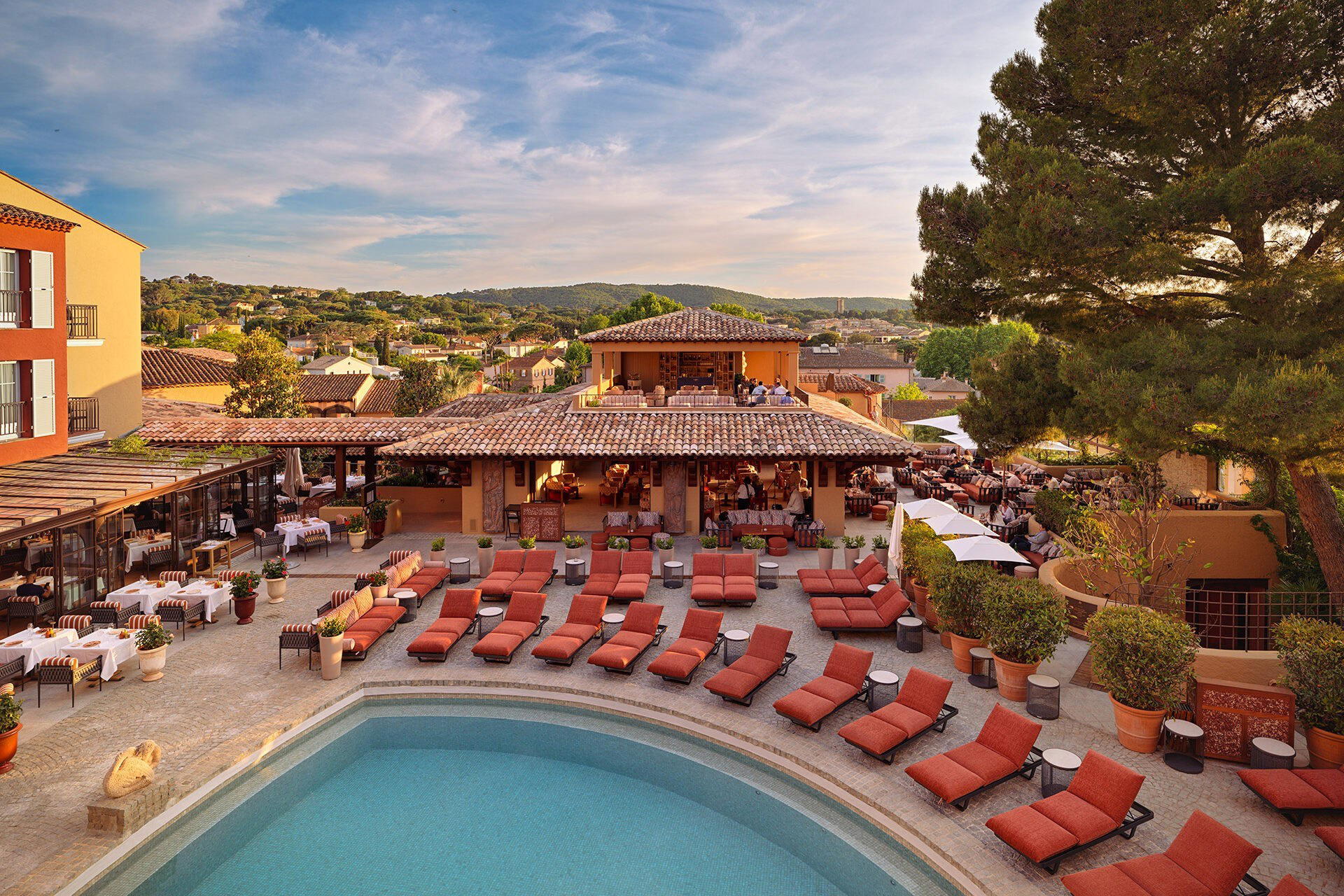
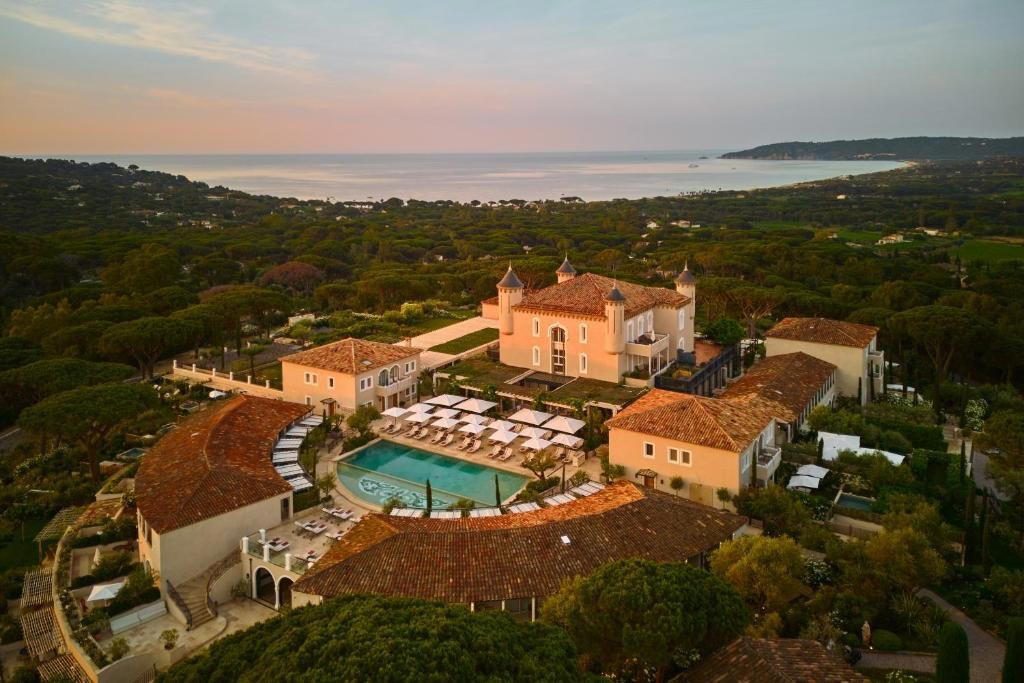
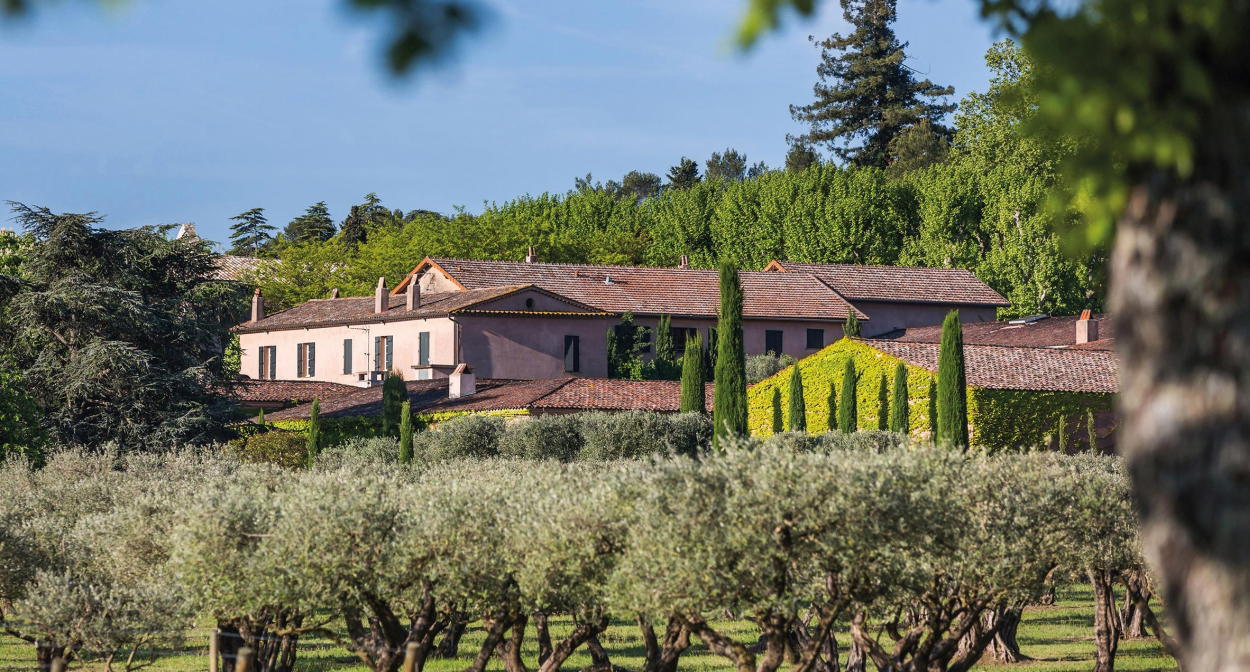
Elegant and renovated setting by the heated pool in a lush exotic park, offering a peaceful, romantic, and refined atmosphere away from the crowds.