
Les Belles Canailles holds a Michelin Plate recognition (2024 and 2025) and sits at the premium end of Cassis dining, where Mediterranean cuisine draws on the full arc of the basin rather than any single national tradition. At address 9 Avenue des Calanques, it occupies the kind of coastal position that places the sourcing conversation front and centre, with the calanques limestone and the sea as permanent context.
Pearl is the En Primeur Club membership app — saves, bookings, and concierge access live there. Same editors, same standards.
- Address
- 9 Av. des Calanques, 13260 Cassis, France
- Phone
- +33 4 42 01 01 05
- Website
- roches-blanches-cassis.com
- Directions
- Get directions
 Saves & bookings on Pearl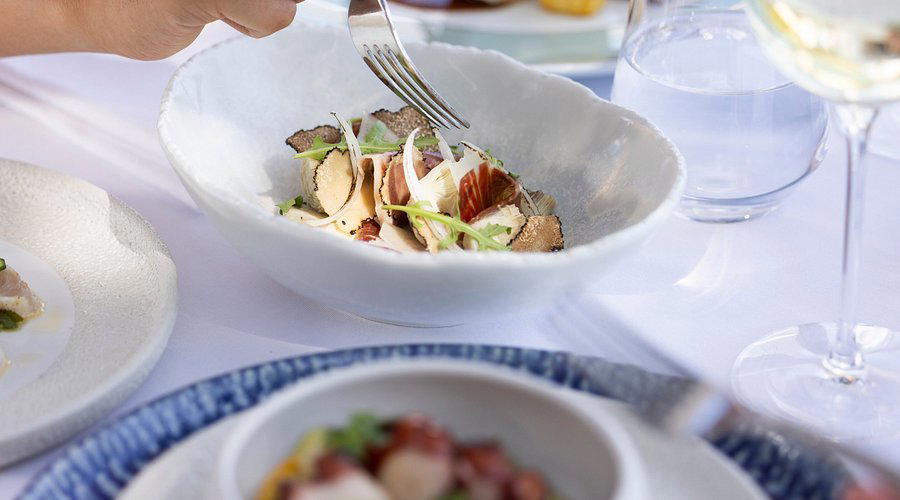
Where the Mediterranean Table Comes Into Focus
Les Belles Canailles is a restaurant in Cassis, France, at the €€€€ price tier. Restaurants along this approach sit in a particular kind of tension: the setting makes promises that the kitchen must either honour or ignore. The better ones treat the Mediterranean not as backdrop but as brief, letting the basin's full pantry, its North African spice logic, its Levantine approach to vegetables, its Italian instinct for simplicity, inform what arrives at the table. Les Belles Canailles, holding Michelin Plates in both 2024 and 2025, operates in that tradition.
Cassis and the Mediterranean Crossroads Tradition
Cassis occupies a position in Provence that is easy to underread. It sits roughly halfway between Marseille and the start of the Var coast, small enough to feel removed from the port city's density but close enough to absorb its supply lines. Marseille's history as a trading hub, connecting France to North Africa, the Levant, and the Italian peninsula across centuries, means the ingredients and techniques that circulate through its markets carry a cross-basin logic that rarely appears on menus under a single national flag. The cooking that emerges from this zone at its most considered is Mediterranean in the full sense: it references Provence, but it also holds memory of harissa, of preserved lemon, of the olive oil traditions that run from Liguria through Catalonia.
This is the culinary tradition in which a restaurant at the €€€€ price tier in Cassis must place itself. At that bracket, a diner is not paying for Mediterranean as a loosely defined shorthand for sunshine and seafood. They are paying for a kitchen that can hold the complexity of that inheritance and turn it into something coherent on the plate. The Michelin Plate designation, awarded in successive years, signals that the kitchen at Les Belles Canailles is being tracked by the guide's inspectors, who return to confirm consistency before extending any recognition. Two consecutive Plates indicate a house operating at a deliberate level.
For comparison with how Mediterranean cuisine is interpreted across the region's higher tiers, Mirazur in Menton works the same basin with a biodynamic garden framework, while Arnaud Donckele and Maxime Frédéric at Louis Vuitton in Saint-Tropez approaches the tradition from an haute-couture angle. La Brezza in Ascona works the northern Mediterranean arc with a Swiss-Italian inflection. Each represents a different interpretive position on the same underlying geography.
The Cassis Restaurant Tier
Cassis is not a deep dining city in the way that Lyon or Paris concentrates culinary density. It has a compact dining scene shaped by a short tourist season, a local population that values traditional Provençal cooking, and a handful of addresses that reach toward more ambitious territory. At the upper end of that local hierarchy, La Villa Madie operates in modern French and creative registers with Michelin recognition, and La Brasserie du Corton covers modern cuisine at a different price point. The restaurant at €€€€ prices itself at the same tier as the town's most formal tables, which means it is competing not only locally but against the wider circuit of coastal Provence dining that attracts visitors who move between Marseille, the calanques, and the Var.
In that broader context, the consecutive Michelin Plate recognition functions as a reliable signal. It does not place the restaurant in the starred conversation, but it marks a kitchen that the guide considers worth the diner's serious attention. At this price tier on the Cassis waterfront approach, that signal matters for a visitor deciding how to allocate evenings across a short stay.
The Mediterranean Table at €€€€
Mediterranean cuisine at the premium end operates under a specific kind of discipline. The raw materials are expensive when they are handled properly: line-caught fish, carefully sourced shellfish from the Étang de Thau or the Arcachon basin, vegetables grown under the Provençal sun with the density of flavour that industrial supply chains rarely replicate. A kitchen working at €€€€ in this geography is expected to source accordingly, and the Michelin Plate designation implies inspectors found the execution worth noting.
The cross-cultural dimension of Mediterranean cooking at this level means the kitchen has a wide interpretive range available to it. A dish might anchor in the classic bourride or bouillabaisse traditions of the Marseille coast, or it might move toward the spice-forward registers that entered Provence through centuries of North African trade. Neither direction is more authentic than the other; both are historically valid expressions of what the basin has produced. The restaurants that handle this range most convincingly are the ones that commit to a clear editorial position rather than trying to represent the entire tradition at once.
France's broader fine dining circuit, which includes houses like Alléno Paris au Pavillon Ledoyen, Flocons de Sel in Megève, Troisgros in Ouches, Paul Bocuse in Collonges-au-Mont-d'Or, Bras in Laguiole, Auberge de l'Ill in Illhaeusern, and Assiette Champenoise in Reims, tends to operate within strongly defined regional identities. The Mediterranean south of France, particularly the coast between Marseille and the Italian border, is distinct from that northern and central tradition in the way it handles acid, heat, and raw vegetable preparation. AM par Alexandre Mazzia in Marseille, with its three Michelin stars, represents the outer edge of what that tradition can produce when pushed toward high-technique territory.
Planning a Visit
The restaurant sits at 9 Avenue des Calanques in Cassis, at the €€€€ price tier. Bookings are recommended, especially in summer.
Cuisine Lens
Comparable venues nearby, for context on price, style, and recognition.
| Venue | Cuisine | Price | Awards | Notes |
|---|---|---|---|---|
| Les Belles CanaillesThis venue — the venue you are viewing | Refined Mediterranean Fine Dining | $$$$ | Michelin Plate | Not listed |
| CAFE SARDINE | Mediterranean Seafood | $$ | Not listed | Cassis |
| Le Poisson Rouge | Modern Mediterranean Bistro | $$ | Not listed | Cassis |
| Ô Rev | Modern Mediterranean Bistronomic | $$$ | Not listed | Vieux Cassis |
| Calendal | Traditional French Mediterranean Bistro | $$$ | Not listed | Port |
| La Bonne Mère | Authentic Italian Pizzeria | $$ | Not listed | historic center |
Recognition history
Dated appearances from independent guides and award organizations, with the underlying list record or original source where available.
Michelin Plate
Michelin
Michelin Plate
Michelin
Michelin Plate
Michelin
Continue exploring
More in Cassis
Restaurants in Cassis
Browse all →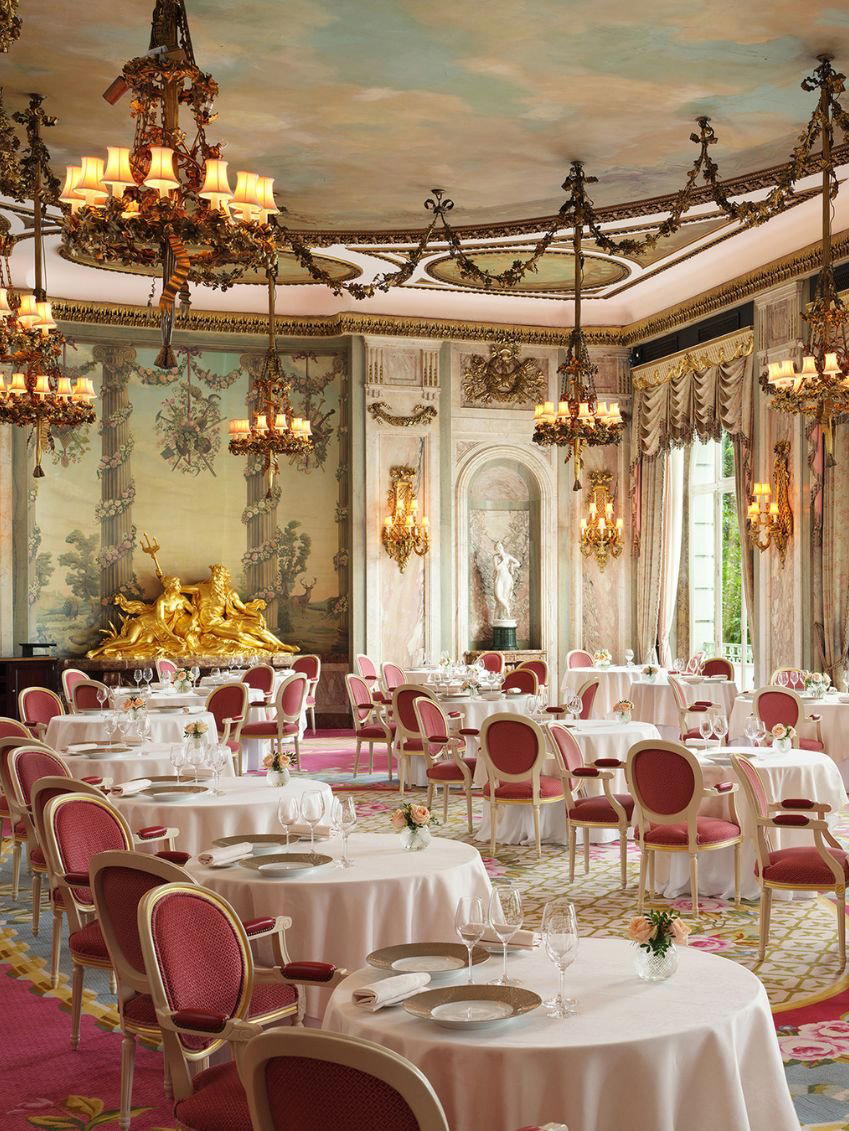
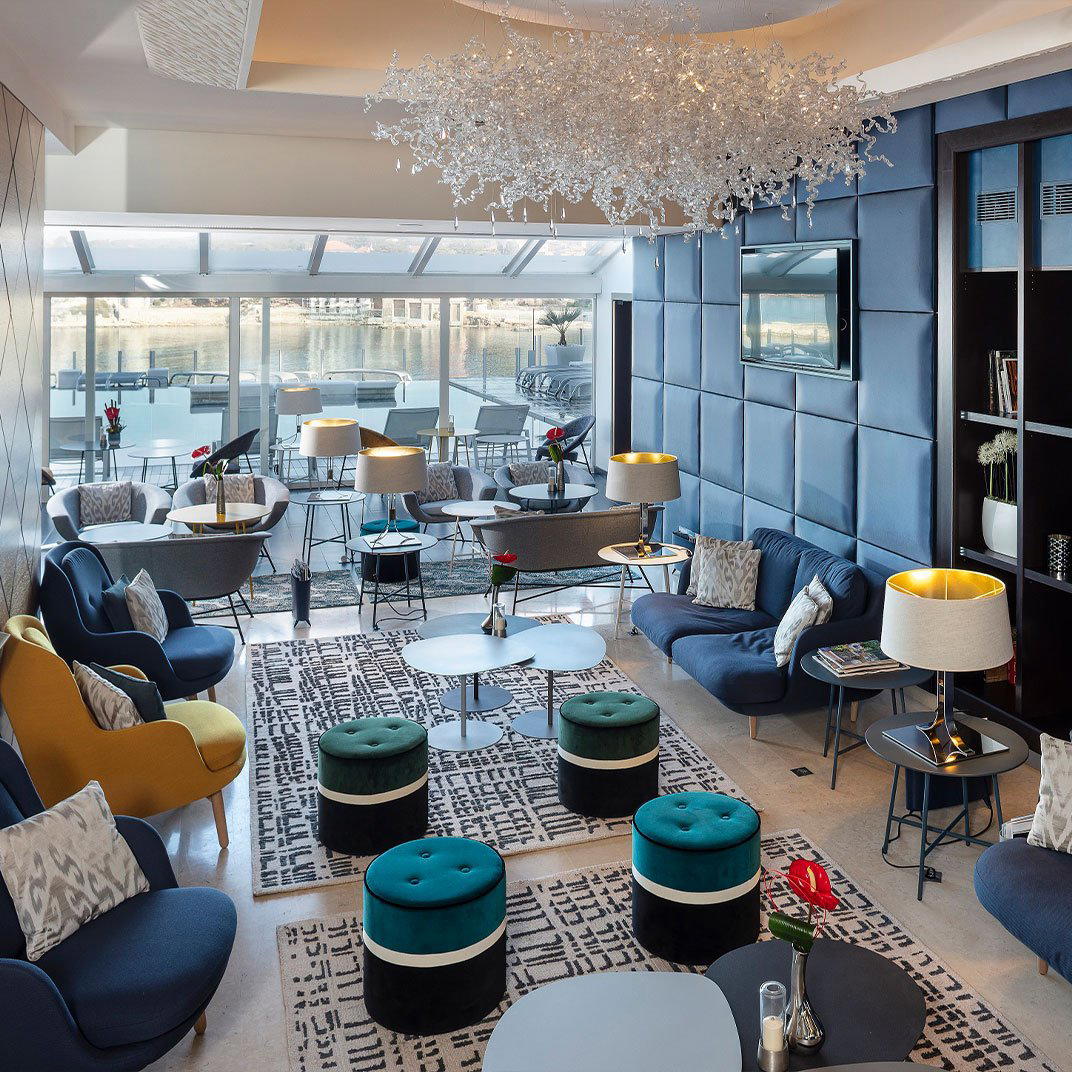
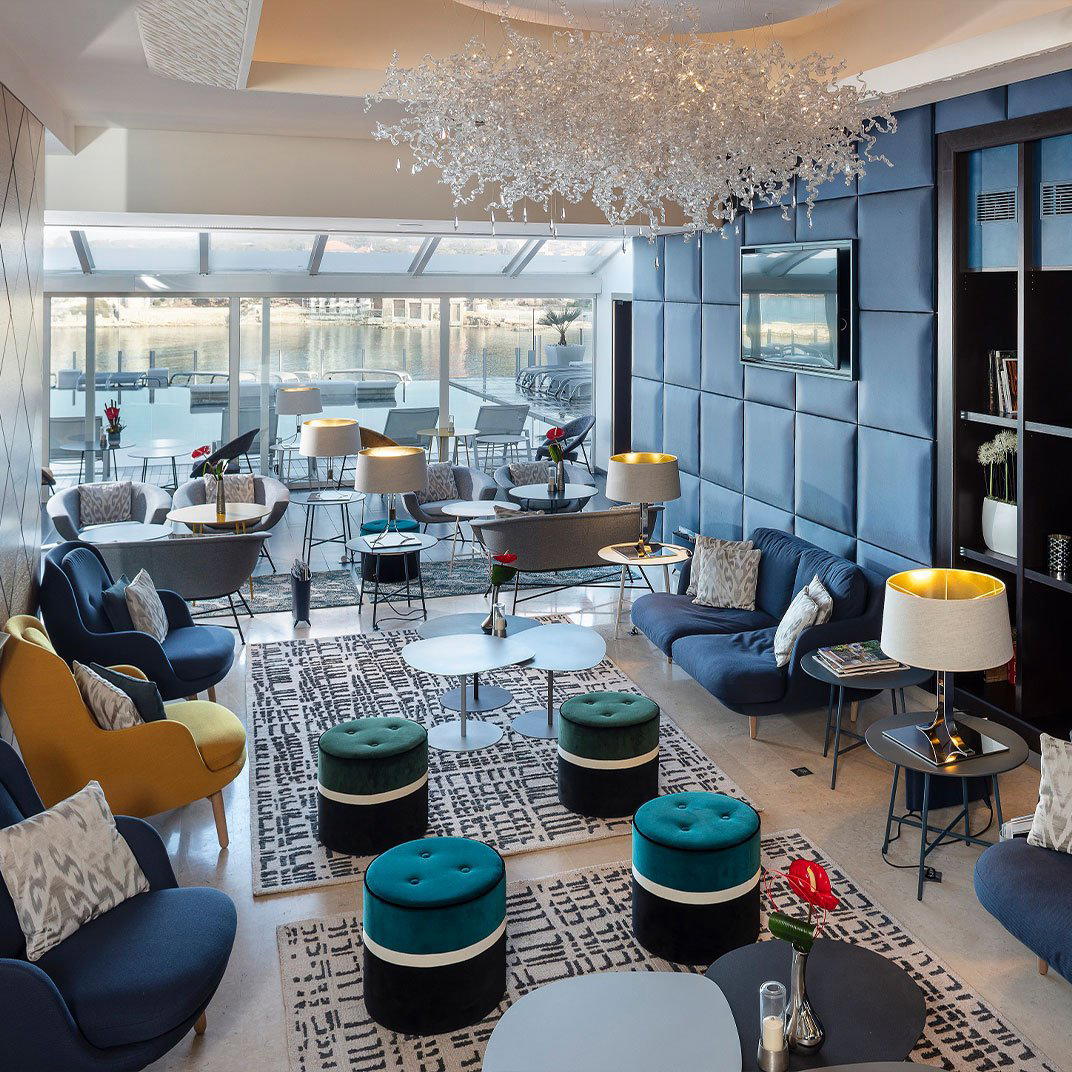
Bars in Cassis
Browse all →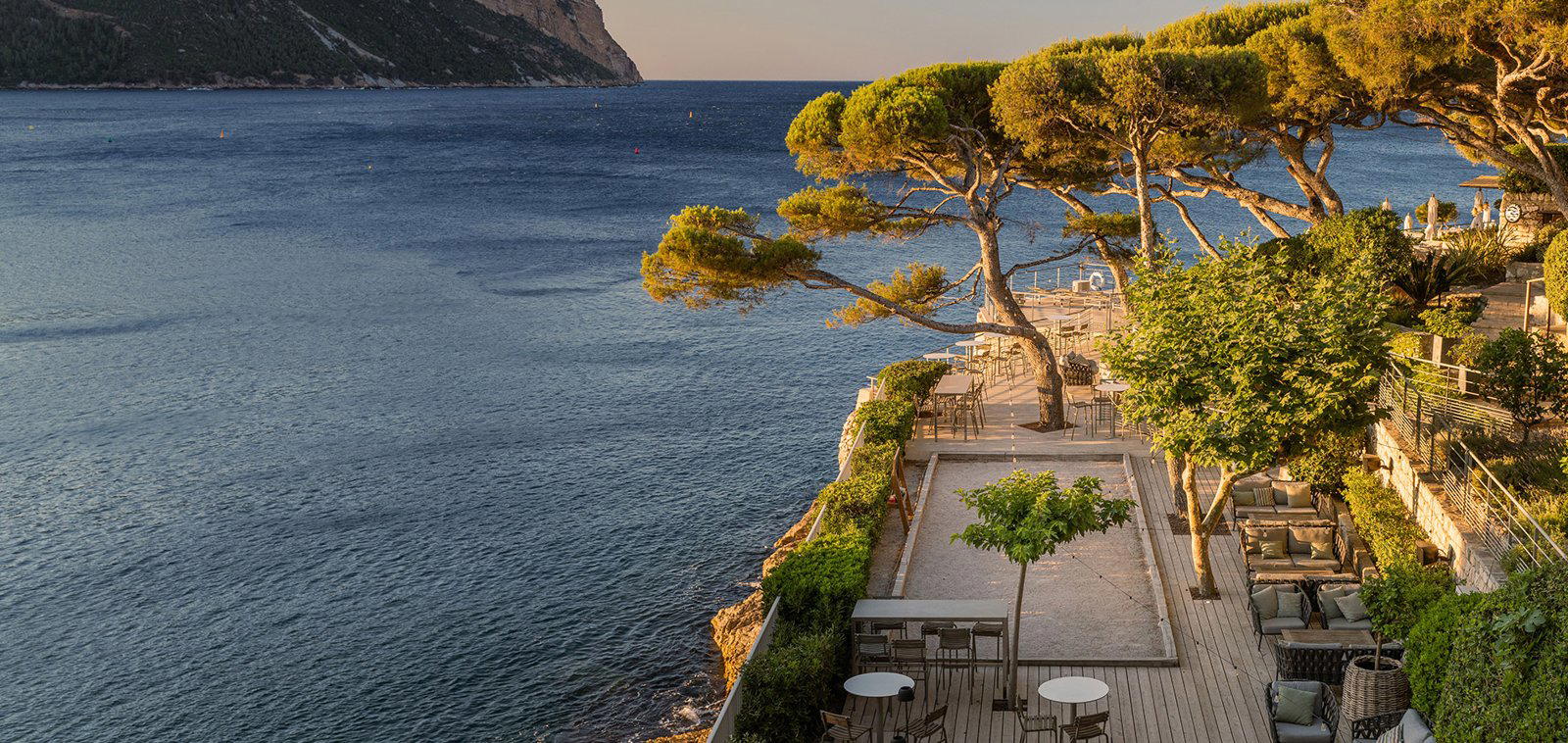
Hotels in Cassis
Browse all →
At a Glance
- Elegant
- Sophisticated
- Scenic
- Romantic
- Date Night
- Special Occasion
- Business Dinner
- Waterfront
- Terrace
- Open Kitchen
- Extensive Wine List
- Sommelier Led
- Local Sourcing
- Waterfront
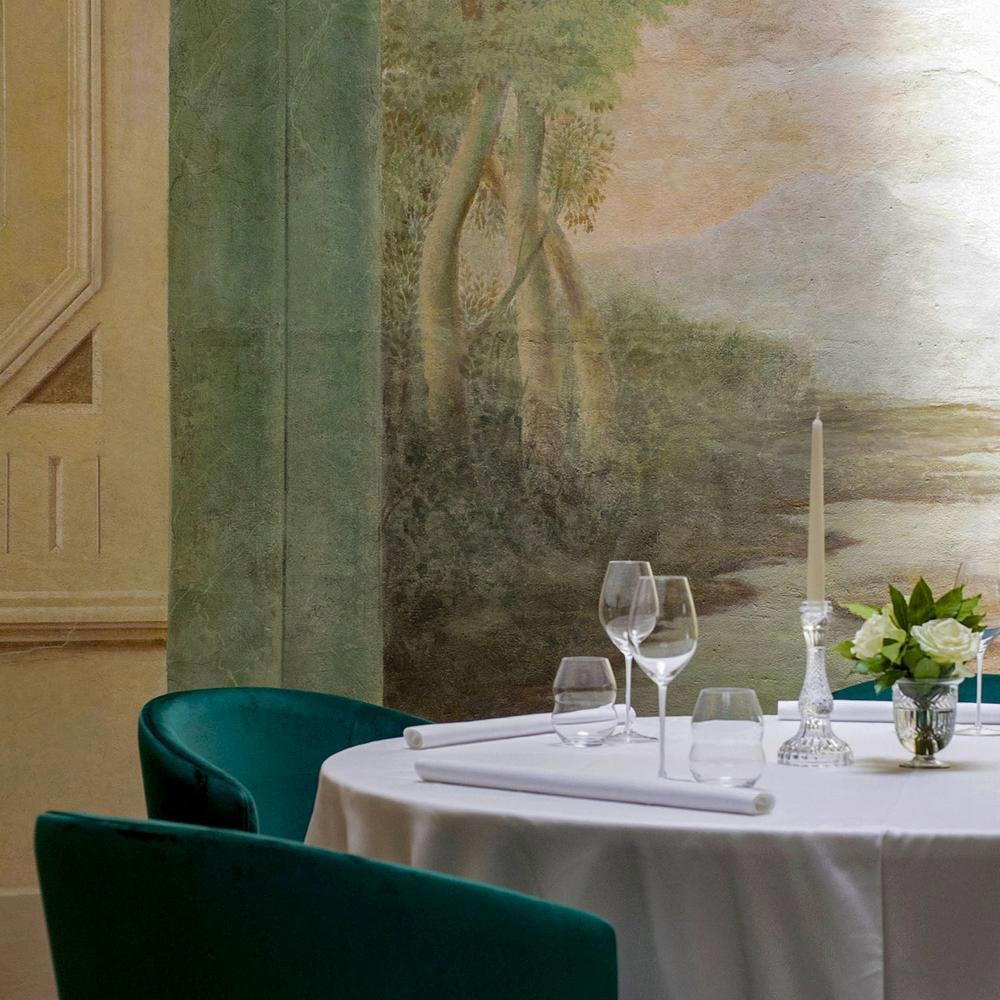
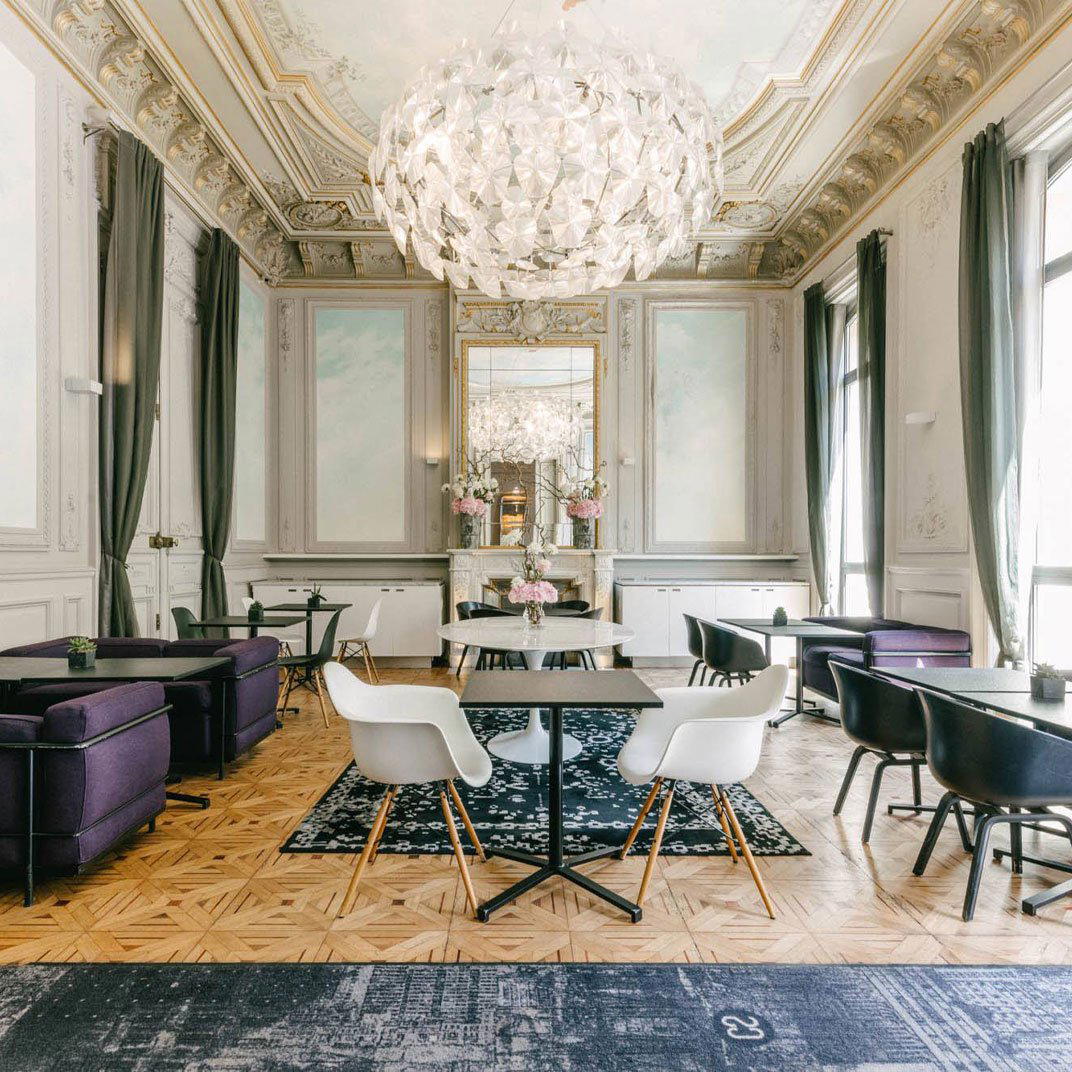
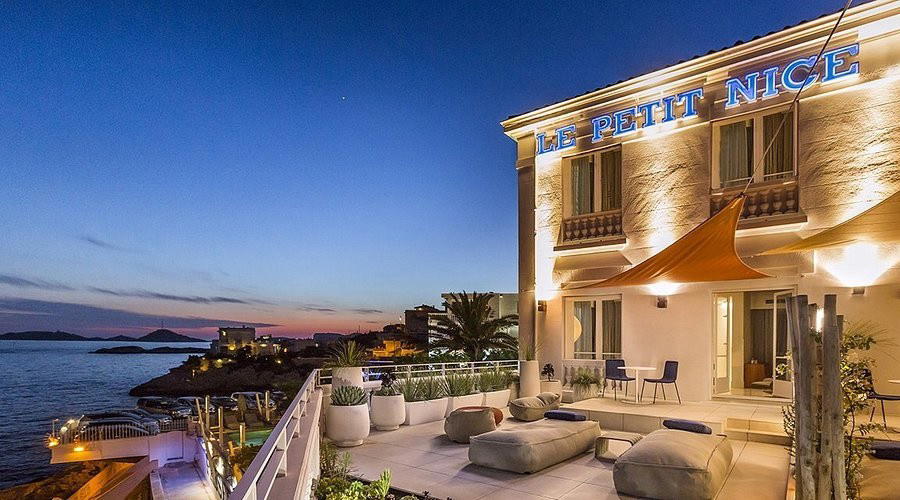
Refined Art Deco dining room with dimmed lighting, warm and inviting atmosphere enhanced by dramatic sunset sea views from the terrace.