Kobé Japanese Steakhouse - Altamonte Springs
Kobé Japanese Steakhouse on FL-436 in Altamonte Springs sits within a regional chain known for teppanyaki-style cooking, where theatrical tableside preparation meets Japanese steakhouse tradition. The format draws on a performance-driven dining style that has sustained American appetite for decades. Altamonte Springs locals share the experience with nearby dining options along the SR-436 corridor.
Pearl is the En Primeur Club membership app — saves, bookings, and concierge access live there. Same editors, same standards.
- Address
- 468 FL-436, Altamonte Springs, FL 32714
- Phone
- +14078622888
- Website
- kobesteakhouse.com
- Directions
- Get directions
 Saves & bookings on Pearl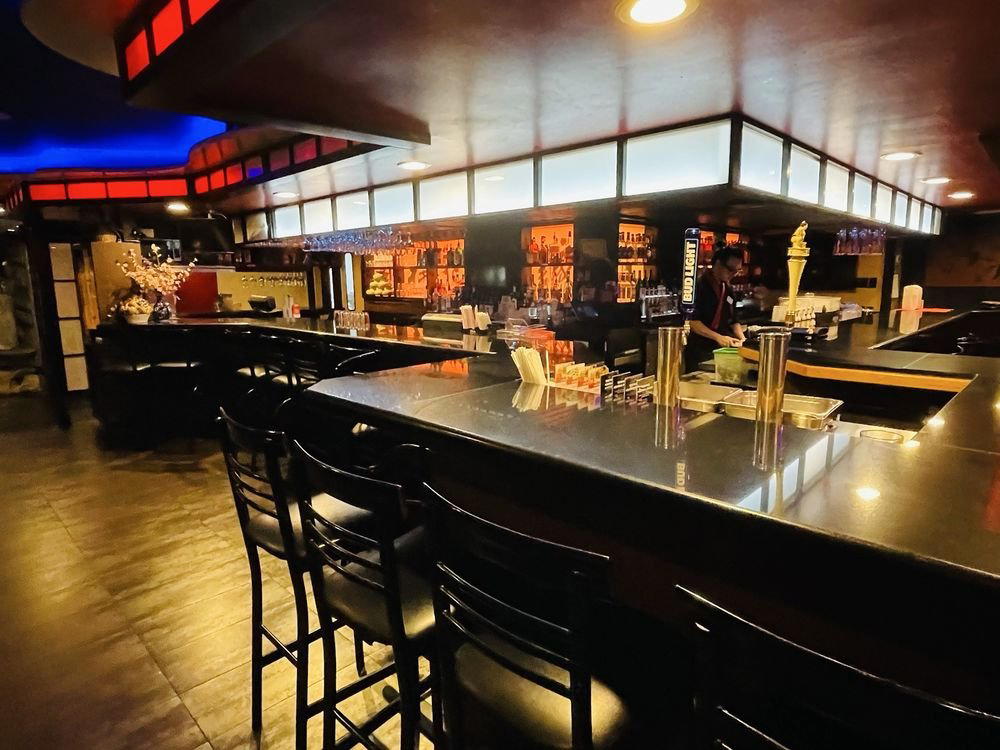
The Teppanyaki Tradition in Suburban Florida
Few dining formats have embedded themselves into American suburban life as durably as the Japanese steakhouse. The teppanyaki table — iron griddle, open flame, chef performing knife work at speed — arrived in the United States in the early 1960s and found an audience that has never fully left. What Benihana pioneered as novelty, regional chains like Kobé have sustained as a reliable social-dining institution. The Altamonte Springs location at 468 FL-436 fits into that lineage: a strip-corridor address, a format built around group occasions, and a cooking style that keeps the kitchen visible and the pacing communal.
Teppanyaki in America diverged early from its Japanese origins. In Japan, teppan cooking is often quieter, more ingredient-focused, less theatrically scripted. The American version traded that restraint for showmanship, and the tradeoff proved commercially durable. Kobé Japanese Steakhouse, the chain operates across Florida and the Southeast, occupies a middle tier in that tradition: recognizable performance cooking delivered in a sit-down format that positions itself above casual dining without reaching toward fine dining price points or omakase ambition.
Where Kobé Sits in the Altamonte Springs Dining Scene
Altamonte Springs is not a city that organizes its dining around a single dominant tradition. The SR-436 corridor functions as the spine of the local restaurant ecosystem, with a range of independent and chain options that reflect the suburb's mixed residential and commercial character. Italian sits firmly in the neighborhood's dining fabric: Antica Pizzeria and Cafe Murano both represent that tradition, while Terramia Ristorante extends the Italian presence further. Spanish-inflected small plates appear at Santiago's Bodega, and Louisiana-rooted cooking is on offer at Tibby's New Orleans Kitchen. For a broader map of the area, our full Altamonte Springs restaurants guide covers the range.
Within that mix, Kobé holds a specific niche. The teppanyaki format serves groups in a way that most of the corridor's independent restaurants do not. Birthdays, corporate outings, and family celebrations tend to be the occasion type, not weeknight solo dining. That distinction matters when choosing where to book: the experience is social by construction, with strangers often sharing a table around the communal grill.
The Cultural Roots of What Happens at the Table
Teppanyaki as a cooking technique has legitimate Japanese heritage, the word simply means iron plate grilling, but the theatrical American format has its own distinct cultural history. The scripted element (the onion volcano, the egg-toss, the shrimp flip) developed in postwar American Japanese restaurants as a response to what American diners expected from an unfamiliar cuisine: participation, spectacle, and reassurance that the food would arrive hot and well-seasoned. That contract between chef and diner has remained stable across decades.
What separates the better teppanyaki operations from the weaker ones is the quality of protein behind the performance. Wagyu-grade beef commands different attention from commodity sirloin, and the cook's ability to read the grill temperature matters considerably when the margin between perfectly seared and overcooked is seconds at high heat. The American steakhouse tradition, aged cuts, high-heat searing, butter finishing, intersects at teppanyaki with Japanese technique, producing a hybrid that has its own internal logic even if it sits far from what a Tokyo teppan-yaki restaurant would serve.
For diners who want to understand where teppanyaki sits relative to other Japanese fine-dining expressions currently drawing critical attention in the United States, the contrast is instructive. Korean-inflected modern Japanese cooking at Atomix in New York City operates in an entirely different register, with tasting menus that draw on fermentation, preservation, and regional Korean technique. At the high-formal end of American fine dining, restaurants like Le Bernardin in New York City, Alinea in Chicago, and The French Laundry in Napa operate with entirely different ambitions. The teppanyaki steakhouse is not competing in that space, nor does it try to. Its competitive set is the group-occasion dining market, where the format's entertainment value and predictable format are advantages rather than limitations.
Other celebrated American restaurants with seasonal or farm-driven programs, Blue Hill at Stone Barns in Tarrytown, Single Thread Farm in Healdsburg, or Gulf and Pacific Coast seafood destinations like Providence in Los Angeles and Addison in San Diego similarly operate in a category the teppanyaki format does not engage with. The point of comparison is useful precisely because it clarifies what Kobé is and is not: a theatrical, protein-forward, group-format dining experience rooted in a specific chapter of American-Japanese culinary history.
What to Eat and How to Approach the Menu
At any teppanyaki steakhouse, the structural logic of the menu follows the same arc: a soup or salad course, a fried rice preparation cooked on the griddle, a protein selection (steak, chicken, shrimp, scallops, or a combination), and vegetables cooked alongside. Dipping sauces, typically a ginger sauce and a mustard-cream variant, have become category conventions. The protein choice is the primary decision, and within a chain format like Kobé, the cuts and combinations on offer tend to vary by price tier rather than by sourcing provenance.
For first-time visitors to any teppanyaki format, the advice is consistent across the category: arrive ready to share space and pacing with fellow diners you may not know, since the communal grill seats groups that are assembled by the house rather than by prior acquaintance. The social tolerance for that arrangement varies, but it is the format's defining feature.
Planning Your Visit
Kobé Japanese Steakhouse at 468 FL-436 in Altamonte Springs is positioned along a well-trafficked suburban corridor with accessible parking typical of the area's commercial development. The teppanyaki format means seating is managed in rounds tied to grill capacity, so arrival time and reservation lead time both affect the experience. For group occasions, booking ahead rather than walking in is the practical approach, teppanyaki kitchens fill by occasion type, and weekends during Florida's cooler months (roughly October through March) are the peak period for suburban restaurant traffic in greater Orlando's orbit.
Diners calibrating expectations should note that the Kobé format sits firmly in the mid-range of Florida's dining price tier, below the occasion-dining benchmarks set by restaurants like Emeril's in New Orleans or The Inn at Little Washington in Washington, and well below the investment required at destination-level venues like Lazy Bear in San Francisco or 8 1/2 Otto e Mezzo Bombana in Hong Kong. That positioning is a feature of the format's appeal, not a limitation of it: the teppanyaki steakhouse democratized a performance-cooking experience that in other contexts carries a significant financial barrier.
Continue exploring
More in Altamonte Springs
Restaurants in Altamonte Springs
Browse all →
Bars in Altamonte Springs
Browse all →
At a Glance
- Lively
- Energetic
- Group Dining
- Family
- Celebration
- Open Kitchen
- Sake Program
Current opening hours
- Monday
- 12–9:30 PM
- Tuesday
- 12–9:30 PM
- Wednesday
- 12–9:30 PM
- Thursday
- 12–9:30 PM
- Friday
- 12–10 PM
- Saturday
- 12–10 PM
- Sunday
- 12–9:30 PM
Hours can change for holidays and private events. Last verified .
Energetic atmosphere with lively teppanyaki grill performances and moderate noise levels.
Know Before You Go
- Getting there
- 468 FL-436, Altamonte Springs, FL 32714