
Guía Repsol 1 Sol
Our verdict
Godoy belongs to Málaga’s inland dining conversation rather than the postcard version of the city’s seafood culture. Its 1 Sol in the Guía Repsol Soles 2026 puts it in a Spanish recognition system that rewards regional identity, product clarity, and consistency, making it a useful reference point for how Málaga dining now stretches beyond the historic centre and waterfront.

Pearl is the En Primeur Club membership app, where members save venues, book tables and use the concierge.
The menu
What to order
- Fresh Málaga prawns and langoustines
- Mixed shellfish platter
- Fried local fish assortment
- Rice dishes with seafood
- Stew of skate with shellfish
Approaching Godoy changes the usual Málaga restaurant read. The city’s dining image is often built from beach grills, central tapas bars, and seafood rooms, but the wider city tells a more layered story: local regulars, visitor itineraries, and kitchens that have to earn attention beyond a postcard view. Godoy sits within that broader Málaga conversation, where the question is not only how close the table is to the sea, but how clearly a restaurant can turn a meal into something with structure.
That matters in Málaga. The province has always had a strong ingredient argument: fish and shellfish, mountain produce from the interior, olive oil, almonds, tropical fruit from the eastern coast, and a deep habit of treating everyday cooking as serious cooking rather than rustic background. The interesting restaurants in the city now divide less by formality than by how they handle that sense of place. Some lean into contemporary grammar, others into tavern formats or regional memory. A 1 Sol from Guía Repsol in 2026 places Godoy among the Málaga restaurants with national Spanish recognition, giving the room a clearer reason to be considered as part of a serious city itinerary.
Málaga’s restaurant map is broader than the obvious circuit
Málaga’s restaurant geography has become more layered than the old centre-versus-seafront split. The historic core still pulls visitors through tapas routes and hotel dining rooms, while the port and beachfront districts trade on immediacy: sea air, grilled fish, visible traffic. Godoy asks for a broader decision. It is part of a city whose serious dining can no longer be reduced to the most familiar visitor routes or the waterline.
That move also changes expectations around sourcing and purpose. In the most obvious parts of Málaga, a restaurant can lean on setting as part of the meal; elsewhere, the plate has to do more of the explaining. The stronger kitchens in the city tend to be judged by buying discipline and repetition: whether seafood tastes selected rather than merely displayed, whether vegetable work reflects season rather than garnish logic, and whether local references are handled with enough confidence to avoid nostalgia. Godoy’s Repsol recognition is a useful signal here because it confirms that the restaurant has entered a nationally recognised Spanish dining conversation.
For comparison within Málaga, Alaparte offers another local reference point, while other Málaga dining rooms show how varied the city’s serious dining field has become, from contemporary formats to memory-driven cooking. The useful distinction is not which room is grander, but which version of Málaga each table is trying to make legible.
Ingredient-led cooking carries more weight than theatre
The stronger argument for this kind of restaurant is product sequence rather than spectacle. Málaga diners are used to fish as a daily category, not a luxury prop, and that creates a high bar. A kitchen cannot simply announce seafood and expect deference; it has to show judgment through sourcing, preparation, and restraint. The same applies to regional produce. Local cooking can be generous without becoming heavy, and contemporary Málaga restaurants are at their sharpest when they let clarity, balance, and clean cooking do the work instead of layering technique for its own sake.
Godoy’s place in the 2026 Guía Repsol Soles, at the 1 Sol level, should be read in that context. It is not a claim of international ranking; it is a Spanish guide’s mark of recognition. For travellers, that is often more useful than hype. It suggests a restaurant with enough identity to matter in its city, while leaving room for the reader to choose based on mood: central dining room, local table, seafood meal, or a more itinerary-driven stop within Málaga.
Málaga’s current appeal is the range between those poles. A visitor could build a trip around restaurants alone, then widen the map through our full Málaga restaurants guide, add hotel context through our full Málaga hotels guide, or read the city through drinks, wine, and cultural programming via our full Málaga bars guide, our full Málaga wineries guide, and our full Málaga experiences guide. The wider comparison is equally revealing: regional restaurants elsewhere are being read through place, product, and format rather than a single national style. Even beyond Spain, concise specialist formats underline the same editorial shift: clarity of category now matters as much as scale.
Who should put it on the Málaga itinerary
This is a stronger fit for travellers who have already understood the city’s obvious pleasures and want a meal that expands the map. The draw is not landmark dining or chef mythology; it is the chance to read Málaga through a restaurant with national Spanish recognition. That makes it especially relevant for visitors staying several nights, returning diners, or anyone comparing the province’s ingredient culture against the more familiar rooms in the city.
The practical judgment is simple: treat it as a planned meal rather than an incidental stop. Godoy works better when folded into a broader day in Málaga rather than squeezed between commitments. In a city where seafood, regional produce, and local technique can be flattened into cliché, Godoy’s value is its position in the quieter argument: Málaga dining is now broad enough that some of its more telling meals sit beyond the obvious shorthand.
Frequently asked questions
Can I bring kids to Godoy?
Godoy is in Málaga and is recognised with 1 Sol in Guía Repsol 2026. That suggests a serious meal, so children are a better fit if they are comfortable with that setting.
What should I expect atmosphere-wise at Godoy?
Expect a Málaga restaurant with the focus on the table, not the room. The 1 Sol Guía Repsol 2026 award signals food-led dining, so the mood is best read as more restrained than theatrical.
How do I find Godoy?
Málaga.
What's the best way to book Godoy?
Use the venue name, Godoy, together with Málaga. That gives the clearest reference point when arranging a table.
What's Godoy best at?
Its strongest credential is the 1 Sol Guía Repsol 2026 distinction. That places Godoy in the category of Málaga restaurants recognised for cooking that can hold attention without relying on spectacle.
Quick Comparison
Comparable venues by cuisine and price in the same metro.
| Venue | Cuisine | Price | Awards | Notes |
|---|---|---|---|---|
| GodoyThis venue (the venue you are viewing) | Traditional Malaga seafood & shellfish restaurant | $50–100 | Guía Repsol 1 Sol | Not listed |
| Chester & Punk | Craft Cocktails & Mixology | $20–30 | Falstaff Bar - 92 Falstaff Points | Centro Historico |
| Ta-Kumi Málaga | Japanese sushi & teppanyaki with Mediterranean produce | Not listed | Not listed | Málaga |
| Terraza Catedral Málaga | Mediterranean Tapas with Spanish Influences | $30–50 | Not listed | Centro Historico |
| La Alacena de Francis | Spanish & Russian Fusion | $30–50 | Not listed | Perchel Sur |
| El Refectorium del Campanario | Spanish | Not listed | Not listed | Málaga |
Recognition history
Dated appearances from independent guides and award organizations, with the underlying list record or original source where available.
Guía Repsol 1 Sol
Guía Repsol
Continue exploring
More in Málaga
Restaurants in Málaga
All restaurants in Málaga →
Bars in Málaga
All bars in Málaga →


Details
- Scenic
- Lively
- Classic
- Elegant
- Group Dining
- Family
- Celebration
- Special Occasion
- Business Dinner
- Date Night
- Waterfront
- Terrace
- Panoramic View
- Standalone
- Extensive Wine List
- Beer Program
- Local Sourcing
- Sustainable Seafood
- Waterfront
- A La Carte
- Family Style
- Wine
- Beer
- Pescatarian Friendly
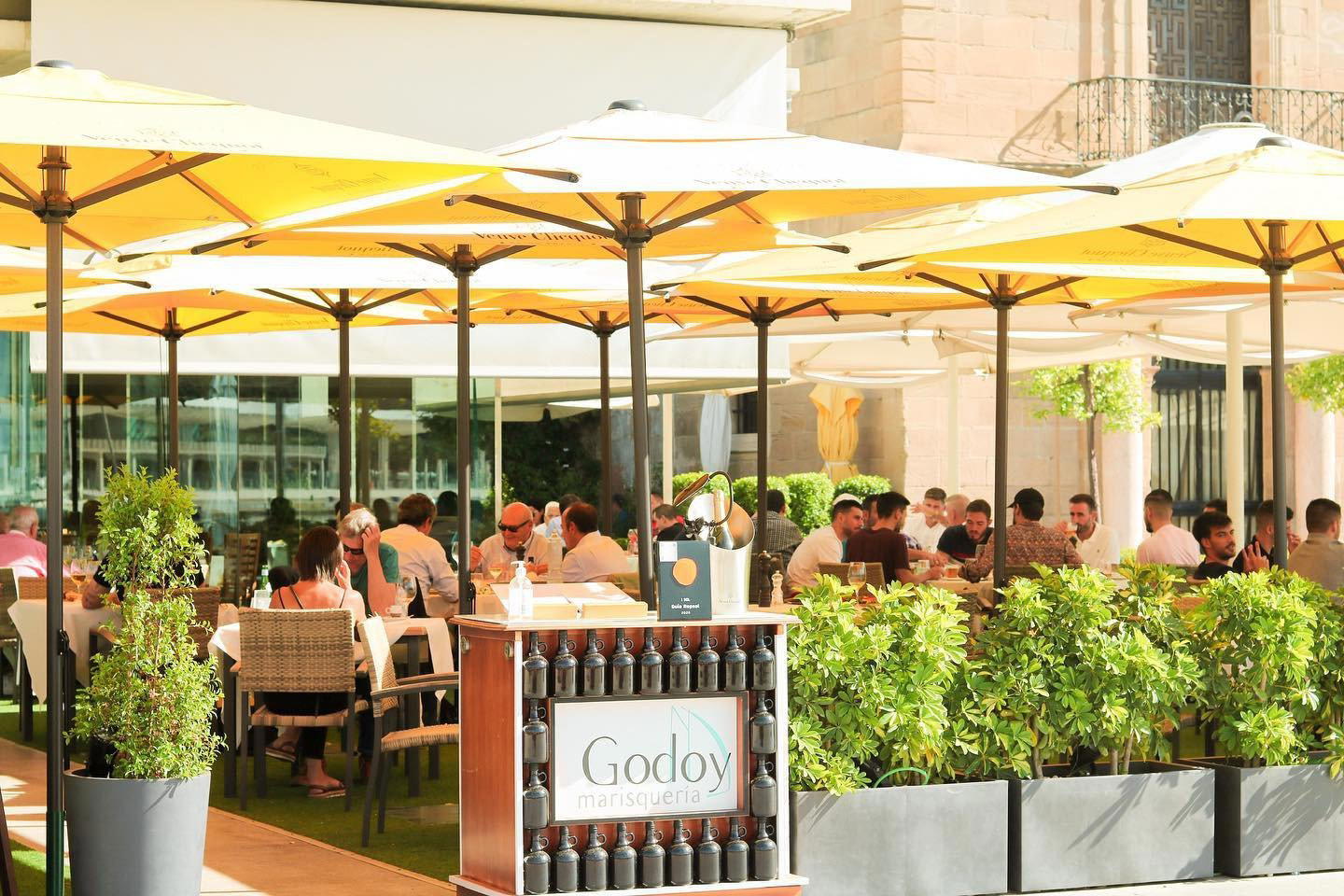
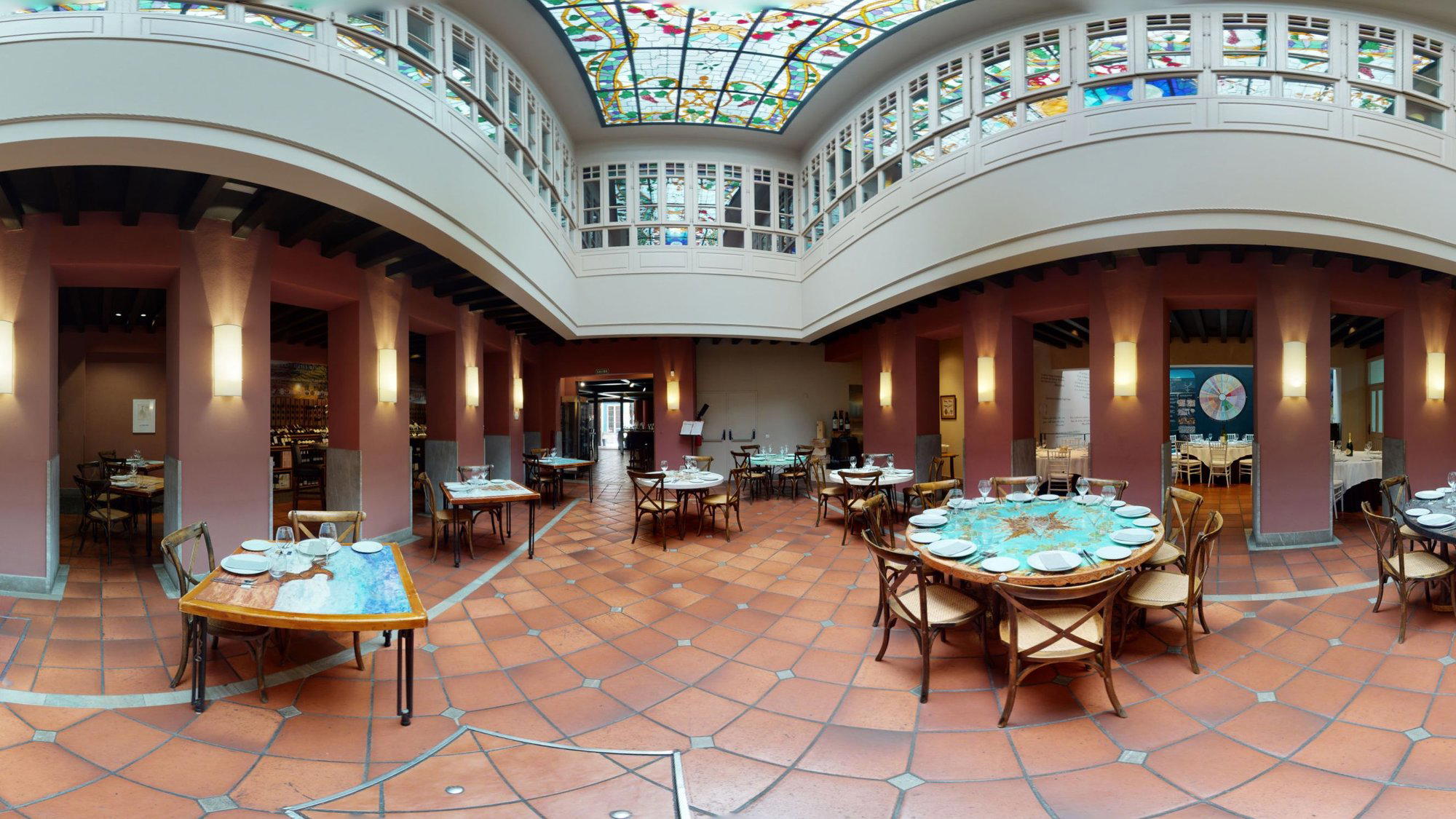
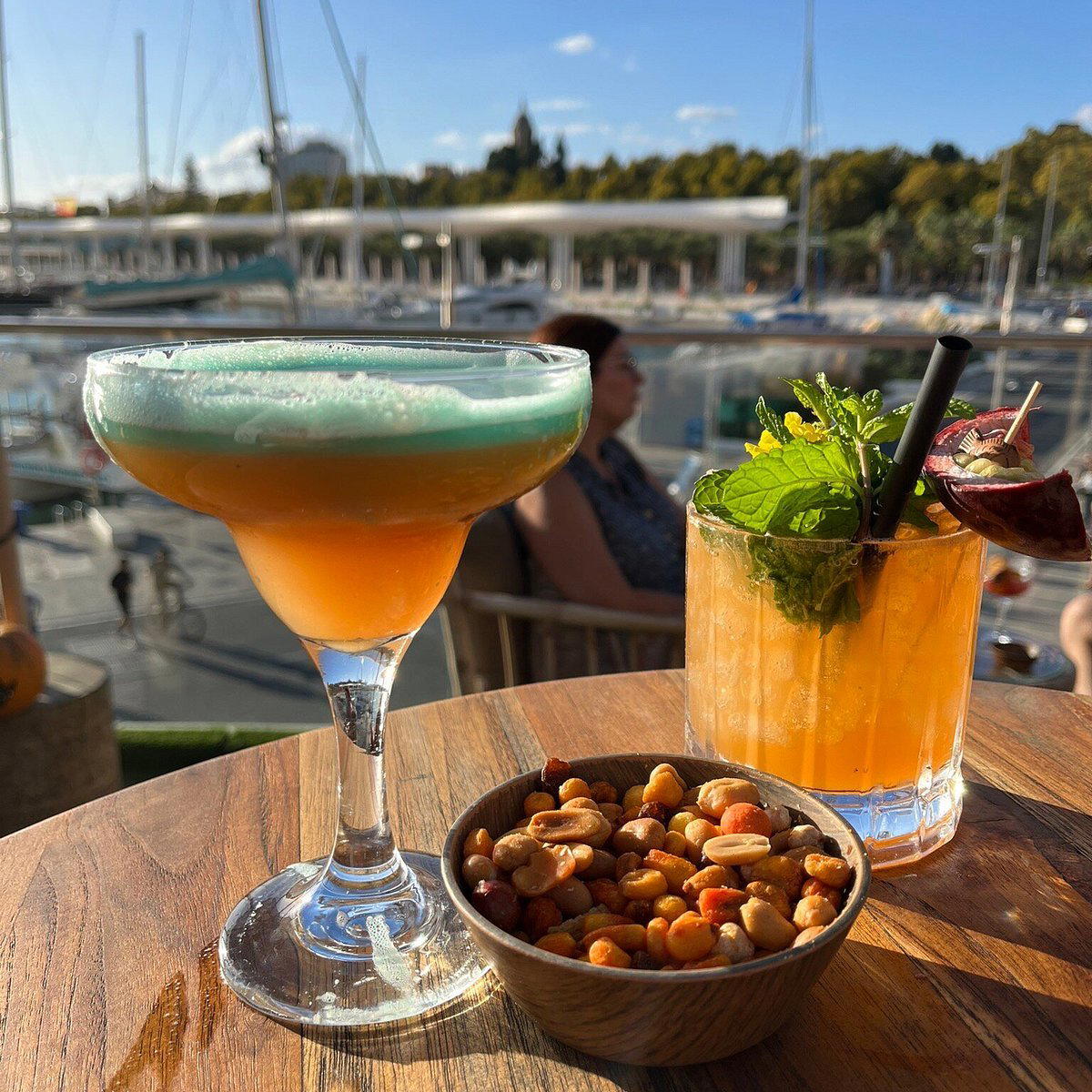
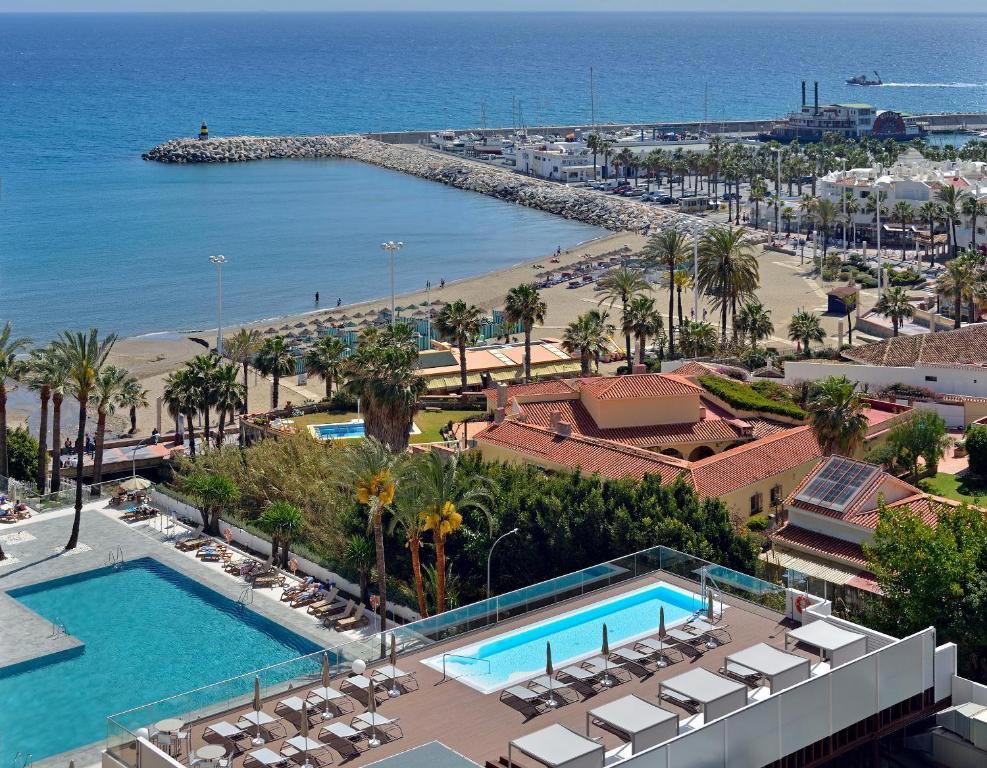
Bustling, classic seafood house with bright, open dining rooms and a large terrace overlooking the port, combining a busy, lively atmosphere with the feel of an established local institution.