
Guía Repsol 1 Sol
Our verdict
Fagollaga belongs to the Gipuzkoa dining conversation where product, restraint, and rural location matter as much as technical display. Its 1 Sol in Guía Repsol 2026 places it in Spain’s serious regional tier, with Hernani offering a quieter counterpoint to the higher-priced progressive tables around San Sebastián.

Pearl is the En Primeur Club membership app, where members save venues, book tables and use the concierge.
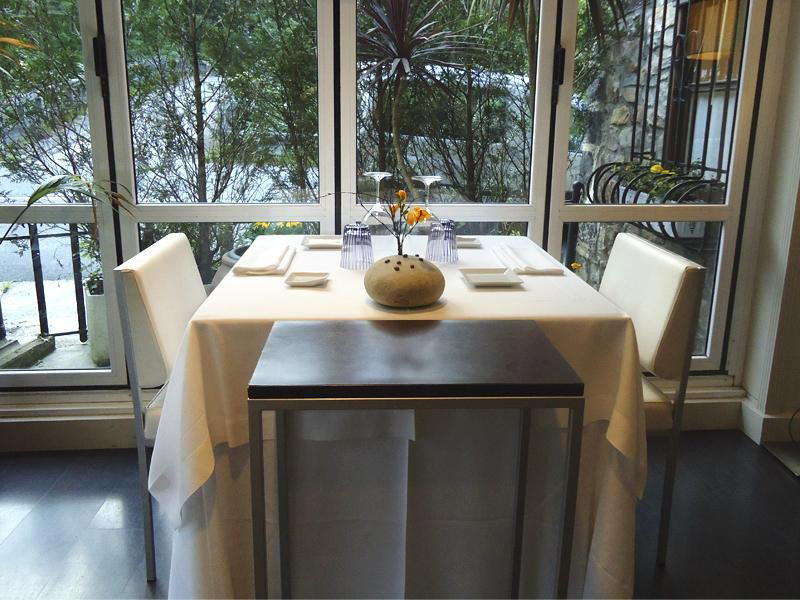
The menu
What to order
- Seasonal tasting menu
- Basque fish dishes
- Contemporary Basque meat dishes
- Fine red fruit cake with cheese ice cream
- Traditional flan
Dining in Hernani changes the terms of appetite before the menu appears. This is not capital-city theatre or San Sebastián’s dense old-quarter pintxo crawl; it is Gipuzkoa through nearby valleys, working landscapes, and a dining culture that does not need to over-explain itself. Fagollaga fits because the strongest restaurants in this part of Spain often understand a simple hierarchy: the meal first, technique second, ceremony only when it protects the experience rather than disguising it.
That matters in Hernani, close enough to San Sebastián to sit inside its culinary orbit, but far enough from crowded city dining circuits to feel less performative. Regional dining here is not one style. It runs from everyday local tables to more technical destination meals and modern bistro cooking. The better question is how clearly a restaurant reads its setting and turns that into a coherent reason to book.
Gipuzkoa product culture without city-centre theatre
Fagollaga’s relevance comes from its place inside that local restaurant landscape, not from spectacle. Guía Repsol lists it with 1 Sol for 2026, a useful Spanish signal because it confirms national recognition without requiring the restaurant to be read only through international trophy-dining language. In a province often dominated by long-menu destinations, a single Sol tells another story: a restaurant serious enough for national notice while still tied to the rhythms of Hernani.
The comparison set around Gipuzkoa is demanding. Mugaritz and Martin Berasategui occupy the most famous end of the regional spectrum, where diners arrive with major expectations as much as appetite. Txitxardin offers another local point of reference, while Bistroteka and Da Filippo show how varied the surrounding dining field can be. Fagollaga belongs in the conversation as a Hernani address with recognised standing. That distinction helps travellers choosing between dining experiences: not every serious table in the province must behave like a laboratory, and not every smaller-town address should be reduced to nostalgia.
Local context is the right lens because Hernani sits in a food region where proximity is not decorative language. The area’s strength lies in short distances between producers, markets, coast, and table, even when a restaurant does not turn that into a manifesto. The most persuasive meals in this part of Spain often depend on proportion: a clear idea, a measured pace, and a kitchen that knows when not to overcomplicate the plate. Specific dishes are not supplied here, so the safer reading is broader: understand Fagollaga through its Hernani setting and its 2026 Repsol recognition, not through invented menu detail.
Why a 1 Sol address changes the Hernani decision
Hernani is not usually framed as a standalone dining destination for international travellers, which is why a recognised restaurant here changes the planning equation. A 1 Sol restaurant in a smaller Gipuzkoa town gives the area gravity beyond day-trip logistics. It also offers an alternative to the pressure around acclaimed San Sebastián reservations, where reputation, scarcity, and expectation can blur desire into obligation.
The value is editorial as much as practical. In Spain, Guía Repsol’s 2026 recognition places Fagollaga inside a national conversation without pushing it into the same competitive lane as the region’s grander destination rooms. For diners, that can be the more revealing meal: one showing how regional confidence operates away from the most visible international circuit. The point is proportion. A restaurant can be ambitious without making ambition the first thing a guest sees.
For wider planning, Hernani works well as part of a compact Gipuzkoa itinerary rather than an isolated stop. Readers comparing meals can start with Our full Hernani restaurants guide, then build around sleep, aperitifs, producers, and cultural time through Our full Hernani hotels guide, Our full Hernani bars guide, Our full Hernani wineries guide, and Our full Hernani experiences guide. That frame suits the restaurant: its appeal is clearer when the meal connects to the surrounding town and region rather than standing as a detached reservation.
How it compares across Spain's serious regional tables
Spain’s strongest regional restaurants are increasingly judged by clarity rather than decoration. A capital-city table may use polish and metropolitan pacing; a smaller-town address can make its case through local regulars, a tighter sense of place, and a rhythm that feels less staged. For readers mapping the national field, compare how regions express seriousness: some restaurants sit in a capital context, others point toward small-plate culture, and other Basque rooms reflect a more urban register.
That national spread shows why Hernani should not be read through San Sebastián alone. Different Spanish regions make different arguments about setting, season, and appetite. Fagollaga’s is quieter: Hernani, Gipuzkoa, national recognition, and a town setting that shifts attention back to the table rather than the performance around it.
For Spain-wide lists, further contrasts sharpen the point. Some addresses carry remote or hotel associations, others bring market logic, coastal readings, or inland dining territory. Even international comparisons underline the same editorial lesson: format changes, but serious dining is clearest when a place knows what kind of experience it should offer.
The verdict is compact. Fagollaga is for diners who want a Hernani meal anchored in Gipuzkoa rather than destination-dining performance. The 1 Sol confirms external recognition, but the stronger reason to go is the setting’s fit with the broader local dining tradition: close to San Sebastián’s culinary force field, yet removed enough to make proportion and place the main event.
Frequently asked questions
Can I bring kids to Fagollaga?
Fagollaga is in Hernani. The public record supplied here does not confirm a children-focused format, so families should check directly with the restaurant before booking.
How would you describe the vibe at Fagollaga?
The setting in Hernani, away from central San Sebastián, points to a quieter regional dining room rather than a showpiece address. Its 1 Sol from Guía Repsol 2026 gives it recognised standing without requiring formal theatrics.
What are the opening hours for Fagollaga?
Check Fagollaga’s official channels for the latest service times before travelling.
Where is Fagollaga in Hernani?
Hernani.
What's Fagollaga best at?
Its strongest confirmed credential is the Guía Repsol 2026 1 Sol, which marks it as a nationally recognised restaurant. In practical planning terms, that makes it one of the clearest reasons to build a meal into time in Hernani.
Is Fagollaga good for vegetarians?
Fagollaga does not publish a vegetarian-specific format in the supplied public record, so it is best approached with direct questions about plant-based options. The address in Hernani and the 1 Sol Guía Repsol recognition suggest a restaurant worth contacting in advance. Check the venue's official channels for the latest details.
At-a-Glance Comparison
Comparable venues by cuisine and price in the same metro.
| Venue | Cuisine | Price | Awards | Notes |
|---|---|---|---|---|
| FagollagaThis venue (the venue you are viewing) | Modern Basque fine dining | $50–100 | Guía Repsol 1 Sol | Not listed |
| Mugaritz | Avant-Garde Basque Fine Dining | $300–500 | 2 Michelin Stars · World's 50 Best #87 | Progressive, Innovative |
| Martin Berasategui | Modern Basque Fine Dining | $200–300 | 3 Michelin Stars · World's 50 Best #35 | Progressive Spanish, Creative |
| Txitxardin | Traditional Basque Grill | $50–100 | Michelin Plate · Macarfi 7.9 Food Rating | Traditional Cuisine |
| Da Filippo | Modern Italian Trattoria | $50–100 | Michelin Plate | Italian |
Recognition history
Dated appearances from independent guides and award organizations, with the underlying list record or original source where available.
Guía Repsol 1 Sol
Guía Repsol
Continue exploring
More in Hernani
Restaurants in Hernani
All restaurants in Hernani →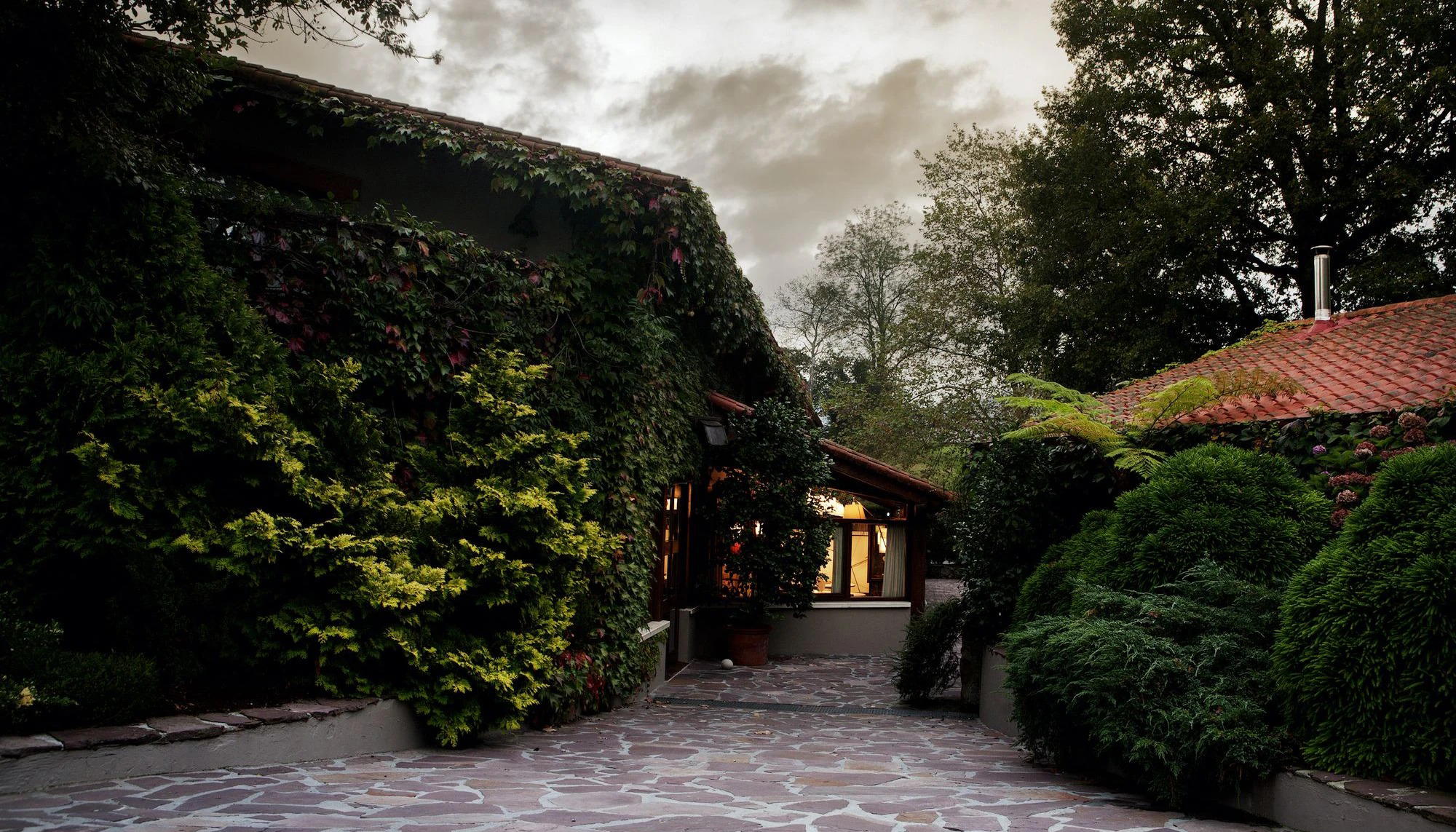
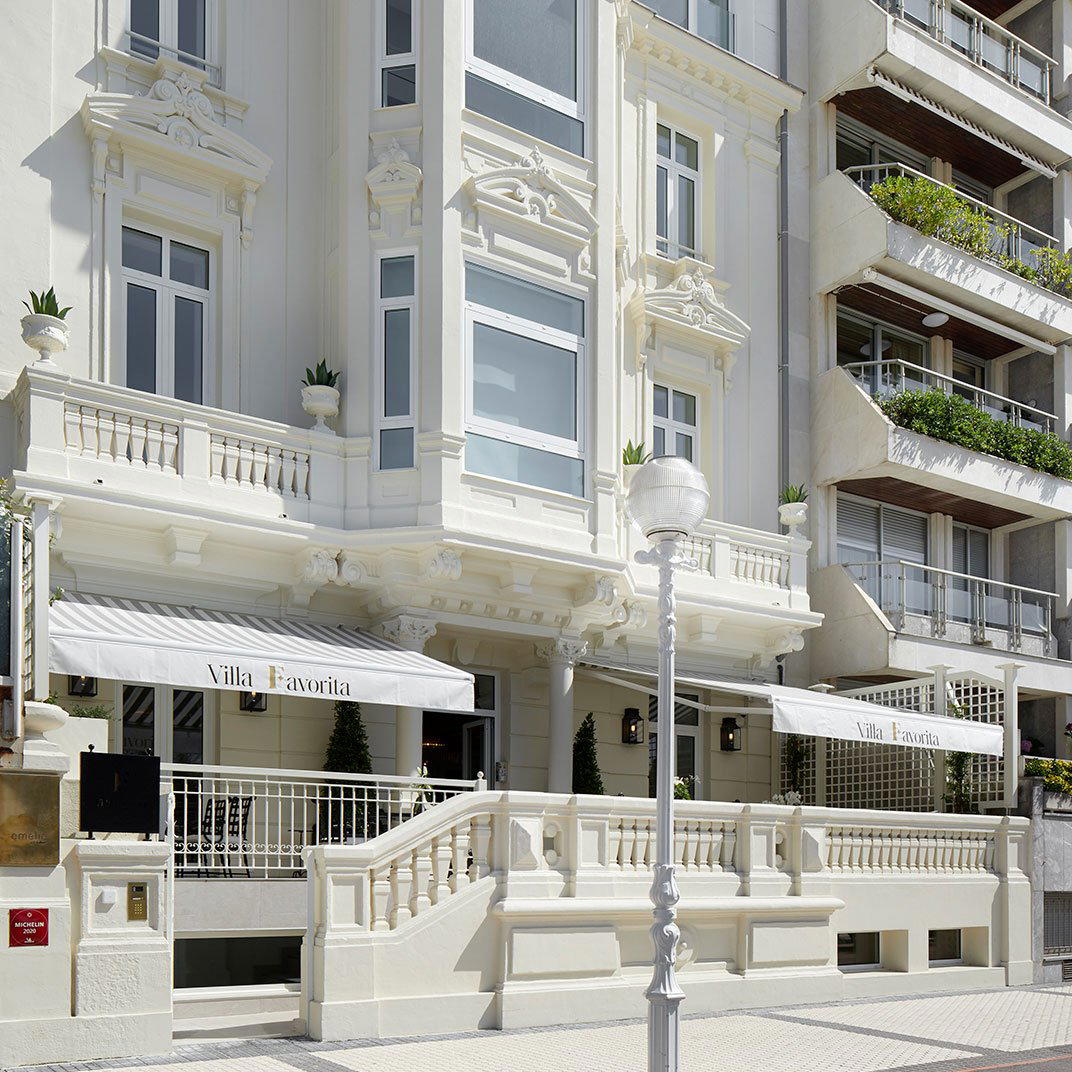
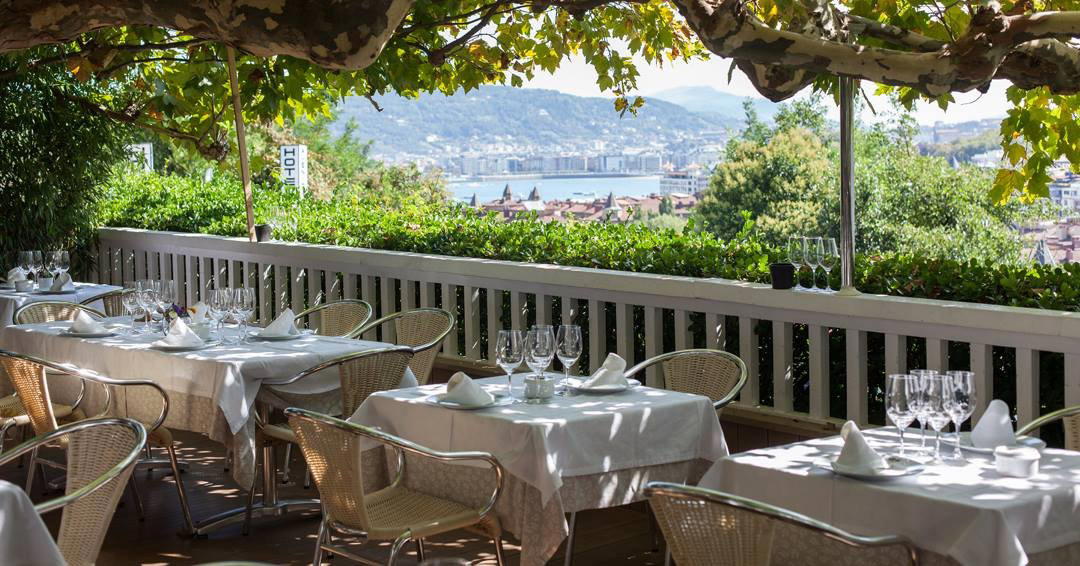
Bars in Hernani
Browse all →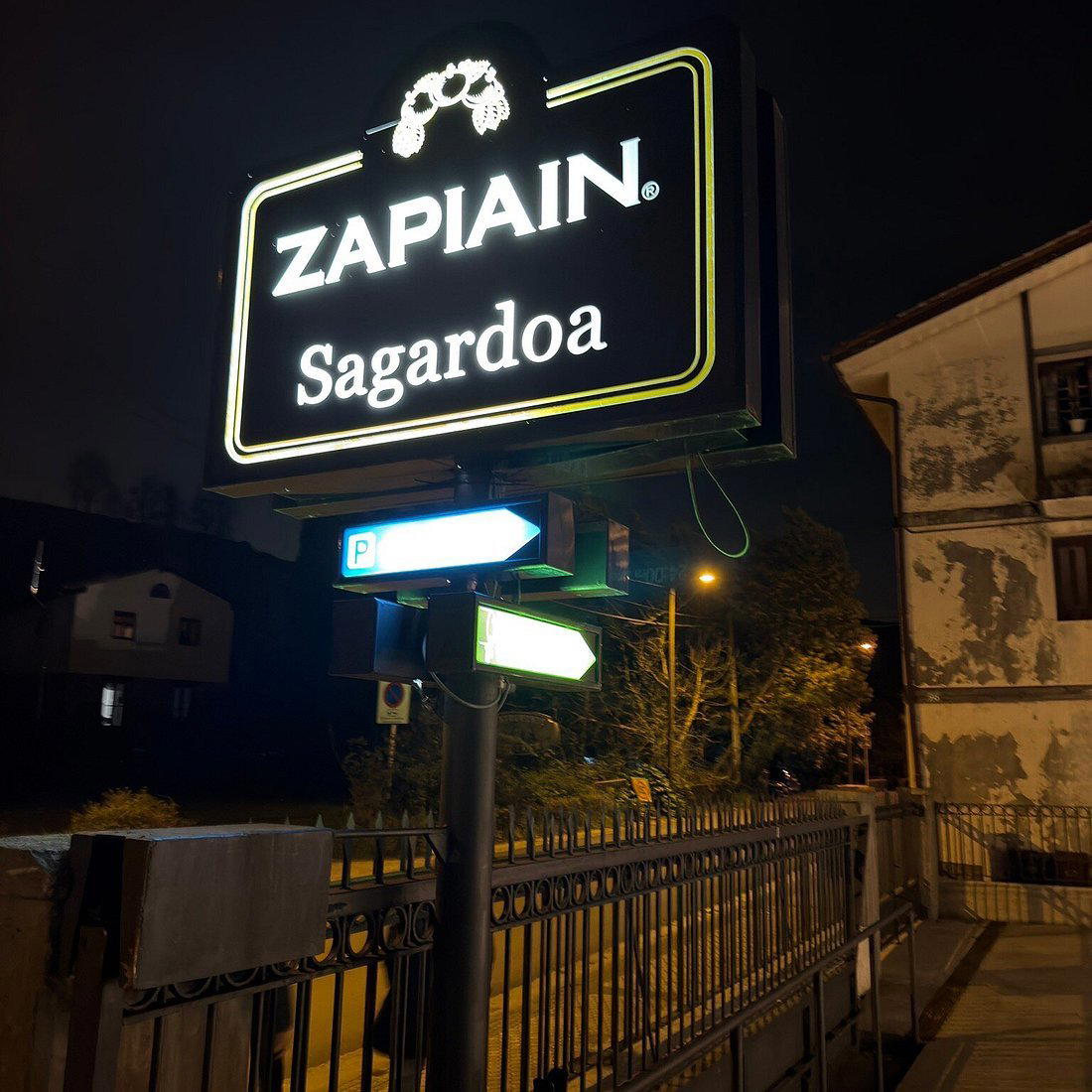
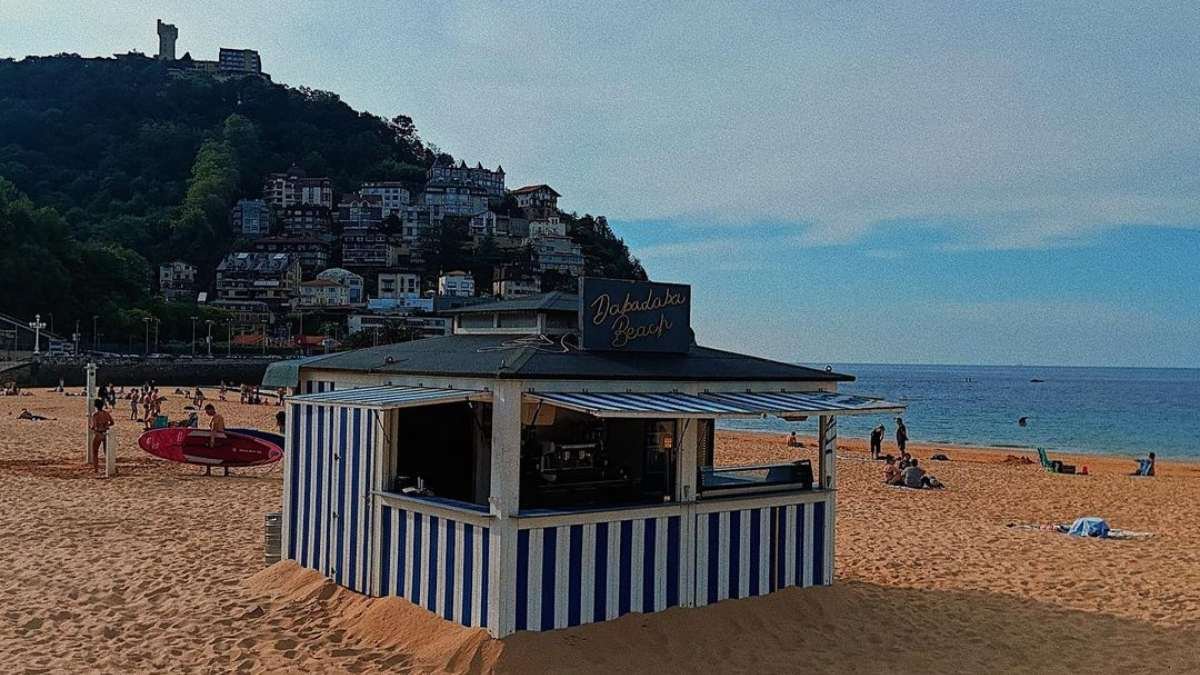
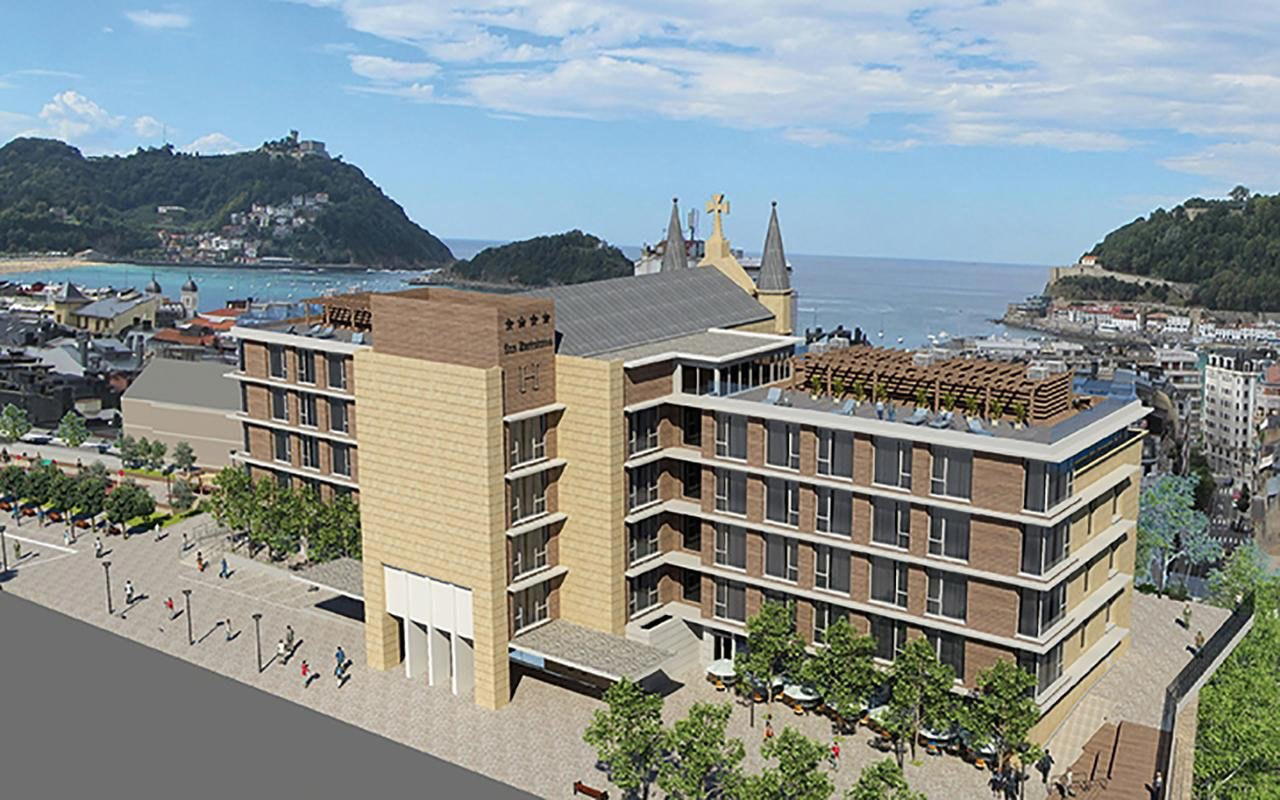
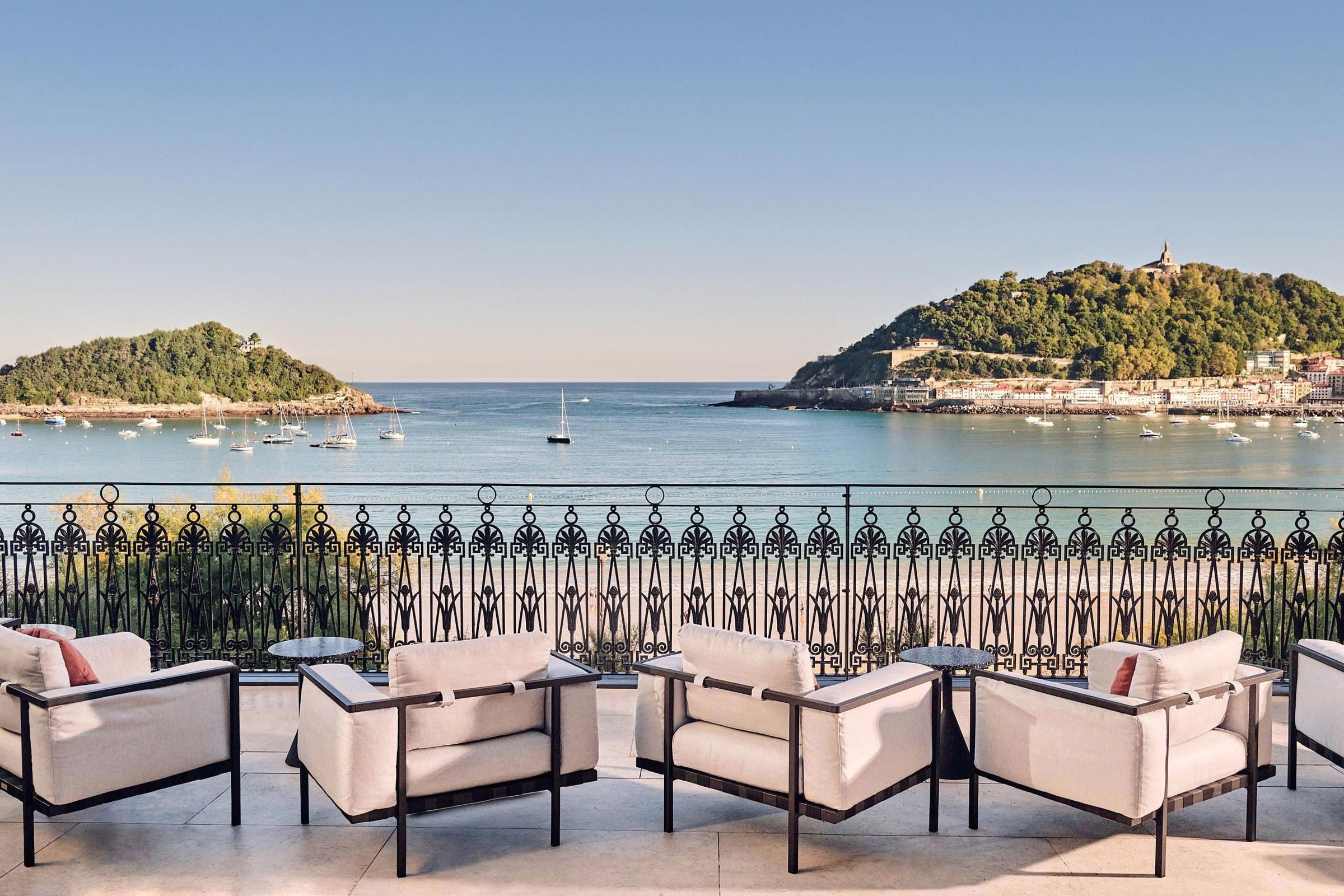
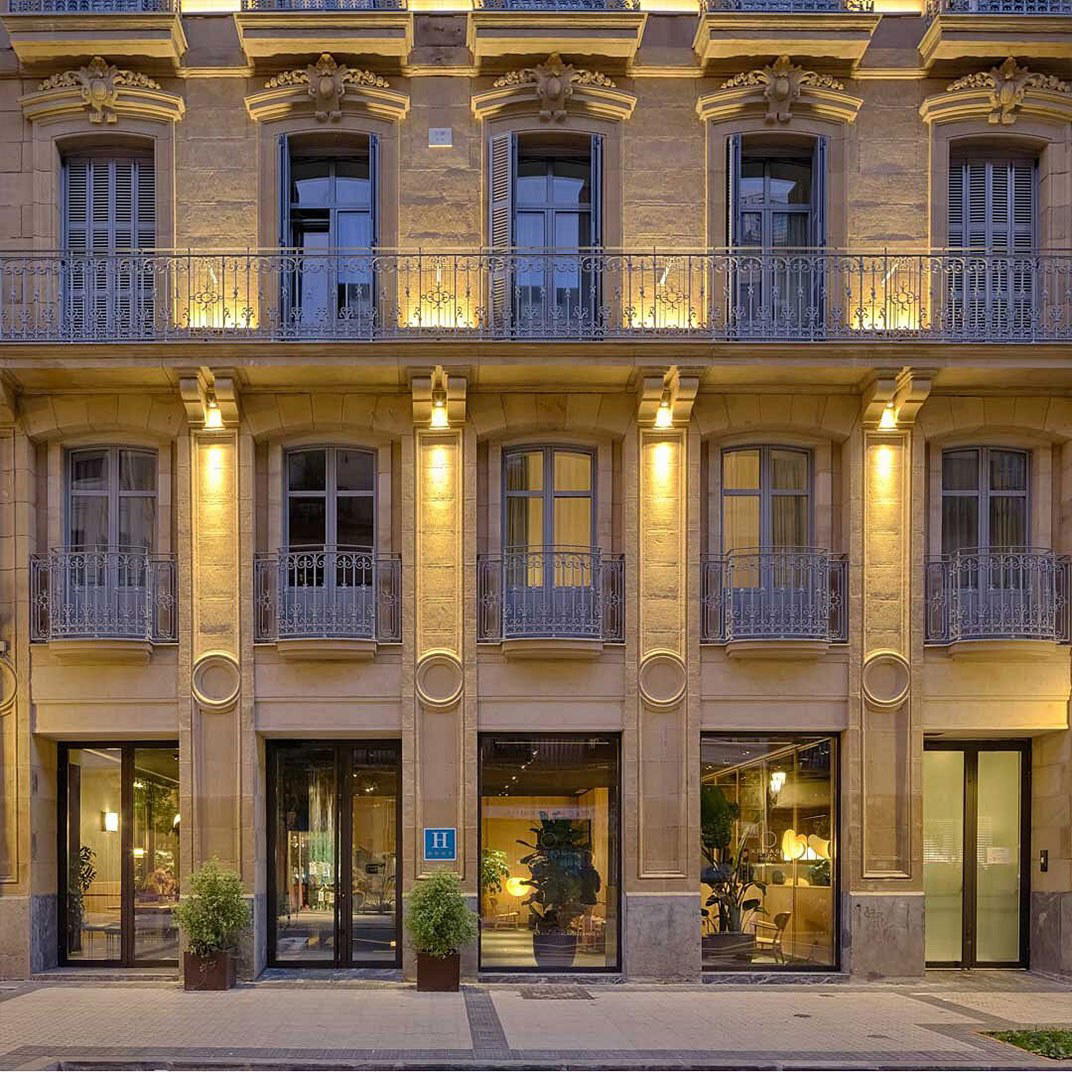
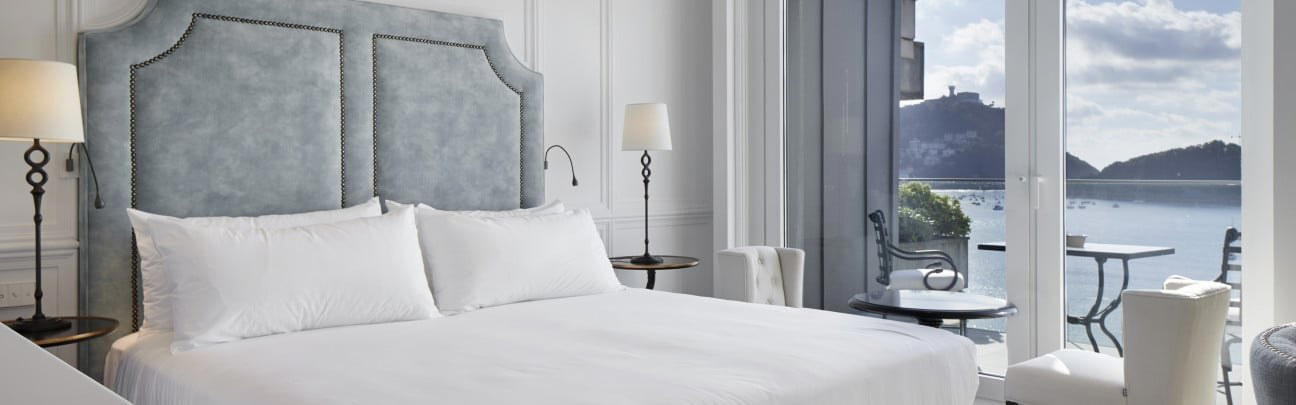
Hotels in Hernani
Browse all →
Wineries in Hernani
Browse all →
Details
- Romantic
- Cozy
- Rustic
- Scenic
- Date Night
- Celebration
- Special Occasion
- Group Dining
- Garden
- Terrace
- Standalone
- Historic Building
- Extensive Wine List
- Beer Program
- Local Sourcing
- Garden
- Tasting Menu
- A La Carte
- Wine
- Beer
- Vegetarian Friendly
- Gluten Free Options
Current opening hours
- Monday
- Closed
- Tuesday
- 1:15–3:30 PM
- Wednesday
- 1:15–3:30 PM
- Thursday
- 1:15–3:30 PM
- Friday
- 1:15–3:30 PM, 8:30–11 PM
- Saturday
- 1:15–3:30 PM, 8:30–11 PM
- Sunday
- 1:15–3:30 PM
Hours can change for holidays and private events. Hours as of .
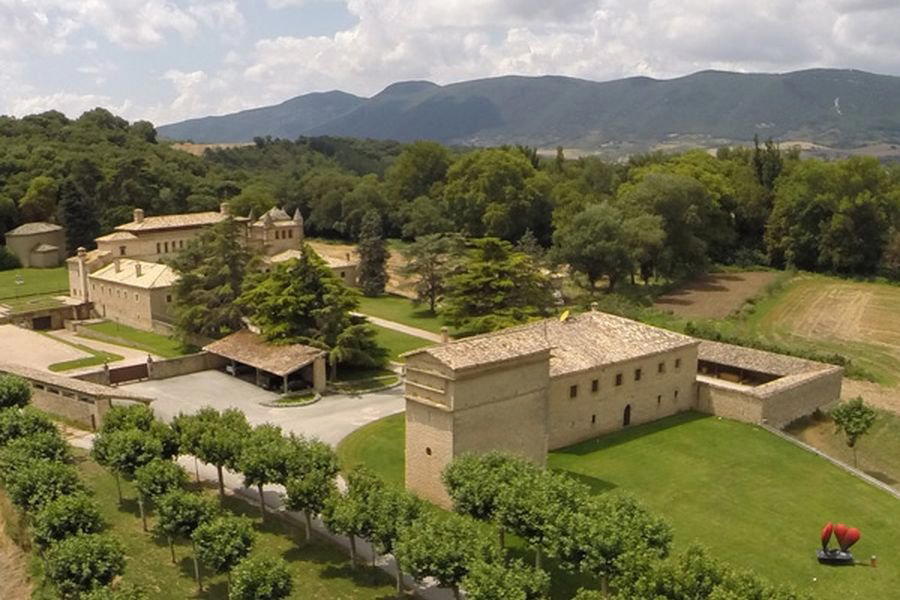
Warm and intimate countryside house feel with cozy dining rooms, soft lighting, and a relaxed yet refined atmosphere suited to lingering tasting menus and romantic meals.