← Guides
Discover the top three estates on Mount Etna for a memorable wine tasting experience in 2026. Our Etna wine tasting guide highlights priority stop vineyards and tips for booking your well-suited trip.
Discover the top three estates on Mount Etna for a memorable wine tasting experience in 2026. Our Etna wine tasting guide highlights priority stop vineyards and tips for booking your well-suited trip.
The confirmation email from Passopisciaro1 arrives without fanfare, a time, a name, a gate code for a lava-stone courtyard on the volcano's north face. That's the moment you realize Etna's top producers don't run visitor centers. They run working estates, and getting inside one requires a direct approach, some patience, and, at particularly sought-after addresses, a contact who can make a call on your behalf. Passopisciaro, Benanti, and Graci all receive visitors, but none operates a walk-in tasting room. Every visit is arranged in advance, directly with the estate,2 and availability is genuinely limited during harvest (September, October) and the summer high season.
| Estate | Access Difficulty | Booking Route | Best For | Visitor Infrastructure |
|---|---|---|---|---|
| Passopisciaro | Moderate, High (peak season) | Direct email via passopisciaro.com | Contrada comparison; Nerello depth | Cellar tour + tasting; no walk-in |
| Benanti | Moderate | Direct via vinicolabenanti.it | Etna overview; historic context | Most structured tasting program of the three |
| Graci | High (small team) | Direct via graci.eu | High-altitude parcels; pre-phylloxera vines | Intimate; conversation-led |
| Terre Nere | Moderate | Direct contact; importer introduction helps | North-slope contrada range; accessible entry point | Established visitor program |
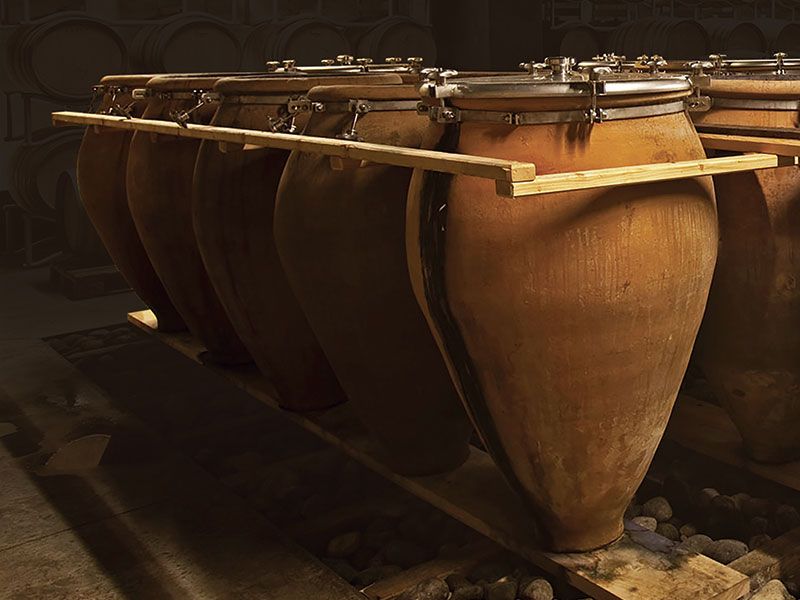
| Cornelissen | High | Direct; trade introduction strongly advised | Natural wine; amphora-aged Munjebel | Minimal; working farm aesthetic |
A typical visit to Passopisciaro begins in the lava-stone courtyard, with the north face of the volcano visible above the vine rows. The tasting moves through the five contrada bottlings in sequence, Chiappemacine at the lowest elevation, with Rampante and Guardiola among the highest-elevation contrade; Sciaranuova sits lower, at roughly 850 meters, and the differences between them are the point.
Same grape (Nerello Mascalese), same vintage, same winemaking hand; what changes is the soil composition (black volcanic ash versus older, oxidized red soils), the elevation, and the aspect. The wines are poured in the cellar or, in good weather, at a table outside. There is no theatrical presentation. The conversation is the experience.
At Graci, the scale is smaller and the altitude is higher. The estate's parcels on the upper north slope produce wines with a tension that reads differently from the more immediately expressive bottlings at lower elevations, a quality the estate attributes to elevation and the age of the vines rather than any intervention in the cellar.
A visit here tends to involve a walk through the vineyard before the tasting, the pre-phylloxera vines, some over a century old, are the visual argument for everything that follows in the glass.
The Quota 1000 Nerello Mascalese, from Contrada Barbabecchi at roughly 1,000 to 1,100 meters and including pre-phylloxera vines, is the wine that rewards greater attention; Quota 600 comes from Arcuria at around 600 meters.
Benanti's Viagrande winery, on the southeast slope near Catania, offers a different register entirely. The southeast-slope Etna Bianco, made from Carricante, a white variety that produces wines of saline, citrus-driven precision, is the counterpoint to the north-slope Nerello conversation. A visit here makes the appellation's full range legible in a way that a north-slope-only itinerary doesn't.
Duration across all three estates runs roughly ninety minutes to two hours for a full tasting; confirm the format when you book, as it can vary. None of the three offers a food pairing in the formal sense, though light accompaniments (local cheeses, bread, olive oil) sometimes appear.
Yes, but only if you approach it correctly. The three estates covered here represent the clearest argument for Etna's place among Europe's serious appellations, and tasting the contrada wines in sequence, on the mountain, is a different experience from tasting them at a merchant event in London or New York. The wines make more sense in context.
The access is not difficult in the way that a Burgundy domaine visit or a Barolo producer appointment can be difficult, there is no years-long waiting list, no invitation-only policy. What it requires is direct outreach, reasonable lead time, and a willingness to work around the estate's schedule rather than your own. An importer introduction, where you have one, shortens the path considerably; building the north-slope circuit as a two-day itinerary rather than a single afternoon takes full advantage of the drive.
Benanti is the right starting point if Etna is new to you. Passopisciaro is the essential contrada education. Graci is the visit that rewards patient attention, and the one most likely to shift how you think about altitude and Nerello Mascalese. For anyone who has been buying these wines at a distance, the mountain repays the effort of getting there.
No. Both estates are working farms without walk-in tasting facilities. All visits must be arranged in advance by direct contact with the estate.2 Arriving unannounced is unlikely to result in a tasting and may disrupt the winemaking team, particularly during harvest.
US customers can request a Passopisciaro wine allocation by signing up via a link on the estate's website.1 Buyers outside the US should email Passopisciaro directly to request an allocation.3 Direct contact is the only way to confirm current availability.
By most accounts, yes. Benanti's Viagrande winery has a longer history of receiving visitors and runs a more structured tasting program. It is a practical starting point for those new to Etna, and availability tends to be somewhat easier to secure than at the smaller north-slope estates.
This varies by estate and by vintage availability. Neither estate publishes a confirmed cellar-door retail policy online. Confirm at the time of booking whether direct purchase is possible, Graci's production is tight enough that ex-cellar stock is not guaranteed.
Late spring (April, June) offers one reliable combination of winemaker availability, clear mountain weather, and unhurried tasting conditions. Early September, before harvest begins in earnest, is a strong option if you want to see the fruit on the vine. Harvest itself (mid-September through October) is atmospheric but logistically one difficult time to arrange a substantive visit.
Get the App
Take the shortlist into the En Primeur Club app for concierge access, saved places, and the next step after discovery.
Get Exclusive AccessMore from the editors