
Guía Repsol 1 Sol
Our verdict
Halconeras De Sancho Iv brings Guía Repsol 2026 recognition to Funes, a small Navarra town better known for agricultural proximity than destination dining theater. Its value lies in the regional frame: produce, seasonality, and a local dining rhythm that sits apart from Spain’s larger-city tasting-menu circuit.

Pearl is the En Primeur Club membership app, where members save venues, book tables and use the concierge.
The menu
What to order
- Grilled meats a la brasa
- Grilled octopus
- Grilled vegetables and asparagus
- Rice dishes from the grill
Approaching a serious restaurant in Funes is not the same as arriving for dinner in Madrid, Barcelona, or San Sebastián. The signal is quieter: a Navarra town shaped by everyday movement rather than polished dining districts. Here, the strongest restaurants tend to draw authority from proximity, season, and a sense of place rather than spectacle.
Halconeras De Sancho Iv belongs to the regional Spanish dining category where the room matters less than the local context behind the plate. Its 1 Sol recognition in Guía Repsol Soles 2026 places it inside Spain’s national conversation without forcing it into luxury tasting-room language. For readers comparing Navarra with broader Spanish dining, the question is not whether Funes competes with capital-city glamour, but whether the restaurant makes a smaller town feel specific enough to justify the detour.
Navarra's produce logic shapes the table before technique does
Navarra has a particular advantage in Spanish dining: a strong regional identity and a culinary temperament that rewards clarity over noise. Its restaurant culture is often read through seasonality, local confidence, and a direct relationship with place. Ingredient context is therefore more than romance. In this territory, a restaurant without a convincing sense of where it is has little cover.
Funes sits in a part of Navarra where agriculture and daily life remain close to the dining conversation. Diners should expect the meal’s logic to follow regional context rather than international luxury cues. That does not require a publicly listed signature dish or named tasting-menu format. The absence of heavily branded menu language can help a restaurant like this, because the editorial measure becomes simple: does the experience reflect where it is?
The 2026 Guía Repsol 1 Sol matters because the guide often rewards Spanish restaurants outside the narrow Michelin-chasing corridor. A Sol is not a decorative badge; it signals culinary identity, technical control, and regional relevance beyond routine local dining. In a town the size and profile of Funes, that distinction turns a local table into a regional reference point.
Comparison inside Navarra is useful if it avoids false equivalence. Túbal speaks to a long-running regional-restaurant model; Morro Tango points to a more flexible modern idiom; Árido by Ramsés González occupies another register of contemporary Navarra dining. Halconeras De Sancho Iv sits elsewhere: a Funes restaurant with national-guide recognition, best read through locality and place credibility rather than metropolitan polish.
A small-town restaurant with national-guide pressure
Recognition changes expectations, especially in places not built around constant culinary tourism. In larger Spanish cities, diners can move from counter dining to wine bars to tasting menus across one neighbourhood. In Funes, the restaurant carries more of the occasion itself. That can be an advantage: the experience becomes less about hopping between venues and more about reading one kitchen against its surroundings.
The strongest argument for a meal here is editorial rather than decorative: it gives travellers a Navarra dining reference outside the obvious urban route. Spain’s restaurant culture is often flattened into a few city names, but its deeper strength sits in towns where local habits and regional confidence remain close to the surface. A 1 Sol restaurant in Funes belongs to that tradition. It is not a Barcelona room transported inland; its relevance depends on whether the dining experience makes sense in Navarra.
That also affects who should prioritize it. Diners seeking a fully documented luxury format, formal chef narrative, or clearly published tasting-menu structure may find stronger planning clarity in larger cities. Diners who follow Spanish regional restaurants, smaller-town dining, and guide-recognised local addresses will read the appeal faster. The useful lens is regional confidence, with national recognition as the trust signal.
For broader planning, EP Club’s city pages place the restaurant within Funes rather than treating it as an isolated pin: Our full Funes restaurants guide, Our full Funes hotels guide, Our full Funes bars guide, Our full Funes wineries guide, and Our full Funes experiences guide are the natural companions for a tighter Navarra itinerary.
How it fits Spain's wider regional dining map
Spain’s regional restaurant network is far more varied than the capital-city circuit suggests. The useful comparison is not one national hierarchy, but a spread of formats: capital-city polish, southern informality, northern product discipline, island occasion dining, restored-destination cooking, and inland regional houses. That range explains why a Funes address can matter without imitating the scale or price language of better-known markets.
Readers mapping Spain through restaurants can calibrate expectations with wider references: capital-city dining in Madrid, southern dining frames, northern reference points, island occasion dining, and Rioja-adjacent regionality. The point is not to flatten them into one ranking, but to show how different Spanish dining contexts reward different kinds of seriousness.
Other Spanish reference points widen the map further, from Barcelona and Las Palmas de Gran Canaria to Canfranc-Estación, València, Pollença, and Valladolid. For contrast beyond Spain’s regional frame, tightly focused international formats show how a meal can be defined through category discipline rather than breadth.
The verdict is clear without overclaiming: Halconeras De Sancho Iv is a regional-interest restaurant first, a guide-recognised address second, and a Funes-specific argument for paying attention to Navarra beyond the usual stops. Its strongest case is context: a restaurant judged by how directly it speaks to the town and territory around it.
Frequently asked questions
Can I bring kids to Halconeras De Sancho Iv?
The listing does not specify a children’s policy, so family visits depend on the restaurant’s own seating and service rhythm. Its setting in Funes makes it a local dining option to confirm directly before planning with children.
How would you describe the vibe at Halconeras De Sancho Iv?
The location is Funes. Its Guía Repsol 1 Sol recognition suggests a serious regional table with attention from Spanish restaurant critics.
What are the opening hours for Halconeras De Sancho Iv?
Published opening hours are not provided here. Confirm current service times directly with Halconeras De Sancho Iv before travelling to Funes.
What is Halconeras De Sancho Iv known for?
Halconeras De Sancho Iv is known here as a Funes restaurant recognised with 1 Sol in Guía Repsol Soles 2026.
How It Stacks Up
Comparable venues by cuisine and price in the same metro.
| Venue | Cuisine | Price | Awards | Notes |
|---|---|---|---|---|
| Halconeras De Sancho IvThis venue (the venue you are viewing) | Traditional Spanish grill & steakhouse | $30–50 | Guía Repsol 1 Sol | Not listed |
| Morro Tango | Contemporary Spanish Regional | $20–30 | Michelin Bib Gourmand · Macarfi 8.1 Food Rating | Contemporary |
| Túbal | Traditional Navarrese Cuisine | $30–50 | Michelin Plate · Macarfi 7.5 Food Rating | Regional Cuisine |
| Árido by Ramsés González | Contemporary | Not listed | Not listed | Not listed |
Recognition history
Dated appearances from independent guides and award organizations, with the underlying list record or original source where available.
Guía Repsol 1 Sol
Guía Repsol
Continue exploring
More in Funes
Restaurants in Funes
All restaurants in Funes →
Bars in Funes
Browse all →
Hotels in Funes
Browse all →
Details
- Rustic
- Cozy
- Lively
- Family
- Group Dining
- Casual Hangout
- Celebration
- Open Kitchen
- Standalone
- Beer Program
- Local Sourcing
- A La Carte
- Family Style
- Wine
- Beer
- Vegetarian Friendly
- Vegan Options
- Gluten Free Options
Current opening hours
- Monday
- Closed
- Tuesday
- Closed
- Wednesday
- Closed
- Thursday
- 1:30–7 PM
- Friday
- 1:30–7 PM
- Saturday
- 1:30–7 PM
- Sunday
- 1:30–7 PM
Hours can change for holidays and private events. Hours as of .
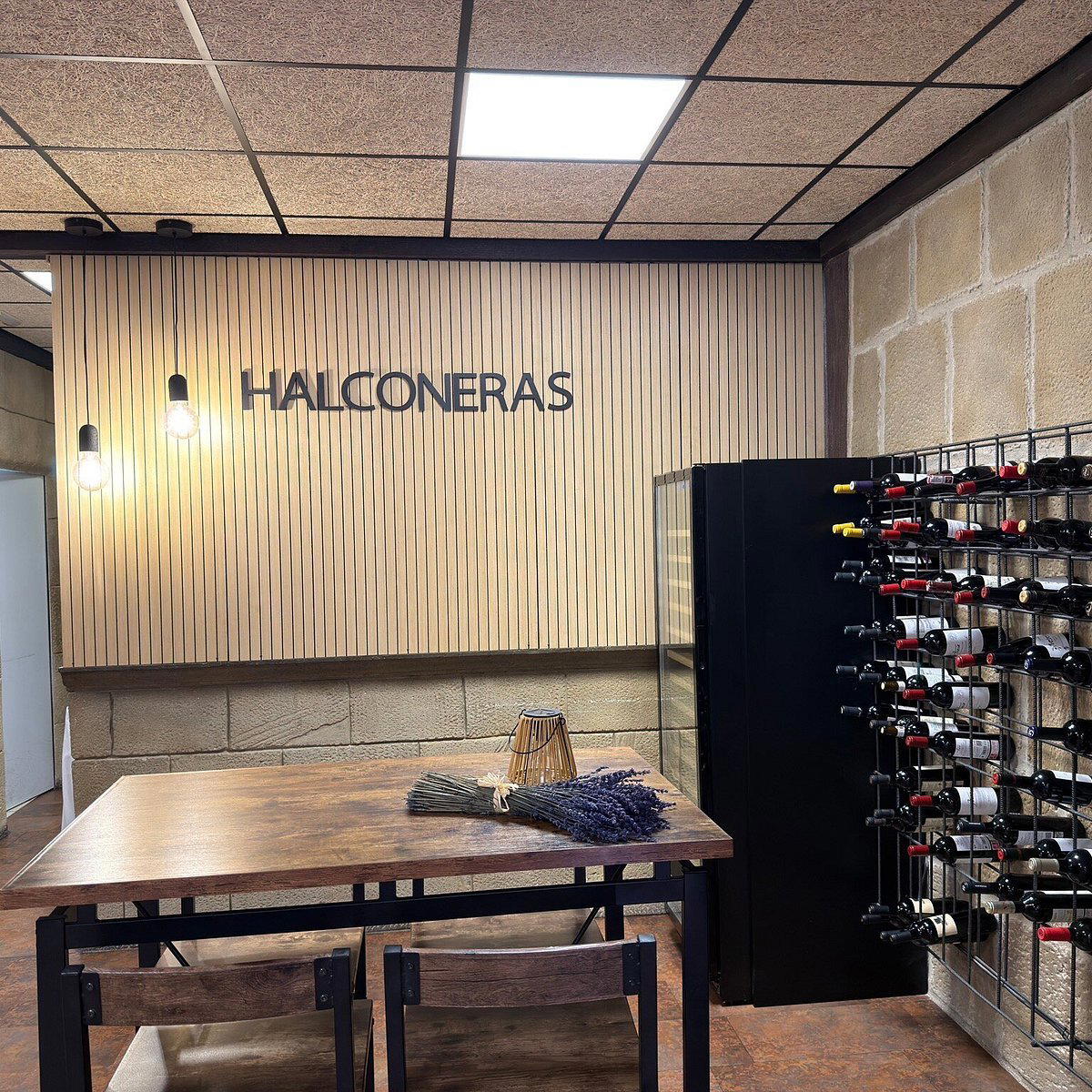
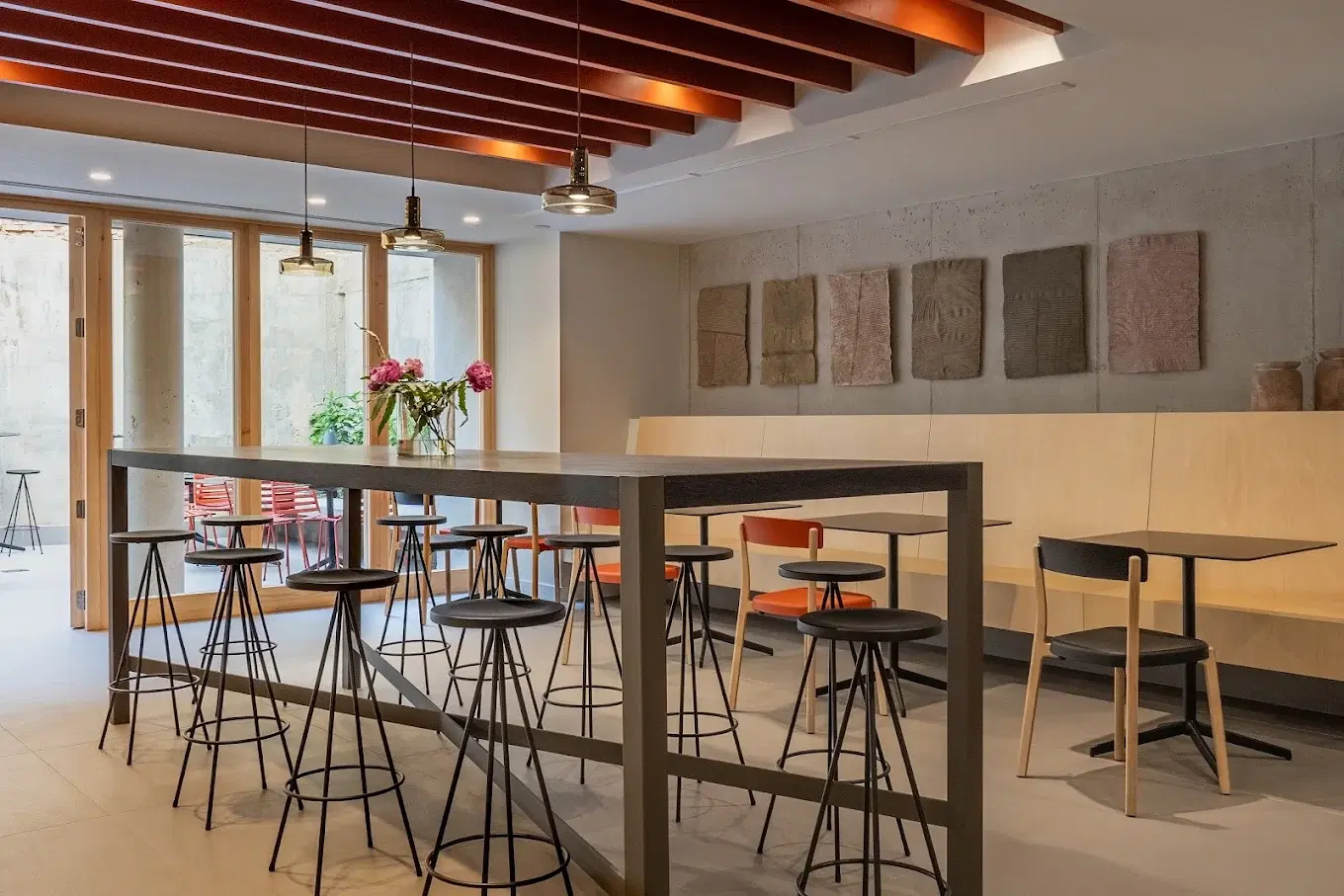
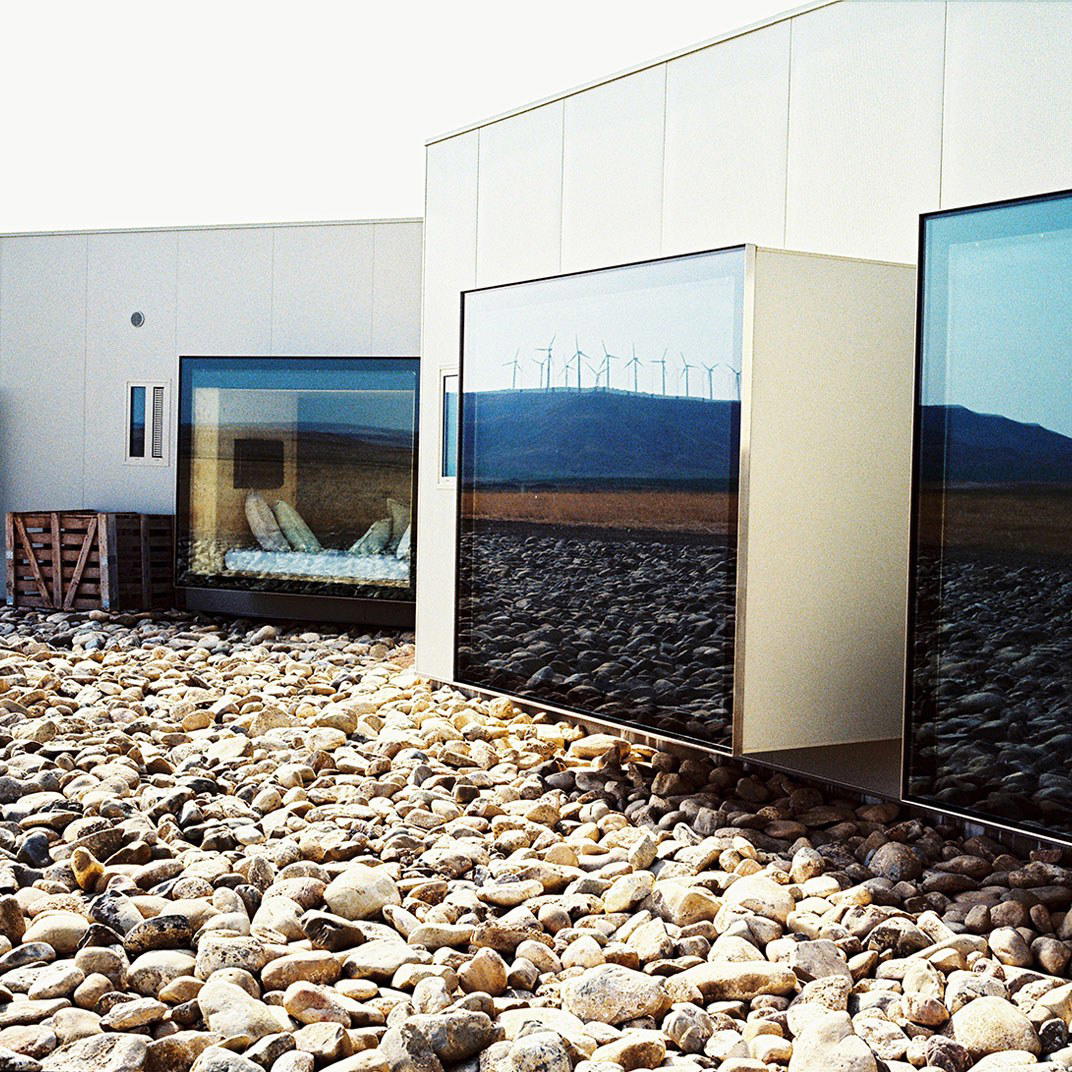
Warm, rustic dining room centered on the open grill, with a casual country feel, lively buzz at peak lunch and dinner times, and a focus on the spectacle of cooking over the coals.