Comedor Mexicano
Our verdict
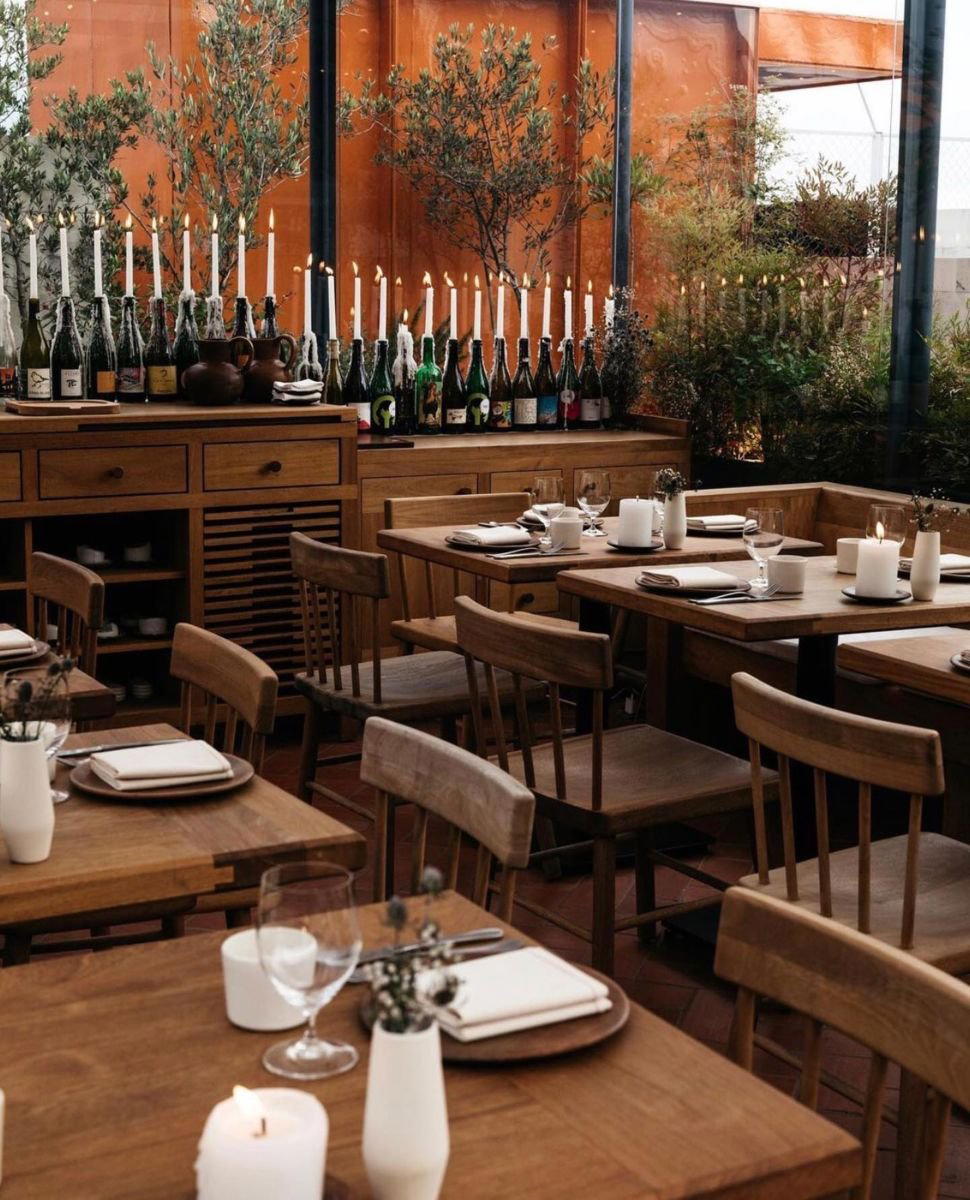
Comedor Mexicano brings the language of the Mexican comedor to a rooftop terrace in Mexico City’s historic core. The appeal is less about chef mythology or trophy dining than setting: a city-centre meal framed by colonial-era streets, public life, and the long habit of treating Mexican food as a social table rather than a performance.

Pearl is the En Primeur Club membership app, where members save venues, book tables and use the concierge.
The menu
What to order
- Tostadas de pork belly
- Pollo frito con manchamanteles
- Tacos de revoltillo
From a rooftop terrace in Mexico City, the city arrives as part of the meal: movement, light, street noise, and the particular density of the capital. Comedor Mexicano belongs to a dining culture where the room, the table, and the surrounding city matter as much as the plate. In Mexico City, restaurants are read against everyday dining rooms, informal counters, cafés, and family tables, not only against more formal destination dining rooms.
The word “comedor” carries a useful clue. In Mexico, it can mean a dining room, a modest lunch counter, a family table, or a place built around daily eating rather than ceremony. That tradition gives the format its weight. It suggests food as gathering, not spectacle; repetition, not novelty; and a relationship to local eating habits before it reaches restaurant technique. For travellers, that distinction matters. A meal here should be understood within Mexico City’s older rhythm, where lunch, conversation, and the city’s public life still shape the experience.
A rooftop reading of the Mexican comedor tradition
Mexico City dining often splits into two narratives. One is the contemporary international circuit, measured through tasting menus, awards, and destination reservations. The other is older and more civic: breakfast rooms, cantinas, market counters, and dining rooms that absorb the city around them. Comedor Mexicano sits closer to the second conversation, with the rooftop terrace adding a spatial twist. The setting lifts the meal above street level without severing it from Mexico City’s texture.
That matters because the capital can make restaurants feel either theatrical or anonymous. The stronger formats acknowledge the city instead of treating it as décor. Nearby reference points help define the spectrum: other Mexico City dining rooms speak to the city’s appetite for varied casual dining, while polished café formats reflect another side of local eating. Comedor Mexicano’s Mexico City rooftop position makes a different argument: dining here can be atmospheric without depending on formality.
Within the comparison set, Biko represents the more formal end of the conversation, where technique and tasting-menu logic define the frame. Azul Histórico and Café De Tacuba, by contrast, carry the weight of Mexico City dining history and culinary memory. Comedor Mexicano is better read between those poles: not a museum room, not a high-concept laboratory, but a terrace-led expression of the table in a city where architecture, visitors, daily routines, and local plans collide daily.
Mexico City changes the terms of the meal
Location is not a background detail in Mexico City. Different parts of the capital reward different styles of wandering, dining, hotel traffic, cultural plans, and everyday commerce. A restaurant here has to deal with mixed audiences: workers, visitors, families, and city residents using the city for errands or cultural plans. The result is a dining context less insulated than more self-contained restaurant zones.
That civic mix explains why rooftop dining in Mexico City has a different charge from a hotel terrace in a resort district. The view is not just skyline; it is a working city layered by history. The format suits travellers who want a meal attached to place rather than a sealed dining room that could be in any global capital. It also suits itineraries built around public culture, architecture, and city walking, where pausing above the pavement changes the pace of the day.
For a broader city plan, use Our full Mexico City restaurants guide alongside Our full Mexico City hotels guide, Our full Mexico City bars guide, Our full Mexico City wineries guide, and Our full Mexico City experiences guide. They help separate this style of dining from the city’s hotel, cocktail, and cultural circuits, which often follow different neighbourhood logic.
How to place it within a Mexico itinerary
Comedor Mexicano works as a context-first choice: the draw is the combination of comedor language and rooftop placement in Mexico City. Travellers chasing formal recognition should verify current accolades through official or current guide sources rather than assume them from the format. Travellers trying to understand how food functions socially in the capital will find the proposition clearer.
The broader Mexico map also helps sharpen that reading. Coastal and resort dining often responds to leisure travel and hotel geography, with expectations shaped by beaches, resorts, and vacation pacing. Other Mexico itineraries operate under different expectations of pace and setting. Mexico City is denser, more layered, and less forgiving of generic concepts.
Within the capital and its outskirts, other dining rooms point to the metropolitan spread beyond the city’s most familiar visitor routes. International references are useful reminders of how food formats shift when removed from their home-city context. Comedor Mexicano’s advantage is that it does not need much translation: the comedor idea belongs to the city, and the rooftop simply gives it a sharper frame.
Frequently asked questions
Is Comedor Mexicano a family-friendly restaurant?
Comedor Mexicano is a rooftop dining option in Mexico City. For mixed-age groups or any specific seating needs, confirm current arrangements directly through the venue's official channels before visiting.
What should I expect atmosphere-wise at Comedor Mexicano?
Expect a rooftop setting in Mexico City, with an urban, open-air feel. The experience is shaped more by location and terrace seating than by formal ceremony.
Where is Comedor Mexicano in Mexico City?
Mexico City.
Do they take walk-ins at Comedor Mexicano?
Walk-in details are not provided here. Rooftop tables in Mexico City can vary by service and timing, so check the venue's official channels for the latest details.
What is Comedor Mexicano known for?
It is defined by the comedor format and its rooftop terrace in Mexico City. That combination places it in the conversation for location-led dining rather than chef-driven tasting-menu restaurants.
How does Comedor Mexicano handle allergies?
No allergy protocol is provided here. For any dietary restriction, the safest assumption is that direct confirmation is needed before service. Check the venue's official channels for the latest details.
Budget Reality Check
Nearby venues at a similar price tier for orientation.
| Venue | Cuisine | Price | Awards | Notes |
|---|---|---|---|---|
| Comedor MexicanoThis venue (the venue you are viewing) | Seasonal Mexican Rooftop Restaurant | $20–30 | Not listed | Not listed |
| Biko | Mexican Modern | Not listed | World's 50 Best #43 | Not listed |
| Taco Tasting Room | Modern Mexican Tasting Menu | $50–100 | Michelin Plate | Not listed |
| Azul Histórico | Traditional Mexican | $50–100 | La Liste Top Restaurants | Mexican |
| Isabel La Católica 30 | Traditional Mexican Regional | $50–100 | Not listed | Not listed |
| Café De Tacuba | Traditional Mexican | $10–20 | Not listed | Not listed |
Continue exploring
More in Mexico City
Restaurants in Mexico City
All restaurants in Mexico City →

Details
- Trendy
- Scenic
- Modern
- Minimalist
- Energetic
- Date Night
- Group Dining
- Casual Hangout
- Celebration
- After Work
- Private Event
- Rooftop
- Terrace
- Panoramic View
- Historic Building
- Design Destination
- Hotel Restaurant
- Natural Wine
- Craft Cocktails
- Local Sourcing
- Organic
- Skyline
- Street Scene
- A La Carte
- Small Plates
- Organic Wine
- Mezcal
- Cocktails
- Vegetarian Friendly
- Organic Focus
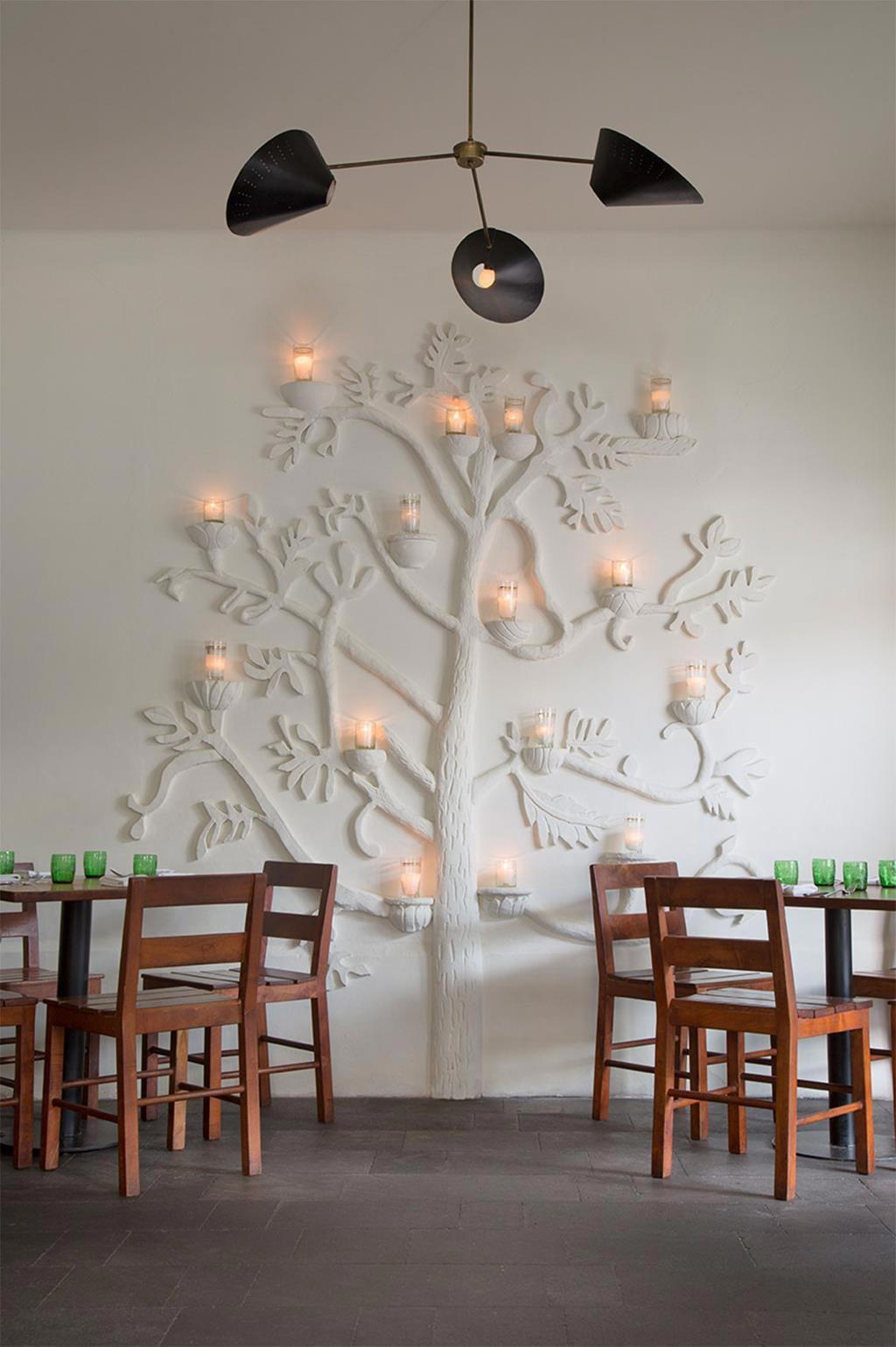
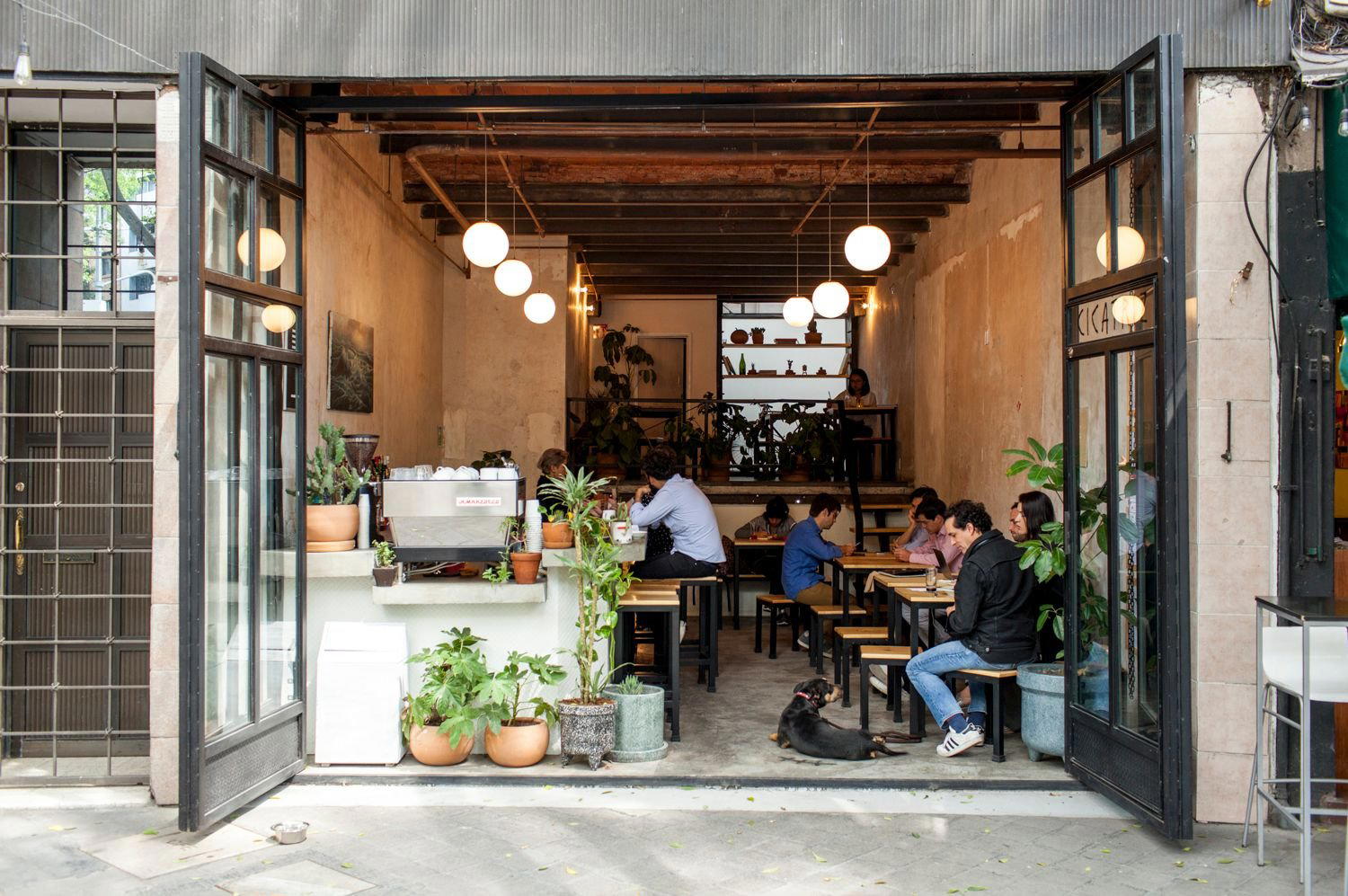
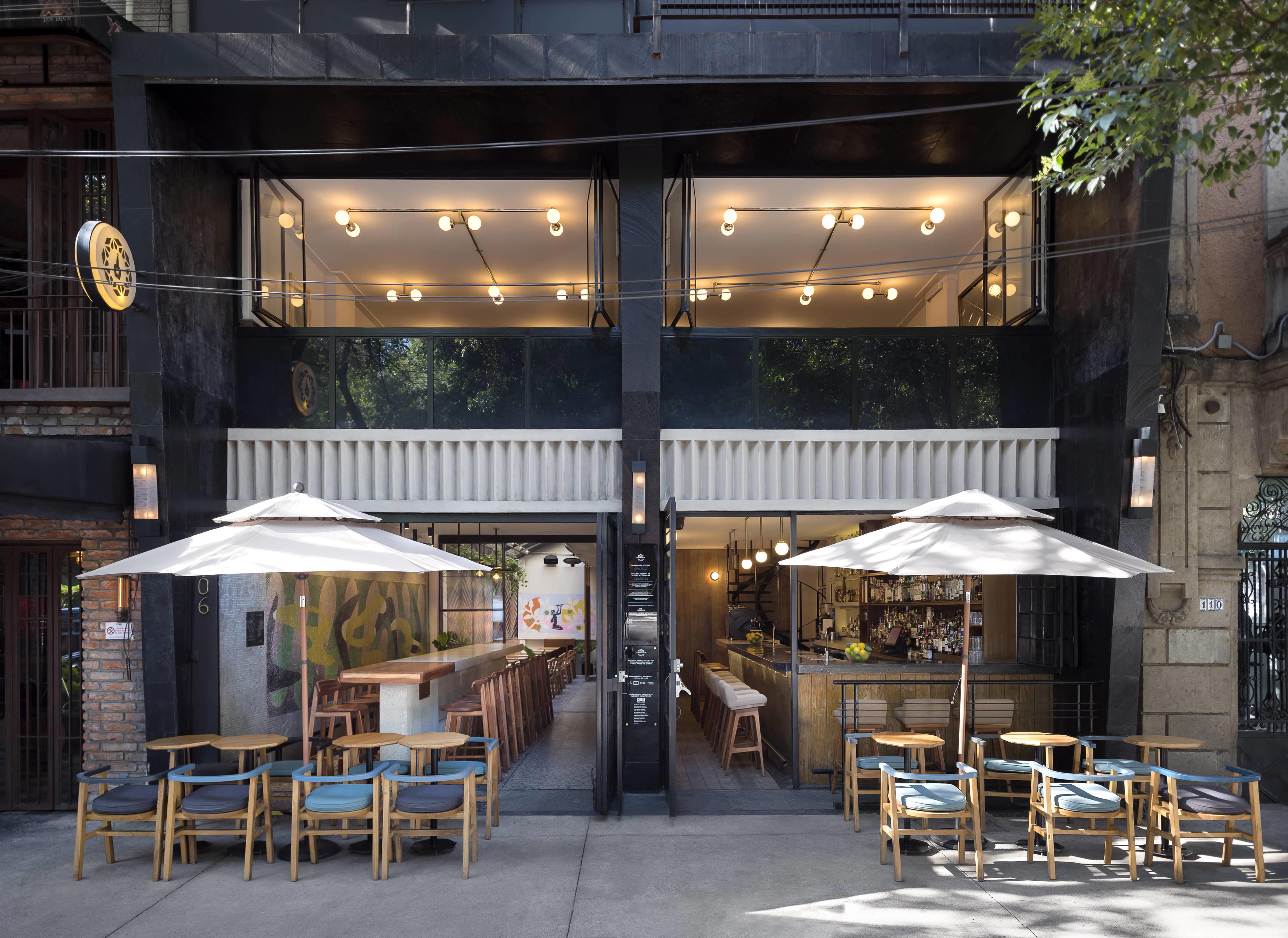
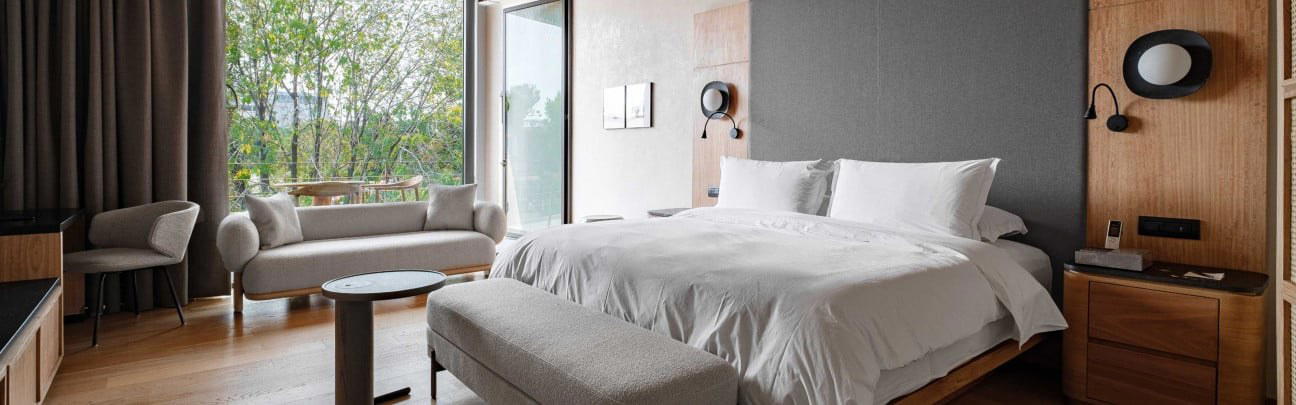
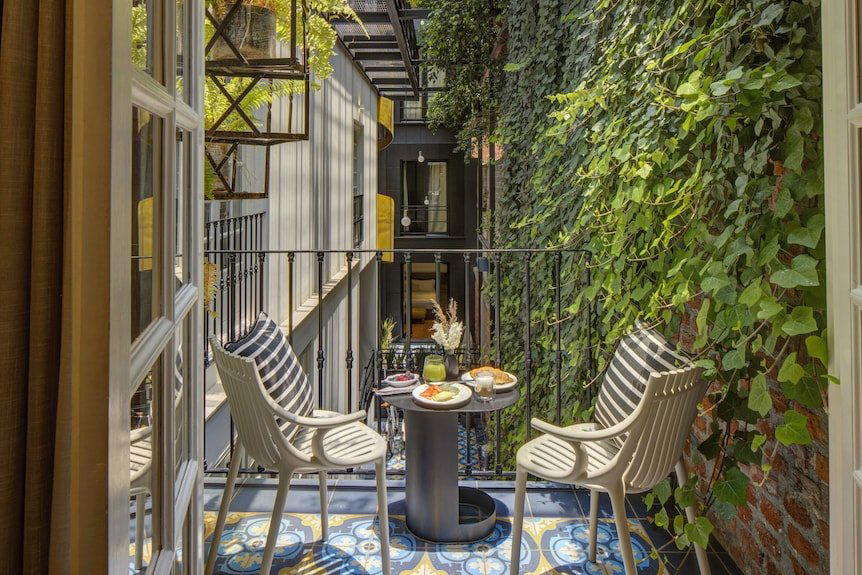
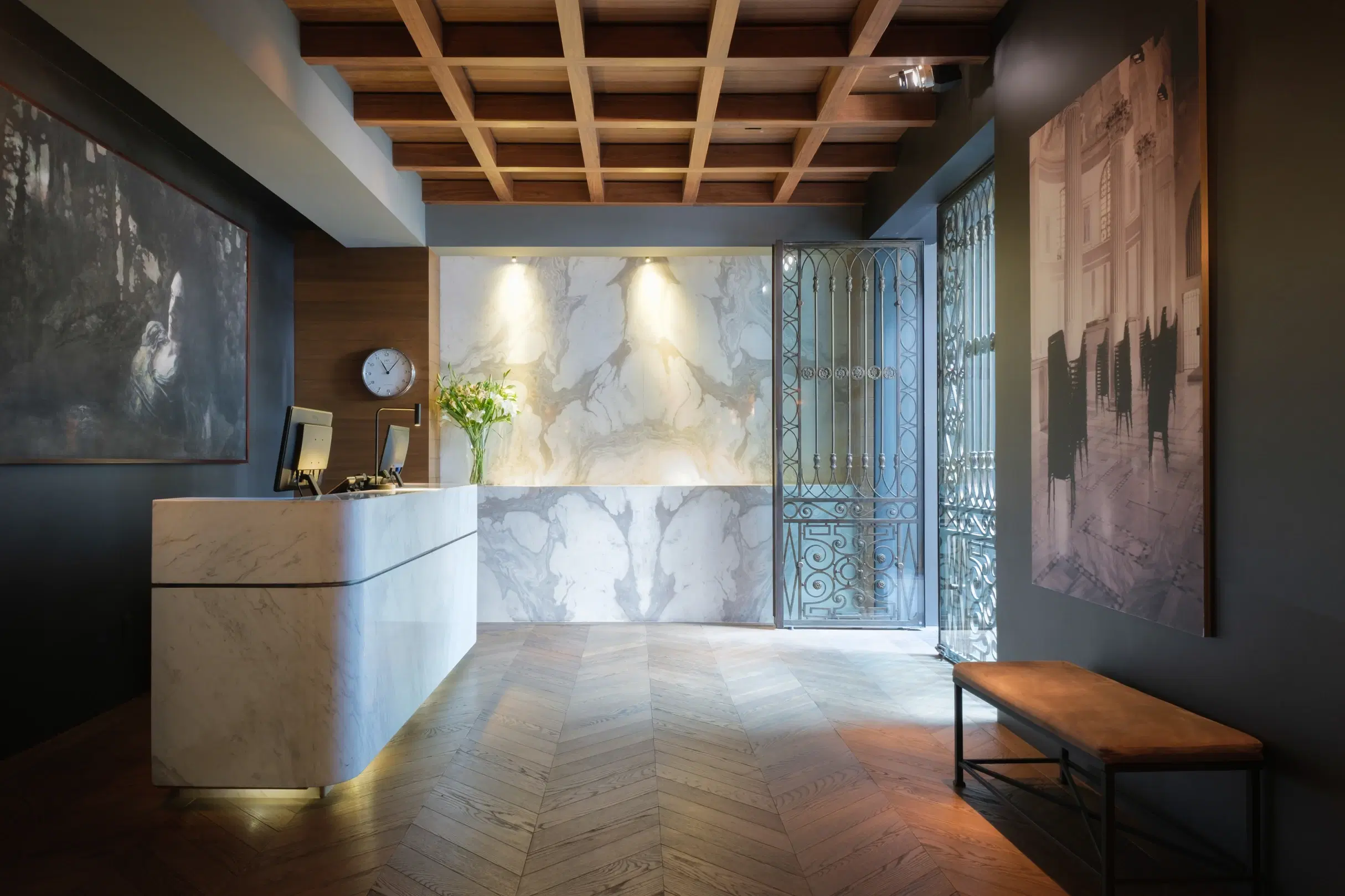
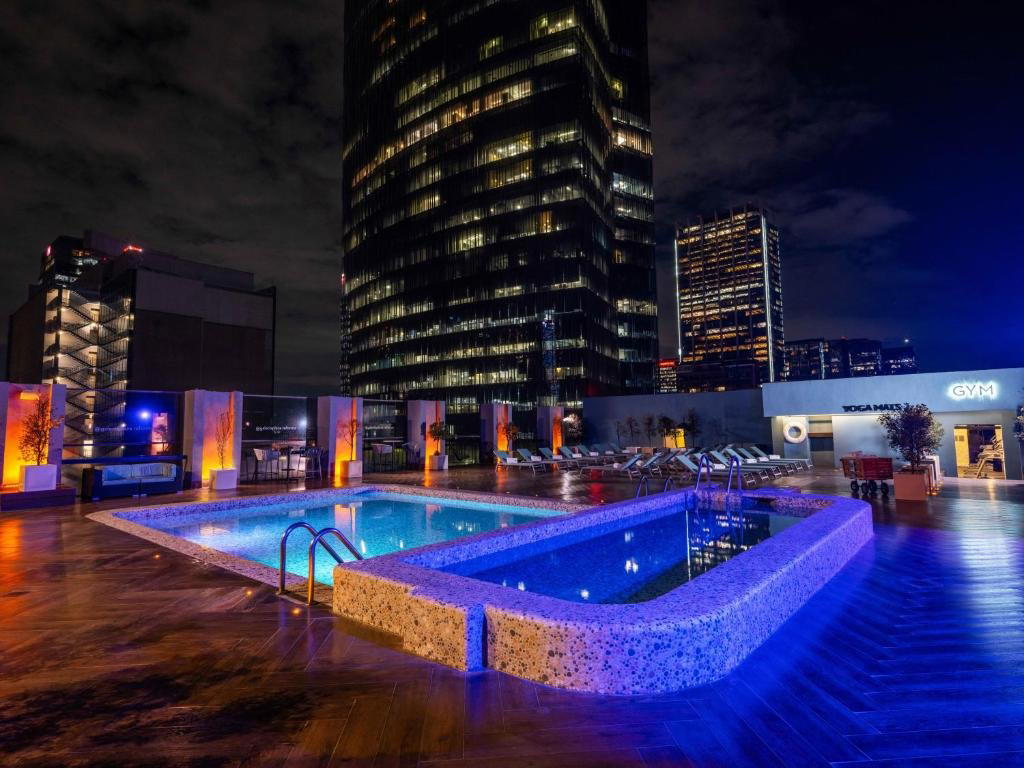
A relaxed yet refined rooftop setting with minimalist, Shaker-inspired design, open-air seating, and dramatic views over Centro Histórico, creating a laid-back but lively atmosphere ideal for lingering over long meals and drinks.