
Relais Chateaux Award
Our verdict
Cloud Restaurant brings Chengdu’s mountain-edge dining into sharper focus: less about urban Sichuan heat, more about produce, altitude, and the slower rhythms around Qingcheng Mountain. Its 2026 Relais & Châteaux Restaurants inclusion gives the room an international trust signal, while the cooking’s stated focus on terroir places it in a quieter, ingredient-led register than the city’s hotpot-driven reputation.

Pearl is the En Primeur Club membership app, where members save venues, book tables and use the concierge.
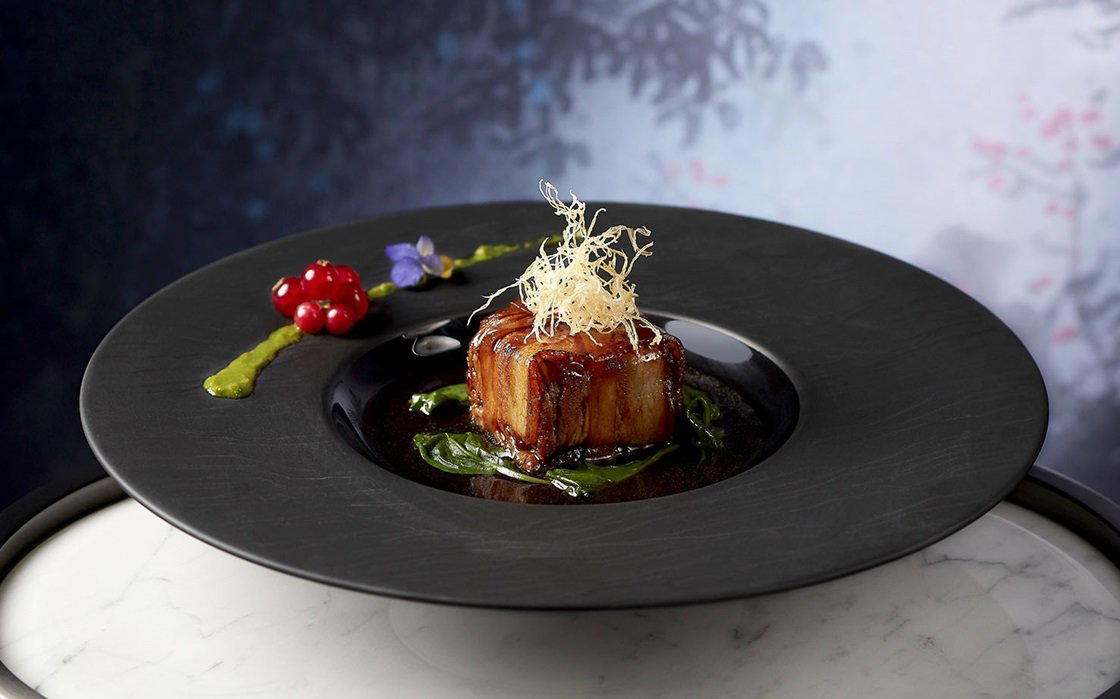
The menu
What to order
- Crispy pork intestines
- Steamed yellow croaker with double pepper and garlic
- Seafood maoxuewang
- Flame marbled beef cubes
- Spicy long-legged crab
Approaching Cloud Restaurant through Chengdu changes the appetite before the first course appears. The city’s busy rhythm gives way, in this reading, to a quieter register where terroir is not a decorative claim but the organising idea. Cloud Restaurant sits within that shift. Its cooking is described as an “Expression of the terroir,” a phrase that matters here because Chengdu is often approached through shorthand expectations, while the broader regional table can also reward attention to produce, seasonality, preservation, and restraint.
That distinction is the useful lens for reading this table. Chengdu dining has long been comfortable with intensity, informality, polished rooms, and long-established local traditions. Cloud Restaurant belongs to a different conversation: how ingredients and place behave when the volume is turned down and the sourcing story is allowed to lead.
Mountain terroir rather than city heat
Chengdu food culture is often misread through a single sensation. Heat and aromatic intensity can be part of the grammar, but they are not the entire language. The more interesting contemporary question is how dining rooms translate regional identity, seasonality, and local context into formats that travel beyond the familiar city table. Cloud Restaurant’s stated cuisine gives a clear answer: the point is origin, not spectacle.
The Chengdu setting reinforces that reading. This is not simply a quick urban restaurant stop with a scenic idea attached; it is a calmer dining context where the meal is positioned closer to a destination rhythm than a fast city reservation. That matters for travellers deciding between a Chengdu food crawl and a more deliberate meal. The former rewards speed, range, and appetite. This format asks for a slower window and a willingness to let ingredient provenance carry the argument.
Recognition through the 2026 Relais & Châteaux Restaurants selection supplies the clearest external trust signal. In practical editorial terms, that places the restaurant in an international hospitality network where setting, service context, and local expression matter alongside the plate. It does not make the cooking French, nor does it flatten it into generic hotel dining. It frames the restaurant as part of a global category increasingly interested in locality: places where the question is not how many luxury cues appear on the table, but how convincingly a region can be read through what is served.
Why Chengdu's ingredient story needs more room
The city’s global identity is often built on immediacy: steam, spice, shared tables, quick meals, and the pleasure of strongly defined flavour. That identity is deserved, but it can obscure the quieter side of the regional table. Seasonal produce, preserved ingredients, layered savoury notes, and the relationship between place and technique are not secondary; they are part of the infrastructure behind the louder impressions.
An ingredient-led restaurant in Chengdu has an advantage here. The location makes the sourcing claim easier to understand because the broader regional context is part of the meal’s logic. Diners are not being asked to imagine terroir only as a luxury keyword; Chengdu already gives the idea a sense of place. The editorial value of Cloud Restaurant lies in that alignment between city and format. Chengdu has enough dining rooms that prove the force of local flavour. This one is more useful for understanding how produce and context can shape a calmer, more composed interpretation of the region.
For travellers building a wider China itinerary, the contrast is instructive. Other regional dining rooms across the country can read through refinement, clarity, restraint, or a narrow set of ingredients and techniques. Cloud Restaurant’s relevance is similar in principle: it gives Chengdu a terroir-first reading rather than reducing the city to a single flavour expectation.
How to place it within a Chengdu trip
The decision is less about whether Cloud Restaurant replaces central Chengdu eating and more about sequencing. A strong Chengdu trip can hold more than one register: everyday local meals, lively dining rooms, and then a quieter table that explains where a regional flavour architecture begins. Readers planning across the city should use our full Chengdu restaurants guide for the dining map, then match the meal with the right stay through our full Chengdu hotels guide. The city’s drinking and cultural layers sit separately in our full Chengdu bars guide, our full Chengdu wineries guide, and our full Chengdu experiences guide.
The broader global parallel is the rise of restaurants that use terroir as a discipline rather than a slogan. Comparable destination restaurants in other geographies may work from very different landscapes, but the shared category is revealing: regional cooking is being judged less by how loudly it signals authenticity and more by how precisely it connects place, produce, and service format. In that context, Cloud Restaurant is a Chengdu meal for travellers who want the city beyond shorthand. The value is not novelty. It is calibration: a quieter reading of a food culture that should not be reduced to one sensation.
Frequently asked questions
Is Cloud Restaurant suitable for children?
Cloud Restaurant is in Chengdu. Its calmer restaurant format may suit families looking for a slower meal rather than a fast city stop, though families should confirm practical details directly before booking.
What's the overall feel of Cloud Restaurant?
Cloud Restaurant is about expression of the terroir rather than Chengdu shorthand. It offers a grounded, regional reading of place, supported by its Relais & Châteaux listing.
What type of food is Cloud Restaurant known for?
Cloud Restaurant serves Expression of the terroir cuisine.
What is Cloud Restaurant known for?
Cloud Restaurant is primarily known for Expression of the terroir in Chengdu.
Comparable Venues Nearby
Comparable venues nearby, for context on price, style, and recognition.
| Venue | Cuisine | Price | Awards | Notes |
|---|---|---|---|---|
| Cloud RestaurantThis venue (the venue you are viewing) | Sichuan Cuisine | Not listed | Relais Chateaux Award | Not listed |
| Drunk Whaft Hot Pot | Chengdu Hot Pot | Not listed | Not listed | Chengdu |
| Daocheng Impressions of Old Casseroles | Sichuan Old Casseroles | Not listed | Not listed | Chengdu |
| Xujia Cai | Modern Sichuan Fine Dining | Not listed | 1 Michelin Star · Black Pearl 1 Diamond | Chengdushi |
| Nantangguan Sichuan Cuisine Cultural Restaurant | Refined Sichuan Cuisine | $50–100 | Black Pearl 1 Diamond | Wuhou District |
| Chaimen Gong Guan | Modern Sichuanese | Not listed | Michelin Plate | Chengdushi |
Recognition history
Dated appearances from independent guides and award organizations, with the underlying list record or original source where available.
Relais Chateaux Award
Relais Chateaux
Continue exploring
More in Chengdu
Restaurants in Chengdu
All restaurants in Chengdu →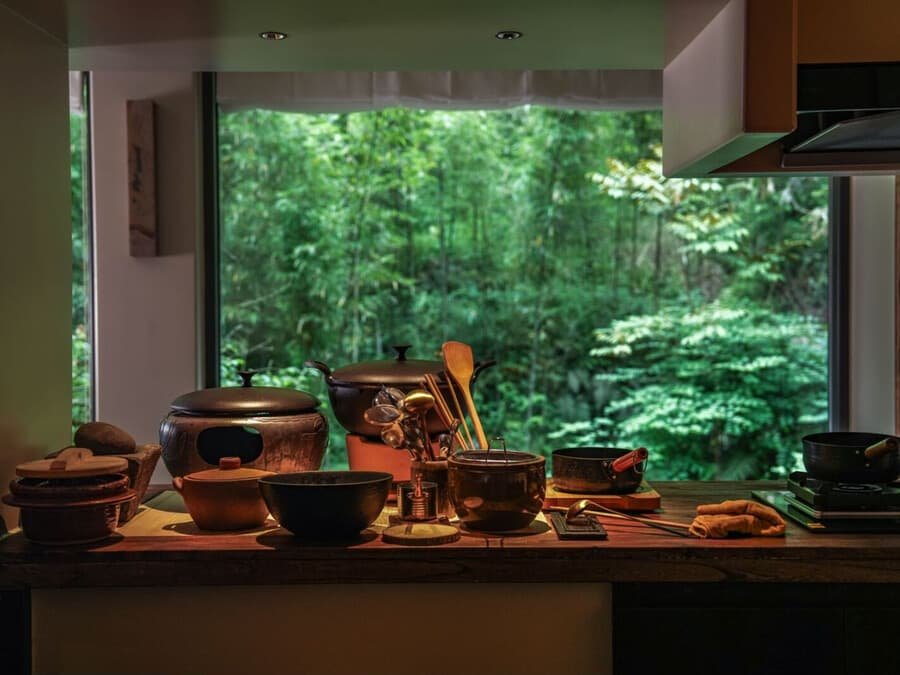
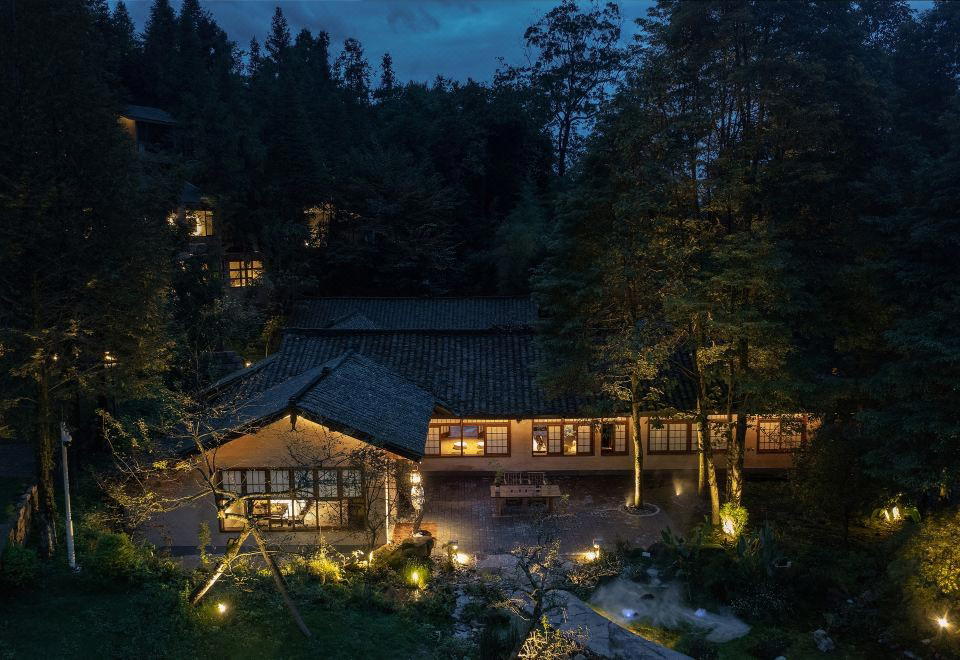

Details
- Scenic
- Modern
- Elegant
- Cozy
- Classic
- Family
- Group Dining
- Celebration
- Business Dinner
- Date Night
- Panoramic View
- Design Destination
- Private Dining
- Skyline
- A La Carte
- Family Style
- Tea
Guests describe a photogenic, relaxed setting with bamboo-weaving decor, a leisurely Sichuan-Western blend, and panoramic Twin Towers views.