Chop House
Our verdict
Occupying a railway arch on East Market Street, Chop House sits at the more focused end of Edinburgh's dining spectrum, where the emphasis falls on quality cuts and confident cookery rather than elaborate tasting menus. In a city where the ££££ tier is dominated by modern European and Nordic-influenced formats, this is a room that makes a different argument about what a serious dinner looks like.

Pearl is the En Primeur Club membership app, where members save venues, book tables and use the concierge.
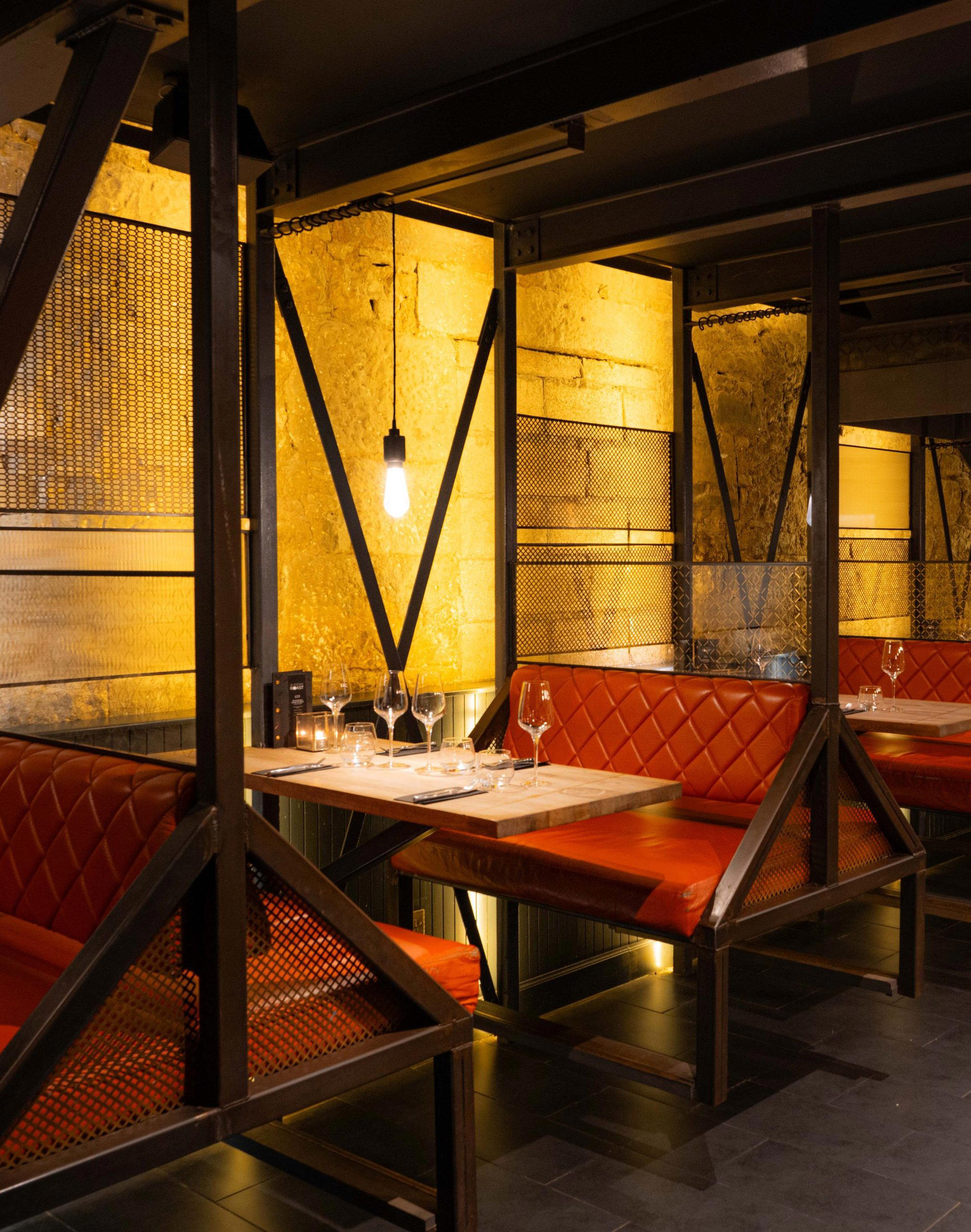
Under the Arches: Meat-Focused Dining in Edinburgh's Old Town Fringe
Railway arches have a particular architectural logic that suits certain kinds of restaurants unusually well. The curved brick ceiling, the sense of something reclaimed, the way sound behaves in a vaulted space: all of it lends a kind of weight to what happens inside. Arch 15 on East Market Street, where Chop House operates, sits just below the Waverley Station viaduct, in a stretch of Edinburgh that connects the Old Town's historic spine to a newer cluster of hospitality venues around the Canongate. Approaching from the Royal Mile, the transition from tourist-facing shops to something more purposeful happens quickly. By the time you reach the arch, you're already in a different register of the city.
What the Arch Format Means for Edinburgh's Steak Dining Scene
Edinburgh's premium dining tier has, over the past decade, tilted heavily toward tasting-menu formats and Nordic-influenced ingredient work. Venues like The Kitchin and Timberyard define much of the city's critical conversation around fine dining, while newer entrants such as AVERY and Condita push further into creative and modern cuisine territory. Chop House occupies a different lane entirely. Where those venues build their identity around multi-course progression and chef-led narrative, a dedicated chop house format organises itself around a different kind of hospitality logic: the quality of the primary ingredient, the precision of the cook, and the directness of the proposition.
That directness has its own tradition. The British chop house is one of the older dining formats in the country, predating the French fine dining influence that reshaped restaurant culture from the 19th century onward. In its original form, it was a place where a serious cut of meat was cooked without apology, served without fuss, and priced against the quality of what was on the plate rather than the complexity of what was done to it. The contemporary iteration of this format, as practised across a number of UK cities, has absorbed technique without abandoning that foundational clarity. The result is a style of cooking that can be harder to execute well than it appears: there is nowhere for poor sourcing or inconsistent heat management to hide.
Local Sourcing and the Case for Scottish Beef
Scotland's position as a beef-producing country is a matter of geographical logic as much as agricultural tradition. The combination of grass-fed upland pasture, a cool and wet climate, and native breeds such as Aberdeen Angus and Highland cattle creates conditions for beef with a particular fat composition and depth of flavour. This is Category 2 context that has driven sustained export demand and shaped the expectations of Scottish diners for generations. A chop house format in Edinburgh that draws on those supply chains is, in that sense, working with one of the city's most defensible ingredients arguments.
The intersection of locally sourced Scottish beef with techniques that have been refined across modern steakhouse culture globally, from dry-aging protocols developed in American fine dining to the sauce work that carries a clear European inheritance, is exactly the kind of meeting point that gives Edinburgh's version of this format its specific character. It is different from what you would find at CORE by Clare Smyth in London or Le Bernardin in New York, but it shares with those venues an underlying commitment to getting the primary ingredient right before asking technique to do anything.
For comparative context, the broader UK dining scene at the serious end of meat-focused cooking also includes venues like Moor Hall in Aughton and Hand and Flowers in Marlow, where ingredient provenance and technical confidence intersect in a similarly direct register, even if the format differs. In Edinburgh itself, the comparison points are mostly different in kind: Martin Wishart and the Modern European tier operate at a different register of elaboration entirely.
The Room and the Experience
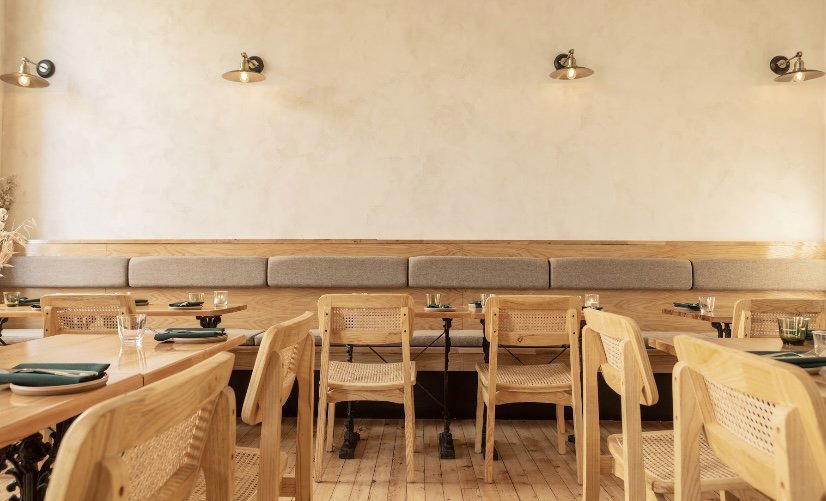
The arch setting at East Market Street imposes a specific spatial logic. The curved brick of the viaduct creates low-ceiling intimacy at the sides and something more dramatic at the centre, a rhythm that suits table-by-table dining over long, shared formats. In venues of this type, the physical envelope tends to reinforce the food's directness: there is no room, architecturally or programmatically, for the kind of extended multi-course performance that a higher-ceilinged, more formally lit room might support. The result is a dinner that proceeds at the pace of the diner rather than the kitchen's sequencing logic.
That pace matters. Edinburgh has no shortage of rooms where the evening is structured entirely by the chef's timetable. A venue that returns control of the rhythm to the table is making a hospitality choice with real consequences for how the evening feels, particularly for diners who find the tasting-menu format obligating rather than pleasurable. Chop houses, in their contemporary form, tend to attract exactly that cohort: experienced diners who have done the extended tasting circuit and are now more interested in depth at a single point than in breadth across twenty.
Planning a Visit
Chop House is located at Arch 15, East Market Street, Edinburgh EH8 8FS, a short walk from Waverley Station and within reasonable distance of the Royal Mile's main hotel cluster. Edinburgh's dining scene at the focused end of the market tends to fill weekend tables quickly, particularly during the Festival period in August and across the Christmas and Hogmanay stretch, so advance planning is advisable for those dates. Weekday evenings in the shoulder months between October and May generally offer more flexibility.
For a fuller sense of how Chop House sits within Edinburgh's wider dining options, the EP Club Edinburgh guide maps the city's restaurant tiers and formats in more detail, with coverage running from the Michelin-level end of the market through to the neighbourhood rooms that define day-to-day eating in the city. Further afield, venues such as L'Enclume in Cartmel, Gidleigh Park in Chagford, and Midsummer House in Cambridge offer useful reference points for understanding how different UK dining formats approach the same underlying question of ingredient quality and technical ambition.
Frequently asked questions
What dish is Chop House famous for?
Do they take walk-ins at Chop House?
What's the standout thing about Chop House?
Can Chop House adjust for dietary needs?
How does Chop House compare to Edinburgh's tasting-menu restaurants for a special occasion dinner?
Compact Comparison
| Venue | Cuisine | Price | Awards | Notes |
|---|---|---|---|---|
| Chop HouseThis venue (the venue you are viewing) | British Steakhouse | $50–100 | Not listed | Not listed |
| Martin Wishart | Modern French with Scottish Ingredients | $200–300 | 1 Michelin Star · La Liste Top Restaurants | Modern European, Modern Cuisine |
| The Kitchin | Modern Scottish Fine Dining | $150–200 | 1 Michelin Star · La Liste Top Restaurants | Modern British, Modern Cuisine |
| Timberyard | Modern British Fine Dining | $100–150 | 1 Michelin Star · Star Wine List | Modern British - Nordic, Modern British |
| AVERY | Modern Californian-Scottish Fusion | $150–200 | 1 Michelin Star | Creative |
| Condita | Modern Scottish Seasonal Tasting Menu | $150–200 | 1 Michelin Star · The Good Food Guide GFG Very Good | Modern Cuisine |
Continue exploring
More in Edinburgh
Restaurants in Edinburgh
All restaurants in Edinburgh →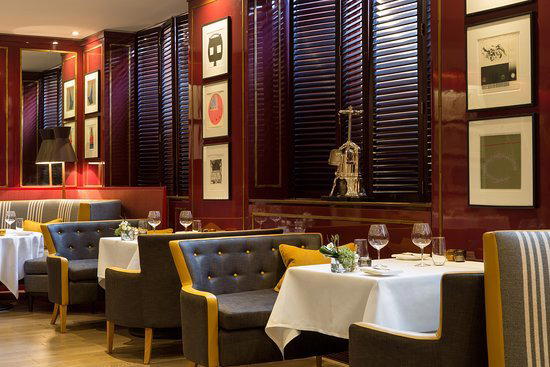
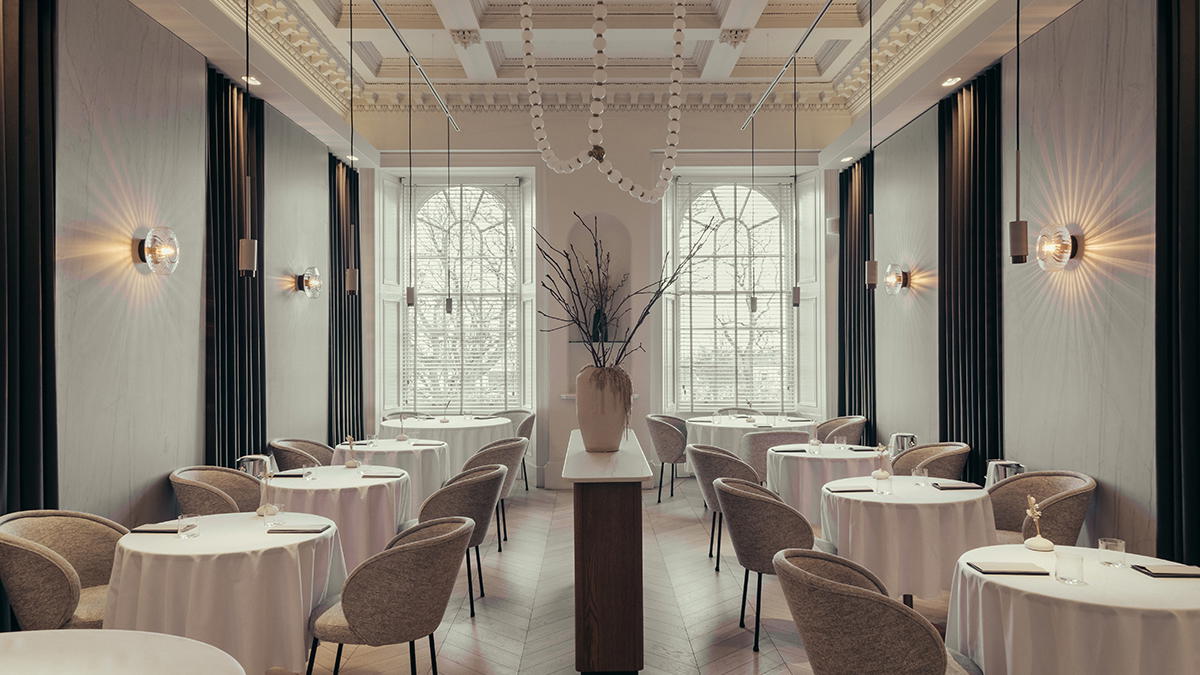
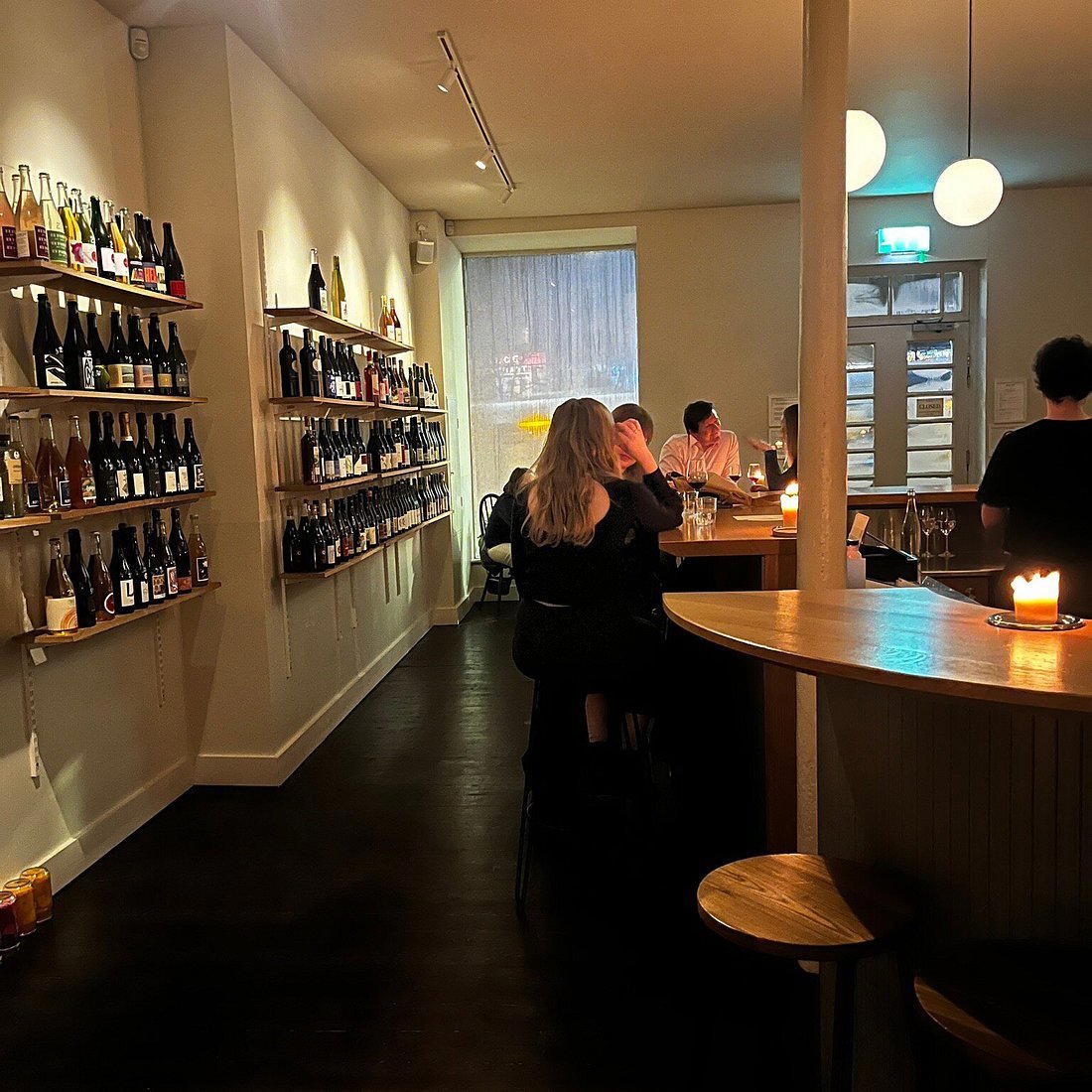
Details
- Elegant
- Sophisticated
- Cozy
- Date Night
- Special Occasion
- Business Dinner
- Open Kitchen
- Extensive Wine List
- A La Carte
- Wine
- Cocktails
- Gluten Free Options
Current opening hours
- Monday
- 12–10 PM
- Tuesday
- 12–10 PM
- Wednesday
- 12–10 PM
- Thursday
- 12–10 PM
- Friday
- 12–10 PM
- Saturday
- 11 AM–10 PM
- Sunday
- 11 AM–10 PM
Hours can change for holidays and private events. Hours as of .
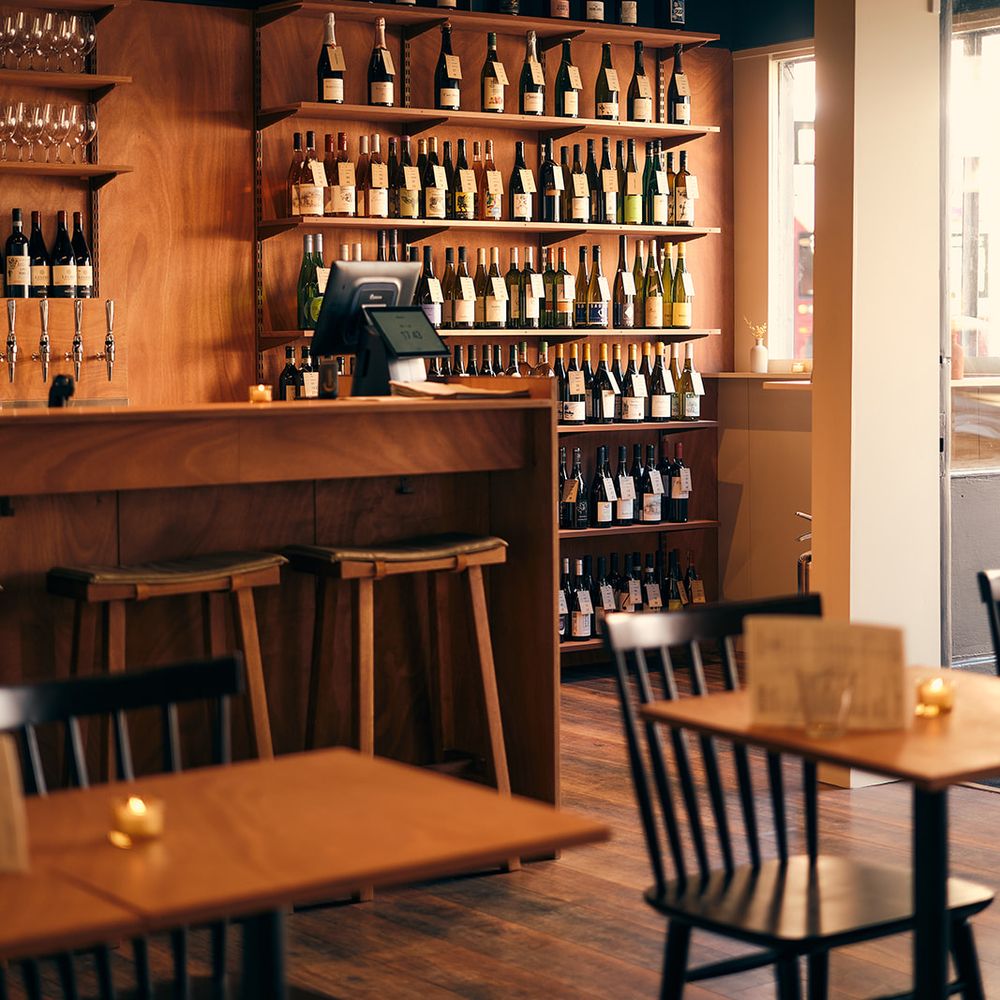
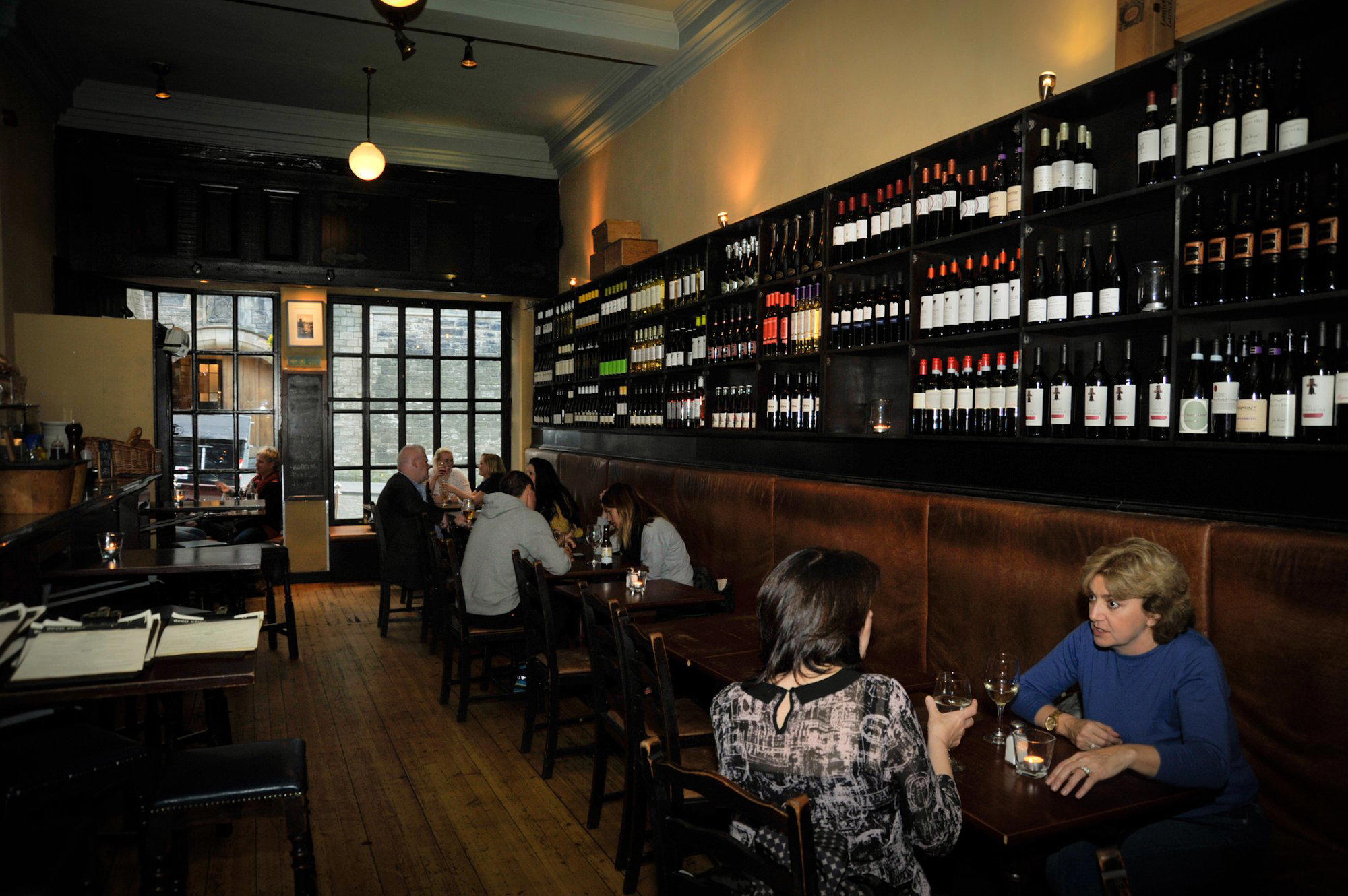
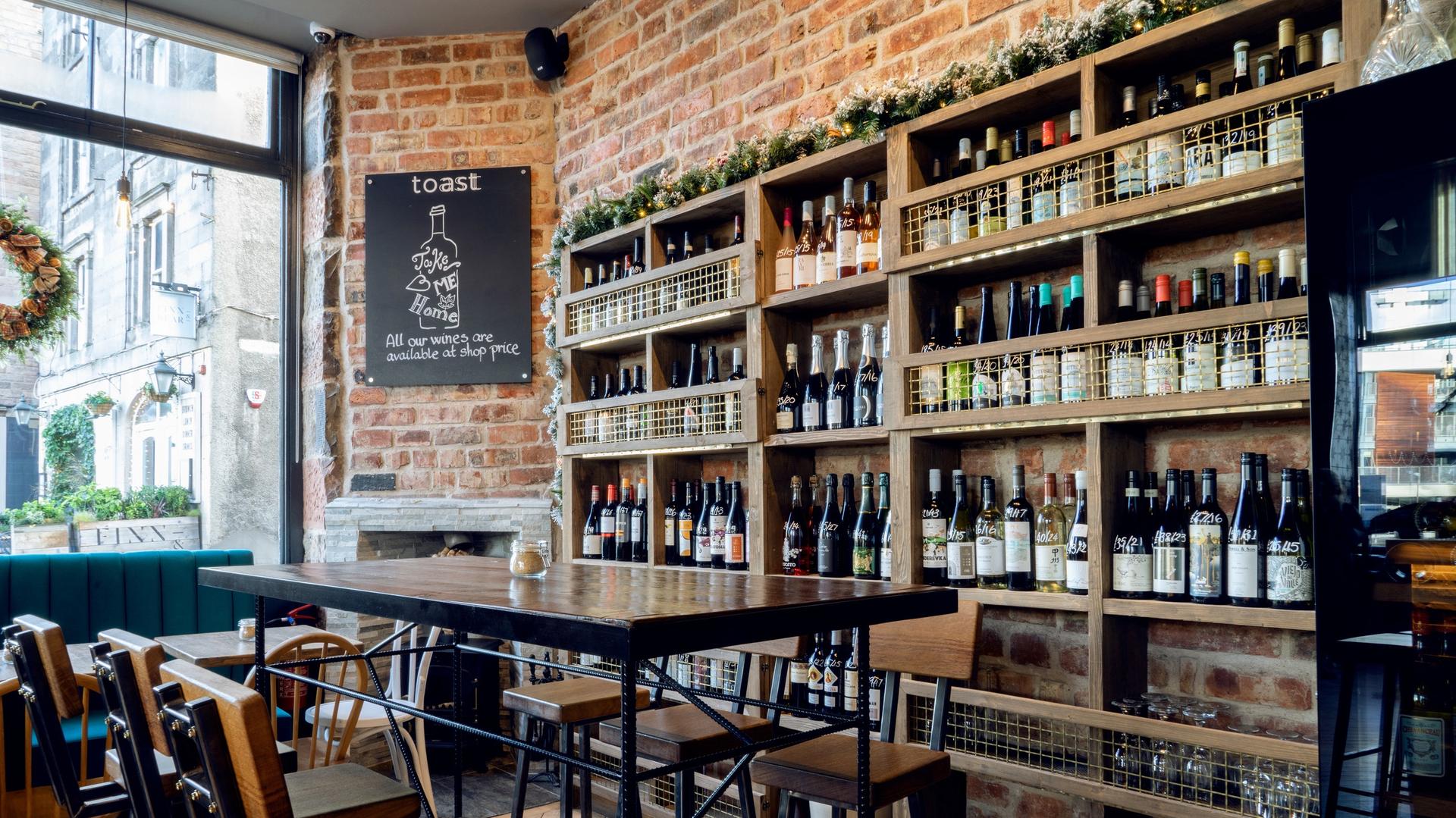
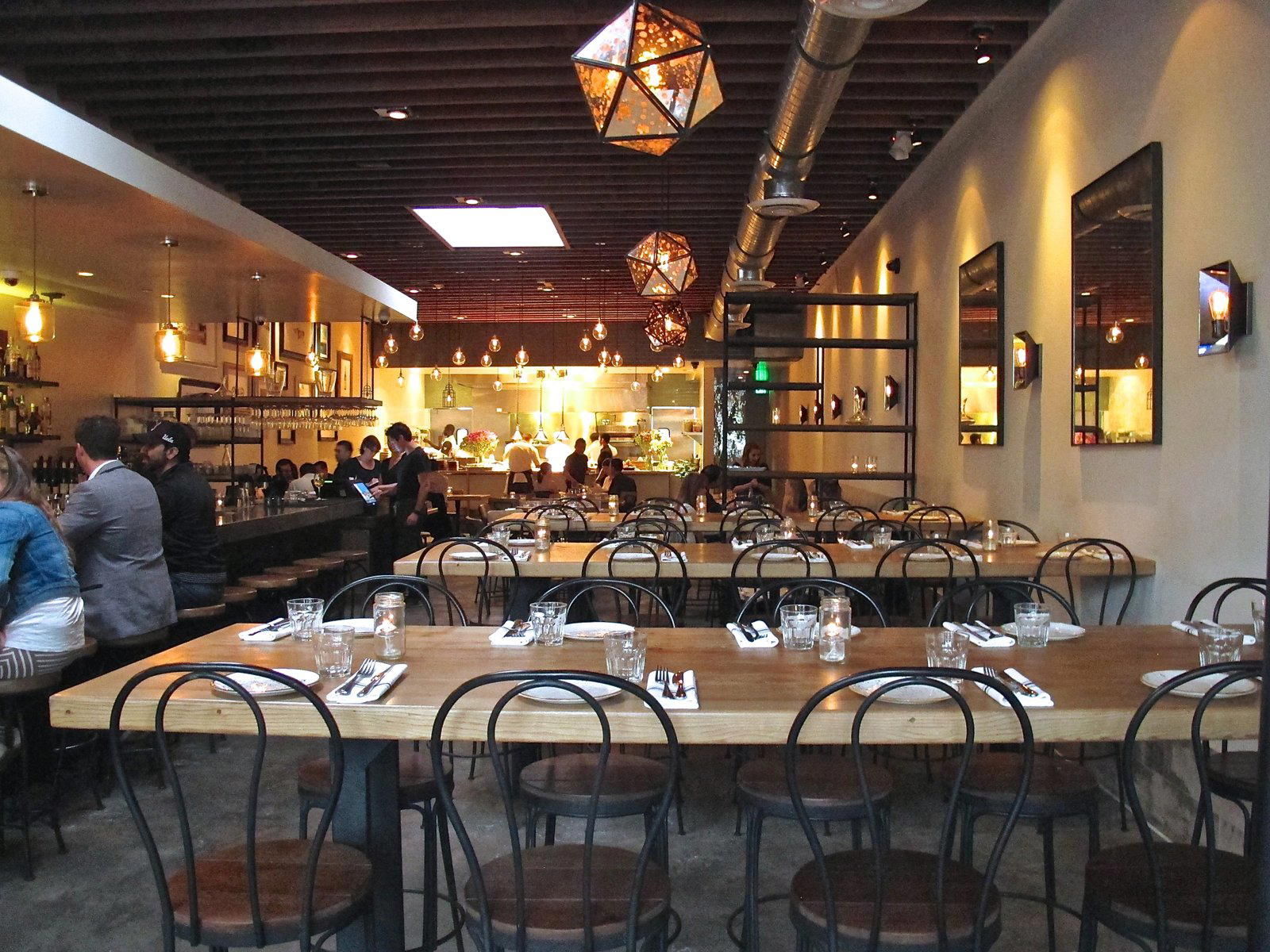
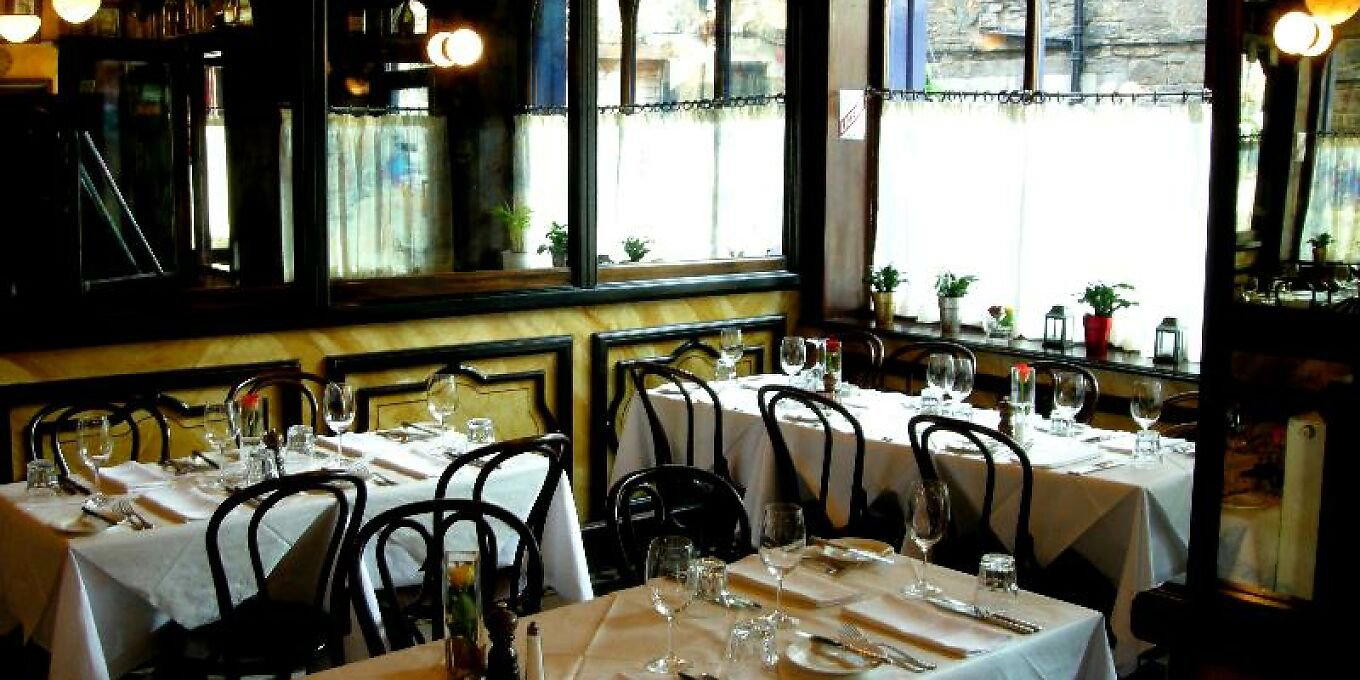
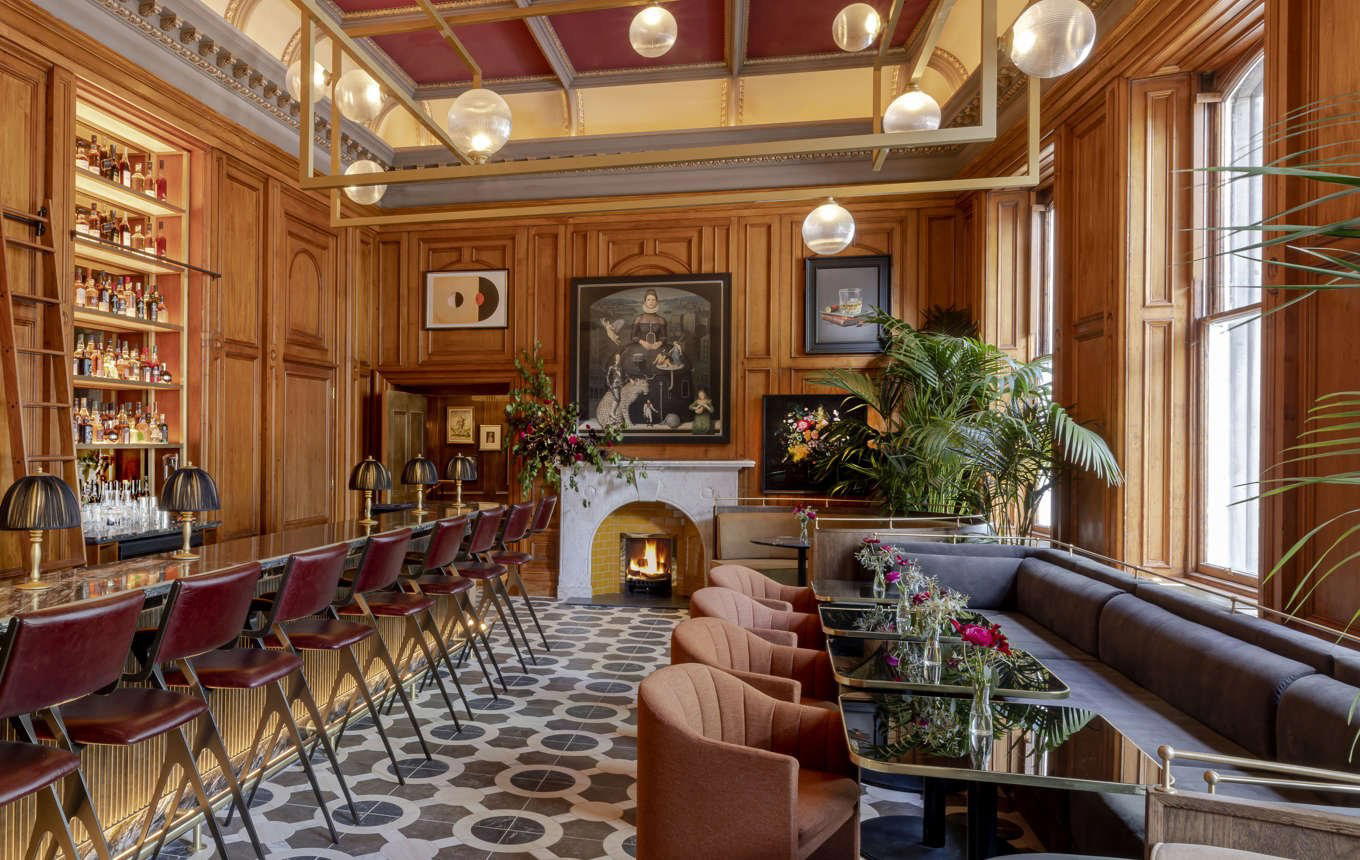
Split-level space with traditional seating upstairs, slate floors, copper details, and lively orange banquettes downstairs, creating a buzzy and electric atmosphere.