Our verdict
Casia sits in Bangkok’s Ratchathewi corridor, where mall dining, hotel kitchens, street-food supply chains, and independent rooms compete within a few BTS stops. With no public award or chef-led narrative attached, the useful reading is not prestige but placement: this is a Bangkok address to judge through sourcing discipline, seasonality, and how clearly the kitchen connects its cooking to the city’s markets.

Pearl is the En Primeur Club membership app — saves, bookings, and concierge access live there. Same editors, same standards.
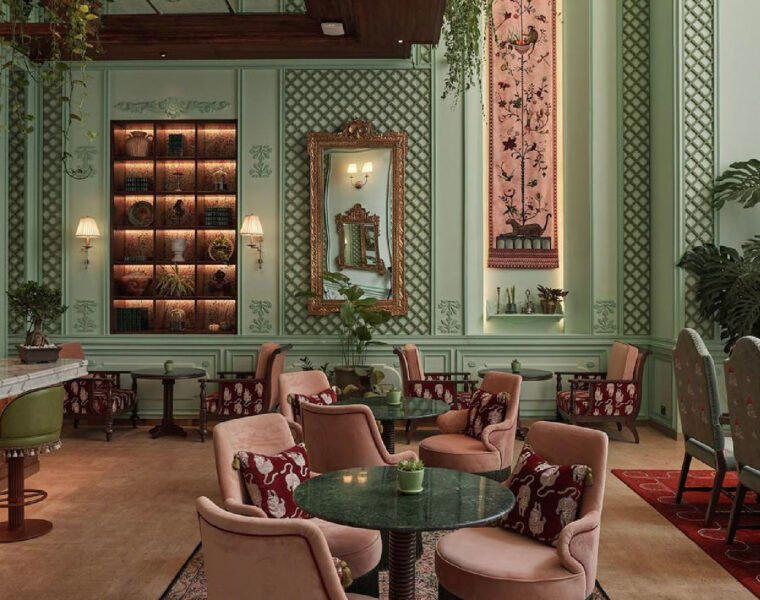
The menu
What to order
- Slow-cooked Veal Shank for four with seasonal vegetables
- Bresse Pigeon with carrot layers, stuffed romaine and smoked confit leg
Approaching Casia in Bangkok, the city changes register quickly: glass-fronted shopping centres give way to shophouses, traffic heat, hotel lobbies, delivery bikes, and market-fed kitchens working on tight daily rhythms. Casia belongs to that in-between zone rather than a sealed-off dining enclave. The useful question here is not whether the room performs luxury by familiar signals, but whether the cooking understands Bangkok’s ingredient economy: fresh produce moving through the city, seafood and fruit changing character with the season, and imported goods used with restraint rather than as status markers.
Bangkok rewards restaurants that know where their food comes from. The city’s stronger contemporary kitchens do not treat sourcing as a slogan; they make choices about local produce, regional supplies, and the imported products that make sense only when they add structure. That matters in Bangkok because the city holds several dining identities at once: mall traffic, commercial density, commuter flow, and hotel-led polish. A restaurant here has to be legible without becoming generic.
Bangkok dining sits between market logic and polished city dining
The Bangkok dining map is often split too neatly between street food and high-concept tasting rooms. The more interesting middle ground is the set of restaurants that borrow discipline from both sides: the procurement habits of everyday kitchens and the editing demanded by a paid dining room. Casia is better read through that middle category. Without relying on a public tasting-menu format or named chef profile in the available record, the editorial test becomes direct: does the restaurant make sourcing visible through restraint, freshness, and a coherent point of view?
That question places it near several Bangkok conversations without forcing a false comparison. Other Bangkok dining rooms have helped make regional produce, contemporary technique, and everyday cravings easier to discuss in the city. More polished rooms sit in one lane, where technique and local produce carry the argument, while casual dessert and snack-led addresses show how Bangkok turns repeat visits into urban ritual. Casia’s value, if it earns one, lies in how clearly it positions itself among those pressures rather than how loudly it announces a concept.
Ingredient sourcing is the sharper lens than labels
Bangkok menus can blur when cuisine labels do too much work. Broad terms often tell the reader less than the sourcing pattern behind the plate. A kitchen using local herbs, citrus, seasonal fruit, and regional proteins will feel different from one built around flown-in prestige ingredients, even if both occupy the same price mood. Since Casia does not publish a fixed culinary identity in the available public-facing details, the smarter approach is to read the meal through ingredient decisions rather than category language.
That makes seasonality central. In Bangkok, fruit, seafood, herbs, and greens do not behave like decorative menu copy; they change cost, texture, sweetness, and availability. Restaurants that respect that volatility tend to feel more grounded. Those that flatten the calendar into an all-year greatest-hits list can still be enjoyable, but they reveal less about the city. For diners comparing Casia with other Bangkok rooms such as Sra Bua by Kiin Kiin, the distinction is useful: some restaurants sell a declared contemporary framework, while others must prove themselves through execution, sourcing choices, and clarity in the room.
The surrounding city also shapes expectations. Bangkok is practical and compressed. That compression can be an advantage for food: suppliers move through the city fast, staff can draw from multiple labour pools, and diners arrive from hotels, offices, malls, and transit rather than from a single social scene. The risk is sameness. The better restaurants in this belt avoid becoming interchangeable by making decisions that cannot be copied from a mall lease: sharper produce, fewer decorative imports, tighter cooking, and a menu that feels built for Bangkok rather than merely placed in it.
How to place Casia in a Bangkok itinerary
For travellers building a dining day, Casia makes most sense as part of a Bangkok circuit rather than a stand-alone pilgrimage. Pair the area with other Bangkok plans, then decide whether the meal should sit before a bar, after shopping, or between hotel check-in and evening plans. The broader EP Club Bangkok map helps with that sorting: see Our full Bangkok restaurants guide, Our full Bangkok hotels guide, Our full Bangkok bars guide, Our full Bangkok wineries guide, and Our full Bangkok experiences guide. For nearby and wider reference points, compare the city’s range through Casia, Mozza By Cocotte Siam Paragon, Savio, Sra Bua by Kiin Kiin, The Addition, etcha, and other dining in Bangkok generically.
Frequently asked questions
What part of town is Casia in?
Casia is located in Bangkok.
Can I walk in to Casia?
The public record places Casia in Bangkok. No booking channel is listed here, so walk-in access would depend on demand at the door. Check the venue's official channels for the latest details.
What's the defining dish or idea at Casia?
No dish or chef is named in the public record, so Casia reads more as a Bangkok dining address than a menu-led destination. Check the venue's official channels for the latest details.
Can Casia adjust for dietary needs?
Those details are not published, so any specific request would need to be handled directly at the restaurant. Check the venue's official channels for the latest details.
How It Stacks Up
Nearby venues at a similar price tier for orientation.
| Venue | Cuisine | Price | Awards | Notes |
|---|---|---|---|---|
| CasiaThis venue — the venue you are viewing | French‑Mediterranean Fine Dining | $50–100 | Not listed | Not listed |
| etcha | Modern European-Thai Fusion Fine Dining | $100–150 | 1 Michelin Star | Not listed |
| Savio | International Buffet with Thai-Inspired Dishes | Not listed | Not listed | Not listed |
| Sra Bua by Kiin Kiin | Modern Thai Molecular Gastronomy | $100–150 | Michelin Plate · Black Pearl 1 Diamond | Thai, Thai contemporary, ฿฿฿ |
| Mozza By Cocotte Siam Paragon | Authentic Neapolitan Pizza & Handmade Pasta | $20–30 | Not listed | Not listed |
| The Addition | Contemporary European Breakfast Buffet | Not listed | Not listed | Not listed |
Continue exploring
More in Bangkok
Restaurants in Bangkok
All restaurants in Bangkok →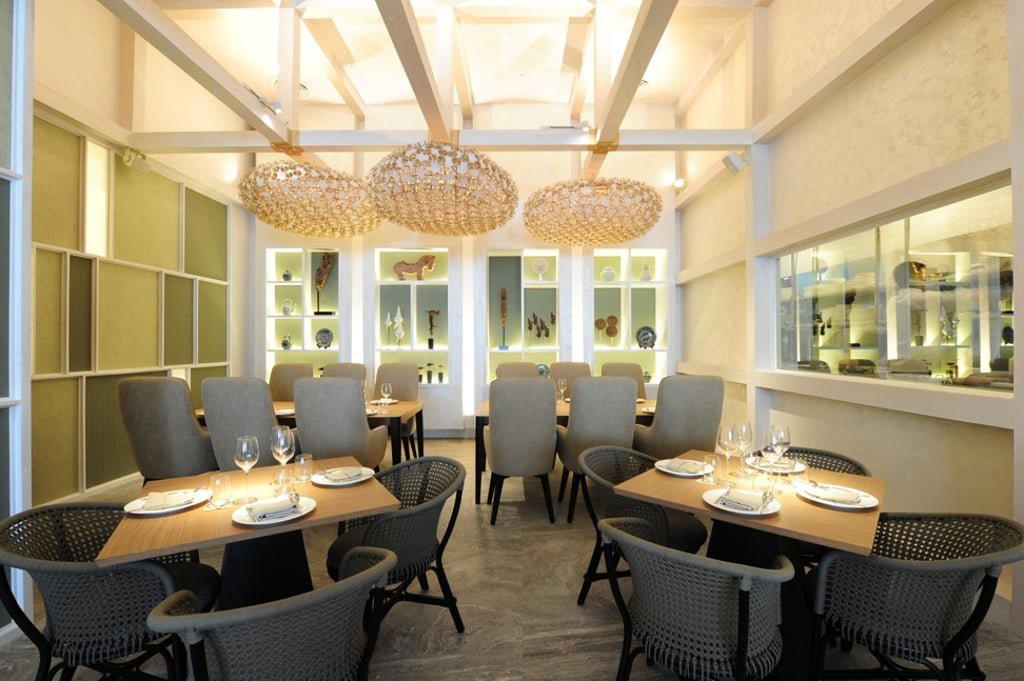
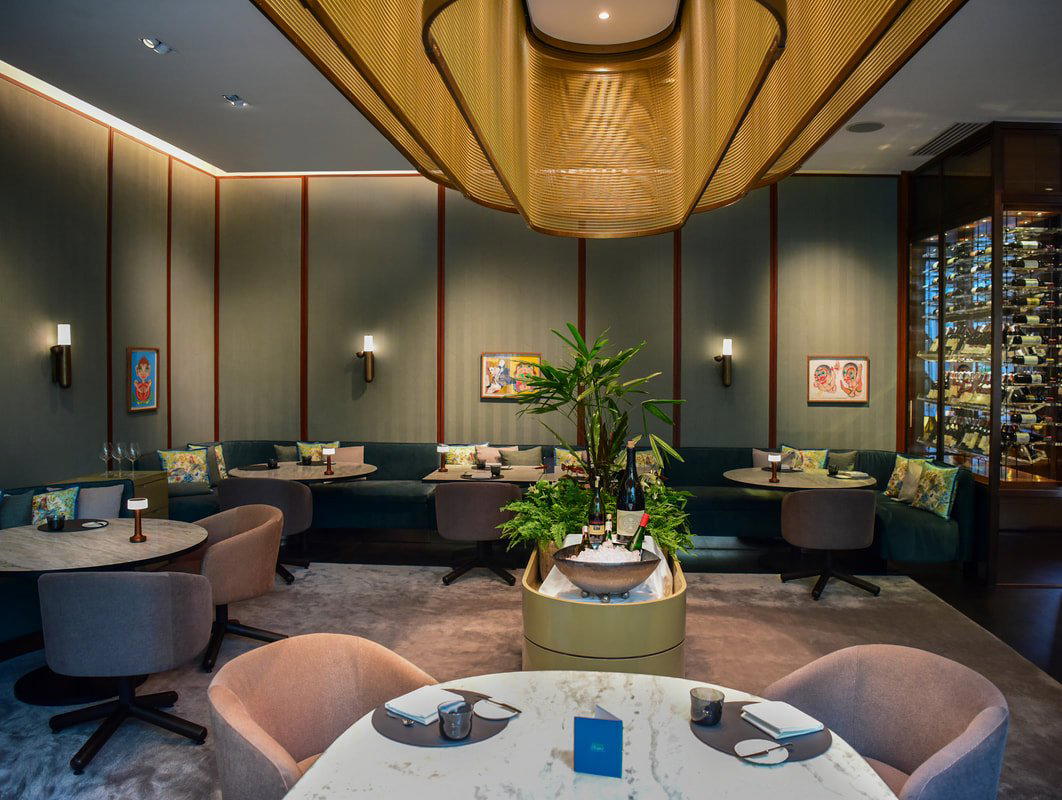
Bars in Bangkok
All bars in Bangkok →
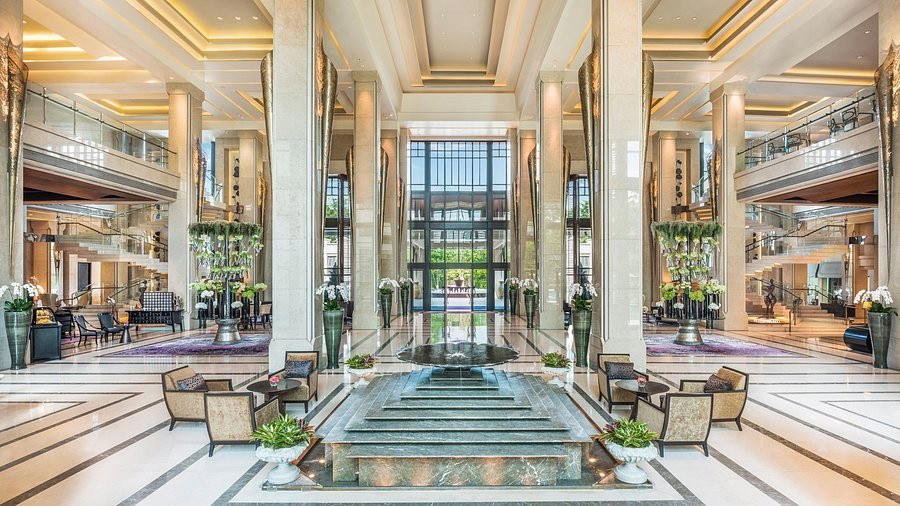
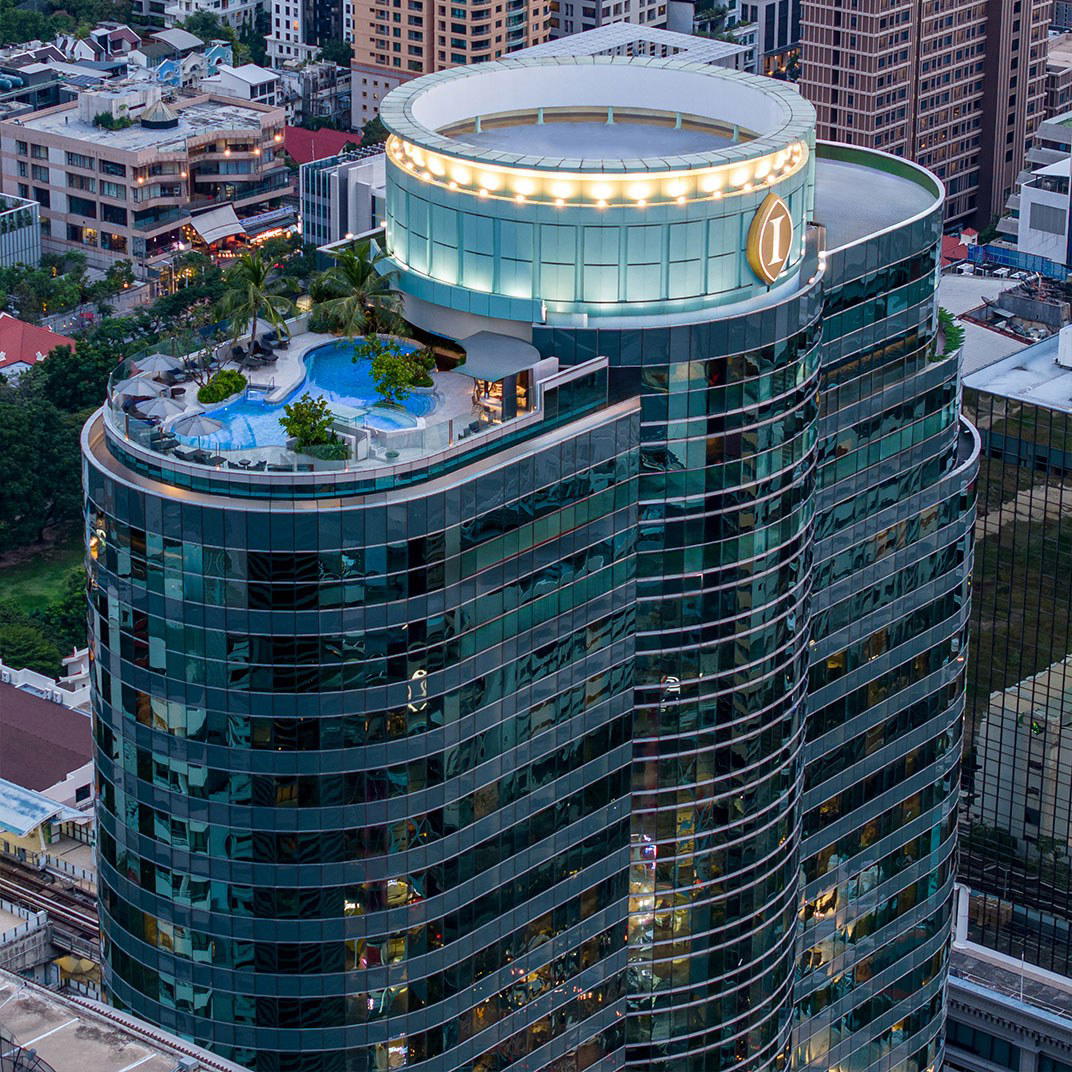
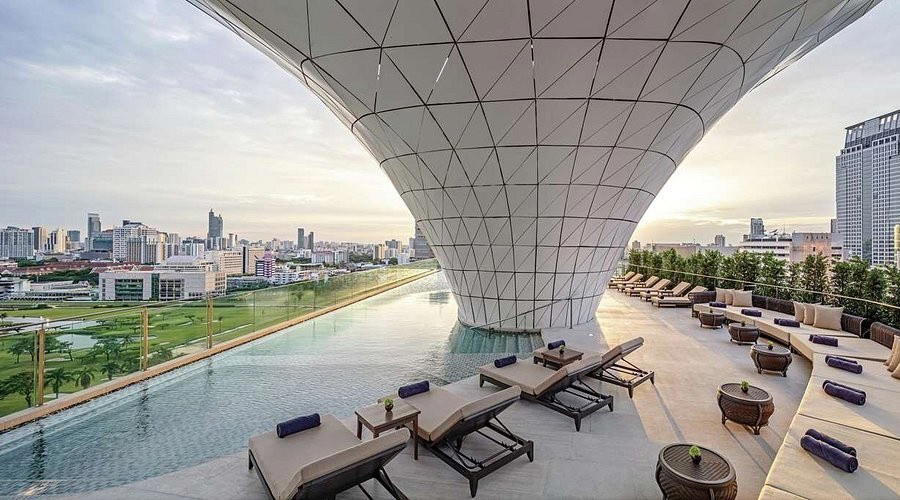
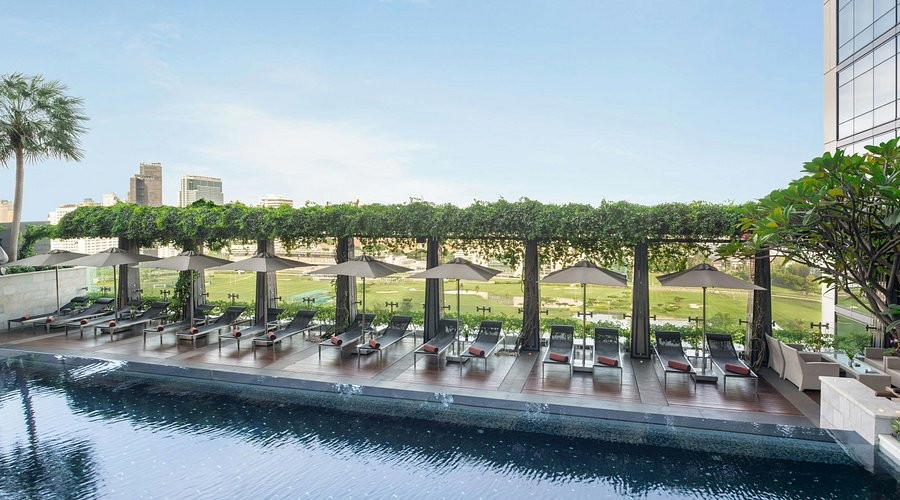
Casia
The wine
- Wine program
- Deep wine list
- Extensive wine list
- Sommelier-led
- Craft cocktails
Details
- Elegant
- Sophisticated
- Romantic
- Intimate
- Modern
- Date Night
- Business Dinner
- Celebration
- Special Occasion
- Group Dining
- Private Event
- Private Dining
- Design Destination
- Hotel Restaurant
- Extensive Wine List
- Sommelier Led
- Craft Cocktails
- Local Sourcing
- Sustainable Seafood
- Farm To Table
- Tasting Menu
- A La Carte
- Set Menu
- Wine
- Vegetarian Friendly
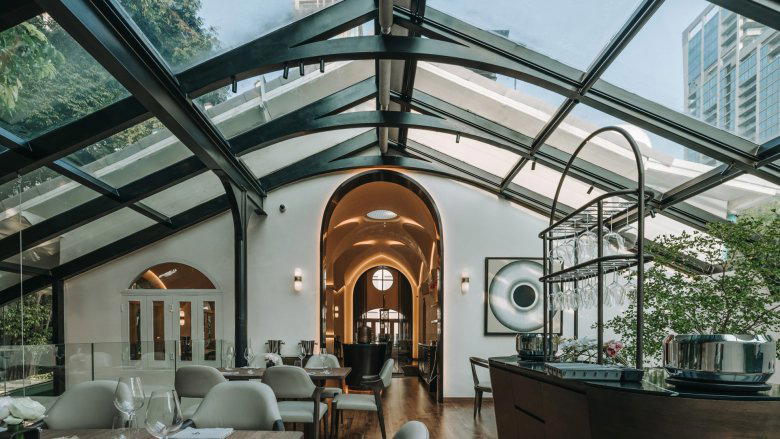
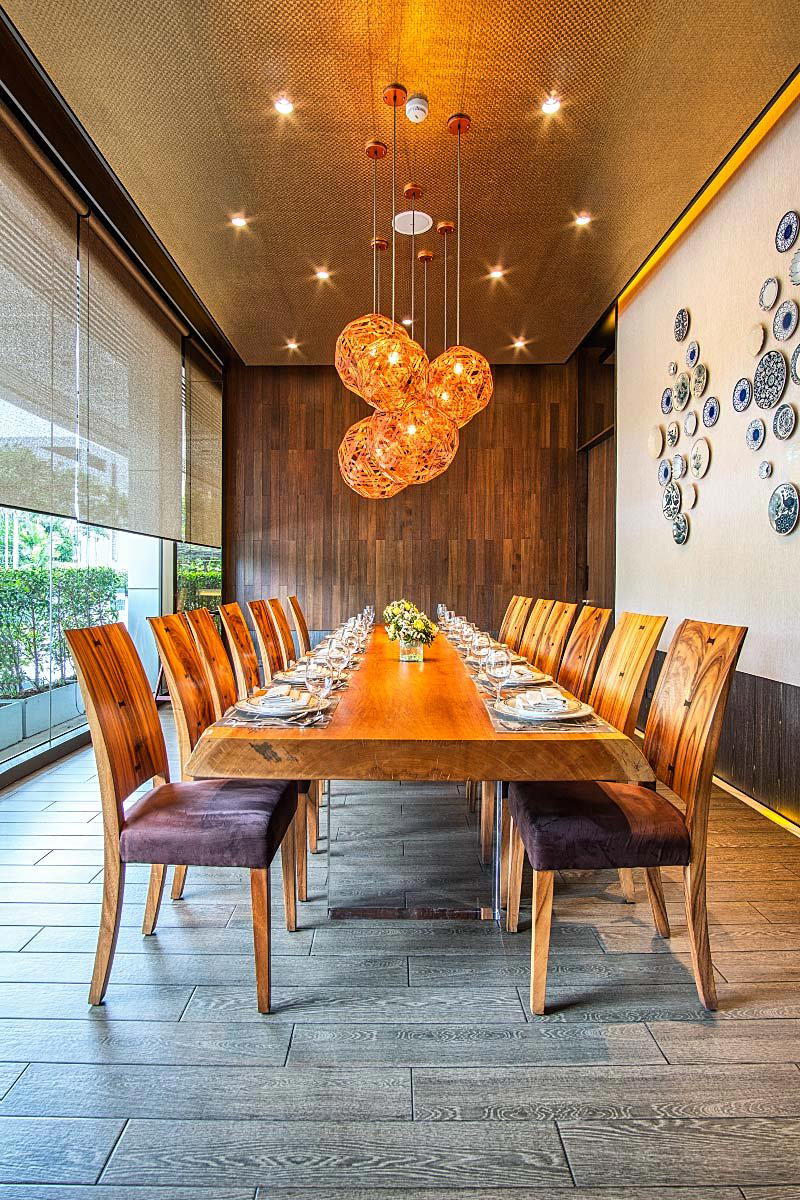
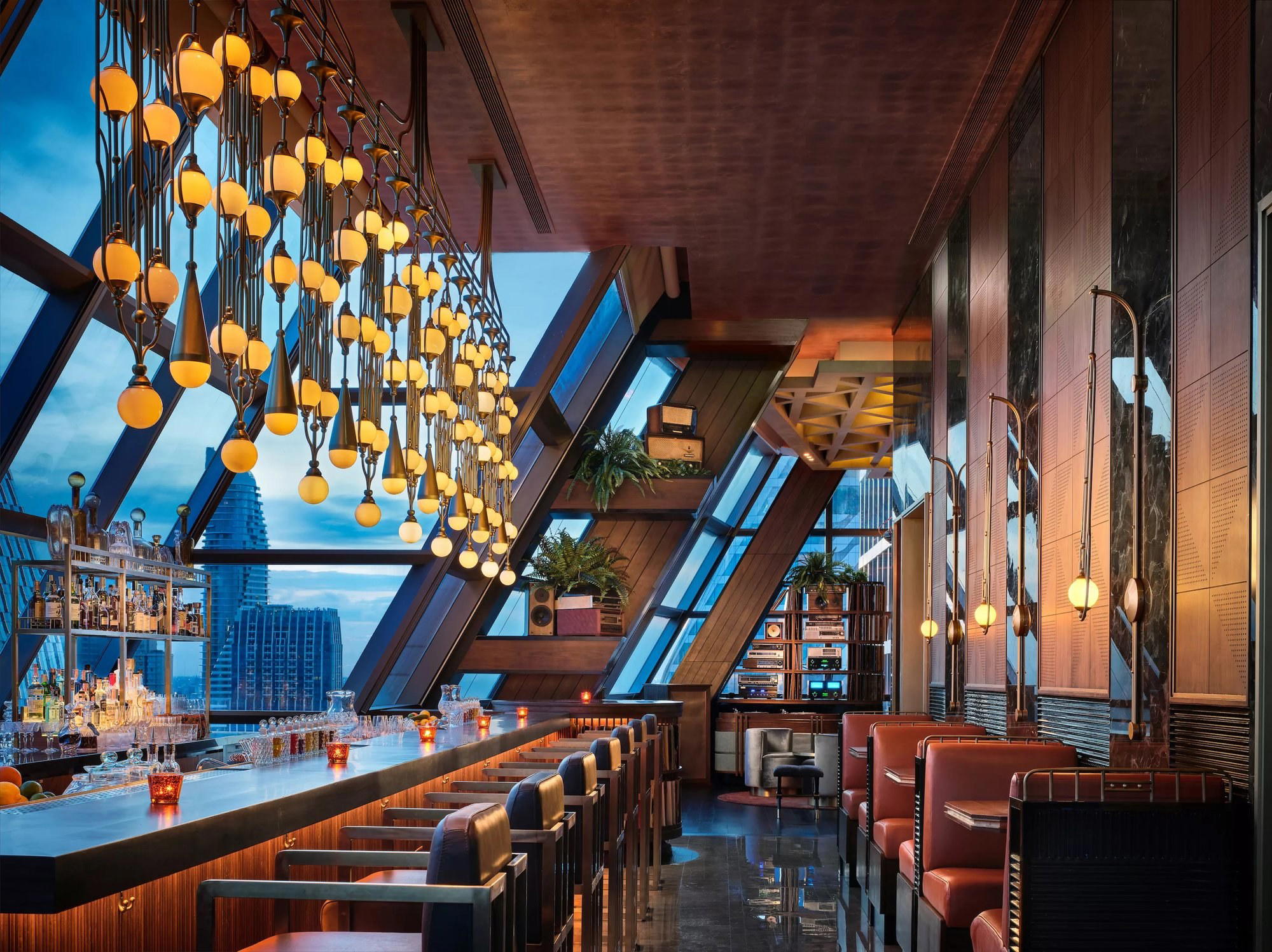
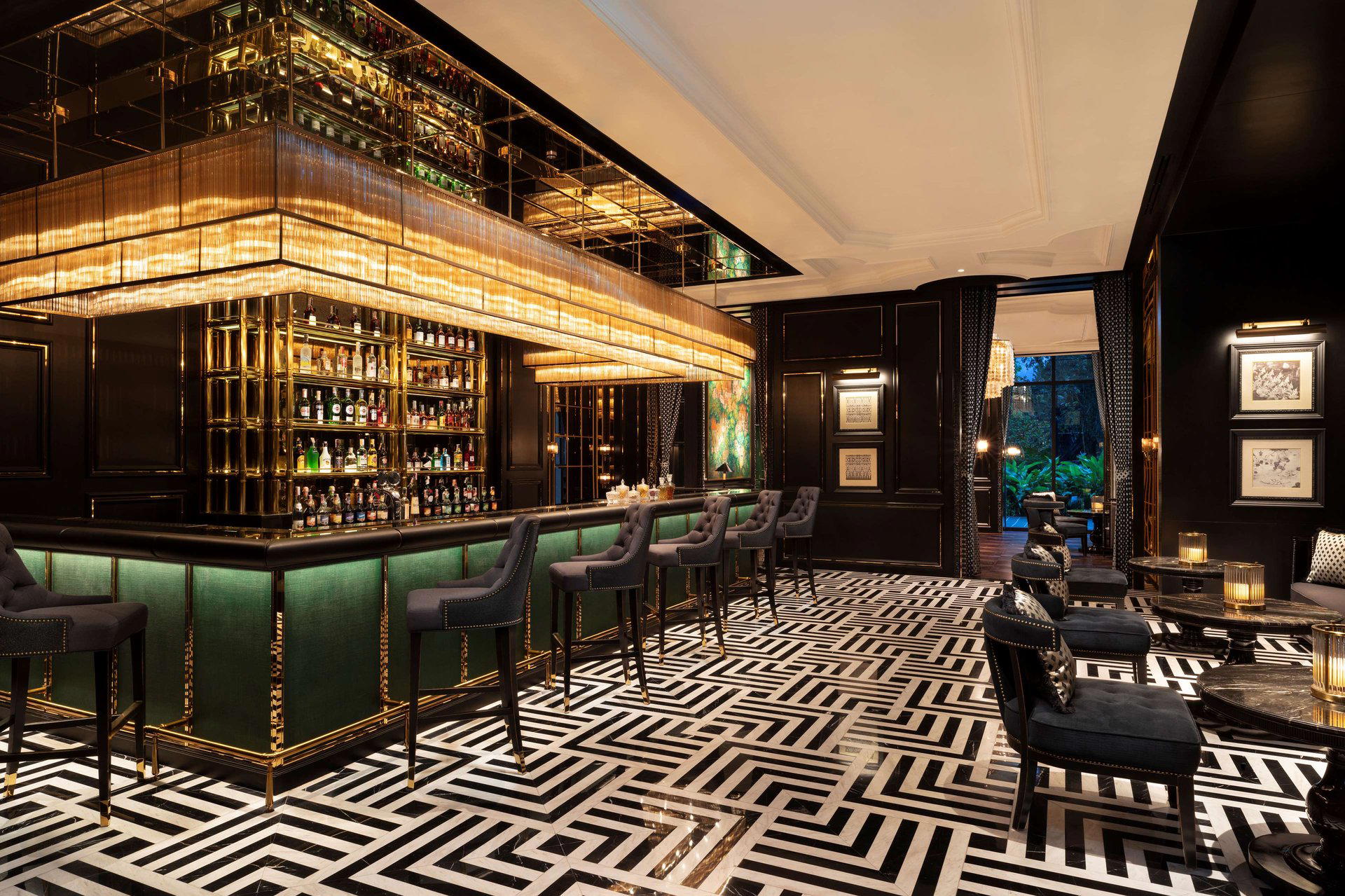
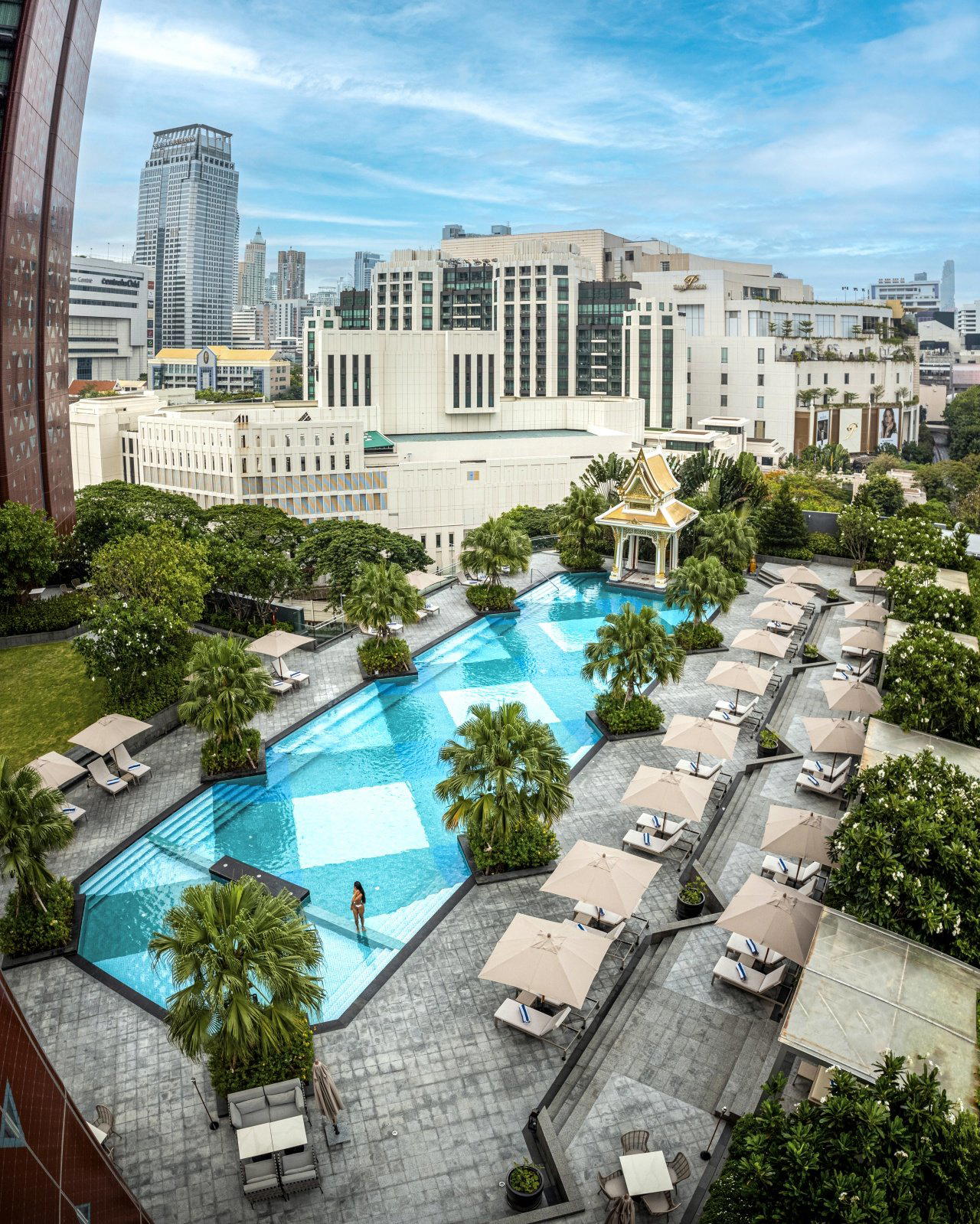
Bright, refined and contemporary with a chic French Riviera inspiration; stylish and sophisticated yet relaxed and welcoming, underpinned by warm Thai hospitality and suited to romantic evenings and celebratory dinners.