

Casa Taberna brings Pedraza’s Castilian dining language into sharper focus: produce, hearth cooking, and the slower rhythm of a walled Segovian town. Its 1 Sol recognition in the Guía Repsol Soles 2026 places it in Spain’s serious regional tier, where ingredient sourcing and restraint matter more than spectacle.
Pearl is the En Primeur Club membership app — saves, bookings, and concierge access live there. Same editors, same standards.
- Address
- Pl. Mayor, 3, 40172 Pedraza, Segovia, Spain
- Website
- casataberna.com
- Directions
- Get directions
 Saves & bookings on Pearl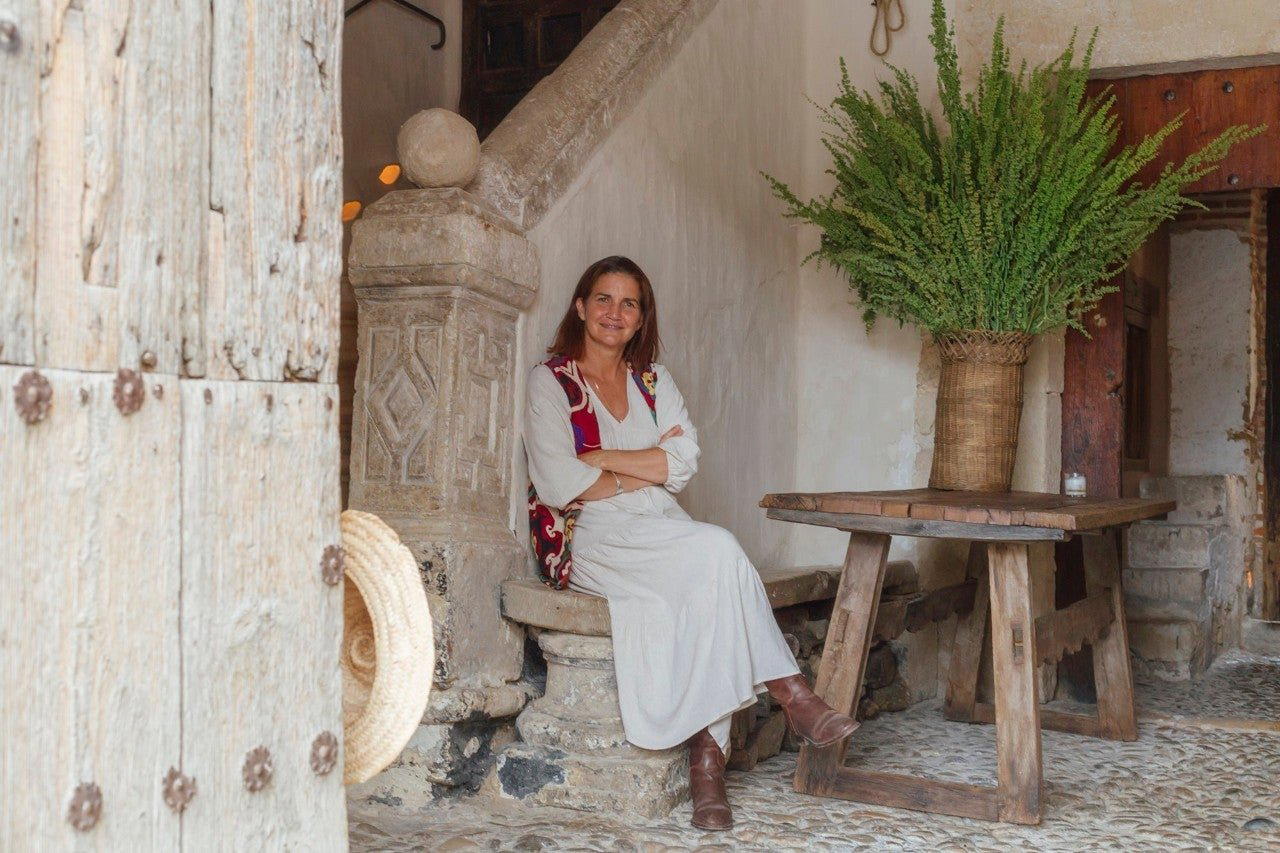
Pedraza announces itself in stone before it announces dinner. The Plaza Mayor is all arcades, weathered façades, and the particular hush of a small Castilian town after the day visitors thin out. In that setting, Casa Taberna reads less as an isolated destination than as part of a regional habit: meals built around nearby produce, animal fat, bread, fire, and a dining pace that resists the metropolitan tasting-menu clock.
That matters because Segovia’s restaurant culture is often reduced to roast suckling pig and weekend pilgrimage dining. The stronger tables in and around the province are doing something more specific: keeping the grammar of Castilian cooking while tightening sourcing, presentation, and cellar ambition. Casa Taberna’s 1 Sol in the Guía Repsol Soles 2026 puts it inside that national conversation without turning the room into a formalized fine-dining exercise.
Castilian sourcing, read through a small-town table
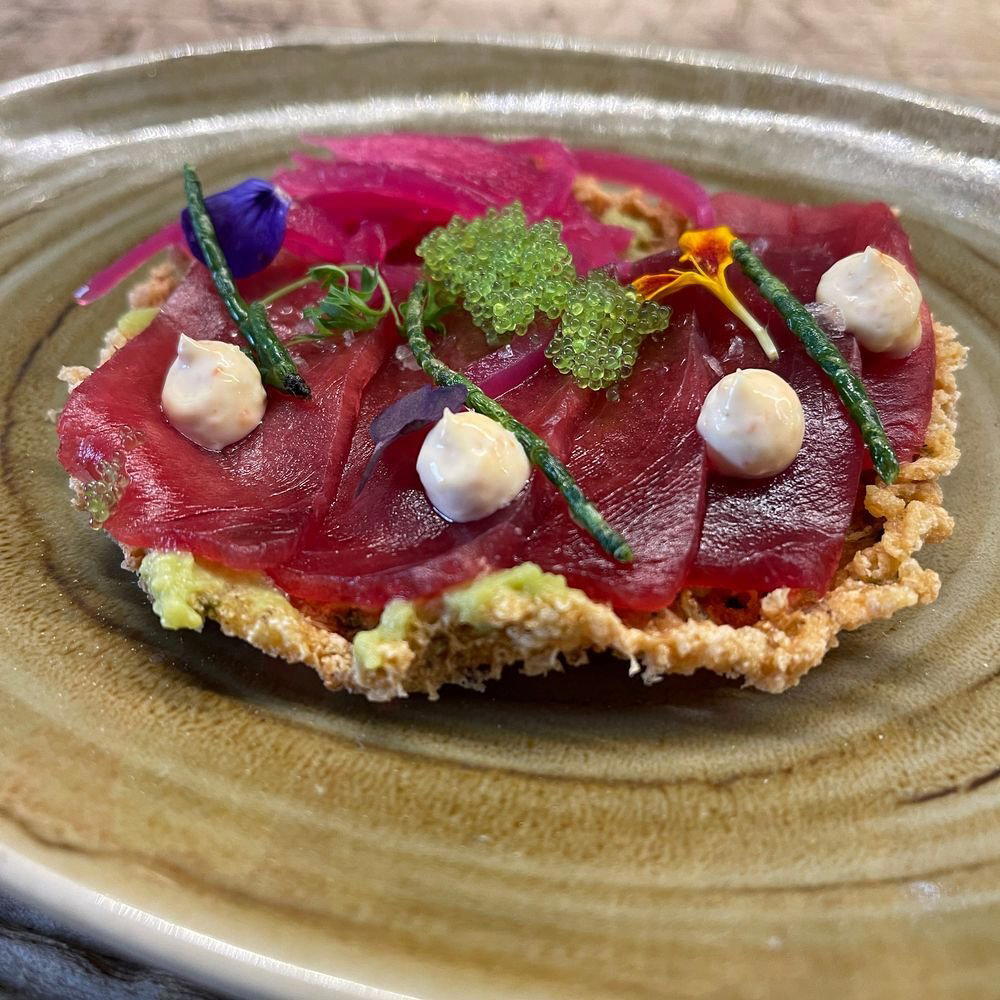
The ingredient argument here begins with place. Pedraza sits in rural Segovia, where the table has long depended on lamb, pork, legumes, garden vegetables, mushrooms in season, and the durable logic of preserving, roasting, and stewing. A restaurant working in this register does not need theatrical reinvention; it needs discipline. The useful question is not whether the cooking feels modern, but whether the kitchen understands the difference between rusticity and looseness.
Across Spain, regional restaurants have been rewarded for sharpening local foodways rather than abandoning them. That is the frame in which to read Casa Taberna. The award signal is not a claim of luxury; it is a marker that a small-town dining room has entered a broader Spanish ranking system usually attentive to product, identity, and consistency. In Pedraza, that carries weight because the town’s food economy is tied to visitors who arrive expecting tradition. The stronger kitchen has to satisfy that expectation while avoiding museum-piece cooking.
The comparison set nearby makes the point. La Portada de Mediodía sits in the traditional-cuisine lane, while Reina XIV and Villena pull toward more contemporary formats; Mesón De Cándido represents the broader Segovian attachment to historic roast-house identity. The restaurant belongs closer to the regional-product conversation than to urban tasting-menu theatre. For readers mapping Spain by serious provincial restaurants, that distinction is useful: this is not Madrid transplanted into a medieval square, but Castile edited with care.
Pedraza rewards a slower meal, not a checklist dinner
Pedraza changes character depending on the hour. Daytime can feel like heritage tourism, all stone streets and photo stops; lunch and early evening bring the town back to its older function as a place for long tables and regional appetite. A meal here makes more sense when treated as part of that rhythm. The room’s value lies in how it anchors the square, not in offering a detachable luxury product that is moved to any capital city.
This is also why price signalling matters less than category signalling. With no public price range to anchor expectations, the safer editorial reading is by format and recognition: a regional restaurant with national guide attention in a small historic town. That places it above casual bar grazing and below the high-cost destination counter or dégustation model. The decision for diners is less about extravagance and more about whether they want a Castilian meal with enough seriousness to justify building time in Pedraza around it.
Pedraza itself is compact, so the practical choice is not neighbourhood selection but itinerary shape. Pairing a meal with a walk through the walled town is the natural move; turning it into a rushed stop between Segovia and Madrid misses the point. For broader planning, Our full Pedraza restaurants guide covers the dining field, while Our full Pedraza hotels guide, Our full Pedraza bars guide, Our full Pedraza wineries guide, and Our full Pedraza experiences guide help frame the town as more than a single reservation.
Where it fits in Spain's regional dining map
Spain’s high-recognition dining is often read through major cities and coastal tasting rooms, but the provincial tier is where local sourcing can be clearest. A table in Pedraza has fewer excuses to chase global fashion; the surrounding pantry is the story. That does not make the cooking simple. It raises the bar for judgement, because familiar ingredients expose poor technique quickly.
For travellers building a wider Spain itinerary, the restaurant sits in a different lane from city restaurants such as "B de J" in Madrid, 1881 per Sagardi in Barcelona, or 2 Estaciones in València. It also differs from island and destination formats such as 1742 in Ibiza and 365 in Pollença, where the surrounding travel pattern often drives a different kind of dining expectation.
The more relevant national comparison is with restaurants that show how local identity can support serious cooking outside the obvious circuits: 12 Tapas in Castilleja de la Cuesta, 144. in Vitoria-Gasteiz, 1860 Tradición in Elciego, 1890 La Bodeguita in Las Palmas de Gran Canaria, 1928 in Canfranc-Estación, and 5 Gustos in Valladolid. Those references are not stylistic twins; they are evidence that Spain’s serious dining map is increasingly provincial, specific, and ingredient-led.
International links make the contrast sharper. Jōdo Saké Bar in Los Angeles and Onigiri Time in Pasadena belong to a different urban food logic, where specialization and diaspora formats carry the experience. Pedraza works through rootedness instead. The reward is not novelty; it is a clearer reading of Castile through a table that has earned national attention without losing its small-town context.
Side-by-Side Snapshot
Comparable venues by cuisine and price in the same metro.
| Venue | Cuisine | Price | Notes |
|---|---|---|---|
| Casa TabernaThis venue — the venue you are viewing | Traditional Castilian wood‑fire grill | $$$ | Not listed |
| Amorío | Modern Spanish Tapas | $$$ | Nervión |
| Azotea del Círculo | Modern Spanish Mediterranean with Tapas | $$$ | Cortes |
| El Mesón De Doña Filo | Traditional Madrid cuisine tasting menu | $$$ | Colmenar del Arroyo |
| Los Montes de Galicia | Traditional Galician Haute Gastronomy | $$$ | Guindalera |
| St. James Juan Bravo | Valencian Rice and Paella Specialist | $$$ | Castellana |
Recognition history
Dated appearances from independent guides and award organizations, with the underlying list record or original source where available.
Guía Repsol 1 Sol
Guía Repsol
Macarfi 7.4 Food Rating
Macarfi
Continue exploring
More in Pedraza
Restaurants in Pedraza
Browse all →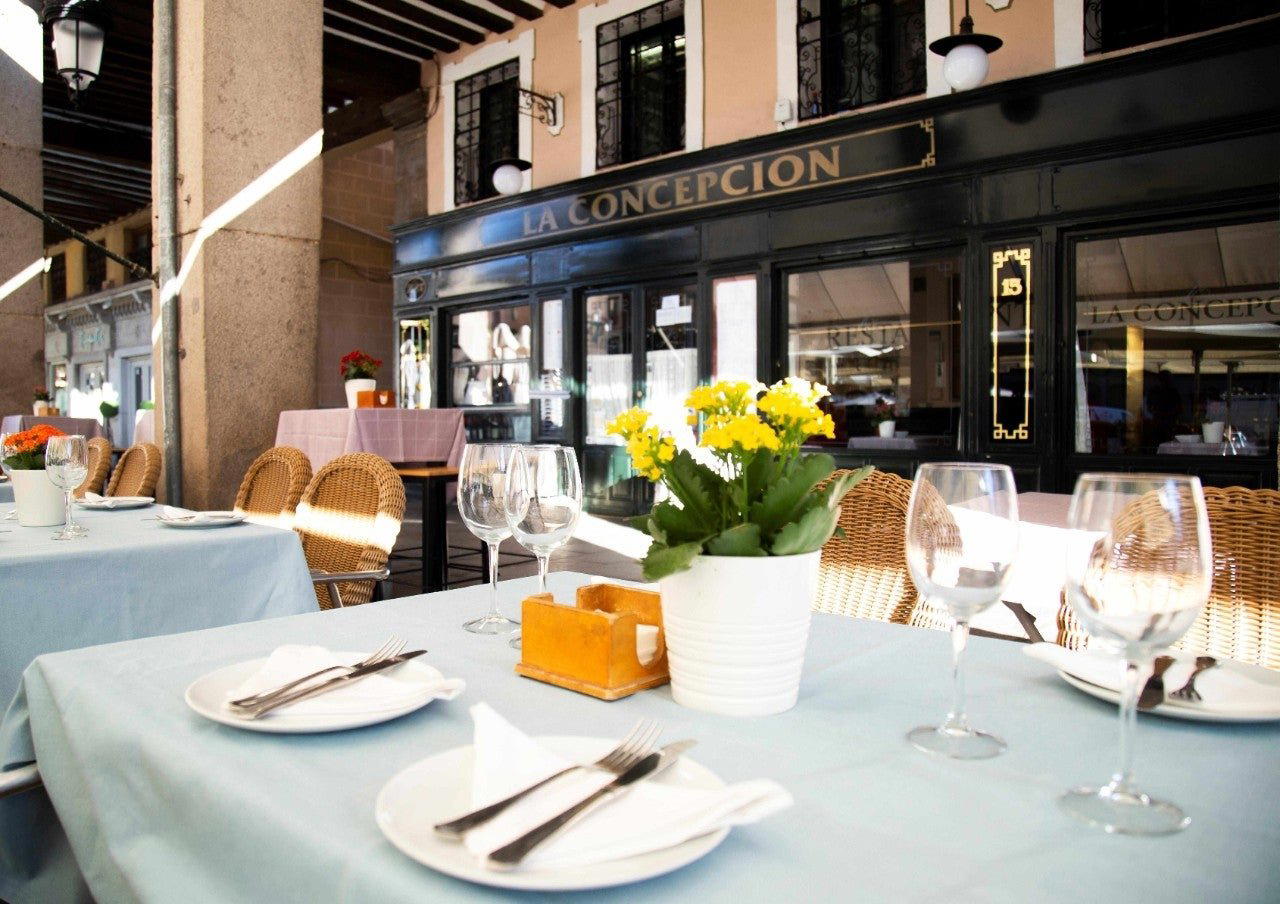
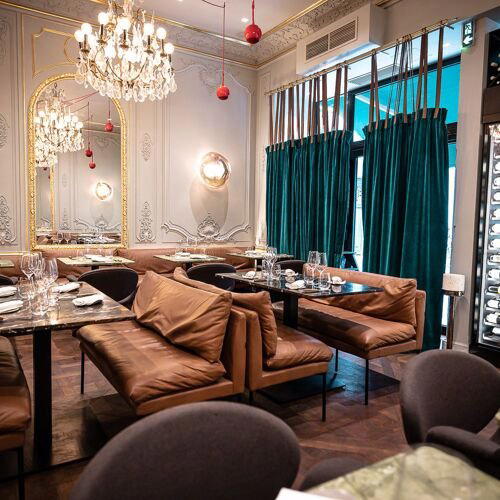
Bars in Pedraza
Browse all →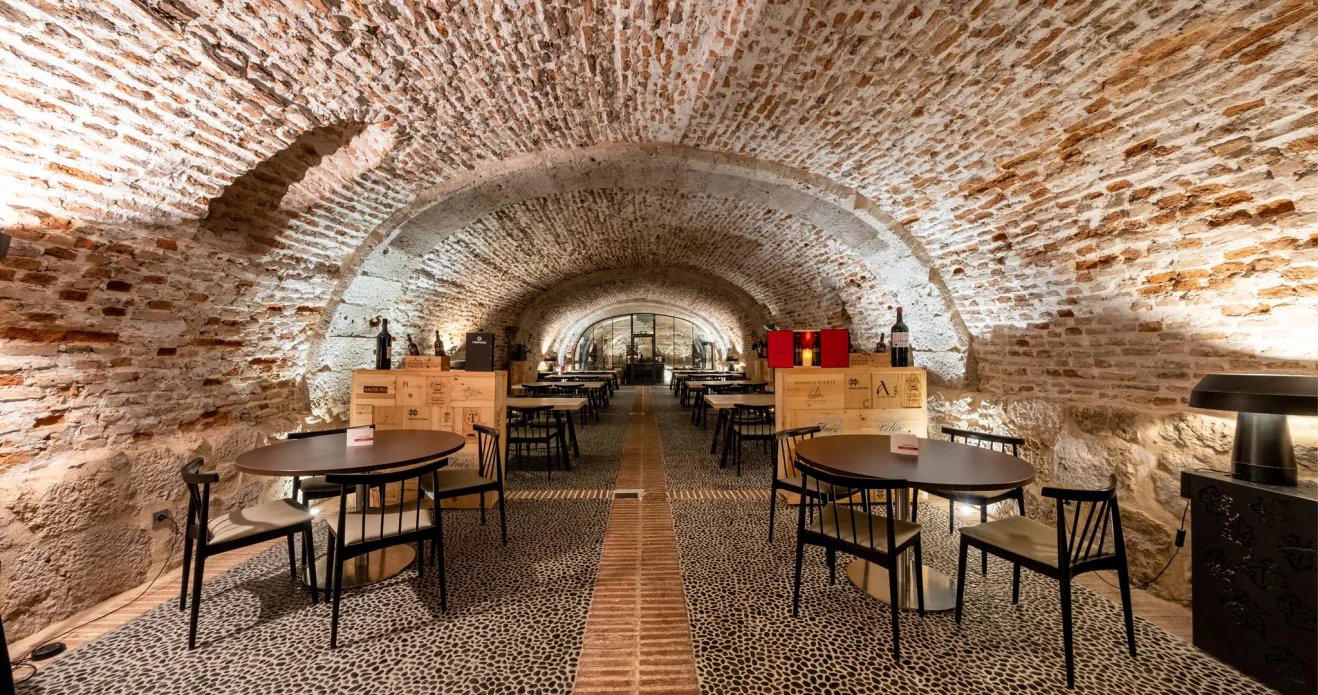
Hotels in Pedraza
Browse all →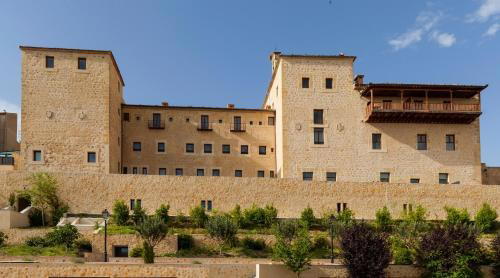

At a Glance
- Rustic
- Cozy
- Classic
- Scenic
- Romantic
- Intimate
- Date Night
- Celebration
- Special Occasion
- Group Dining
- Casual Hangout
- Historic Building
- Design Destination
- Standalone
- Terrace
- Garden
- Local Sourcing
- Street Scene
Current opening hours
- Monday
- Closed
- Tuesday
- Closed
- Wednesday
- Closed
- Thursday
- 12:30–5:30 PM, 8–11:30 PM
- Friday
- 12:30–5:30 PM, 8:30–11:30 PM
- Saturday
- 10:30 AM–5:30 PM, 8:30–11:30 PM
- Sunday
- 10:30 AM–5:30 PM
Hours can change for holidays and private events. Last verified .
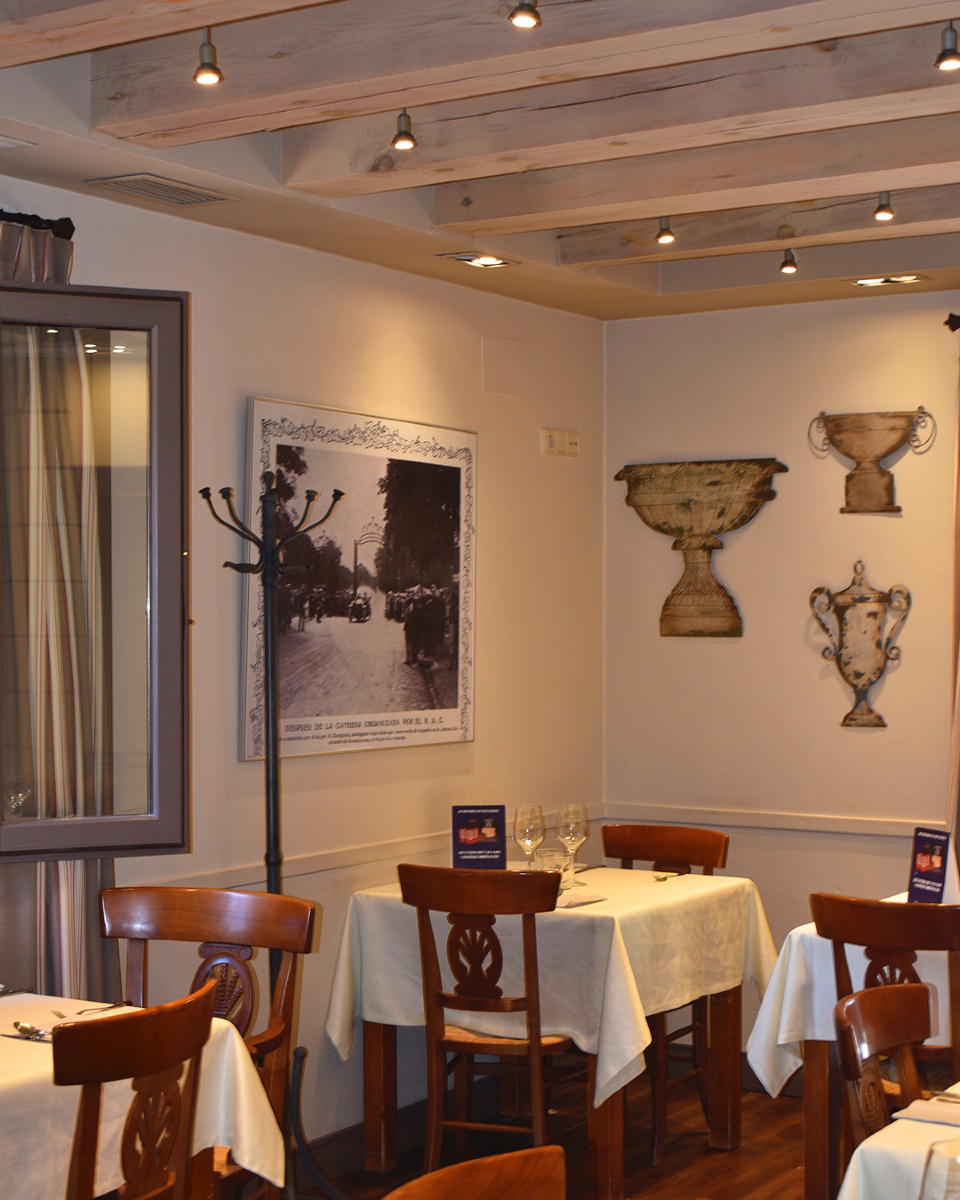
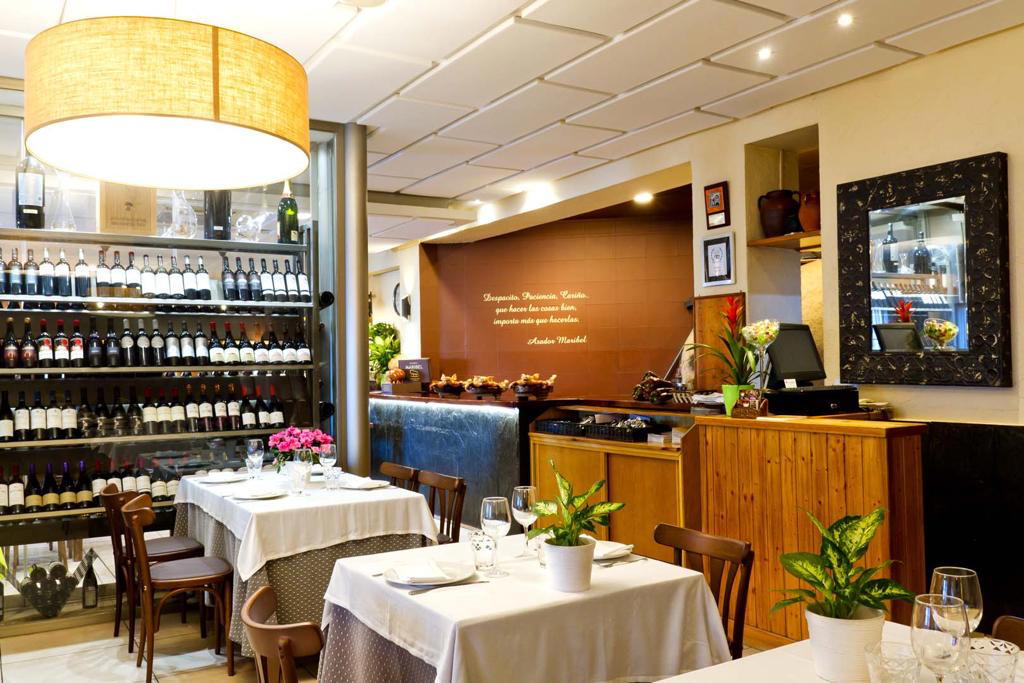
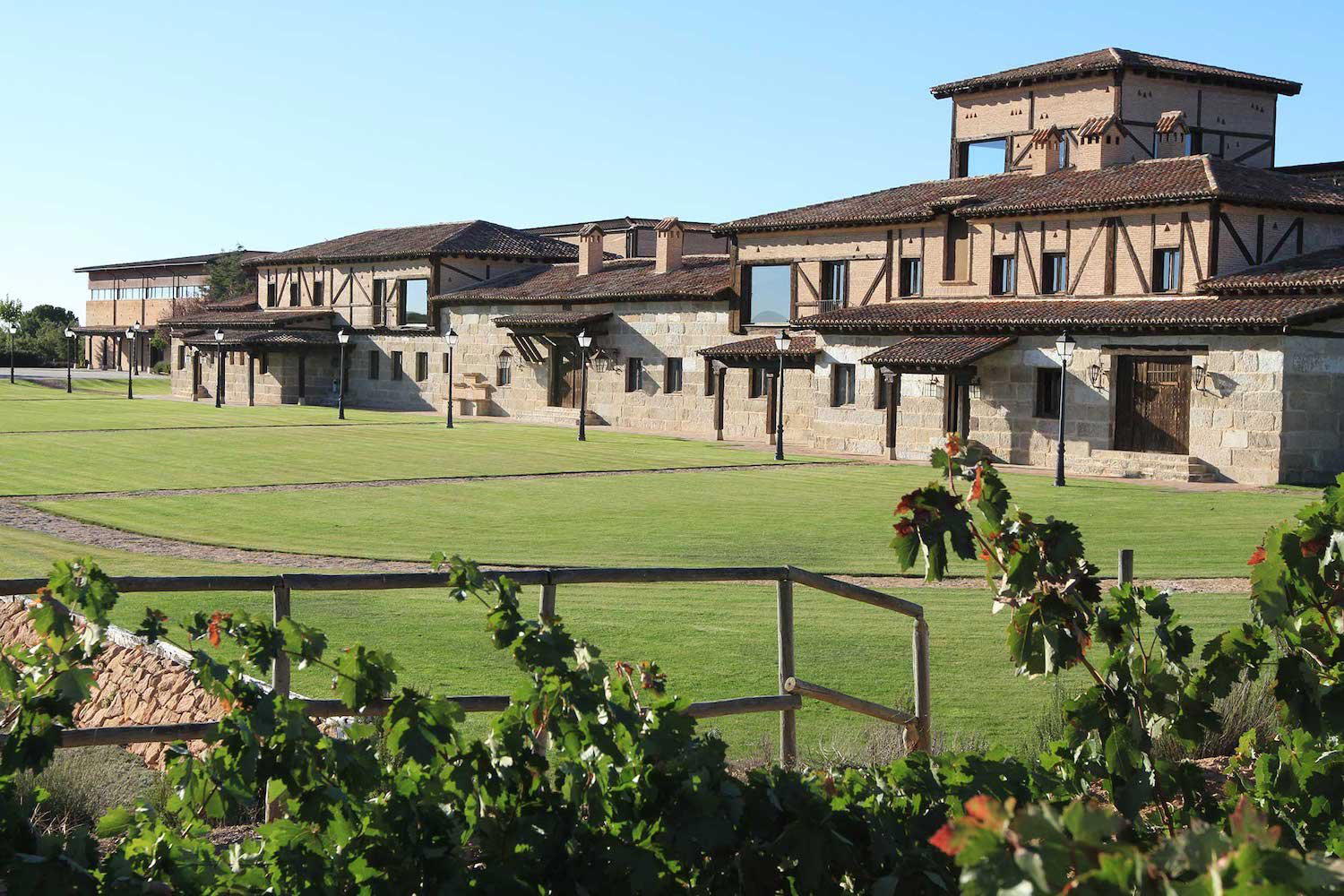
Warm and rustic inside a carefully restored 17th‑century stone house, with classic Castilian details, soft lighting, and a calm, intimate atmosphere that feels both simple and luxurious.