Cakenhagen
Copenhagen’s cake culture is not a side note to its restaurant scene; it is one of the city’s clearest expressions of dairy, grain, fruit, and technique. Cakenhagen belongs in that conversation as a central Copenhagen pastry stop, useful for travelers who want the city’s sweet register without committing to a long tasting-menu meal.
Pearl is the En Primeur Club membership app — saves, bookings, and concierge access live there. Same editors, same standards.
- Address
- Vesterbrogade 3, 1577 København, Denmark
- Phone
- +45 88 70 00 00
- Website
- nimb.dk
- Directions
- Get directions
 Saves & bookings on Pearl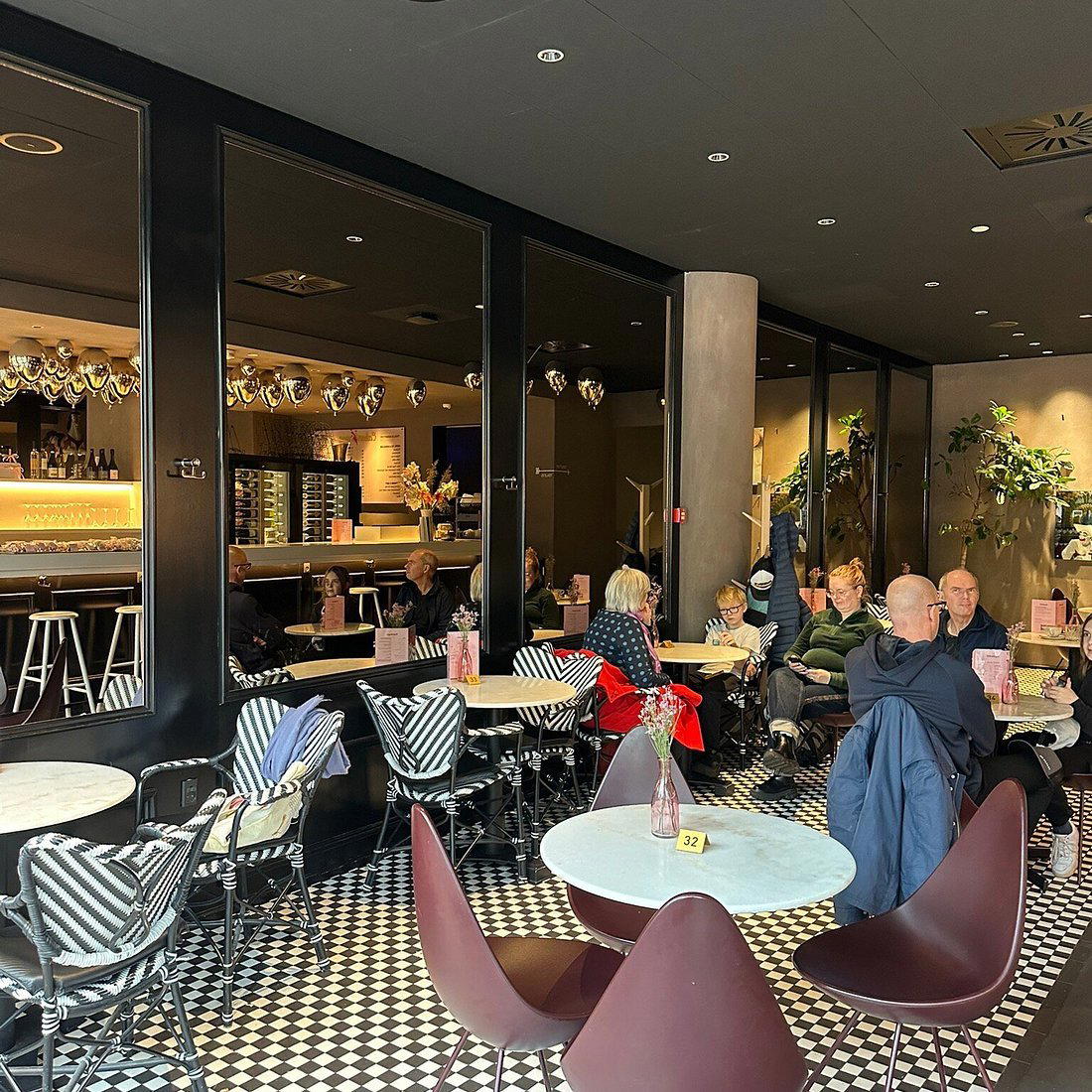
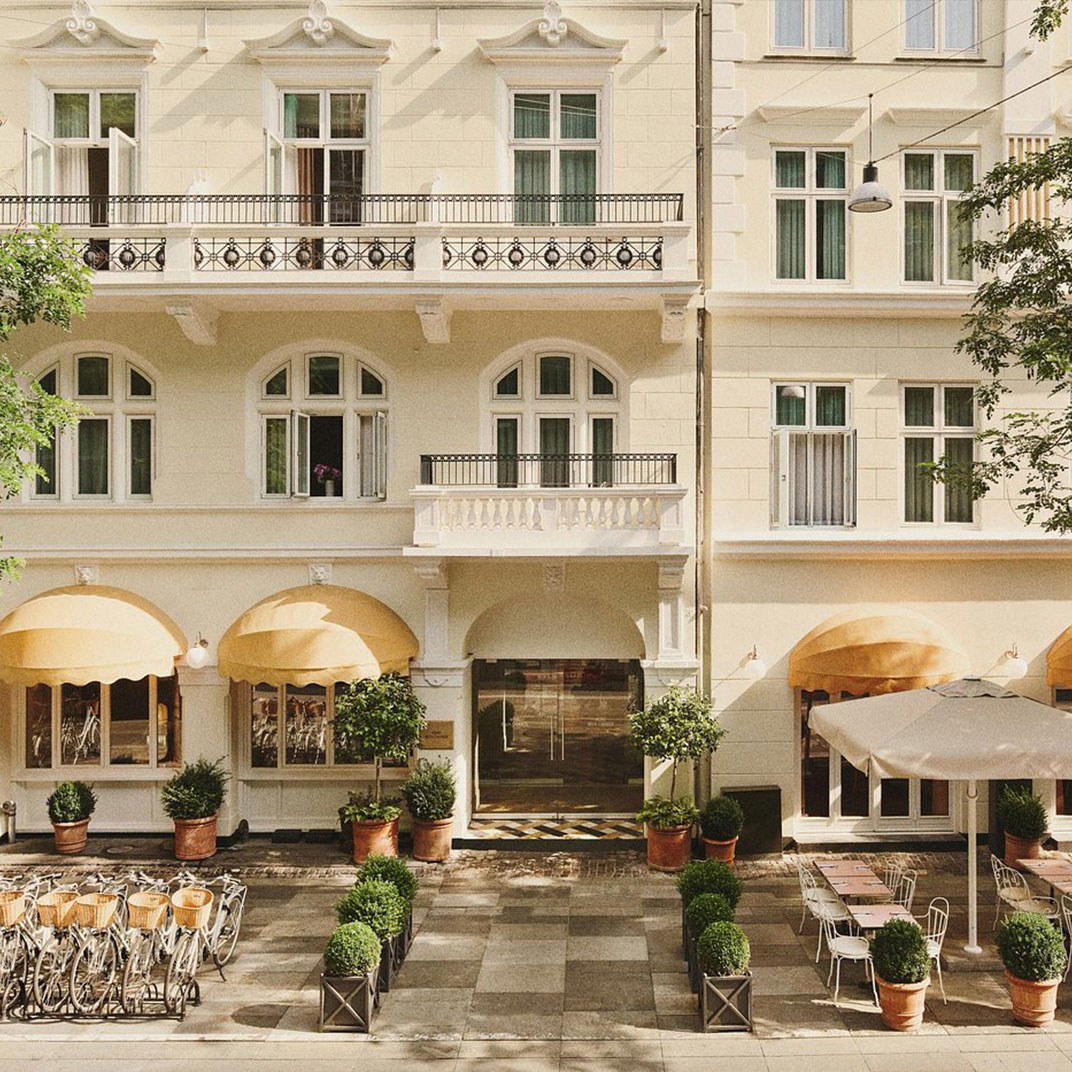
Approaching Copenhagen, the rhythm shifts from commute to leisure city: straight pavements, hotel façades, theatre traffic, and a steady flow of visitors beside it. Here, Cakenhagen reads less as a standalone cake shop than as part of a deep Danish habit: pausing for coffee, cream, butter, fruit, and layered dough in an otherwise practical day.
Copenhagen’s restaurant identity is often framed by fermentation, open fire, natural wine, and a certain Nordic restraint, but the pastry counter tells an equally Danish story. Cakes draw on the country’s strong dairy culture and long command of grains, butter, custard, berries, and marzipan. The point is not excess but control: sweetness restrained, cream used for texture rather than spectacle, fruit treated as structure rather than garnish.
Copenhagen cake culture belongs beside the city's serious dining rooms
The useful way to read Cakenhagen is through category, not hype. Copenhagen’s compressed food map places polished brasseries, traditional dining rooms, garden restaurants, design-led cafés, and more destination-minded counters within easy reach. A cake counter here does not compete with dinner; it fills the hours between hotel check-in, a Copenhagen walk, a museum plan, or a late show.
Danish pastry culture is not only the breakfast viennoiserie known abroad. Layer cakes, cream cakes, fruit tarts, chocolate work, and celebration cakes belong to birthdays, office rituals, weekend walks, and the coffee table. For visitors, the format is efficient: a short stop can show how Copenhagen thinks about balance, seasonality, and craft without demanding a full evening.
Ingredient sourcing is the sharper lens. Denmark’s reputation for butter and cream is foundational to the national sweet kitchen, as are berries, orchard fruit, rhubarb, nuts, and grain. In a city fluent in provenance, the pastry case translates that conversation immediately. A good Copenhagen cake needs little theatrical plating; dairy, fruit acidity, crumb, and glaze carry the message.
That pattern explains why Cakenhagen sits comfortably near many formats. Copenhagen dining can lean historic, polished, or garden-room: Grøften, Nimb Terrasse, Nimb Brasserie, Gemyse, and Restaurant Glassalen all offer different ways of feeding visitors in the city. Restaurant Glassalen, for example, points to a meal-driven lane. A pastry stop asks a different question: what does Copenhagen taste like when the commitment is minutes, not courses?
The sourcing story is dairy, fruit, and restraint rather than spectacle
The strongest Danish cakes depend on precision, not decoration for its own sake. Cream must hold without heaviness. Fruit must cut fat. Chocolate needs bitterness. Sponge and pastry bases need enough structure for custard, mousse, jam, or glaze. The ingredients are familiar, but the margin for error is narrow, which is why the city’s cake culture can feel closer to restaurant craft than casual snacking.
Cakenhagen benefits from that tradition. The name signals cake first, but the real point is the Copenhagen grammar behind it. Danish sweet cooking is often seasonal by implication: berries, rhubarb, apples, cream, and butter behave differently through the year and have long shaped the local table. In summer, acidity and fruit matter more; in colder months, chocolate, nuts, spice, and richer dairy carry the mood. Even without reading the pastry case as a calendar, the ingredients push it there.
For travelers comparing Copenhagen food stops, the cake format earns its place. Other Copenhagen dining rooms can explain the city’s savory habits, from everyday counters to more formal settings. A pastry counter offers the parallel sweet argument: butter, grain, cream, and preserves handled with the same seriousness, in a shorter, softer register.
The comparison extends beyond any single meal type. Denmark’s wider dining map runs from regional inns and brasseries to international kitchens and other casual formats across the country. Against that spread, a Copenhagen cake stop does not summarize the country; it clarifies one strand: disciplined dairy and seasonal sweetness in a city that treats casual food seriously.
How to place it in a Copenhagen day
The practical appeal is location. Copenhagen puts Cakenhagen in the visitor’s working map, close to hotels, transit, performance plans, and everyday city movement. It works well as a timed pause, not an anchor meal: after a morning in Copenhagen, before an evening reservation, or as a civilized alternative to another bar when the day is already long.
Setting also corrects a common Copenhagen mistake: treating every worthwhile food experience as a dinner booking. The city rewards smaller formats. Coffee, cake, classic Danish lunches, bakery counters, natural-wine bars, and hotel lounges often reveal daily taste more clearly than another multi-course plan. For a broader route, pair this stop with Our full Copenhagen restaurants guide, then use Our full Copenhagen hotels guide and Our full Copenhagen bars guide to shape the day. Deeper itineraries can scan Our full Copenhagen experiences guide and Our full Copenhagen wineries guide, though wine tourism is not the natural centre of gravity here.
Editorially, Cakenhagen is strongest as a lens on Copenhagen’s sweet kitchen, not a trophy address. The useful story here is not a public chef narrative or a ranking claim; it is category intelligence. Danish food culture is as much about cream, fruit, butter, coffee, and timing as the dinner tables that dominate international attention.
For contrasts, Copenhagen can move from cocktail discipline to traditional dining culture, then back to cake without feeling fragmented. Cross-city references sharpen the point in general terms: small-format venues often explain a city faster than grand rooms. In Copenhagen, cake is one of those formats.
Quick Comparison
Comparable venues by cuisine and price in the same metro.
| Venue | Cuisine | Price |
|---|---|---|
| Restaurant Glassalen | Modern Cuisine | €€ |
Continue exploring
More in Copenhagen
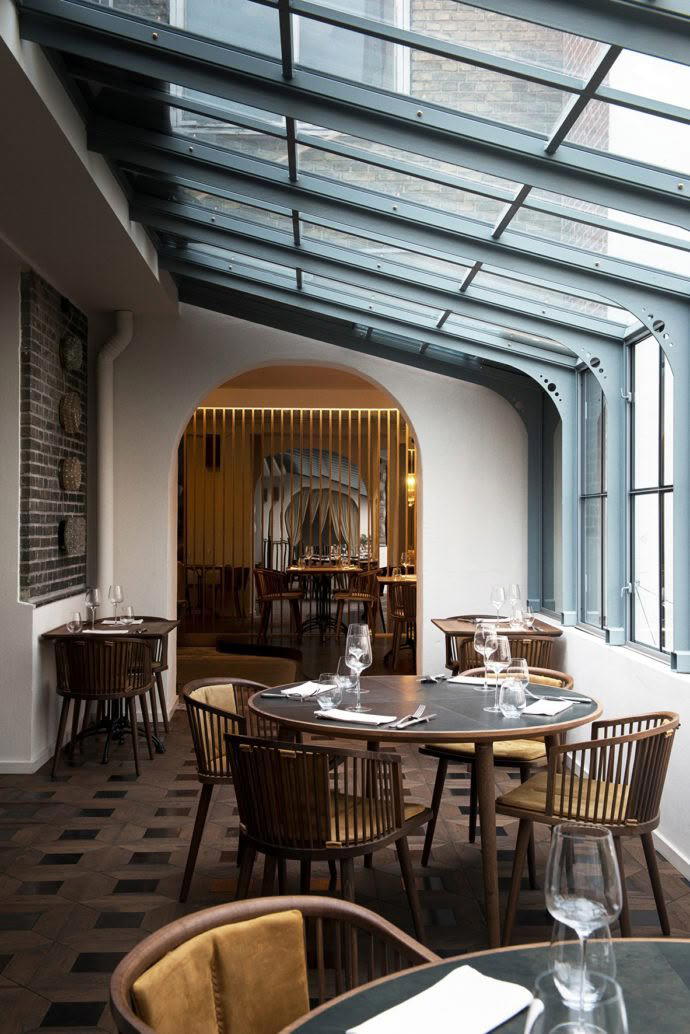
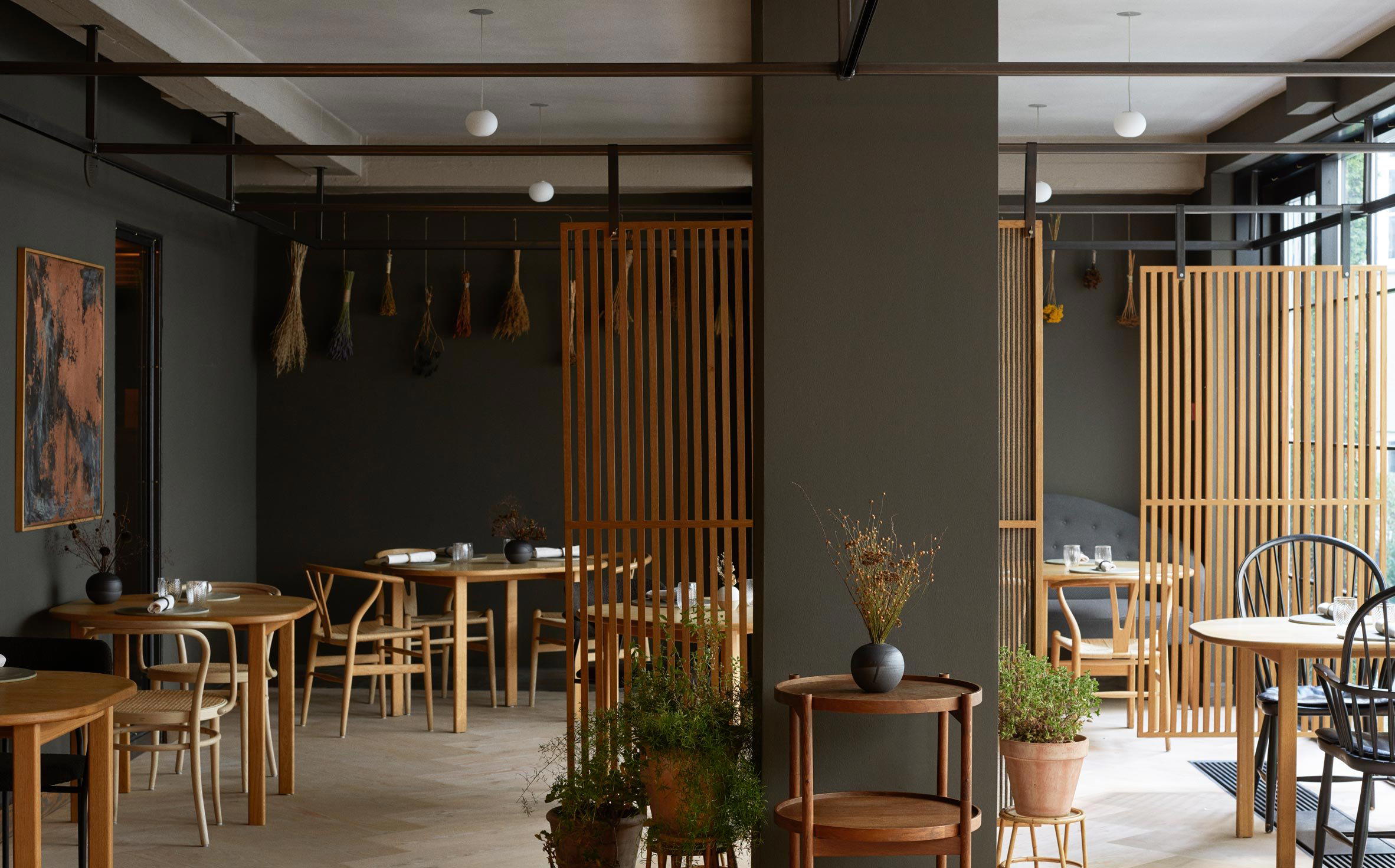
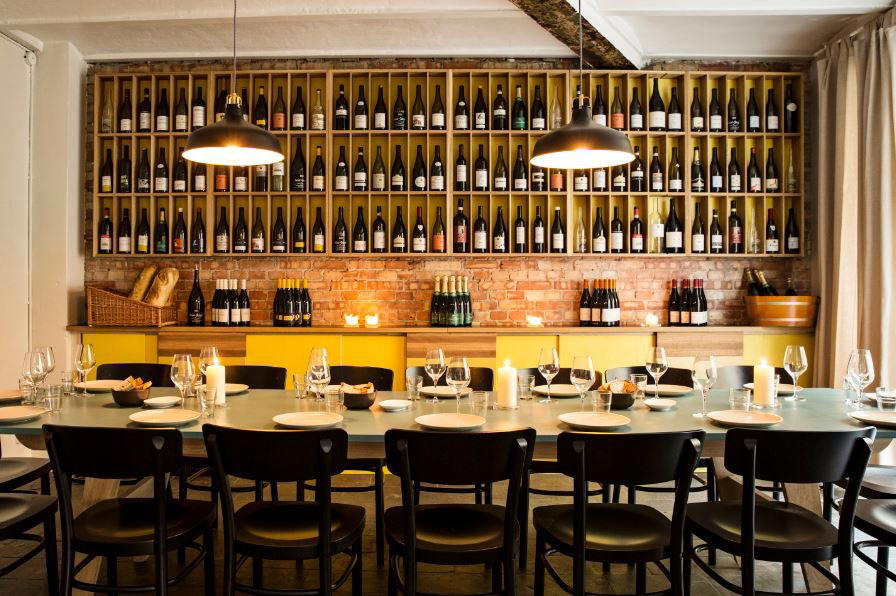
Restaurants in Copenhagen
Browse all →
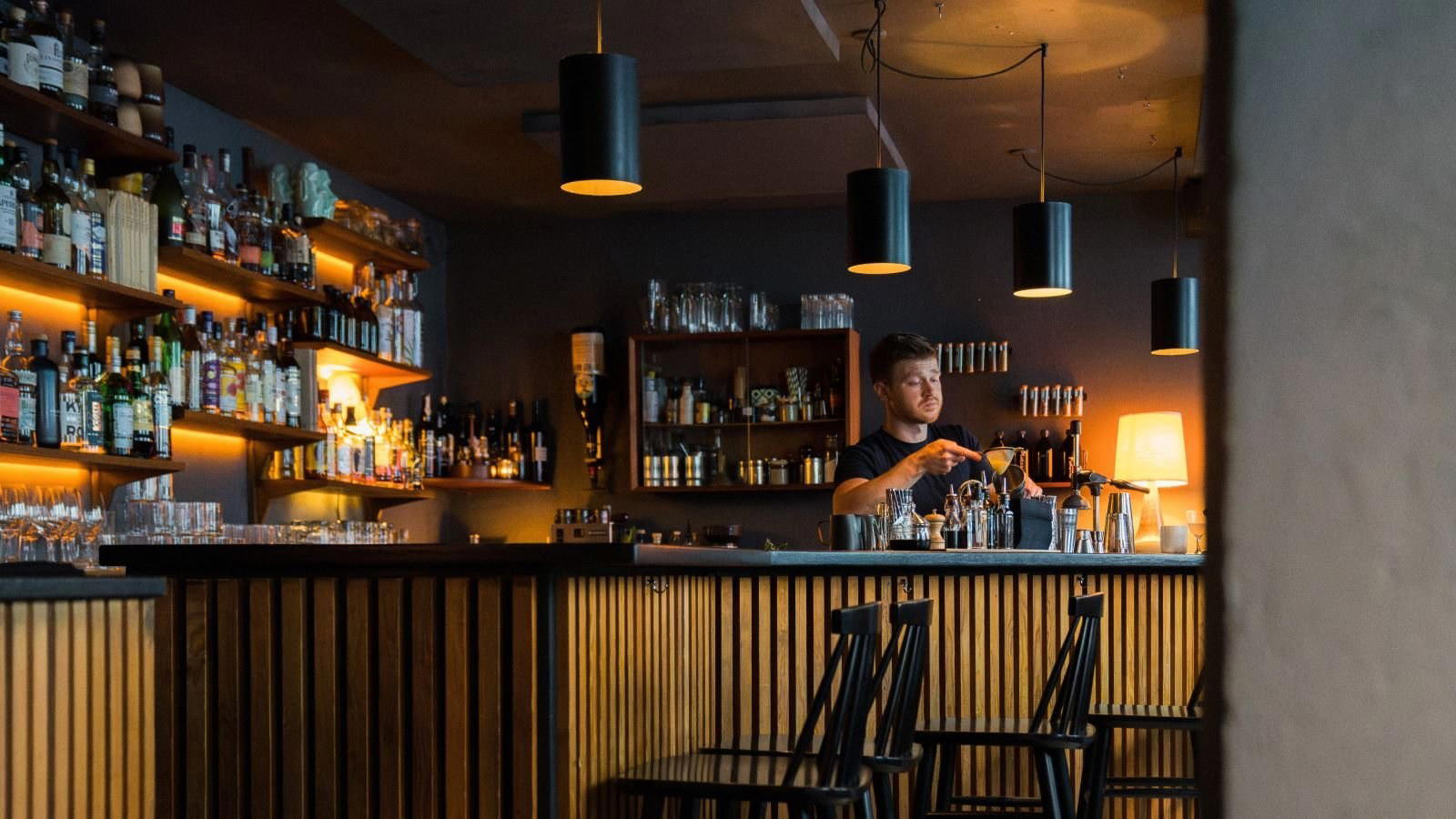
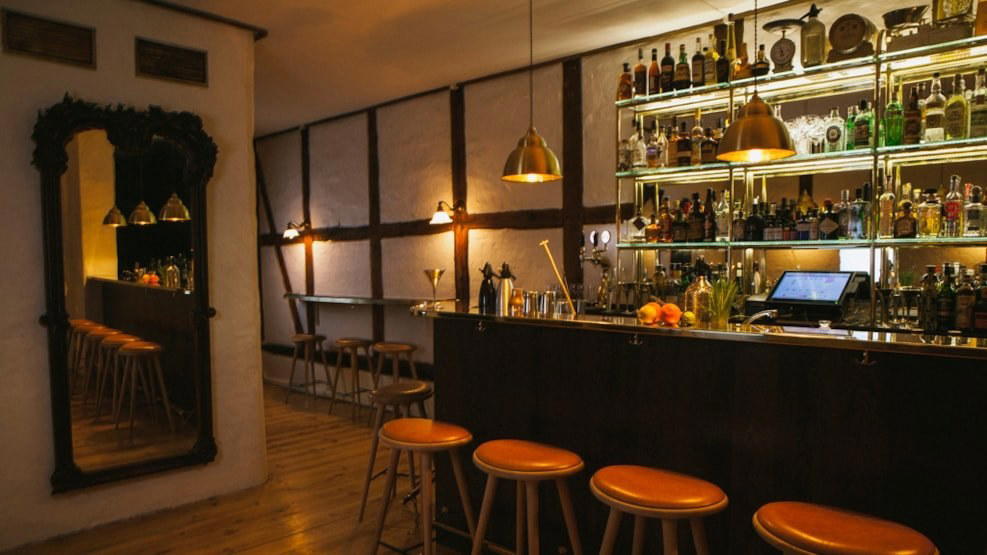
Bars in Copenhagen
Browse all →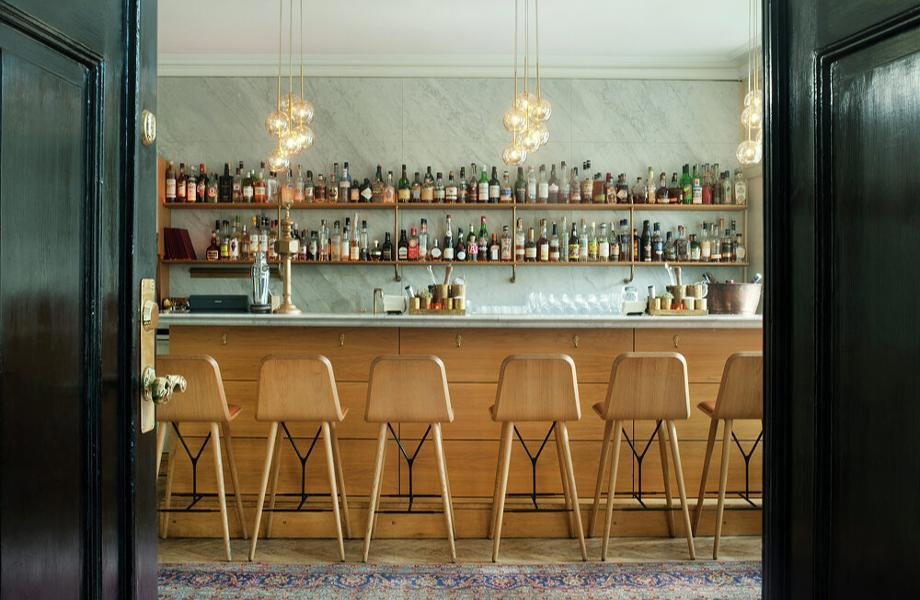
Hotels in Copenhagen
Browse all →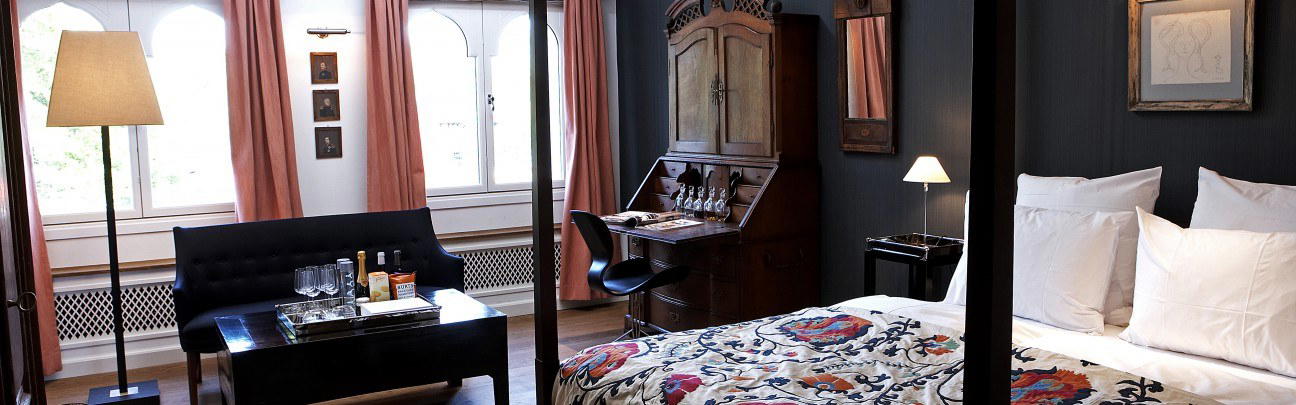

At a Glance
- Elegant
- Sophisticated
- Whimsical
- Classic
- Scenic
- Romantic
- Date Night
- Celebration
- Brunch
- Casual Hangout
- Special Occasion
- Private Event
- Design Destination
- Standalone
- Garden
- Historic Building
- Extensive Wine List
- Zero Proof
- Local Sourcing
- Garden
- Street Scene
Current opening hours
- Monday
- 11 AM–10 PM
- Tuesday
- 11 AM–10 PM
- Wednesday
- 11 AM–10 PM
- Thursday
- 11 AM–10 PM
- Friday
- 11 AM–10 PM
- Saturday
- 11 AM–10 PM
- Sunday
- 11 AM–10 PM
Hours can change for holidays and private events. Last verified .
A refined, feminine pastry café atmosphere with elegant details and a whimsical Tivoli charm, suited to a calm dessert stop rather than a loud social scene.
Know Before You Go
- Reservations
- Recommended
- Dress code
- Casual
- Getting there
- Vesterbrogade 3, 1577 København, Denmark