Our verdict
A working brasserie on Le Donjon's central square, Brasserie l’Arrêt Gustatif operates within one of France’s strongest agricultural supply zones: Charolais cattle country in the Bourbonnais. The format is provincial and practical, oriented toward local sourcing and a local clientele. For readers looking beyond the destination-restaurant circuit, the Allier’s low-profile dining scene is precisely the appeal.

Pearl is the En Primeur Club membership app, where members save venues, book tables and use the concierge.

Place de la République, Provincial France
The Place de la République in Le Donjon operates on a rhythm that most French market towns still keep: a morning quieter than the surrounding bocage farmland deserves, a midday surge when the square fills with cars and the smell of something braised drifts from whichever kitchen has been running since dawn. Brasserie l’Arrêt Gustatif sits at number four on that square, and its position is not incidental. In small-town Allier, the brasserie address on the main place is still the social hinge of the commune, the room where agricultural suppliers and retired schoolteachers share the same dining hour and occasionally the same carafe.
Le Donjon itself is a commune of under a thousand people in the Allier département, part of the Auvergne-Rhône-Alpes corridor that connects the cereal plains of the Bourbonnais to the volcanic uplands further south. That geography is not decorative background. It is the supply chain. The Bourbonnais raises Charolais cattle, produces Bourbon-Busset and Saint-Pourçain wines, and maintains a tradition of market-driven cooking that predates the phrase “farm-to-table” by several centuries. Restaurants in this corner of Allier inherit a larder, not just a kitchen.
What Sourcing Looks Like in the Bourbonnais
French provincial brasseries in agricultural departments occupy a distinct position in the national dining hierarchy. They are not destination restaurants in the mode of Bras in Laguiole or Auberge du Vieux Puits in Fontjoncouse, where the sourcing narrative is constructed explicitly around a chef’s philosophical project. They are instead embedded in the daily provisioning logic of their region: what the Thursday market had, what the local abattoir processed this week, what the dairy cooperative supplies on standing order.
The Allier sits within one of France’s strongest beef-producing zones. Charolais cattle, bred on the limestone pastures of the Charolais and Bourbonnais, have a designation history that traces through centuries of selective husbandry. A brasserie on the Place de la République in Le Donjon is, by geography alone, within practical sourcing distance of that tradition. In the Bourbonnais, the supply chain that feeds a provincial brasserie is shorter and more direct than in any major city, and the price of that proximity is usually measured in seasonal limitation rather than premium markup. You order what is available, and what is available changes.
This stands in contrast to the resource and infrastructure of France’s three-star circuit. At Alléno Paris au Pavillon Ledoyen or Flocons de Sel in Megève, ingredient sourcing is a stated editorial position with named producers, verifiable certifications, and tasting-menu architecture built around specific harvests. At a Bourbonnais brasserie, the sourcing is structural rather than narrated: the region’s agricultural output arrives at the kitchen because that is what the market offers, and the menu reflects it without necessarily announcing it.
The Provincial Brasserie Format in Context
French brasserie culture has bifurcated over the past two decades. In Paris and Lyon, the brasserie brand has been absorbed into heritage-tourism and renovation projects, producing glossy rooms with protected zinc bars and menus that reference tradition while importing ingredients from far beyond the local basin. In agricultural towns like Le Donjon, the format has remained closer to its original function: a room that feeds the local population at the midday service, supplements local wine production, and maintains a menu anchored in the protein the surrounding farmland supplies.
The regional comparison is instructive. Properties like Georges Blanc in Vonnas or Maison Lameloise in Chagny represent the endpoint of provincial French cuisine refined to national and international recognition, with price points, room counts, and press coverage that remove them categorically from everyday provincial dining. Troisgros in Ouches similarly operates as a reference point for what regional French cooking can become when a family invests across generations. Brasserie l’Arrêt Gustatif occupies a different tier entirely: it is a working brasserie in a working town, part of the daily fabric rather than an occasional destination, and should be assessed on those terms.
For a reader accustomed to the three-star references that anchor the high end of French provincial dining, properties like Auberge de l’Ill in Illhaeusern or L’Oustau de Baumanière in Les Baux are the obvious axis of comparison. Even compared to international reference points such as Le Bernardin in New York City or Lazy Bear in San Francisco, the provincial French brasserie represents an entirely distinct social and culinary function.
What to Expect When You Arrive
Le Donjon is reachable by road from Moulins, the Allier préfecture, in under forty minutes. The A71 and A719 motorways provide access from Clermont-Ferrand to the south and from the northern Loire basin. The town is not served by high-speed rail, which places it firmly in the category of places reached by deliberate choice rather than transit convenience. The square itself is compact, with parking directly adjacent to the restaurant address.
The brasserie format in a town of this size typically operates on a lunch-primary schedule, with the midday service carrying the volume of the day. Evening covers in provincial towns of under a thousand residents are almost always lighter than the lunch push, and the menu often contracts accordingly. Visitors arriving without a reservation mid-week at lunch may find tables available; weekend service in French market towns can fill earlier than anticipated, particularly during spring and autumn when the surrounding countryside draws visitors to the Bourbonnais for walking and cycling circuits.
Readers looking for the deeper context of Auvergne-Rhône-Alpes dining, and for comparable addresses across the region, will find our full Le Donjon restaurants guide a useful starting point. The Allier remains one of the least-visited departments in the region’s dining circuits, which means its brasseries operate with less external pressure and more direct engagement with local supply than better-documented areas. For a reader prepared to engage with that provincial tempo, the reward is a room that has not been adjusted for outside expectations.
Planning Your Visit
Frequently asked questions
Is Brasserie l'Arrêt Gustatif okay with children?
Provincial brasseries on town squares like Place de la République in Le Donjon typically form part of the everyday civic fabric, lunch crowds include local workers, market-day shoppers, and families. Nothing in the venue's format or setting suggests otherwise, though confirming directly with the brasserie before a family visit is advisable given we do not hold current service details.
Is Brasserie l'Arrêt Gustatif formal or casual?
The address, 4 Place de la République, a working market square in a small Allier commune of roughly 1,000 residents, signals a neighbourhood brasserie rather than a destination fine-dining room. Expect the register of a French provincial lunch spot: relaxed, unpretentious, oriented around the midday meal rather than theatrical service.
Is Brasserie l'Arrêt Gustatif worth a detour from Moulins or Vichy?
Le Donjon sits within forty minutes of Moulins and roughly an hour from Vichy, making the brasserie at 4 Place de la République a plausible lunch stop on a circuit through the northern Allier rather than a dedicated destination. For travellers already moving through the Bourbonnais, the town's market-square format offers a more grounded read on local eating than the larger préfecture cities provide.
What's the address for Brasserie l'Arrêt Gustatif?
Brasserie l'Arrêt Gustatif is located at 4 Pl. de la République, 03130 Le Donjon, France, Le Donjon.
| Venue | Cuisine | Price | Awards | Notes |
|---|---|---|---|---|
| Brasserie l'Arrêt GustatifThis venue (the venue you are viewing) | French Brasserie & Pizzeria | Not listed | Not listed | Not listed |
| Mirazur | Modern French Fine Dining | $300–500 | 3 Michelin Stars · World's 50 Best #1 | Modern French, Creative |
| Alléno Paris au Pavillon Ledoyen | Modern French Fine Dining | $150–200 | 3 Michelin Stars · World's 50 Best #79 | Creative |
| Kei | Modern French with Japanese Influences | $300–500 | 3 Michelin Stars · World's 50 Best #93 | Contemporary French, Modern Cuisine |
| L'Ambroisie | Classic French Haute Cuisine | $300–500 | 2 Michelin Stars · World's 50 Best #23 | French, Classic Cuisine |
| Le Cinq - Four Seasons Hôtel George V | Modern French Fine Dining | $300–500 | 3 Michelin Stars · World's 50 Best #24 | French, Modern Cuisine |
Continue exploring
More in Le Donjon
Restaurants in Le Donjon
All restaurants in Le Donjon →


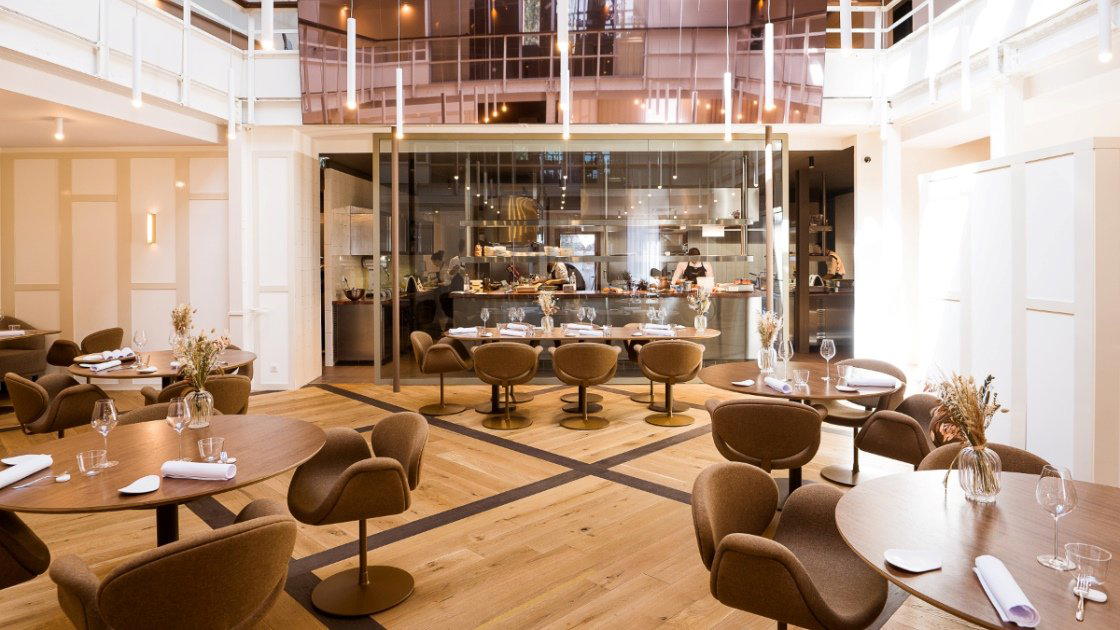
Bars in Le Donjon
Browse all →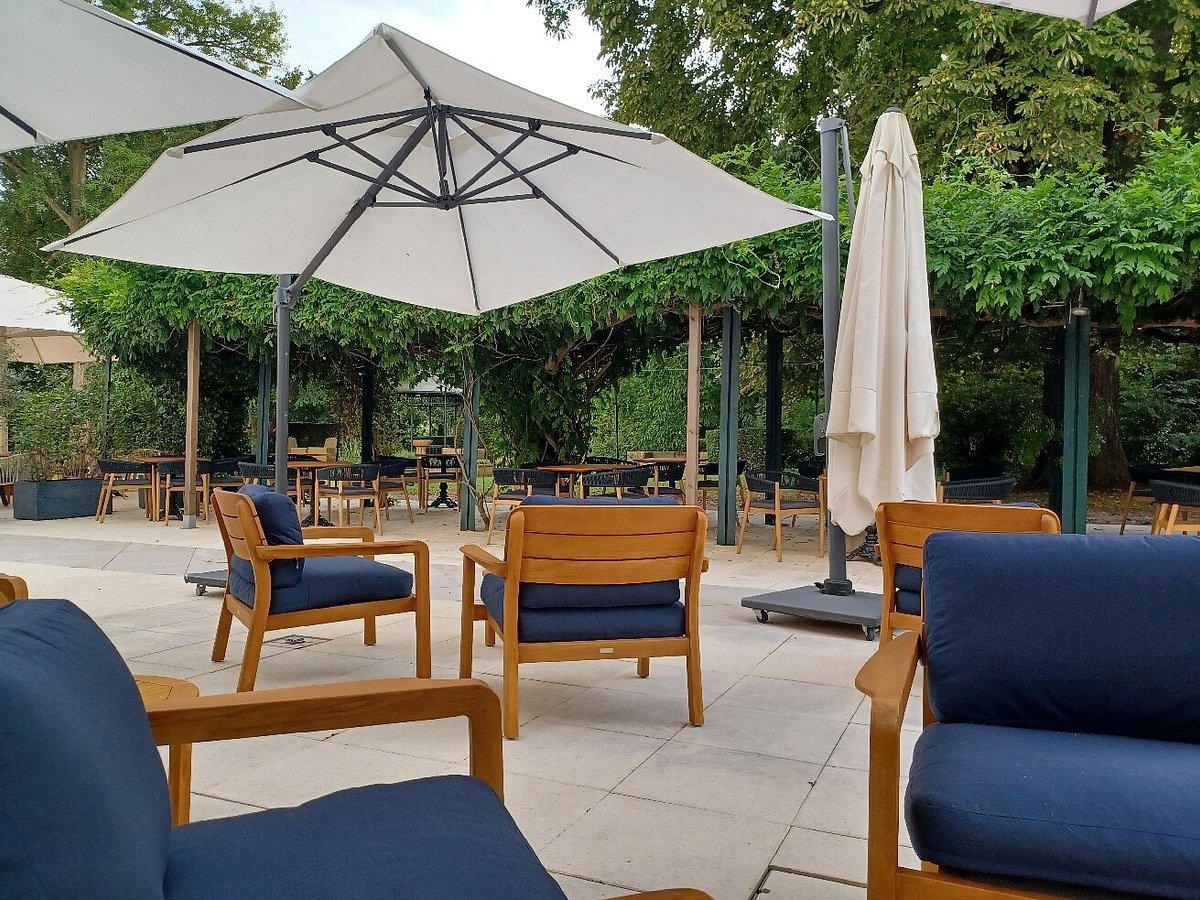
Hotels in Le Donjon
Browse all →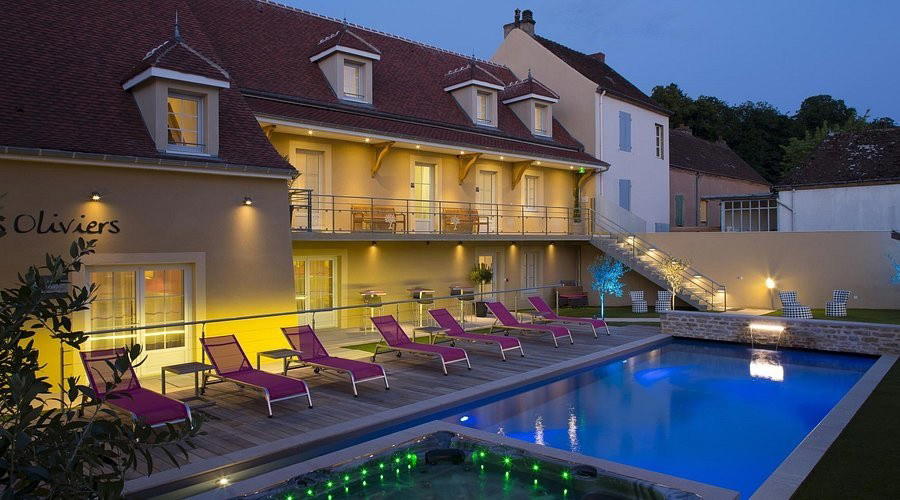
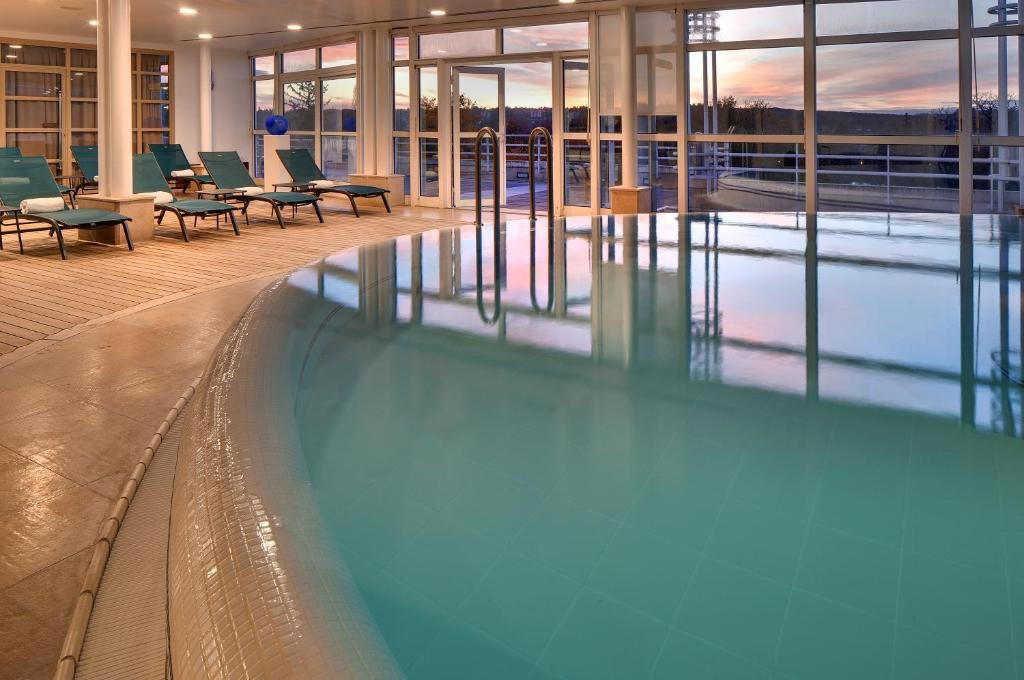
Wineries in Le Donjon
Browse all →
Details
- Rustic
- Cozy
- Classic
- Casual Hangout
- Family
- Terrace
- Historic Building
- Street Scene
- A La Carte
Current opening hours
- Monday
- 7 AM–5 PM
- Tuesday
- 7 AM–5 PM
- Wednesday
- 7 AM–5 PM
- Thursday
- 7 AM–5 PM
- Friday
- 7 AM–10 PM
- Saturday
- 7 AM–10 PM
- Sunday
- 7 AM–3 PM
Hours can change for holidays and private events. Hours as of .
Warm and relaxed atmosphere in a classified historic building with terrace views of the village.