Beau Nash
Beau Nash belongs to the Crescent Court orbit of Dallas dining, where hotel-adjacent polish meets the city’s appetite for flexible all-day drinking and eating. The useful way to read it is through context: Uptown has become a zone where sourcing language, service rhythm, and room energy matter as much as cuisine labels.
Pearl is the En Primeur Club membership app — saves, bookings, and concierge access live there. Same editors, same standards.
- Address
- 400 Crescent Ct, Dallas, TX 75201
- Phone
- (214) 871-3200
- Website
- crescentcourt.com
- Directions
- Get directions
 Saves & bookings on Pearl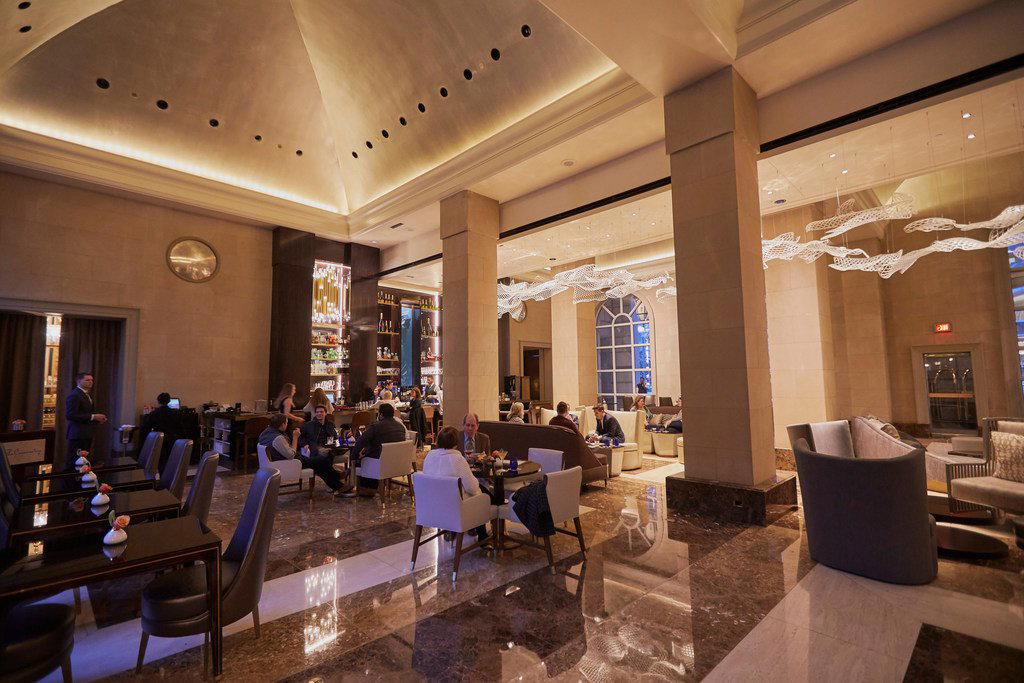
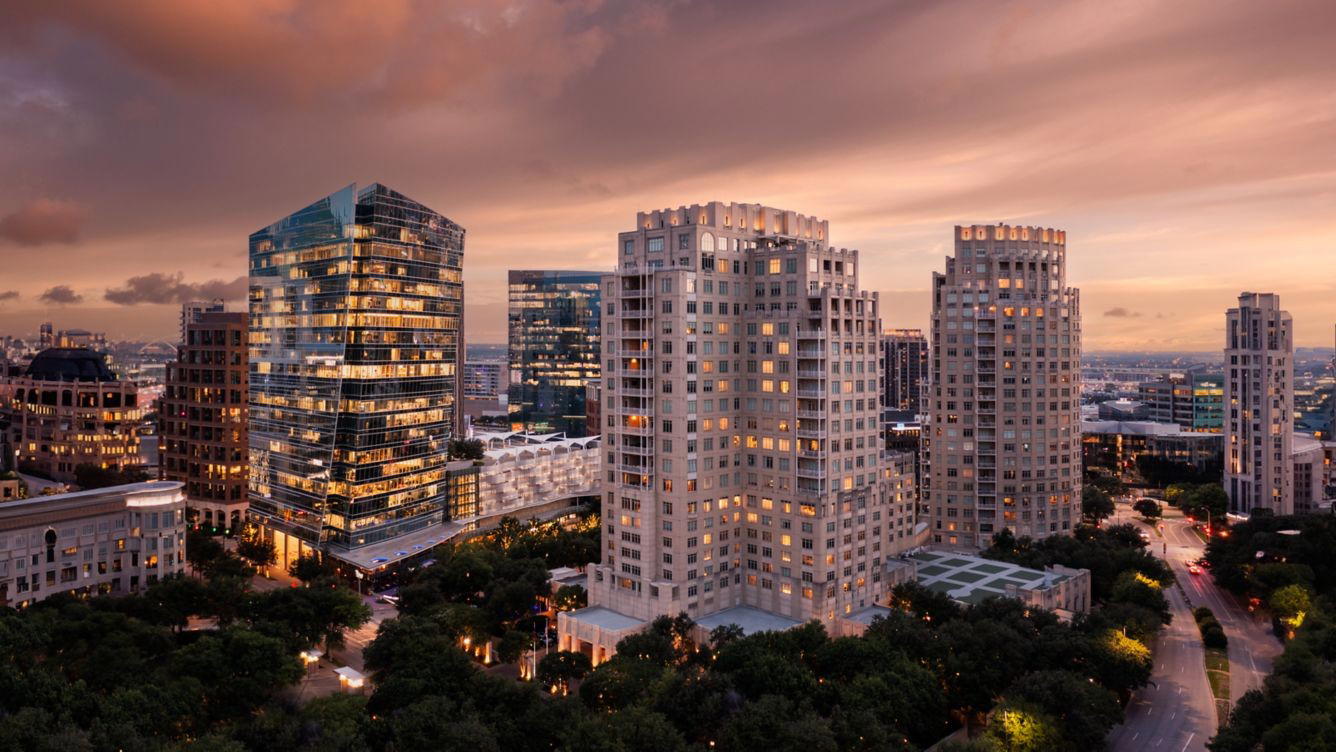
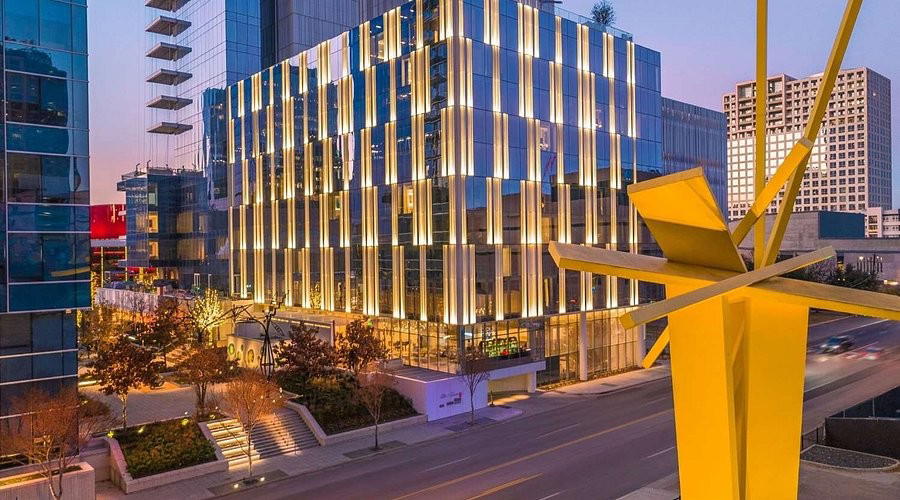
Approaching Beau Nash, the mood shifts from Dallas street grid to a more polished city setting: social traffic, business-adjacent plans, and guests moving between drinks, conversation, and dinner without changing social register. Beau Nash sits inside that Dallas environment, not as a stripped-back neighborhood counter or chef-led tasting room asking diners to study a menu before arrival; it belongs to the polished bar-and-lounge category, where the room must work for a drink, a business-adjacent bite, and a longer evening.
Dallas runs several dining identities at once: the steakhouse city, the brunch-and-cocktail circuit, the polished bar-and-lounge room, and the older European-leaning tradition visible across other Dallas dining rooms. Beau Nash reads differently from many single-purpose restaurants: its role is closer to the city’s lounge and corporate dining axis, alongside The Crescent Club, Ascension Coffee, Avra Dallas, Nobu, and The Conservatory.
Dallas lounge dining puts sourcing under pressure
In a city with strong regional supply lines, sourcing is not decorative; it shapes repeat business. Dallas diners are sharper about provenance, especially in premium settings where value should reflect more than address and glassware. In Dallas, the practical question is whether the kitchen speaks with enough clarity for the room or works as a generic luxury template movable to any city.
Beau Nash does not need to be reduced to a narrow cuisine label, so the stronger editorial reading is format rather than dish taxonomy. It operates where sourcing must be legible through produce, seafood, meat, dairy, and bar ingredients, not a chef manifesto. Dallas premium dining increasingly splits between restaurants built around a named culinary point of view and rooms designed for mixed occasions. The latter has less room for obscurity: the menu must make sense to a table with a wine drinker, a cocktail drinker, a light eater, and someone expecting a substantial plate.
Local comparisons clarify expectations. Avra Dallas and Nobu each arrive with a clearer global dining signal, telling diners in advance what kind of luxury language to expect. Beau Nash should be judged by execution within a Dallas lounge setting: ingredient clarity, temperature control, pacing, and whether social function overwhelms the plate. It belongs less to rigid destination dining than to the high-functioning lounge category, where consistency is the real test.
The room is built for Dallas timing, not a single meal slot
The format tells the story without needing to turn the room into a single-use restaurant. Beau Nash is positioned for flexible social rhythms, which places it in Dallas’s drinking-and-dining economy as much as restaurant culture, absorbing staggered arrivals: office departures, visitors, pre-dinner drinks, post-meeting conversation, and groups extending one plan into the next.
This timing separates it from narrower formats. A tasting-menu room controls the guest’s evening; a lounge-led restaurant must flex. That can be a strength when kitchen and bar standards align, and a weakness when food becomes secondary to scene. The better Dallas rooms in this lane know the plate need not announce ambition loudly. It needs clean sourcing, cooking that holds in a busy room, and service that moves between a quick drink and a longer table without changing tone.
For travelers, the setting sits comfortably within a broader Dallas plan. The city makes it easy to combine bars, restaurants, galleries, and business dinners into one evening. Readers mapping the city more broadly should compare it with our full Dallas restaurants guide, then branch into our full Dallas hotels guide, our full Dallas bars guide, our full Dallas wineries guide, and our full Dallas experiences guide for wider context.
Where it fits in a city of sharper dining categories
Dallas rewards clear category signals. A steakhouse, seafood room, sushi counter, brunch restaurant, and neighborhood dining room each tell diners what problem they solve. Beau Nash solves another: a polished Dallas setting for people wanting a flexible drinking-and-dining room without committing to a cuisine-specific night. That is useful in a city where business travel, visits, and social dining heavily overlap.
Sourcing should guide ordering more than any hunt for a named signature. In rooms like this, read the menu by ingredient category and preparation style: fresh versus heavy, regional cues versus imported luxury shorthand, bar snacks versus full plates. When a restaurant is not anchored in a tightly publicized chef narrative, evidence comes from how coherently the menu handles those choices. Dallas now has enough serious dining that vague luxury is not enough.
That conversation reaches beyond one room. Ingredient-led casual formats in other American cities, and in dining cities abroad, show how sharply a venue can define itself through format and sourcing without relying on excess explanation. Dallas’s version here is more polished and corporate, but the same standard applies: ingredients need to carry the room, not decorate it.
The verdict is measured. Beau Nash is strongest for diners wanting Dallas polish, broad timing, and a room suited to conversation before or after a larger city plan. It is less compelling for those seeking a chef-driven tasting format or tightly defined regional cuisine. Read it as a Dallas social dining address, then judge the menu by sourcing clarity and execution rather than spectacle.
At-a-Glance Comparison
Comparable venues by cuisine and price in the same metro.
| Venue | Cuisine |
|---|---|
| Avra Dallas | Greek / Mediterranean |


At a Glance
- Sophisticated
- Elegant
- Energetic
- Modern
- Well Known
- After Work
- Date Night
- Group Dining
- Late Night
- Casual Hangout
- Special Occasion
- Hotel Restaurant
- Design Destination
- Historic Building
- Extensive Wine List
- Craft Cocktails
Current opening hours
- Monday
- 3–11 PM
- Tuesday
- 3–11 PM
- Wednesday
- 3–11 PM
- Thursday
- 3–11 PM
- Friday
- 11 AM–1 AM
- Saturday
- 11 AM–1 AM
- Sunday
- 11 AM–11 PM
Hours can change for holidays and private events. Last verified .
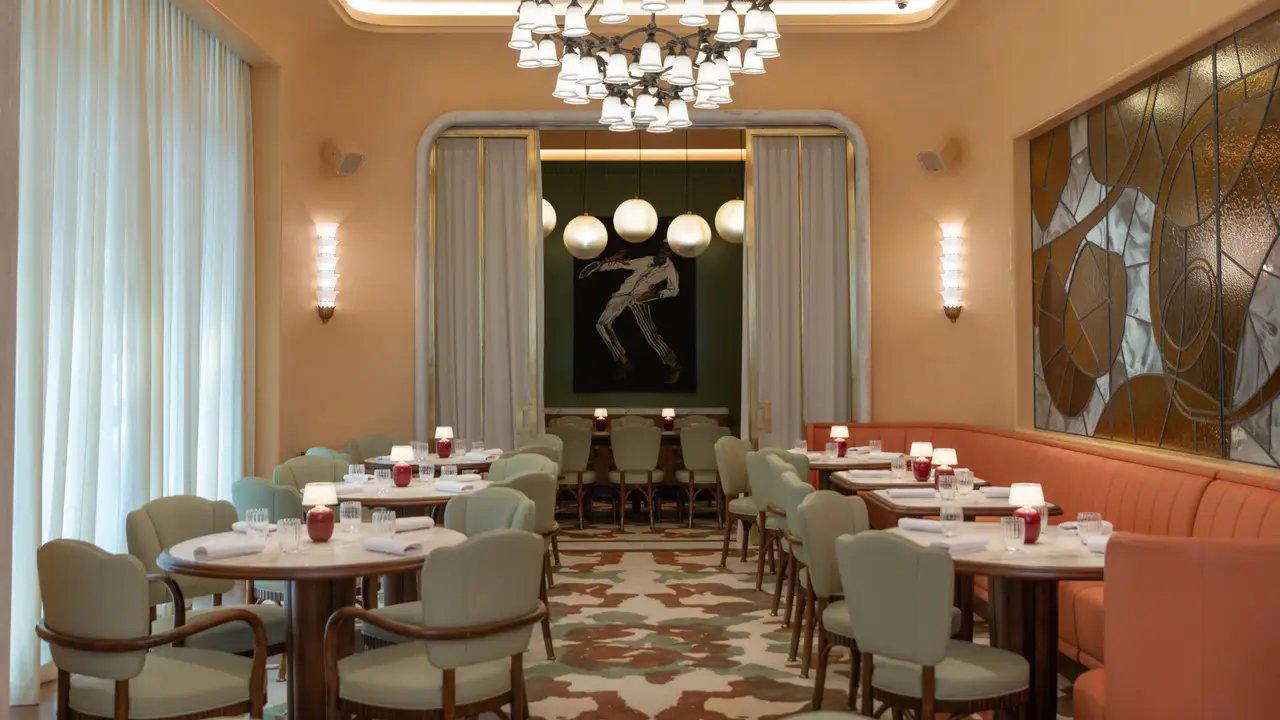
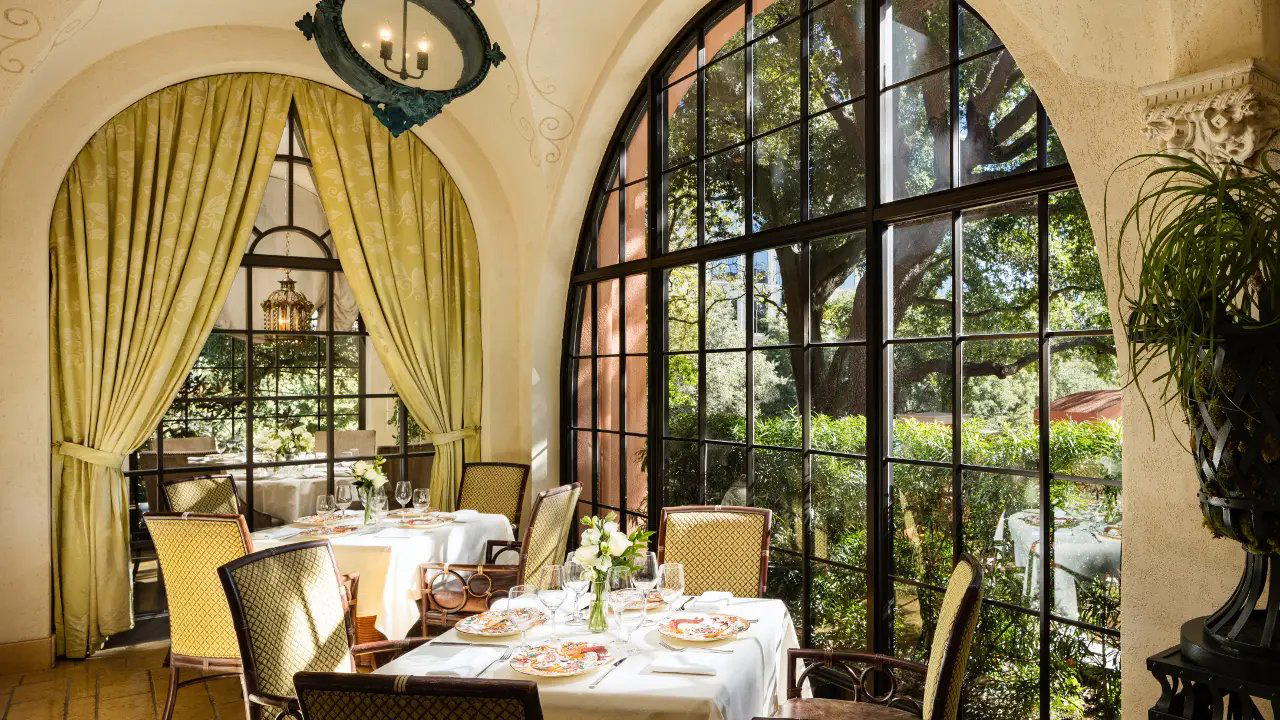
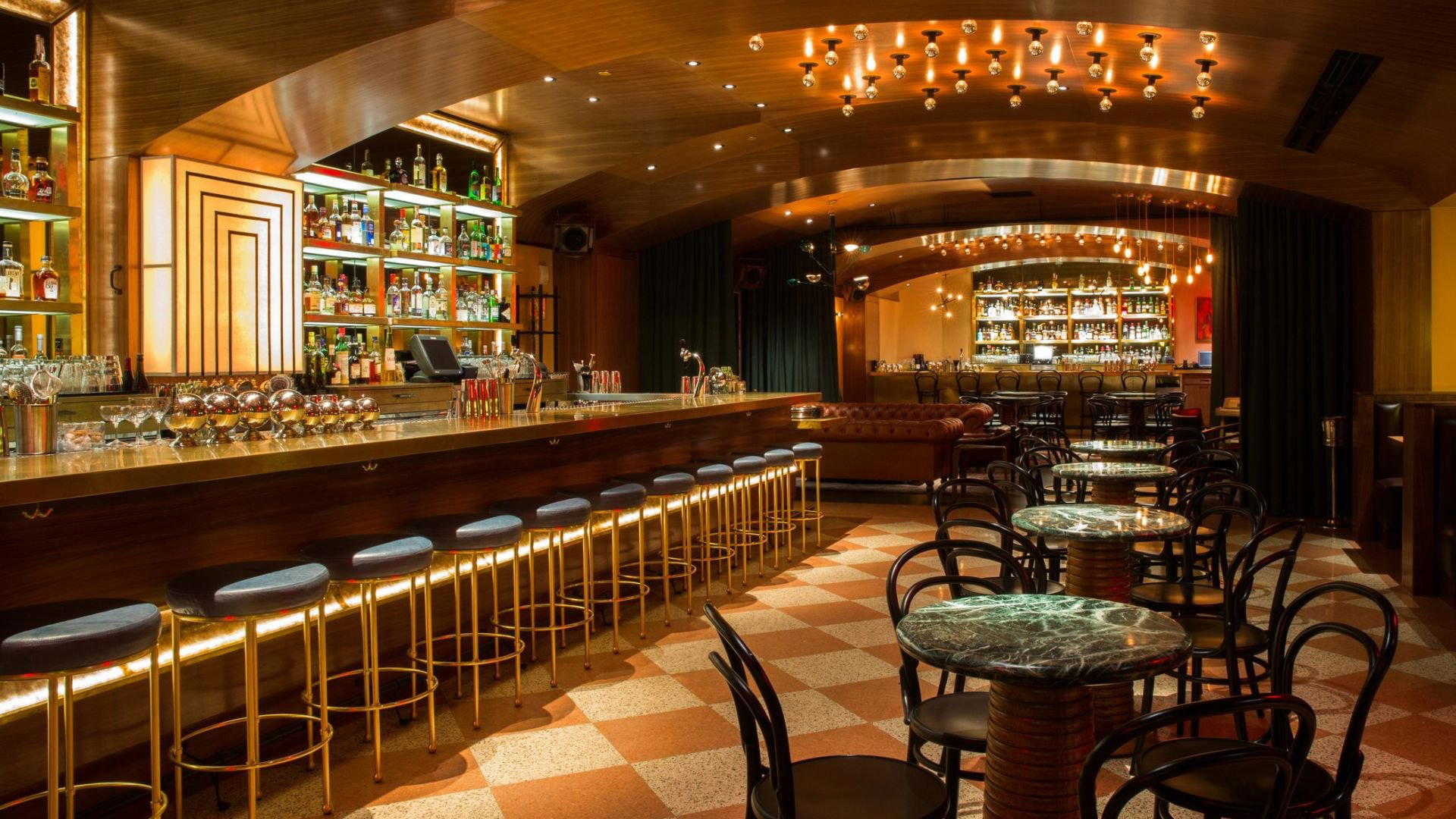
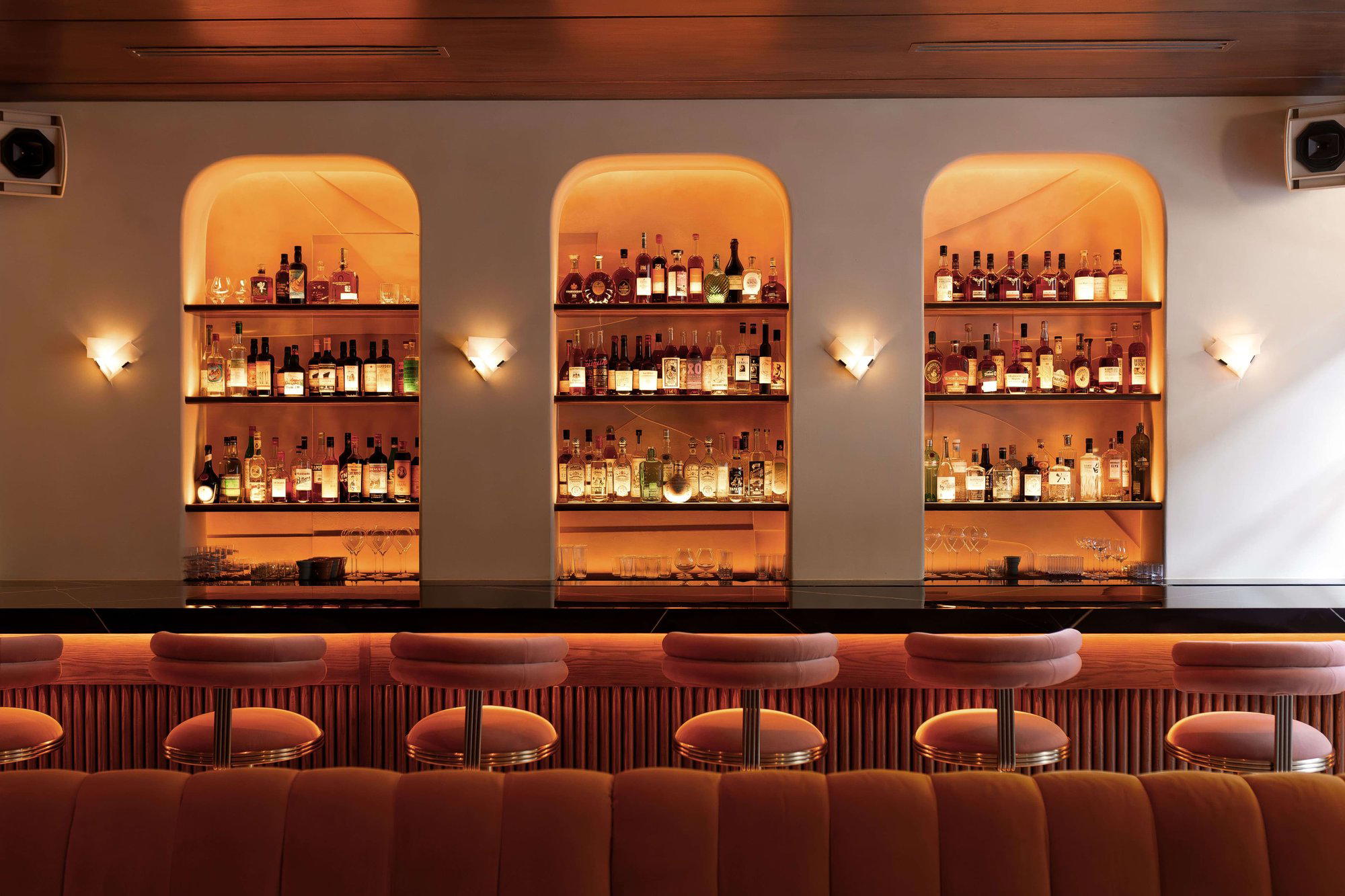
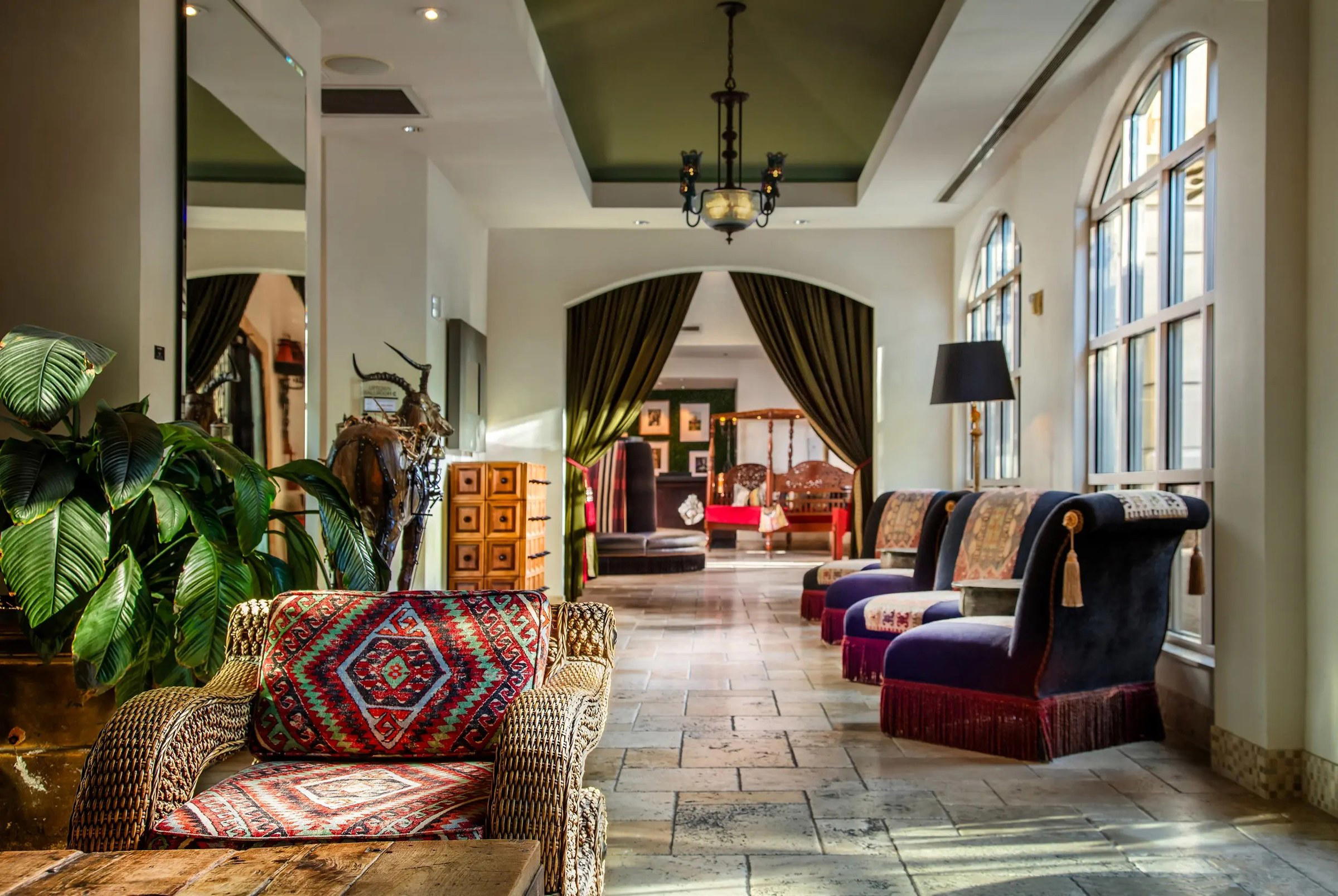
Located in the hotel’s Great Hall with soaring limestone columns and polished marble floors, the lounge feels polished and upscale yet relaxed, with an energized buzz from music, conversation, and clinking glasses late into the night.
Know Before You Go
- Reservations
- Walk in friendly
- Dress code
- Smart casual
- Getting there
- 400 Crescent Ct, Dallas, TX 75201