Our verdict
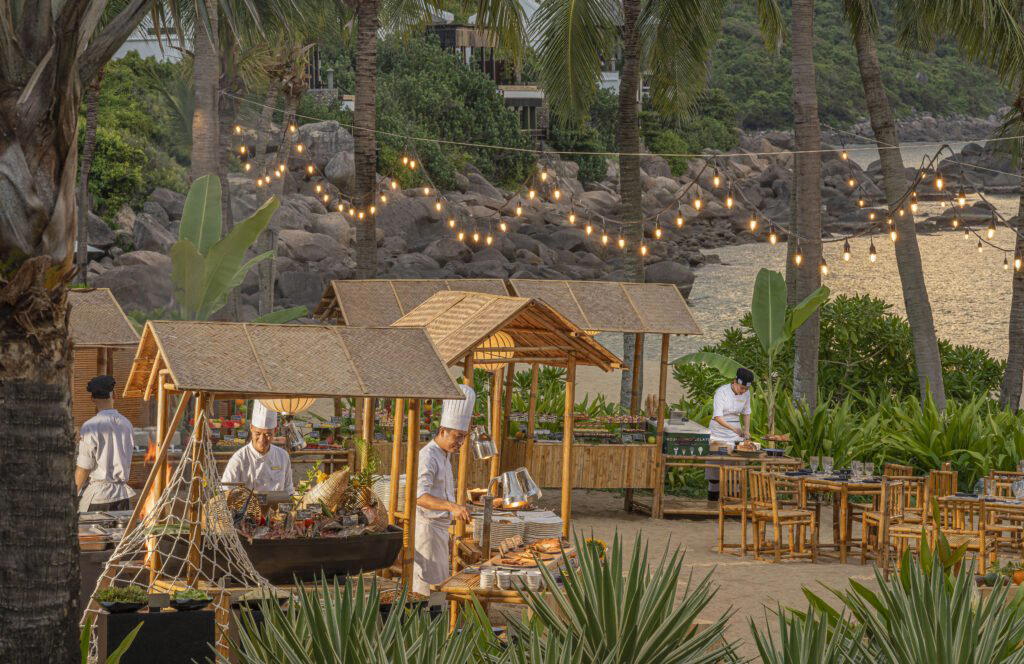
Barefoot belongs to Da Nang’s sea-facing dining conversation, where the value of a meal depends less on formality than on how closely it stays tied to the coast. With no listed awards, chef, cuisine label, or published pricing, it is better read as a setting-led option near Sơn Trà than as a credential-driven fine-dining reservation.

Pearl is the En Primeur Club membership app, where members save venues, book tables and use the concierge.
The menu
What to order
- Freshly caught seafood platters
- Grilled meats
- BBQ specialities
- Lobster
Approaching Da Nang, the city changes register. The traffic grid loosens, the coast comes forward, and the meal starts to feel less like an urban booking than a decision about tide, air, and proximity to the water. Barefoot sits in Da Nang, which matters in a city where seafood culture is not a theme but an everyday supply chain: fish markets, casual grills, resort dining rooms, and beach lounges all compete around the same basic question of freshness, handling, and setting.
Da Nang’s coastal dining range is broad. At one end are polished resort restaurants such as La Maison 1888, where the experience sits in a formal luxury bracket. At the other, places such as Năm Đảnh frame seafood through volume, local habit, and informality. Barefoot reads closer to the sea-facing middle of that spectrum: defined less by biography or ranking than by location, coastal mood, and the practical appeal of eating near the source.
Sea-level dining in Da Nang changes the sourcing conversation
Ingredient sourcing in Da Nang begins with geography. The city faces the East Sea, sits within reach of fishing communities, and has a dining culture that rewards immediacy over theatrical technique. In this context, coastal restaurants carry a different burden from inland dining rooms. They do not need to explain why seafood is central; they need to show enough restraint that the product remains the point.
That is where the Da Nang setting becomes more than scenery. A coastal table is not the same proposition as a table in the dense central grid or a resort room built around imported luxury signals. The appeal lies in the short mental distance between water and plate. For travellers, that distinction is useful: Da Nang can be read through a sequence of formats, from market-adjacent local rooms to hotel restaurants, beach clubs, and high-comfort destination dining. Barefoot belongs to the part of the map where the view and the supply logic are linked.
This is also why menu labels matter less here than they would in Tokyo, Paris, or Singapore. A missing cuisine category does not prevent the reader from understanding the likely decision set. In Da Nang, the question is whether the meal should be street-level and specific, resort-polished and international, or coastal and relaxed. For deeper local contrast, the city’s smaller food traditions are better explored through unnamed local dining rooms, where regional snacks and everyday eating carry the editorial weight.
Where it fits among Da Nang's beach and resort tables
Da Nang’s beach dining can be misleading because the same coastline serves several audiences at once. Some rooms are designed for hotel guests who want controlled service and international menus. Others trade on the informal rhythm of seafood, beer, and group ordering. A third category uses the beach as a social setting, where drinks, loungers, and sunset timing matter as much as the kitchen. Barefoot sits in that conversation rather than needing to be read only through a formal accolades circuit.
That distinction is useful when comparing it with nearby formats. Some Da Nang venues point toward the lounge-and-coast model, while others give the city another dining register away from pure seafood shorthand. Terra Mare, Tingara, and Citron belong to the same broader Da Nang resort conversation, though the meaningful comparison is not a rank order. It is format: polished dining room, hotel destination, beachfront social table, or local seafood stop.
For travellers building a Da Nang itinerary, that format choice matters more than chasing a single definitive meal. The city rewards mixing registers. A coastal lunch or dinner can sit beside a more local morning of rice cakes, noodles, or bánh mì, while a formal resort booking can be reserved for a different night. The stronger plan is not to make every meal luxurious, but to let each meal explain a different part of the city.
How to place Barefoot in a wider Vietnam itinerary
Central Vietnam has become easier to misread as a single resort corridor. Da Nang and nearby coastal stops are close enough to combine, but their dining logic differs. Some destinations lean on heritage streets and small-shop repetition, others on resort seclusion, and Da Nang on a mix of urban appetite, beach development, and quick access to the coast. A sea-level table in Da Nang therefore does a different job from an unnamed heritage-town stop or a resort meal elsewhere in central Vietnam.
The broader Vietnam comparison sharpens the point. Northern city dining often rewards density and specialization. Southern city dining has a wider international restaurant spread. Coastal destinations pull in another direction, from seafood-focused resort tables to casual rooms shaped by beach demand. Da Nang’s advantage is that it can combine beach access with a working-city appetite.
For planning beyond the table, use the city as a cluster rather than a single category. Our full Da Nang restaurants guide maps the dining spread, while our full Da Nang hotels guide, our full Da Nang bars guide, our full Da Nang wineries guide, and our full Da Nang experiences guide help separate beach convenience from city access. For readers comparing casual formats more broadly, other cities show how narrow-format dining travels differently outside Vietnam.
Frequently asked questions
What's the address for Barefoot?
Barefoot is located in Da Nang.
How hard is it to get a table at Barefoot?
Barefoot’s Da Nang location places it in a destination dining context rather than a casual city-center stop. That usually means timing matters more than spontaneity, especially around beach and resort demand in Da Nang.
What's Barefoot best at?
Barefoot’s main asset is the setting: a coastal table in Da Nang. With no cuisine type or chef listed in the public record, the clearest case for going is the coastal location itself. Check the venue's official channels for the latest details.
Can Barefoot adjust for dietary needs?
Those details are not published. For dietary needs, the practical approach is to confirm them in advance with the restaurant in Da Nang. Check the venue's official channels for the latest details.
Comparable Spots, Quickly
Nearby venues at a similar price tier for orientation.
| Venue | Cuisine | Price | Awards | Notes |
|---|---|---|---|---|
| BarefootThis venue (the venue you are viewing) | Beachfront seafood & grill | $50–100 | Not listed | Not listed |
| Terra Mare | Modern Coastal Italian | Not listed | Not listed | Not listed |
| Tingara | Modern Japanese Omakase and Teppanyaki | Not listed | Not listed | Not listed |
| Citron | Upscale Vietnamese with Champagne Brunch & Afternoon Tea | $50–100 | Not listed | Not listed |
| La Maison 1888 | Michelin-Starred French Contemporary | $150–200 | 1 Michelin Star · La Liste Top Restaurants | French Contemporary, ₫₫₫₫ |
| Năm Đảnh | Fresh Local Vietnamese Seafood | $1–10 | Michelin Plate | Seafood, ₫₫ |
Continue exploring
More in Da Nang
Restaurants in Da Nang
All restaurants in Da Nang →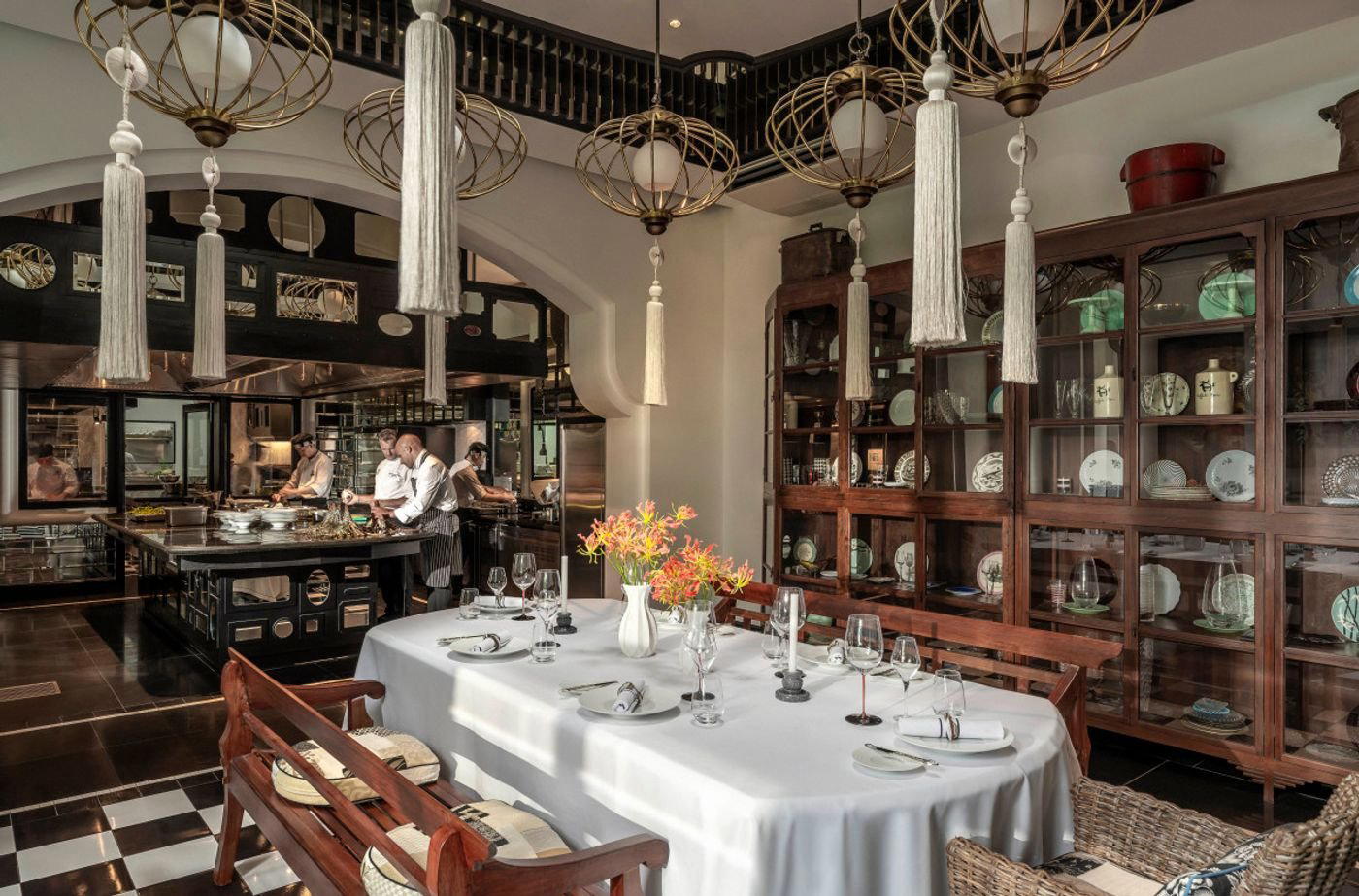
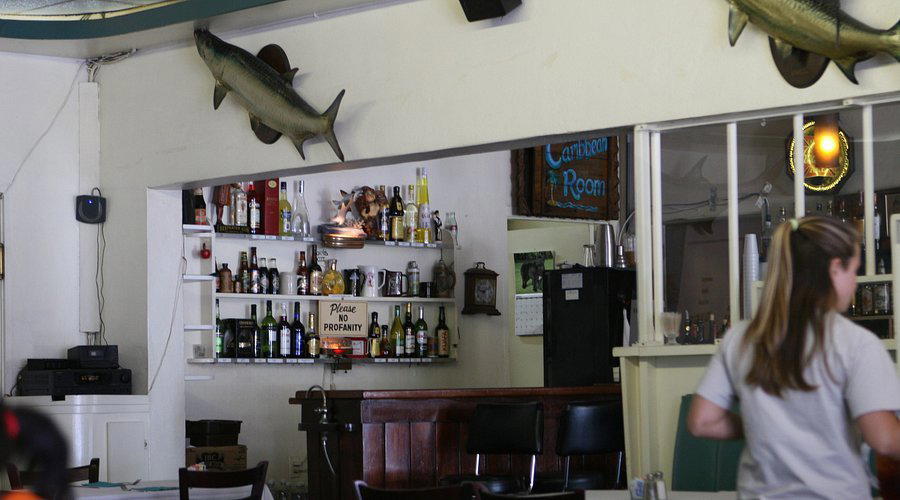
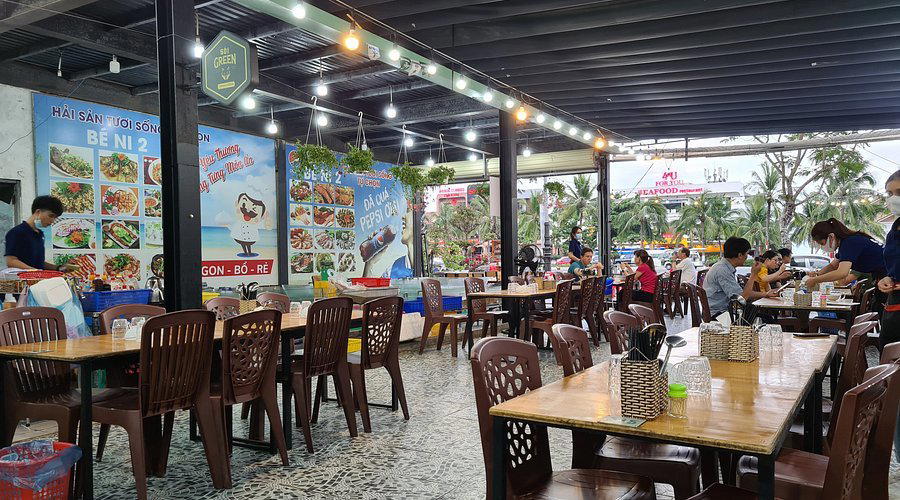
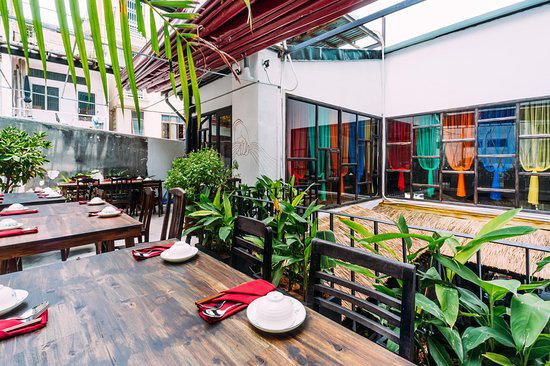
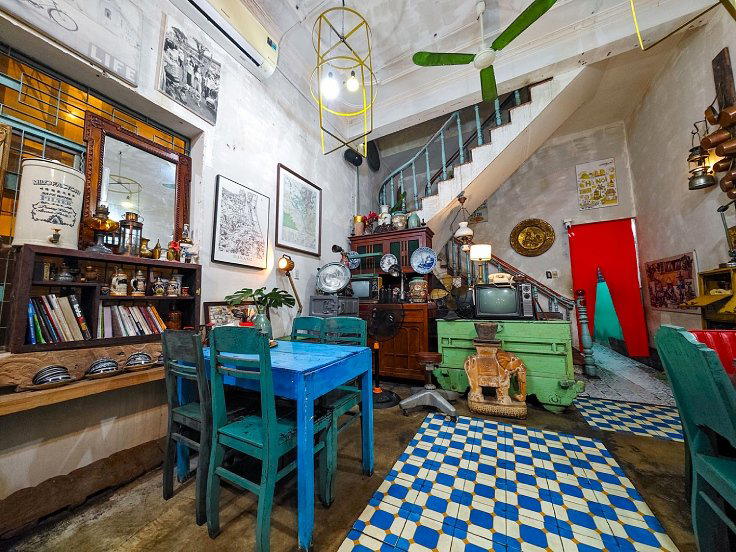
Bars in Da Nang
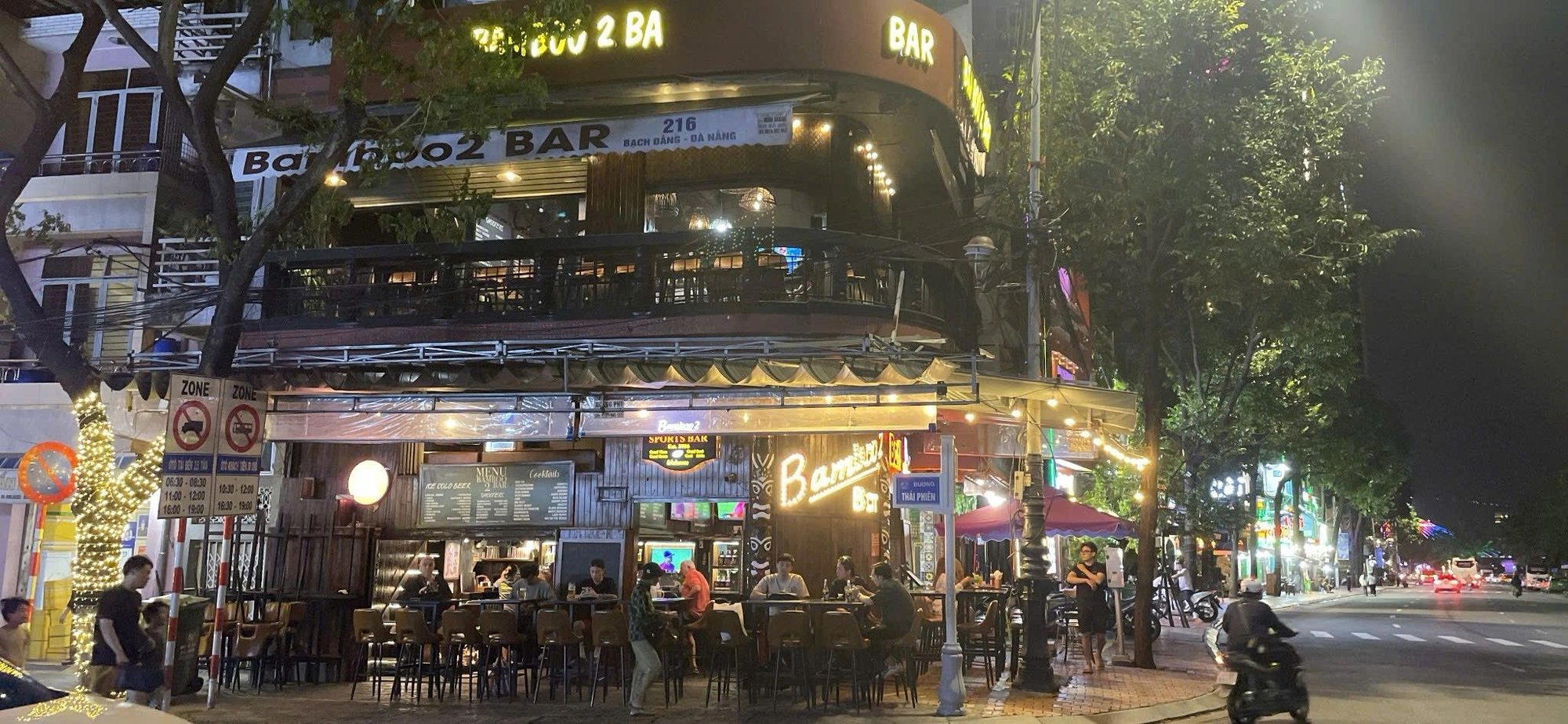
All bars in Da Nang →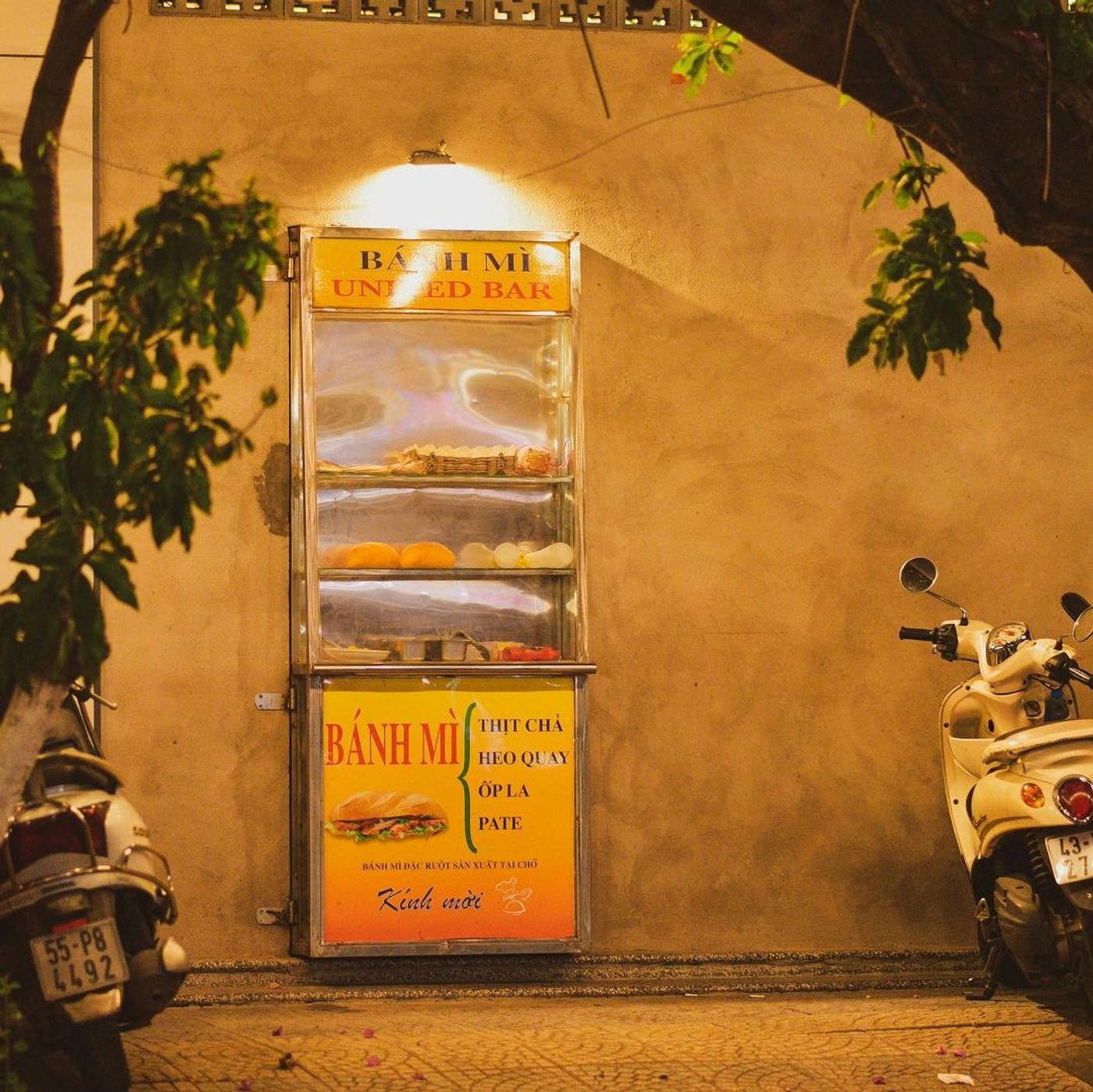
Details
- Scenic
- Romantic
- Elegant
- Relaxed
- Date Night
- Family
- Group Dining
- Celebration
- Casual Hangout
- Special Occasion
- Waterfront
- Terrace
- Panoramic View
- Hotel Restaurant
- Craft Cocktails
- Beer Program
- Sustainable Seafood
- Local Sourcing
- Waterfront
- A La Carte
- Cocktails
- Beer
- Wine
- Vegetarian Friendly
- Pescatarian Friendly
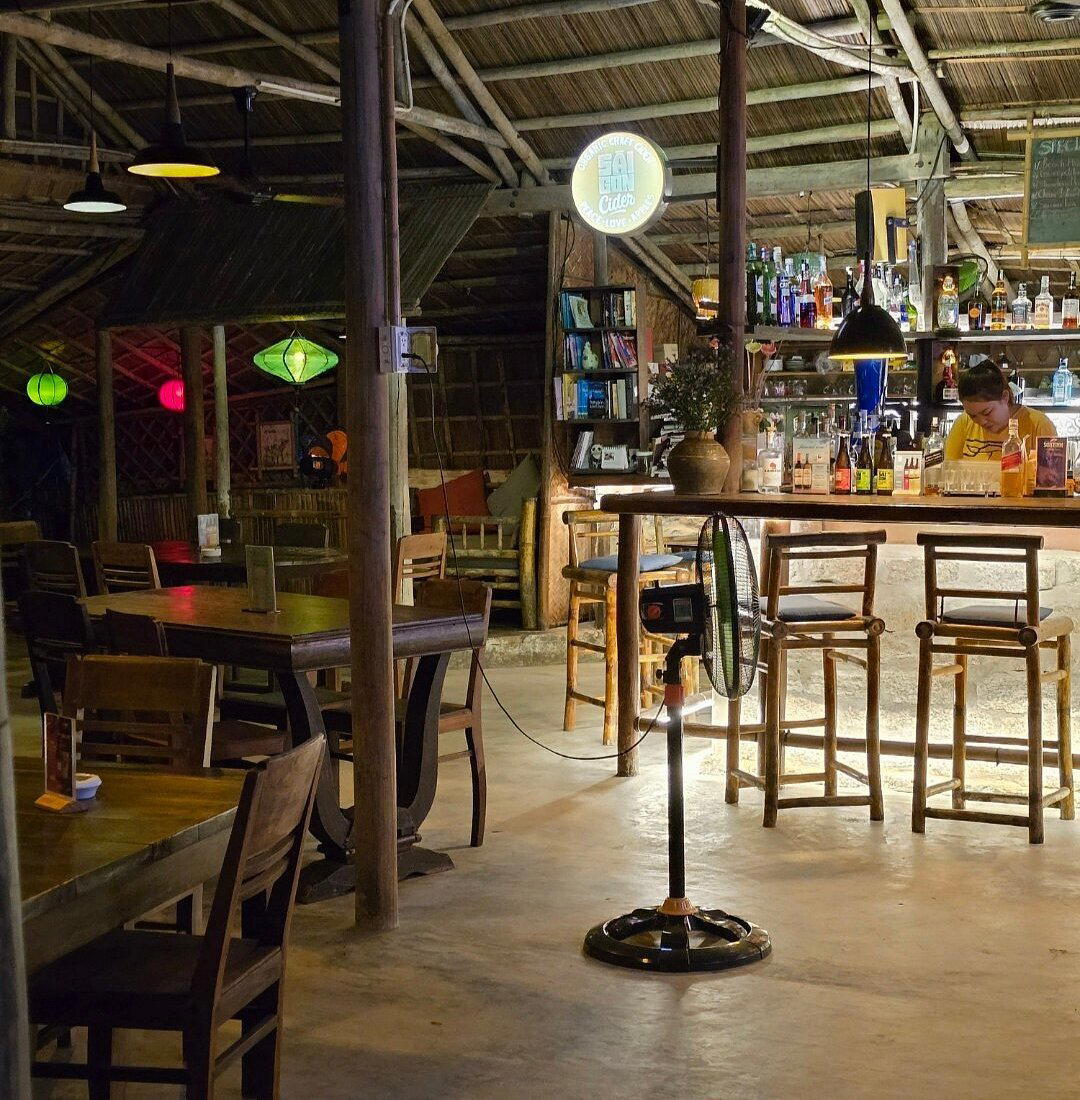
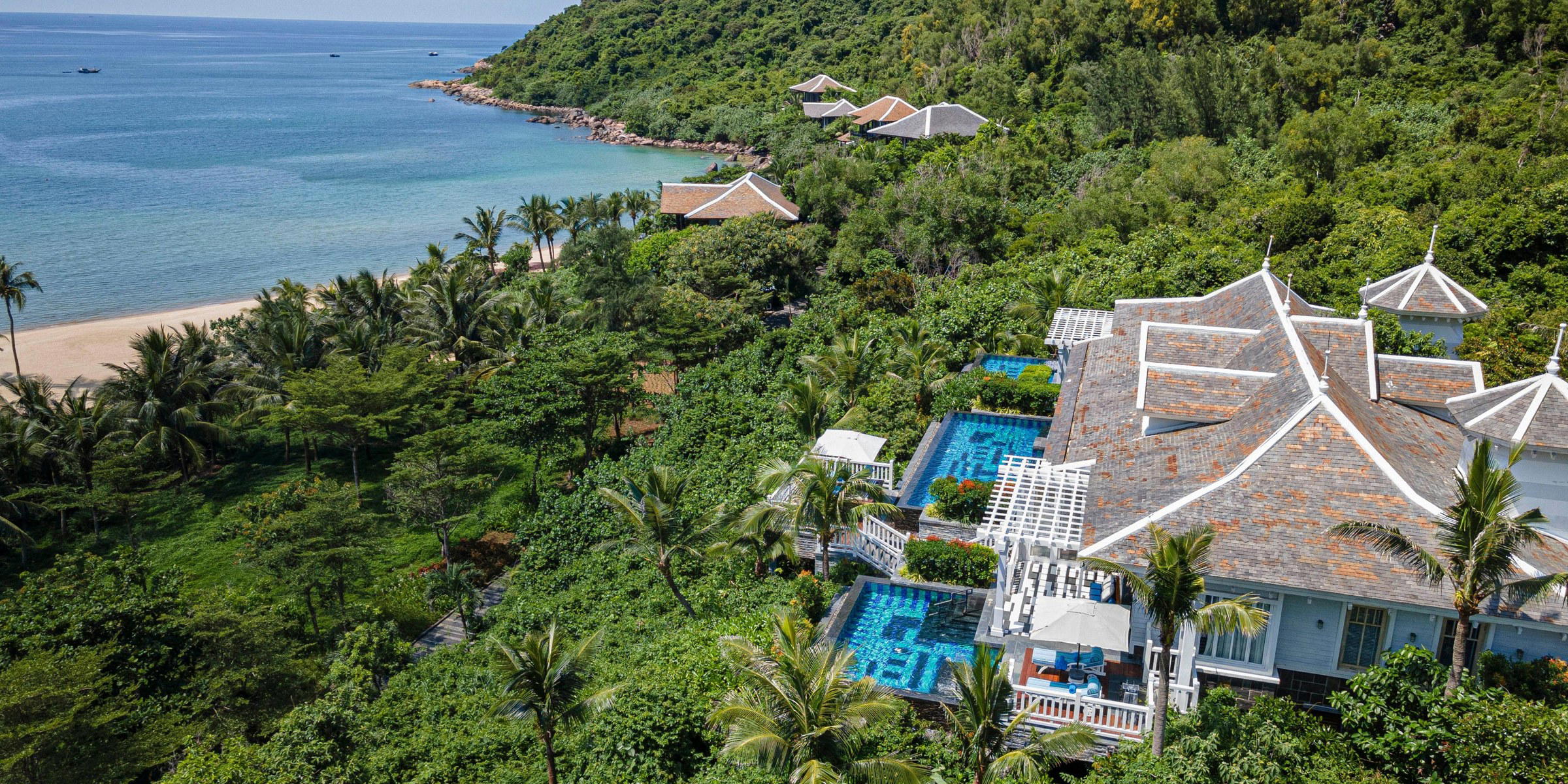
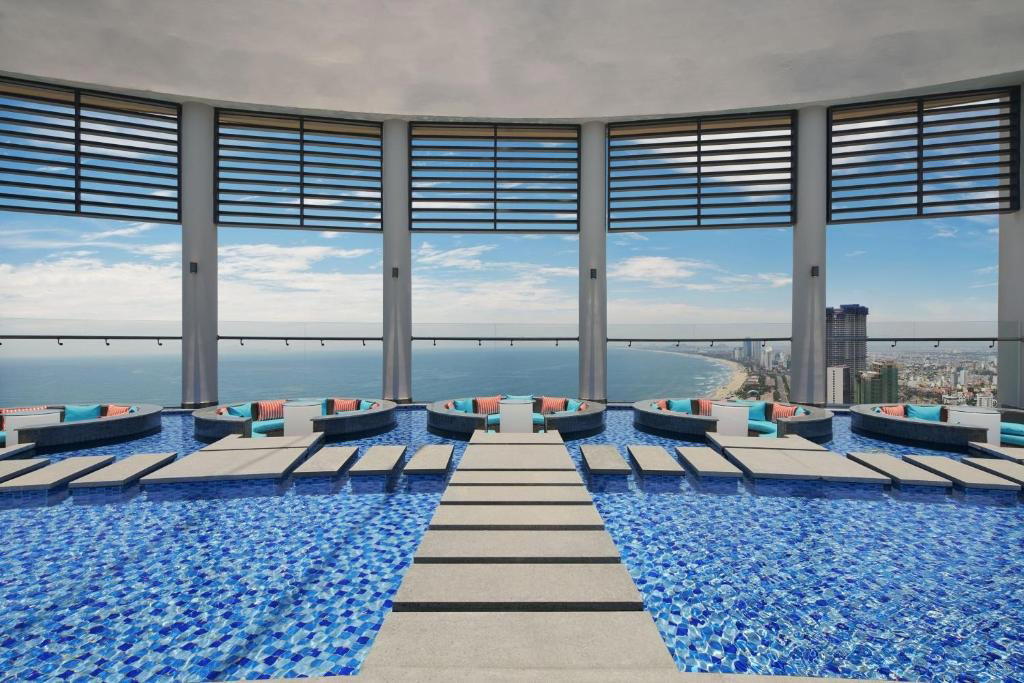
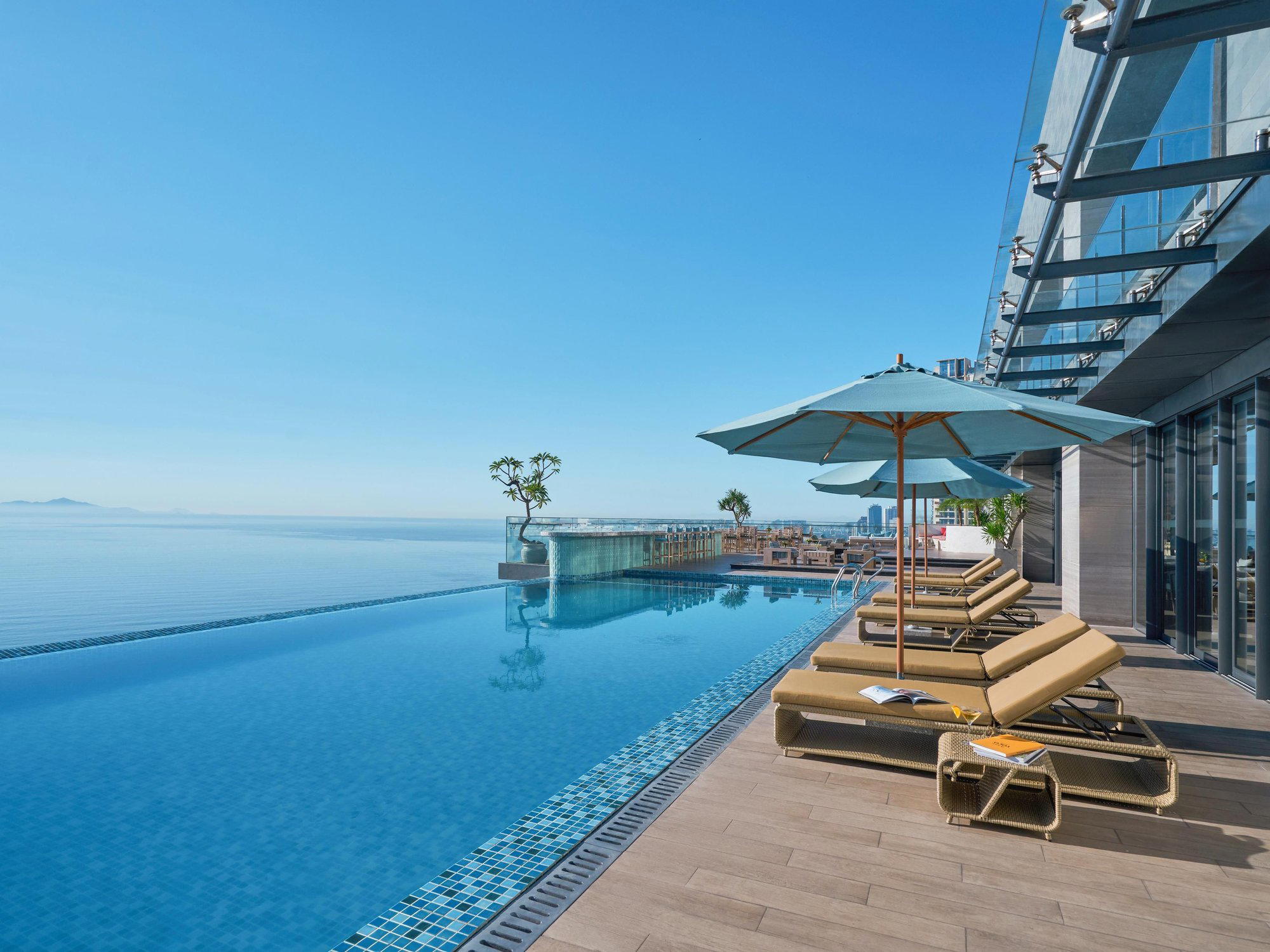
Relaxed but upscale beachfront atmosphere, with open-air seating steps from the sea, casual resort energy, and a focus on sunset dining by the water.