Bait Al Hanine
Our verdict
Bait Al Hanine belongs to Abu Dhabi’s inland dining map rather than its hotel-restaurant circuit, with Al Wathbah’s farms, desert roads, and family compounds shaping the way the meal is understood. The appeal is less about trophy dining and more about reading Emirati hospitality through place, sourcing, and the city’s movement beyond the Corniche.

Pearl is the En Primeur Club membership app, where members save venues, book tables and use the concierge.
The menu
What to order
- Charcoal kebabs
- Saj bread
- Emirati breakfast specials
- Freshly baked bread and pastries
The drive through Abu Dhabi changes the terms of dining in the capital. Glass towers fall away, traffic thins, and the city begins to read as a chain of farms, compounds, date palms, camel routes, and desert-edge settlements. Bait Al Hanine sits in that broader local register, where the question is not how a room competes with the capital’s hotel dining rooms, but how it connects a meal to the food culture that existed before the city became an international restaurant market.
That distinction matters in Abu Dhabi, a city where premium dining often clusters around resort addresses, waterfront developments, and imported chef formats. The more locally rooted restaurants operate differently. They make more sense against the rhythms of family meals, regional produce, and the Emirati habit of hospitality built around generosity rather than theatrical plating. In that context, Bait Al Hanine is better approached as part of a local food conversation: where ingredients come from, how desert agriculture shapes taste, and why the setting can carry as much meaning as the menu category.
Abu Dhabi puts the meal closer to local context than to hotel dining
Ingredient sourcing in the Gulf is often misunderstood from outside the region. The desert is not an empty pantry. Dates, dairy, fish brought inland from the coast, rice, spices moving through old trade routes, and meat prepared for communal tables all form the grammar of local eating. Abu Dhabi adds another layer because parts of the emirate are associated with farms, open land, camel heritage, and weekend movement out of the city centre. A restaurant here gains context from that geography before a plate arrives.
Abu Dhabi’s restaurant scene now splits into clear lanes. Some rooms speak to the capital’s global dining appetite, while other addresses sit in familiar regional and family-led lanes, with a menu language many Gulf diners know well. Bait Al Hanine belongs to a quieter category: restaurants that make more sense through local setting than through imported format. That makes it useful for diners who want to understand the city beyond its most polished international dining rooms.
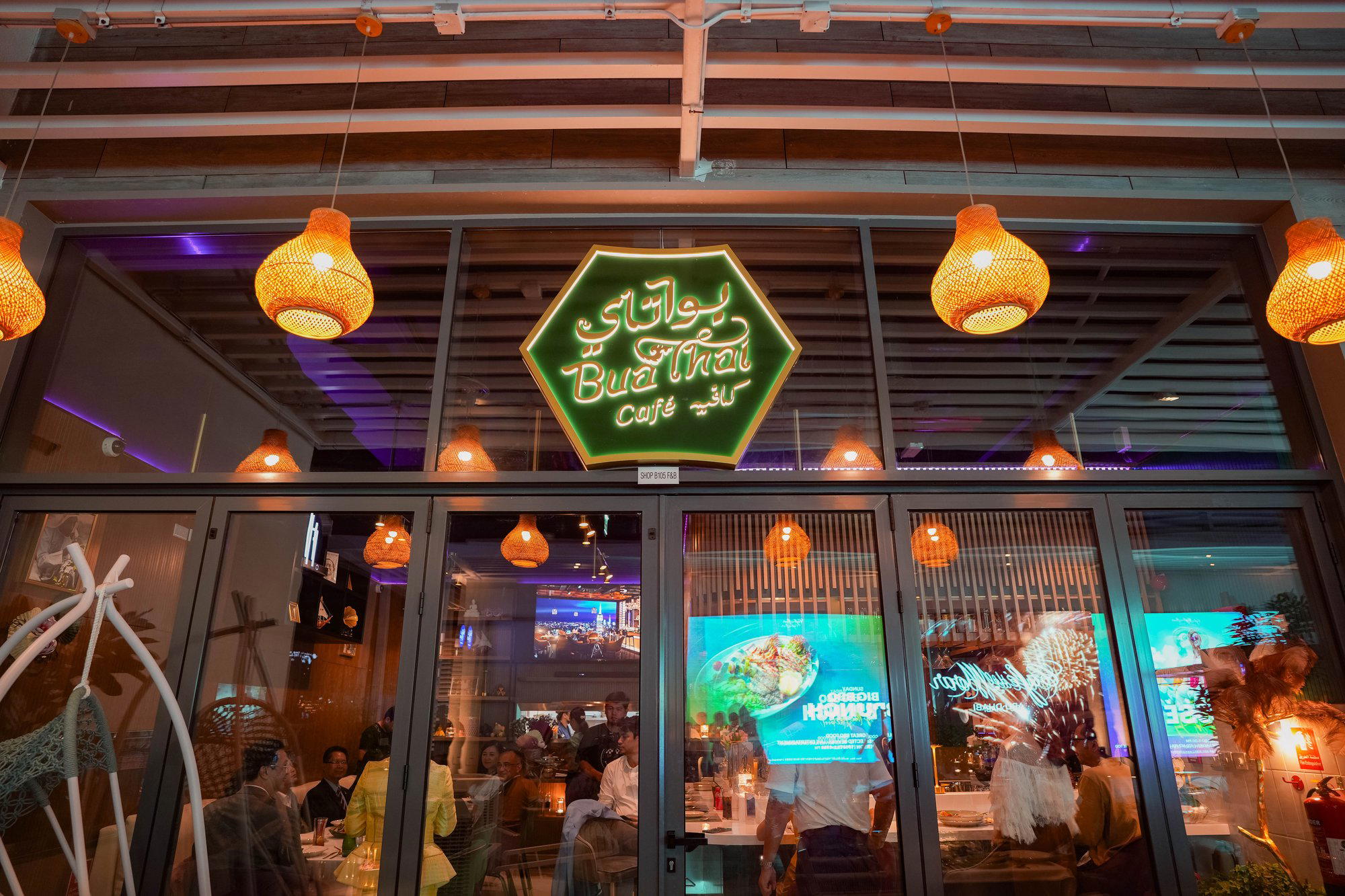
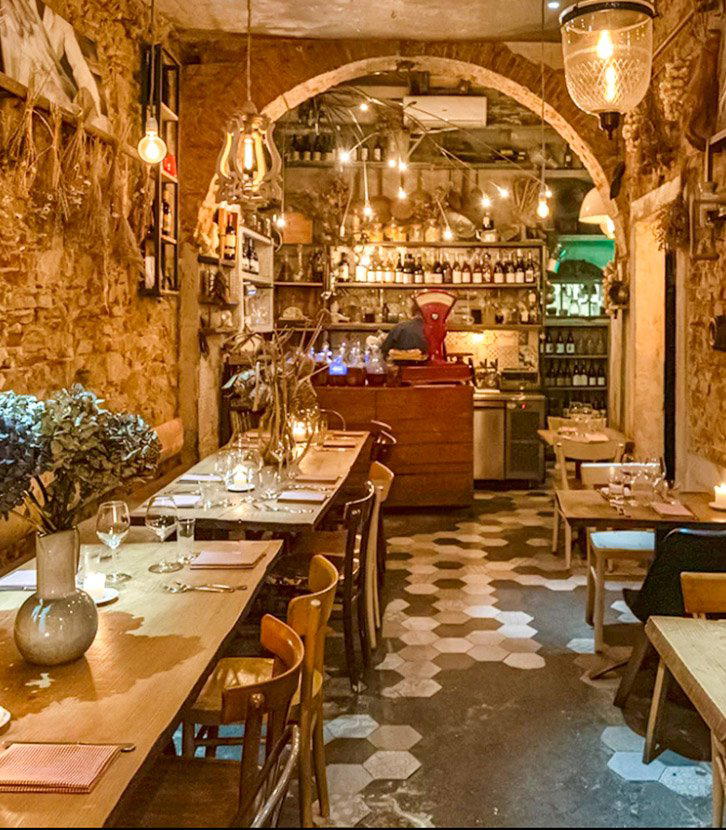
The comparison set inside Abu Dhabi is useful. Meylas, Paradiso, Terra Secca, The Maqam restaurant, and Bua Thai Cafe each occupy separate parts of the city’s casual and destination dining map. The point is not that one format replaces another; it is that Abu Dhabi increasingly rewards diners who understand where they are eating. A meal in Abu Dhabi can carry different expectations depending on whether the priority is local context, hotel polish, or a more casual city stop.
Local context is the credential here, not awards theatre
The information provided for Bait Al Hanine gives more weight to venue context than to awards theatre, and that changes how to judge it. This is not a restaurant to read through chef mythology or tasting-menu escalation. Its trust signal is contextual: city relevance, local setting, and the way it sits within Abu Dhabi’s food culture. For travellers used to ranking cities through awards alone, that may sound modest. In the Emirates, it can be the more revealing lens.
The sourcing angle also makes the restaurant part of a broader UAE pattern. Inland and heritage-coded addresses often place less emphasis on menu novelty and more on continuity: shared dishes, breads, dairy, dates, and the spice routes that tie the Gulf to nearby regions. Without overstating specific dishes, the important editorial point is that Abu Dhabi’s local food culture is not a single cuisine label. It is a layered pantry shaped by trade, coast, desert, and family hospitality.
That is why Bait Al Hanine should be grouped with the capital’s cultural dining rather than its spectacle dining. Travellers building a wider UAE itinerary can read it alongside other desert-leaning and heritage-leaning restaurants in the region. Those comparisons are about geography and cultural setting, not menu equivalence. They show how far Emirati and UAE dining stretches beyond the urban luxury circuit.
How to place it in an Abu Dhabi itinerary
The restaurant’s position in Abu Dhabi makes it a deliberate choice rather than a casual add-on between museum stops and marina drinks. It suits an itinerary that already looks beyond a single central route: desert drives, family travel, heritage-minded stops, or a day built around the wider emirate. Diners seeking polished international rooms have other options; diners trying to understand the capital’s local food geography should pay attention to this part of the map.
For a broader scan of the city, use Our full Abu Dhabi restaurants guide to separate local dining, hotel restaurants, and imported concepts. The same city works differently after dinner: Our full Abu Dhabi bars guide is more useful for waterfront and hotel-led drinking, while Our full Abu Dhabi hotels guide helps connect dining choices to where visitors are actually staying. For a wider trip structure, Our full Abu Dhabi experiences guide and Our full Abu Dhabi wineries guide map the city beyond restaurants.
The broader regional list also shows how eclectic the platform has become, from hotel dining in Dubai to restaurants elsewhere in Abu Dhabi, and even far outside the UAE with casual and bar-led formats in other cities. Against that spread, Bait Al Hanine’s value is specific: it anchors the reader back in Abu Dhabi, where food is tied to place before it is tied to trend.
Frequently asked questions
How do I find Bait Al Hanine?
Bait Al Hanine is located in Abu Dhabi.
How hard is it to get a table at Bait Al Hanine?
Planning a table at Bait Al Hanine depends on arranging details directly with the venue in Abu Dhabi. Treat it as a deliberate dining stop rather than an impulse visit, and check the venue's official channels for the latest details.
What has Bait Al Hanine built its reputation on?
Its reputation rests on local context in Abu Dhabi and the way the venue is positioned within the city’s dining landscape. That gives it weight as a place tied to its setting rather than only to formal accolades. Check the venue's official channels for the latest details.
How does Bait Al Hanine handle allergies?
Allergy handling should be discussed directly with the staff on site, especially because those details are not published. The practical approach is to flag requirements before ordering. Check the venue's official channels for the latest details.
Is Bait Al Hanine a family-friendly restaurant?
Its Abu Dhabi location can work for family dining, especially for groups planning a slower meal rather than a quick city-center stop. Check the venue's official channels for the latest details before planning around a visit.
Comparable Spots, Quickly
Comparable venues by cuisine and price in the same metro.
| Venue | Cuisine | Price | Awards | Notes |
|---|---|---|---|---|
| Bait Al HanineThis venue (the venue you are viewing) | International, Arabic, Mediterranean | $30–50 | Not listed | Not listed |
| Terra Secca | Upscale Italian Trattoria | $50–100 | Not listed | Not listed |
| The Maqam restaurant | Emirati Cuisine | Not listed | Not listed | Not listed |
| Meylas | Modern Emirati Heritage | $20–30 | Michelin Plate | Emirati Cuisine |
| Paradiso | Mediterranean Italian | $50–100 | Michelin Plate · Wine Spectator Best of Award of Excellence | Mediterranean Cuisine |
| Bua Thai Cafe | Authentic Thai | $20–30 | Michelin Bib Gourmand | Not listed |
Continue exploring
More in Abu Dhabi
Restaurants in Abu Dhabi
All restaurants in Abu Dhabi →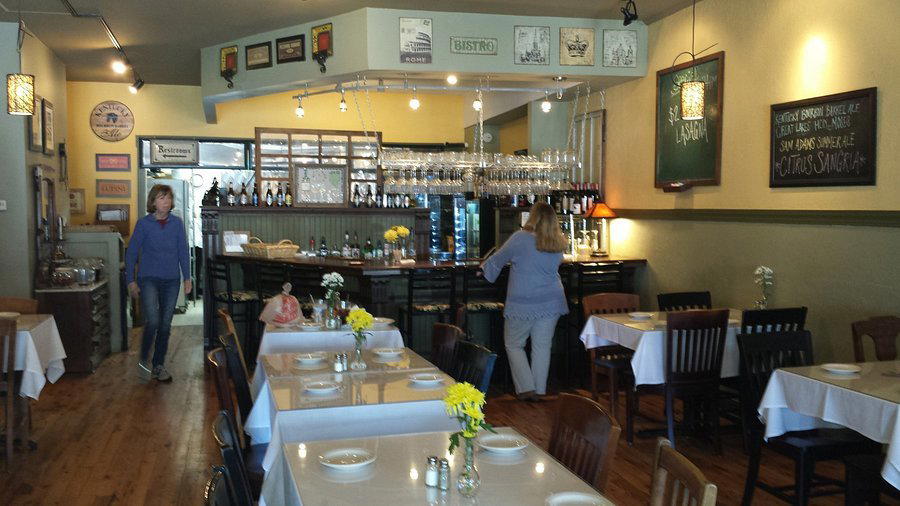
Bars in Abu Dhabi
All bars in Abu Dhabi →


Details
- Classic
- Cozy
- Elegant
- Family
- Business Dinner
- Group Dining
- Casual Hangout
- Hotel Restaurant
- Garden
- A La Carte
- Buffet
- Vegetarian Friendly
- Halal
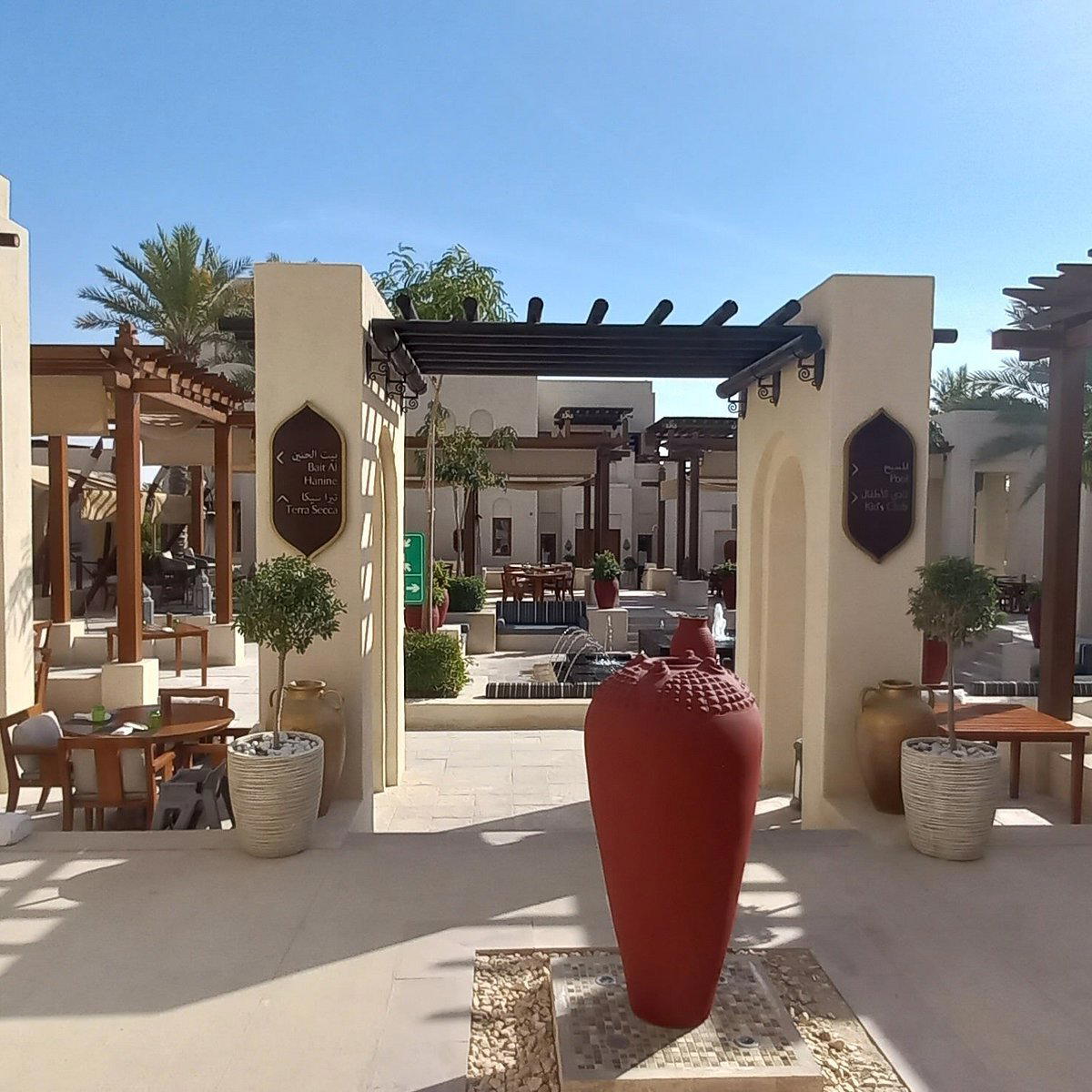
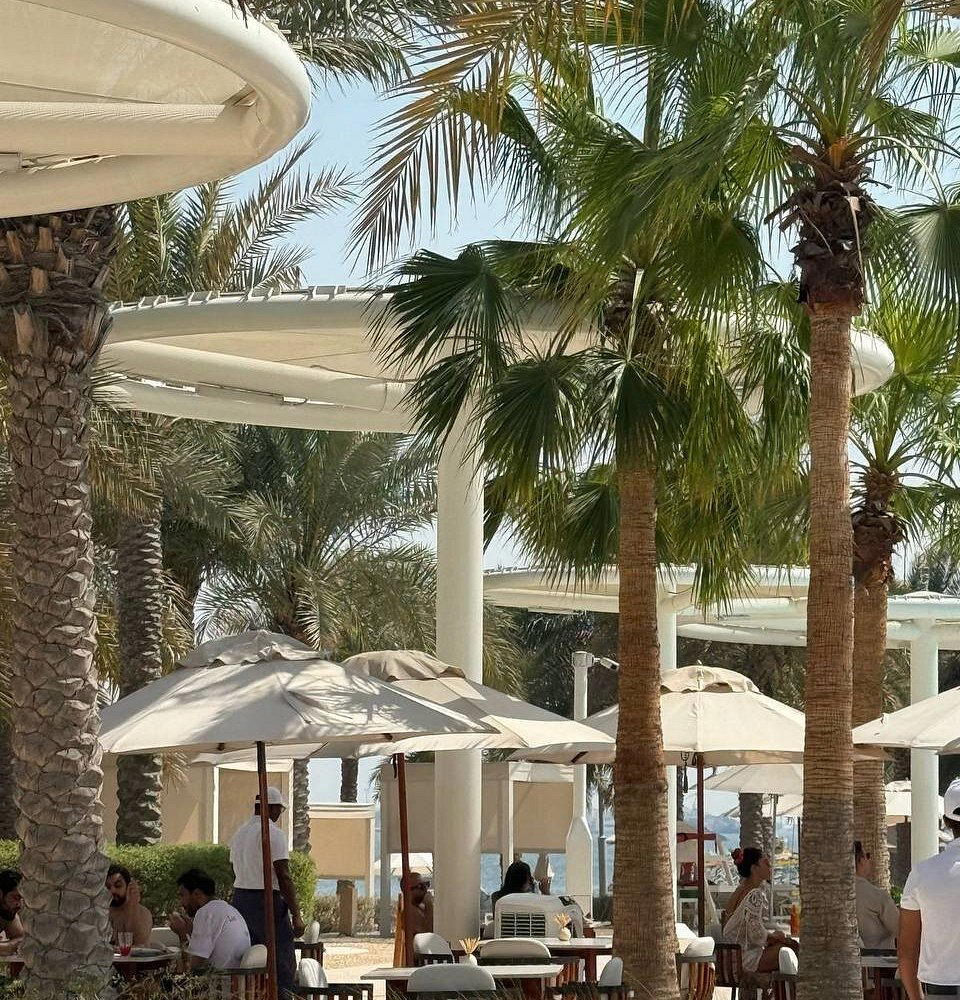
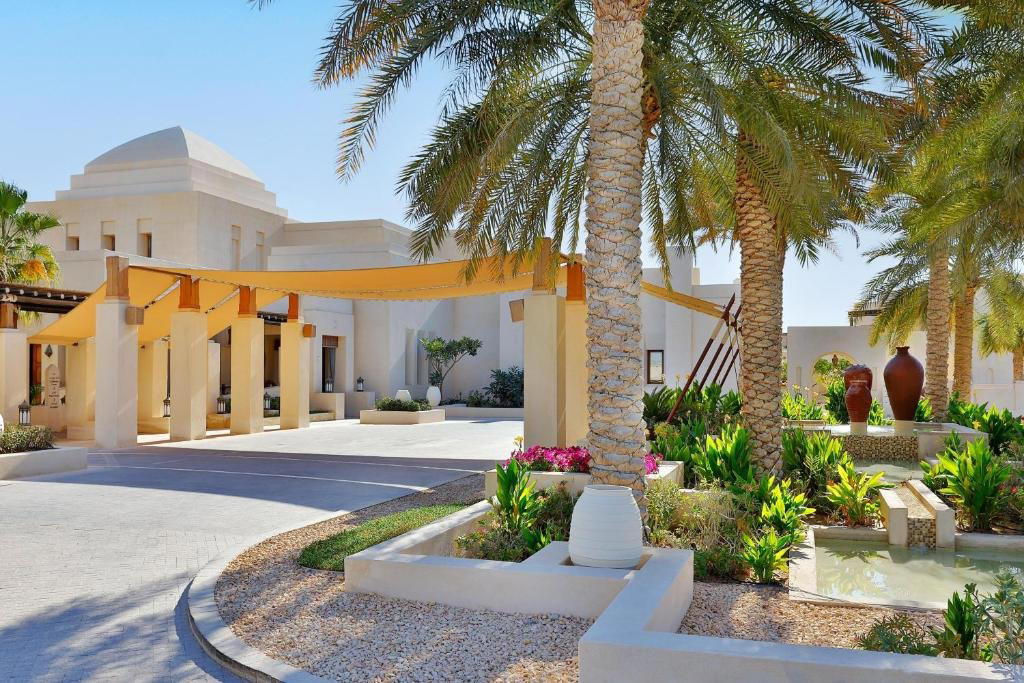
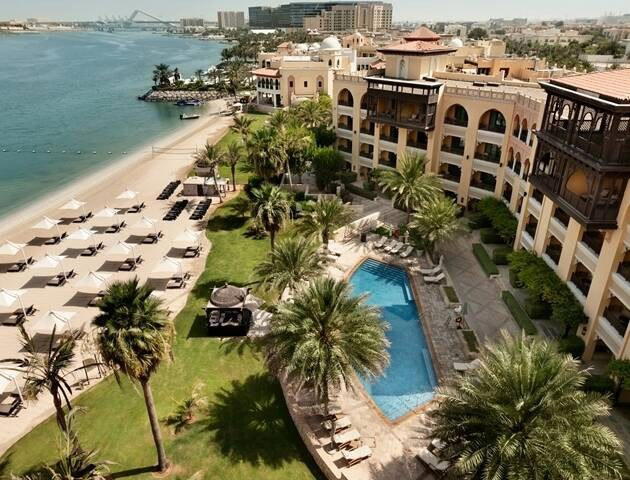
Bright and spacious with indoor and outdoor areas, a warm traditional hospitality feel, and a desert-resort setting that emphasizes comfort and an open-kitchen spectacle.