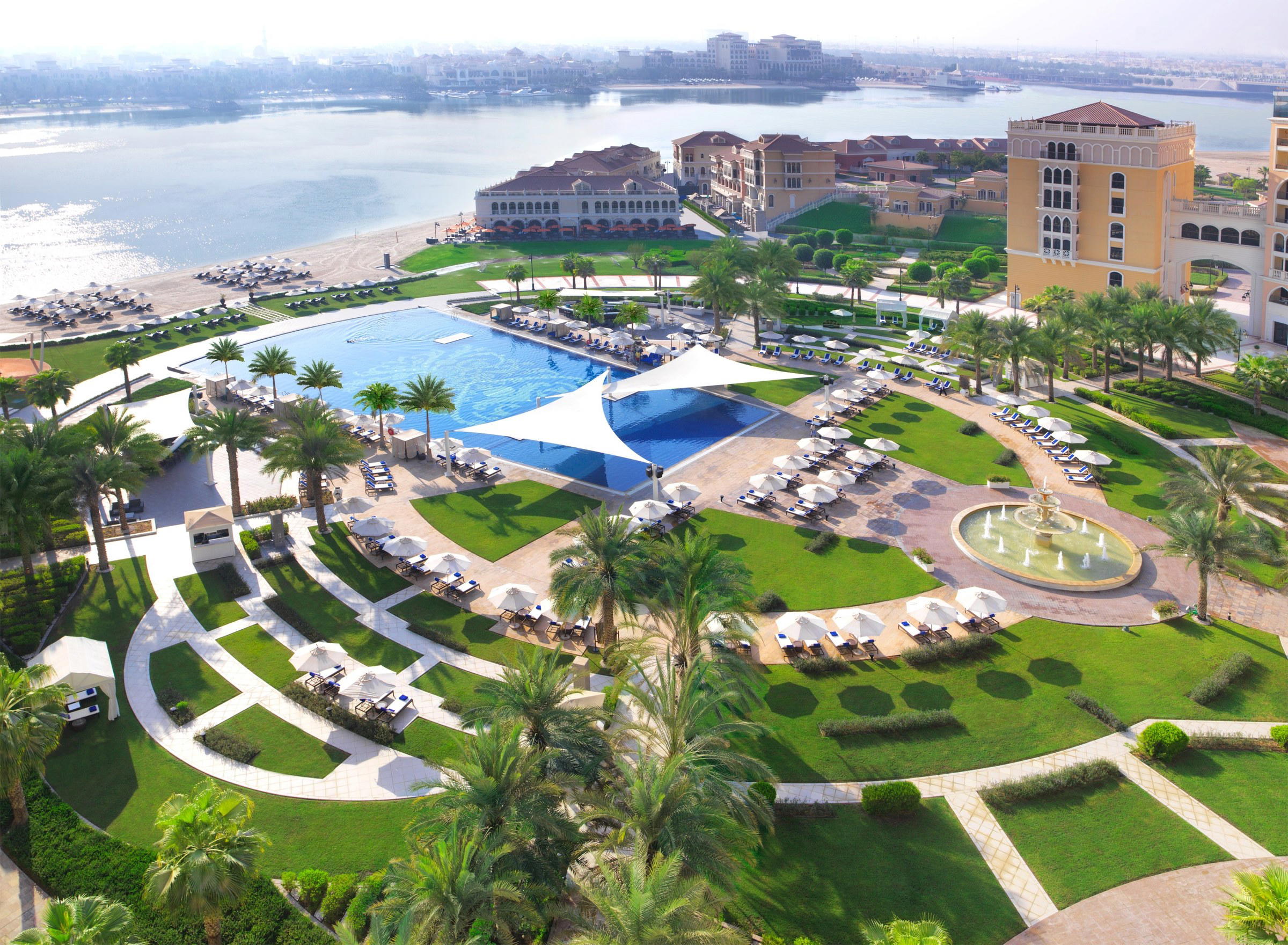
Asrah sits at Al Waryah's main pool area on this waterway, which means the setting arrives fully formed before a single drink is poured. In a city where bars frequently compete on square footage and playlist volume, this is a venue that competes on position and, more specifically, on what it puts in the glass. Abu Dhabi's bar scene has developed along two distinct tracks over the past decade. The dominant one runs through five-star hotel lobbies and beach clubs, where the back bar is largely interchangeable: standard-issue spirits brands, a cocktail list built around what's trending in Dubai, and pricing calibrated to the expense-account traveller. The narrower track belongs to venues that treat the spirits selection as the editorial voice of the room, where what's on the shelf communicates something about the operators' priorities. Asrah, by address and by feel, belongs to the second category. The Spirits Program as the Central Argument In bars where curation matters, the back bar functions as a document. The range of bottles, the depth within a category, the presence or absence of age-statement whiskies and small-batch gins, the handling of rum and mezcal beyond the obvious commercial labels: these details signal whether a program has been assembled by someone with genuine knowledge or simply restocked from a distributor's standard list. This is not an easy combination to execute. Poolside and waterfront venues in the UAE tend to default toward frozen cocktails and high-turnover volume; the economics of an outdoor setting push toward simplicity. A venue that holds a considered spirits selection against that commercial gravity is making a deliberate choice, and that choice is the primary reason to seek it out. For context on how spirits-forward programming plays across the region, the contrast with Abu Dhabi's broader offer is instructive. Bars like Al Mesayan and Al Meylas operate within similar waterfront or heritage-adjacent territory, while 18 Degrees Bar and Terrace and the Andaz Pool Deck represent the city's more design-led outdoor drinking formats. Each of these addresses is staking out a different piece of the same competitive space that Asrah inhabits. What Good Curation Looks Like in This Context Internationally, the bars that have defined serious spirits programming share a few consistent traits: they commit to depth within categories rather than breadth across them, they rotate allocations as new releases arrive, and they employ staff capable of navigating the list with guests rather than simply reciting it. The reference points for this approach in the broader Gulf and global bar world include Zuma in Dubai, where the Japanese whisky section has historically carried labels unavailable elsewhere in the market, and further afield, bars like Bar Leather Apron in Honolulu, which has built its identity almost entirely around a methodical, encyclopedic approach to spirits selection. The approach also has parallels in craft-forward American bars: Café La Trova in Miami uses Cuban-heritage spirits as its editorial spine, while Jewel of the South in New Orleans grounds its program in American whiskey and the classic cocktail canon. Superbueno in New York City demonstrates how a narrowly defined spirits focus, in that case agave, can generate significant critical attention when executed with discipline. These are different cities and different traditions, but the underlying argument is the same: a bar that knows what it is outperforms one that tries to be everything. For UAE travellers calibrating expectations against regional desert or heritage-site options, Al Liwan in the Liwa Desert and Lexington Grill and Bar in Ras al Khaimah offer useful points of comparison in terms of atmosphere and positioning outside the capital's urban core. Arriving by car is the practical choice for most visitors; the road access along Al Khaleej Al Arabi routes the approach past water on both sides. The pool area itself at Al Waryah provides the immediate context: outdoor space, proximity to the channel, and the kind of ambient backdrop that changes character substantially between afternoon and late evening. This matters for timing. A waterfront spirits bar in Abu Dhabi earns its leading hours in the window between sunset and around ten o'clock at night, when temperatures in cooler months make outdoor drinking genuinely comfortable. During summer months, from May through September, afternoon heat compresses outdoor dining and drinking into shorter windows, and evening visits shift accordingly. The seasonal logic here is similar across most of Abu Dhabi's outdoor venues, and visitors planning around the spirits program specifically should note that the Gulf's premium bar scene sees its peak footfall between October and April. For a fuller picture of where Asrah sits within Abu Dhabi's wider dining and drinking offer, the EP Club Abu Dhabi guide maps the broader range of addresses across categories and neighbourhoods. Planning Your Visit Given the venue's waterfront position and the appeal of outdoor seating during cooler months, advance enquiry through the property directly is advisable for prime evening time slots between October and March. Dress expectations at waterfront venues of this type in Abu Dhabi generally run toward smart-casual, though specific requirements should be confirmed on booking. Frequently Asked Questions What is the atmosphere like at Asrah? The pool area at Al Waryah positions the venue between the channel and an outdoor leisure space, which means the atmosphere shifts substantially with time of day. Evening visits during cooler months, roughly October through April, represent the format at its most coherent.What should I try at Asrah?Given the venue's editorial positioning around spirits curation, the back bar warrants close attention on arrival rather than defaulting to a standard cocktail order. Ask for guidance on what's been recently allocated or is available in limited quantity: at bars serious about their program, the answer to that question usually reveals more about what the venue does well than the printed menu does.What is Asrah leading at?The combination of waterfront setting and a considered spirits program is where Asrah makes its clearest argument within Abu Dhabi's bar market. Most venues in the capital's outdoor category compromise on drink quality in favour of volume and throughput; a venue at this address that holds the line on curation occupies a distinct position in that peer group.Is Asrah reservation-only?Phone and website details were not available at time of editorial review.Is Asrah good value for a bar in Abu Dhabi?As a point of context, Abu Dhabi's waterfront bar tier generally prices within a similar range to comparable Dubai addresses, and venues that invest in serious spirits programs tend to carry pricing that reflects allocation costs for premium bottles. The question of value depends substantially on what you order: a well-chosen pour from a thoughtful back bar in this setting tends to justify the waterfront premium more readily than a standard cocktail would. This geographic separation works in the venue's favour for guests seeking a less trafficked waterfront experience, though it does mean the address is less walkable from central hotel zones. Car access via Al Khaleej Al Arabi is the standard approach, and the relative remove from the hotel district gives the setting a character closer to the older, quieter quarters of the city than to its more built-up leisure strips.

Pearl is the En Primeur Club membership app — saves, bookings, and concierge access live there. Same editors, same standards.
- Address
- 9FXG+G5P - Al Muzoun - Khor Al Maqta'a - Abu Dhabi - United Arab Emirates
- Phone
- +971 2 497 5831
- Hours
- Daily 8 AM–8 PM
- Website
- erth.ae
- Directions
- Get directions
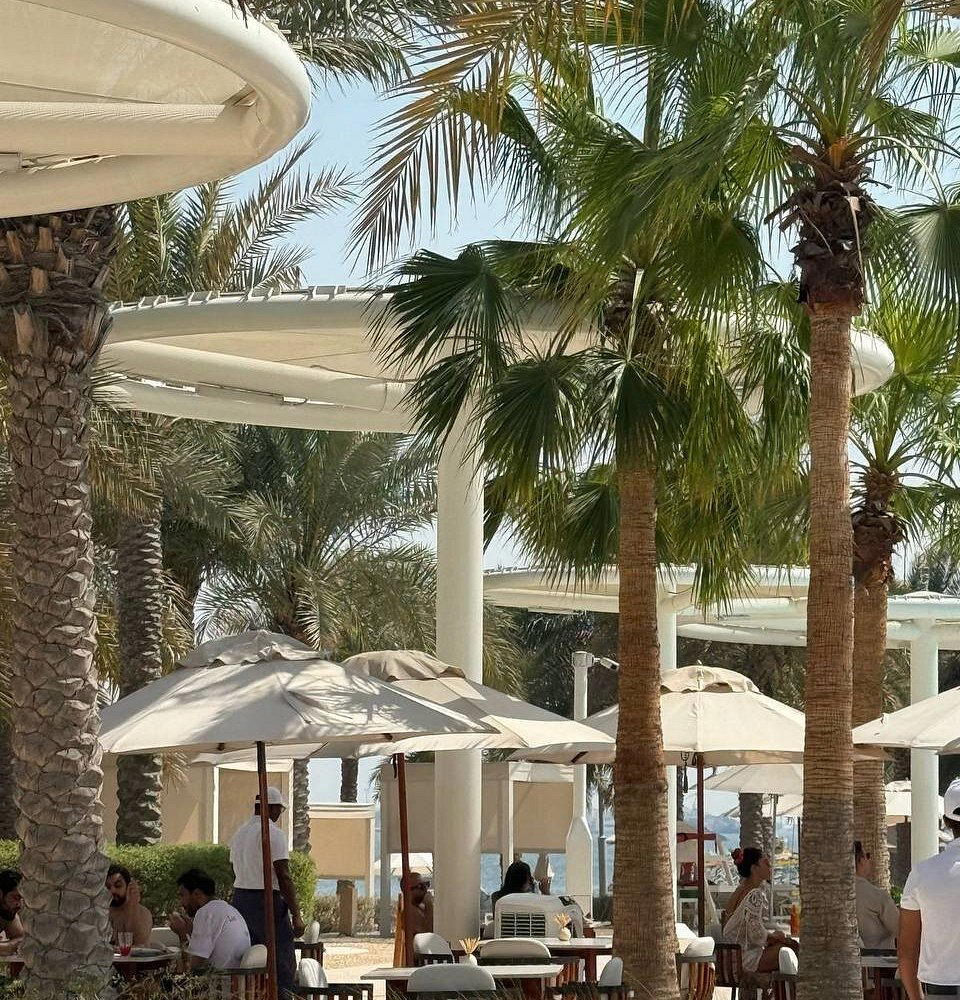
Abu Dhabi's bar scene has developed along two distinct tracks over the past decade. The dominant one runs through five-star hotel lobbies and beach clubs, where the back bar is largely interchangeable: standard-issue spirits brands, a cocktail list built around what's trending in Dubai, and pricing calibrated to the expense-account traveller. The narrower track belongs to venues that treat the spirits selection as the editorial voice of the room, where what's on the shelf communicates something about the operators' priorities. Asrah, by address and by feel, belongs to the second category.
The Spirits Program as the Central Argument
In bars where curation matters, the back bar functions as a document. The range of bottles, the depth within a category, the presence or absence of age-statement whiskies and small-batch gins, the handling of rum and mezcal beyond the obvious commercial labels: these details signal whether a program has been assembled by someone with genuine knowledge or simply restocked from a distributor's standard list. This is not an easy combination to execute. Poolside and waterfront venues in the UAE tend to default toward frozen cocktails and high-turnover volume; the economics of an outdoor setting push toward simplicity. A venue that holds a considered spirits selection against that commercial gravity is making a deliberate choice, and that choice is the primary reason to seek it out.
For context on how spirits-forward programming plays across the region, the contrast with Abu Dhabi's broader offer is instructive. Bars like Al Mesayan and Al Meylas operate within similar waterfront or heritage-adjacent territory, while 18 Degrees Bar and Terrace and the Andaz Pool Deck represent the city's more design-led outdoor drinking formats. Each of these addresses is staking out a different piece of the same competitive space that Asrah inhabits.
What Good Curation Looks Like in This Context
Internationally, the bars that have defined serious spirits programming share a few consistent traits: they commit to depth within categories rather than breadth across them, they rotate allocations as new releases arrive, and they employ staff capable of navigating the list with guests rather than simply reciting it. The reference points for this approach in the broader Gulf and global bar world include Zuma in Dubai, where the Japanese whisky section has historically carried labels unavailable elsewhere in the market, and further afield, bars like Bar Leather Apron in Honolulu, which has built its identity almost entirely around a methodical, encyclopedic approach to spirits selection.
The approach also has parallels in craft-forward American bars: Café La Trova in Miami uses Cuban-heritage spirits as its editorial spine, while Jewel of the South in New Orleans grounds its program in American whiskey and the classic cocktail canon. Superbueno in New York City demonstrates how a narrowly defined spirits focus, in that case agave, can generate significant critical attention when executed with discipline. These are different cities and different traditions, but the underlying argument is the same: a bar that knows what it is outperforms one that tries to be everything.
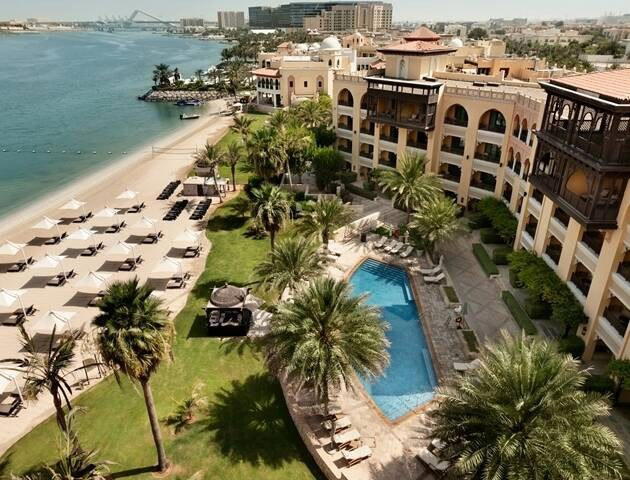
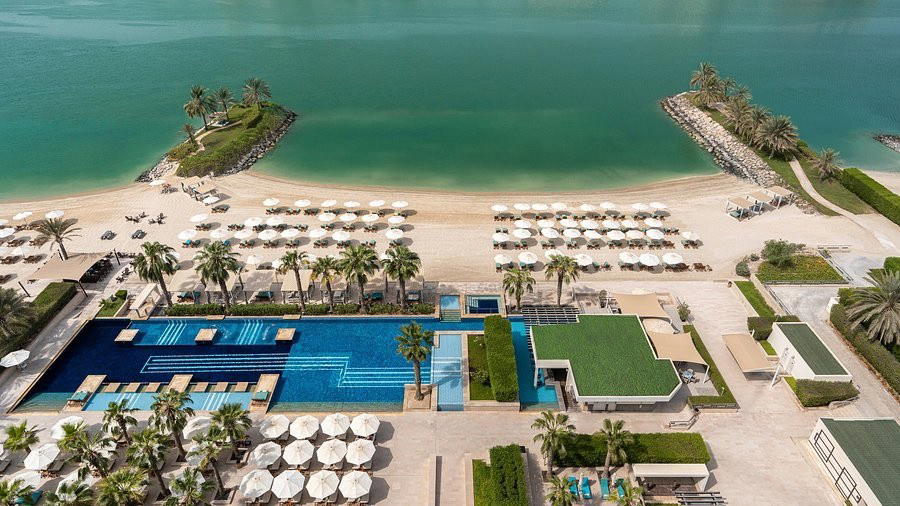
For UAE travellers calibrating expectations against regional desert or heritage-site options, Al Liwan in the Liwa Desert and Lexington Grill and Bar in Ras al Khaimah offer useful points of comparison in terms of atmosphere and positioning outside the capital's urban core. Arriving by car is the practical choice for most visitors; the road access along Al Khaleej Al Arabi routes the approach past water on both sides. The pool area itself at Al Waryah provides the immediate context: outdoor space, proximity to the channel, and the kind of ambient backdrop that changes character substantially between afternoon and late evening.
This matters for timing. A waterfront spirits bar in Abu Dhabi earns its leading hours in the window between sunset and around ten o'clock at night, when temperatures in cooler months make outdoor drinking genuinely comfortable. During summer months, from May through September, afternoon heat compresses outdoor dining and drinking into shorter windows, and evening visits shift accordingly. The seasonal logic here is similar across most of Abu Dhabi's outdoor venues, and visitors planning around the spirits program specifically should note that the Gulf's premium bar scene sees its peak footfall between October and April.
For a fuller picture of where Asrah sits within Abu Dhabi's wider dining and drinking offer, the EP Club Abu Dhabi guide maps the broader range of addresses across categories and neighbourhoods.
Planning Your Visit
Given the venue's waterfront position and the appeal of outdoor seating during cooler months, advance enquiry through the property directly is advisable for prime evening time slots between October and March. Dress expectations at waterfront venues of this type in Abu Dhabi generally run toward smart-casual, though specific requirements should be confirmed on booking.
Continue exploring
More in Abu Dhabi
Bars in Abu Dhabi
Browse all →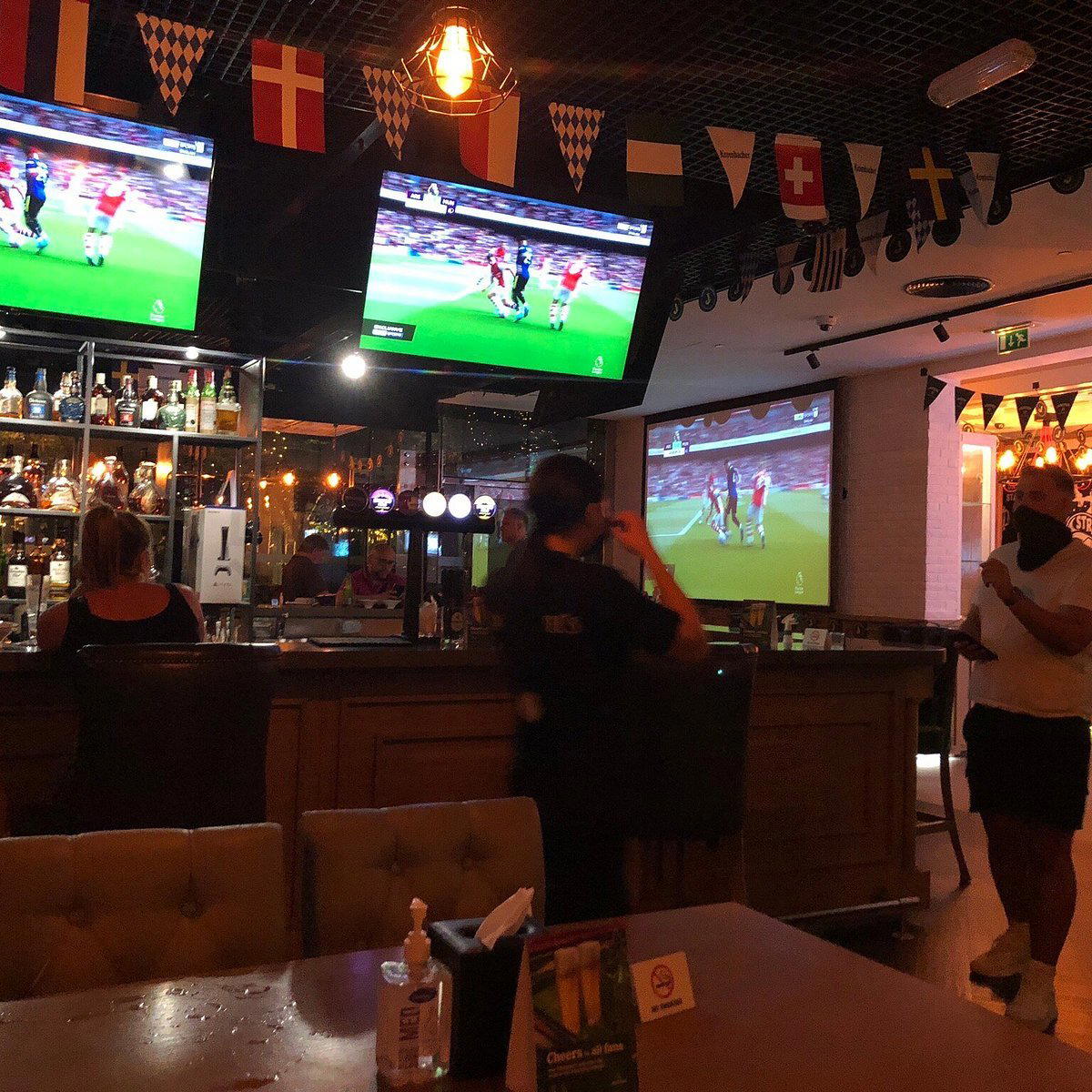
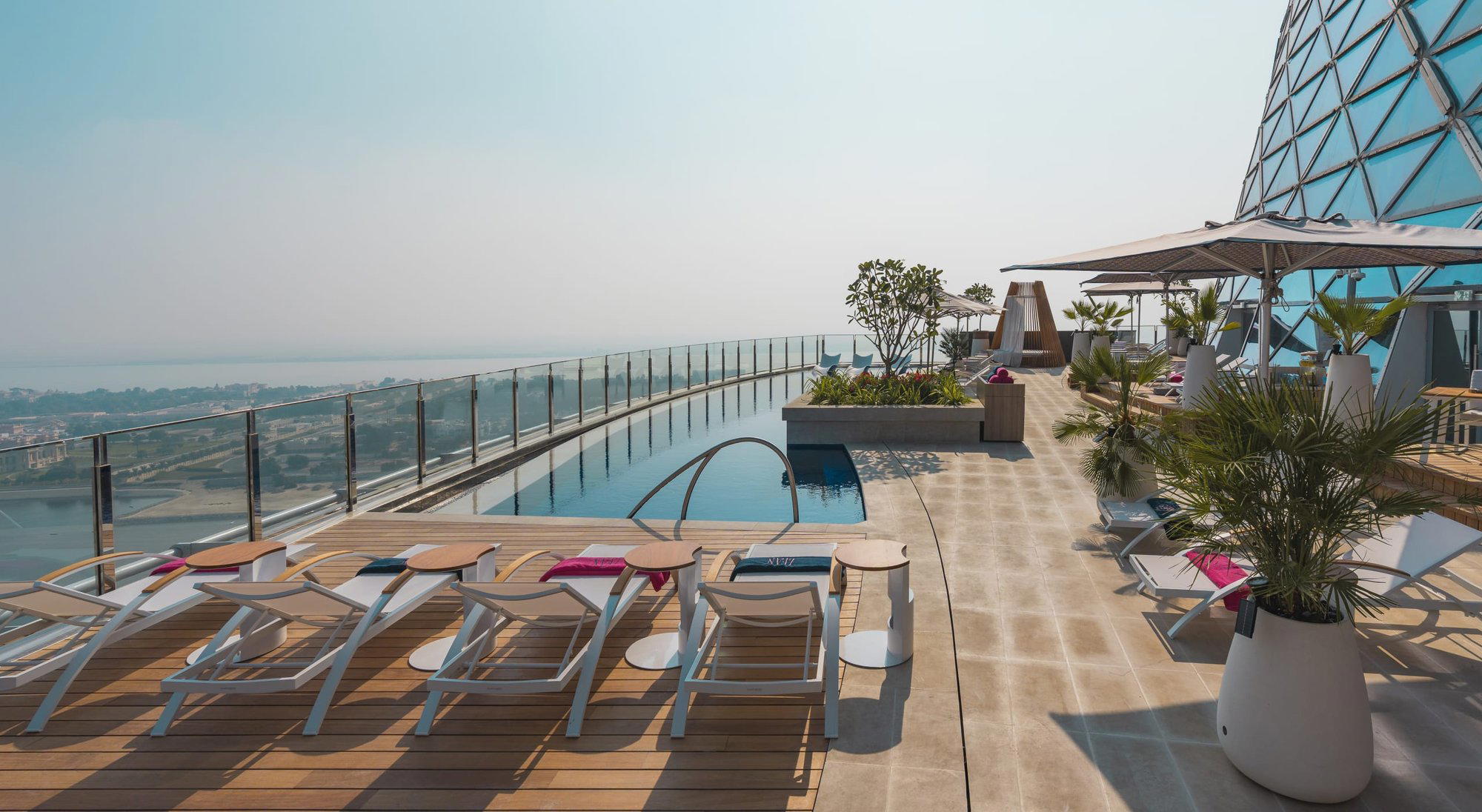
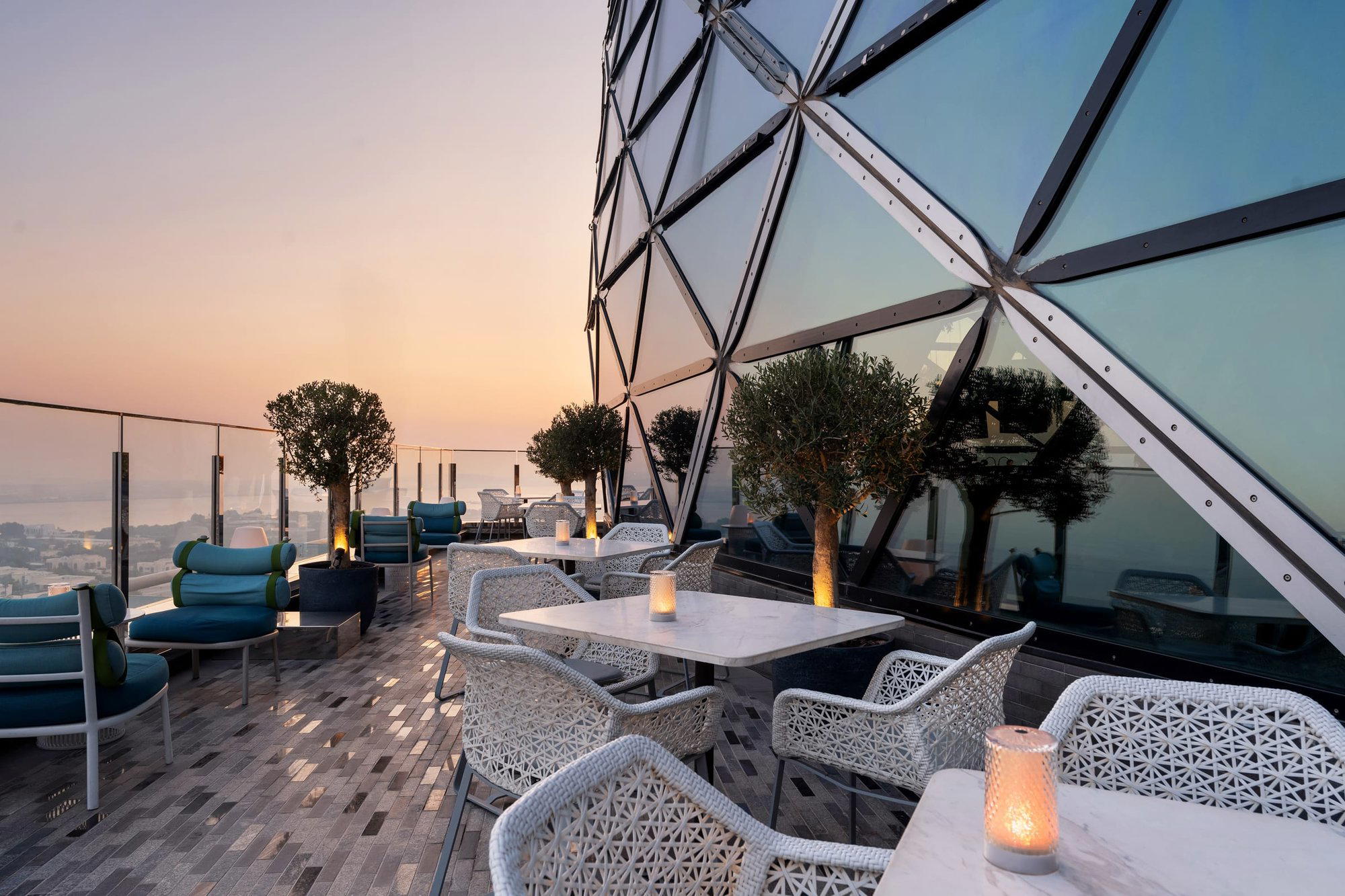
Restaurants in Abu Dhabi
Browse all →
Details
- Scenic
- Relaxed
- Casual Hangout
- Waterfront
- Hotel Bar
- Outdoor Terrace
- Waterfront
Current opening hours
- Monday
- 8 AM–8 PM
- Tuesday
- 8 AM–8 PM
- Wednesday
- 8 AM–8 PM
- Thursday
- 8 AM–8 PM
- Friday
- 8 AM–8 PM
- Saturday
- 8 AM–8 PM
- Sunday
- 8 AM–8 PM
Hours can change for holidays and private events. Last verified .
Relaxed poolside atmosphere well-suited for chilling with drinks in hand under the sun.