Backstage Café fits Stockholm’s daytime café culture better than the city’s destination-dining circuit: practical, casual, and tied to the flow of Djurgården rather than a chef-led tasting-menu narrative. Its value is context, a pause near one of Stockholm’s busiest visitor corridors, where simple café food makes more sense than ceremony.
Pearl is the En Primeur Club membership app — saves, bookings, and concierge access live there. Same editors, same standards.
- Address
- Allmänna gränd 2, 115 21 Stockholm, Sweden
- Phone
- +46 8 502 541 40
- Website
- backstagehotelsthlm.com
- Directions
- Get directions
 Saves & bookings on Pearl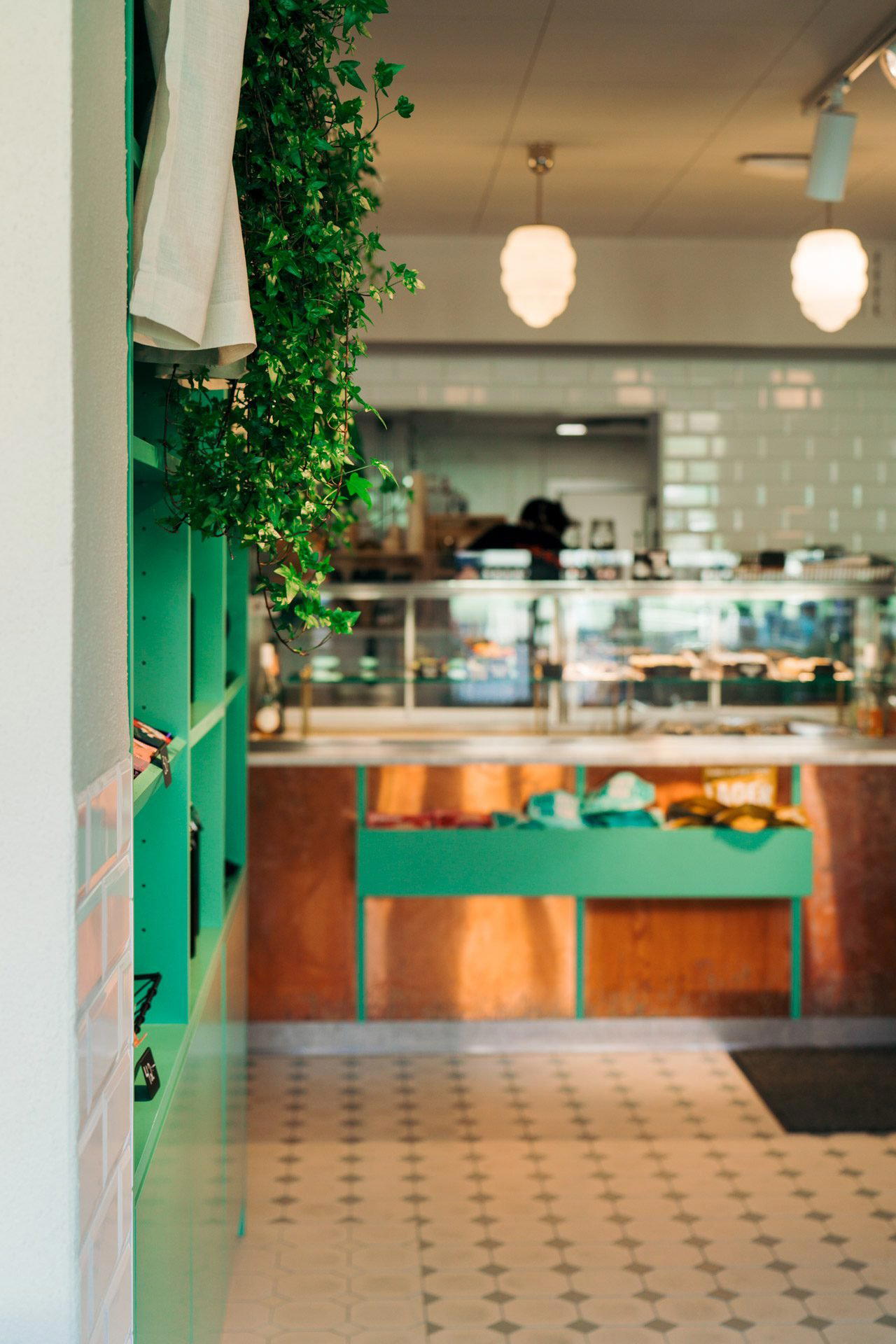
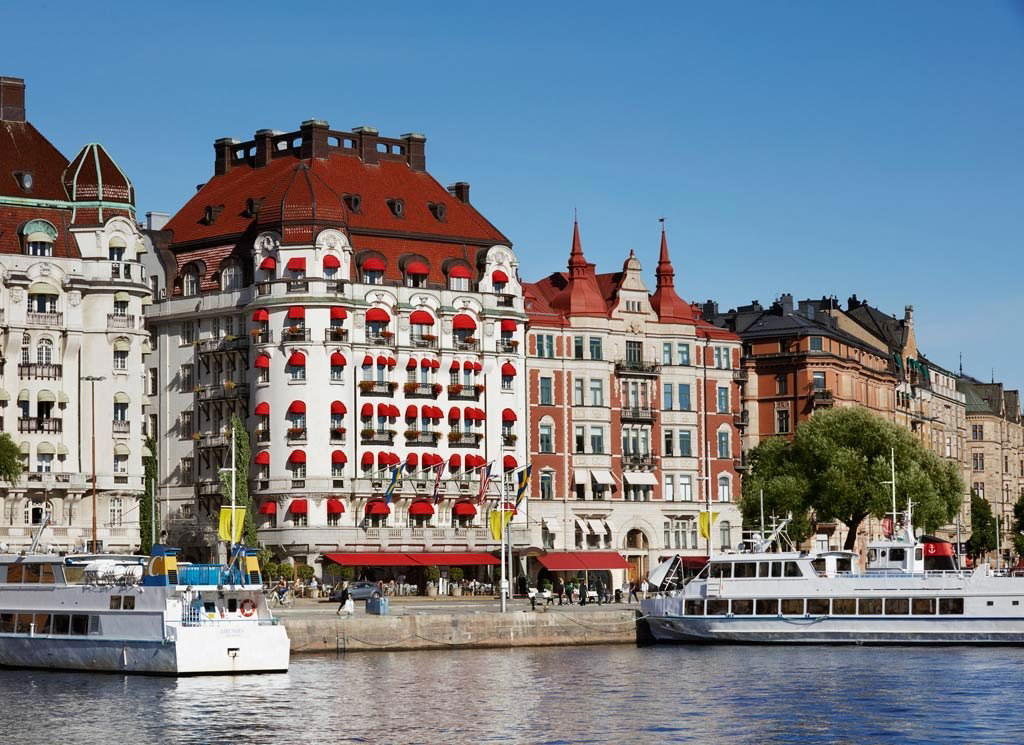
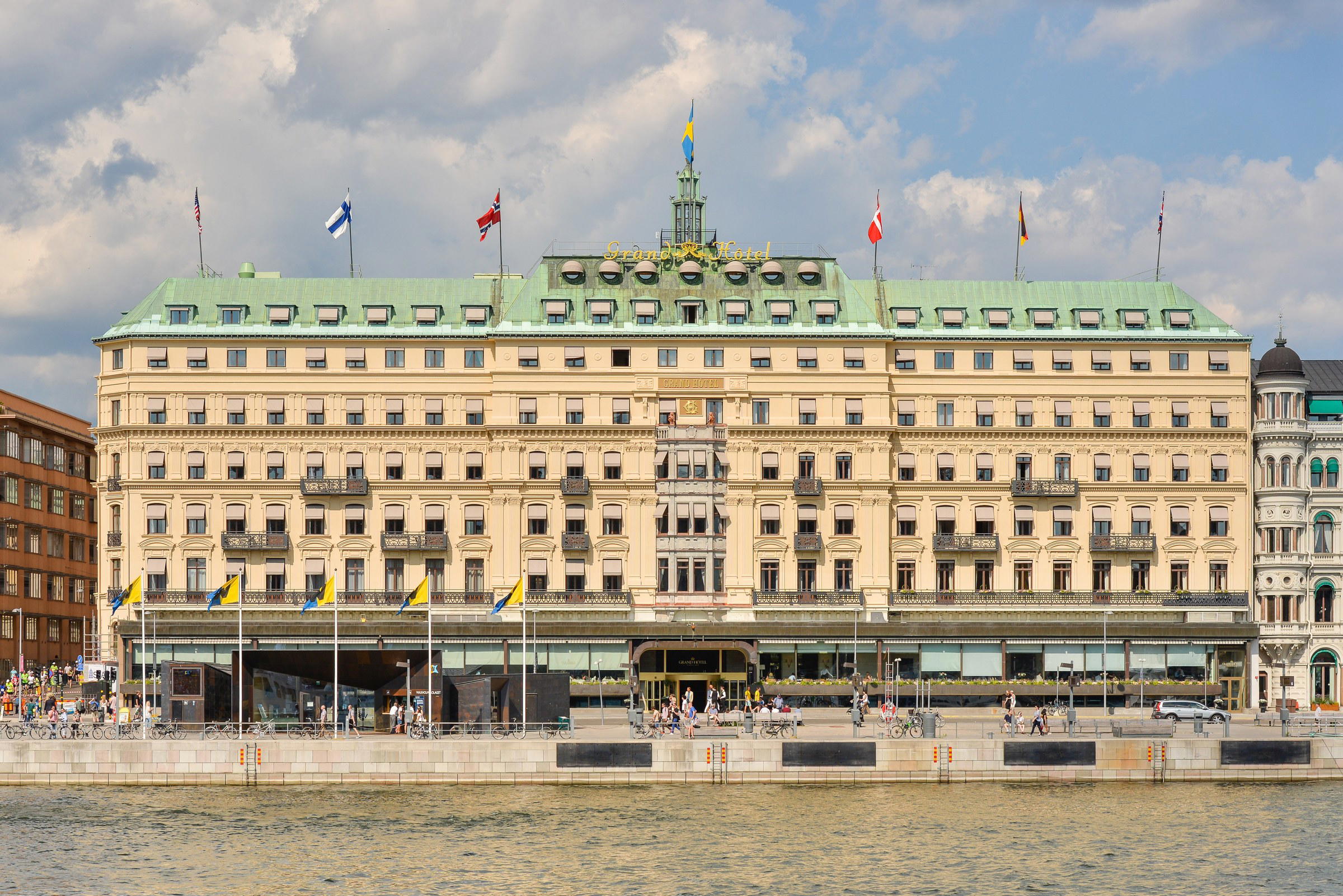
Approaching Stockholm, the city changes register. The stone and shopfront rhythm of the centre gives way to ferries, museum traffic, families, school groups, and the steady movement of people spending daylight hours outdoors. In that setting, the café format has a specific job: it is not trying to compete with Stockholm’s formal tasting rooms or late-night wine bars. It gives the day a pause, usually between culture, walking, weather, and transport.
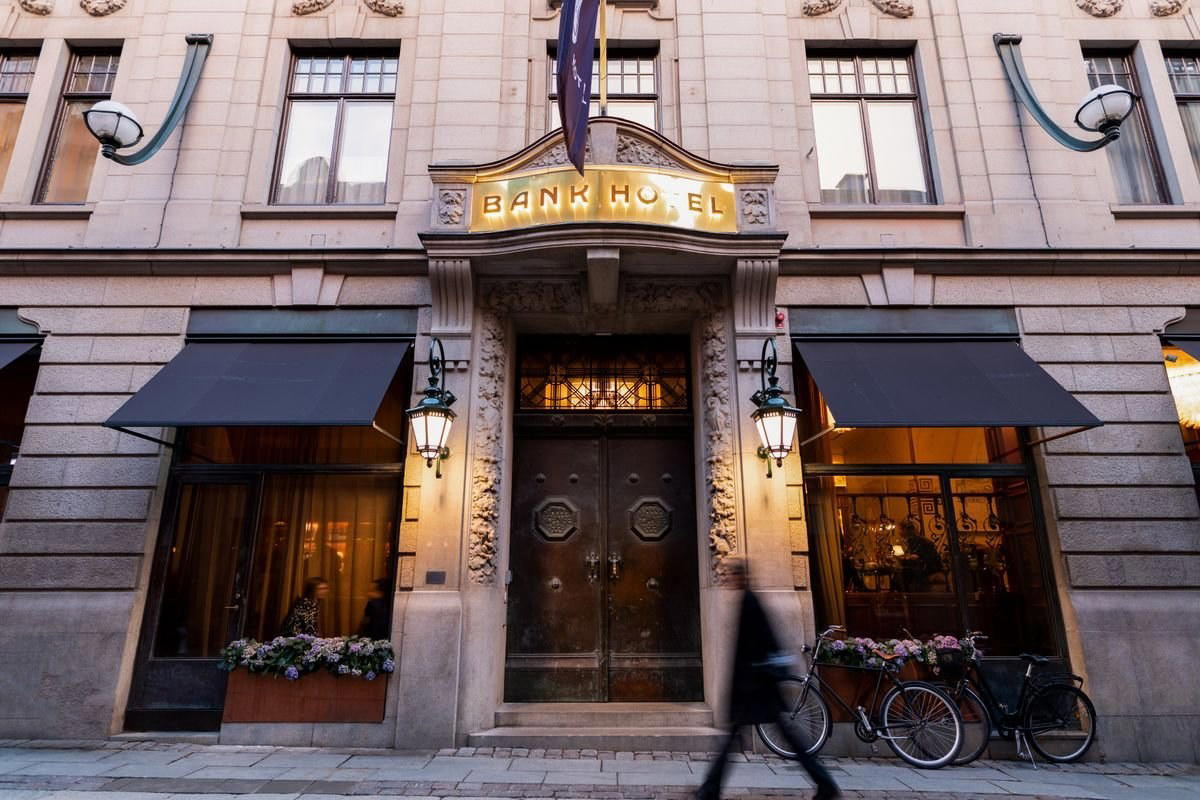
Backstage Café belongs to that practical Stockholm tradition. The name may suggest theatre, but the more useful reading is civic rather than dramatic: a café in a visitor-heavy part of the city where timing, ease, and a casual room matter more than ceremony. Stockholm has a deep restaurant culture, yet its daytime food scene often works through smaller decisions, where to stop before an attraction, where to take children without turning lunch into an event, where to sit down when the weather shifts. That is the lane here.
Stockholm café culture runs on daytime appetite, not destination dining
Stockholm’s stronger dining identities tend to split by hour and intent. In the evening, the city can be exacting: considered menus, serious wine lists, modern bistros, and reservations that reward planning. During the day, the measure changes. A café succeeds when it understands movement: visitors arriving in waves, families needing a low-friction stop, and locals using the city as a daylight extension of home.
That distinction matters because it prevents the wrong comparison. Backstage Café is not in the same conversation as Oaxen Krog or the more composed restaurant rhythm associated with Oaxen Slip. Nor is it meant to compete with the broader Stockholm restaurant circuit represented by other dining rooms across the city. The better frame is Stockholm’s everyday hospitality: daytime service, accessible food, and a room that can absorb mixed groups without asking everyone to commit to a long meal.
Ingredient sourcing in this tier is usually less about named farms and more about the Swedish café pantry: bread, dairy, coffee, simple savoury plates, and sweet baking shaped by season and supply. In Stockholm, that foundation carries cultural weight. The city’s café habits are not ornamental. Fika is a social structure as much as a snack, and cafés around major cultural routes often function as informal holding rooms for the day. The food needs to be legible, quick enough, and broad enough for different ages and appetites.
That is why the absence of a chef-led identity is not a weakness in this context. A café in Stockholm is judged less by authorship than by fit. The relevant question is not whether the kitchen announces a philosophy, but whether the format suits the city’s rhythm: morning arrivals, midday pressure, afternoon fatigue, and the practical need for a table that does not require a formal dining plan.
The sourcing question is about Swedish café habits
Stockholm’s restaurant culture has spent decades refining a language around locality, preservation, seafood, forest ingredients, and restraint. At fine-dining level, those ideas become menu architecture. At café level, they become quieter: the grain in bread, the role of butter and dairy, the expectation of coffee, the seasonal pull of berries and baking, and the preference for food that can be eaten without interrupting the day’s route. Backstage Café sits closer to that second register.
For travellers, this can be more revealing than another formal meal. Sweden’s everyday food culture is not only expressed in ambitious kitchens. It appears in how people structure breaks, how cafés accommodate children, and how daylight venues respond to weather and footfall. In Stockholm, those pressures are unusually clear. The city is cultural infrastructure as much as capital, so cafés become part of the logistics of seeing Stockholm rather than a separate culinary appointment.
Readers building a broader Stockholm itinerary should treat this as one point on a wider map rather than the centre of the trip. For a sharper neighbourhood-food contrast, other casual dining in Stockholm occupies another part of the city’s conversation. For full restaurant planning, our full Stockholm restaurants guide gives the broader spread; hotel, bar, winery, and experience planning sit separately in our full Stockholm hotels guide, our full Stockholm bars guide, our full Stockholm wineries guide, and our full Stockholm experiences guide.
The national comparison is useful too. Sweden’s dining map is not only Stockholm-centric: regional dining elsewhere in the country shows how Swedish food ranges from casual to grill-led to internationally influenced formats. Even broader international comparisons underline the same editorial point: casual food formats are clearest when judged by purpose, not by the standards of formal restaurants.
Use it as a daylight pause, then spend the evening elsewhere
The strongest way to read Backstage Café is as a daytime utility with a Stockholm accent. It suits the part of the city where plans are often built around culture, transport, children, and weather rather than long-form dining. That makes it more useful than romantic. In a city where dinner can be planned with precision, this is the kind of café that solves the simpler problem: where to stop without making the stop the whole story.
There is also a restraint to that role. Not every meal in Stockholm needs to be a statement about cuisine, and not every venue near a major visitor route needs to perform as a destination. The better judgement is to place it correctly in the day. Use the serious restaurant budget elsewhere; let the café do what cafés in Stockholm have long done, provide coffee, something to eat, and a short reset before the city resumes.
Comparison Snapshot
Comparable venues by cuisine and price in the same metro.
| Venue | Cuisine |
|---|---|
| Oaxen Krog | Nordic Fine |
Continue exploring
More in Stockholm
Restaurants in Stockholm
Browse all →
Bars in Stockholm
Browse all →
At a Glance
- Cozy
- Modern
- Scenic
- Casual Hangout
- Family
- Solo
- After Work
- Brunch
- Terrace
- Hotel Restaurant
- Design Destination
- Street Scene
Current opening hours
- Monday
- 9 AM–5 PM
- Tuesday
- 9 AM–5 PM
- Wednesday
- 9 AM–5 PM
- Thursday
- 9 AM–5 PM
- Friday
- 9 AM–5 PM
- Saturday
- 9 AM–5 PM
- Sunday
- 9 AM–5 PM
Hours can change for holidays and private events. Last verified .
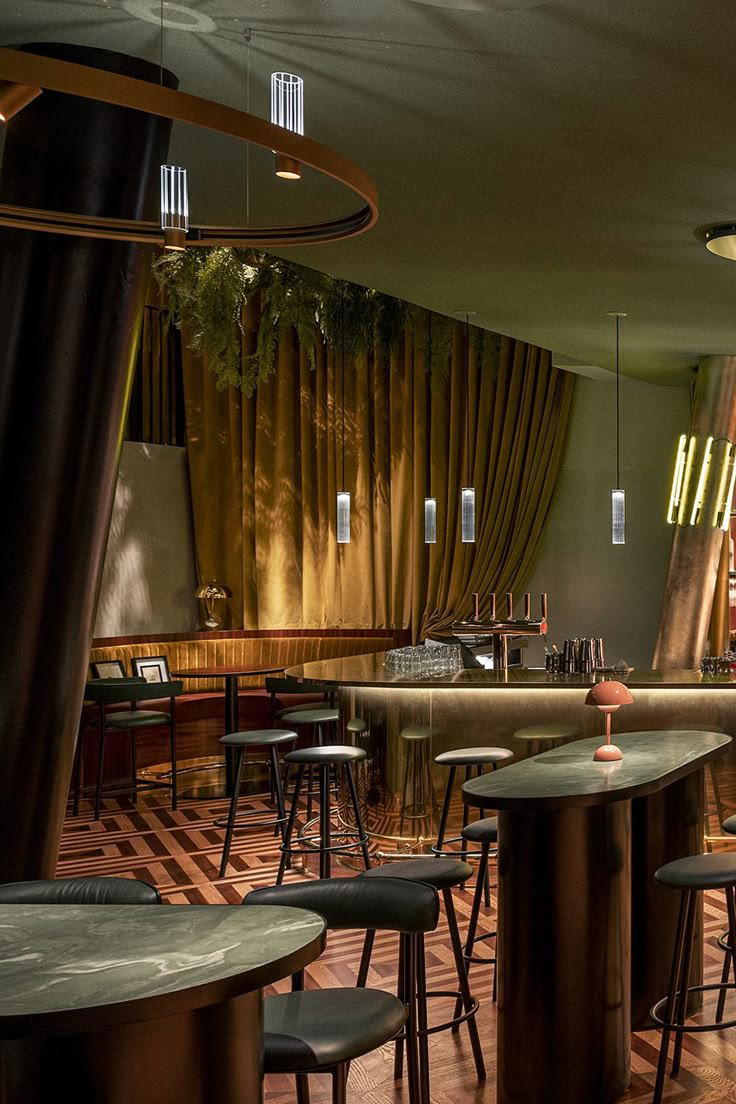
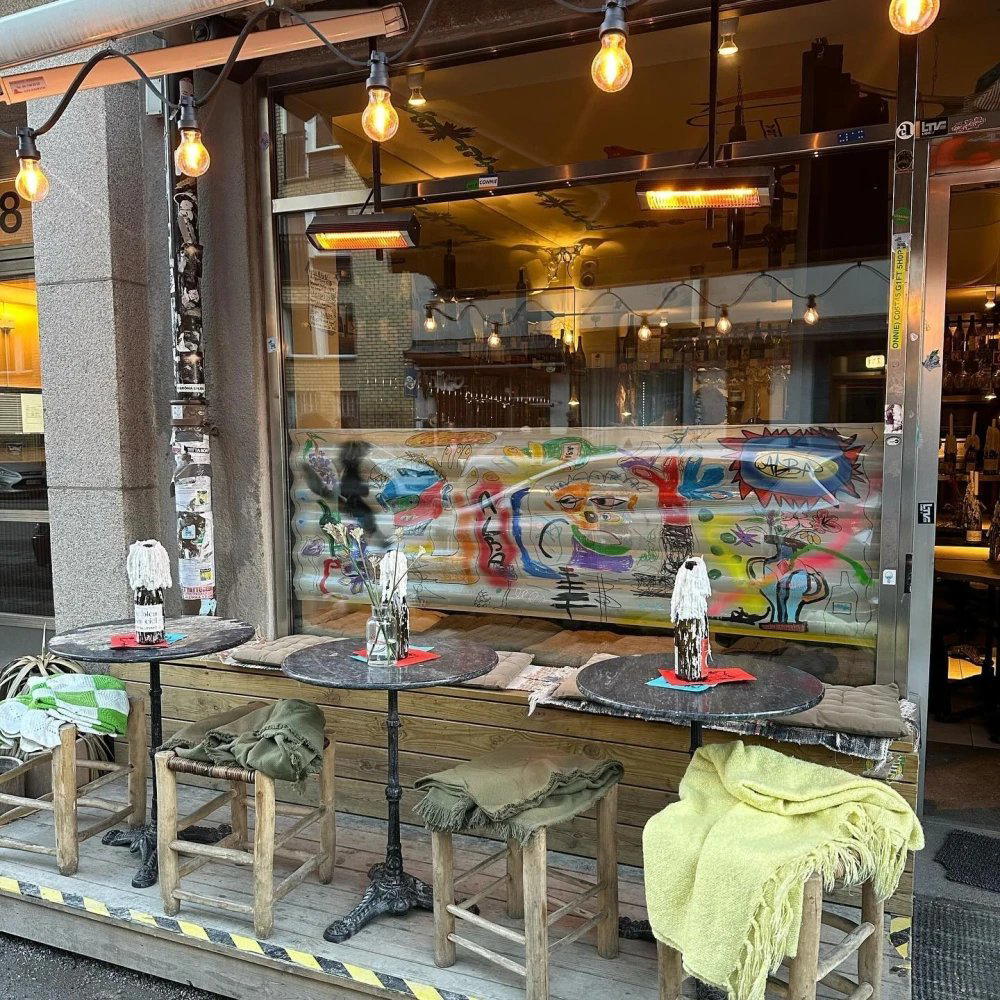
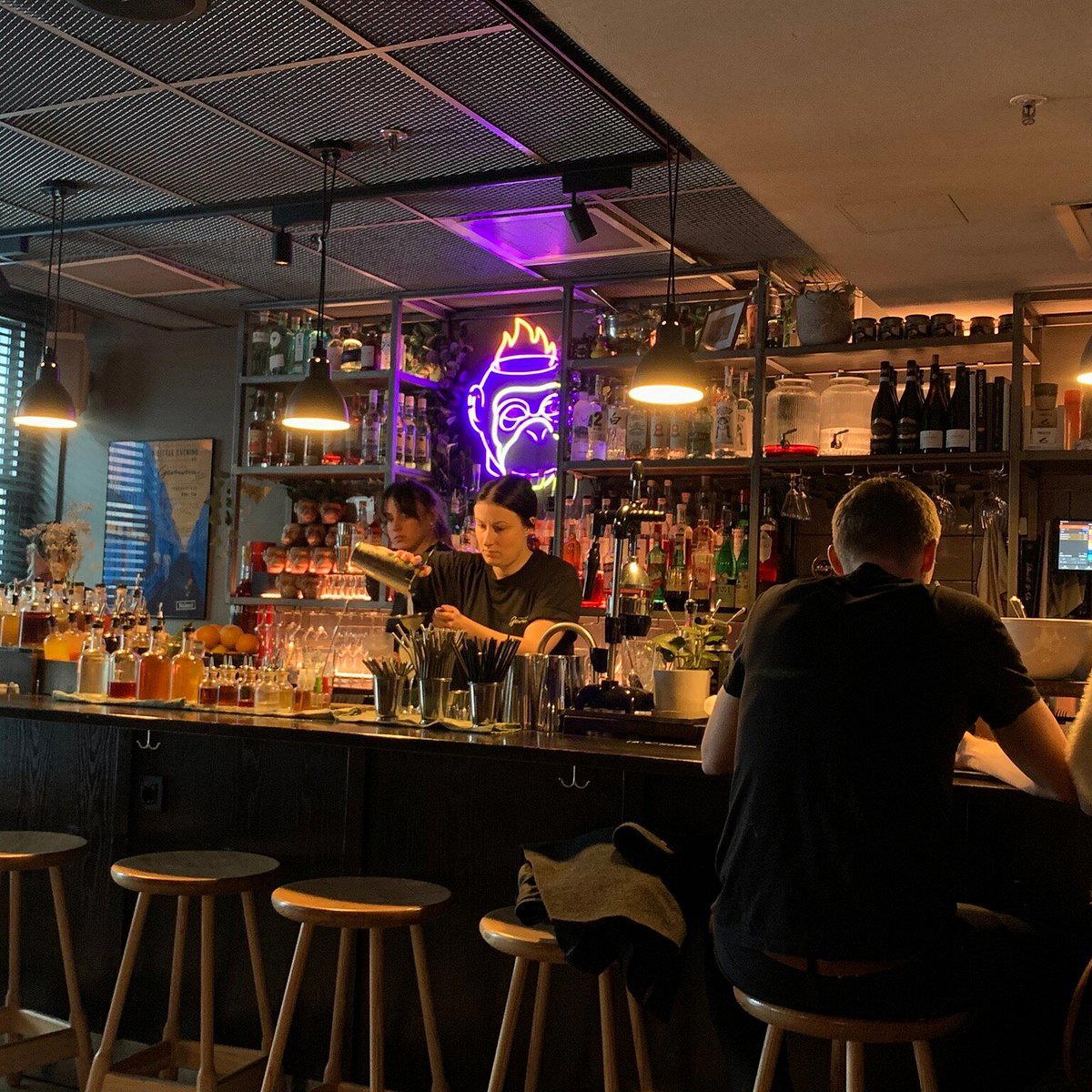
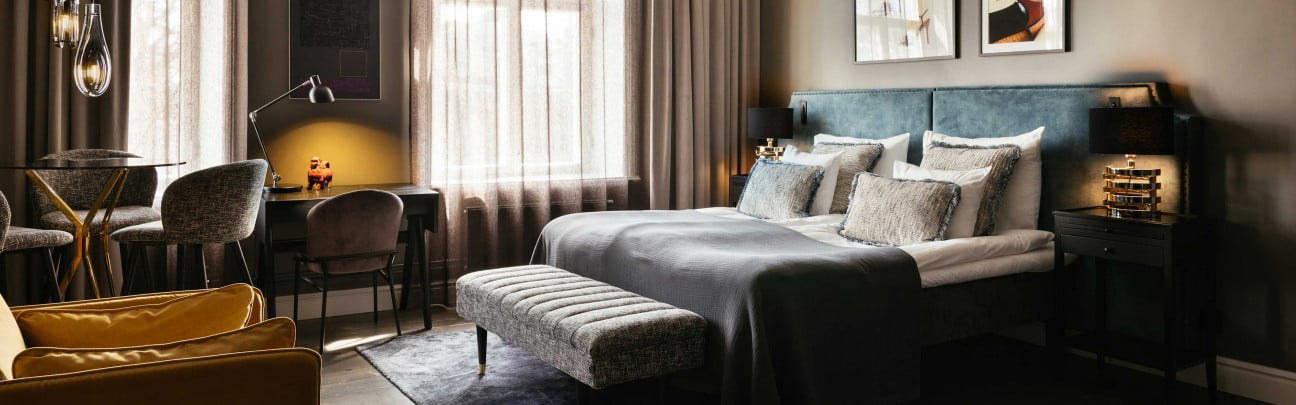
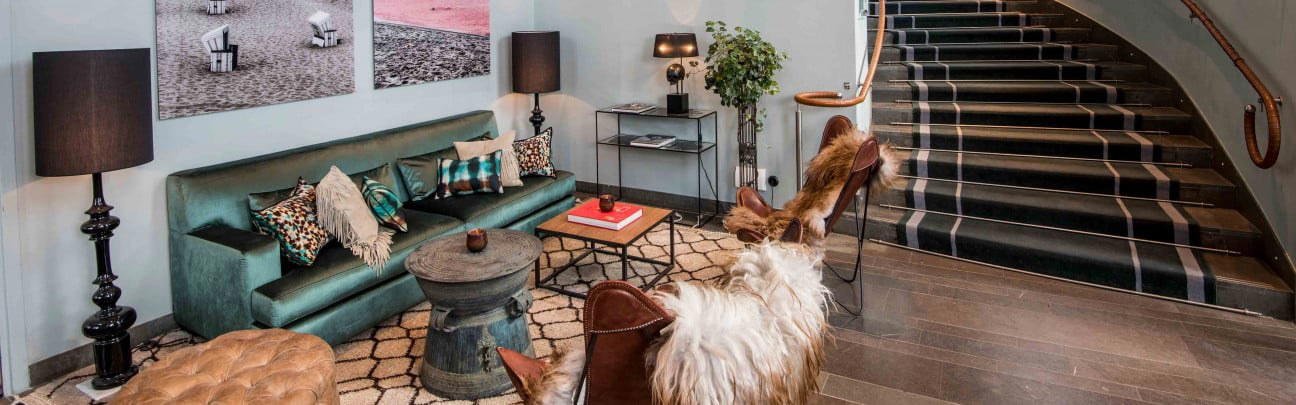
Casual and cozy café atmosphere within a boutique hotel, suited to museum-goers and walkers stopping for coffee, pastries, and light meals, with brighter daytime lighting and a laid-back pace.
Know Before You Go
- Reservations
- Walk in friendly
- Dress code
- Casual
- Getting there
- Allmänna gränd 2, 115 21 Stockholm, Sweden