Atlas Restaurant
Atlas Restaurant sits on Dubai Street Road in Nouadhibou, Mauritania's principal port city and one of West Africa's most active fishing hubs. The restaurant operates in a city where the Atlantic catch arrives daily and shapes what ends up on the plate. For travellers passing through this under-documented corner of the Saharan coast, Atlas represents a grounded entry point into the local dining scene.
Pearl is the En Primeur Club membership app — saves, bookings, and concierge access live there. Same editors, same standards.
- Address
- Dubai Street Road, نواذيبو،, 0245, Nouadhibou, Mauritania
- Phone
- +222 34 78 74 16
- Directions
- Get directions
 Saves & bookings on Pearl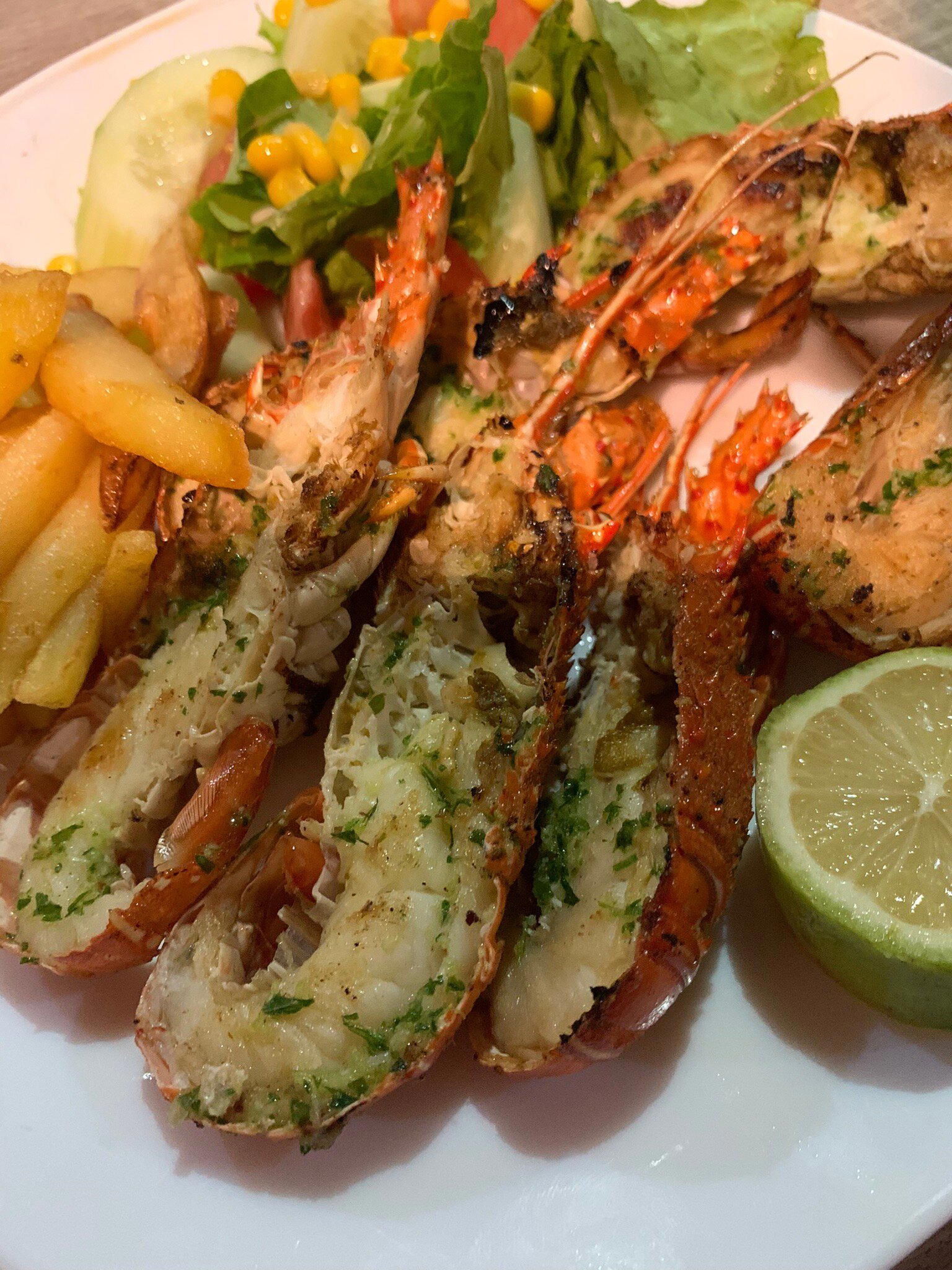
Dining at the Edge of the Saharan Atlantic
Nouadhibou occupies a narrow peninsula where the Sahara meets the cold upwelling waters of the Atlantic, a collision of geography that makes it one of West Africa's most productive fishing zones. The waters off Cap Blanc sustain catches that supply markets from Dakar to Casablanca, and the city's restaurant scene is built almost entirely on that proximity. Unlike the multi-course tasting formats you find at places such as Le Bernardin in New York City or Uliassi in Senigallia, where marine sourcing is a carefully narrated luxury proposition, dining in Nouadhibou is less about theatre and more about proximity. The fish on the table may have been landed that morning. That is not a marketing claim here; it is simply the operational reality of a port town with limited cold-chain infrastructure and a local culture that treats freshness as a baseline expectation rather than a premium feature.
Atlas Restaurant on Dubai Street Road sits inside this ecosystem. The address places it in the working fabric of the city rather than on a tourist-facing strip, which in Nouadhibou is a meaningful distinction. This is a city where most international visitors arrive on specific professional or logistical business, the fishing industry, the iron ore rail corridor, or overland transit toward the Moroccan border, and the restaurants that serve them reflect that character. Atlas operates as part of a small tier of sit-down establishments in a city where food culture skews toward informal grills, market stalls, and family kitchens.
What the Ingredient Supply Chain Looks Like Here
The sourcing context for any restaurant in Nouadhibou is shaped by the same Atlantic fishery that draws industrial fleets from Europe, Asia, and Russia. The Mauritanian Exclusive Economic Zone is among the richest in the world by biomass, and the domestic catch, handled through the port infrastructure at Nouadhibou, feeds both local consumption and export. For a city restaurant, this means access to species, grouper, sea bream, octopus, and a range of pelagic fish, that at equivalent quality would command significant premiums in European or East Asian markets. Compare the sourcing position of a coastal restaurant in Marina del Cantone or the Adriatic focus of The Waterside Inn in Bray: in both cases, geographic proximity to a specific water source defines the menu's character. In Nouadhibou, that logic operates at an even more direct scale, without the intermediary steps of wholesale distribution networks that most urban restaurants depend on.
The Mauritanian coast also shapes the non-fish elements of the plate. Lamb and goat from nomadic herding traditions in the interior reach the city regularly, and the culinary vocabulary draws on both Saharan pastoral cooking and the Senegalese and Moroccan influences that move through a city positioned at a West African crossroads. Rice-based preparations, heavily spiced broth dishes, and flatbreads appear alongside the grilled and fried fish formats that dominate port-city eating from Nouadhibou south to Dakar. For a restaurant like Atlas, operating within this ingredient reality means the menu is more likely to reflect availability and season than a fixed written format.
The Broader Nouadhibou Dining Context
Nouadhibou's restaurant scene is small by the standards of any regional capital, and it has received almost no sustained editorial coverage in English-language food media. That gap is partly a function of the city's position, far outside the conventional West African tourism circuit, and partly a reflection of Mauritania's limited profile as a travel destination overall. The restaurants that do operate at a sit-down level tend to serve a mix of local professionals, expatriate workers in the fishing and mining sectors, and the occasional overland traveller. See also Marbella in Nouadhibou and the more remote Chez Jemal in Terjit for a fuller picture of the options available in and around the city.
In this context, Atlas occupies a position comparable to what you find in other mid-tier port cities across West and North Africa: a restaurant that is not positioning itself against global fine dining benchmarks but rather serving a practical, quality-conscious local clientele. The frame of reference is less Atomix in New York or HAJIME in Osaka and more the honest, ingredient-driven cooking that characterises working port towns from the Canary Islands to Agadir. For a broader look at how coastal sourcing defines restaurant identity across different contexts, the work at Reale in Castel di Sangro and Piazza Duomo in Alba offer instructive contrasts in how geography shapes a kitchen's priorities, even far from the sea.
Planning a Visit
Nouadhibou is accessible by air from Nouakchott, the capital, and via the iron ore train from Choum, one of the longer freight train routes still open to passengers in the world. The city's hotel infrastructure is functional rather than polished, and most visitors staying for more than a night or two will be there on specific business. Atlas Restaurant is on Dubai Street Road, which runs through a central area of the city. No phone number or website is listed in available records, which is consistent with how many Nouadhibou establishments operate: walk-in is the norm, and reservations are not a feature of this tier of dining. For travellers assembling a broader sense of what Nouadhibou's dining scene offers, our full Nouadhibou restaurants guide covers the city's options in more detail.
The restaurants that have built sustained international reputations on coastal sourcing, from Lazy Bear in San Francisco to Jordnær in Gentofte, do so by making the provenance story legible to a global audience. In Nouadhibou, that story exists at its most unmediated. The fish is close, the supply chain is short, and the cooking reflects a city that has not yet translated its extraordinary marine geography into a dining identity that travels. Atlas, as one of the city's sit-down options, is part of that as-yet-unwritten chapter. Also worth noting for readers interested in comparable coastal tradition elsewhere: Dal Pescatore in Runate, Atelier Moessmer Norbert Niederkofler in Brunico, Le Calandre in Rubano, Quique Dacosta in Dénia, and Emeril's in New Orleans all demonstrate how proximity to a defining ingredient source shapes a kitchen's long-term identity.
Continue exploring
More in Nouadhibou
Restaurants in Nouadhibou
Browse all →
At a Glance
- Friendly
- Casual Hangout
Current opening hours
- Monday
- 8 AM–12 AM
- Tuesday
- 8 AM–12 AM
- Wednesday
- 8 AM–12 AM
- Thursday
- 8 AM–12 AM
- Friday
- 8 AM–12 AM
- Saturday
- 8 AM–12 AM
- Sunday
- 8 AM–12 AM
Hours can change for holidays and private events. Last verified .
friendly atmosphere as described by guests.
Know Before You Go
- Getting there
- Dubai Street Road, نواذيبو،, 0245, Nouadhibou, Mauritania