Our verdict
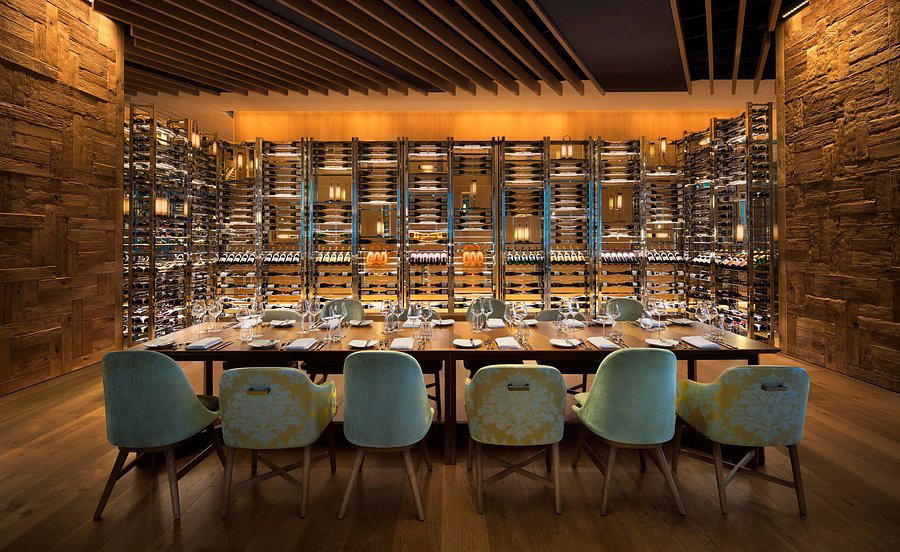
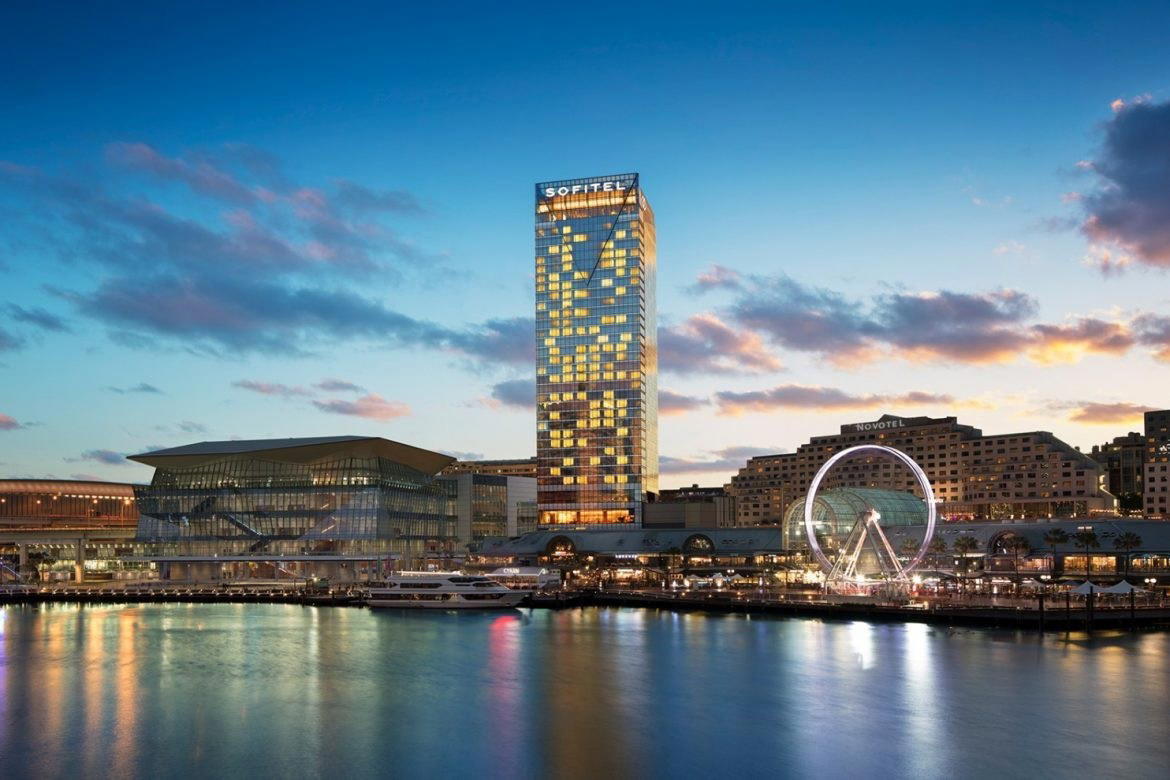
Atelier by Sofitel places hotel dining inside Darling Harbour’s convention-and-waterfront corridor, a precinct where Sydney’s visitor economy meets business traffic and pre-theatre dining. The useful context is not awards or chef mythology, but setting: a Level 3 restaurant inside Sofitel Sydney Darling Harbour, positioned for guests who want a composed meal without leaving the hotel grid.

Pearl is the En Primeur Club membership app, where members save venues, book tables and use the concierge.
The menu
What to order
- Dry-aged duck breast
- O'Connor grain-fed beef tartare
- Pan-seared pink snapper
- Whole market fish roasted over charcoal
- Mibrasa-grilled steaks
Sydney announces itself through scale before it announces itself through food: glass towers, business traffic, city light, hotel lobbies, and the steady choreography of visitors moving between meetings, shows, transport, and late dinners. In that setting, Atelier by Sofitel belongs to a Sydney dining category that matters more than it is often credited for: the hotel restaurant as a civic dining room, built for travellers who want polish, pacing, and a sense of place without committing to the theatre of a destination restaurant.
Sydney’s restaurant culture is often discussed through its neighbourhood dining rooms, coastal rituals, and chef-led tasting menus, but the hotel tier plays a different role. It absorbs international arrivals, business guests, event crowds, and locals using the city as a meeting point. The food brief has to be legible across cultures without flattening the city around it. That tension, between global hotel fluency and local dining identity, is the real story here.
Sydney dining is shaped by movement, not lingering mythology
The city’s hotel-dining rhythm is practical. It is less about laneway discovery than access: hotels, event venues, business districts, cultural stops, and waterfront routes all feed the same dining catchment. A restaurant connected to a major hotel setting has to work for guests coming down from rooms, diners crossing from scheduled plans, and Sydney residents who use central areas when the rest of the city feels too dispersed.
That context changes the critical yardstick. A small neighbourhood dining room can build its identity around regulars and narrow references; a hotel restaurant has to manage broader expectations. The cultural value lies in translation. Australian hotel dining at this tier usually reads through produce, service cadence, and wine-list breadth rather than a single narrow cuisine claim. The sensible reading is architectural and situational: Atelier by Sofitel is part of the city’s polished hotel-dining circuit rather than its auteur-counter scene.
For readers mapping Sydney by category, the contrast is useful. The inner-city wine-bar idiom is better explored through other Sydney dining rooms, while broader city dining can be scanned through Our full Sydney restaurants guide. This part of the dining map works differently. It is a convenience-led context with high design visibility, where the question is not whether a room feels obscure, but whether it can carry a meal before or after the city’s scheduled life.
The hotel-restaurant tradition has become a test of restraint
The modern hotel restaurant no longer wins serious diners by piling on luxury codes. Sydney has enough high-spend rooms for guests to recognise excess quickly. The stronger model is controlled: a room that can handle breakfast-to-dinner transitions, a menu that does not require local fluency to understand, and service that can serve both a solo traveller and a table using dinner as the evening’s main event.
Atelier by Sofitel sits within a hotel-dining context, and that matters culturally even when the cooking style is not publicly pinned to a narrow cuisine label. Sofitel’s hospitality language carries an international sensibility into major cities, while Sydney’s dining identity pulls toward ease, produce, and a lighter register. The interesting measure is how a hotel restaurant in this city balances those forces: brand structure on one side, local comfort on the other.
That balance is also why comparisons across Sydney need care. BTWN at W Sydney occupies a related hotel-dining conversation, but the broader field includes everything from casual rooms to compact neighbourhood formats and specialist dining rooms. Those venues solve different problems. The hotel restaurant solves the problem of consistency inside a high-traffic city setting.
Across Australia, that distinction becomes clearer when set against other city archetypes: specialist casual rooms, compact counter formats, resort dining, rooftop restaurants, regional comfort rooms, and neighbourhood pizza culture. Sydney’s hotel-dining version can feel more transactional in setting, but not necessarily lesser; it simply has a different job.
How to use it within a Sydney itinerary
The strongest case for Atelier by Sofitel is logistical and contextual. It suits a traveller whose Sydney plan already runs through the city’s hotel, business, or event circuit, and it makes sense when dinner needs to be composed rather than exploratory. For a dedicated restaurant crawl, the city offers sharper neighbourhood choices; for a polished meal within a hotel-led itinerary, this format has a clear role.
That distinction helps avoid the common mistake of judging every Sydney restaurant by the same criteria. A hotel dining room is not trying to behave like a counter restaurant, a suburban specialist, or a wine bar with a tiny kitchen. It belongs to the infrastructure of travel: useful when timing, location, and atmosphere carry as much weight as culinary novelty.
Planning a wider stay around the same city context benefits from separating categories. Use Our full Sydney hotels guide for the accommodation layer, Our full Sydney bars guide for after-dinner drinking, Our full Sydney wineries guide for regional wine context, and Our full Sydney experiences guide for cultural planning beyond restaurants. For a different international reference point on compact specialist formats, other dining cities show how narrower concepts function where the brief is more focused than a hotel room can usually afford to be.
The editorial verdict is measured: Atelier by Sofitel is useful for the traveller who values a Sydney setting and the security of a hotel restaurant format. It is not the Sydney address to choose for a highly specific chef narrative; it is the address to consider when the evening calls for a polished room in the city’s hotel-dining circuit.
Frequently asked questions
How do I find Atelier by Sofitel?
Atelier by Sofitel is located in Sydney.
How far ahead should I plan for Atelier by Sofitel?
For a dinner tied to Sydney plans, allow a few days ahead, and longer on peak event weekends. It suits itineraries built around Sydney rather than spontaneous detours.
What's the defining dish or idea at Atelier by Sofitel?
Those details are not published. That usually means a broad, serviceable menu built for hotel guests, event traffic, and pre- or post-plan dining. Check the venue's official channels for the latest details.
Do they accommodate allergies at Atelier by Sofitel?
Hotel restaurants at this level often have larger service structures, but allergy handling should not be assumed. At Atelier by Sofitel, the safest approach is to flag the issue in advance and again on arrival in Sydney.
Is Atelier by Sofitel suitable for children?
Yes, for families who want a straightforward Sydney meal rather than a tasting-menu setting. The hotel-restaurant format can be practical for mixed-age groups staying or spending time in the city.
What's the vibe at Atelier by Sofitel?
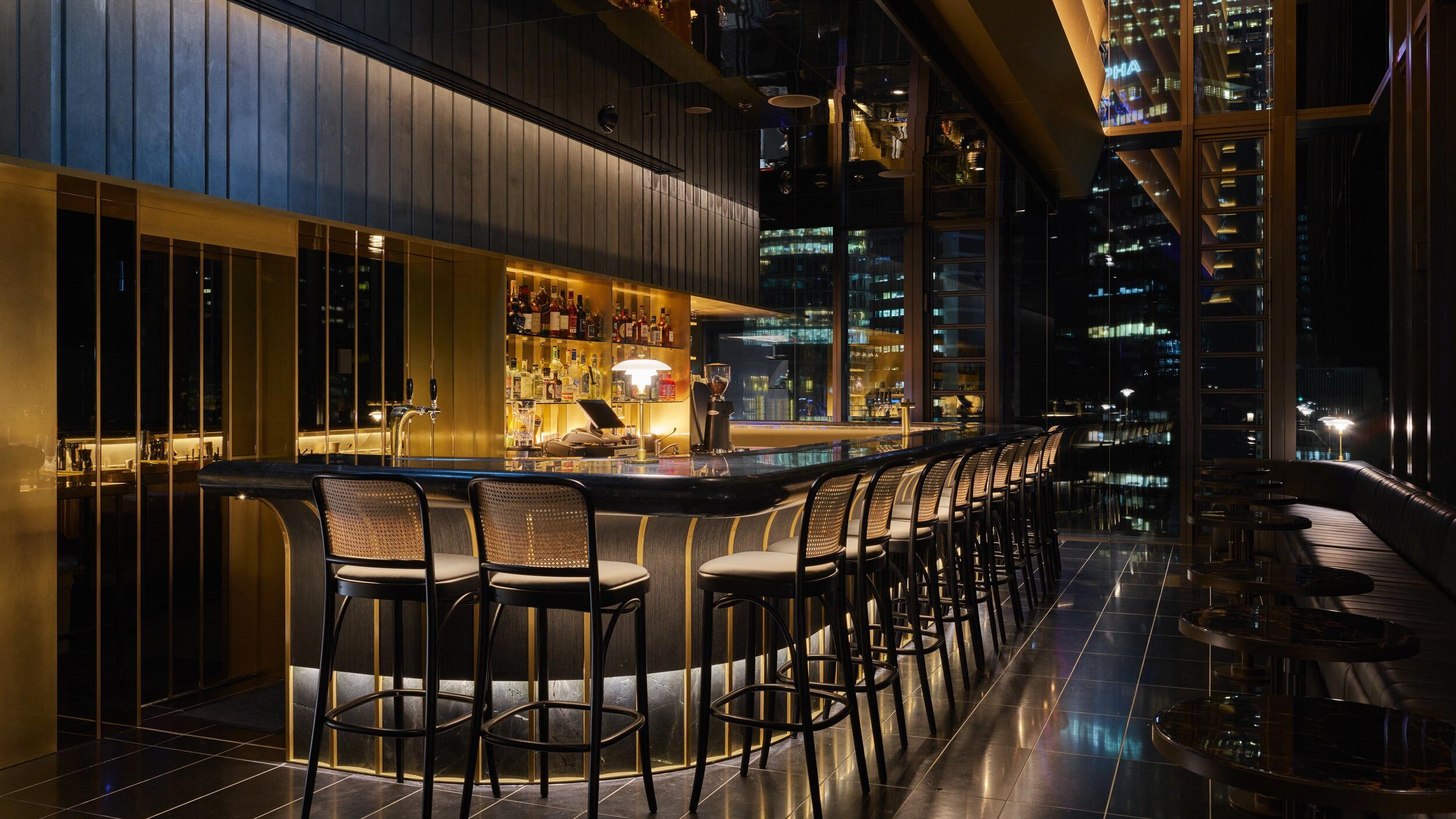
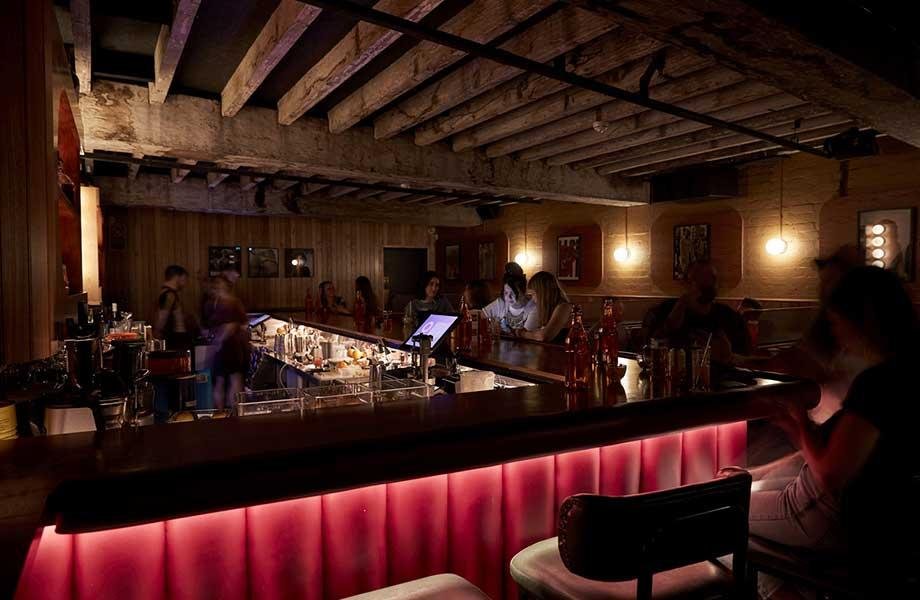
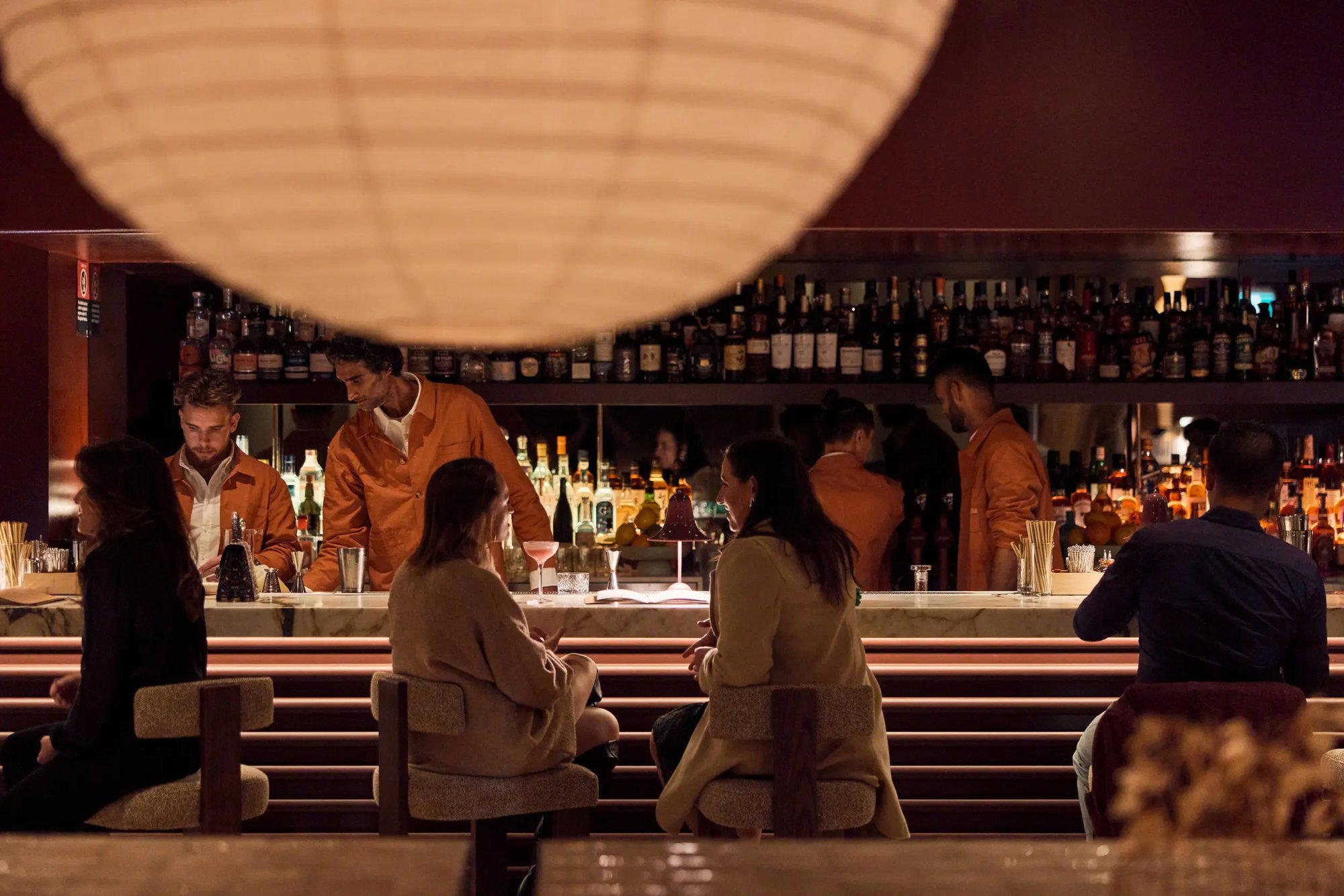
Expect a polished hotel-restaurant mood rather than a destination-room feel. Its Sydney setting points to a dining room that works best for business travellers, scheduled city days, and guests who want convenience within a hotel context.
Cost Snapshot
Side-by-side context: comparable cuisine and price.
| Venue | Cuisine | Price | Awards |
|---|---|---|---|
| Atelier by SofitelThis venue (the venue you are viewing) | Contemporary French Grill | Not listed | Not listed |
| BTWN at W Sydney | Modern Australian with NSW Produce | $50–100 | Star Wine List |
| Ichoume | Modern Japanese Izakaya with French Fusion | $50–100 | Not listed |
| Koromo by Jazushi | Modern Japanese Koromo & Izakaya | $20–30 | Not listed |
Continue exploring
More in Sydney
Restaurants in Sydney
All restaurants in Sydney →
Bars in Sydney
All bars in Sydney →
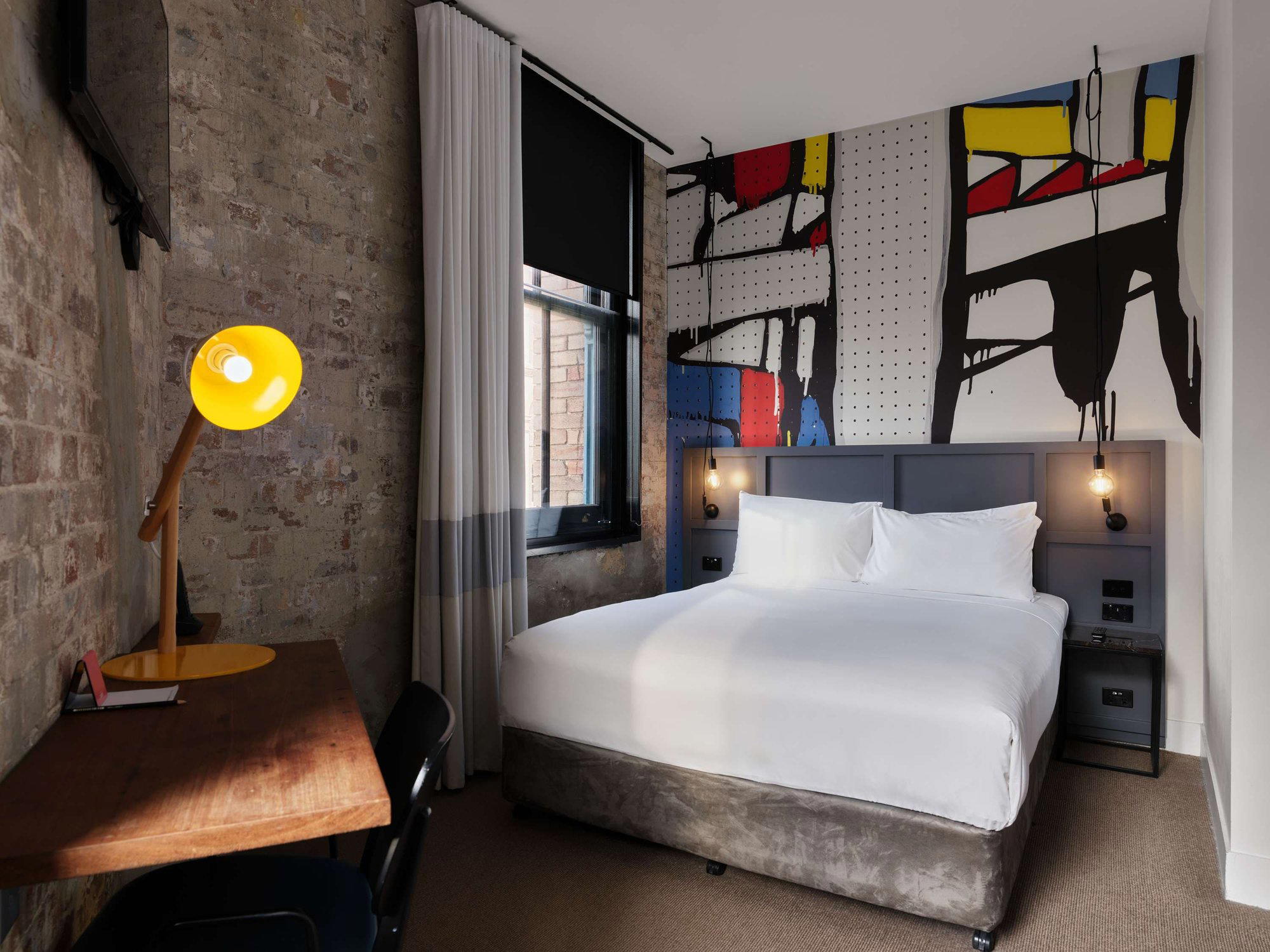
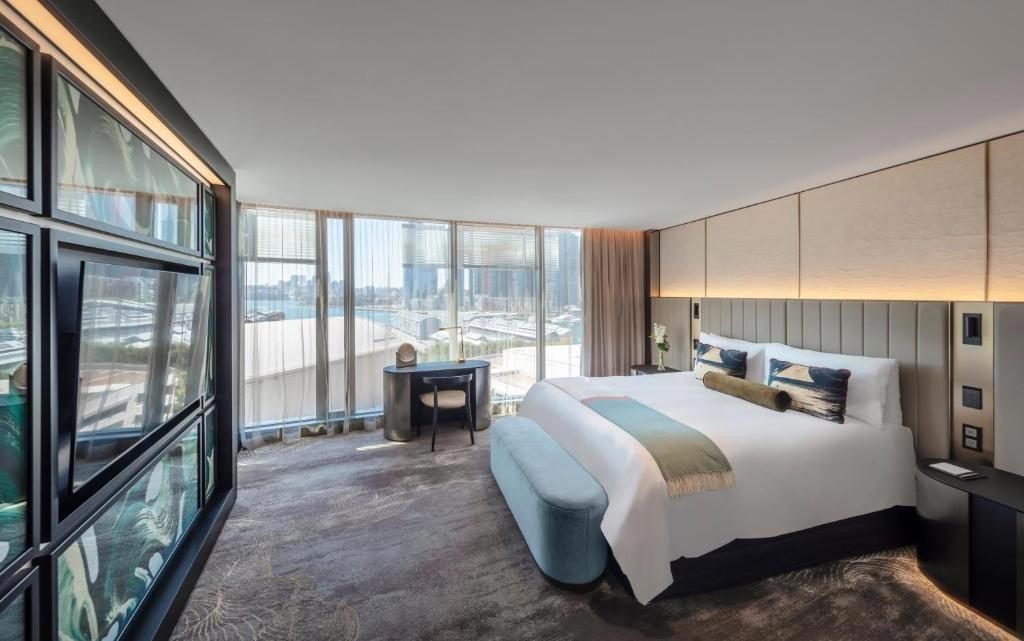
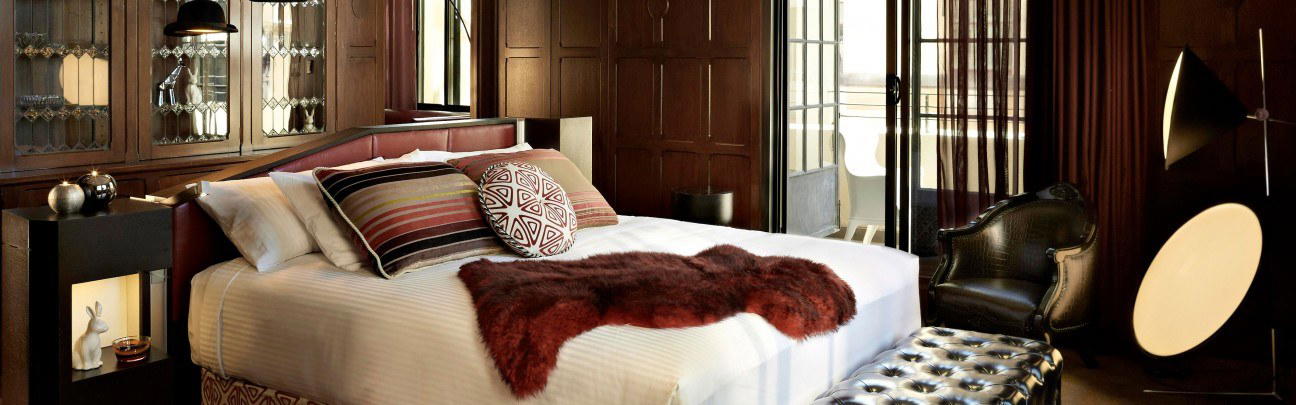
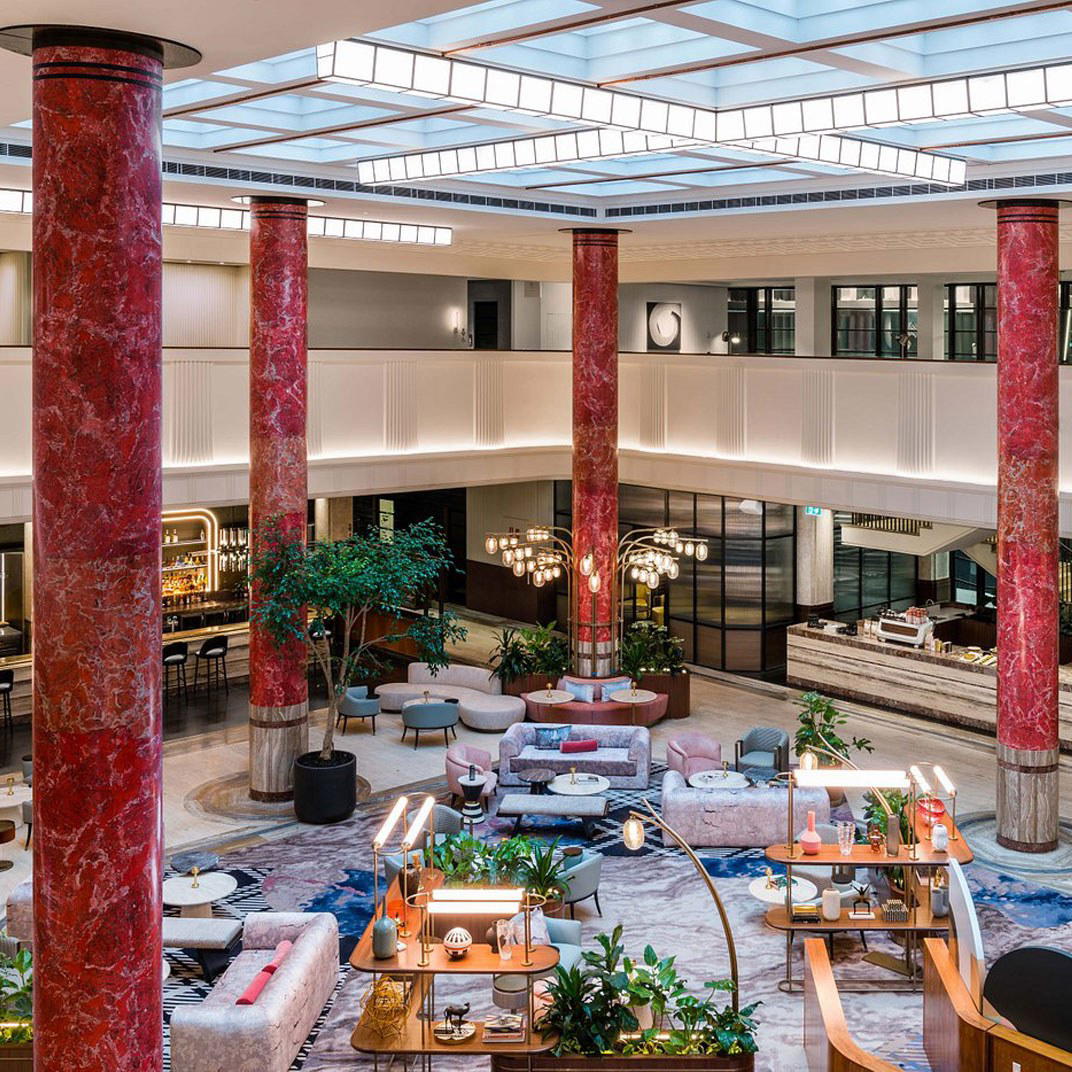

Atelier by Sofitel
The wine
- Wine program
- Deep wine list
- Extensive wine list
- Sommelier-led
Details
- Elegant
- Scenic
- Sophisticated
- Modern
- Romantic
- Date Night
- Group Dining
- Celebration
- Special Occasion
- Business Dinner
- Waterfront
- Hotel Restaurant
- Design Destination
- Extensive Wine List
- Sommelier Led
- Local Sourcing
- Waterfront
- Skyline
- A La Carte
- Tasting Menu
- Set Menu
- Wine
- Vegetarian Friendly
- Vegan Options
- Gluten Free Options
- Pescatarian Friendly
- Allergy Accommodating
Current opening hours
- Monday
- 6:30–10:30 AM, 5:30–9 PM
- Tuesday
- 6:30–10:30 AM, 5:30–9 PM
- Wednesday
- 6:30–10:30 AM, 5:30–9 PM
- Thursday
- 6:30–10:30 AM, 5:30–9 PM
- Friday
- 6:30–10:30 AM, 5:30–9 PM
- Saturday
- 6:30–11 AM, 5:30–9 PM
- Sunday
- 6:30–11 AM, 5:30–9 PM
Hours can change for holidays and private events. Last verified .
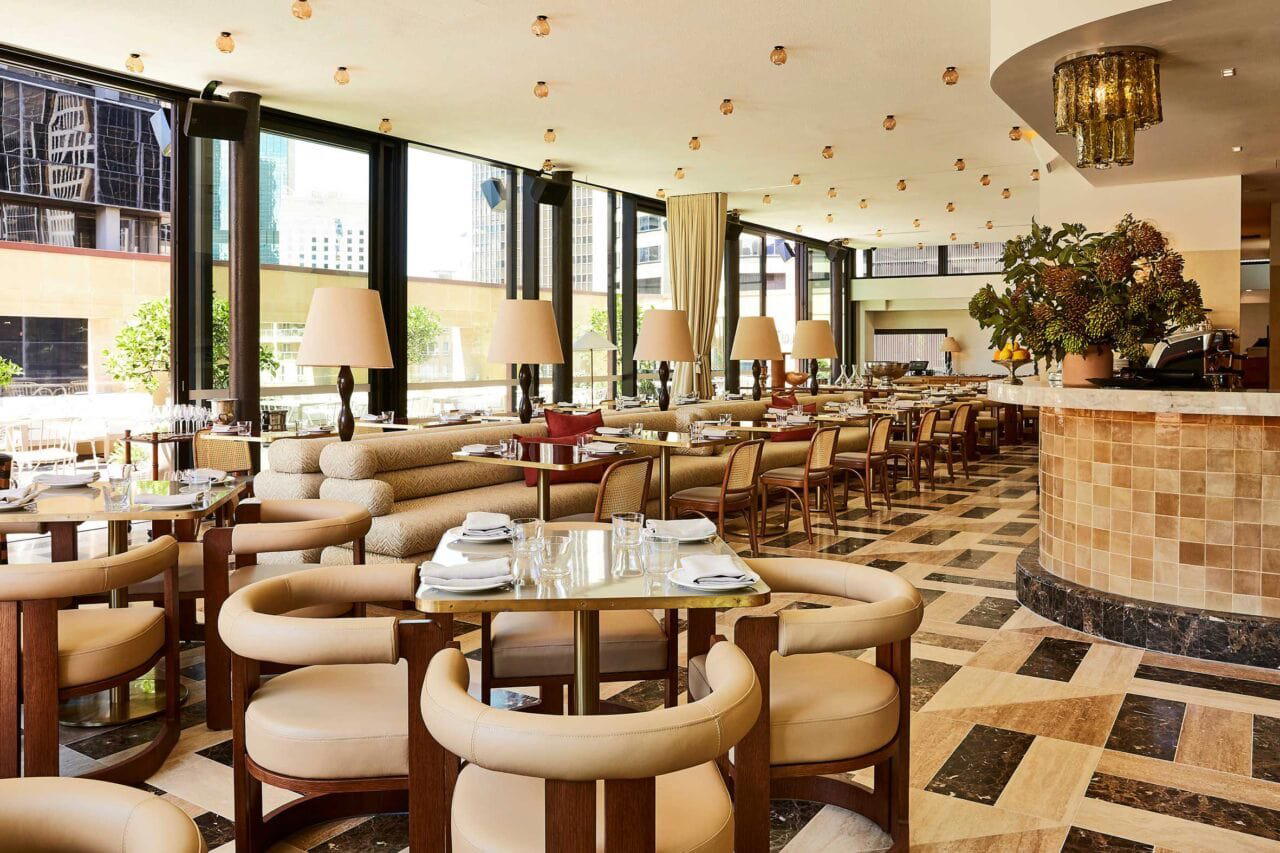
Elegant, welcoming, and refined, with a contemporary French dining room overlooking Darling Harbour and a setting suited to memorable dinners and special occasions.