Art of Dum Reem Mall
Our verdict
Art of Dum Abu Dhabi belongs to the city’s Indian dining conversation through dum cooking: sealed vessels, slow heat, and spice work that rewards patience over flash. With no public awards or chef-led narrative attached, the useful reading is category-based: go for Indian food shaped around layering, aroma, and controlled richness rather than a personality-driven tasting format.

Pearl is the En Primeur Club membership app, where members save venues, book tables and use the concierge.
The menu
What to order
- Awadhi Murgh Biryani
- Firangi Chicken Tikka Biryani
- Butter Chicken
- Dal Makhani
- Lahori Boti
Art of Dum Abu Dhabi is a restaurant in Abu Dhabi serving Traditional Dum Pukht Indian cuisine at about $25 per person. Approaching an Indian dining room in Abu Dhabi, the first cue is rarely the chilli. It is the warmer register: cumin, cardamom, browned onion, ghee, clove, black pepper, the aroma of spice released through heat rather than scattered as decoration. Art of Dum Abu Dhabi belongs to that tradition, where the name points directly at technique. Dum cooking is not a vague promise of richness; it is a controlled method built around sealed vessels, trapped steam and patient layering. In a city where Indian restaurants stretch from hotel dining rooms to casual delivery-led kitchens, that focus matters because it signals a particular idea of comfort: slower, deeper and more aromatic than the grill-forward or street-snack end of the spectrum.
Dum cooking gives Indian food its low-heat architecture
The useful way to read this restaurant is through spice architecture. Indian cooking is often reduced abroad to heat level, but the more serious distinction is sequence. Whole spices may perfume fat at the start. Ground spices thicken and colour the base. Tempered spices arrive later with sharper definition. In dum preparations, those layers are then enclosed, allowing rice, meat, vegetables or sauce to absorb flavour under steam. The result is less about impact than integration, and that makes the format especially suited to a city with a large South Asian dining audience and a luxury-hospitality public used to polished service cues.
Abu Dhabi’s Indian scene has several registers. Palace-hotel dining tends to frame Indian food through tasting menus, heritage dishes and named-chef associations, while neighbourhood restaurants lean toward regional familiarity and daily utility. Art of Dum Abu Dhabi occupies a middle editorial lane in that map: Indian cuisine as technique-led comfort, with the dum reference doing more work than celebrity or awards language. Readers comparing the city’s Indian range can place it alongside broader coverage of Martabaan by Hemant Oberoi, Moksh, Namak and Punjab Grill, each of which represents a different expression of Indian dining in the capital.
The Abu Dhabi context favours comfort with polish
The capital’s restaurant culture does not behave like Dubai’s constant-opening engine. Abu Dhabi rewards repeatability, family suitability and a quieter confidence in format. That makes Indian restaurants especially important here: they serve residents as much as visitors, and they often carry more cultural memory than the dining-room design suggests. Dum cooking fits that rhythm because it is communal by nature. Sealed-pot dishes are built for sharing, and the centre of the table matters as much as the individual plate.
That does not mean the experience should be read as rustic. In the UAE, Indian food often moves fluidly between home-style reference points and hotel-grade polish. The decisive question is not whether a room feels formal, but whether the kitchen respects spice timing. Heavy-handed masala can flatten a meal quickly; better dum cooking keeps distinction between sweet spice, savoury depth, acidity and heat. Art of Dum Abu Dhabi’s editorial relevance comes from that promise of method. The name sets an expectation that slow cooking and layered aromatics are the core grammar, not decorative garnish.
For travellers building a wider Abu Dhabi itinerary, the restaurant sits inside a broader dining ecosystem that now includes Japanese-influenced casual prestige, Emirati and regional restaurants, hotel bars and cultural experiences.
How to read the table before ordering
At a dum-focused Indian restaurant, ordering should start with structure. One slow-cooked centrepiece usually needs contrast around it: something grilled or crisp, something acidic, a bread or rice component that does not compete, and a vegetable dish with its own spice profile. The point is balance, not quantity. If the kitchen is doing its job, the heavier dishes will carry sweetness from onion, warmth from whole spice and depth from fat without requiring aggressive chilli. Diners who judge Indian food only by heat miss the more interesting work.
Art of Dum Abu Dhabi also affects expectations. This is not a page to read through the lens of trophy dining. It is better understood as a category decision: choose it when the brief is Indian food centred on dum technique and layered spice, rather than a tasting-menu statement or a chef-led hotel restaurant. That distinction is useful in Abu Dhabi, where restaurants often compete less through novelty than through clarity of occasion.
For wider UAE and Indian-dining context, EP Club also tracks restaurants beyond the capital, from 3 Fils Abu Dhabi to & More by Sheraton in Dubai, Al Falaj in Liwa Desert, Al Khyama in Al Ain, Al Madam Restaurant in Sharjah, Al Shams Restaurant & Bar in Al Dhafra and Angar Restaurant in أبوظبي. For a North American contrast in Indian restaurant culture, see Aanch, Indian in Toronto and Adda Indian Cuisine, Indian in Queens, where the same cuisine category answers a different city brief.
Frequently asked questions
Can I bring kids to Art of Dum Abu Dhabi?
Yes, it can work well for families, because Art of Dum Abu Dhabi in Abu Dhabi is built around Indian dishes that are easy to share. The Dum format also keeps the meal paced and less rushed for a mixed-age table.
What's the overall feel of Art of Dum Abu Dhabi?
Expect an Indian dining room in Abu Dhabi shaped by dum cooking, so the rhythm is slow and the table moves in shared courses. The cuisine type is Indian, which usually means a meal built around spice, restraint, and patience rather than speed.
What should I expect cuisine-wise at Art of Dum Abu Dhabi?
Art of Dum Abu Dhabi serves Indian cuisine.
How far ahead should I plan for Art of Dum Abu Dhabi?
Plan ahead for peak dining times in Abu Dhabi, especially if the table wants a relaxed Indian meal built around dum cooking. The format rewards advance planning because the experience is meant to unfold at a measured pace.
What is Art of Dum Abu Dhabi known for?
It is known for Indian dum cooking in Abu Dhabi, a method that seals the pot and cooks gently with trapped steam. That technique is the point here, not a broad multi-cuisine menu.
Is Art of Dum Abu Dhabi allergy-friendly?
Indian cuisine often uses dairy, nuts, and spice blends, so guests with allergies should check each dish carefully. At Art of Dum Abu Dhabi in Abu Dhabi, the safest approach is to ask about ingredients before ordering.
Continue exploring
More in Abu Dhabi
Restaurants in Abu Dhabi
All restaurants in Abu Dhabi →
Bars in Abu Dhabi
All bars in Abu Dhabi →


Details
- Modern
- Lively
- Trendy
- Cozy
- Family
- Casual Hangout
- Group Dining
- Celebration
- Solo
- Standalone
- Design Destination
- Sustainable
- Local Sourcing
- A La Carte
- Vegetarian Friendly
- Halal
Current opening hours
- Monday
- 11 am–11 pm
- Tuesday
- 11 am–11 pm
- Wednesday
- 11 am–11 pm
- Thursday
- 11 am–11 pm
- Friday
- 11 am–12 am
- Saturday
- 11 am–12 am
- Sunday
- 11 am–11 pm
Hours can change for holidays and private events. Hours as of .
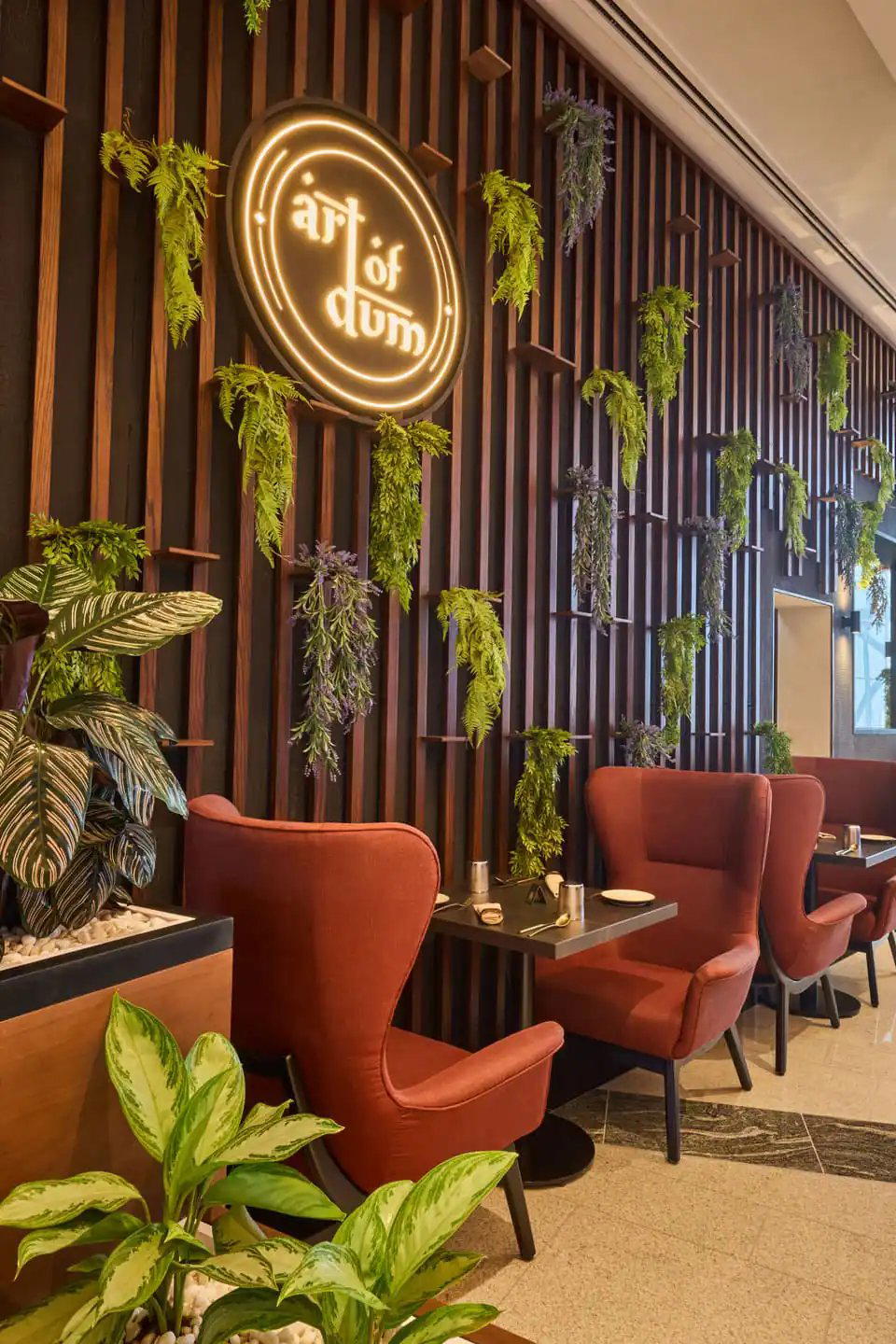
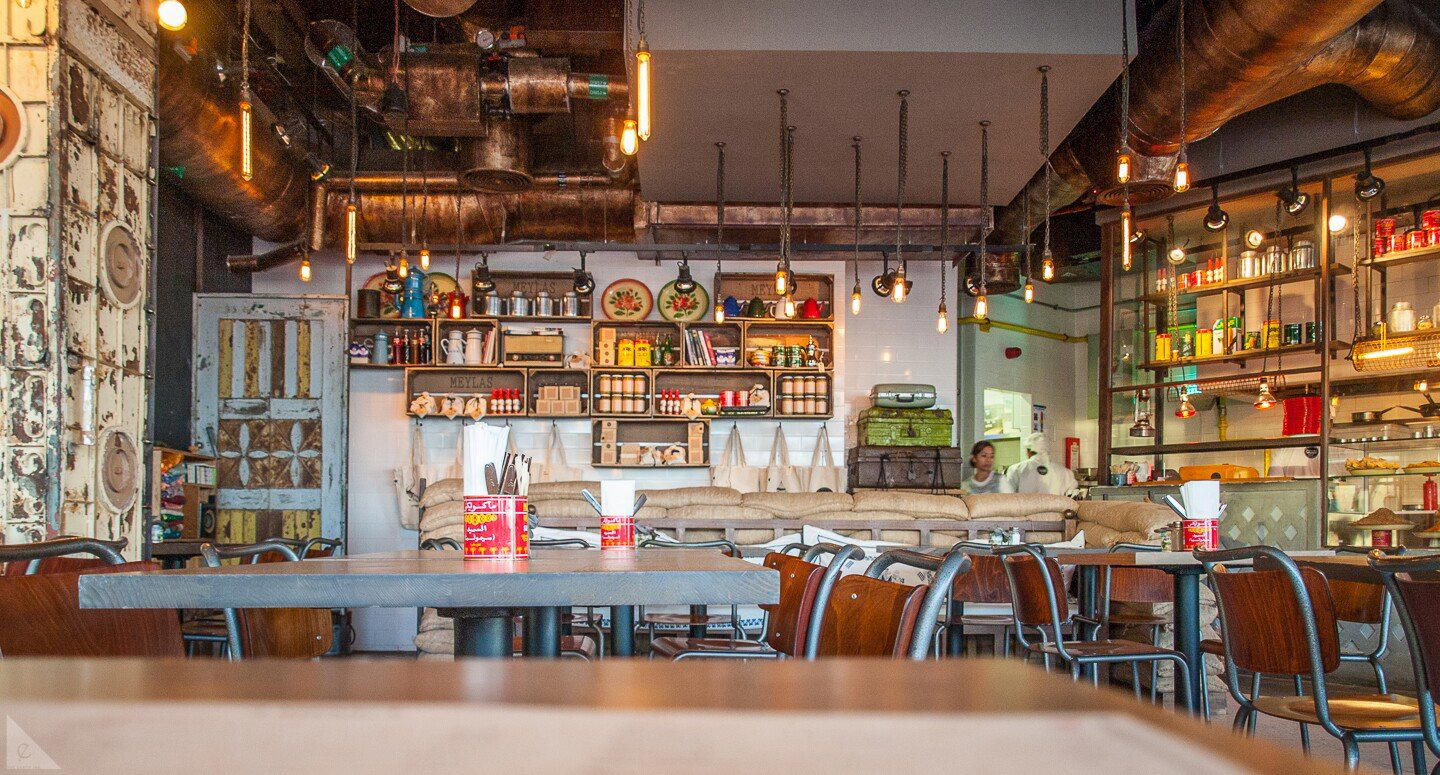
Mall-based modern Indian restaurant rooted in traditional dum pukht cooking; atmosphere centers on rich aromas, clay-pot presentations, and a casual dine-in setting within Reem Mall rather than a formal fine-dining room.