Argali Restaurant
Set within the Terelj Hotel in Mongolia's Terelj National Park, Argali Restaurant occupies a position that few dining rooms can claim: a working wilderness as its immediate backdrop. The kitchen draws from a region where nomadic herding traditions still shape what ends up on the table, placing ingredient provenance at the centre of the experience rather than the margins.
Pearl is the En Primeur Club membership app — saves, bookings, and concierge access live there. Same editors, same standards.
- Address
- Terelj Hotel, Terelj National Park
- Directions
- Get directions
 Saves & bookings on Pearl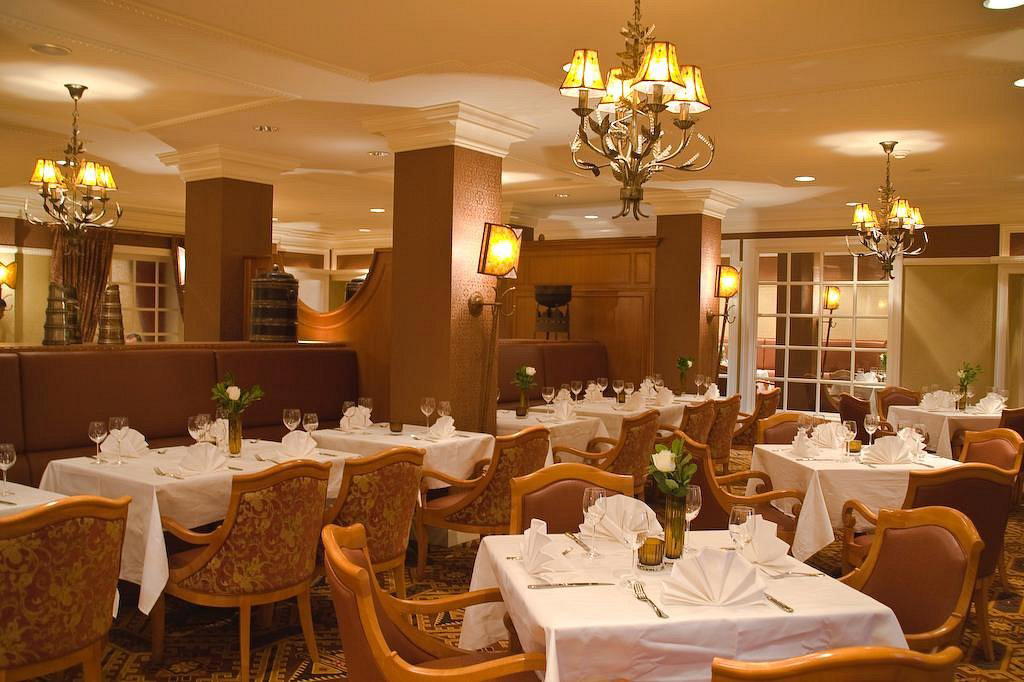
Eating at the Edge of the Steppe
There is a particular quality to dining in a protected wilderness that urban restaurants spend considerable effort trying to approximate. Terelj National Park, roughly 55 kilometres northeast of Ulaanbaatar, is granite formations, river valleys, and grazing land where semi-nomadic herders move livestock between seasonal pastures. The Argali Restaurant, operating within the Terelj Hotel on that terrain, inherits a food context that most kitchens would have to fabricate. The sourcing argument here is not a marketing position — it is a geographic fact.
Argali, the name shared with the wild mountain sheep (Ovis ammon) native to Central Asian highlands, signals something about how the region frames its relationship to the land. The animal is the largest wild sheep in the world by body mass and has been part of the Mongolian ecological and cultural record for centuries. A restaurant bearing that name in this location is making a statement about terrain, not trend.
What the Land Puts on the Table
Mongolian cuisine at its foundation is built around meat and dairy from animals that graze on open pasture — mutton, beef, and goat, fermented mare's milk, dried curds known as aaruul. These are not ingredients that arrived through global supply chains. They reflect a pastoral economy that has been functioning across the Central Asian steppe for millennia, and in Terelj's protected landscape, that economy remains visible outside the window while you eat.
For visitors accustomed to farm-to-table framing as a premium differentiator in major dining cities, the context here inverts the usual logic. At Atomix in New York City or Lazy Bear in San Francisco, sourcing provenance is an achievement that requires deliberate supply chain construction. In Terelj, the provenance is structural. The question is not where the lamb comes from, it is how the kitchen chooses to work with what the surrounding landscape provides.
Traditional Mongolian cooking methods lean toward simplicity by necessity: boiling, roasting, and slow cooking over wood or dried dung fuel in conditions where fuel efficiency matters. Khorkhog, the stone-heated lamb preparation common in nomadic cooking, and tsuivan, hand-pulled noodles cooked with meat and fat, represent the culinary tradition the region carries. A restaurant operating in this terrain exists in conversation with those methods, whether it adopts, adapts, or departs from them.
The Setting as Context
Terelj National Park draws a specific traveller, those combining Ulaanbaatar's urban program with a wilderness excursion, overland tour groups moving through the steppe, and an increasing number of visitors arriving specifically for the landscape. The hotel-restaurant format in this setting serves a more captive audience than city dining, which shapes what the kitchen must do: cover enough range to function as a primary dining option for guests across multiple days, while still expressing something specific enough to be worth the journey on its own terms.
This is a different competitive position from urban Mongolian dining. The comparison set is not Casablanca in Ulaanbaatar or Bayangol Restaurant, which operate in a city context with different logistics and a local clientele that can make repeated choices. Argali operates in a national park, accessible primarily through the hotel, with a guest base that is largely international and largely transient. That position is neither a limitation nor a distinction to oversell, it is simply the frame in which the kitchen works.
For context on the wider spread of dining options across the region, our full Terelj National Park restaurants guide maps the available options with more granularity. Those seeking contrast at the western end of the country might also consult Pamukkale Restaurant in Olgii or Хишиг ресторан in Ховд Аймаг, which serve different regional traditions within Mongolia's broader culinary geography.
Ingredient Sourcing as the Argument
The strongest case for Argali as a dining destination rests not on award recognition or a high-profile kitchen lineage, neither of which is documented in available records, but on the sourcing argument the location makes by default. Restaurants at the level of Arpège in Paris or Aponiente in El Puerto de Santa María have built their reputations in part on the rigour with which they connect cooking to a specific territory. In Terelj, territory is not a concept to be argued for in a tasting menu, it is the immediate physical condition of the restaurant.
Whether that advantage is fully realised depends on execution that cannot be confirmed from public records. What can be said is that a kitchen operating in this location has access to ingredients, particularly meat and dairy, with a transparency of origin that is structurally unavailable in most urban dining contexts. The argali sheep itself does not appear on tables (it is a protected species across much of its range), but the livestock traditions it represents are actively alive in the valleys around the hotel.
Planning Your Visit
Terelj National Park is reachable from Ulaanbaatar by road, with the drive taking approximately one to one and a half hours depending on conditions and the specific access point. The park operates year-round, though summer (June through August) is the primary season for international visitors; winter temperatures in the region drop well below freezing and the landscape takes on an entirely different character. Those visiting in the colder months should confirm hotel and restaurant availability in advance, as seasonal closures or reduced programming affect some Terelj properties.
The Argali Restaurant operates as part of the Terelj Hotel, which means access and reservation logistics are tied to the hotel's own booking systems. For independent day-trippers rather than hotel guests, checking directly with the property before arrival is advisable.
How It Stacks Up
Comparable venues nearby, for context on price, style, and recognition.
| Venue | Cuisine | Price | Notes |
|---|---|---|---|
| Argali RestaurantThis venue — the venue you are viewing | International Steakhouse | $$$$ | Not listed |
| Хишиг ресторан | Mongolian Restaurant | Not listed | Жаргалант |
| The Bull | Mongolian Hotpot | $$ | Sukhbaatar |
| Saemaeul Sikdang Mongolia | Korean BBQ | $ | Naadam Center |
| Nagomi | Japanese Kaiten Sushi | $$ | Khan Bank Seoul Street |
| World Wine Vinotage | Italian with Wine Focus | $$$ | Khan-Uul |
Continue exploring
More in Terelj National Park
Restaurants in Terelj National Park
Browse all →
Bars in Terelj National Park
Browse all →
Hotels in Terelj National Park
Browse all →
At a Glance
- Scenic
- Elegant
- Sophisticated
- Casual Hangout
- After Work
- Hotel Restaurant
- Craft Cocktails
- Mountain
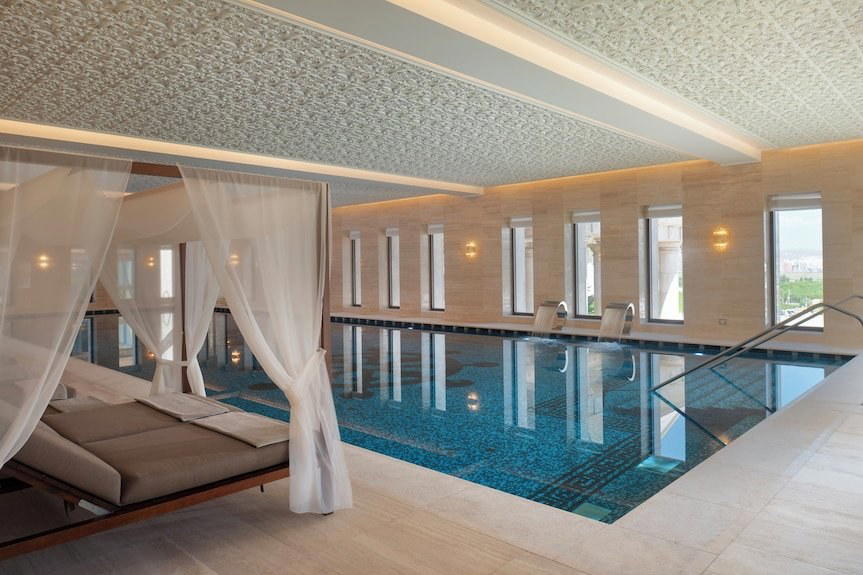
Comfortable and sophisticated luxury atmosphere befitting a five-star hotel.
Know Before You Go
- Getting there
- Terelj Hotel, Terelj National Park