Bayangol Restaurant, Ulaanbaatar
One of Ulaanbaatar's established dining addresses, Bayangol Restaurant represents the city's broader tradition of Mongolian hospitality translated into a formal setting. It sits within the current scene of the capital where local ingredients — mutton, dairy, wild-foraged produce from the steppe — anchor menus shaped by geography as much as technique. For visitors orienting to the city's dining options, it serves as a useful reference point.
Pearl is the En Primeur Club membership app — saves, bookings, and concierge access live there. Same editors, same standards.
- Address
- Ulaanbaatar, Mongolia
- Directions
- Get directions
 Saves & bookings on Pearl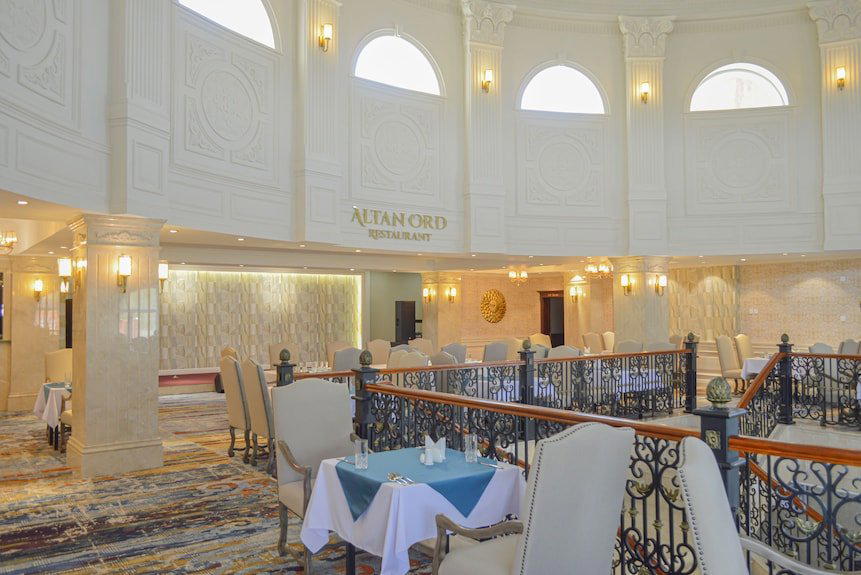
Eating in Ulaanbaatar: Where the Steppe Meets the Table
Ulaanbaatar's restaurant scene has expanded markedly over the past decade, moving from a narrow band of hotel dining rooms and basic guanz canteens toward a wider tier of sit-down restaurants oriented at both business travelers and a growing domestic middle class. The shift hasn't erased what makes the city's food culture distinctive: the raw material base is still fundamentally pastoral. Mongolia's livestock-based economy means that mutton, beef, and dairy are not imports or affectations — they are what the land produces, and the leading kitchens in the city treat that provenance as an asset rather than a limitation. Bayangol Restaurant, one of the capital's more established dining addresses, sits within this context. Understanding what it represents means understanding what ingredient-driven Mongolian cooking actually looks like when it moves indoors and onto a set table.
The Ingredient Argument: Why Sourcing Defines Mongolian Cuisine
In most of the world's major food cultures, provenance has become a marketing category. In Mongolia, it is simply geography. The country's vast grasslands — covering roughly 80 percent of the territory, support some of the highest-density free-ranging livestock populations anywhere. Animals raised on open steppe, moving seasonally across unfenced pasture, produce meat with a fat profile and flavor that differs markedly from feedlot equivalents. Mongolian mutton in particular has a distinctive mineral quality tied directly to the forage composition of the land the animals graze. This is not a farm-to-table philosophy in the fashionable sense; it is the baseline condition of food production in a country where the supply chain between animal and kitchen is often measured in hours rather than days.
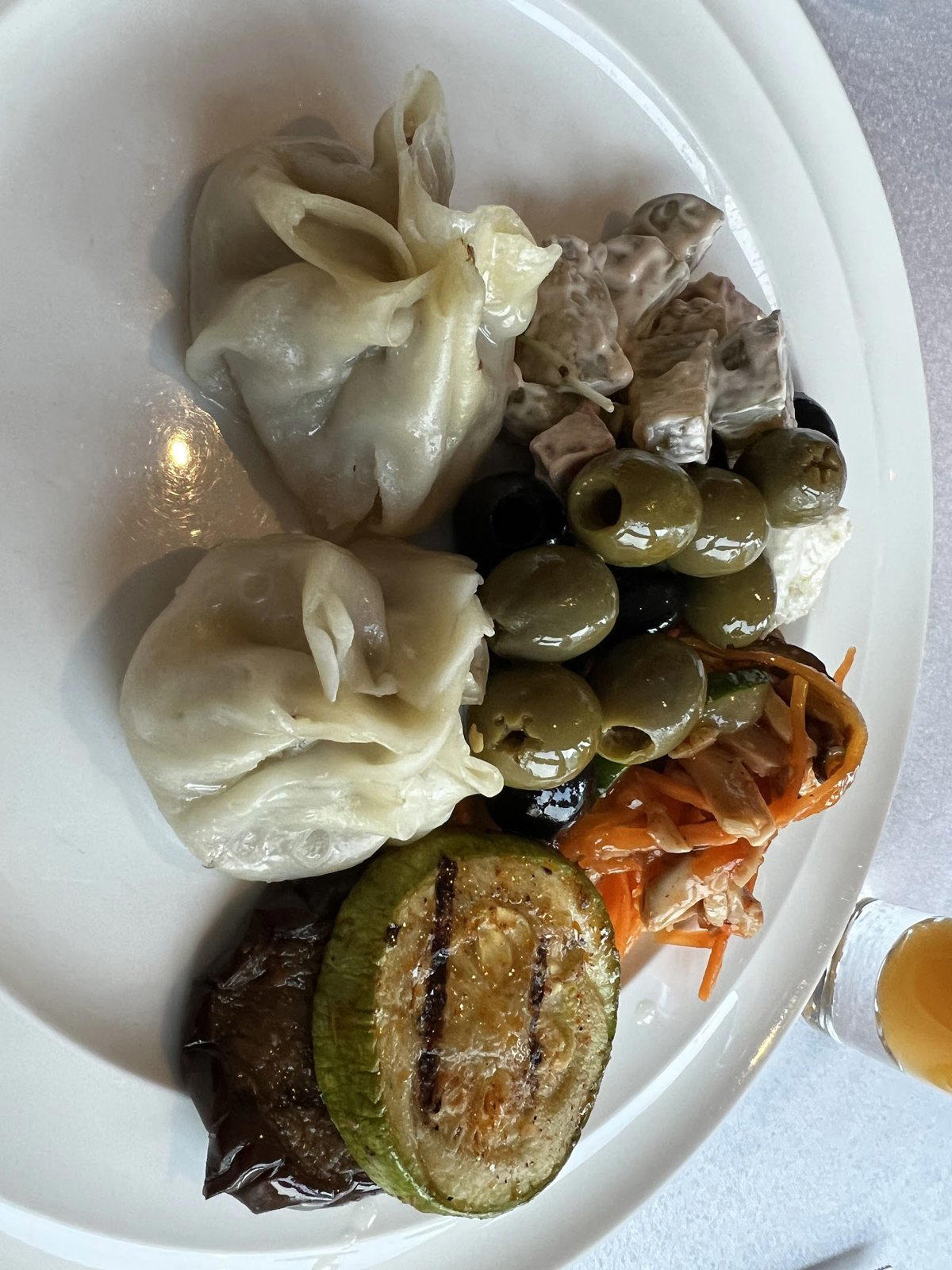
For a restaurant operating in central Ulaanbaatar, the sourcing question becomes about consistency and selection within that naturally short supply chain. The city's covered markets and wholesale channels draw from producers across surrounding aimags, and seasonal availability shapes what appears on menus in ways that urban diners from other countries might find unfamiliar. Autumn and winter menus lean harder into preserved and cured formats, dried meat (borts), fermented dairy products like tarag and aaruul, while warmer months bring fresh dairy and vegetables from peri-urban gardens. This seasonal cadence is worth understanding before you arrive, because it shapes what any honest Mongolian kitchen is actually offering at a given time of year.
For more on how Ulaanbaatar's broader dining scene maps ingredient traditions to neighborhood context, see our full Ulaanbaatar restaurants guide.
The Setting and What It Signals
Bayangol Restaurant occupies a position in Ulaanbaatar's dining tier that is neither the stripped-back guanz format nor the fully international hotel-restaurant model. The city has developed a middle register of establishments that dress a room properly and structure a meal with some formality while keeping the menu anchored in Mongolian staples rather than approximations of European cuisine. This tier is where most of the city's serious local dining happens, away from the tourist-facing ger-camp simulation dinners on the city's outskirts and distinct from the Korean and Japanese restaurants that have proliferated in central Ulaanbaatar over the last several years, including places like Saemaeul Sikdang Mongolia.
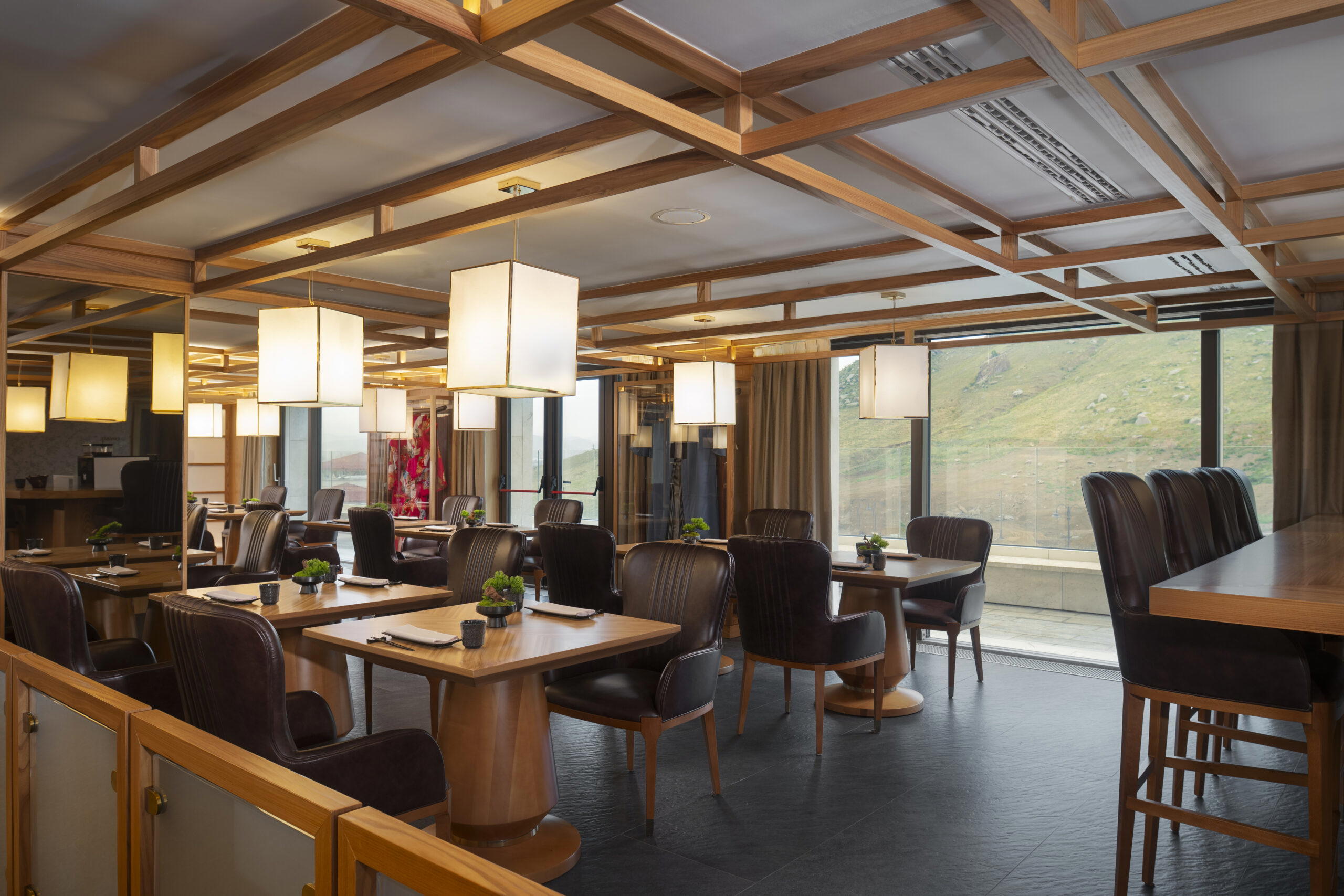
The physical approach to any established Ulaanbaatar restaurant of this type tends to follow a recognizable pattern: a building that was adapted rather than purpose-built, an interior that layers some decorative nod to nomadic culture, felt textiles, woodwork motifs, reference imagery of the steppe, against a more functional dining room arrangement. Whether or not that combination resolves elegantly varies by establishment, but the intent is consistent: to situate the meal inside a cultural reference frame that the food itself already occupies. It is a more considered approach than it might first appear, and it reads differently once you understand that the alternative in much of Ulaanbaatar is a dining room that makes no argument at all about where the food comes from or what tradition it represents.
Regional Comparisons: Mongolian Dining Beyond the Capital
Ulaanbaatar concentrates most of the country's formal restaurant infrastructure, but it is not the only place in Mongolia where ingredient-driven eating makes a strong case for itself. The western aimags have their own food traditions, dairy-forward, heavily influenced by Kazakh and Tuvan culinary practices in places like Olgii, where a restaurant such as Pamukkale Restaurant reflects a different ethnic and geographic food culture entirely. In the Terelj area, just outside the capital, Argali Restaurant operates in a landscape context where the provenance argument is literally visible through the window. And further west, establishments like Хишиг ресторан in Ховд Аймаг serve communities where the food chain between producer and plate is even shorter than in the capital.
Ulaanbaatar's international dining layer, meanwhile, includes a venue like Casablanca, which operates in a different register altogether, pointing toward the city's parallel appetite for cuisine that makes no local sourcing argument at all. Both tendencies coexist, and understanding the gap between them helps position any Mongolian-focused restaurant accurately within what the city actually offers.
For a global frame of reference on how ingredient sourcing drives fine dining, the contrast with European and American kitchens is instructive. Restaurants like Arpège in Paris built their identity around sourcing discipline as a deliberate philosophical stance; in Mongolia, that discipline is simply a function of economic and geographic reality. The outcome on the plate can be equally compelling, sometimes more so, but it arrives without the same institutional framing.
Planning a Visit
Ulaanbaatar's restaurant scene operates on patterns worth knowing before you book. Lunch trade tends to run from midday to around 2pm and draws a local business crowd; dinner service is typically the more relaxed option for visitors arriving from outside the city. The capital is accessible via Chinggis Khaan International Airport, which handles connections through major Asian hubs including Beijing, Seoul, and Istanbul, with flight times generally ranging from two to six hours depending on origin. Central Ulaanbaatar's restaurant district is compact enough to navigate on foot or by short taxi ride from the main hotel corridors around Sükhbaatar Square. For a restaurant at Bayangol's level, booking ahead is the practical approach during summer months (June through August), when the city sees its highest visitor volumes. Autumn visits, September and October, offer cooler weather, lower competition for tables, and menus that reflect the harvest and early preservation season, which is often when Mongolian cooking is at its most characteristic.
In Context: Similar Options
Comparable venues nearby, for context on price, style, and recognition.
| Venue | Cuisine | Price | Notes |
|---|---|---|---|
| Bayangol Restaurant, UlaanbaatarThis venue — the venue you are viewing | Asian and European | $$ | Not listed |
| Casablanca | European & Southeast Asian Fusion | $$ | Sukhbaatar |
| Nagomi | Japanese Kaiten Sushi | $$ | Khan Bank Seoul Street |
| Saemaeul Sikdang Mongolia | Korean BBQ | $ | Naadam Center |
| World Wine Vinotage | Italian with Wine Focus | $$$ | Khan-Uul |
| The Bull | Mongolian Hotpot | $$ | Sukhbaatar |
Continue exploring
More in Ulaanbaatar
Restaurants in Ulaanbaatar
Browse all →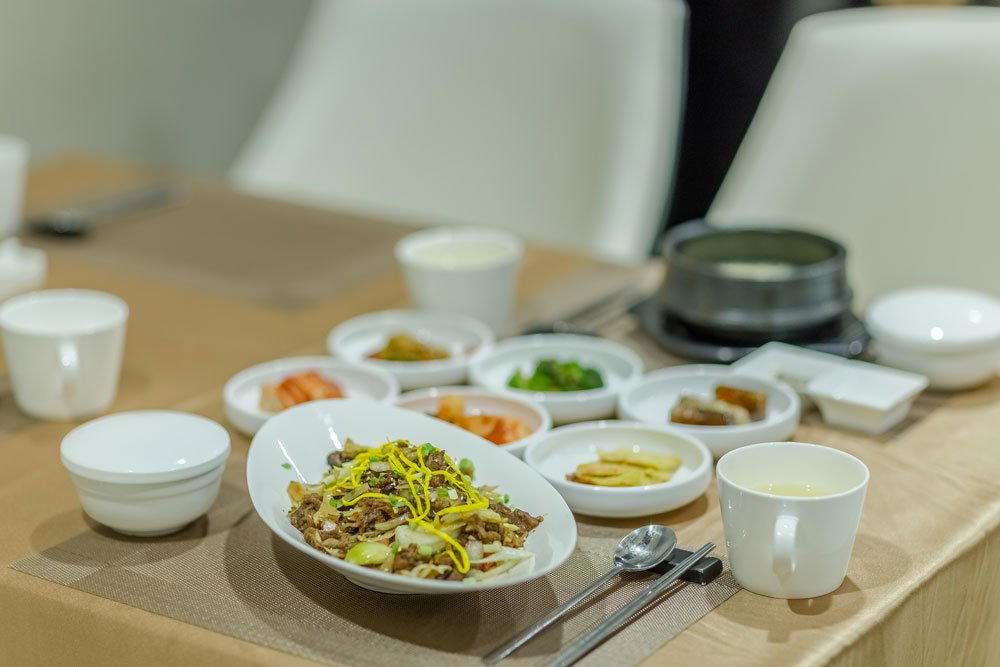
Bars in Ulaanbaatar
Browse all →
At a Glance
- Classic
- Group Dining
- Business Dinner
- Hotel Restaurant
- Mountain
Classic hotel restaurant atmosphere with modern facilities.