Argali
Steppe as Context: Drinking at the Edge of the National Park Most bar and dining experiences worth writing about earn their reputation through what happens inside four walls. Argali presents a different calculation. The venue sits along Terelj Road within Gorkhi-Terelj National Park, roughly an hour northeast of central Ulaanbaatar, placing it in a category that has less to do with urban bar programming and more to do with the particular logic of destination venues built around landscape. In Mongolia, that landscape is doing significant editorial work: the Terelj valley is a corridor of river-cut terrain, scattered ger camps, and granite outcrops that have defined the country's premium tourism infrastructure for decades. Any venue operating here is, by geography alone, making a statement about what kind of experience it intends to be. The Gorkhi-Terelj corridor has developed over the past twenty years into the primary release valve for Ulaanbaatar's growing class of internationally mobile visitors and expatriate residents. Where the capital's bar scene has consolidated around a handful of central districts, Terelj represents a different tier entirely: venues anchored not to foot traffic or neighbourhood density but to the deliberate decision of a traveller to leave the city. That journey shapes the experience before anything is poured. Argali operates inside that logic. See our full Ulaanbaatar restaurants guide for venues operating within the city's central districts. What the Setting Produces Destination venues in national park settings around the world have split into two recognisable formats: those that use the landscape as backdrop for a largely urban-style programme, and those that let the environment dictate the pace and character of what's offered. The distinction matters for how a drinks or food programme is structured. In park-adjacent venues across Central and East Asia, the stronger category tends toward formats that slow the guest down: longer sessions, locally sourced ingredients, and a willingness to let conversation and surroundings carry more of the evening's weight than the menu alone. Argali's position along Terelj Road puts it in that second category by necessity. Guests arriving from Ulaanbaatar have already committed time and intention to the visit. The expectation arriving at a venue like this differs materially from the expectation at an urban counter where the next stop is a fifteen-minute walk away. This is the structural reality that defines what a cocktail programme or drinks list in this setting needs to deliver: not novelty for its own sake, but coherence with the environment and a willingness to reward the journey. The Drinks Tradition in Mongolia's Premium Tier Mongolia's cocktail culture, concentrated in Ulaanbaatar, has tracked a trajectory familiar from other cities where a small but growing international hospitality sector has emerged in the past decade. The capital's more considered bar programmes have moved toward local spirit incorporation, fermented dairy derivatives, and native botanical sourcing as the primary points of differentiation from generic international menus. Airag, the traditional fermented mare's milk, has appeared in various forms as a base or modifier across the more experimental end of that scene, though with mixed results depending on the skill of the programme. Outside the city, the opportunity is different. A venue in Gorkhi-Terelj is not competing with the density of Ulaanbaatar's central hospitality cluster. It is competing with the experience of being in a national park, which means the drinks programme's role is to complement rather than dominate. The bar programmes that have worked leading in analogous settings globally, from the highlands of central Asia to the remote stations of the Mongolian steppe's eastern flanks, tend to prioritise clarity and restraint over technical complexity. The glass in hand should not distract from the view out the window or the air coming off the mountains. For reference points on what considered cocktail programmes look like when they're working at full calibration, the contrast with urban specialist bars is instructive. Kumiko in Chicago operates through a programme built on Japanese whisky and culinary technique. Bar Leather Apron in Honolulu has built sustained recognition through precision and restraint. Experimental Bistro in Taipei represents the technically experimental end of Asia's bar scene. These are urban programmes shaped by competition and density. A national park venue operates under none of those pressures, which is both its freedom and its constraint. Planning the Visit The journey from central Ulaanbaatar to Gorkhi-Terelj National Park runs northeast along the Terelj Road corridor. Most visitors travel by private car or arranged transfer; public transport options are limited and the final sections of the route require a vehicle suited to the terrain. Timing the visit matters: the Mongolian steppe's extreme seasonal range means summer months offer the most accessible conditions, with long daylight hours and temperatures that make the park's outdoor character a genuine asset. Winter visits are possible but demand specific preparation and prior confirmation of the venue's operating status during the colder months. Argali's address places it at a specific point along the Terelj Road access route within the national park boundary. Visitors should confirm operating hours and access directly before making the journey from the capital, as remote venues in this region do not always maintain the consistent daily schedules of urban hospitality businesses. The one-direction commitment of the drive means that pre-visit logistics carry more weight here than they would for a city restaurant where a walk-in attempt costs nothing if it fails. Where Argali Fits in the Regional Picture The global bar and dining scene has produced a coherent tier of destination venues that earn their place not through awards recognition or urban critical mass but through specificity of location and the quality of what they deliver in that context. Raised by Wolves in San Diego, The Parlour in Frankfurt, and Café La Trova in Miami each operate within dense urban bar ecosystems where peer comparison is constant and earned. Jewel of the South in New Orleans, Julep in Houston, Superbueno in New York City, Dear Irving in New York City, and Bar du Plaza Athénée in Paris draw on tradition, neighbourhood, or hotel context as their primary anchor. Argali, by contrast, draws on terrain. That positioning is rare enough globally to be taken seriously on its own terms. Mongolia's national park system covers roughly thirty percent of the country's territory, and the density of considered hospitality within that system remains thin by international standards. A venue operating in Gorkhi-Terelj is, by that measure, working in space with very few direct competitors and very high expectations from the travellers willing to make the trip. The editorial question, for any visitor, is whether the experience delivers proportionally to the commitment required to reach it. Frequently Asked Questions What kind of setting is Argali?Argali is a destination venue within Gorkhi-Terelj National Park, located along Terelj Road northeast of Ulaanbaatar. The setting is defined by national park terrain rather than urban context, which places it in a different category from the city's central hospitality venues. Visitors should plan the journey from the capital accordingly, as the drive and the park environment are integral to the experience rather than incidental to it.What do regulars order at Argali?Given the venue's location within a Mongolian national park, programmes at comparable destination venues in the region tend to draw on locally sourced ingredients and traditional fermented beverages. Confirming the current menu directly with the venue before visiting is advisable.Why do people go to Argali?The primary draw is the combination of location and intention: Gorkhi-Terelj is one of Mongolia's most visited national parks, and a venue operating within it offers an experience grounded in landscape rather than urban density. For visitors already travelling through the Terelj corridor, Argali provides a reason to settle in and extend the stay rather than treating the park as a day trip from Ulaanbaatar.Is Argali accessible as a day trip from Ulaanbaatar, and what is the leading season to visit?Gorkhi-Terelj National Park sits close enough to Ulaanbaatar to function as a day trip during Mongolia's warmer months, typically late spring through early autumn, when road conditions and daylight hours support the journey. The park experiences severe winters with temperatures well below freezing, which can affect venue accessibility and operating schedules. Travellers planning a visit to Argali specifically should confirm the venue is open before making the drive, as remote national park venues in this region may operate seasonally or with limited hours outside peak travel periods.
Pearl is the En Primeur Club membership app — saves, bookings, and concierge access live there. Same editors, same standards.
- Address
- Terelj Rd Gorkhi Terelj National Park, ND - 6 khoroo, Terelj, Ulaanbaatar 12710
- Directions
- Get directions
 Saves & bookings on Pearl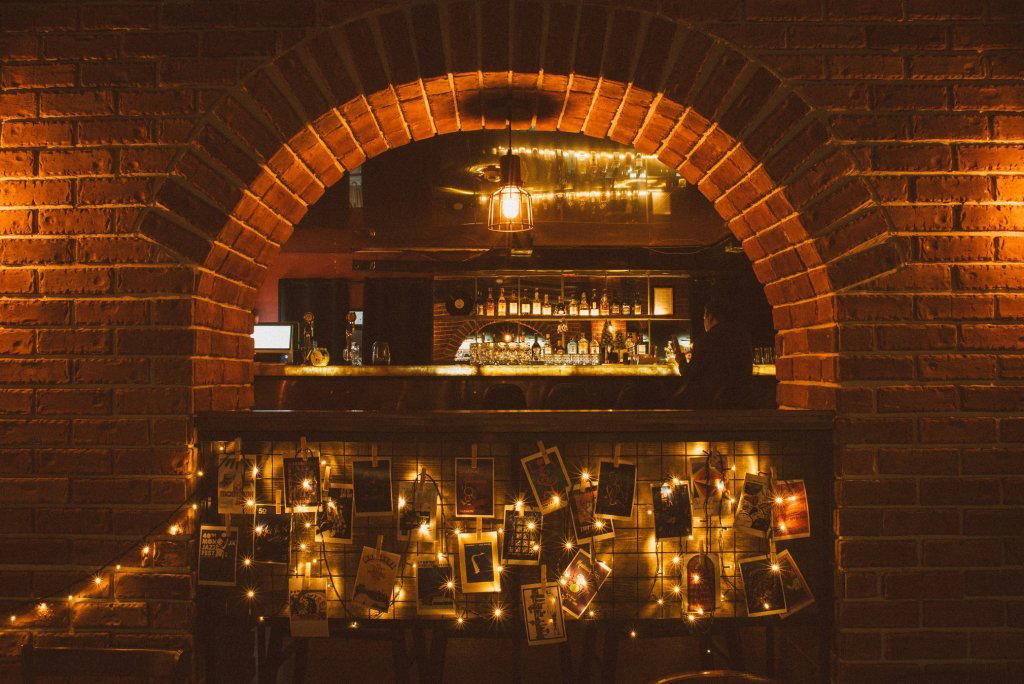
Steppe as Context: Drinking at the Edge of the National Park
Most bar and dining experiences worth writing about earn their reputation through what happens inside four walls. Argali presents a different calculation. The venue sits along Terelj Road within Gorkhi-Terelj National Park, roughly an hour northeast of central Ulaanbaatar, placing it in a category that has less to do with urban bar programming and more to do with the particular logic of destination venues built around landscape. In Mongolia, that landscape is doing significant editorial work: the Terelj valley is a corridor of river-cut terrain, scattered ger camps, and granite outcrops that have defined the country's premium tourism infrastructure for decades. Any venue operating here is, by geography alone, making a statement about what kind of experience it intends to be.
The Gorkhi-Terelj corridor has developed over the past twenty years into the primary release valve for Ulaanbaatar's growing class of internationally mobile visitors and expatriate residents. Where the capital's bar scene has consolidated around a handful of central districts, Terelj represents a different tier entirely: venues anchored not to foot traffic or neighbourhood density but to the deliberate decision of a traveller to leave the city. That journey shapes the experience before anything is poured. Argali operates inside that logic. See our full Ulaanbaatar restaurants guide for venues operating within the city's central districts.
What the Setting Produces
Destination venues in national park settings around the world have split into two recognisable formats: those that use the landscape as backdrop for a largely urban-style programme, and those that let the environment dictate the pace and character of what's offered. The distinction matters for how a drinks or food programme is structured. In park-adjacent venues across Central and East Asia, the stronger category tends toward formats that slow the guest down: longer sessions, locally sourced ingredients, and a willingness to let conversation and surroundings carry more of the evening's weight than the menu alone.
Argali's position along Terelj Road puts it in that second category by necessity. Guests arriving from Ulaanbaatar have already committed time and intention to the visit. The expectation arriving at a venue like this differs materially from the expectation at an urban counter where the next stop is a fifteen-minute walk away. This is the structural reality that defines what a cocktail programme or drinks list in this setting needs to deliver: not novelty for its own sake, but coherence with the environment and a willingness to reward the journey.
The Drinks Tradition in Mongolia's Premium Tier
Mongolia's cocktail culture, concentrated in Ulaanbaatar, has tracked a trajectory familiar from other cities where a small but growing international hospitality sector has emerged in the past decade. The capital's more considered bar programmes have moved toward local spirit incorporation, fermented dairy derivatives, and native botanical sourcing as the primary points of differentiation from generic international menus. Airag, the traditional fermented mare's milk, has appeared in various forms as a base or modifier across the more experimental end of that scene, though with mixed results depending on the skill of the programme.
Outside the city, the opportunity is different. A venue in Gorkhi-Terelj is not competing with the density of Ulaanbaatar's central hospitality cluster. It is competing with the experience of being in a national park, which means the drinks programme's role is to complement rather than dominate. The bar programmes that have worked leading in analogous settings globally, from the highlands of central Asia to the remote stations of the Mongolian steppe's eastern flanks, tend to prioritise clarity and restraint over technical complexity. The glass in hand should not distract from the view out the window or the air coming off the mountains.
For reference points on what considered cocktail programmes look like when they're working at full calibration, the contrast with urban specialist bars is instructive. Kumiko in Chicago operates through a programme built on Japanese whisky and culinary technique. Bar Leather Apron in Honolulu has built sustained recognition through precision and restraint. Experimental Bistro in Taipei represents the technically experimental end of Asia's bar scene. These are urban programmes shaped by competition and density. A national park venue operates under none of those pressures, which is both its freedom and its constraint.
Planning the Visit
The journey from central Ulaanbaatar to Gorkhi-Terelj National Park runs northeast along the Terelj Road corridor. Most visitors travel by private car or arranged transfer; public transport options are limited and the final sections of the route require a vehicle suited to the terrain. Timing the visit matters: the Mongolian steppe's extreme seasonal range means summer months offer the most accessible conditions, with long daylight hours and temperatures that make the park's outdoor character a genuine asset. Winter visits are possible but demand specific preparation and prior confirmation of the venue's operating status during the colder months.
Argali's address places it at a specific point along the Terelj Road access route within the national park boundary. Visitors should confirm operating hours and access directly before making the journey from the capital, as remote venues in this region do not always maintain the consistent daily schedules of urban hospitality businesses. The one-direction commitment of the drive means that pre-visit logistics carry more weight here than they would for a city restaurant where a walk-in attempt costs nothing if it fails.
Where Argali Fits in the Regional Picture
The global bar and dining scene has produced a coherent tier of destination venues that earn their place not through awards recognition or urban critical mass but through specificity of location and the quality of what they deliver in that context. Raised by Wolves in San Diego, The Parlour in Frankfurt, and Café La Trova in Miami each operate within dense urban bar ecosystems where peer comparison is constant and earned. Jewel of the South in New Orleans, Julep in Houston, Superbueno in New York City, Dear Irving in New York City, and Bar du Plaza Athénée in Paris draw on tradition, neighbourhood, or hotel context as their primary anchor. Argali, by contrast, draws on terrain.
That positioning is rare enough globally to be taken seriously on its own terms. Mongolia's national park system covers roughly thirty percent of the country's territory, and the density of considered hospitality within that system remains thin by international standards. A venue operating in Gorkhi-Terelj is, by that measure, working in space with very few direct competitors and very high expectations from the travellers willing to make the trip. The editorial question, for any visitor, is whether the experience delivers proportionally to the commitment required to reach it.
Continue exploring
More in Ulaanbaatar
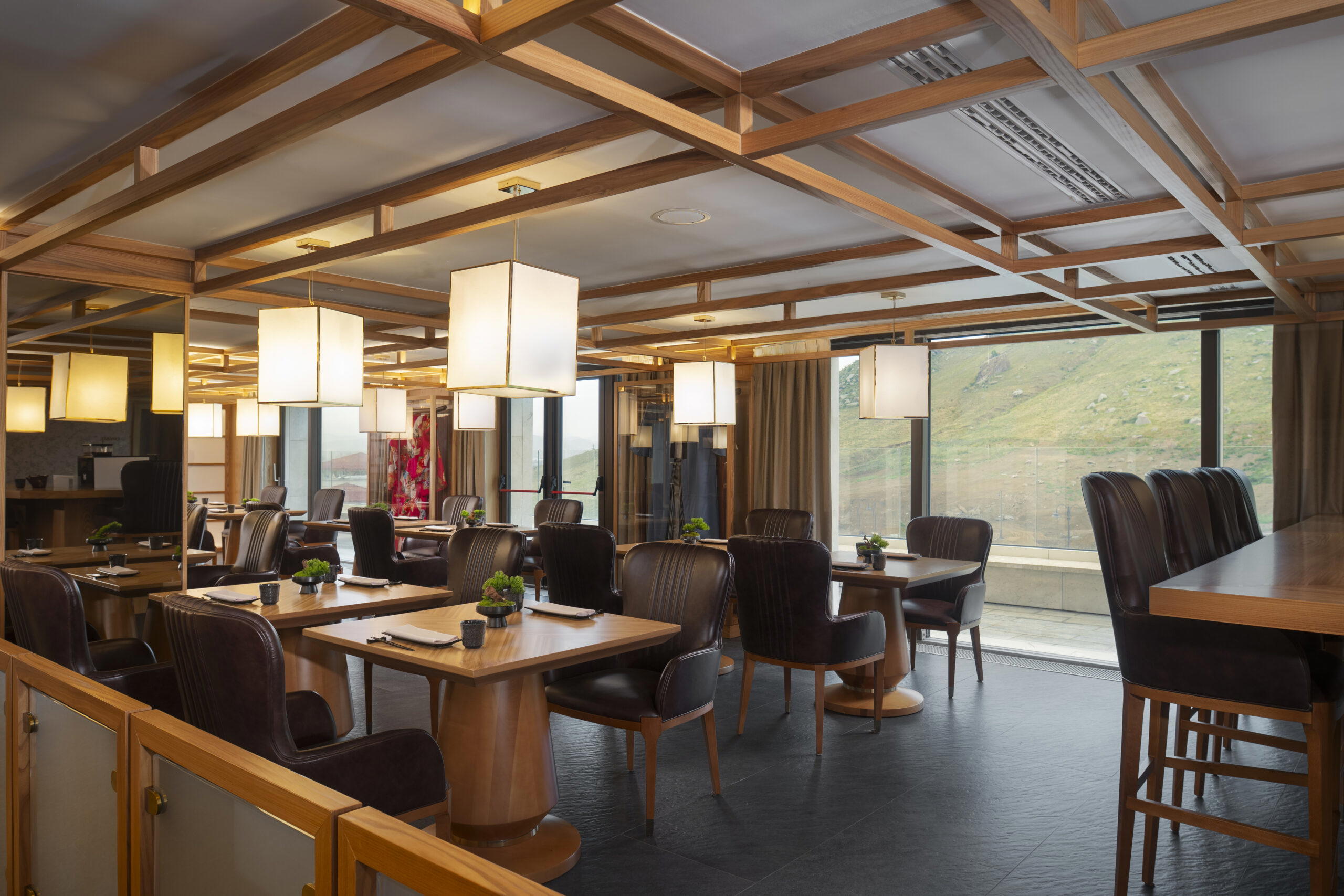
Restaurants in Ulaanbaatar
Browse all →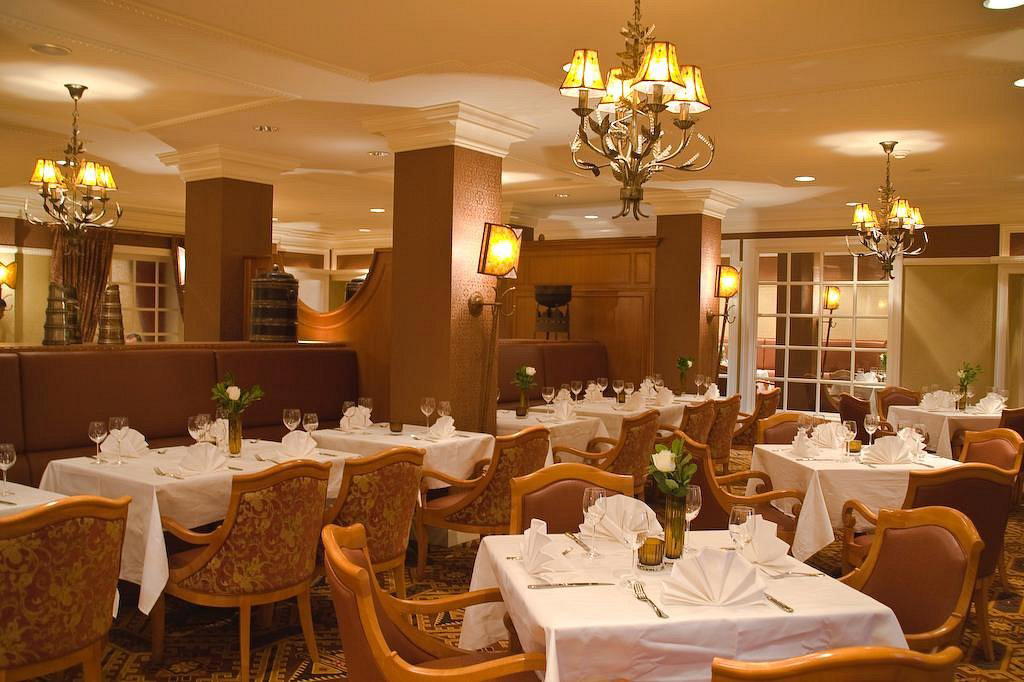
Hotels in Ulaanbaatar
Browse all →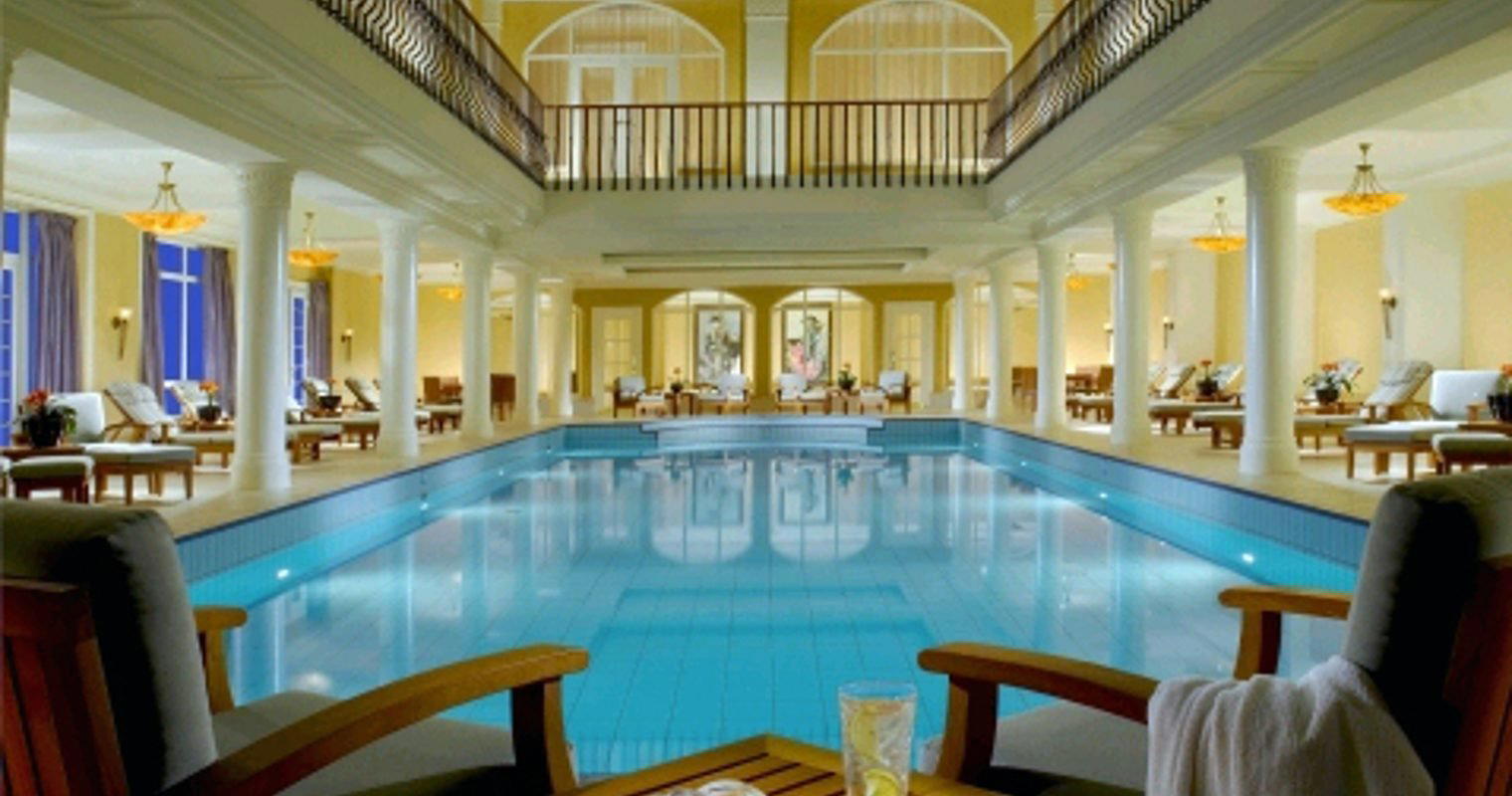
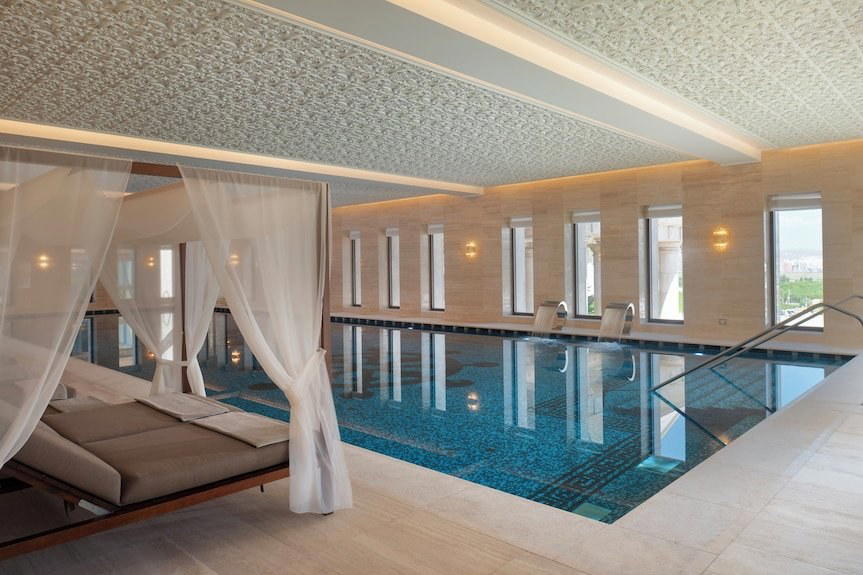
At a Glance
- Sophisticated
- Elegant
- Cozy
- Date Night
- Casual Hangout
- Late Night
- Hotel Bar
- Lounge Seating
- Craft Cocktails
- Whiskey
- Mountain
Comfortable and sophisticated atmosphere with professional service.
Know Before You Go
- Getting there
- Terelj Rd Gorkhi Terelj National Park, ND - 6 khoroo, Terelj, Ulaanbaatar 12710